
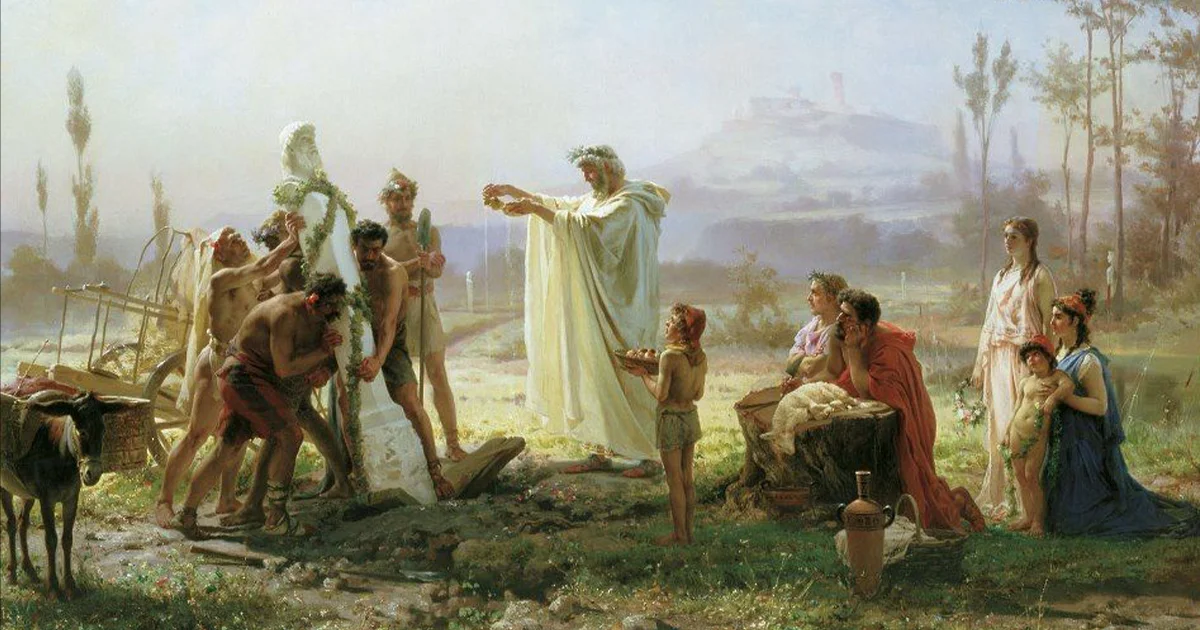
Ancient Greece and Rome hosted dozens of mystery cults between the 8th century BC and 400 AD, offering initiates secret rituals, personal salvation, and tighter bonds than public religion could provide. The mystai (initiates) guarded their experiences closely, which meant non-members knew almost nothing about what happened inside the sacred precincts. These cults operated alongside state religion, but addressed individual fears about death and the afterlife in ways that Zeus’s thunderbolts or Juno’s marriage blessings could not.
1. Eleusinian Mysteries (Demeter and Persephone)
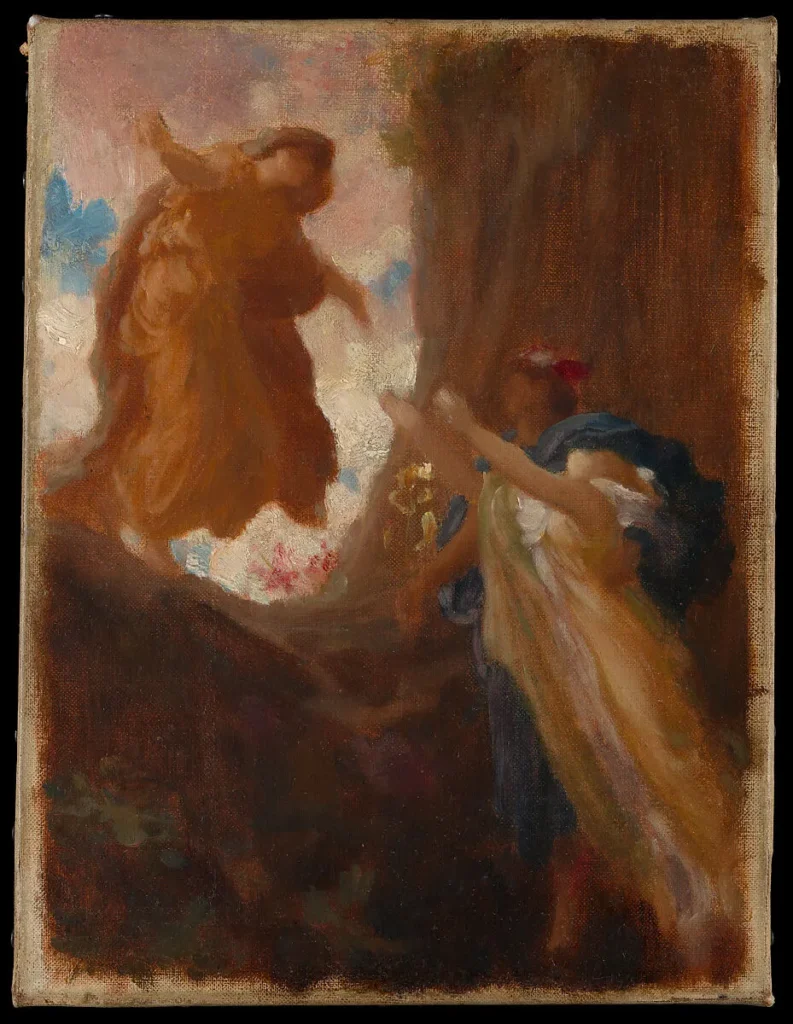
The Eleusinian Mysteries began around 1500 BC near Athens and remained active for nearly 2,000 years. Initiation occurred at the sanctuary of Demeter and Persephone in Eleusis, 14 miles northwest of Athens. Participants reenacted Persephone’s descent to the underworld and her mother Demeter’s grief, which explained the cycle of seasons and promised initiates a better fate after death. The Lesser Mysteries took place in Athens each spring, preparing candidates for the Greater Mysteries in autumn. Anyone who spoke Greek and had not committed murder could apply, which made this the most accessible of all mystery cults.
The Greater Mysteries stretched across nine days and included fasting, a nighttime procession from Athens to Eleusis, and a final revelation inside the Telesterion (initiation hall). That hall held roughly 3,000 people and featured rock-cut seating on all four sides. The exact content of the revelation remained secret under penalty of death, but ancient writers hinted at visions involving grain, torches, and a sacred birth. Cicero claimed that initiation taught people “not only how to live with joy, but also how to die with better hope,” which suggests the rite addressed existential dread directly.
2. Dionysian Mysteries (Bacchus)
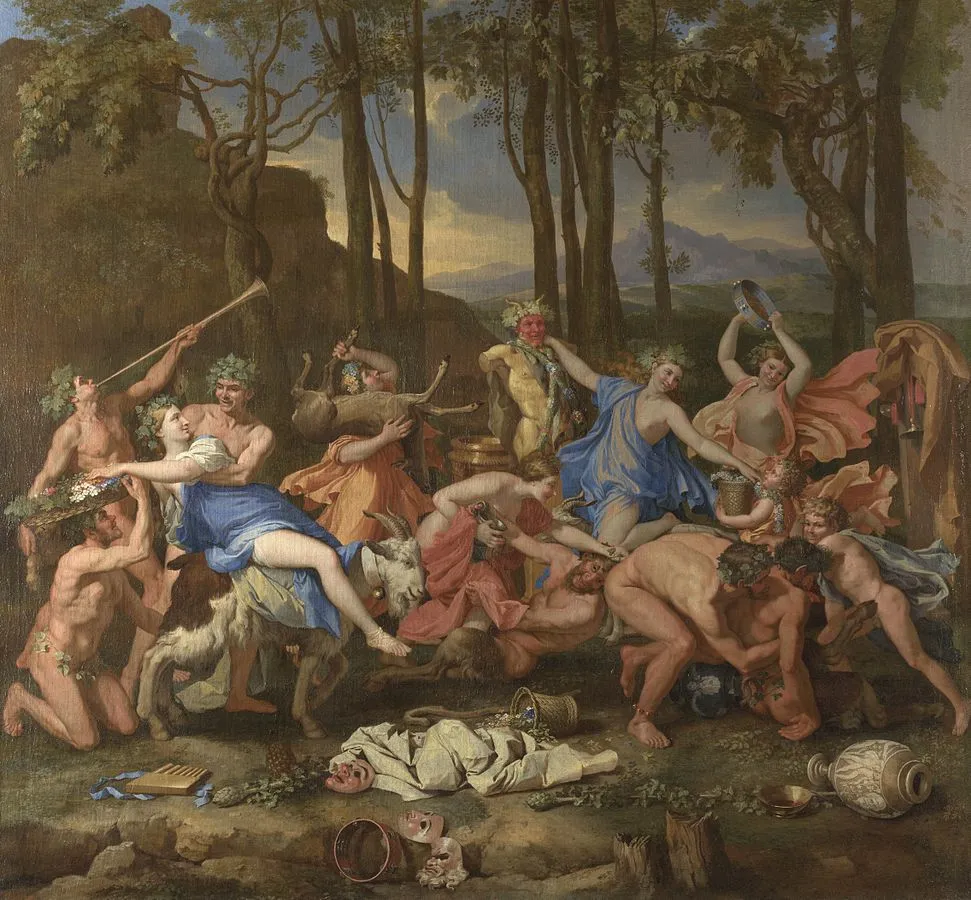
Dionysus, god of wine, theater, and ecstasy, inspired multiple mystery cults across the Greek and Roman world from at least the 6th century BC onward. The Dionysian Mysteries emphasized liberation from social norms through wine, music, and dance. Women (called maenads or bacchantes) formed the core membership, which was unusual in a male-dominated society. Euripides’s play The Bacchae (405 BC) dramatized the god’s power and the violent consequences when King Pentheus tried to suppress the cult in Thebes.
Initiates gathered in remote locations, often at night, to perform ecstatic rituals that mimicked Dionysus’s own death and rebirth. Evidence from southern Italy and later Roman sources describes frenzied dancing, animal sacrifice, and the ritual tearing of raw flesh (sparagmos) to experience the god’s presence. Roman senators feared these rites could destabilize the state, leading to the Senatus Consultum de Bacchanalibus in 186 BC, which restricted Dionysian worship. Despite the crackdown, the mysteries survived in modified form throughout the Empire.
3. Cult of Isis (Egyptian Import)
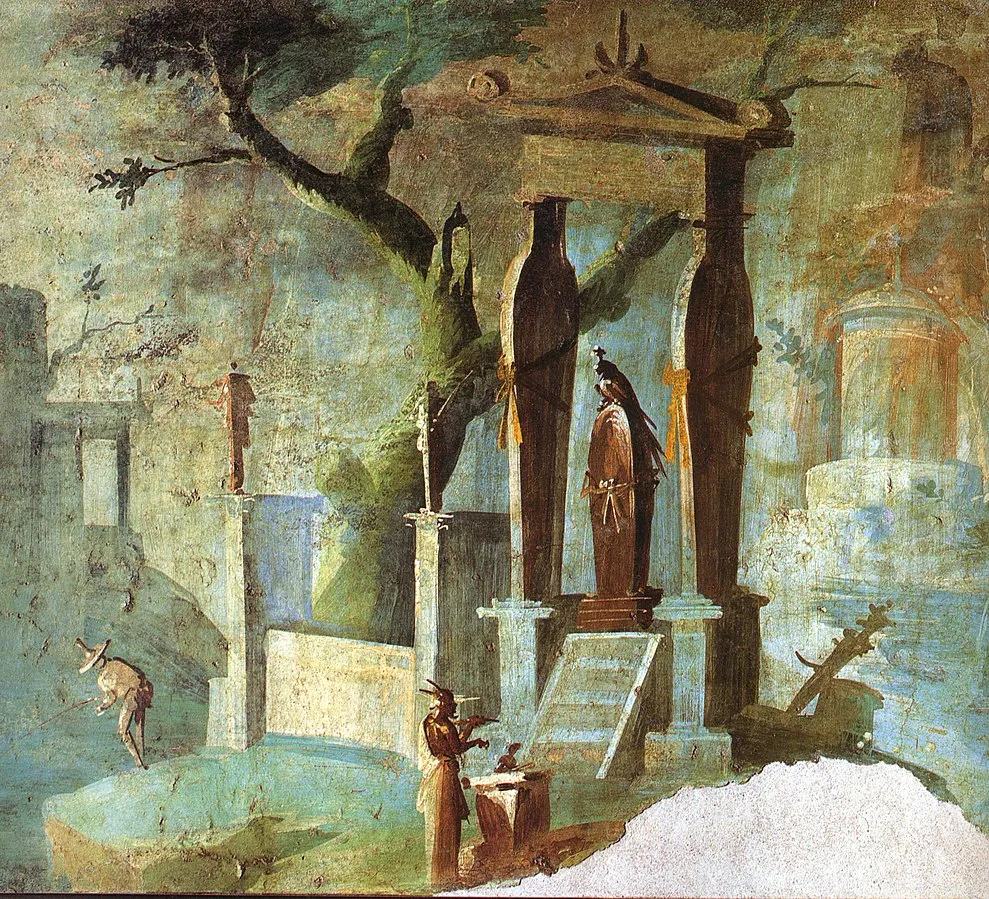
Isis worship arrived in Greece during the 4th century BC and spread rapidly across the Roman Empire by the 1st century AD. The cult promised personal salvation and daily care from a compassionate goddess, which contrasted sharply with Rome’s distant and transactional state gods. Isis temples appeared in major ports like Delos, Alexandria, and Ostia, where merchants and sailors formed a significant portion of her followers. Apuleius’s novel The Golden Ass (circa 170 AD) contains the most detailed surviving account of an Isis initiation, describing a symbolic death and rebirth followed by a vision of the goddess crowned with light.
Membership required a formal initiation that involved fasting, ritual bathing in the sea, and a secret revelation inside the temple. The cult also demanded regular participation in daily rites, including morning and evening prayers and the ceremonial opening of the temple doors. Priests (both male and female) wore white linen robes and shaved their heads as signs of purity. Isis promised protection in this life and a favorable judgment in the afterlife, provided initiates maintained ritual cleanliness and devotion.
Built out of a love for history, kept free from distractions.
Spoken Past is an independent project shaped by curiosity, care, and long hours of research. Reader support helps keep it maintained, carefully researched, and open to everyone.
4. Samothracian Mysteries (Great Gods)
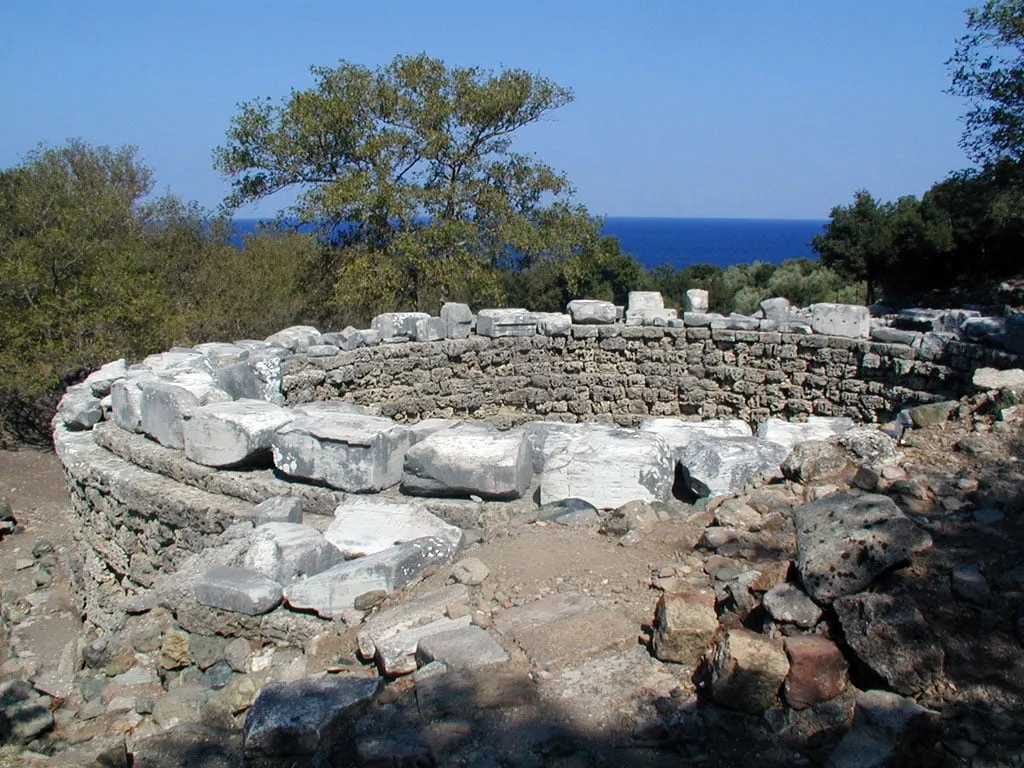
The island of Samothrace in the northern Aegean hosted mystery cults dedicated to the Great Gods (Megaloi Theoi) from at least the 7th century BC. These deities included Axieros, Axiokersa, Axiokersos, and Kadmilos, though their exact identities and functions remain debated. Greek authors often equated them with Demeter, Persephone, Hades, and Hermes. The cult promised protection from danger at sea, which made it especially popular with sailors and merchants. Philip II of Macedon met his future wife Olympias during initiation here in 357 BC, which highlights the sanctuary’s prestige among Greek elites.
The Samothracian initiation occurred in two stages. First, the myesis (preliminary rite) introduced candidates to the Great Gods and prepared them for deeper mysteries. Second, the epopteia (full initiation) granted a complete revelation and the right to wear a purple sash and an iron ring as symbols of protection. Archaeological excavations have uncovered the Anaktoron (initiation hall), the Arsinoeion (the largest circular building in ancient Greece, measuring 66 feet in diameter), and the Hieron (sacred house) where the epopteia took place. Inscriptions record initiates from across the Mediterranean, including Roman emperors.
5. Cult of Mithras (Roman Military Favorite)
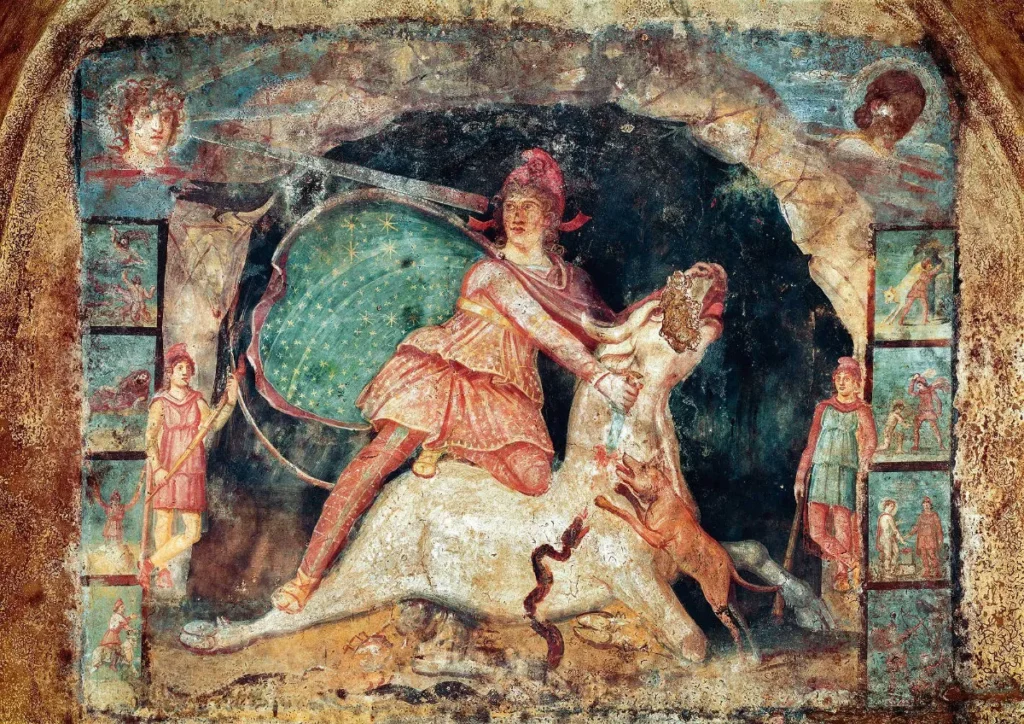
Mithraism emerged in the Roman Empire during the 1st century AD and became wildly popular among soldiers stationed along the Rhine and Danube frontiers. The cult worshipped Mithras, a god associated with contracts, cosmic order, and the unconquered sun. Mithraism was strictly male and organized into seven grades of initiation: Corax (Raven), Nymphus (Bridegroom), Miles (Soldier), Leo (Lion), Perses (Persian), Heliodromos (Sun-Runner), and Pater (Father). Each grade required passing tests and performing specific rituals, which built a tight hierarchy among members.
Worship took place in underground mithraea (shrines), which were designed to resemble caves and accommodate only 20 to 40 men. Every mithraeum featured a central image of Mithras killing a bull (the tauroctony), surrounded by symbols like the sun, moon, a raven, a dog, a snake, and a scorpion. Scholars debate whether this scene represents an astronomical event, a cosmological myth, or both. The cult involved shared meals, torch-lit ceremonies, and oaths of loyalty. Mithraea have been discovered from Britain to Syria, with heavy concentrations in Rome, Ostia, and along military frontiers.
6. Orphic Mysteries (Orpheus the Poet)
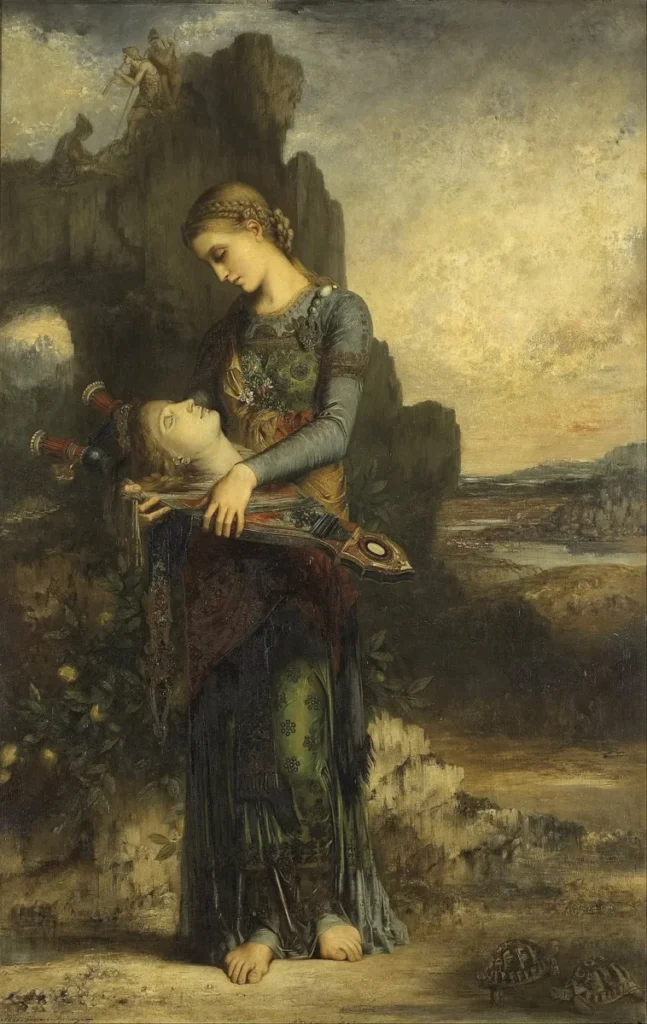
The Orphic tradition, named after the mythical poet and musician Orpheus, developed in Greece around the 6th century BC. Orphism taught that humans possessed a divine soul trapped in a corrupt body, a belief that sharply contrasted with mainstream Greek religion. Initiates followed strict dietary rules (especially avoiding meat and beans), performed purification rituals, and studied sacred texts (the Orphic poems and hymns) to escape the cycle of reincarnation. Gold tablets buried with Orphic initiates in southern Italy and Crete provide instructions for navigating the underworld, including which springs to drink from and which roads to take.
Orphism emphasized personal purity and moral behavior over animal sacrifice. The myth of Dionysus Zagreus formed the cult’s theological core: the Titans killed and ate the infant god, Zeus destroyed the Titans with a thunderbolt, and humans were born from the Titans’ ashes, containing both divine and evil elements. Initiates believed that following Orphic practices would free the divine soul from its bodily prison and grant eternal life among the gods. Plato knew the Orphic tradition and borrowed some of its ideas about the soul and reincarnation for his own philosophy.
7. Cult of Cybele (Magna Mater)
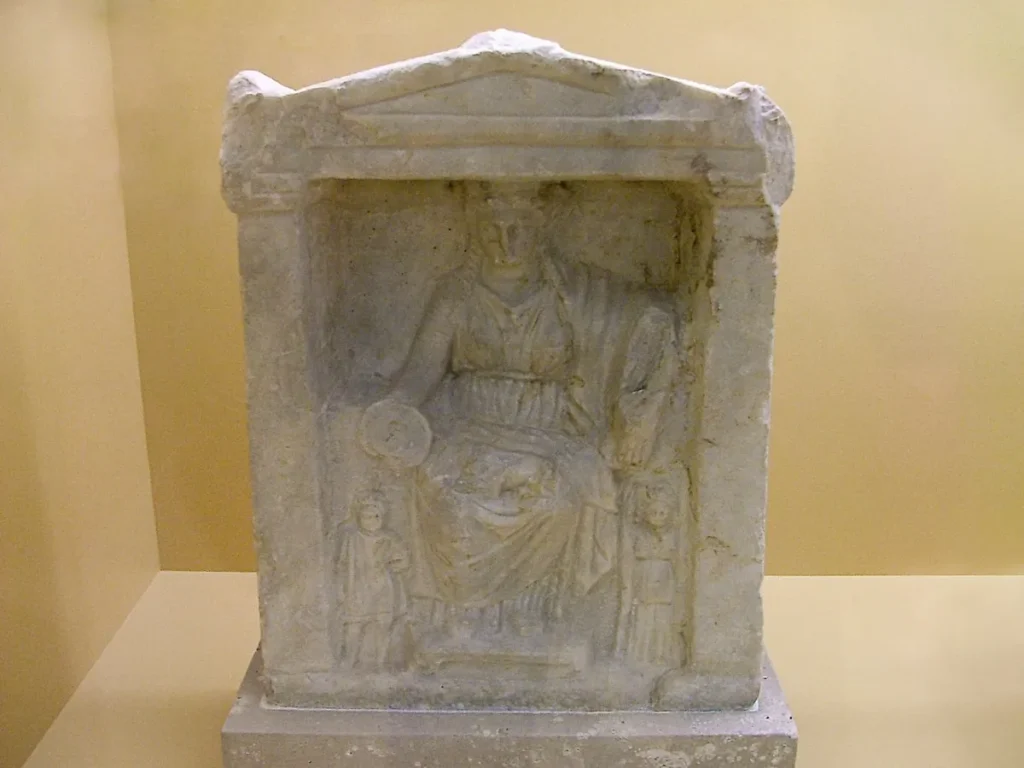
Cybele, the Great Mother goddess from Phrygia (central Turkey), arrived in Rome in 204 BC during the Second Punic War after the Sibylline Books declared she would ensure victory over Hannibal. Roman authorities transported her sacred black stone from Pessinus to Rome and built a temple on the Palatine Hill. The cult featured ecstatic rites that shocked conservative Romans, including self-castration by priests (the Galli) and frenzied music with drums, cymbals, and flutes. Cybele promised agricultural fertility, personal healing, and protection from enemies, which earned her widespread devotion despite Roman unease.
The March festival of Cybele reenacted the death and resurrection of her consort Attis. The Dies Sanguinis (Day of Blood) on March 24th involved mourning, self-flagellation, and the castration of new Galli priests in a frenzy of devotion. This was followed by the Hilaria (Day of Joy) on March 25th, celebrating Attis’s resurrection. Initiates also participated in the taurobolium, a ritual bath in bull’s blood that symbolized death and rebirth. The ceremony took place in a pit covered by a grate, with the initiate standing below while priests sacrificed a bull above. Participants emerged drenched in blood, spiritually reborn for 20 years.