Learn history
Scholarship
Research notes, reading guides, book highlights, and methods for studying the ancient world, plus roundups of new papers and discoveries.

Ancient Egyptian Pregnancy Tests: Did Wheat and Barley Really Work?
Egyptian papyri prescribed urine on grain to detect pregnancy and predict a child’s sex. A 1963 experiment found limited evidence for the first claim,…
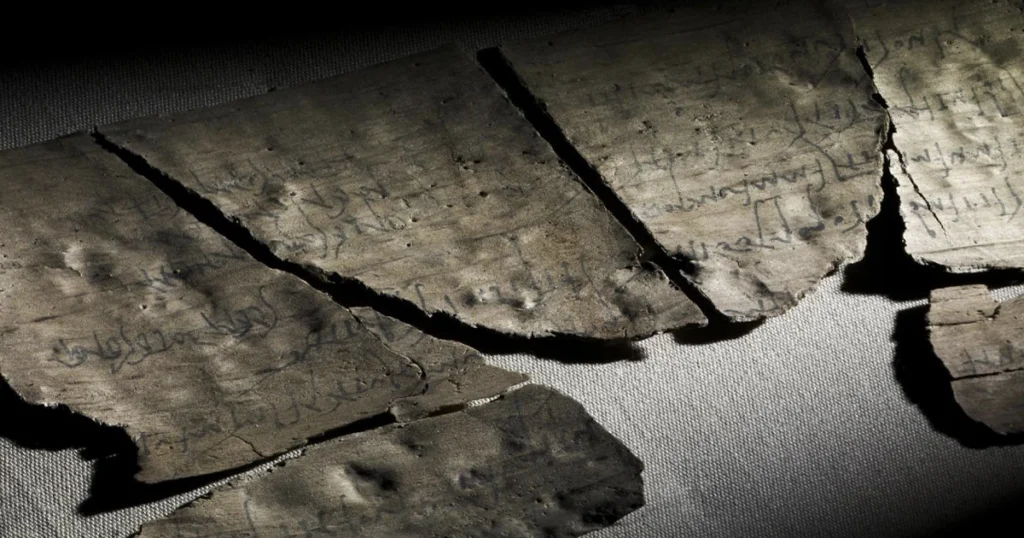
Vindolanda Tablets: Letters From Everyday Life in Roman Britain
Wooden letters from Vindolanda record a birthday invitation, socks and sandals, military strength reports, beer shortages and the business of Roman Britain’s frontier.
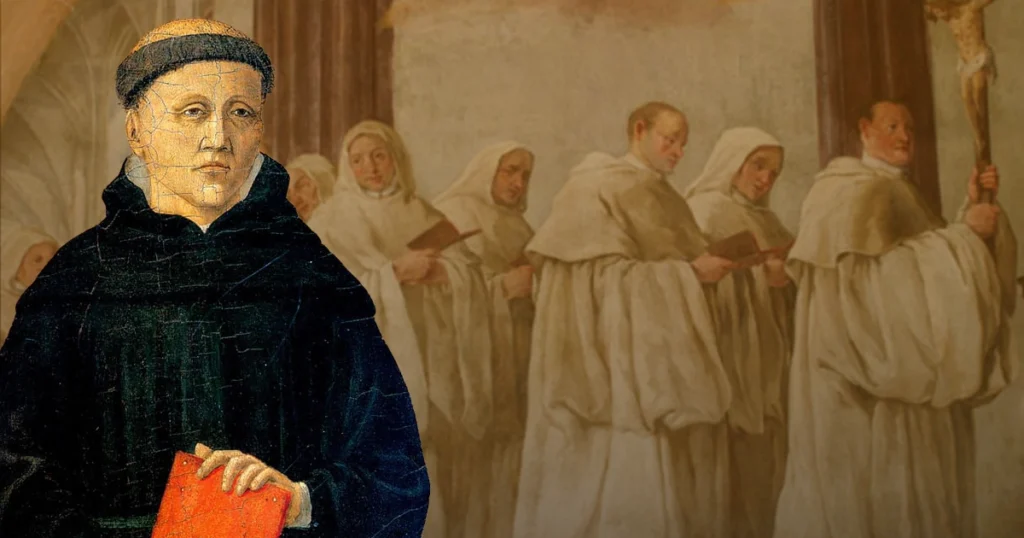
How Medieval Monks Preserved and Erased Ancient Texts
Medieval monks copied ancient books and reused others as palimpsests. The Archimedes and Cicero manuscripts reveal what survived and why.
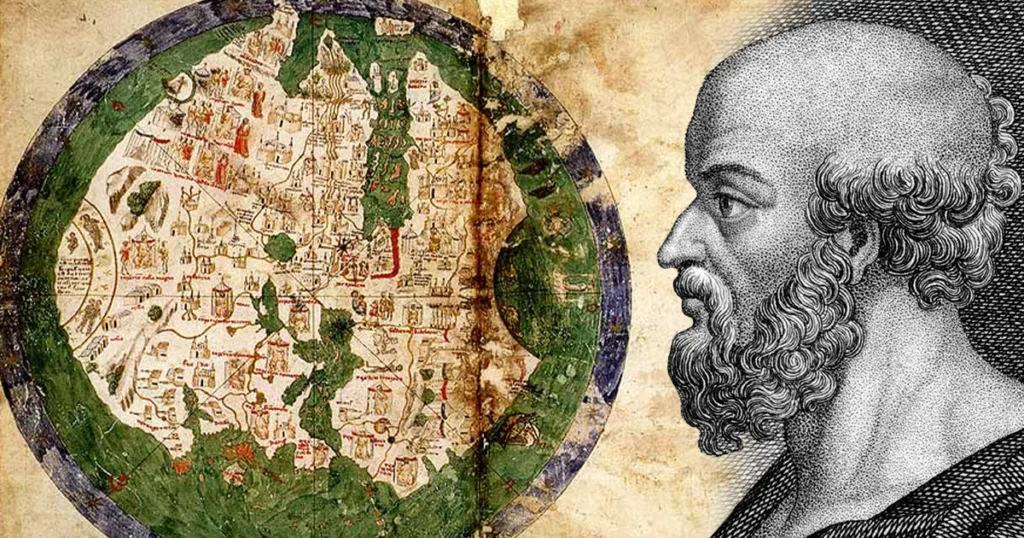
How Eratosthenes Measured the Earth With a Stick
Eratosthenes used sunlight at Alexandria and Syene to estimate Earth’s circumference. His geometry survives, but the exact length of his stade remains debated.
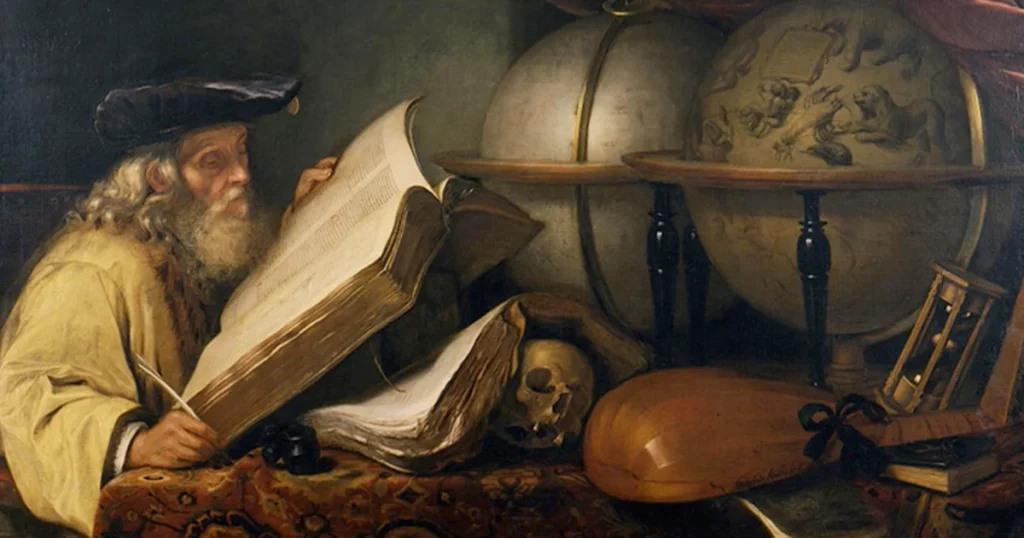
How Did Ancient Scholars Study Before Printing?
Before printing, ancient scholars used clay tablets, papyrus, oral recitation, libraries and debate. Their methods varied across cultures and centuries.
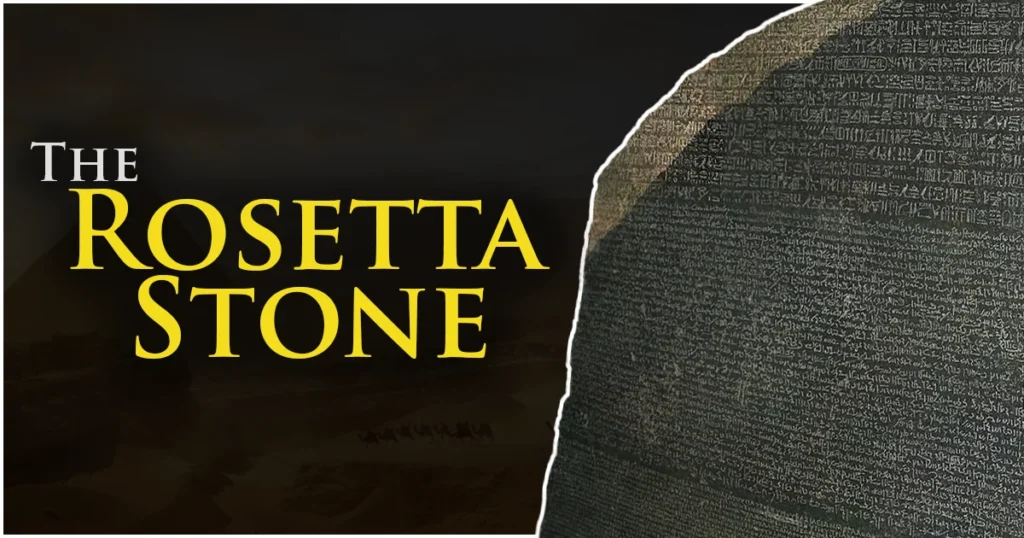
Rosetta Stone: What It Says and How Hieroglyphs Were Deciphered
The Rosetta Stone records a royal decree from 196 BC. Its Greek, Demotic and hieroglyphic texts helped scholars recover ancient Egyptian writing.
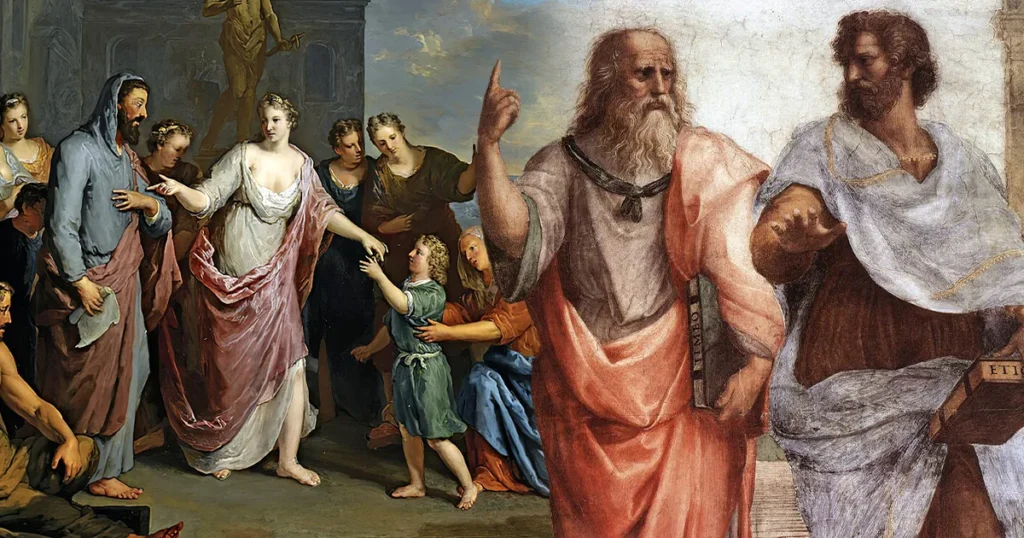
Aristotle’s Lost Works: The Dialogues and Research We No Longer Have
Aristotle's lost dialogues were celebrated in antiquity, while many research collections vanished. What survives, how it was transmitted and what scholars can reconstruct.
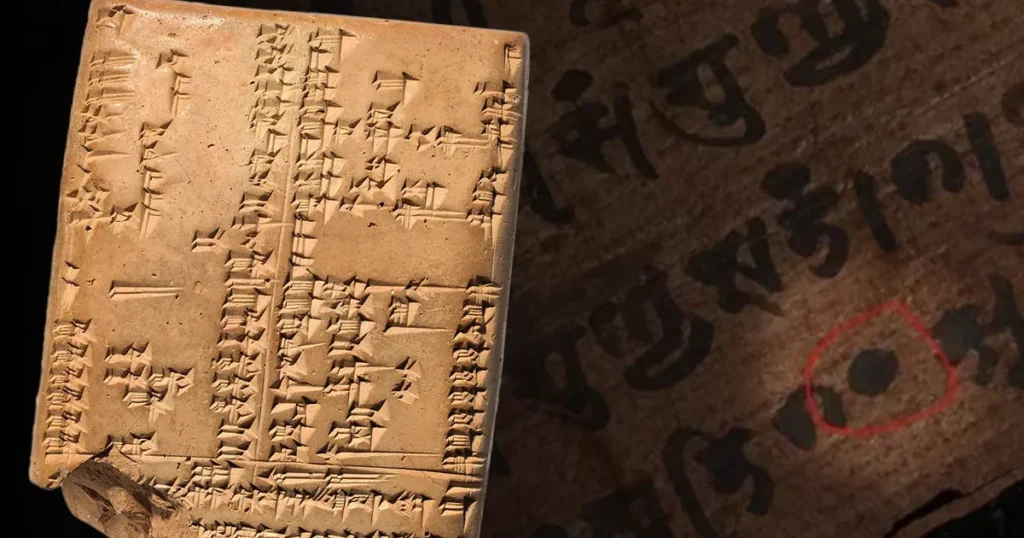
Which Civilization Invented Zero? The Evidence from India and Beyond
Ancient India developed zero as a number, while Babylonians and Maya used earlier placeholders. See what Aryabhata, Brahmagupta and the Bakhshali manuscript show.
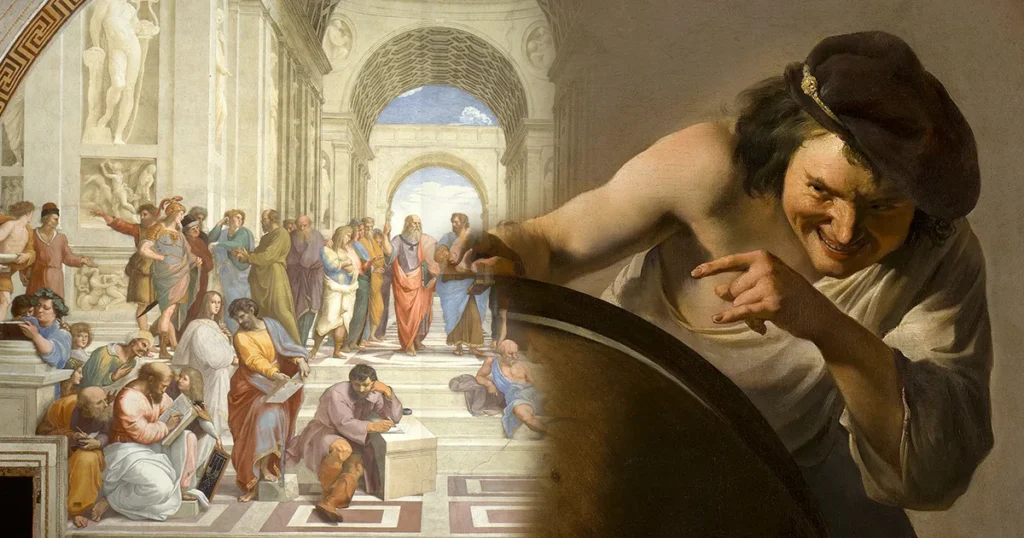
9 Presocratic Thinkers and Traditions of Ancient Greece
Thales, Pythagoras, Heraclitus, Parmenides and five other early Greek philosophical traditions asked how nature, change, knowledge and justice work.
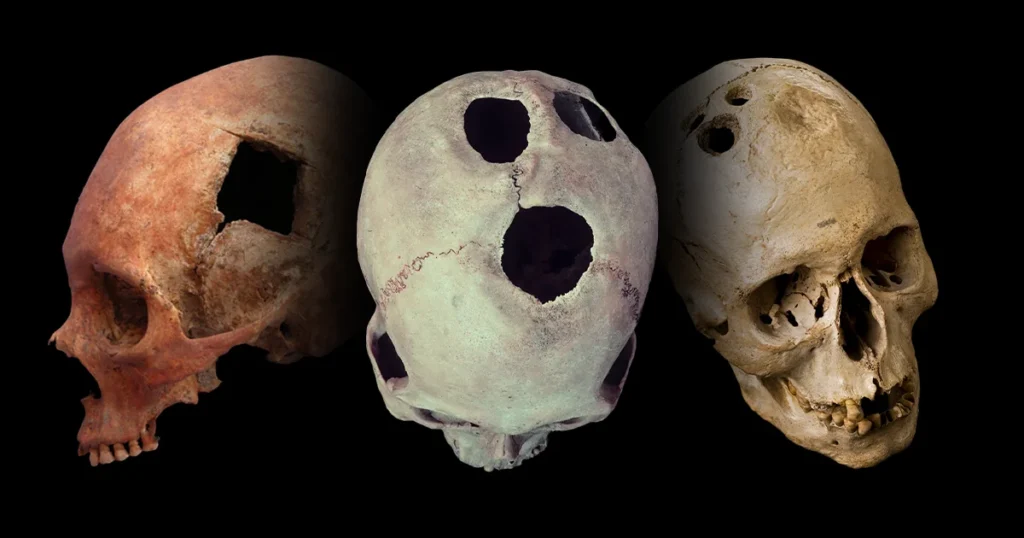
Ancient Skull Surgery: The 80% Survival Rate in Inca Peru
Skulls from ancient Peru suggest that 75% to 83% of Inca-period trepanation patients survived. The bone evidence reveals how surgeons worked and what remains…
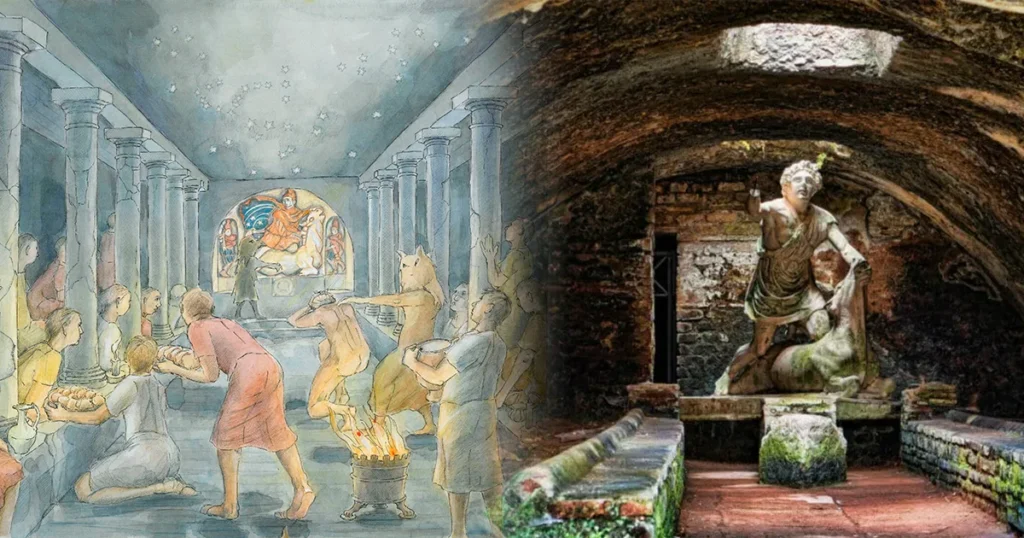
What Rituals Took Place in a Mithraeum?
Roman mithraea hosted sacred meals, offerings and initiations. Archaeology shows what worshippers did and why the famous bull-killing image misleads.
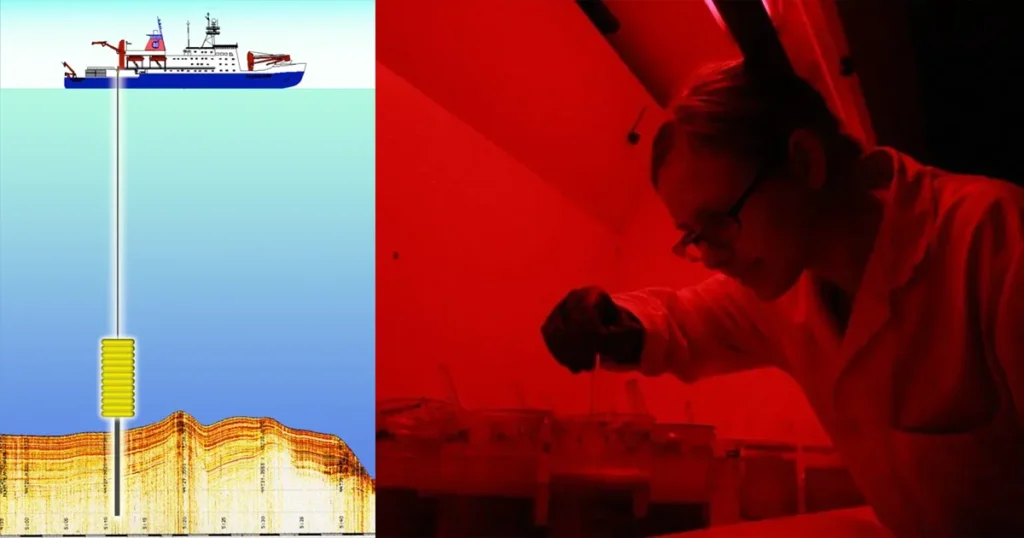
OSL Dating: How Scientists Date Buried Sand and Ancient Footprints
OSL dating measures when buried sand last saw sunlight. Learn how quartz clocks work, how labs calculate ages, and what ancient footprints can really…