Learn history
Art
Sculpture, temples, painting, mosaics, and design across Greece, Rome, Egypt, and beyond, with styles, techniques, and notable works explained.
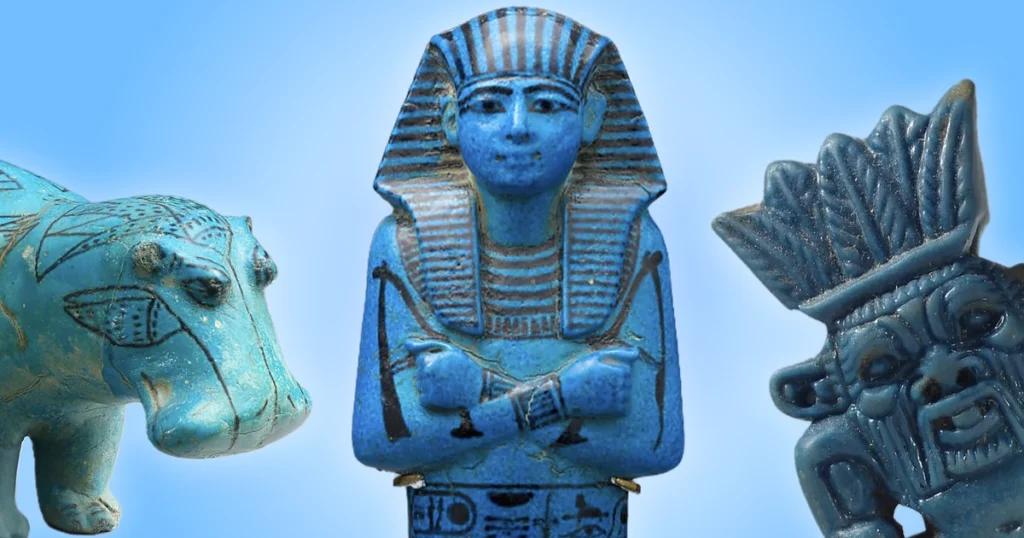
What Is Egyptian Faience? The Blue Ceramic Made Without Clay
Egyptian faience was made from crushed quartz, salts and copper. Learn how its blue glaze formed, why it mattered and where it was made.
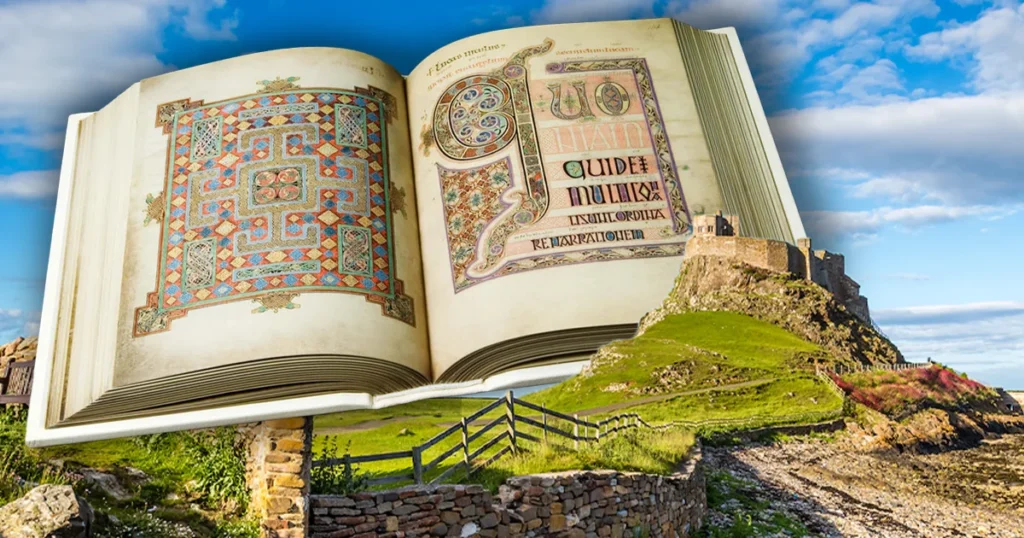
Lindisfarne Gospels: Inside a Medieval Masterpiece
Made around 700 in Northumbria, the Lindisfarne Gospels unite extraordinary Insular art, Latin scripture and a later Old English translation.
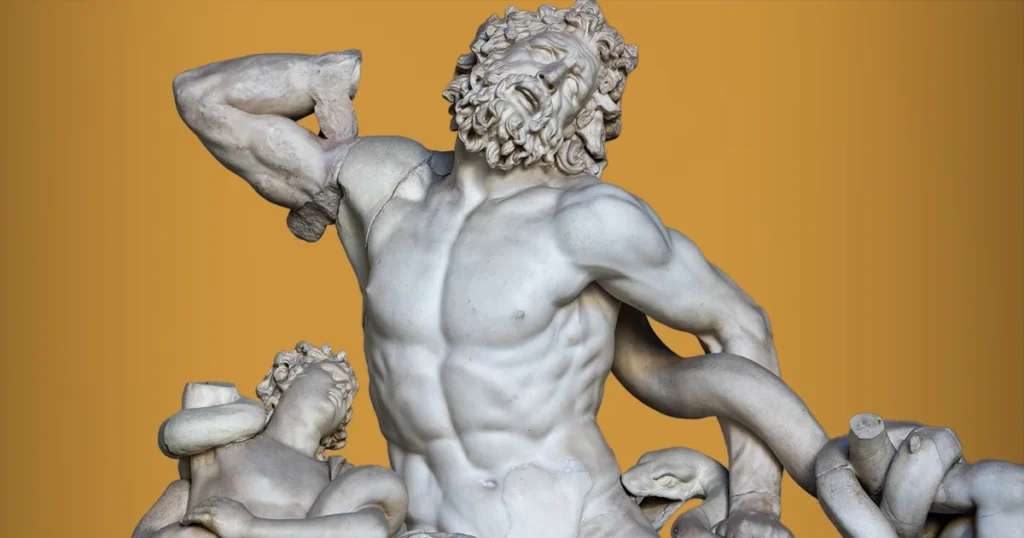
Laocoön and His Sons: The Statue Found in a Roman Vineyard
Found in Rome in 1506, the Laocoön sculpture depicts a Trojan priest and his sons. Its disputed date, missing arm and artistic influence reveal…
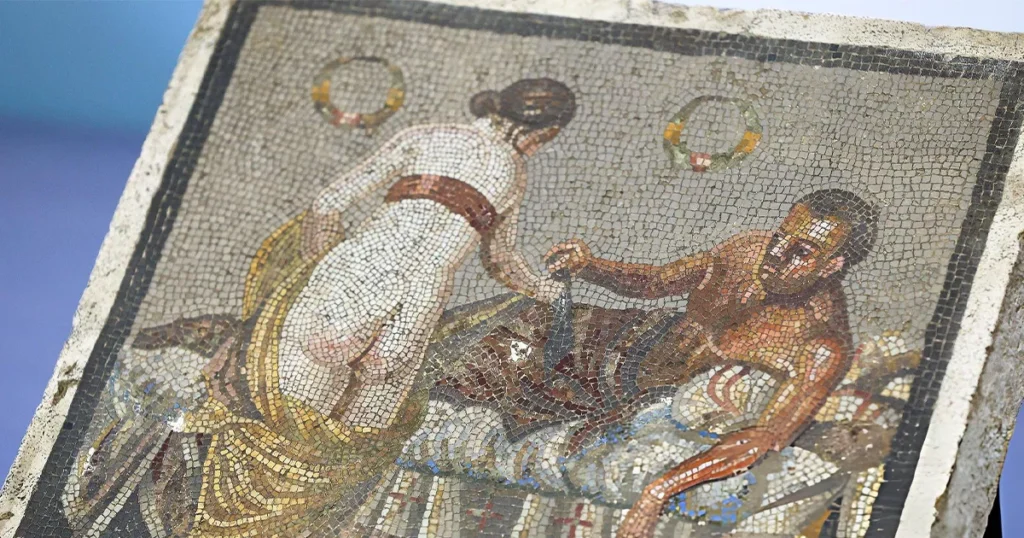
How Were Roman Mosaics Made?
Roman mosaicists built floors in layers, cut stone and glass into tesserae, and arranged detailed pictures in mortar. Excavated pavements reveal how they worked.
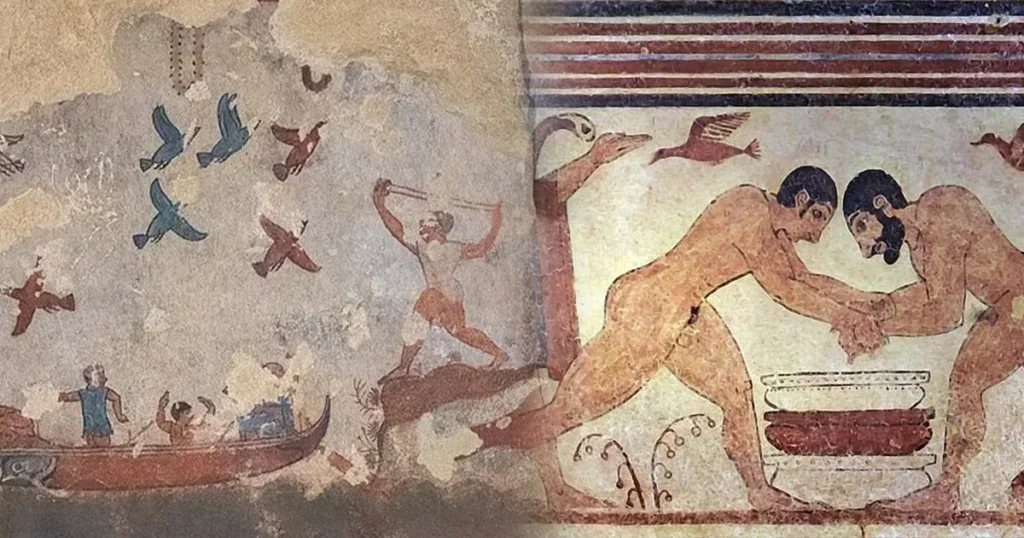
9 Painted Etruscan Tombs at Tarquinia and Their Stories
Nine painted tombs at Tarquinia preserve Etruscan banquets, myths, funeral games and performers. Learn what their frescoes show and which can be visited.
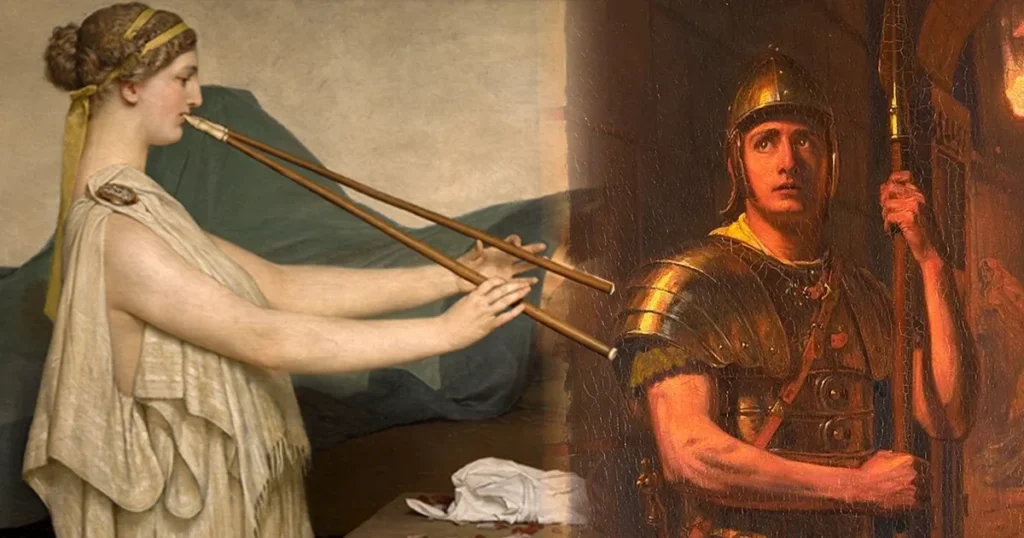
Roman Fresco Painting: How Pompeii’s Art Was Made
How did Romans paint Pompeii’s walls? Explore lime plaster, wet fresco, pigments, secco details, painters’ workshops and what the archaeological evidence reveals.
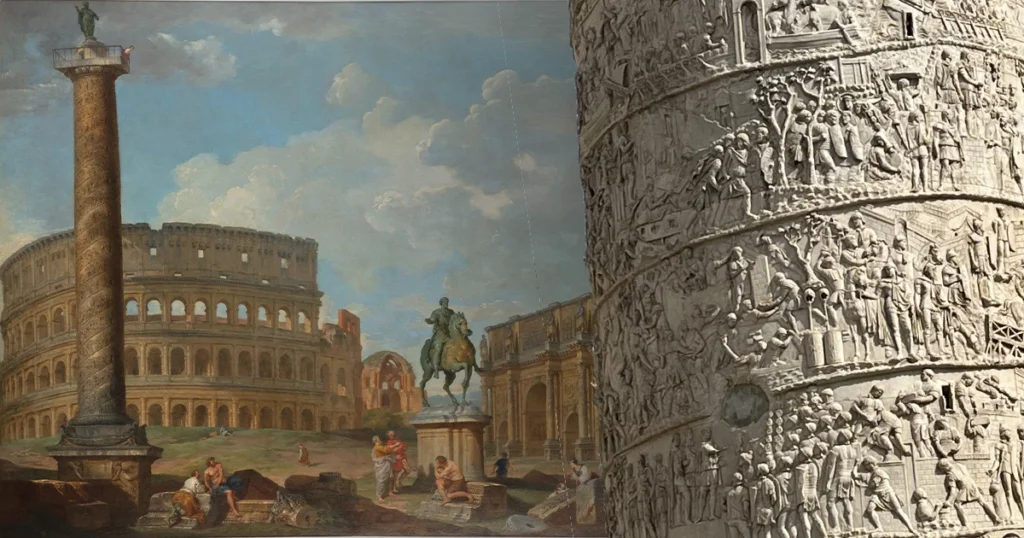
Trajan’s Column: Victory, Propaganda, and Dacia
Trajan’s Column in Rome records two Dacian wars in marble. Learn how its reliefs, inscription, engineering and imperial message shaped the memory of conquest.
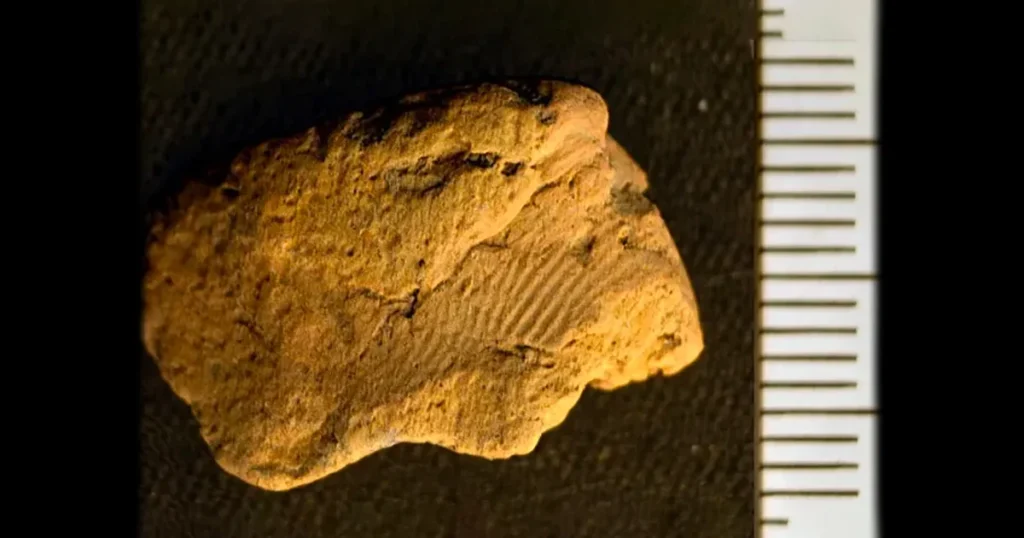
Kiln Fingerprints: How Ceramics Reveal Their Origins
How archaeologists trace pottery to its origins using clay fabrics, kiln debris and chemical analysis, and what those fingerprints cannot prove.
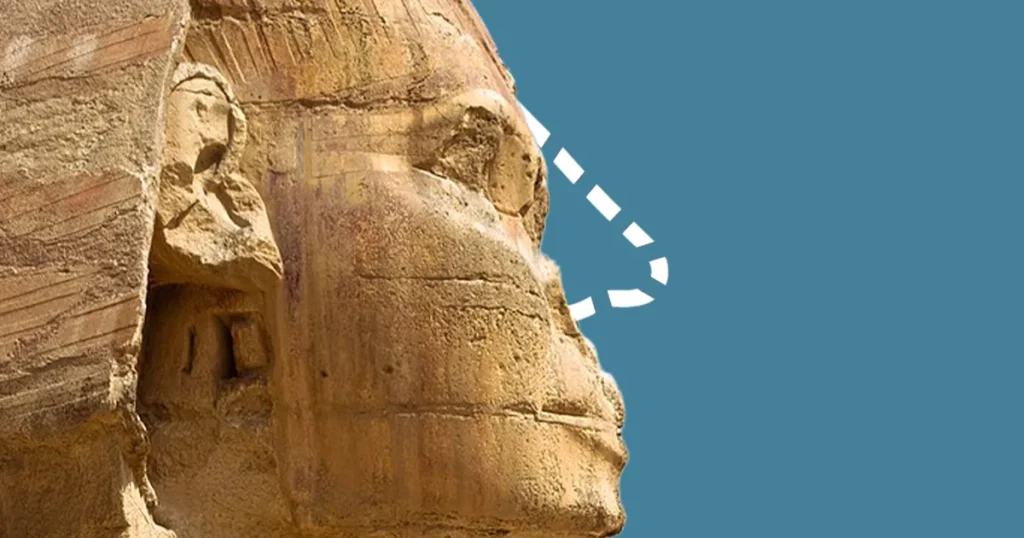
Why Do So Many Ancient Statues Have Broken Noses?
Broken noses on ancient statues can result from falls, weathering, political attacks or religious iconoclasm. Here is how historians tell the causes apart.
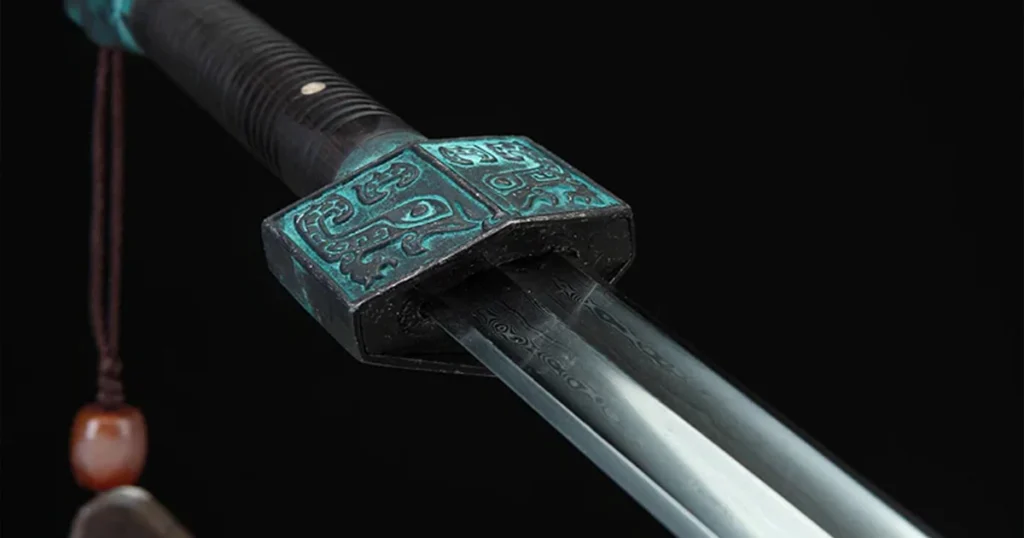
Qin Bronze Weapons: Why They Stayed Sharp
The Terracotta Army’s bronze swords and arrowheads survived for 2,200 years. Archaeological research explains their sharp edges, soil chemistry and the chromium myth.
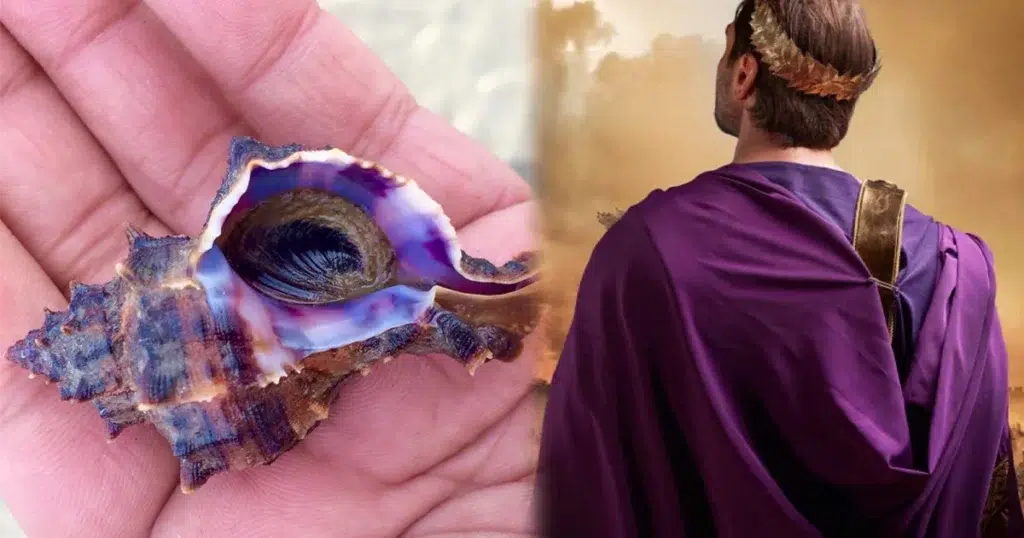
Tyrian Purple: The Ancient Dye of Kings and Emperors
Tyrian purple came from Mediterranean sea snails. Ancient workshops, Roman dress codes and surviving textiles reveal why the colour became a symbol of power.
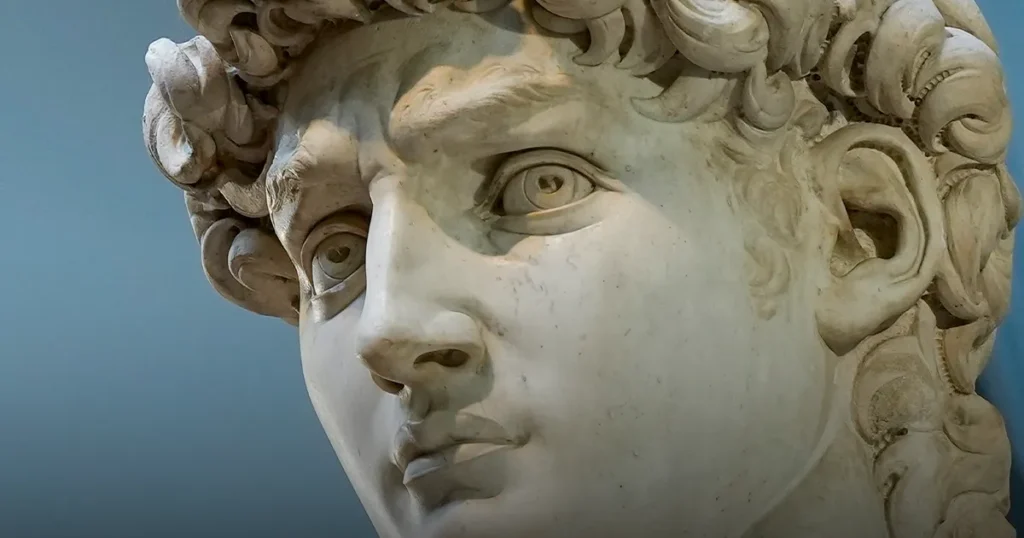
Michelangelo’s David: Cross-Eyed on Purpose?
Michelangelo’s David has misaligned eyes and an oversized right hand. Its cathedral commission and modern 3D scans offer clues, but intention remains disputed.