
Warfare
Latest from this category.
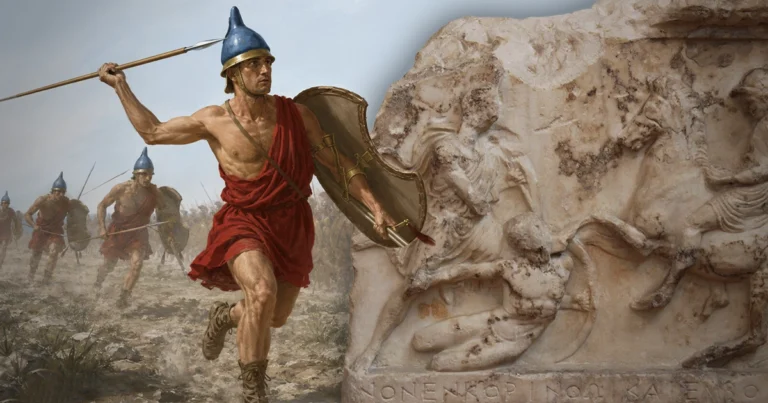
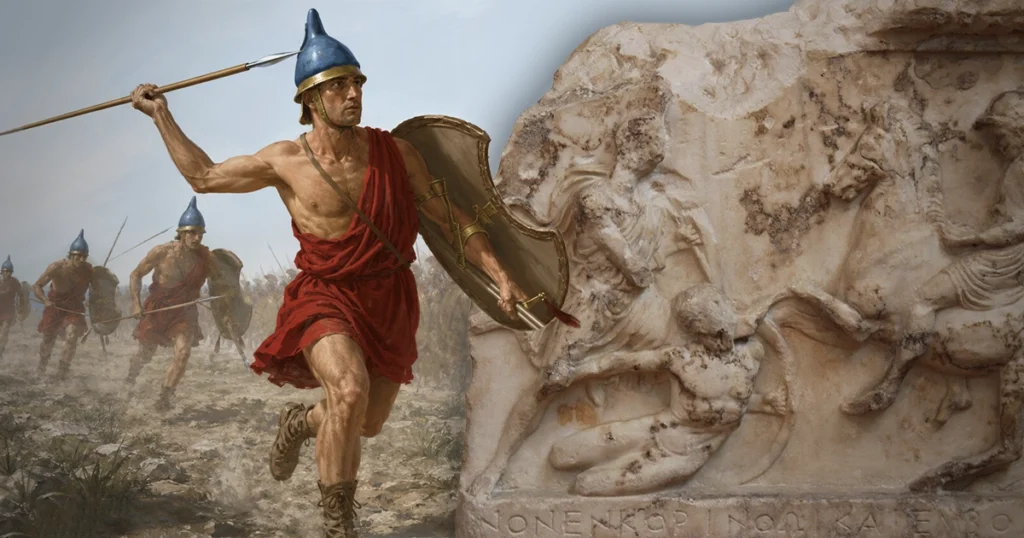
Peltasts: The Javelin Troops Who Broke the Spartan Phalanx
In 390 BC, Athenian peltasts destroyed a Spartan regiment without a single shield clash, exposing a fatal flaw in hoplite warfare.

Did Ancient Soldiers Have PTSD? The Debate Dividing Historians
Ancient soldiers left evidence of trauma, fear, and haunting memories. Historians still debate whether PTSD can be applied to the ancient world.

Siege of Masada: Jewish Rebels’ Last Stand Against Rome
Masada became a symbol of Jewish resistance against Rome. Archaeology and Josephus tell different stories about its final siege and mass death.

Why Did Japan Ban Firearms After Becoming Gun Masters?
Japan mastered firearms in the 1500s, then nearly eliminated them. The political calculus behind this dramatic reversal shaped centuries of history.

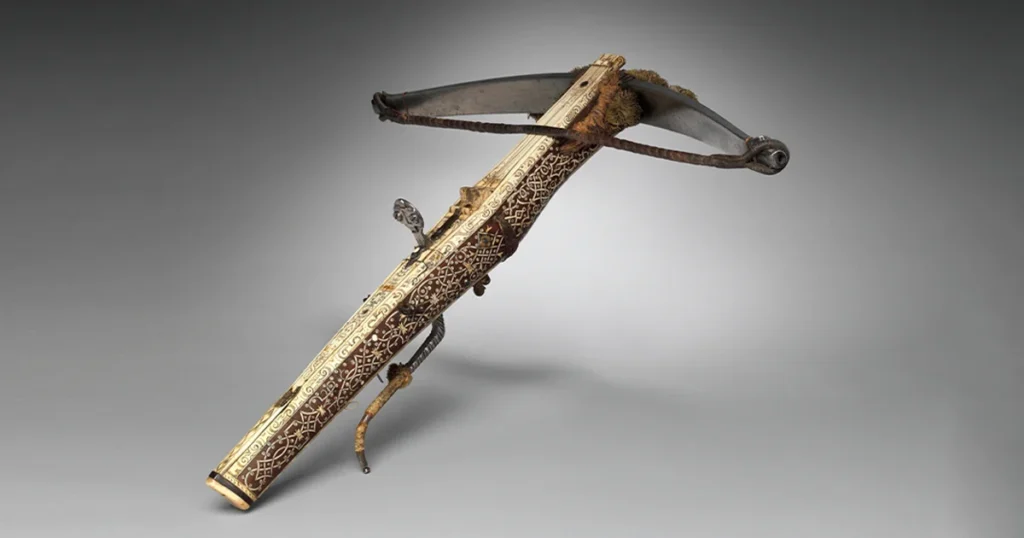
How the Crossbow Changed Medieval Warfare Forever
How the Crossbow Changed Medieval Warfare Forever the crossbow pierced armor, killed kings, and terrified medieval nobility.

The Gallic Wars: Caesar’s Campaigns in Gaul
Caesar marches into Gaul, faces shifting tribal alliances and brutal sieges, then writes a coolly controlled account that hides as much as it reveals.

Ancient Army Scouts: Battlefield Intelligence Before Spies
Scouts shaped ancient wars, but not with simple spying. Bold riders, hidden signals, and silent informants drove the fates of empires.

Battle of Pharsalus: Caesar’s Victory Over Pompey
The battle of Pharsalus in 48 BC saw Caesar destroy Pompey’s army through tactical innovation, ending the Roman Civil War.

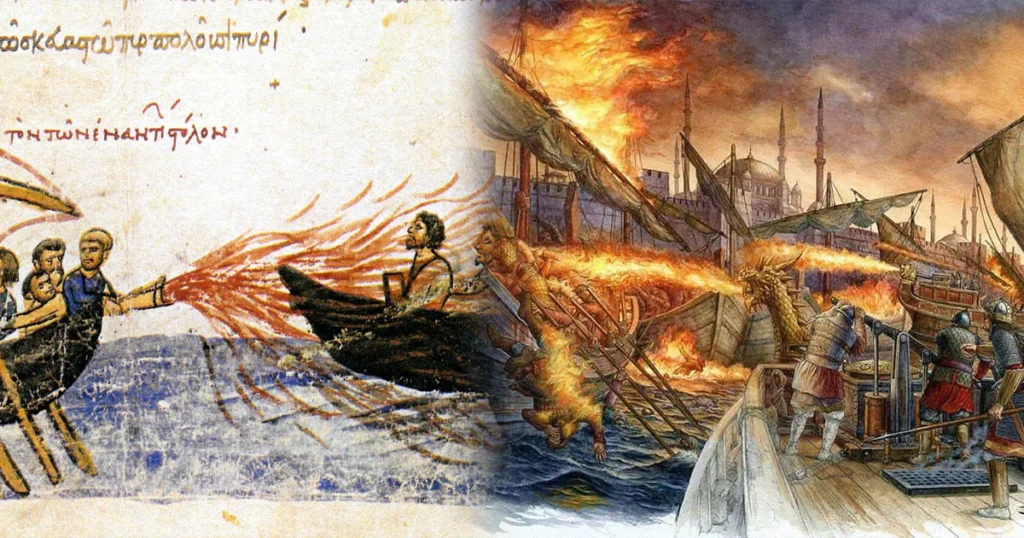
Greek Fire: Byzantium’s Weapon That Burned on Water
Callinicus of Heliopolis created Greek fire for Byzantium in 672 AD. Siphons on dromons projected the petroleum weapon that burned at sea.

5 Viking Raids Recorded In Early Chronicles
Early medieval chronicles captured Viking raids from Lindisfarne to Constantinople with vivid eyewitness detail between 793 and 860.

7 Bloodiest Battles in Ancient History
Ancient warfare claimed hundreds of thousands of lives in single campaigns. These brutal engagements shattered armies and altered the course of empires.

What Happened After Ancient Battles?
After battle, armies looted the dead, negotiated truces, raised victory monuments, and fought the disease that often killed more than combat did.