
Royal weddings were never just about two people standing before an altar; they were instruments for war, peace, succession, and daily government in royal courts. Political Marriages turned kinship into strategy, turning spouses, in‑laws, and future heirs into tools for securing borders and stabilizing or destabilizing kingdoms.
Defining political royal marriages
In premodern Europe royal marriage was treated first as an instrument of rule and only second as a personal relationship. A sovereign’s marriage decision was expected to secure dynastic continuity, tie their realm to powerful allies, and manage rival claims rather than to meet individual preference.
Writers on marriage and queenship describe how royal unions regularly carried the weight of frontier security, internal peace, and the succession, so that a single match could end civil war or trigger it. At the same time, law codes and political practice assumed that a king or queen’s spouse would influence council politics, patronage networks, and relations with the Church, which gave these matches long afterlives inside the court.
In this context political weddings were not isolated events but the visible tip of a wider exchange of gifts, dowries, territorial rights, and mutual obligations between ruling houses. Marriage contracts spelled out not only money and lands but also renunciations of claims and promises of military or diplomatic support, so the ceremony publicly ratified a detailed political bargain.
Political Marriages in Iberian kingdoms
Iberian evidence shows clearly how royal matches reconfigured power between Christian kingdoms and their neighbors. Kings of León, Castile, and Aragon repeatedly chose foreign or high‑status brides in order to bolster prestige, gain allies, or settle frontier tensions created by conquest and civil war.
Legal writers in Castile insisted that a king’s bride should bring good lineage, strong character, and ideally wealth, because her family connections and dowry could either enhance or endanger the realm. At the same time Iberian political culture allowed princesses to inherit in the absence of sons, and did not absolutely bar women from ruling or acting as regents, which meant that a marriage contract could determine whether an entire composite monarchy stayed together or broke apart.
The combination of flexible succession and strong queenship meant Iberian royal weddings carried unusually high stakes. When a daughter inherited or a queen served as regent, her marriage choice determined not only which man would share her bed but who would gain a foothold in councils, armies, and border policy for decades.
Urraca of Leon Castile and civil war
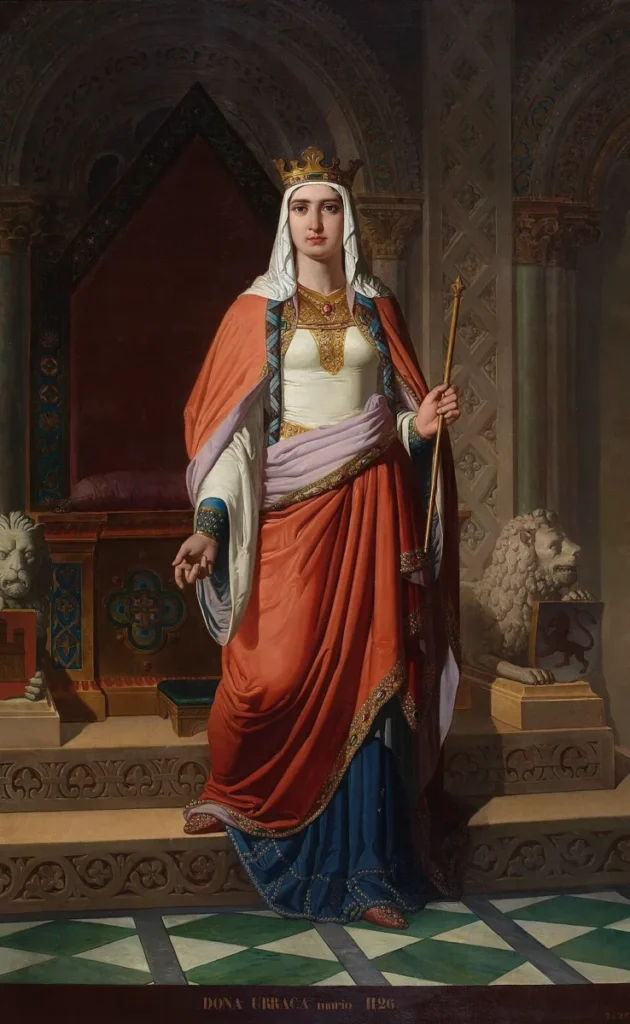
One of the starkest examples of a royal wedding backfiring is the early twelfth‑century marriage of Urraca of León‑Castile to Alfonso I of Aragon. Urraca inherited her father Alfonso VI’s realms because he left no legitimate son, and her marriage to the Aragonese king was planned to unite Iberian Christian kingdoms against their foes and to secure the succession.
The match quickly collapsed. Husband and wife proved personally incompatible, produced no heir together, and clashed over who should control which territories and vassals, so that marital conflict shaded into open warfare between their followers.
Church law treated their union as problematic because of consanguinity, and the marriage was ultimately dissolved on those grounds, yet the political damage had already been done. Instead of lasting union, the wedding produced years of civil war, rival claims, and baronial factionalism, showing how a political marriage could destabilize the very kingdoms it was meant to fuse.
Berenguela Blanche and managed succession
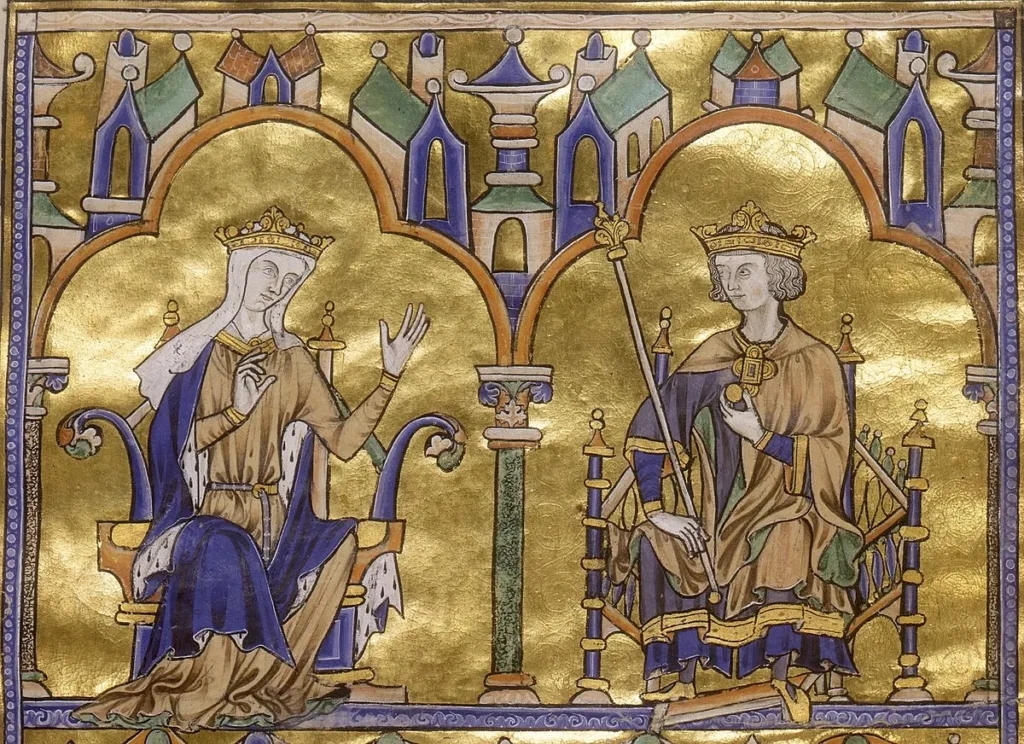
Later in Castile, two royal women used marriage and remarriage to steer succession and limit chaos rather than inflame it. Berenguela, daughter of Alfonso VIII of Castile and Eleanor of England, first married Alfonso IX of León to cement peace between their realms, then accepted the papal dissolution of that marriage for consanguinity while still preserving her children’s prospects.
When her younger brother Enrique I died suddenly, Berenguela was proclaimed queen but swiftly passed the crown to her son Fernando III, carefully stage‑managing the transfer to avoid a repeat of Urraca’s civil war. She then arranged Fernando’s marriages to powerful foreign brides and acted as his political partner and regent in his absence, using those unions to strengthen Castile’s international standing and internal stability.
Her sister Blanche, married into the French royal house, likewise turned a dynastic match into long‑term power. As queen of France and later regent for Louis IX, she drew on her Castilian kin and her marriage alliance to stabilize the French crown against internal noble revolts and to shape foreign policy, illustrating how one wedding could connect two realms’ politics for a generation.
Built out of a love for history, kept free from distractions.
Spoken Past is an independent project shaped by curiosity, care, and long hours of research. Reader support helps keep it maintained, carefully researched, and open to everyone.
Queens as partners in governance
Iberian practice treated queens not simply as pawns transferred between houses but as active partners in monarchy who operated most visibly when kings were absent, ill, or dead. Queens in Castile and the Crown of Aragon frequently served as regents, lieutenants, or guardians of heirs, wielding authority in assemblies, overseeing finances, and issuing commands in the king’s name.
Law codes stressed that because king and queen were “one” in marriage, any dishonor to her touched his reputation, but that same logic made honoring and protecting her a matter of state, not private courtesy. Women who managed royal households, patronage, and child‑rearing also controlled key channels of access to the ruler, so a political marriage determined who would sit at the center of this network.
Spanish examples show queens arranging daughters’ marriages to secure border regions, negotiating with rebellious nobles, and overseeing correspondence that blended personal and public business. In such cases the political effect of a royal wedding did not end at the altar, since the spouse brought her own kin, clients, and religious commitments into the heart of government.
Choosing spouses internal and external
Writers on premodern queenship outline a consistent set of choices monarchs faced when arranging a ruler’s marriage. The first decision was whether to choose an internal candidate from within the realm or dynasty, or an external candidate from another kingdom.
Internal matches, such as marriages to powerful nobles or collateral relatives, could consolidate rival claims and prevent civil war by uniting competing branches of a dynasty. However, these endogamous strategies risked accusations of consanguinity, papal intervention, and jealousy from other noble families who felt excluded from royal favor.
External matches promised clear diplomatic gains. A foreign king or prince as spouse could bring military support, new territory through dowry or inheritance, and heightened prestige, turning the wedding into a visible signal of alliance between realms. At the same time, there was always a danger that a foreign consort would put their birth family’s interests first, or that subjects would resist rule by someone seen as an outsider.
Scholars who map dynastic marriage patterns note that ruling houses tended to marry within relatively tight “marriage spheres” defined by geography, confession, and status. Within those limits, they still sought partners whose rank matched their own, since a mismatch could either degrade a dynasty’s standing or create a consort with dangerously strong independent claims.
What royal weddings were meant to achieve
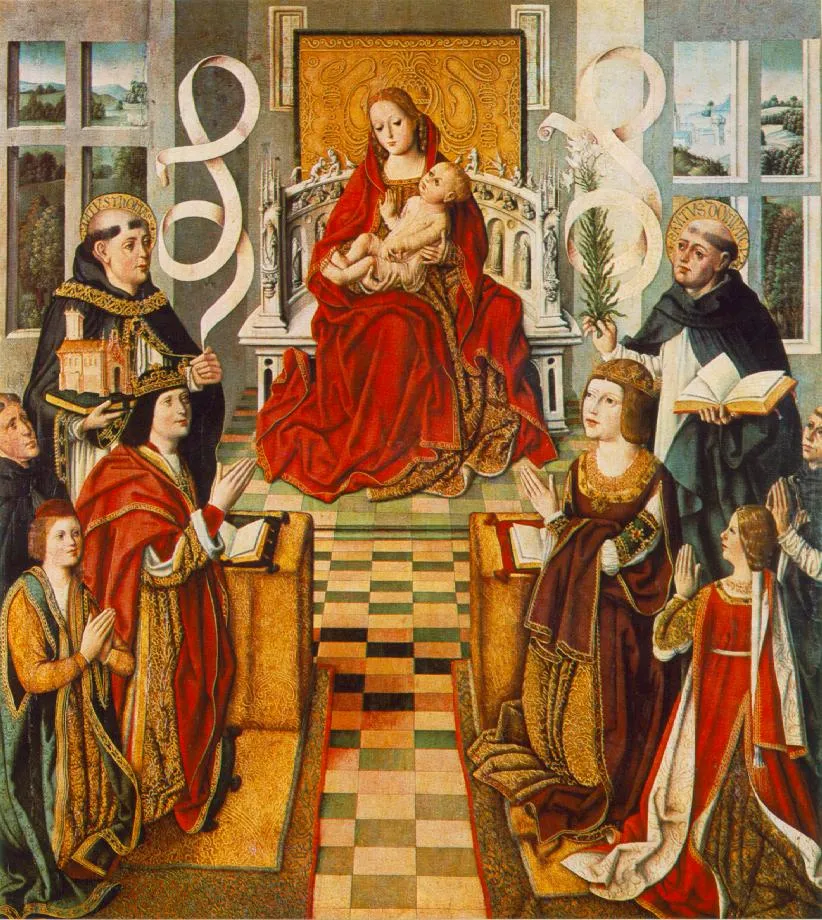
Across the cases and patterns discussed in the attached studies, political royal marriages consistently pursued several overlapping aims.
Typical goals included:
- Securing succession. A royal spouse was expected to provide legitimate heirs and to link rival lines in a way that closed off alternative claimants rather than creating new ones.
- Forging alliances. Weddings sealed treaties, bound military partners together, and could give one realm leverage over another through kinship ties at court.
- Managing territory. Through dowries, morning gifts, and widow’s lands, marriage contracts shifted control of key fortresses or regions, sometimes permanently.
- Shaping daily politics. Spouses brought their own counselors, household officials, and devotional ties, which could change who had the ruler’s ear and which factions flourished.
However, these aims did not always align. A match that looked ideal for external alliance could prove disastrous inside the realm, as with unions that provoked noble resentment or that placed a strong rival claimant at the queen’s side.
Conversely, a marriage that brought no new territory could still be valuable if the spouse’s status and personal abilities made them a reliable regent, military partner, or guarantor of a fragile child’s succession. The balance of these factors helps explain why some royal weddings ushered in stability while others opened the door to war.
How royal weddings redirected medieval power
Taken together, these studies show that royal weddings changed history by redirecting the flow of power within and between kingdoms rather than simply decorating it. By choosing particular spouses, kings and queens created or destroyed alliances, legitimized or undermined successions, and invited partners or rivals into the heart of government.
The Iberian material highlights especially clearly how female succession and active queenship turned marriage into a structural element of monarchy, not an afterthought, since the wrong husband could plunge a realm into civil war while the right one could secure a dynasty for generations. Across premodern Europe, Political Marriages therefore stand out as one of the main ways royal families translated family decisions into geopolitical outcomes, while still leaving plenty of room for chance, personality, and miscalculation in every match.