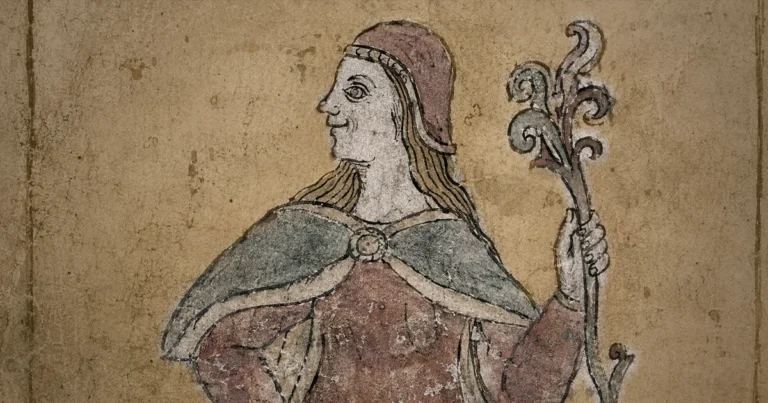

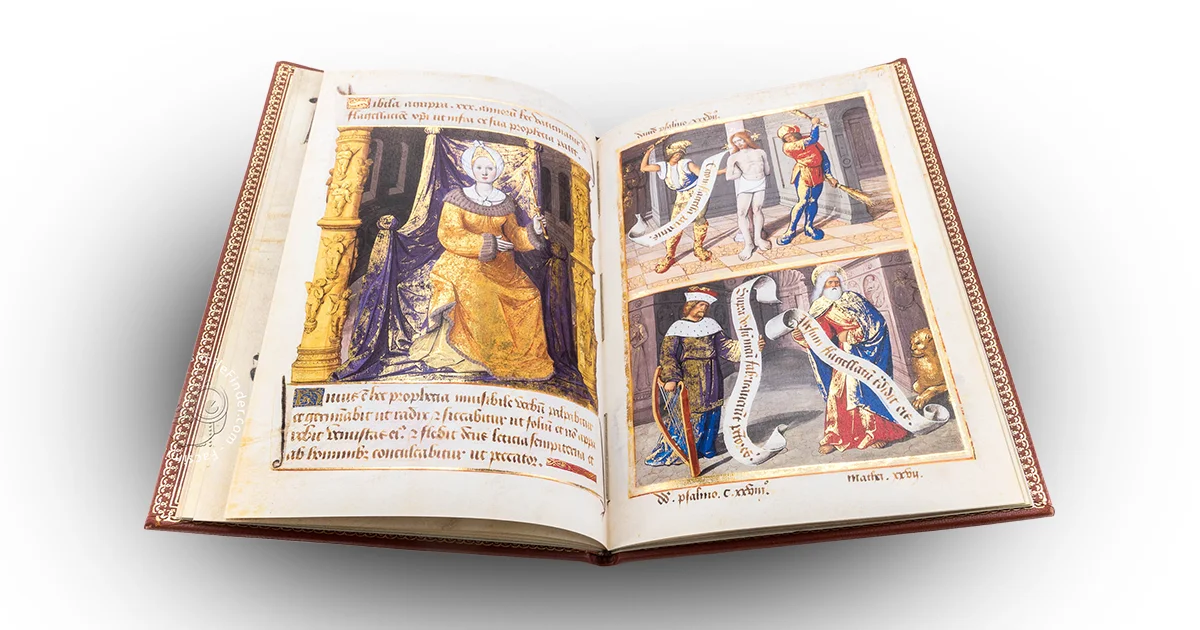
The Sibylline Books were a collection of Greek oracle texts kept in the Temple of Jupiter on the Capitoline Hill, consulted by the Roman Senate during national crises from roughly 509 BCE until their final destruction in 405 CE. These writings guided Roman religious practice for nearly a thousand years, shaping which foreign gods entered the Roman pantheon and which rituals protected the state during war, plague, and disaster. Only priests called the quindecimviri sacris faciundis could read them, and only on direct Senate order.
The books themselves were never made public. When consulted, the priests interpreted the oracles and reported back instructions for religious ceremonies, not the prophecies themselves. This secrecy kept the texts mysterious and powerful, and it let the priesthood shape policy through religious authority. The Sibylline Books influenced major decisions, including importing the cult of Cybele in 204 BCE and human sacrifices after the defeat at Cannae in 216 BCE.
How Tarquin bought three books for the price of nine
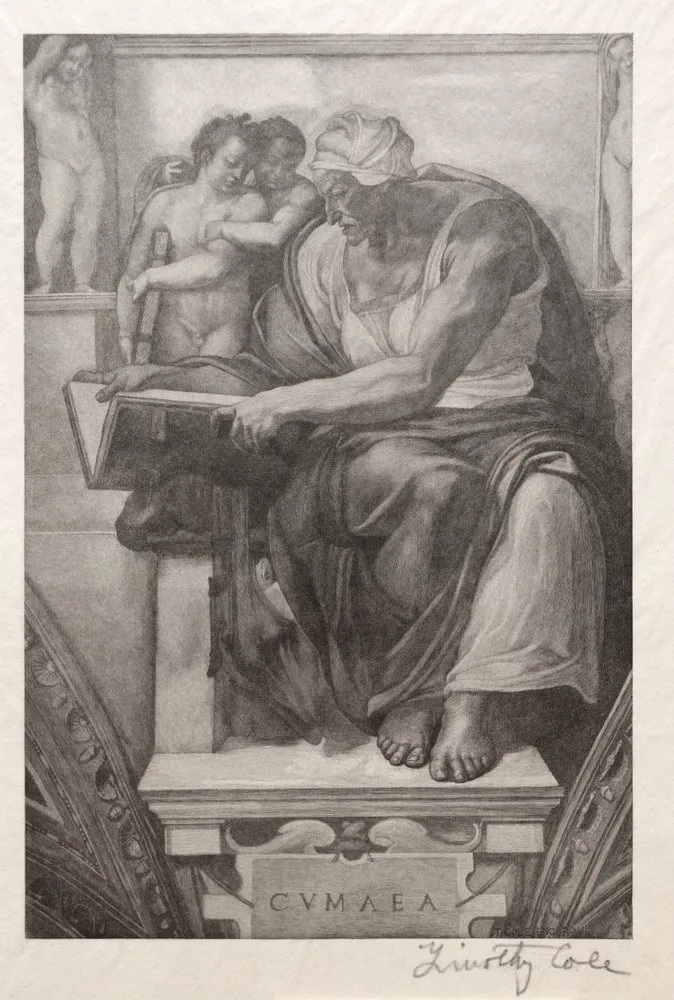
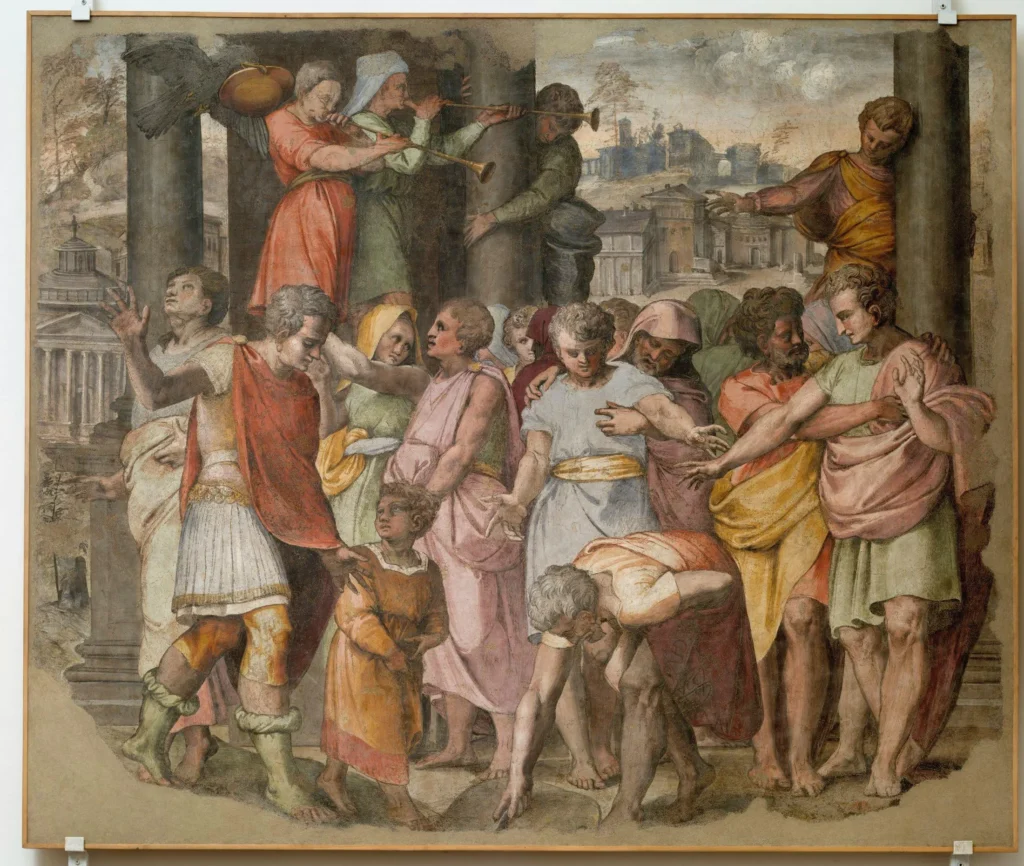
Roman legend says the Sibyl of Cumae appeared before King Tarquinius Superbus, the seventh and last king of Rome, offering nine books of prophecies for a high price. When Tarquin refused, she burned three books in front of him and offered the remaining six for the same amount. Tarquin refused again. She burned three more and repeated her price for the final three.
This time, Tarquin consulted the augurs. They advised him to buy what remained. He paid for three books the sum originally asked for nine. The Sibyl vanished immediately after the sale and was never seen again. The books were placed in the Temple of Jupiter Capitolinus, built on the Capitoline Hill, where they would remain under guard for centuries.

The story fit a pattern Romans recognized. High-value objects required sacrifice to obtain. The Sibyl’s escalating price taught Tarquin that dismissing divine warnings brought consequences. By the time he agreed to buy, he had lost two-thirds of the prophecies. The tale also explained why Rome possessed only fragments of a larger oracle tradition.
Whether the encounter happened as told, the legend served a function. It grounded the Sibylline Books in Rome’s royal past and linked them to the founding of the Republic, which began when Tarquin was expelled in 509 BCE. The books carried authority because they came from before the Republic, purchased by the last king but preserved for the new government.
Custodians and secrecy
Initially, two patricians guarded the books. In 367 BCE, the number increased to ten, split evenly between patricians and plebeians. Later, probably during Sulla’s dictatorship around 80 BCE, the college expanded to fifteen members called the quindecimviri sacris faciundis. These men held office for life and were exempt from other public duties.
Their job was to keep the books safe and interpret them when the Senate ordered consultation. The texts were written in Greek hexameter verse, so custodians relied on Greek translators to read them accurately. The prophecies themselves were never published. Only the prescribed rituals and recommendations reached the public, leaving room for interpretation and political maneuvering.

The secrecy was intentional. If the books were open to all, their authority would diminish. By controlling access, the Senate and priestly college controlled the flow of divine guidance. This arrangement also prevented rivals from using the oracles against sitting officials. A prophecy could be cited to justify policy, but no one outside the inner circle could verify the claim.
That system worked for centuries. The books retained their mystique because ordinary Romans never saw them. They only heard the results, instructions for festivals, temple dedications, or sacrifices that would supposedly restore divine favor. Trust in the system rested on the priesthood’s reputation and the Senate’s endorsement.
Documented consultations and their consequences
The Sibylline Books were consulted during extreme crises, not routine difficulties. Plague, military defeat, strange prodigies, and civil unrest triggered Senate orders to open the books. The historical record preserves several documented consultations that show how the oracles shaped Roman religion and policy.
In 399 BCE, a plague struck Rome. The Senate ordered the books consulted, and the priests recommended a lectisternium, a ritual banquet for the gods where statues were placed on couches and offered food. This Greek practice was new to Rome, and the Sibylline Books provided religious justification to adopt it. The ceremony became a standard response to plague throughout the Republic.
In 293 BCE, another plague led to a consultation. The books instructed Romans to bring the god Asclepius from Epidaurus to Rome. The Senate sent envoys, and a sacred snake, believed to be the god’s embodiment, was brought back and housed on the Tiber Island. A temple to Asclepius was built there, and the island became a healing center.
The most famous consultation came in 216 BCE, after Hannibal destroyed a Roman army at Cannae. Rome was in panic. The Senate consulted the books, and the priests returned with shocking instructions. Two Gauls and two Greeks were to be buried alive in the Roman Forum as a sacrifice. This human sacrifice, highly unusual in Roman practice, was carried out. The act signaled desperation and the lengths Rome would go to appease the gods.
That same consultation also led to importing new religious cults. The books recommended adopting foreign gods to strengthen Rome’s divine support. Over the following years, cults of Greek and Eastern deities entered Rome, reshaping the religious landscape. The Sibylline Books justified these changes by framing them as divine commands rather than foreign influence.
In 204 BCE, during the Second Punic War, the books were consulted again. This time they instructed the Romans to bring the cult of Cybele, the Great Mother goddess, from Phrygia to Rome. The Senate complied, and Cybele’s image was brought to the city with great ceremony. Her cult became one of Rome’s most important religious institutions and played a key role in later imperial propaganda.
Built out of a love for history, kept free from distractions.
Spoken Past is an independent project shaped by curiosity, care, and long hours of research. Reader support helps keep it maintained, carefully researched, and open to everyone.
The Capitol fire and reconstruction
In 83 BCE, the Temple of Jupiter Capitolinus burned during civil unrest. The Sibylline Books, kept inside the temple, were destroyed in the fire. This was a national disaster. The books had guided Rome for over 400 years, and their loss created a religious and political crisis.
The Senate acted quickly to replace them. In 76 BCE, commissioners were sent across the Mediterranean to gather similar oracles. They traveled to Erythrae, Samos, Sicily, and North Africa, collecting prophecies attributed to various sibyls. These texts were brought back to Rome, where priests sorted through them, keeping what they judged authentic and discarding the rest.
The reconstructed collection was not identical to the original. Scholars suspect it contained material that suited contemporary political needs, and later emperors likely added or edited texts. Augustus moved the books from the rebuilt Capitoline temple to the Temple of Apollo on the Palatine Hill in 12 BCE, closer to imperial oversight. He ordered them copied and edited, further shaping their content.
Despite these changes, the Sibylline Books retained their authority. Romans believed the replacement collection preserved the essential prophecies, and consultation continued for another 400 years. The Senate and emperors still turned to them during crises, treating them as a link to Rome’s earliest religious traditions.
Political uses of oracle authority
The Sibylline Books were never just religious texts. They were political tools. Because only a select group could read them, interpretations could be shaped to support or oppose policies. Recommendations from the books carried divine authority, making them powerful in Senate debates.
In 63 BCE, during the Catiline conspiracy, a senator named Publius Cornelius Lentulus Sura joined the plot after reading in the Sibylline Books that three Cornelii would rule Rome. He believed the prophecy referred to him, Sulla, and Cinna, and that his destiny was to lead. The prophecy, real or invented, influenced his decision to commit treason. Cicero exposed the conspiracy, and Lentulus was executed.
Around 55 BCE, the Senate debated whether to send troops to restore Ptolemy XII to Egypt’s throne. A faction opposed intervention, claiming the Sibylline Books warned against it. The consultation was invoked to block the campaign, showing how the books could be used to prevent action as well as justify it. The prophecy may have been sincere, or it may have been a convenient excuse for senators who opposed the war for other reasons.
In 44 BCE, rumors spread that the Sibylline Books contained a prophecy stating “only a king can conquer Parthia.” This rumor fueled fears that Julius Caesar planned to take the title of king, which was forbidden in Rome. Whether the prophecy existed or was fabricated, it contributed to the political climate that led to Caesar’s assassination. The oracle’s alleged words became a weapon in a propaganda war.
The Sibylline Books’ secrecy made them ideal for this kind of manipulation. Because no one could check the original text, claims about their content were difficult to refute. Priests and senators could cite the books to justify almost any religious or political decision, as long as the claim sounded plausible.
Final destruction and Christian reinterpretation
The Sibylline Books survived into the Christian era, though their role shifted. In 312 CE, the emperor Maxentius consulted them before his battle with Constantine at the Milvian Bridge. The prophecy he received, if any, did not save him. Constantine won, converted to Christianity, and began transforming the empire’s religious landscape.
By 405 CE, the books had become politically dangerous. The general Stilicho, ruling in the name of the young emperor Honorius, ordered the Sibylline Books burned. Ancient sources suggest the prophecies were being used against Stilicho’s government during a period of instability caused by Alaric’s Gothic invasions. Destroying the books eliminated a tool his enemies could use to challenge his authority.
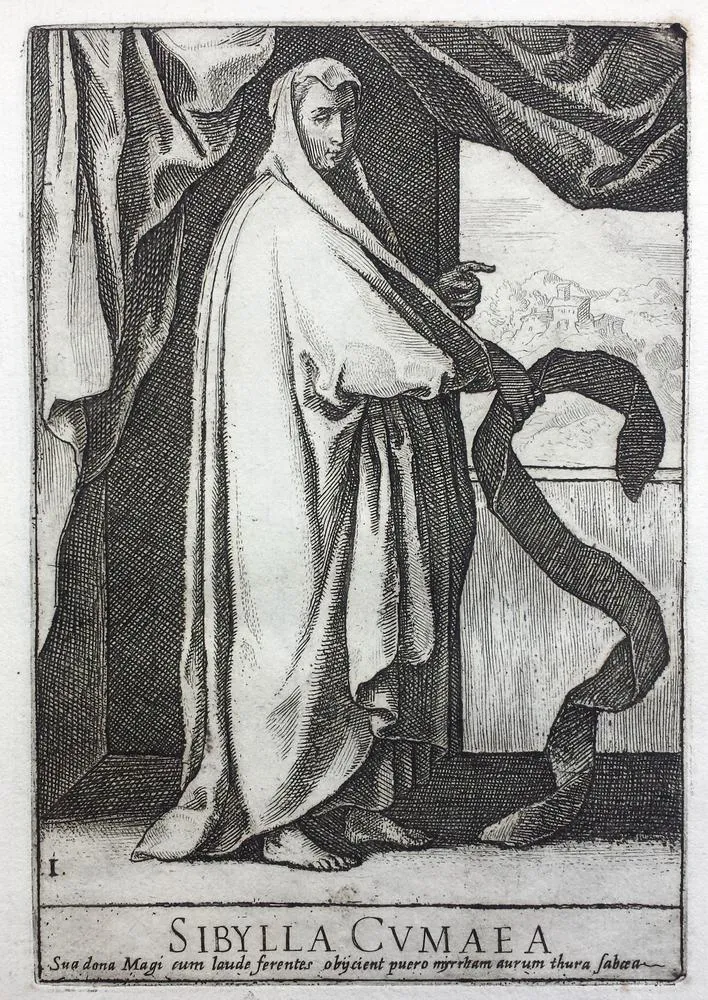
Christians had already begun reinterpreting the sibyls. Early church fathers argued that the sibyls had prophesied Christ’s birth, making them pagan witnesses to Christian truth. This reading allowed Christians to claim continuity with Rome’s religious past while rejecting traditional worship. Sibylline prophecies were quoted in Christian texts, though these “Christian Sibyllines” were likely composed by Christians rather than drawn from the original Roman books.
The destruction in 405 CE ended nearly 900 years of consultation. Only fragments and later imitations survived. Modern scholars debate how much of the later Sibylline Oracles preserves authentic Roman material and how much is Christian invention. What is clear is that the original books shaped Roman religion and politics for most of the Republic and early Empire.