Mythology
Latest from this category.
Laufey: Loki’s Mother Who Barely Survives the Eddas
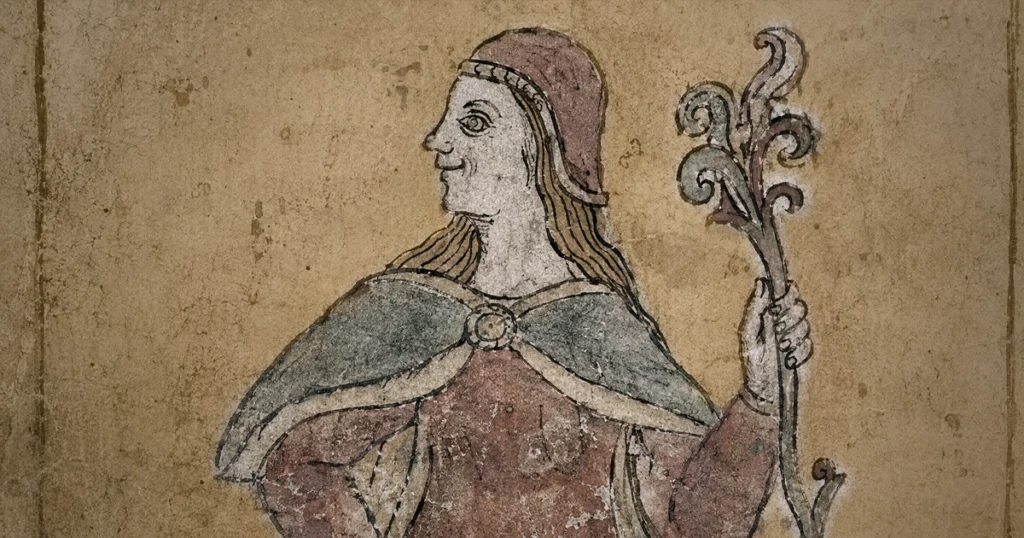
Laufey appears in the Eddas as Loki’s mother, but almost without a story. The sources reveal a famous name built on thin evidence.
The Morrígan: Irish War Goddess, Shapeshifter, or Triad?
The Morrígan appears in medieval Irish texts as war-inciter, crow, and phantom queen. What the manuscripts actually say may surprise you.
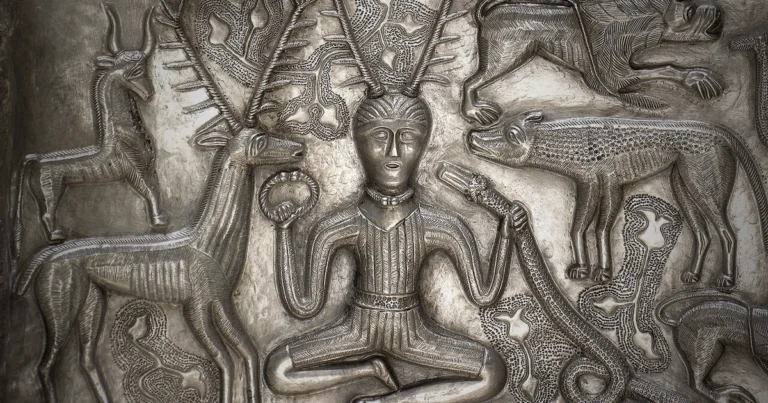
Cernunnos and the Evidence for a Celtic Horned God
Cernunnos survives in fragments from Gallo-Roman Gaul. The article separates named evidence from later claims about the Celtic horned god.
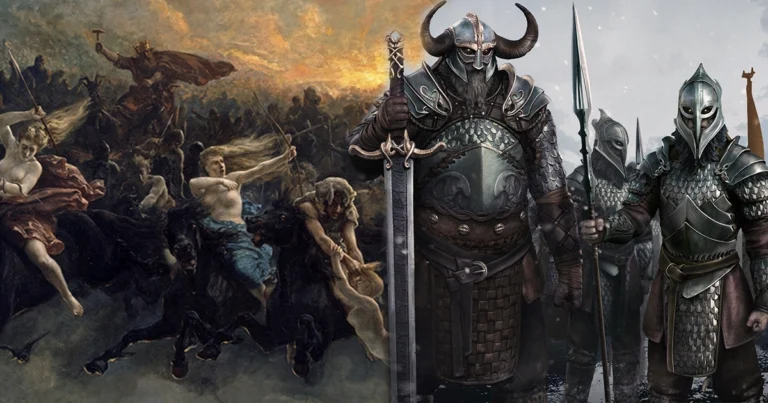
Einherjar: Odin’s Dead Warriors Training for Ragnarök
The einherjar were dead warriors chosen by valkyries to train in Valhalla for Ragnarök, a battle Odin already knew the gods would lose.

Athena vs Poseidon: The Divine Contest That Named Athens
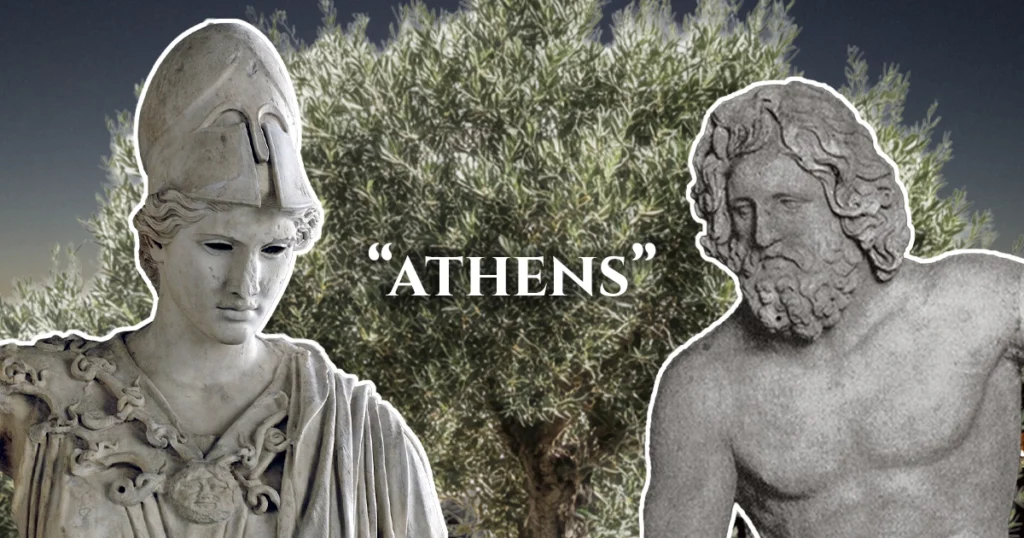
Athena and Poseidon once competed for Athens with competing gifts. The myth preserved in Apollodorus explains why the city bears her name.
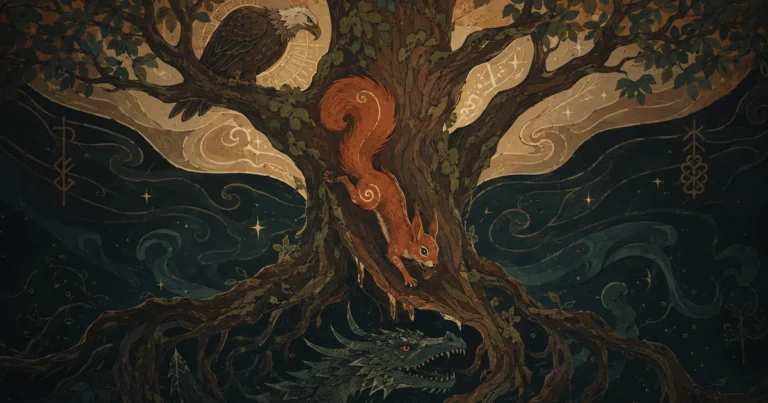
Ratatoskr: The Gossiping Squirrel on Yggdrasil Explained
Ratatoskr only appears in two Old Norse sources, but the gossiping troublemaker may be Snorri’s own invention, not older tradition.
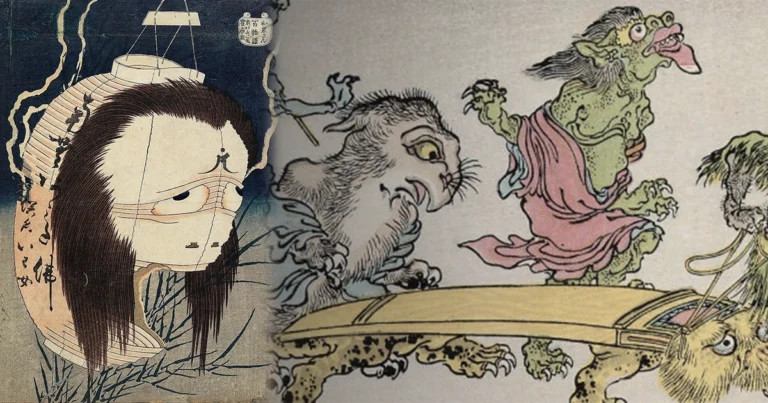
Tsukumogami: Japan’s Old Tools That Sought Revenge
Tsukumogami were Japanese tool specters born from neglected objects. Medieval tales made old utensils angry, organized, vengeful, and morally charged.
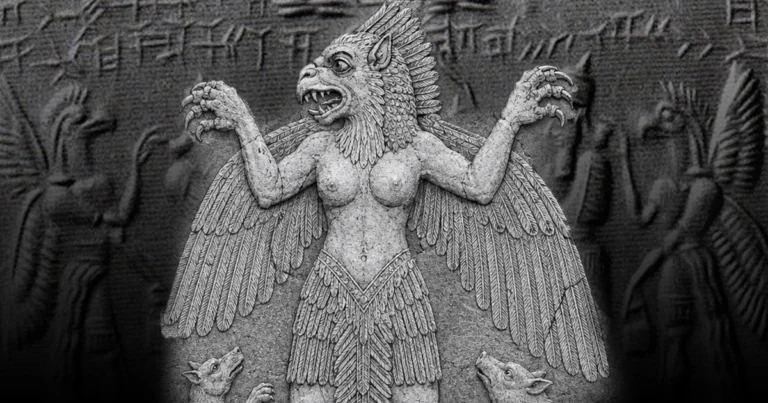
Lamashtu: The Demon Mesopotamian Mothers Feared Most
Lamashtu terrified Mesopotamian families as a danger to mothers and infants. Amulets show how ritual protection fought her in the home.

Muspelheim: The Fire Realm Norse Gods Could Never Control
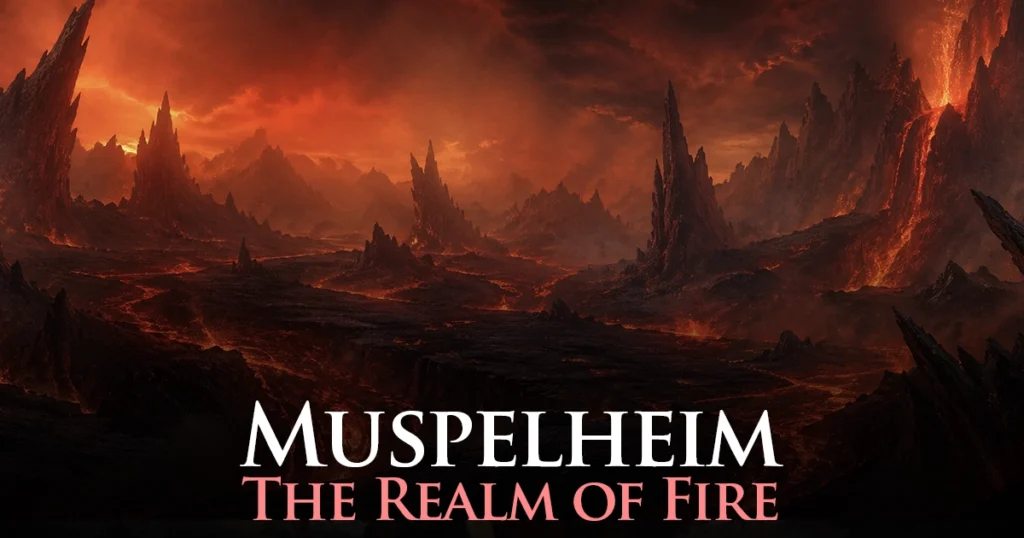
Muspelheim existed before creation and will outlast the gods themselves. What Norse sources say about this primordial fire realm and its giant guardian Surtr.

Jorōgumo: The Spider Woman Japanese Travelers Feared
Jorōgumo transforms from spider to seductive woman, luring men to waterfalls where she binds them in silk and drags them to their deaths.

What Is the Difference Between Titans and Olympians?
Cronus and the Titans were the first gods of Greece. Their children, the Olympians, overthrew them in a brutal decade-long war for control of…

Who Were the Norns in Norse Mythology?
Urd, Verdandi, and Skuld shaped the destinies of gods and mortals from beneath Yggdrasil. Even Odin could not escape what they carved into the…