Learn history
Culture
Work, family, food, trade, slavery, education, and everyday life in the ancient world, showing how people lived, made a living, and celebrated.
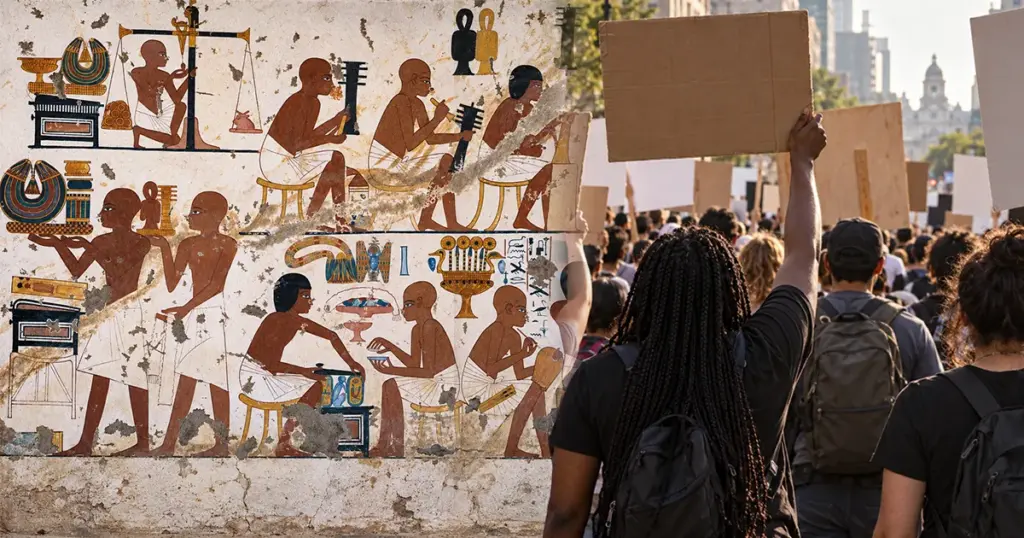
Why Did Ancient Egyptian Workers Go on Strike?
Unpaid grain wages drove Deir el-Medina’s royal tomb builders to stop work under Ramesses III, leaving a detailed record of their demands and protests.

5 Ancient Roman Foods That Sound Strange Today
From garum and stuffed dormice to snails, peacocks and flamingos, these five Roman foods reveal everyday cooking and the extravagant tastes of the wealthy.
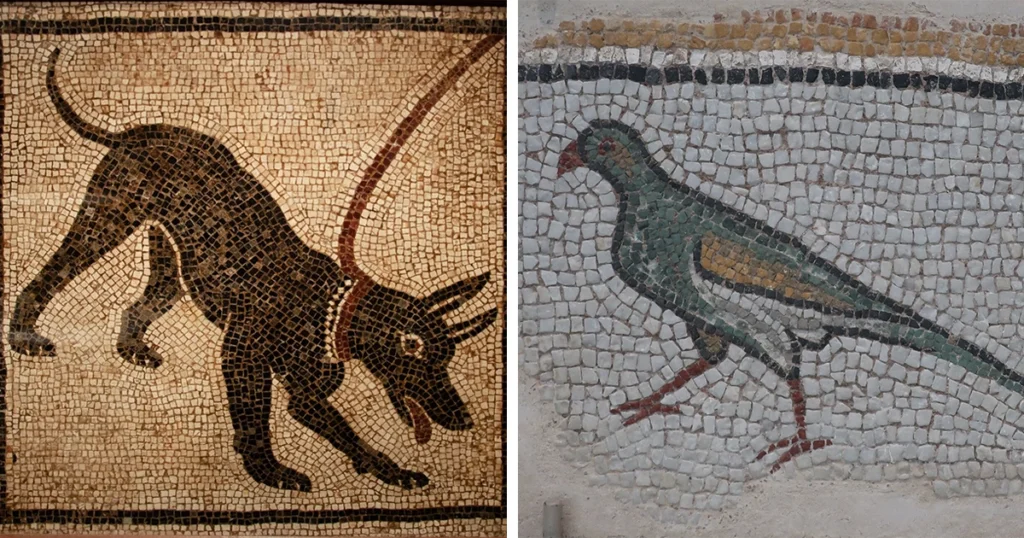
Ancient Roman Pets and the Late Arrival of Cats
Roman households kept dogs, birds and exotic monkeys. Archaeological pet graves and ancient DNA reveal when domestic cats spread into Europe.
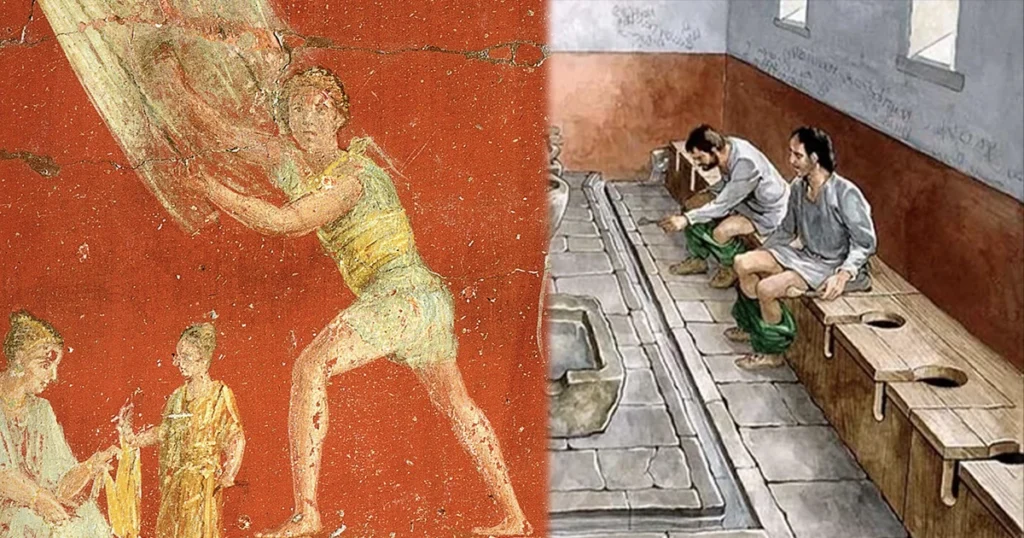
How Roman Fullers Used Urine to Clean Clothes
Roman fullers cleaned and finished wool using alkaline liquids, mineral earths and repeated rinsing. Pompeii reveals their workshops and why stale urine was useful.
Why Plato’s Atlantis Was Never Meant to Be Found
Plato placed Atlantis in the Timaeus and Critias to test an ideal city against an imperial power. The original texts explain its kings, destruction…
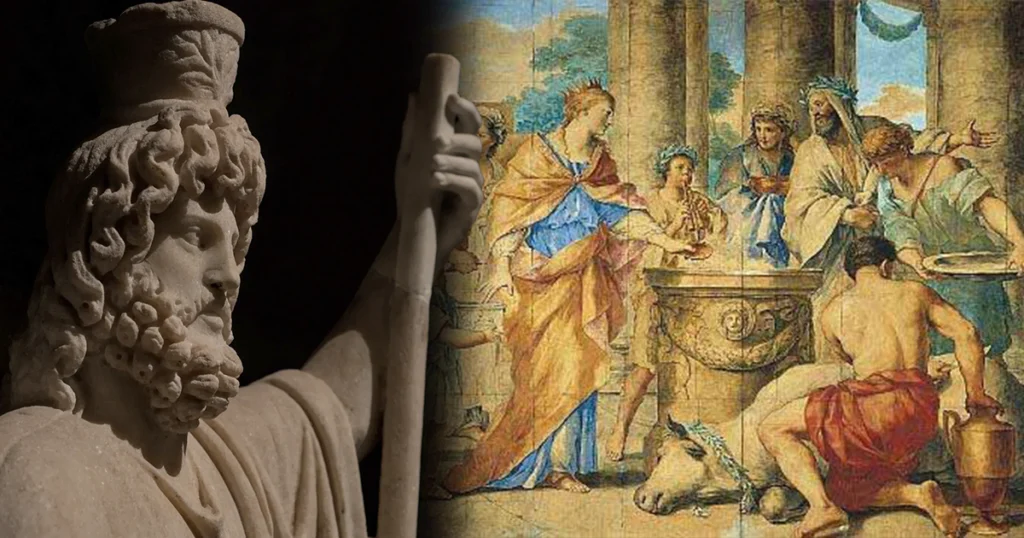
How Serapis Worship Spread Across the Roman Empire
Serapis rose from Egyptian and Greek traditions to win worshippers from Delos to Rome. Temples, merchants and emperors carried his cult across the empire.
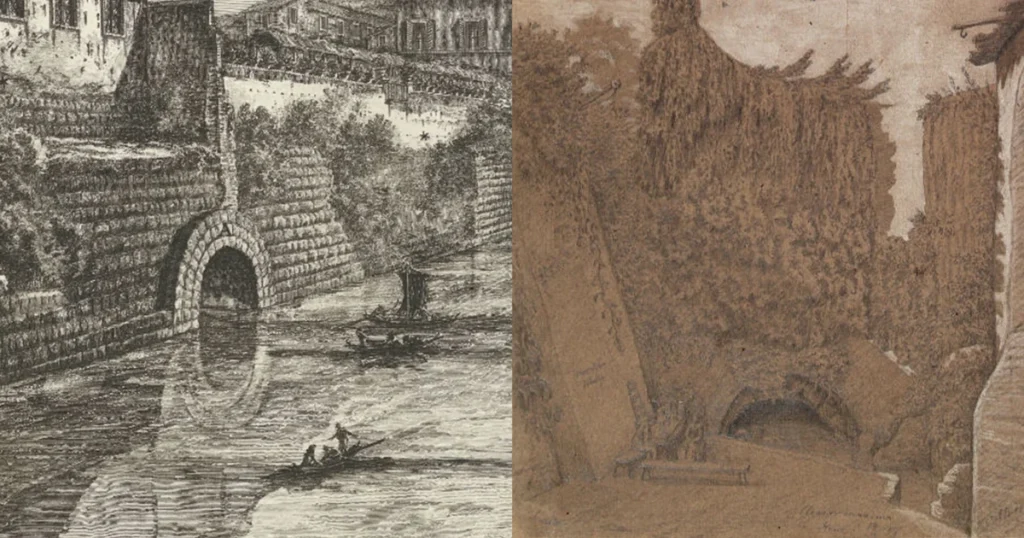
Cloaca Maxima: Rome’s Ancient Sewer Still Flowing Today
Rome’s Cloaca Maxima began as a drainage project in the sixth century BCE. Its surviving channels still carry water, though much was rebuilt.
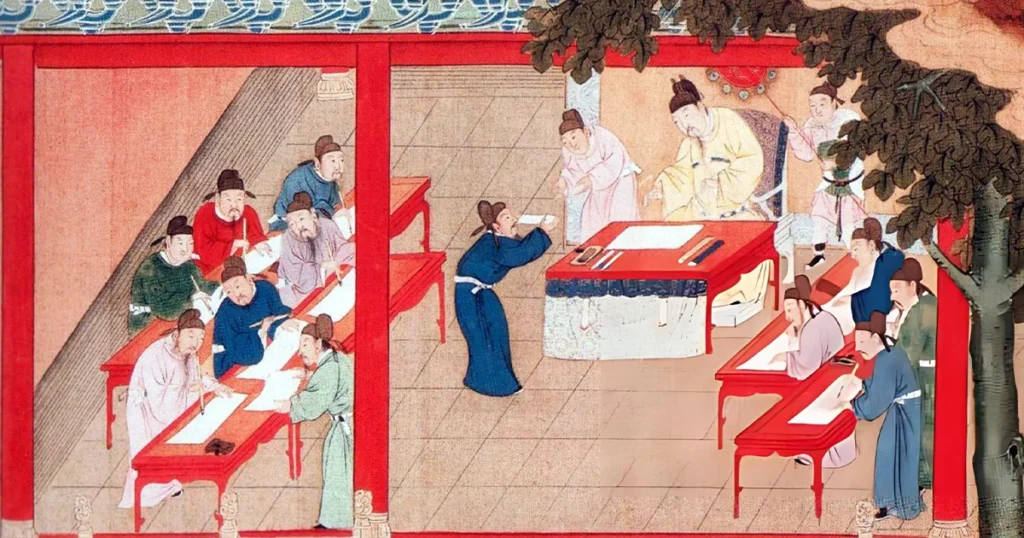
The Chinese Civil Service Exams: How They Worked for 1,300 Years
From the Sui dynasty to 1905, China used imperial exams to select officials. See what candidates studied, how they were tested and who could…

10 Ancient Roman Buildings You Can Still See in Rome
From the Theatre of Marcellus to Maxentius’ circus, these ten surviving Roman monuments reveal the city’s temples, baths, villas and tombs.
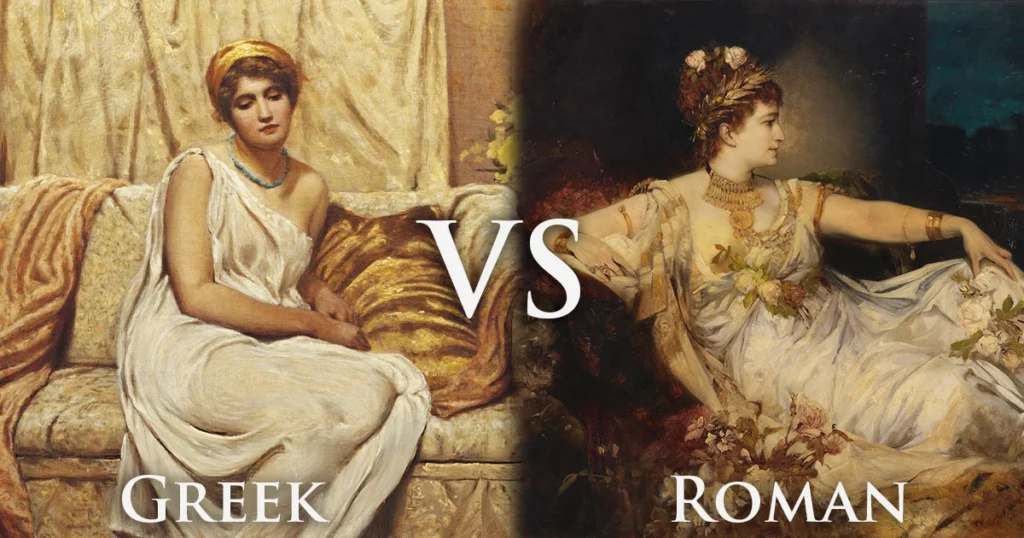
Ancient Greek vs Roman Clothing: Chitons, Togas and Status
Greek and Roman clothing shared tunics and draped cloth, but the peplos, stola and toga carried different meanings for work, citizenship, ritual and status.
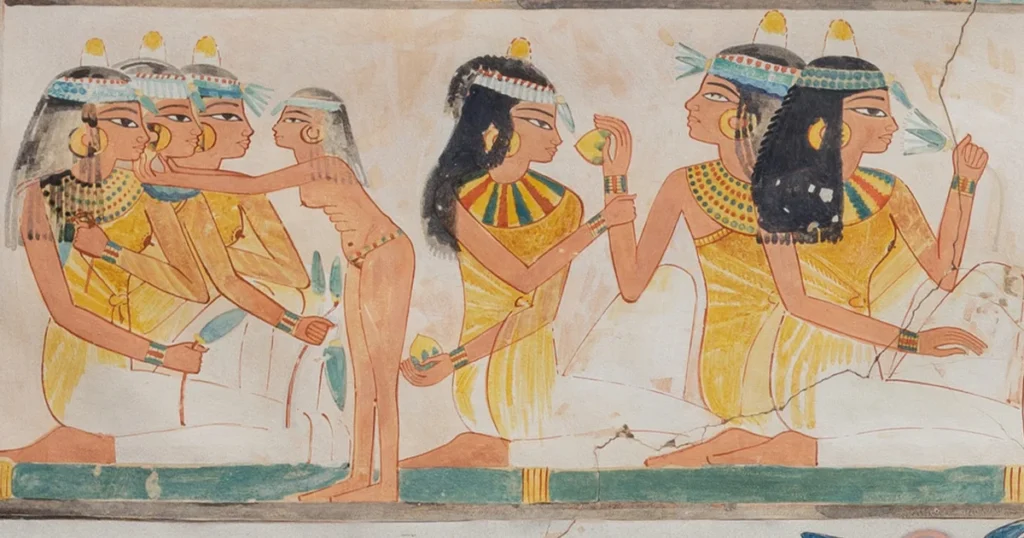
Ancient Egyptian Cosmetics: Kohl, Perfume and Beauty Rituals
Ancient Egyptians used mineral eye paints, scented oils and elaborate grooming tools. Archaeology reveals their recipes, rituals and health risks.
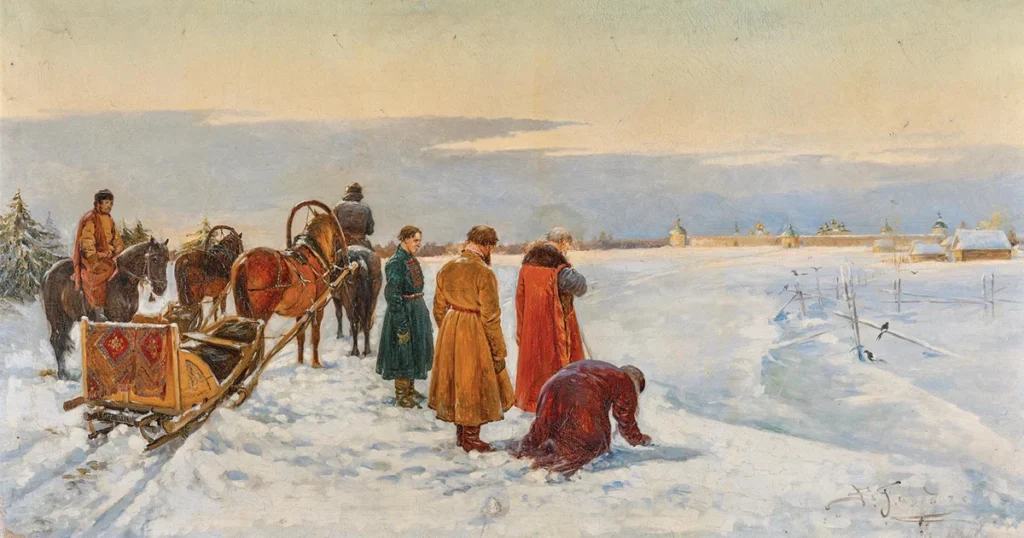
8 Ways People Survived Winter in Medieval Europe
How medieval Europeans preserved food, heated homes, protected grain, dressed for cold and travelled through snow, with evidence from texts and archaeology.