



Latest Articles
Fresh entries from across the site, presented with a clear lead story and supporting reads.
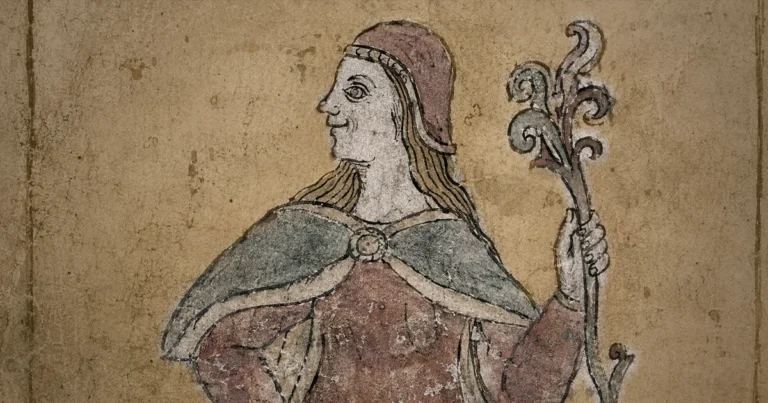
Laufey: Loki’s Mother Who Barely Survives the Eddas
Laufey appears in the Eddas as Loki’s mother, but almost without a story. The sources reveal a famous name built on thin evidence.

The Morrígan: Irish War Goddess, Shapeshifter, or Triad?
The Morrígan appears in medieval Irish texts as war-inciter, crow, and phantom queen. What the manuscripts actually say may surprise you.
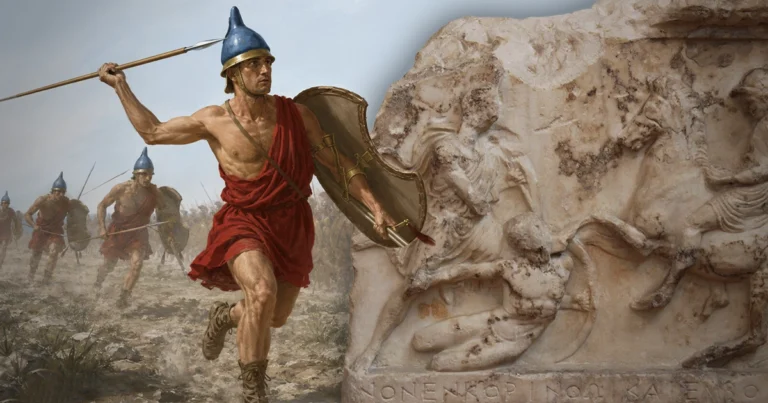
Peltasts: The Javelin Troops Who Broke the Spartan Phalanx
In 390 BC, Athenian peltasts destroyed a Spartan regiment without a single shield clash, exposing a fatal flaw in hoplite warfare.
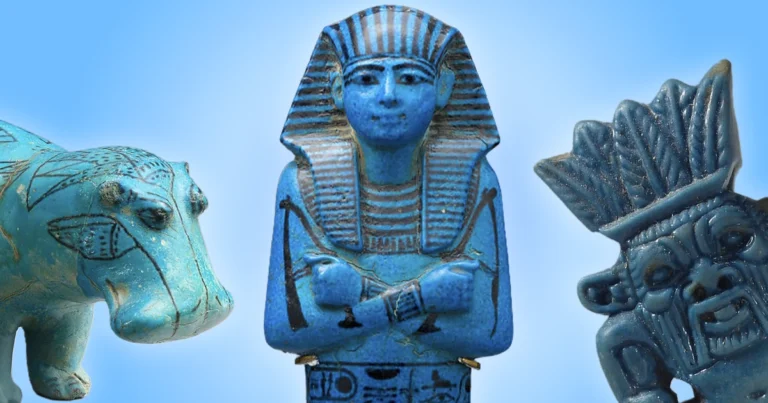
What Is Egyptian Faience? The First High-Tech Ceramic
Egyptian faience is a ceramic produced in Egypt for over five thousand years, from the Predynastic period through the Roman era.
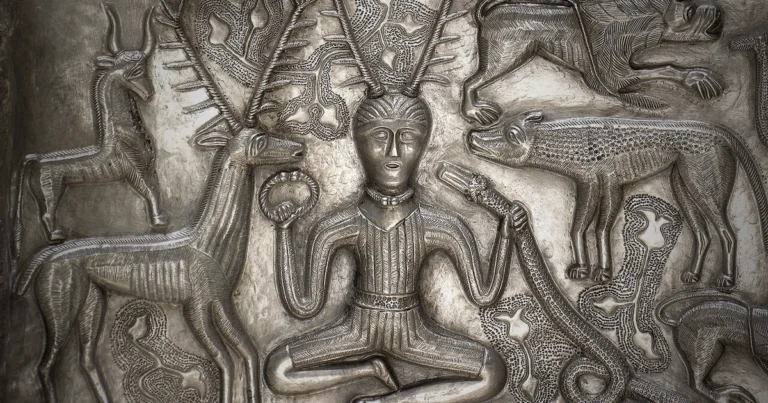
Cernunnos and the Evidence for a Celtic Horned God
Cernunnos survives in fragments from Gallo-Roman Gaul. The article separates named evidence from later claims about the Celtic horned god.
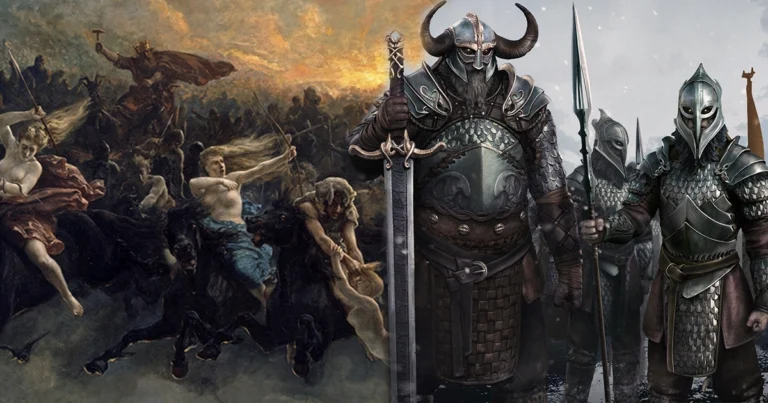
Einherjar: Odin’s Dead Warriors Training for Ragnarök
The einherjar were dead warriors chosen by valkyries to train in Valhalla for Ragnarök, a battle Odin already knew the gods would lose.
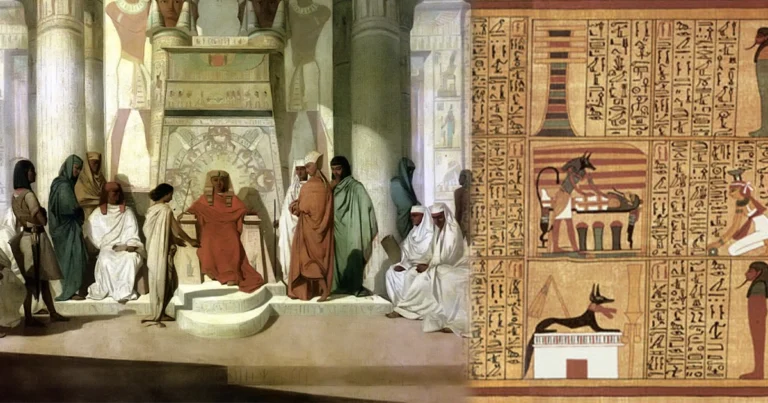
The Egyptian Dream Book and the Scribe Who Kept It
The Egyptian Dream Book survived on Papyrus Chester Beatty III, a rare manual of dream omens kept by scribes at Deir el Medina.

Athena vs Poseidon: The Divine Contest That Named Athens
Athena and Poseidon once competed for Athens with competing gifts. The myth preserved in Apollodorus explains why the city bears her name.

7 Ancient Lost Cities That Archaeologists Finally Found
Some ancient cities vanished so completely that scholars doubted they ever existed. These seven were real, and archaeologists eventually proved it.

Ratatoskr: The Gossiping Squirrel on Yggdrasil Explained
Ratatoskr only appears in two Old Norse sources, but the gossiping troublemaker may be Snorri’s own invention, not older tradition.
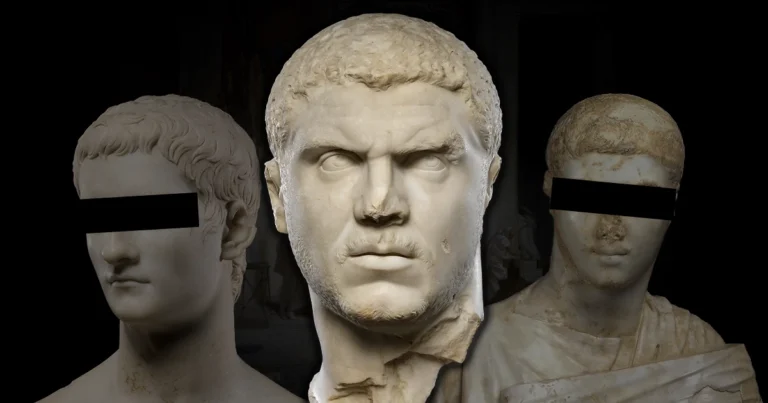
10 Roman Emperors Assassinated by Their Own Men
Caligula, Commodus, and Caracalla did not fall to foreign enemies. They were killed by guards, courtiers, relatives, and soldiers close to the throne.
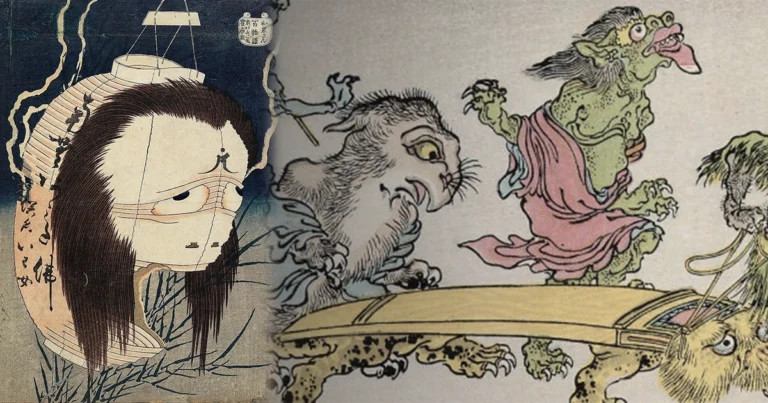
Tsukumogami: Japan’s Old Tools That Sought Revenge
Tsukumogami were Japanese tool specters born from neglected objects. Medieval tales made old utensils angry, organized, vengeful, and morally charged.