Learn history
Politics
Kings, law, citizenship, empire building, and collapse across the ancient world, with case studies of reforms, courts, diplomacy, and power struggles.
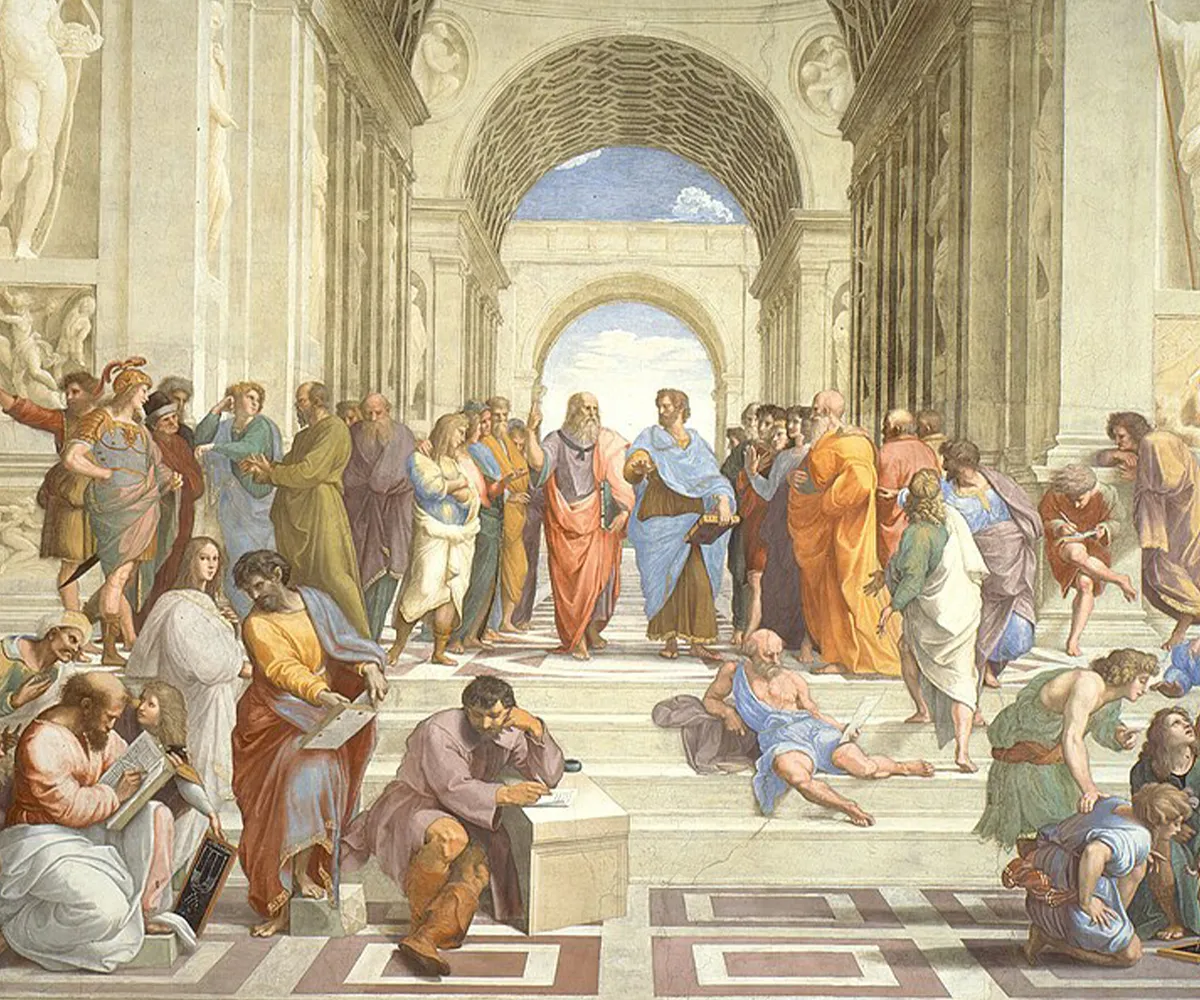

10 Roman Emperors Assassinated by Their Own Men
Caligula, Galba, Commodus and seven other Roman emperors were killed by their own guards, household officials or soldiers. The ancient accounts explain why.

Why Byzantine Emperors Blinded Their Rivals
Byzantine blinding removed rivals from power without always killing them. See how it worked and what happened to Justinian II, Romanos IV and Isaac…

The Inca Labor Tax System That Built an Empire Without Money
The Inca mit'a was a rotating labor tax that supplied roads, fields, armies and storehouses. How the system worked and what it cost Andean…
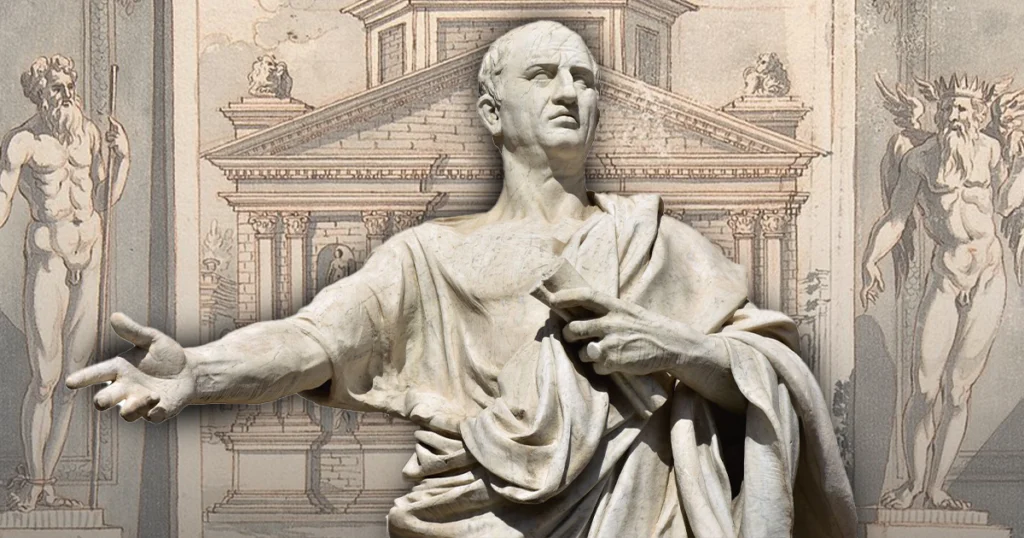
Roman Quaestors: The Officials Who Managed Rome’s Money
Roman quaestors supervised treasury accounts, provincial finances and military supplies. Cicero’s case against Verres reveals the limits of their power.

Shogun vs Emperor: How Japan’s Warriors Took Power
Japan's emperors kept the throne while shoguns, regents and lords held power. How military government emerged in 1185 and ended in 1868.
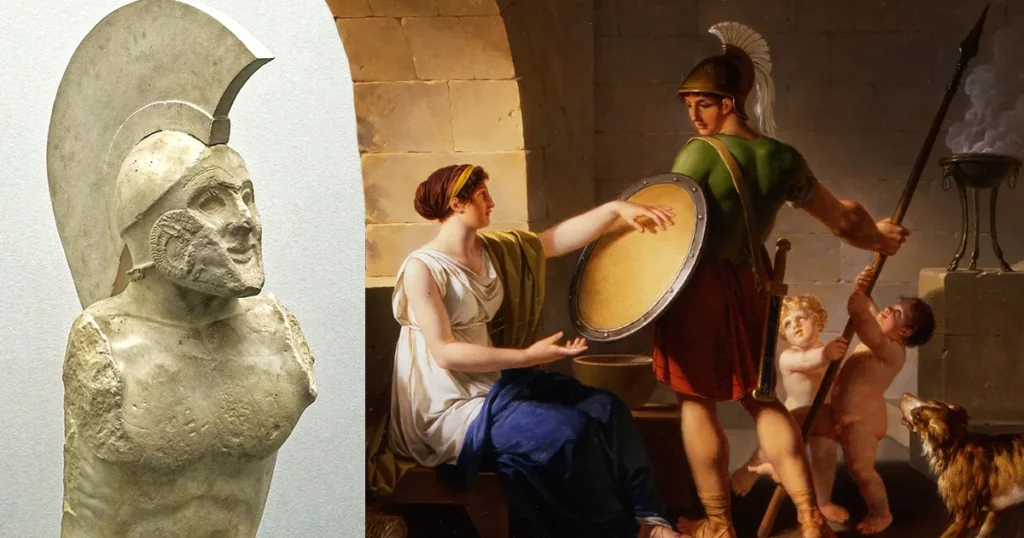
Why Did Sparta Have Two Kings? The Agiads and Eurypontids
Ancient Sparta had two hereditary kings, one Agiad and one Eurypontid. Their rival dynasties led armies, served as priests and answered to powerful magistrates.
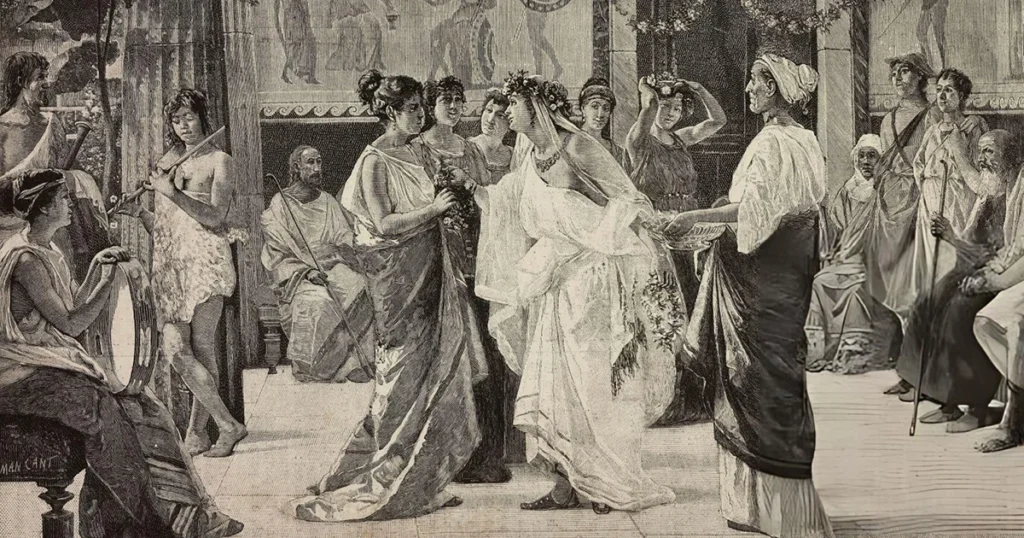
Political Marriages: How Medieval Royal Weddings Changed Kingdoms
Medieval royal marriages gave families claims to crowns and castles. Urraca, Berenguela and Blanche show why some alliances failed and others endured.
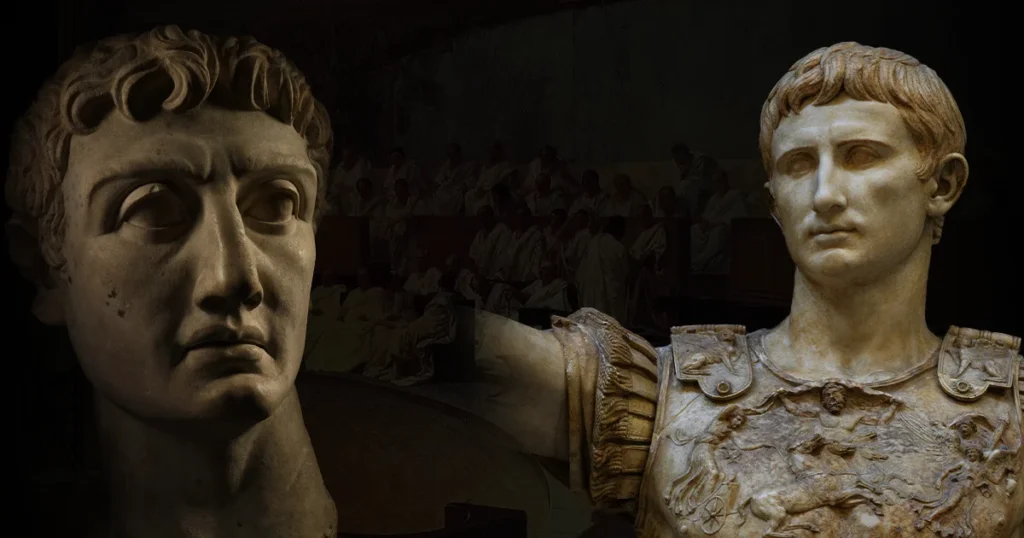
How Did Augustus Create the Principate?
Augustus founded Rome’s Principate through the settlements of 27 and 23 BC, retaining command of the legions while preserving the Senate and Republican offices.

Who Was the Last Pharaoh of Egypt?
Cleopatra VII was Egypt’s last independent ruler. Her son Caesarion was its last titled Ptolemaic pharaoh. Their deaths ended the dynasty in 30 BCE.
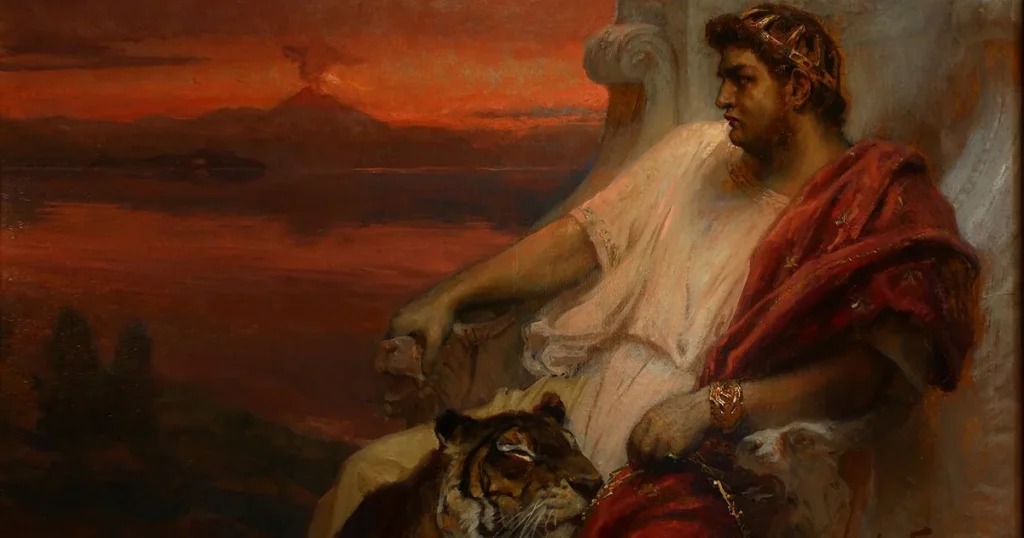
7 Worst Roman Emperors and Why Rome Remembered Them
Caligula, Nero, Domitian, Commodus, Elagabalus, Caracalla and Tiberius earned notorious reputations. Their reigns reveal both real abuses of power and the biases of ancient…
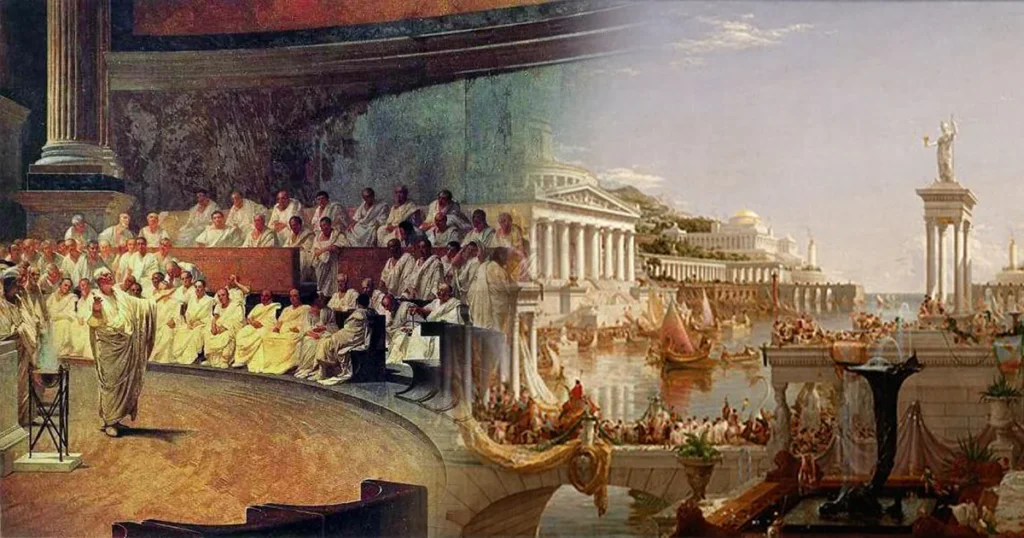
How Was the Roman Republic Different from the Roman Empire?
Compare Roman republican elections, the Senate, law, armies and taxes with imperial rule, and see how Augustus concentrated power while keeping old offices.
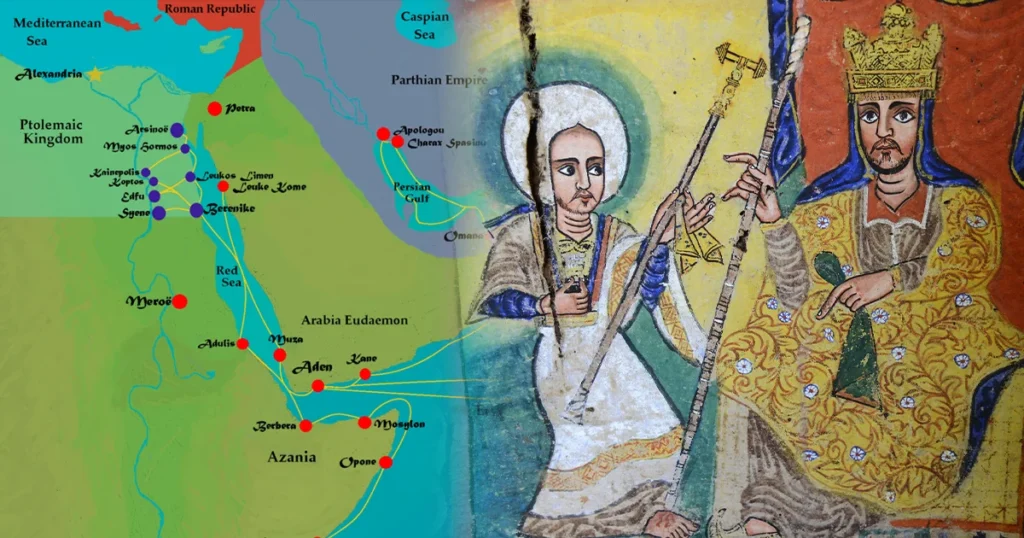
How Aksum Became a Power in Red Sea Trade
Aksum grew wealthy through Adulis, ivory, inland trade routes and coinage. Ancient texts and archaeology reveal the kingdom’s reach and its limits.