Table of Contents
Overview
Hades is the Greek god who holds the realm that all mortals enter after death. In epic and hymn he appears less often on stage than Zeus or Athena, yet his presence shapes the edges of every story where lives end and oaths bind. Greek poets name him the unseen one, the receiver of many, and later the wealth giver, because all growth returns to the earth and fills his house. His home below is not a place of torture for most, but a dim and weighty land of shades, guarded by gates and a hound, crossed by rivers with names that stick in the mind. When Hades acts directly, it is usually in a handful of set moments. He fights in the war against the Titans. He receives the helmet of invisibility. He takes Persephone, which brings famine and the making of the seasons. He appears when heroes descend alive and return. Cult in Greece treats him with care, with dark animals and quiet words, and people avoid his name in favor of softer titles.
In a long story like the Greek myth cycle, order matters. First come the beginnings in Theogony and the Hymns, then the war and the gift of his helm, then the division of the world. After that come the names, signs, and the map of the underworld. The matter of Persephone is the pivot for his role, and finally the rites and places tied to him in Greece. This first half follows that path and keeps within Greek myth only.
Beginnings and family
Hades belongs to the generation of the first Olympians born of Kronos (Kronos) and Rhea (Rhea). His place among the brothers frames everything that follows. Sources use the same family tree but vary in tone. In Hesiod, the three brothers share power across sky, sea, and underworld; in Homer, Hades rules below and is rarely seen above. What does not change is that Hades is not a later intruder. He is part of the old order that replaces the Titans.
Parentage of Hades
The parentage is standard and early. Hesiod’s Theogony sets Zeus, Poseidon, and Hades as sons of Kronos and Rhea. Kronos swallows his children to avoid a prophecy of overthrow, and Rhea hides the last born and gives Kronos a stone. In this frame Hades is both swallowed and later released, which creates the odd image of a god who has already tasted the darkness he will rule. The myth does not dramatize Hades as a child or youth. There are no tales of his upbringing. He is born, swallowed, freed, and then he moves as a full god into the war that shapes the world.
Brothers and sisters
The circle of siblings matters for alliances. Hestia, Demeter, and Hera complete the set. Demeter is the key because of Persephone, whose fate becomes the hinge of the agricultural year. Poseidon stands close to Hades as a brother who also draws a lot in the division. A few late writers play with quarrels among the three, but in early myth the balance is steady. The sisters are not rivals. Hera’s sphere is marriage, Hestia’s is the hearth, Demeter’s is grain. Hades will later stand with Demeter in a strained kinship when he takes her daughter as his queen.
Early allies Cyclopes and Hundred Handers
The old allies of Zeus matter to Hades because they craft the tools that define each brother. The Cyclopes forge the thunderbolt for Zeus, the trident for Poseidon, and the helmet for Hades. The Hundred Handers fight in the war and help secure the victory. Greek myth imagines skill and raw force on the side of the Olympians, not just right of birth. Hades’ link to the Cyclopes will return when the helm of invisibility appears as his special gift, a weapon that matches his nature as the unseen one.
Titan war and the helm
The Titanomachy is the fight that turns raw family feud into a new order. Hades does not lead from the front, but his role is necessary. The war ends with the Titans bound and the powers of the three brothers set. The gift of his helm fits this phase, and so does the way Greek myth treats his strength. He is not weaker than Zeus or Poseidon. He is simply placed elsewhere, and his weapon is cunning rather than thunder or quake.
The ten year war
The fight lasts ten years in the standard telling. Allies gather. The Cyclopes arm the brothers. The Hundred Handers join with their hail of stones. Hades is part of the phalanx that breaks the old rule. The war is not a string of named battles; it is a large stroke of story in which the outcome matters more than the moves. What matters for Hades is that he fights on the side that wins and that his prize later will be the realm that most people do not wish to visit. In a late echo, some authors imagine Hades rising from below in armor during other conflicts among the gods, but the core story remains the ten year war that ends with binding the Titans in the pit.
Helm of invisibility
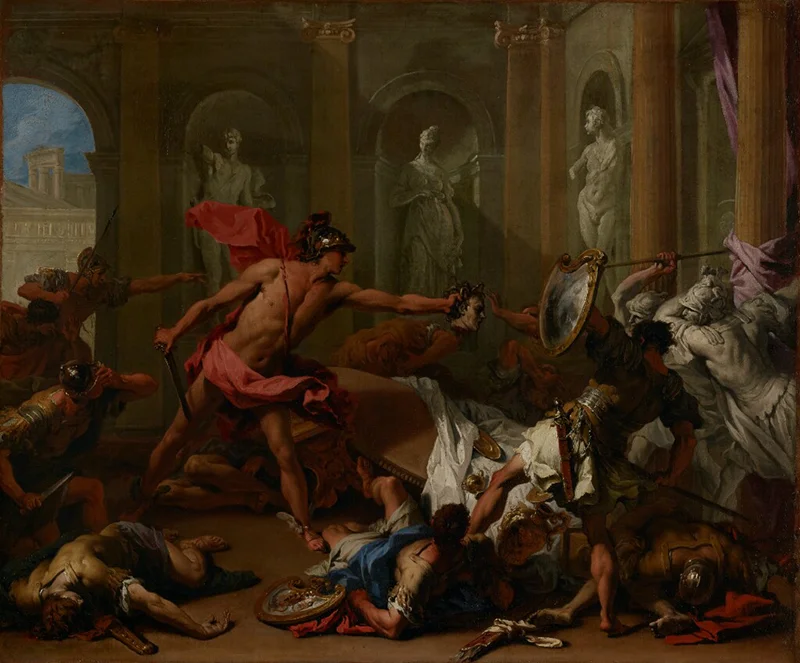
The Cyclopes give Hades a helmet that makes the wearer unseen. The Greek phrase often rendered as the cap of Hades hints at a hide or cap that hides the head and the whole form. Other gods and a hero use it in later tales. Athena uses it in Homer to move without notice in the din of battle. Perseus uses it to escape the Gorgons after beheading Medusa. In each case invisibility gives safety and surprise rather than brute force. The helm suits Hades. His realm is hidden. His presence is felt rather than seen. Even in stories set above ground, the helm keeps his link with concealment front of mind.
Fall of the Titans
When the Titans fall, the story fixes the new order. The Hundred Handers hurl stones. The earth shakes. Tartaros becomes a prison. The war’s end matters for Hades because it is the step before the division of the world. He does not ask for the underworld in most tellings. He accepts his share and rules it with a steady hand. The fall of the Titans also sets the pattern that oaths bind even gods. Later, when swearing by the Styx becomes the surest oath, the memory of this war and its terms sits behind the rule.
Division of the world and rule of the dead
The world is split after the victory. The lots are cast. Zeus takes the sky, Poseidon the sea, and Hades the underworld. Earth and Olympus are common to all. This arrangement is clean and shows Greek interest in clear spheres among kin. It also keeps Hades from being an outsider. He is one of three. He is not death itself, but he rules where the dead go. He does not cause war or plague. He receives those who fall.
Lots for sky sea and underworld
The division by lot solves rivalry. It also preserves equality among brothers. Zeus rules the widest visible realm and sits as king, Poseidon stirs the sea and shakes the earth, and Hades keeps what the earth contains. The phrasing in many passages is simple and avoids drama. It is not a scene of argument. It is the quiet establishment of places. In later stories, gods visit one another’s domains, but they respect the borders. When Hades leaves his house, it is a rare event tied to fated needs, as in the taking of Persephone.
Boundaries between realms
Greek myth is careful with borders. Caves and fissures mark possible entries below. Rivers form lines that mortals cannot cross alive without rite or favor. Gates and keys belong to the ruler who keeps order in the house of many. These details make Hades less a figure of random terror and more a keeper of structure. Crossings must be paid for. Rules must be followed. Even heroes who return follow steps that a priest could list. Boundaries shape behavior in life and story.
Oaths by the Styx
The Styx is more than a river. To swear by the Styx binds a god in a way nothing else can. If a god swears falsely, the penalty is heavy. The idea fits the gravity of the underworld and the way Greek myth treats speech. An oath on the dark water is as serious as it gets. Mortals do not make such oaths. The rule binds the highest powers and keeps trust possible among them. In poetry a god who swears by the Styx signals that a line has been drawn and cannot be crossed.
Names and titles of Hades
Greek speech often softens names for gods who bring awe. Hades has more than one way to be addressed, and the changes in title mark shifts in how people felt about the wealth underfoot and the fear of saying the name of a god of the dead. Names in myth are not raw labels. They carry meaning and mark etiquette.
Hades the unseen one
The name Hades (Haidēs) is linked in popular understanding to unseen. Ancient writers play with this link by using terms that mean hidden or not seen. The unseen one fits the god who rules a place out of sight. Poets sometimes avoid the name altogether and use phrases like the house of Hades or the lord below. The idea is respect edged with fear. To name him too plainly might draw attention.
Plouton the wealth giver
Plouton points to wealth. Farmers sow seed and watch the earth yield grain. Miners break rock and find ore. Every fruit and metal lies in the earth and returns to it. This sense grows in later Greek thought and becomes common. The title does not make Hades a kindly field god, but it lets worshipers speak without direct mention of death. In art and later texts, Plouton also fits the role he plays with Persephone, where the cycle of return and growth softens the harshness of the grave.
Common epithets
Other titles and set phrases appear in hymns and prayers. The receiver of many marks his house as the place that gathers all. The host of many names signal him without calling him. Local speech might favor one form over another, but the pattern is the same. He is a god of order, not of chaos, and the use of epithets respects his rank while making daily speech safer.
Signs and symbols of Hades
Images help readers remember a god’s range. Hades has fewer set attributes than Zeus or Athena in painting and sculpture, yet a small group of signs repeats across time. The helmet or cap links to invisibility. The bident and keys point to rule and control. The chariot belongs to the scene with Persephone. The cornucopia grows out of the Plouton side of his character.
Helm or cap of Hades
The helm is the strongest sign in early myth. Artists more often show others wearing it, which fits Hades’ distance from the surface and the visual challenge of painting invisibility. The helm is sometimes shown like a close cap, sometimes as a full helmet. What matters is the idea of vanishing, of moving unseen across a boundary. The helm also says that Hades’ power can be shared for a cause, as when Perseus borrows it to complete his task.
Bident keys and chariot
The bident looks like a two-pronged spear and appears by analogy with Poseidon’s trident. The keys mark control over gates. In some images Hades holds a large key that says the same thing as a scepter in a king’s hand. The chariot belongs to the tale of Persephone and shows force and right. Hades does not ride for sport. He appears with a purpose, and the chariot is his means to leave and return without delay.
Cornucopia and the idea of wealth
Plouton appears with a cornucopia in later images that play up his role as wealth giver. The horn spilling fruit and grain fits the return of Persephone and the cycle of growth. This does not erase the dread associated with him. It simply rounds out a god whose rule touches both the end of life and the hidden sources of food and treasure.
The underworld and its regions
Greek myth maps the underworld in enough detail to picture a journey. The rivers have names. The gates have guardians. The judges sit and decide. A few places of bliss and a few of punishment stand out, but most of the dead pass into a gray land where memory thins. The rulers are Hades and Persephone, and they sit apart from daily bustle. The house is orderly. Priests and poets use consistent images so a living person can understand what to do when death comes.
Rivers of the underworld
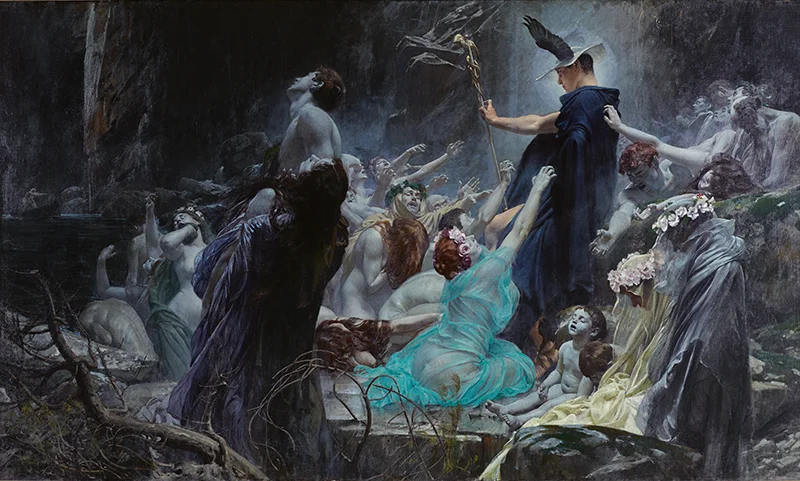
The rivers are Styx, Acheron, Cocytus, Lethe, and Phlegethon. Styx binds oaths. Acheron and Cocytus carry the tears and pains of the dead. Lethe is forgetfulness. Phlegethon burns. Not every poet lists all five at once, but the set is stable. Charon ferries across, most often on the Acheron or Styx. The river image keeps borders firm. The living do not wade across. They need a ferryman and payment, and only after rite and permission.
Gates and entrances
Entrances in Greece become part of local myth. Caves at Taenarum, Avernus in later telling, and sinkholes near Thebes and elsewhere serve as markers. Gates are not simple doors. They are fortified thresholds watched by a hound and opened by keys. A good burial prepares a soul to approach the gate with the right signs. Without these, a shade lingers on the near bank, unable to enter. Entrances also serve heroes who go down alive under guidance and come back with knowledge.
Judges and places of reward and punishment
When Greek myth centers on judgment, three names appear often. Minos, Rhadamanthys, and Aeacus hear the cases. They send the many to a plain of shadows and a few to Elysium. A small set of offenders bears special punishments that everyone can name. The point is not that most people suffer like Sisyphus. It is that the order of the house is kept. Rites and correct living matter, but fate brings most to a neutral end. Over time, ideas of purity and hope grow, but in early Greek myth the underworld is more solemn than tormented.
Guardians and monsters
Cerberus guards the gate with three heads. Snakes and shadow creatures haunt the near banks. Furies can appear from below when crimes against kin call for blood. Not every monster belongs to Hades, but his realm shelters them. The presence of guardians underlines that nobody wanders in or out. Even gods respect the gate. When a hero drags Cerberus to the surface as a labor, he must return the hound to its post.
Persephone and the taking from Demeter
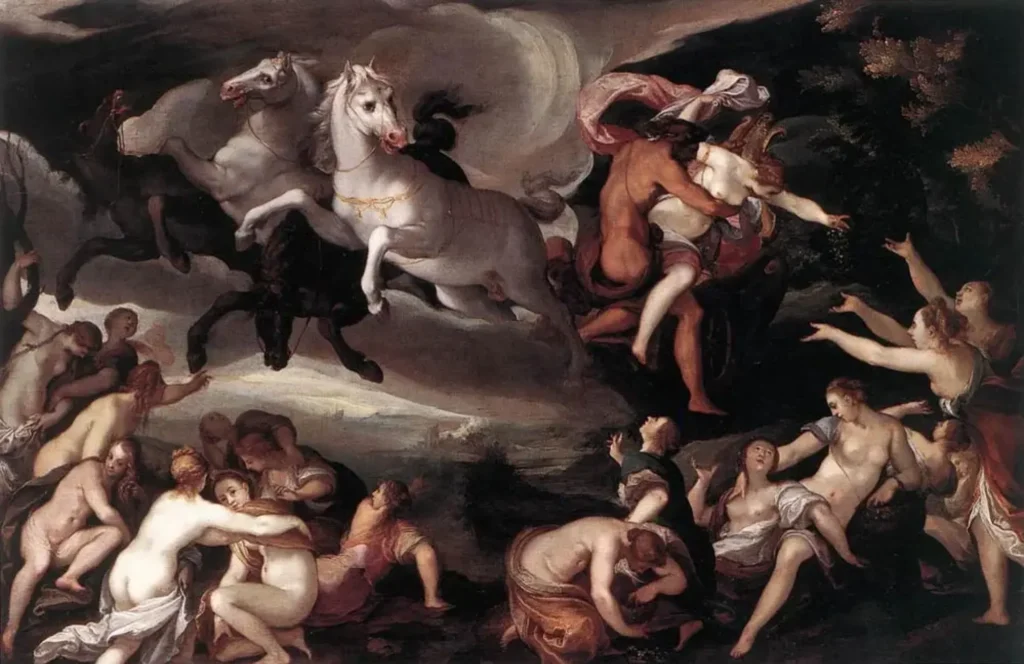
This is the central act that shapes Hades’ image. He takes Persephone from a meadow, raises famine through Demeter’s grief, and accepts a compromise that fixes the seasons. The story in the Homeric Hymn to Demeter tells it with force and care for ritual. It is not a romance. It is a story about power, consent, and order in the cosmos.
The meadow in Sicily
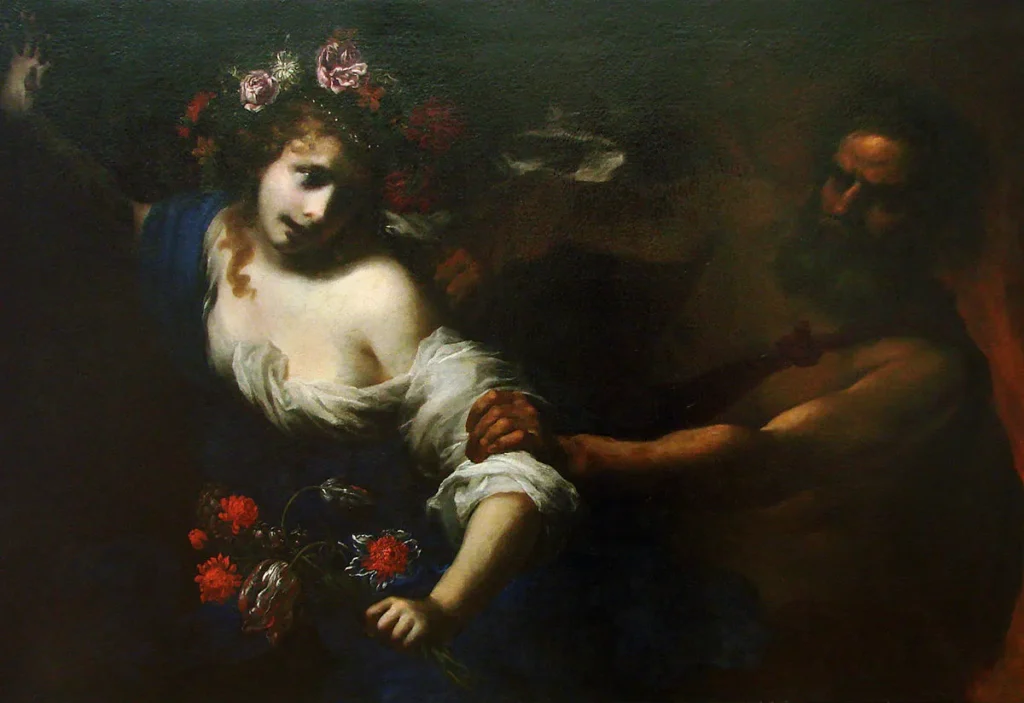
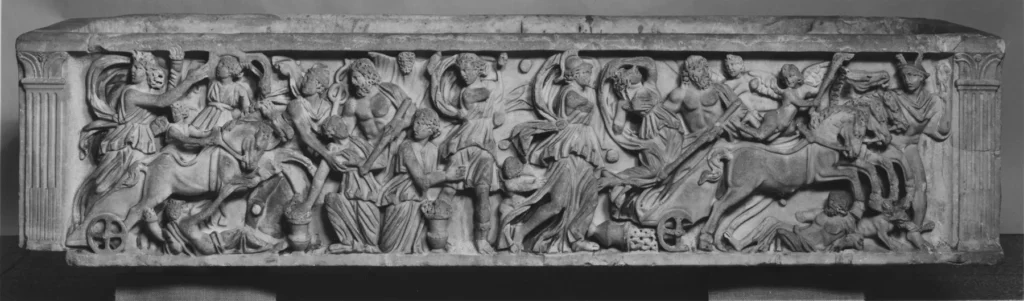
Persephone (Persephonē) gathers flowers on a broad meadow with companions when the earth opens. Hades rises in his chariot and takes her. The place is often set in Sicily, which later Greeks tied to rich soils and volcanic depths. The sudden opening of ground matches a god of hidden places. There is no long courtship. The god acts with a plan and a sign from Zeus, who in many versions has granted the match in secret.
The image of the meadow matters. It is full of flowers that vanish in heat or after harvest, which suits a goddess whose coming and going mark the year. The moment of seizure is swift and violent. The chariot cuts tracks across the grass. The horses plunge. The hole in the earth closes. The sound fades, and the meadow stands empty except for those who saw and those who are blamed for failing to guard.
Demeter searches and the famine
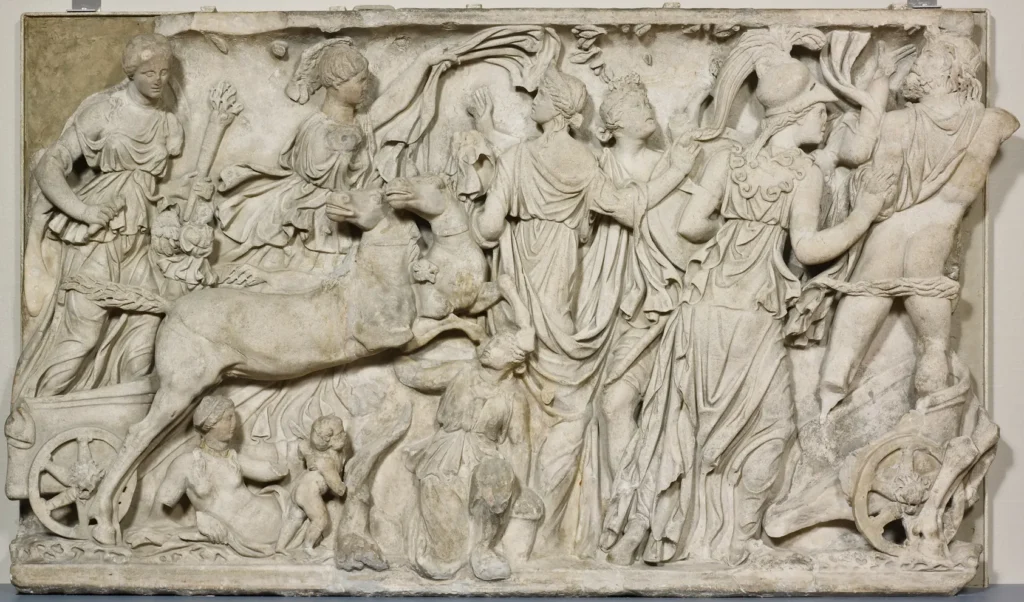
Demeter (Dēmētēr) wanders in grief and anger. She lights torches and searches at night. In Eleusis she receives hospitality and teaches a royal house, which ties the myth to rites kept in that city. Famine follows because a mother who is also a grain goddess refuses to let the earth yield. Mortals suffer and the gods lose offerings. This pressure forces Zeus to act. The logic is simple. Without Persephone, Demeter will not lift her hand. Without grain, humans die and shrines fall silent.
Witnesses matter in the search. Hecate hears the girl’s cry. Helios sees all and tells Demeter the truth. The story shows how information moves in the world of gods. Not everyone sees what happens under earth, but the sun does. Demeter’s grief is human in its pacing. She sits apart, she rages, and she negotiates. No trick or riddle ends the famine. The only answer is a change in where Persephone stays.
The compromise and the seasons
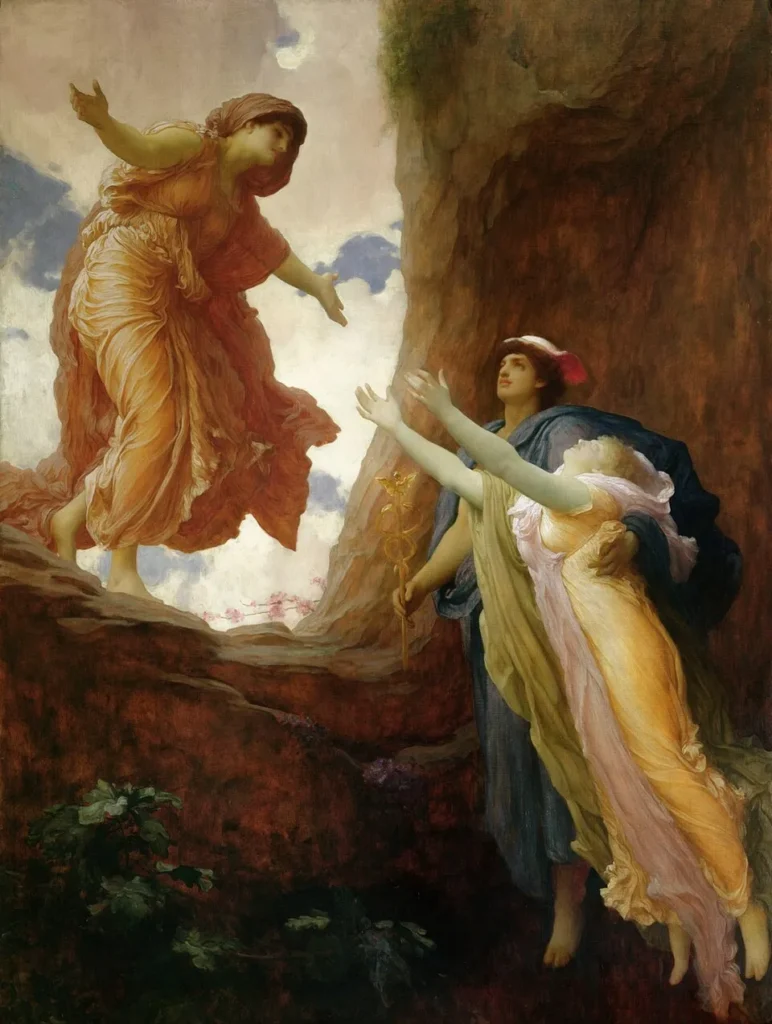
Zeus sends Hermes to fetch Persephone. Before she leaves, she eats pomegranate seeds in Hades’ house. The number varies in retellings, but the effect is fixed. Having tasted the food of the dead, she must return part of each year. Demeter accepts this as a balance. When Persephone rises, the fields stir and the world grows. When she descends, growth stops and winter holds the land. The myth explains the cycle with family terms rather than impersonal forces. It also makes Persephone more than a victim. She becomes a queen who splits her time and holds rank below at Hades’ side.
The compromise also sets ritual patterns. Eleusis grows into a major center where initiates hope for fairer treatment below. Hymns praise the two goddesses. Hades remains in the background of such rites, but he is the necessary other half. Without his house there could be no return, only loss. The pomegranate keeps the memory of the deal on Greek tables in art and story.
Rites and places of Hades in Greece
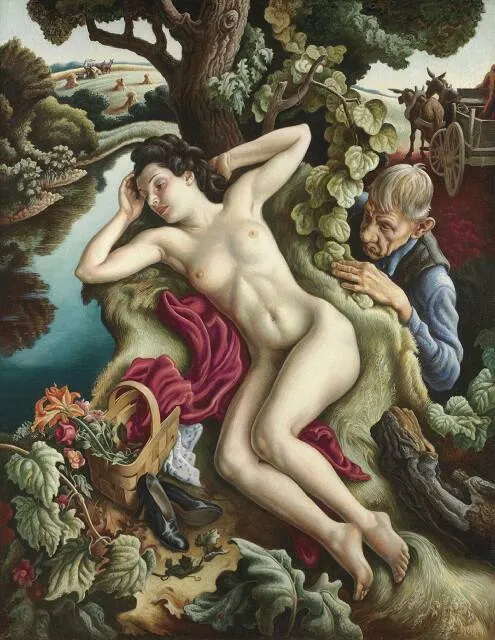
Greeks approach Hades with reserve. His cult is often quiet and bound to local ground. Sacrifices use dark animals. Priests pour libations into pits or onto bare earth. Entrances to the underworld become points where the living can seek the dead. None of this makes Hades a god of terror alone. It makes him a god whose rites accept that all families will meet him and need proper forms for that meeting.
Offerings and black animals
Sacrifice to Hades tends toward black rams or bulls, animals that fit the tone of the rite. The time may be night. The direction of the head may be downward. Libations sink rather than rise. The sense is not festive. It is sober and effective. Prayers ask for rest for the dead or for favor in a matter that touches the boundary with below. Where Persephone is honored with Demeter, the mood can be softer, but the presence of Hades keeps the act formal.
Nekromanteion at Ephyra
A site in Epirus becomes known as a place where the living can consult the dead. Visitors pass through dark halls and follow steps that create the feel of descent. The rite uses grain, honey, and the sacrifice of black animals. Priests manage the threshold and stage a contact that is as much about memory and closure as about prediction. Greek writers treat the place with a mixture of awe and curiosity. It stands as one of the few locations where the boundary is handled in a public way, not just in private grief.
Cape Taenarum and other entrances
Taenarum in Laconia holds a reputation as a gate to the underworld. Sailors and storytellers point to its caves as places where heroes descend. The idea fits a coastline where deep water meets rock and caverns breathe out cold air. Other local entrances exist, often tied to deeper pools or mines. These places are not tourist sites in ancient terms. They are warnings. To live near an entrance is to live near a reminder that the earth has more inside it than soil.
Avoiding the name and using softer titles
Speech itself is a rite. Greeks often avoid saying Hades. They use host of many or the wealth giver. They say the house of Hades when they mean death without judgment. The practice is not superstition alone. It is care for the boundary in words. Names bring a presence near. When a family buries a loved one, they comfort themselves by keeping forms that acknowledge the god without inviting him closer than he must come. Over time, the softer title Plouton becomes common in public art and speech, and the cornucopia appears more often than the bident, but the older weight remains. The unseen one still rules below, steady and watching, while mortals plant and reap and speak with care.
Built out of a love for history, kept free from distractions.
Spoken Past is an independent project shaped by curiosity, care, and long hours of research. Reader support helps keep it maintained, carefully researched, and open to everyone.
Orpheus and Eurydice in the house of Hades
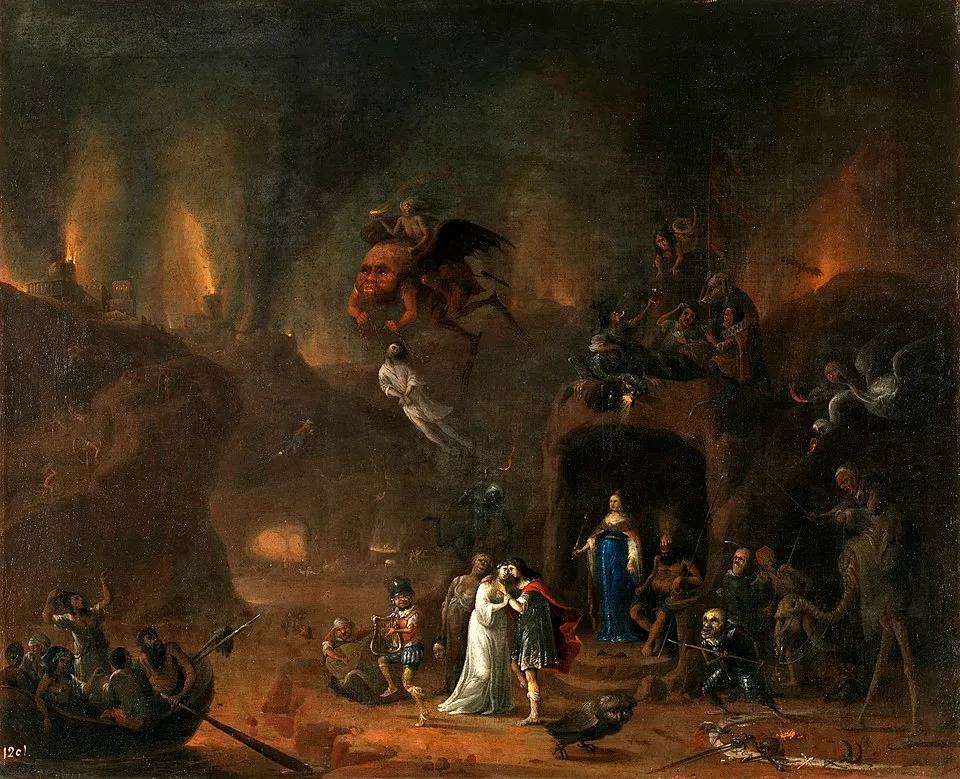
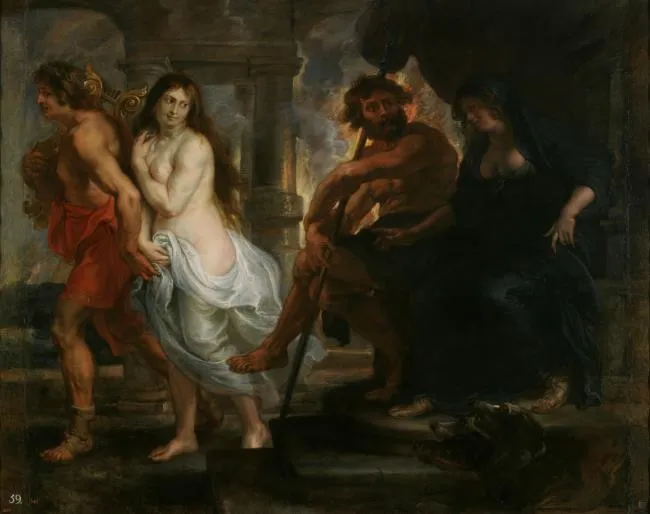
When poets needed a setting for unbreakable rules, they walked their singers into the halls of Hades. The story of Orpheus and Eurydice let audiences feel the edge of those rules. In most versions, the singer descends with a lyre and an argument, wagering that sound might soften the god who never bends. Hades is not fooled by beauty in general, but he keeps order, and order sometimes allows a bargain. The episode teaches what the Greeks thought the dead wanted, what the rulers of the dead would allow, and what living people risked when they asked for more than the cosmos could give.
The plea to Hades and Persephone
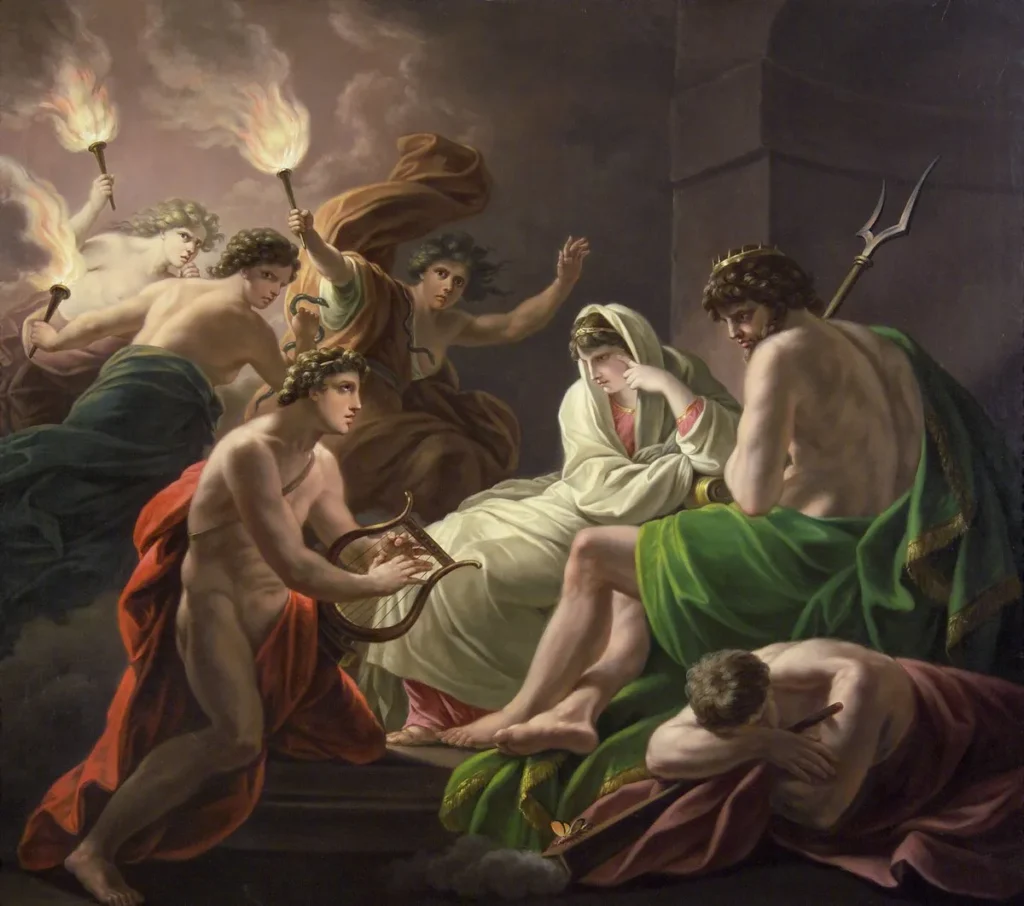
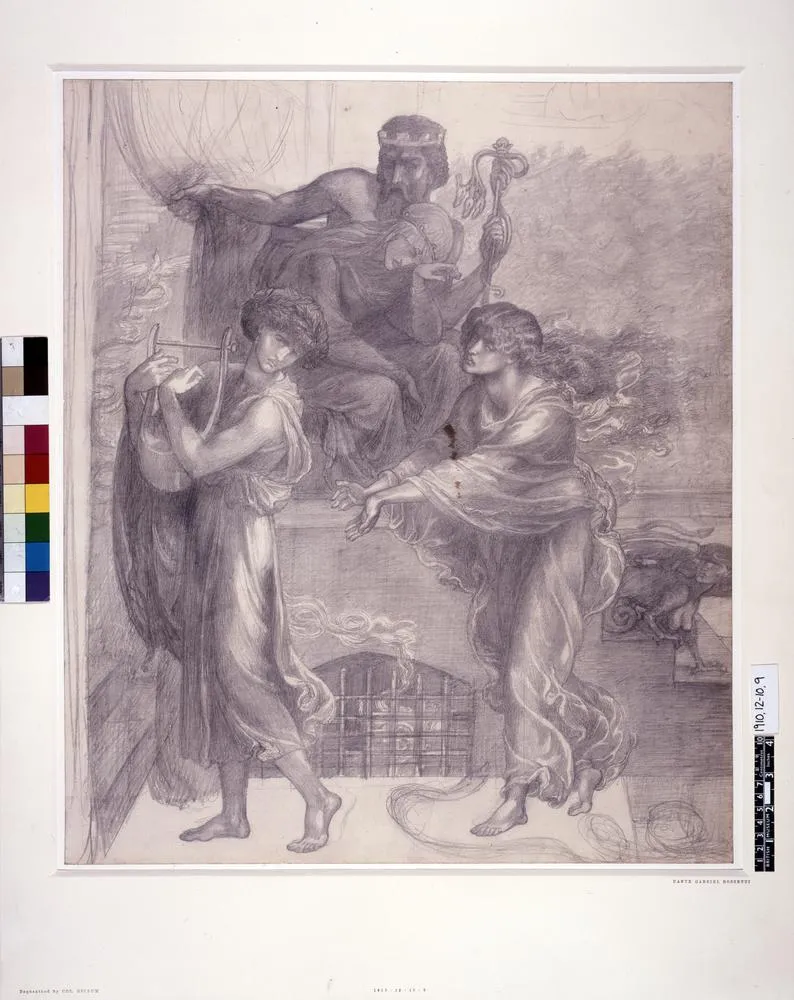
The scene is almost always set the same way. Orpheus stands before the thrones, and his music halts the machinery of death. Dogs go quiet. Furies stop their whips. Sisyphus rests his shoulder. The singer tells the rulers he knows Eurydice was taken by accident, not for hubris, and he promises he will honor boundaries if they let her cross back behind him. The story varies on the degree of feeling in the room. Some poets say Persephone’s heart softens first; others say Hades grants the request because he is just and because he can rely on a condition to keep the world in balance.
The condition is simple and severe. Eurydice can follow as long as Orpheus does not look back until they both stand in the light. The terms sound fair. They forbid proof, not love. Yet they also make love’s proof impossible. That balance, a bargain set by a ruler who guards thresholds, matches Hades’ character elsewhere: he allows a crossing if the law of the living is upheld, and he refuses if the living try to seize more than a mortal share.
The rule of not looking back
Greek stories often hinge on one rule that tests a mortal’s self-command. Here the rule forbids seeing Eurydice until both are out. The gods do not test Orpheus for curiosity. They test for trust. Poets linger on the path upward: the steps are steep; the tunnel narrows; the breath of the dog fades; the singer hears the soft tread behind him but cannot risk certainty. In some versions Hermes guides them, and even the guide cannot touch the condition. Orpheus passes through and doubts. He turns. He sees. The light falls on Eurydice for an instant, and then the rules tug her back. The lesson is not that Hades is cruel. It is that the pact was fair and the singer broke it. Greek audiences heard in this a wider lesson: in a world of unseen powers, restraint is the cost of a second chance.
Outcome for the pair
The outcome never changes for long. Eurydice slips away. Orpheus begs again, but the law has run its course. The singer returns alone, and searches of a different kind begin. Some poets say Thracian women kill him; others say he lives on singing grief. The rulers below remain as they were. They granted what could be granted, and they enforced the boundary when it could not be kept. The story thus fixes Hades as a ruler who can be moved to mercy without ceasing to be the guardian of order.
Heracles and the capture of Cerberus
Among heroes who cross the threshold alive, Heracles holds a special place. His twelfth labor sends him not to steal a treasure but to lead a guardian out and back again. The task is bold and careful at once, and it reveals the rules of the house. Heracles cannot break Hades’ property; he must ask; he must rely on strength without weapons. The scene shows a kingdom not hostile to heroes as such, but firm in defending its terms.
Help from Hermes and Athena
Guides appear when a living man walks into a place meant for shades. Hermes as escort and Athena as defender help Heracles cross without offense. Some narratives add the rites at Eleusis before he descends, to mark that knowledge and ritual allow a lawful entry. The gods who favor him do not overrule Hades; they prepare the hero to ask the right question and accept the right condition.
Wounding of Hades in war tales
A rare note of vulnerability belongs to an older story, when Heracles, fighting in the mortal world, wounds Hades with an arrow. The episode belongs to mythic time, when gods still suffered blows and withdrew to be healed. Greek listeners knew the point was not that Hades is weak, but that even he, when he appears above ground, can be touched by the risks of warfare. In the house below, he does not fight at all. He rules.
Bringing Cerberus to the upper world
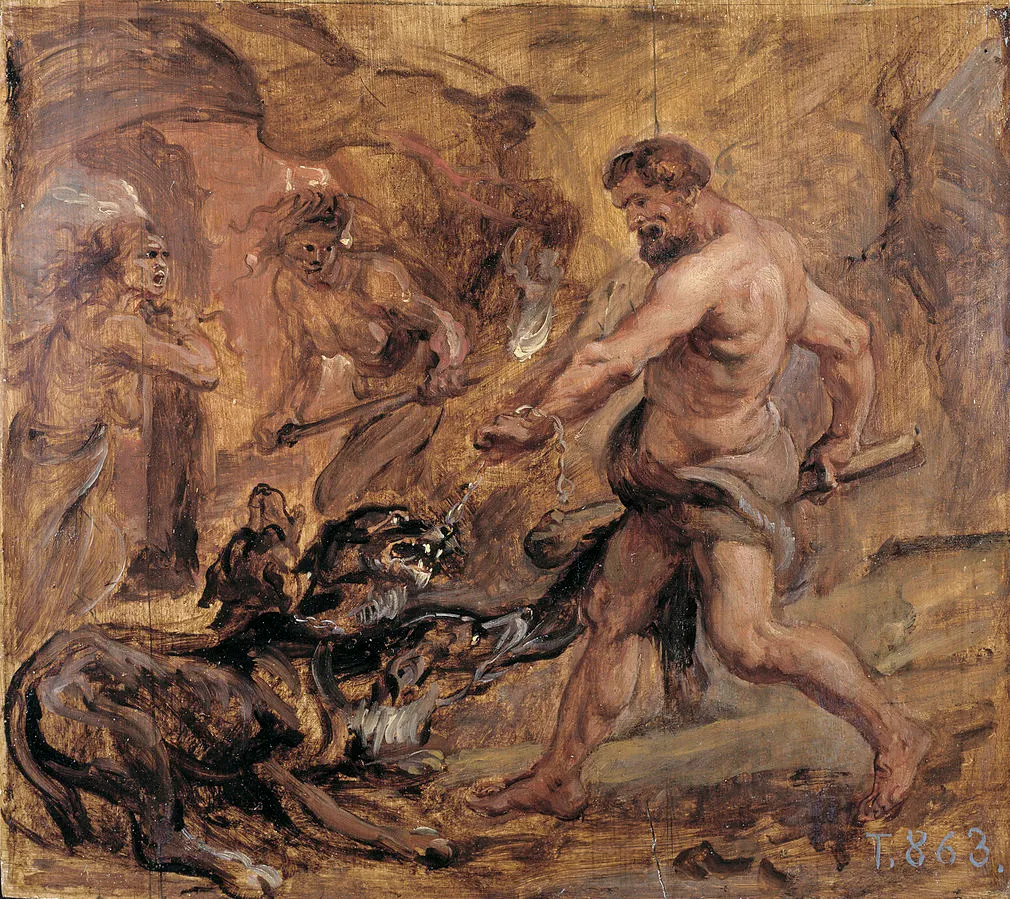
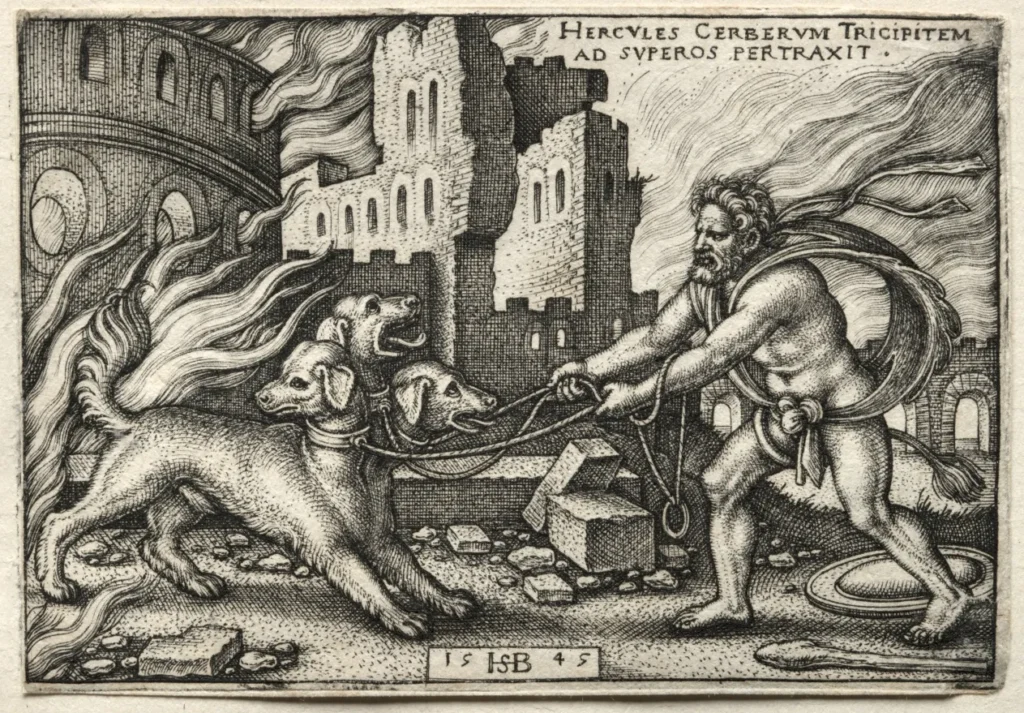
The core scene is a negotiated test of strength. With Hermes and Athena near, Heracles asks Hades if he may take Cerberus so long as he uses no iron. The god agrees. The hero grips the dog, subdues him without weapon, and leads him to the daylight before bringing him back. The kingdom remains intact. The bargain demonstrates that even the fiercest guardian belongs to law, and that Hades prefers the letter kept and his wardens returned.
Theseus and Pirithous in the underworld
Friendship draws two heroes into the one place where daring always fails without leave. Theseus and Pirithous decide to test their luck in the house of Hades. They travel not to bargain for a lawful release, but to seize a queen. The story serves as a sharp counterexample to Heracles’ labor. It shows what happens when mortal ambition confuses heroism with theft.
The plan to seize Persephone
Different storytellers give different sparks to the plan, but all agree on the body of the folly. The two friends swear to marry daughters of Zeus. After Theseus wins his bride above, the pair march below to take Persephone from Hades himself. The attempt is an affront not only to the god but to the order of marriage, guardianship, and place. It reduces queenship to a prize and forgets that the underworld is a realm with owners.
The rock or the chair
Punishment comes as stasis. Hades seats the intruders where they cannot rise. Some stories call it a rock; others a chair on which flesh binds to stone. The stillness captures a moral point. In a world where boundaries are sacred, trespassers who seek to undo a marriage are fixed in the posture of their presumption, unable to move forward or back.
Rescue of Theseus by Heracles
Only a visitor who asked permission can lift part of the grief. When Heracles arrives to fetch Cerberus, he pulls Theseus from the chair, though Pirithous remains as the lesson plays out. The release of one but not the other says that friendship does not cancel the weight of offense. Even for the favored, rescue in Hades depends on the larger law.
Sisyphus Tantalus and other famous souls
Not every life earns a special fate, but Greek myth marks a few with punishments that say something about rule and memory. Their stories populate the borders of the throne room and the path to the gates, and they tell the living that certain acts tear at the weave of the world.
The crimes and the punishments
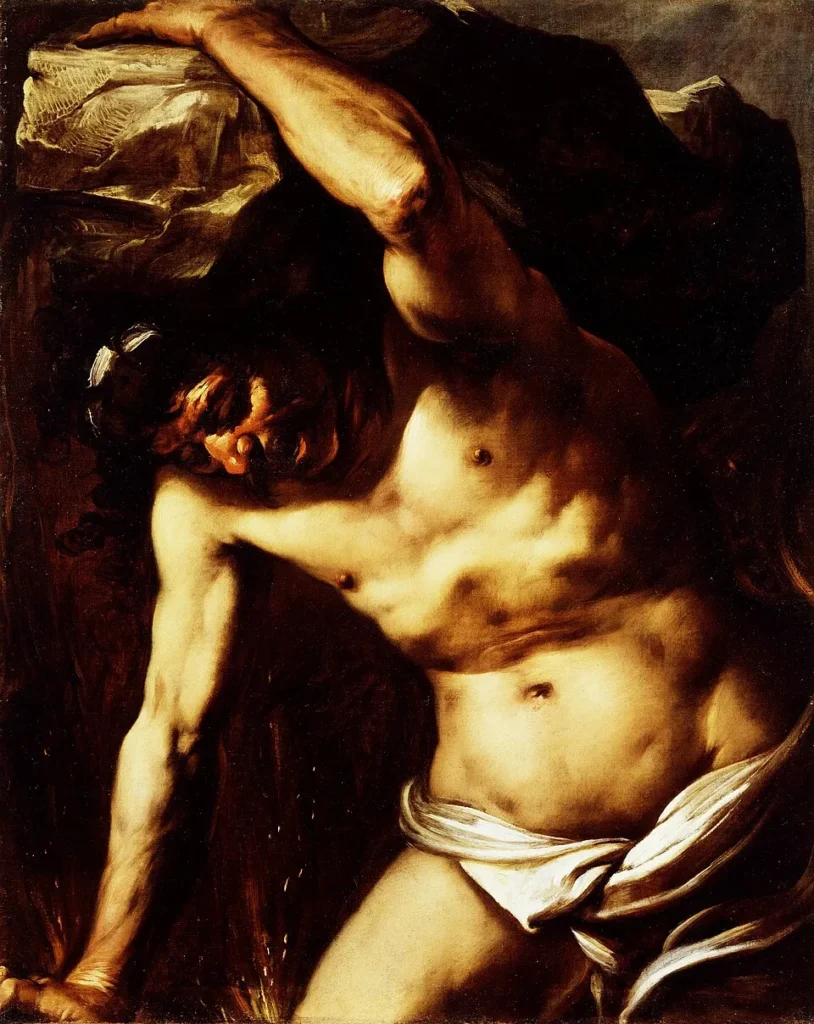
Sisyphus cheats death and breaks the laws of hospitality; his penalty is endless effort without result. Tantalus violates the sacred table by serving his son as food, so his desire is forever frustrated by water and fruit that recede. Some poets arrange these figures where Orpheus passes, not because Hades delights in suffering, but because the rulers’ hall is the place where punishment becomes visible and instructive.
Ixion and the wheel
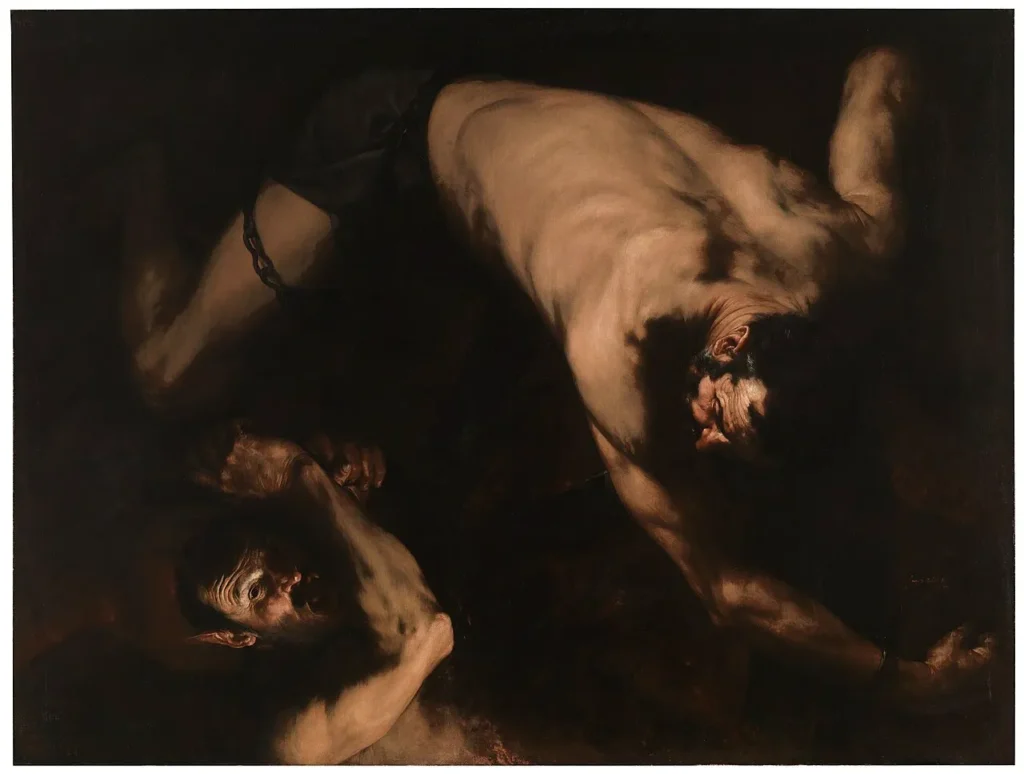
Ixion betrays a guest-right at the highest level, trying to seduce Zeus’s wife. For that, he turns forever on a wheel. The image speaks to Greek ideas of reciprocity. When a guest offends the host’s honor, the circle of favors and return is broken. The wheel spins, a diagram of a social law gone wrong and a divine law restoring balance by ceaseless motion.
The Danaids and the jars
The Danaids break marriage vows and must fill jars that will not hold water. Their work undoes itself, a mirror of the crime. In some depictions they appear alongside judges and other souls in motion, as reminders that communal bonds require keeping promises once spoken.
Asclepius and the anger of Hades
A healer who can stop death threatens the very balance Hades protects. Asclepius learns cures from Chiron and Athene’s gift and becomes so skilled that he revives the dead. The stories name different patients. The effect is the same. If Asclepius keeps at it, the house of the dead will empty. Hades complains to Zeus, not out of spite, but to defend the shape of the world.
Healing the dead
The Greeks saw medicine as a craft with sacred ties to gods. Asclepius’ art is a blessing until it overturns limits. Raising the dead is no longer healing. It erases the border Hades guards and leaves no place for justice to work on the souls who must be judged. The myth reminds listeners that good gifts can become dangerous when they ignore the frame that gives them meaning.
Complaint to Zeus
Unlike many divine quarrels, this one does not turn on jealous rage. It turns on duty. Hades reports the imbalance, just as a land god would report a drought or a sea god would report a storm that blocked all ships. Zeus answers because the complaint is about order. The thunderbolt falls because the world needs a boundary that mortals cannot cross at will.
Thunderbolt against Asclepius
Asclepius dies by Zeus’s weapon, and the cosmos snaps taut again. In other tales he is later raised to the stars or honored in healing temples across Greece. The story does not make Hades jealous; it makes him a guardian who speaks when the world he oversees is at risk. The lesson sticks: death is a limit that keeps the rest of life intelligible.
Odysseus at the land of the dead
Not every journey to the dead seeks to change a fate. Odysseus travels to learn, because knowledge belongs to the living but sums reside with the dead. The visit in Homer’s poem offers the earliest long tour of what Greek listeners thought one could meet beyond the gates.
The rite at the edge of Ocean
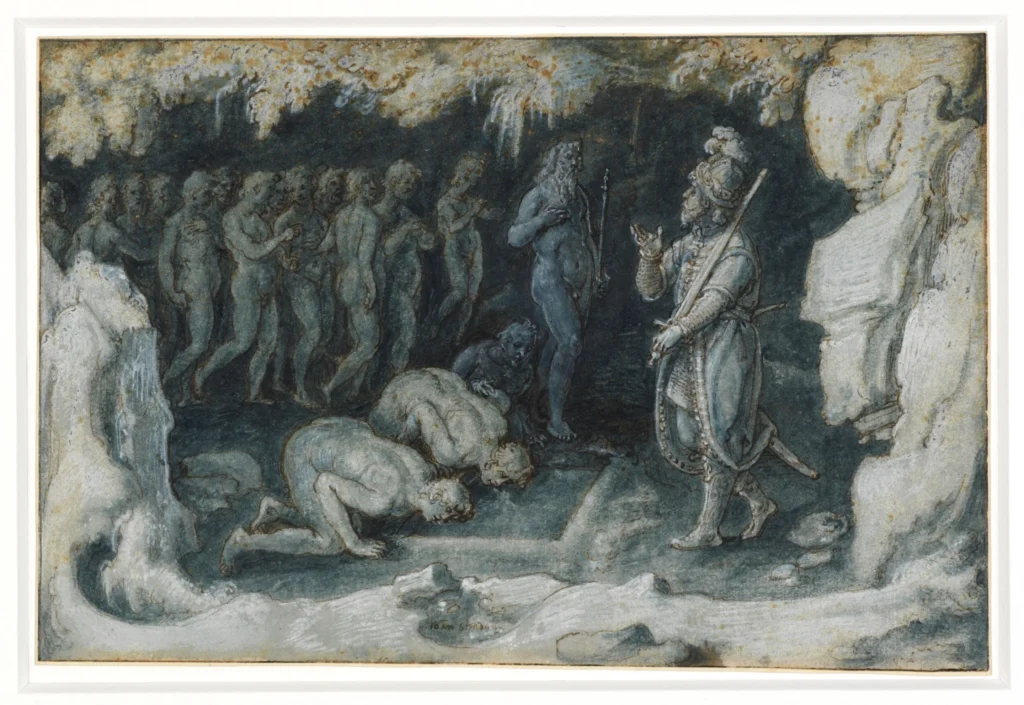
The hero does not stride through a city gate. He goes to the furthest shore and digs a trench. He pours honey and milk and wine and water and sprinkles barley meal. The blood he offers draws the shades. Homer’s picture is old and simple, with no courtly throne for Hades in view, but the god’s presence saturates the rules. The rite must be done; the dead must drink; the living must ask and then move on.
Talk with Tiresias
The blind seer arrives and drinks and prophesies. He tells Odysseus how to proceed, how to treat the cattle of the Sun, and how to end his travels. The talk shows a Greek pattern: even in Hades, knowledge comes to those who honor forms and keep their hands steady. Other shades approach—mothers, friends, and famous figures—and Homer spares a few lines for their fates, including souls who suffer visible punishments for crimes against the gods.
Lessons for the living
The visit stands as a map and a warning. The dead are powerless unless the rite is done; the living must not linger; and the right result of speaking with the dead is not to pull them back but to walk out and finish one’s lawfully given life. In this Homeric frame, Hades is the field on which lessons can be seen, not an enemy to be overthrown.
Burial and crossing to the other side
If Greek stories insist on boundaries, Greek custom answers with care at the threshold. Burial rites make a soul legible to the order of the dead. Leave them undone, and the ferry is delayed; perform them with honor, and the path opens. The idea says something both about the god and about the living who remember their dead.
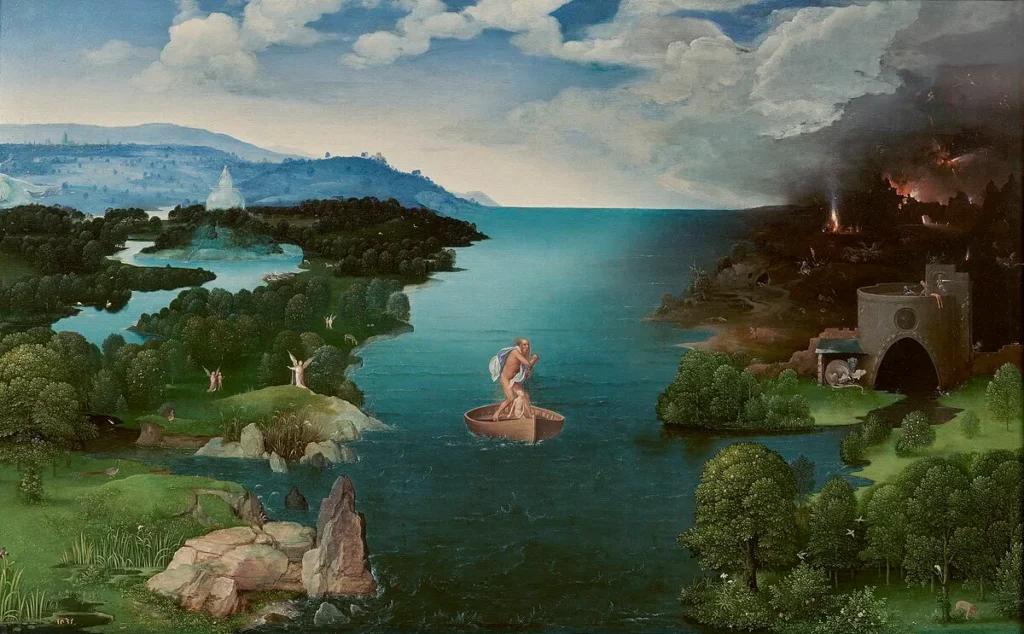
Coin for Charon and the ferryman
The ferryman wants payment. He is not a judge; he is a functionary. The coin lies on the tongue or under it, and the family or city pays the fee so the soul can cross. Not all regions placed coins, but the notion is famous because it captures a ritual truth. The dead need help at the threshold, and the living show love by meeting the costs of passage.
Treatment of the unburied
Unburied dead in epic wait at the banks. Their delay is not a cruelty of Hades but a visible argument to the living: fulfill your duties, and the order below will receive your kin. This is why warriors beg comrades to cremate them and why cities set aside days to honor the anonymous fallen.
Libations and songs for the dead
Libations poured into the earth and songs sung at the mound acknowledge that the dead remain under the care of a god. The offerings do not buy favors; they mark belonging. To pour wine on the ground is to admit that a realm below exists and that its ruler deserves the same courtesy given to Zeus in the sky or Poseidon at sea.
From Homer to Plato on the afterlife
Greek thought about the dead changed in scope, not in the insistence that the order of things must hold. Homer gives a shadowy field. Later poets and philosophers complicate the picture with islands of the blessed, rebirth, and more moral sorting. The one constant is that the cosmos keeps its divisions, and Hades’ role sits inside that map as the necessary keeper of limits.
Shadowy existence in Homer
Homer’s shades are thin. Achilles prefers life as a day laborer to sovereignty among the dead. Hades in this frame is less a person than a place where memory survives as a faint voice. Yet even here rites matter, and the great figures of crime still seem bound to clear penalties. The underworld remains a space governed by laws the living can touch through sacrifice and vision.
Hopes of Elysium
Later tradition names green fields for a few, not as a universal promise but as an honor for kin of gods or heroes of special favor. This addition does not erase the rule; it adds one more region where a different result can be seen without granting what Asclepius sought to do. It keeps Hades’ reign intact while placing a better neighborhood in the far west or within the underworld’s own territory.
The myth of Er
By the time Plato tells the story of a soldier who returns from death to report on judgment and choice, the Greek mind can imagine souls picking new lives and returning to the sun. The judges sort, the lots are cast, and responsibility is spread across more than one life. Even here, the line between worlds is firm. Er does not bring anyone back by force. He bears a message that moral order reaches beyond one lifetime and that the structure of the cosmos supports the rule Hades keeps.
Timeline of Hades in Greek myth
To place these episodes in order is to watch a consistent character move through a changing set of stories. Early ages set the throne; later tales test its boundaries; and the rituals and philosophies of the classical world interpret what those tests meant.
Early age of the gods
First come the war against the Titans, the division of realms, and the marriage with Persephone. The rule of the dead is established long before any hero visits. The throne is not a conquest from mortals but a share in the cosmos.
Key myths in order
Then arrive the major mortal encounters: the failed theft by Theseus and Pirithous; the lawful visit by Heracles; the plea and failure of Orpheus; the report by Odysseus. Other figures, from Sisyphus to Tantalus, stand in view to illustrate what crimes press hard against divine order.
Cult and places across Greece
Finally the rituals and sites: caves that stood for entrances, lakes that stood for rivers, shrines where black animals were offered, and oracles where the dead answered under questions asked the right way. Through it all the same shape holds. The world is divided. Crossing is possible by rite and consent, and the ruler below is not a villain but a sovereign who keeps the pattern of life and death in place.
Frequently Asked Questions:
Was Hades evil?
No. In Greek myth he is a strict ruler of the dead, not a devil. He keeps order, guards oaths, and rarely meddles in mortal lives.
Was Hades loyal to Persephone?
Yes. After the abduction, he treats her as queen and partner. The myths show a stable marriage shaped by the seasonal agreement.
Why did Hades kidnap Persephone?
He wanted a royal marriage and had Zeus’s consent in many versions. The taking triggers Demeter’s famine and the later compromise.
Is Hades the same as death?
No. Thanatos personifies death. Hades rules the realm where the dead go and oversees its laws.
What is Hades’ symbol?
The cap of invisibility, the bident, keys of the underworld, and at times a cornucopia when called Plouton.
Where is the entrance to Hades?
Myth names several places in Greece, such as Cape Taenarum and the Nekromanteion at Ephyra, as symbolic gates to the underworld.
Did anyone escape Hades?
A few return by consent or favor, like Orpheus who failed at the last moment, and Heracles who took Cerberus and brought him back.
Why do gods swear by the Styx?
An oath on the Styx is the strongest divine oath. Breaking it brings a harsh penalty, so it guarantees trust among gods.
What does the name Hades mean?
Ancient writers link it to “the unseen one.” Later he is also called Plouton, “the wealth giver,” pointing to riches in the earth.
Is the underworld a place of punishment?
Mostly it is a shadowy realm for the many. Special offenders like Sisyphus and Tantalus suffer set punishments that teach moral limits.