Article archive
Research, stories and questions from the ancient world.
Browse every article on Spoken Past, or choose a category to explore the archive.

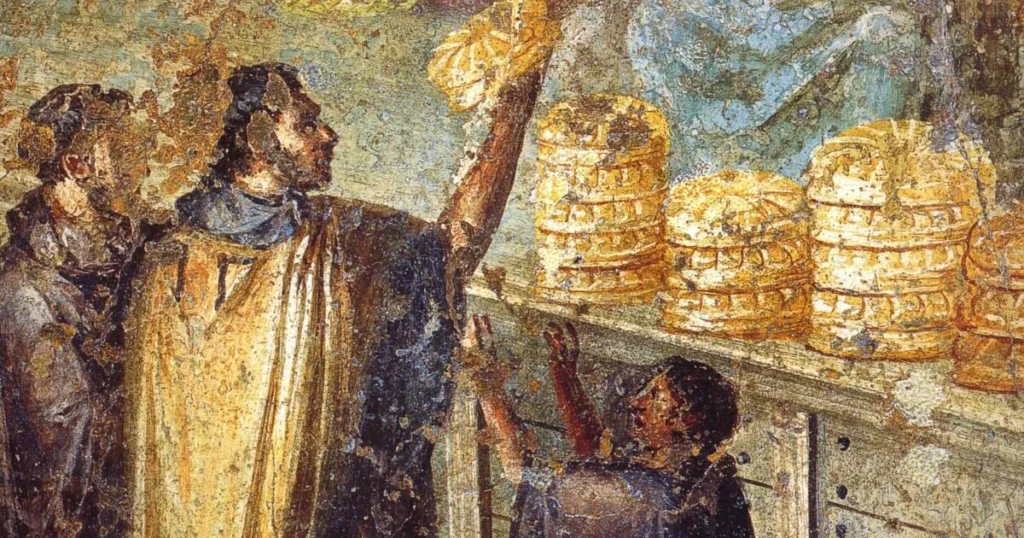
The Annona and Grain Dole: How Rome Kept Its People Fed
How did ancient Rome feed its population? Follow the annona and grain dole from African and Egyptian wheat to Portus, warehouses, distribution and bread.
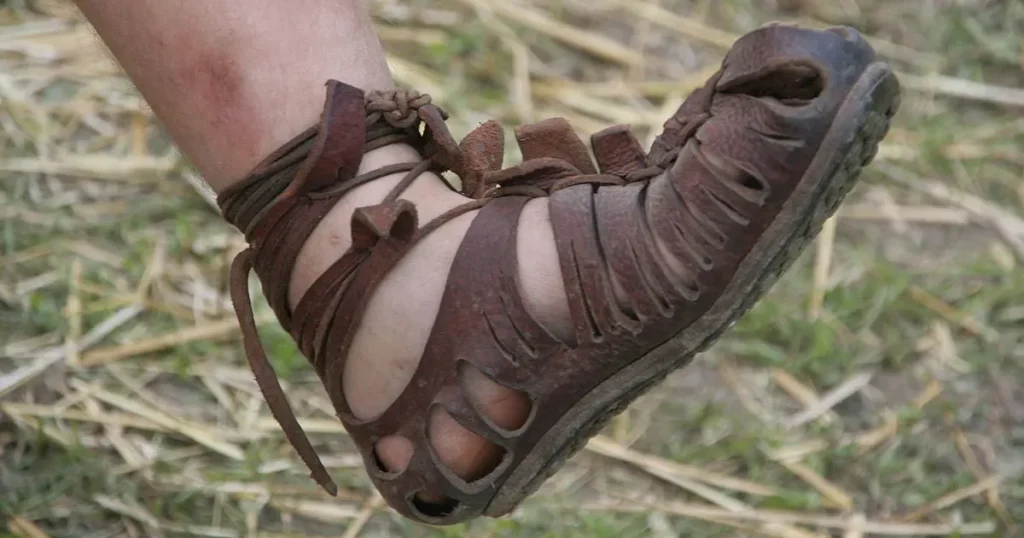
Roman Caligae: How Soldiers’ Hobnailed Boots Worked
Roman caligae were leather military shoes reinforced with iron hobnails. Surviving finds reveal how they were made, worn, repaired and replaced.
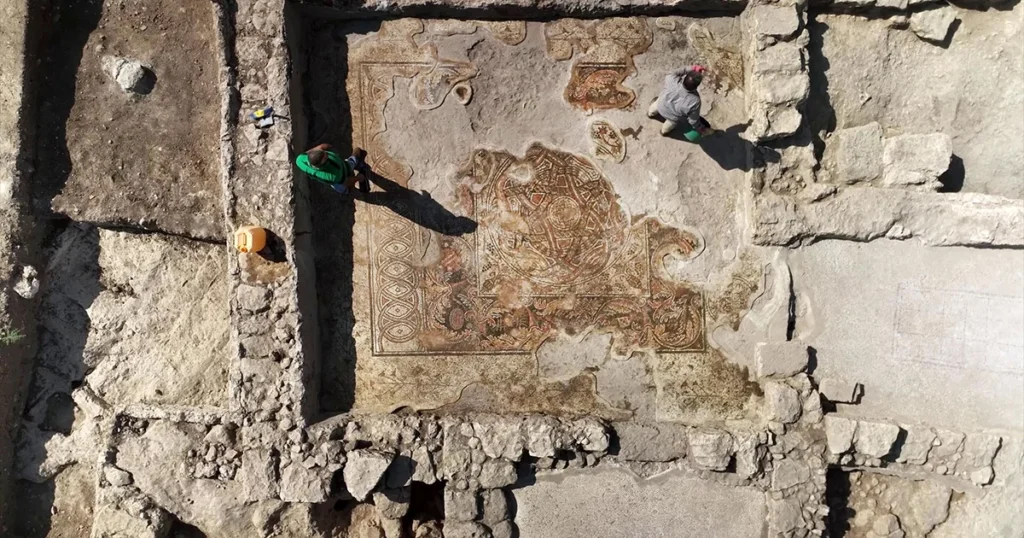
Samaritan Estate at Kafr Qasim: Fruit Mosaics and Olive Presses
A 1,600-year-old Samaritan estate at Kafr Qasim revealed fruit mosaics, ritual baths and olive presses, with clues to life under Byzantine rule.
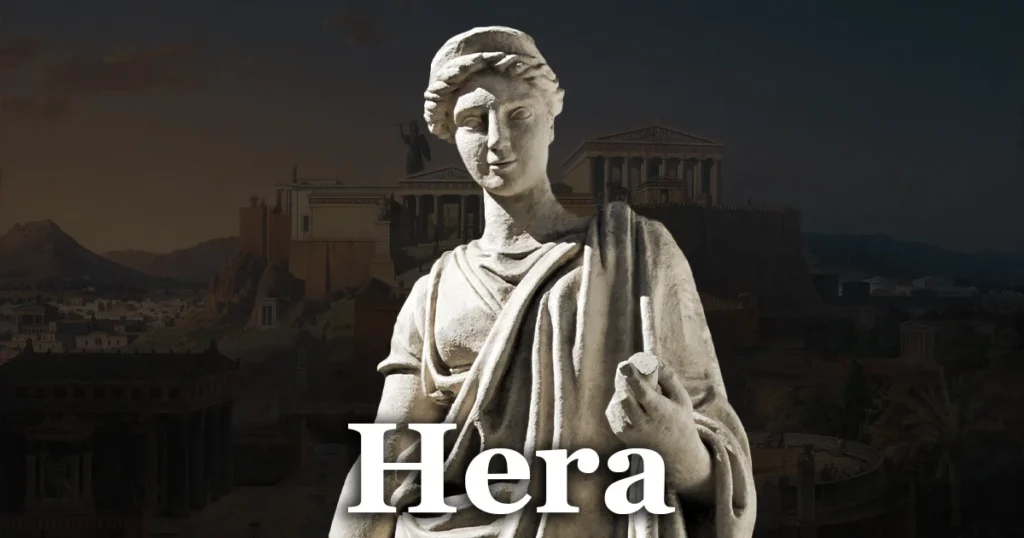
Hera and Marriage in Ancient Greece: Weddings, Oaths, and Law
Hera protected Greek marriage, but city laws decided dowries, divorce and legitimate heirs. Wedding rites and the Gortyn Code show how the two worked.

OSL Dating: How Scientists Date Buried Sand and Ancient Footprints
OSL dating measures when buried sand last saw sunlight. Learn how quartz clocks work, how labs calculate ages, and what ancient footprints can really…

Orestes at the Areopagus: The Trial of a Mother’s Killer
Why was Orestes tried for killing his mother? Aeschylus, Athena, the Furies and the real Athenian homicide court explain the famous Areopagus trial.
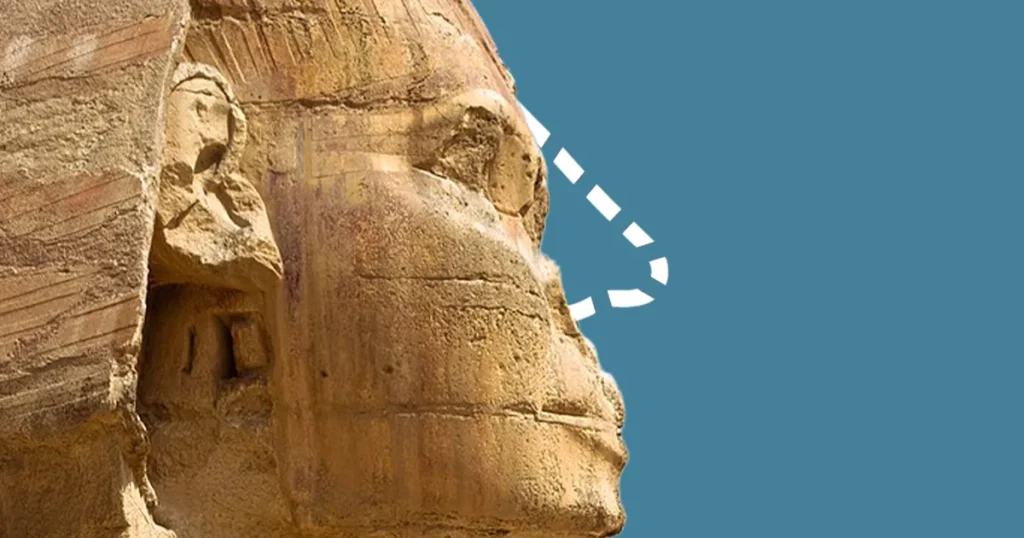
Why Do So Many Ancient Statues Have Broken Noses?
Broken noses on ancient statues can result from falls, weathering, political attacks or religious iconoclasm. Here is how historians tell the causes apart.
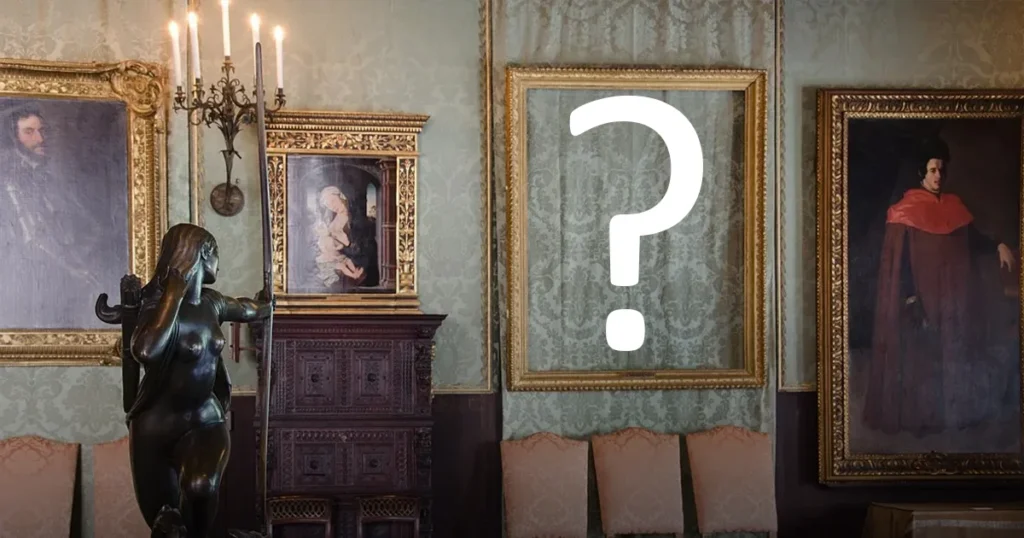
Stolen Art Databases: How They Work and What They Miss
How stolen art databases, INTERPOL ID-Art and Object ID help trace missing works, where searches fail, and why provenance and legal checks still matter.
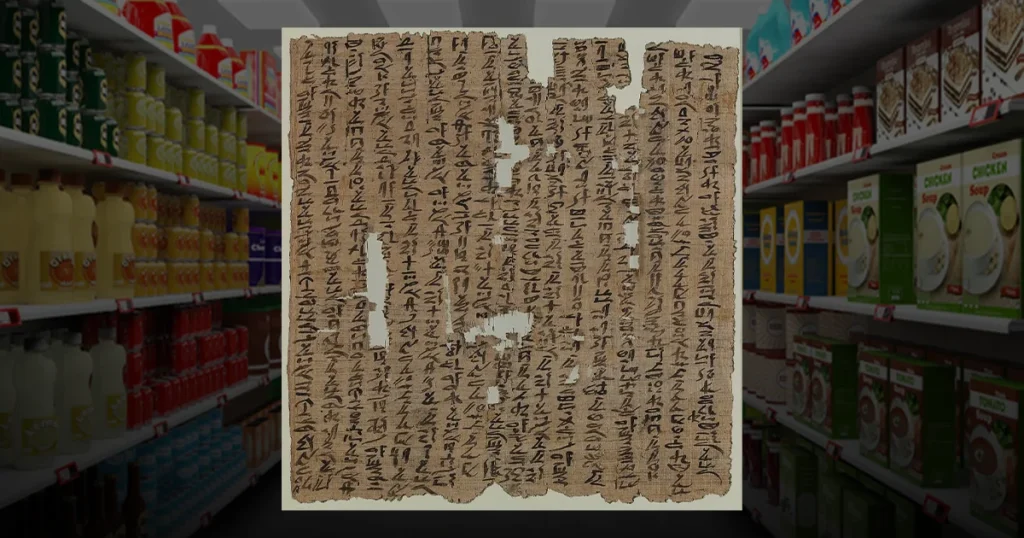
Ancient Egyptian Shopping Lists: Grain, Oil, and Household Accounts
Egyptian papyri recorded grain, debts, rations and household possessions. Heqanakht’s letters reveal how people managed supplies nearly 4,000 years ago.
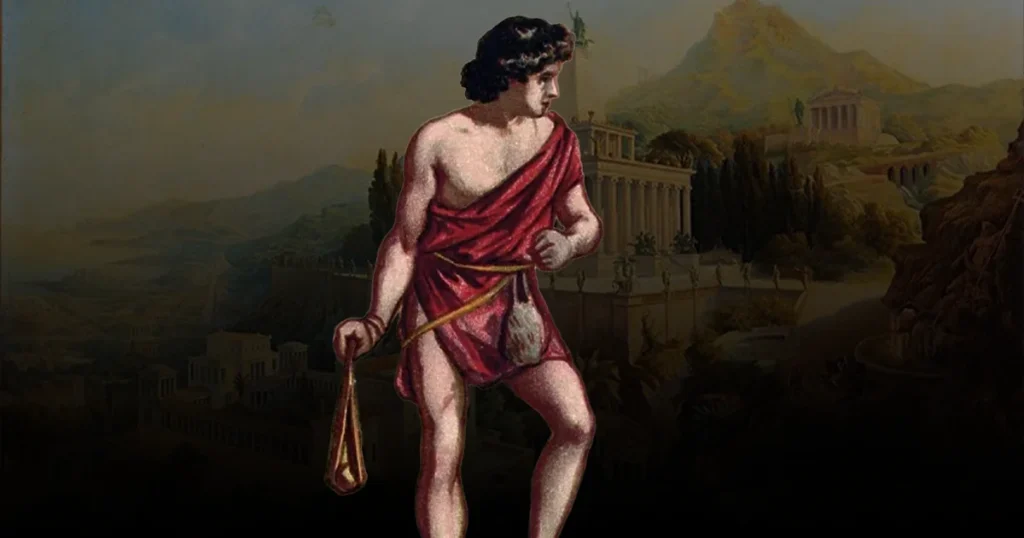
Greek Sling Bullets: Ancient Taunts Written in Lead
Greek sling bullets carried taunts such as ΔΕΞΑΙ (“Catch!”), commanders’ names and symbols. Finds from Olynthus to Hippos reveal their manufacture and battlefield use.

Antiquities Ownership Laws: Why Old Sales Face New Claims
An old invoice may prove a purchase without proving title or lawful export. How national laws, UNESCO 1970 and provenance shape antiquities claims.
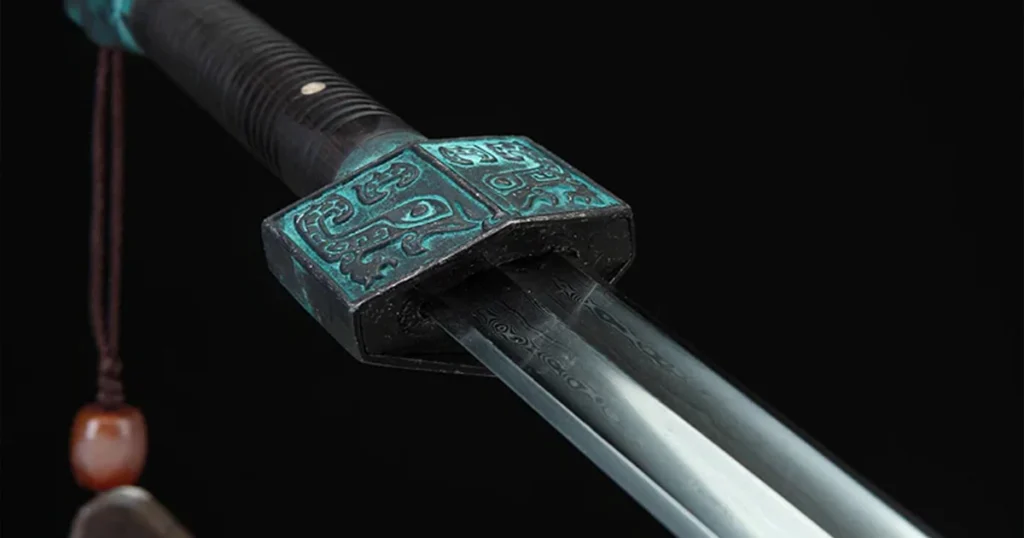
Qin Bronze Weapons: Why They Stayed Sharp
The Terracotta Army’s bronze swords and arrowheads survived for 2,200 years. Archaeological research explains their sharp edges, soil chemistry and the chromium myth.