
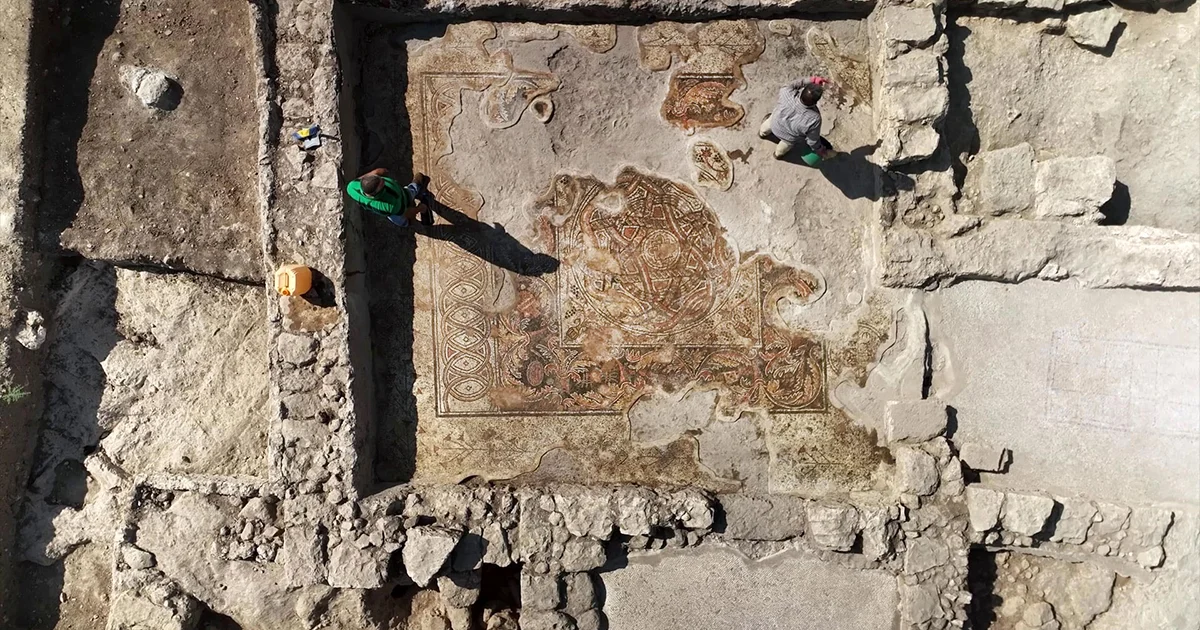
A floor of small stone cubes looks like a garden you can walk on: clusters of grapes, curling vine leaves, baskets of dates, and other produce arranged with care. Archaeologists say this mosaic decorated one of the rooms in a rural complex uncovered on the eastern edge of central Israel, near the modern city of Kafr Qasim. The complex dates to late Roman and Byzantine times, roughly the 300s to the 600s CE. It belonged to a Samaritan community. The discovery is part farm, part house, and part statement of identity. It is also large.
The site came to light in a salvage excavation ahead of new construction. Salvage work happens when a planned road, foundation, or utility trench crosses ground with antiquities. Teams document and remove remains so modern life can go on. In this case, they found the outline of a big agricultural estate: foundations of multiple buildings, industrial installations such as an olive oil press, and several rooms with mosaic floors. The Israel Antiquities Authority summarized the discovery in an official statement on September 2, 2025, dating the complex to the fourth through seventh centuries CE and identifying it as Samaritan based on finds and inscriptions. You can read the agency’s overview here in their official press release. A short write-up in Archaeology magazine also highlights the scale of the estate and the decorative program of the floors, see their news brief. A field report in the Times of Israel adds on-the-ground details, including mention of ritual baths, ceramic lamps, and the project’s rescue context, see the coverage here.
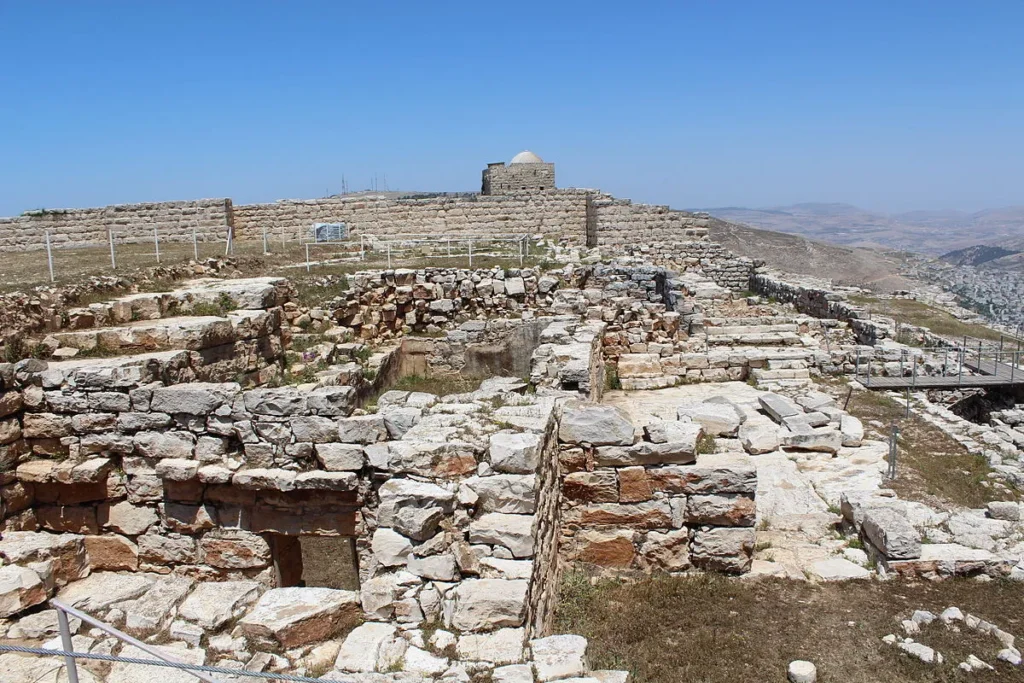
What makes this discovery stand out is not a single masterpiece, although some floors are handsome. It is the whole package: a working estate, richly finished, that spells out what mattered to its owners. The produce shown in mosaic, the agricultural machinery on site, and a short Greek blessing near an entrance create a clear story. People here grew and processed crops, made and stored oil, and decorated their rooms with the staples of their livelihood. They did so while identifying as Samaritans, a Hebrew-speaking community whose sacred center lay on Mount Gerizim near present-day Nablus. For an accessible background on that mountain and its archaeological park, see the Israel Nature and Parks Authority page for Mount Gerizim National Park.
Where is Kafr Qasim and what did the team actually find?
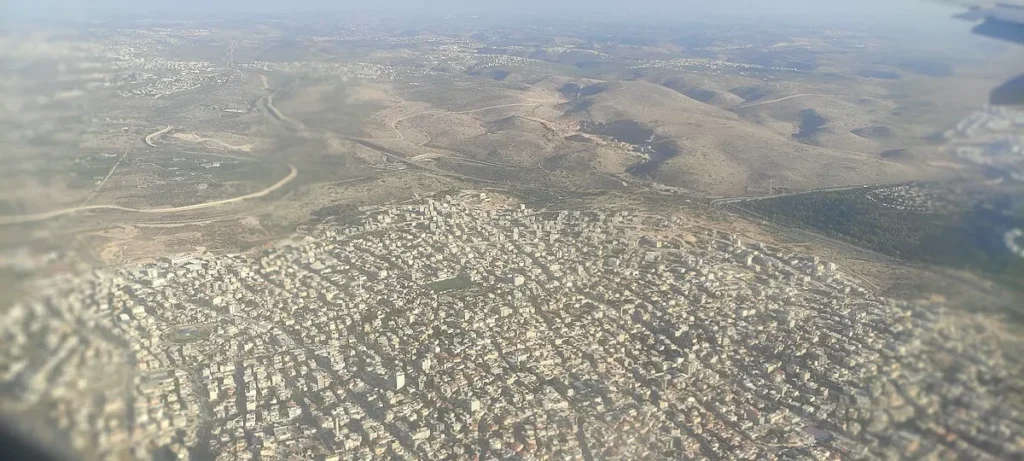
Kafr Qasim lies about 20 kilometers east of Tel Aviv. It sits in Israel’s Central District, close to the Green Line and the western foothills of the Samaria highlands. The estate was uncovered within the urban boundary, in an area slated for a new neighborhood. The dig, by design, moved quickly. Crews cleared modern overburden, exposed wall lines, and recorded floor surfaces with photography and measured plans. In several rooms, they lifted mosaics for conservation. In others, they documented patterns and left the floors in place.
So far, the plan looks like a courtyard villa and its work yards. The residential core probably had a central court or a hall with mosaic paving, flanked by rooms. Some rooms had white-on-white geometric designs, which are cost-effective and clean. Others used color for vine scrolls, fruit clusters, and border bands. The industrial area included a press with a heavy stone crushing element and a space for settling oil. There were water installations, channels, and at least one ritual bath, which Samaritans used for immersion purity much as Jewish communities did. The everyday debris is what you would expect: storage jars, cooking pots, lamps, and a modest amount of broken glass. Together, the architecture, installations, and finds tell us the site was not a tiny farmhouse. It was a working estate with capital investment and craft.
Who were the Samaritans and why does that matter here?
Samaritans are a small Israelite community whose history runs in parallel to Jewish history after the Iron Age. They hold the Pentateuch as scripture, revere Mount Gerizim rather than Jerusalem as the chosen site, and maintain a continuous ritual tradition. Their liturgy, calendar, and script preserve ancient forms. By late Roman and Byzantine times, Samaritans lived in towns and villages throughout Samaria and into the coastal plain. The estate near Kafr Qasim falls on the western edge of what ancient sources considered Samaritan country.
This matters because decoration speaks in language and symbol. In Samaritan synagogues across the region, mosaic floors often avoid human and animal figures. Instead, they favor geometric patterns, trees, baskets of produce, menorah motifs, or inscriptions that cite blessings. The Kafr Qasim floors are consistent with that taste. A basket of fruit on a floor is not a random choice, it is an emblem of the household’s wealth and a nod to biblical agriculture. A band of Greek letters near an entrance is not a fancy way of saying hello, it is a protective formula and a benediction on the work done inside.
How do we date the estate and read its phases?
Archaeologists date late Roman and Byzantine rural sites by combining several lines of evidence:
-
Ceramic typology: cooking pots, jars, and lamps shift form through time. The rim of a jar or the nozzle of a lamp can narrow date ranges to a century or less in this period.
-
Coins: small change stuck in plaster or lost under a floor provides a terminus post quem for construction or renovation.
-
Mosaics: certain patterns, color palettes, and border types rise and fall in fashion. The more elaborate vine scrolls belong heavily to the fifth and sixth centuries.
-
Stratigraphy and architecture: additions, blocked doors, and patched floors show phases. A white mosaic laid over an earlier rubble floor is usually a later improvement.
-
Texts and events: regional turmoil can correlate with abandonment layers or rebuilding.
At Kafr Qasim, the Israel Antiquities Authority places occupation between the fourth and seventh centuries CE. That span is broad but consistent with what we see at similar estates across the southern Levant. After the fourth century, the countryside boomed. Population grew. Estates enlarged presses, added storage rooms, and laid new floors. In the early seventh century, the Sasanian invasion of 614 and the subsequent Byzantine reconquest disrupted many rural sites. A generation later, the early Islamic transition changed administration and markets. Many estates continued in use. Some did not. The Kafr Qasim complex likely saw multiple building stages within its overall lifespan.
Why is there Greek on a Samaritan site?
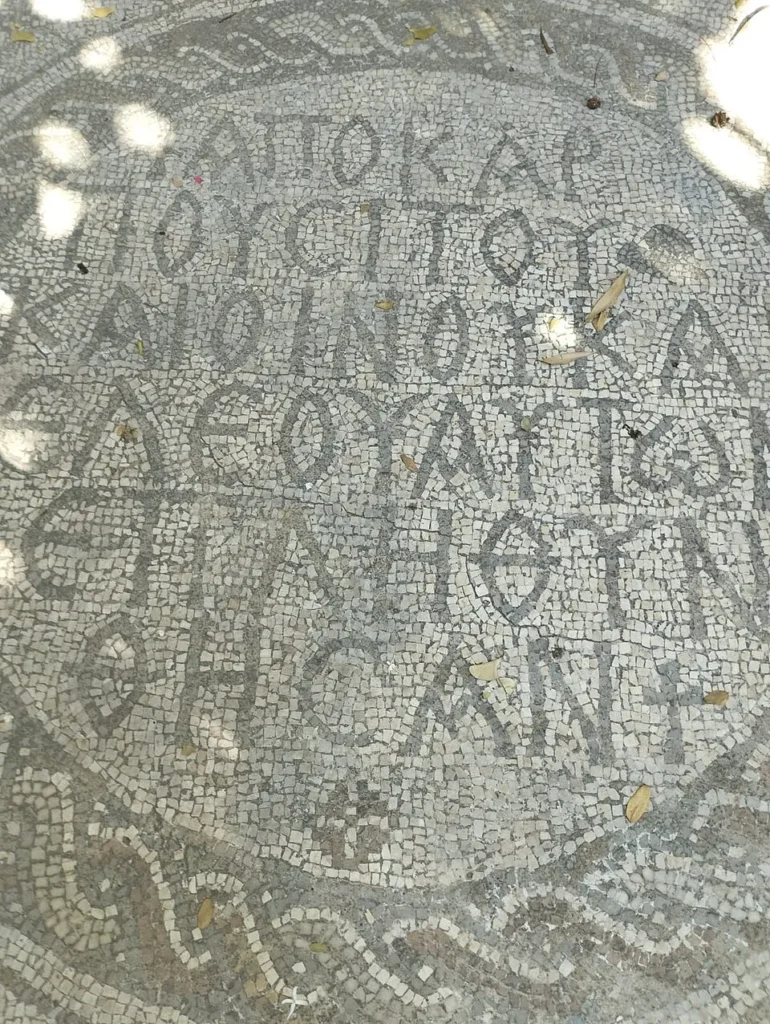
Greek was the language of public inscription across the eastern Roman Empire. A short good-wishes phrase at an entrance, the name of a donor, or a Biblical quotation appear in Greek even at sites where people spoke Aramaic or Hebrew at home. The agency brief and press coverage mention a Greek blessing near one of the doorways at Kafr Qasim, translated as “good luck” or “good fortune.” Formulae like that are common in late antique houses and agricultural facilities. A close parallel appears in a Caesarea townhouse often called the House of Blessings for the Farmer, where a Greek text adapts Deuteronomy to bless grain, wine, and oil.
This is not a sign of assimilation. It is a practical choice. Greek letters on a floor used by laborers, clients, or visitors could be read across communities. It also frames the space. A blessing at the threshold says the room is meant to prosper, and that its owners understand the regional idiom for saying so.
What do fruits and vegetables on mosaics actually tell us?
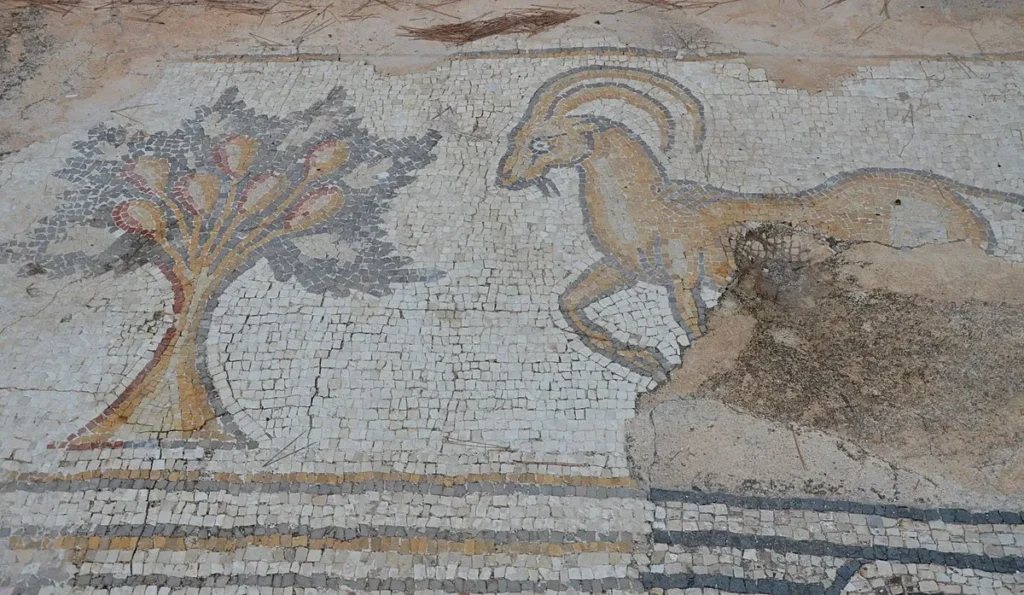
A fruit basket or a fed vine scroll is not literal inventory. It is a visual code for prosperity. Mosaics of the fifth and sixth centuries in the Levant often show grape harvests, wine pails, and tied vines because viticulture was lucrative. Olive sprigs and press tools appear too. Dates and figs, long staples of hill and plain agriculture, serve as motifs in corners and border panels. The Kafr Qasim estate’s fruit-and-veg panels fit this emblematic style. They do two jobs. First, they decorate rooms where householders might receive clients, tally accounts, or host guests. Second, they proclaim that food production funds those rooms.
One has to be careful not to over-read. If a panel shows grapes, it does not prove a vineyard stood ten meters away. It tells us that wine mattered in the estate’s world, perhaps through trade as much as through local cultivation. A floor with a basket of pomegranates does not prove pomegranate orchards on site, but it does point to an owner who chose a recognizable symbol of abundance and ritual purity.
What counts as an agricultural estate in this period?
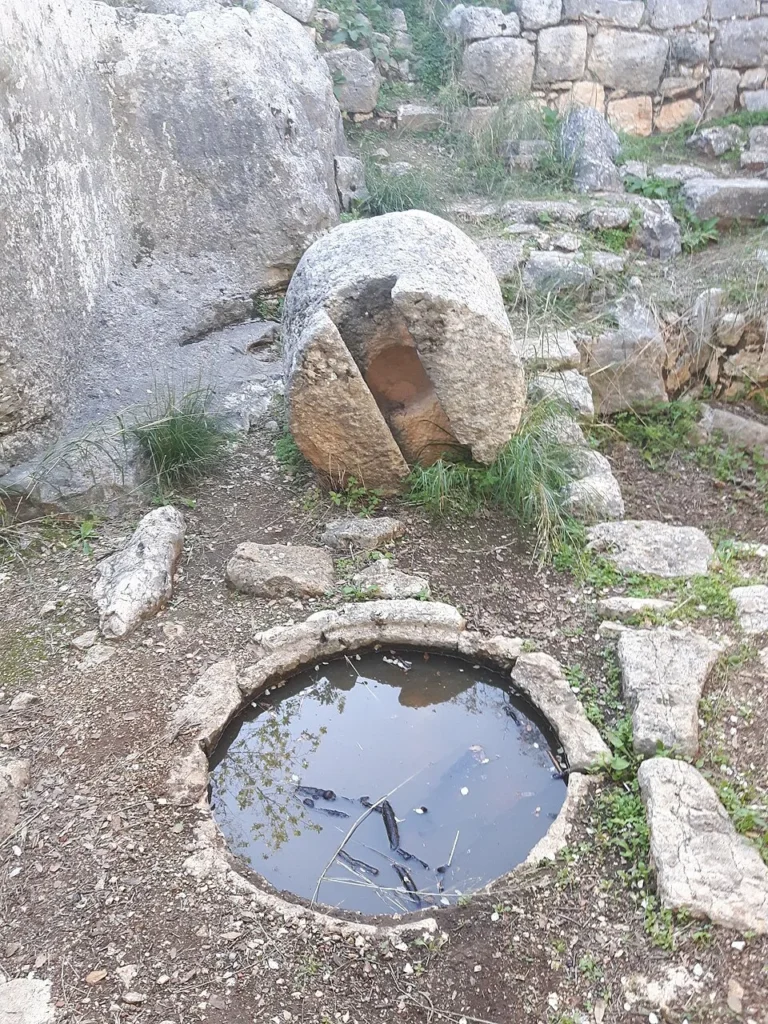
The Roman term villa covers multiple types of rural properties. A villa urbana is a country house for elite leisure. A villa rustica is a working farm complex with a residence, press buildings, storage, and sometimes quarters for laborers. In Byzantine Palestine, many estates were mixed. They had a refined reception suite and earthy work yards. The Kafr Qasim complex belongs in that mixed category. The combination of mosaic-paved rooms and an olive press is classic. The press suggests oil production for market, not only for household use. Rooms with white mosaics could be offices, dining rooms, or bedrooms. The water system, including a ritual bath and channels, speaks to both practical and purity needs.
Architecturally, the plan likely oriented to a courtyard or a broad hall, a choice that suits the climate. Roofed spaces around the court catch shade and breezes. Work spaces cluster where animals and carts had room to turn. The fact that the house and press are built as a unit shows that the owners invested in both image and capacity. They were not subsistence farmers. They were producers.
How did the Samaritan identity show up on the ground?
Samaritan identity appears in three ways at sites like this:
-
Ritual installations: immersion baths built to Samaritan purity standards turn up in villages and estates. They resemble Jewish mikvaot in form, with steps and waterproofed plaster.
-
Inscriptions and symbols: Hebrew or Samaritan script appears less frequently on rural floors than in synagogues, but Greek blessings and biblical quotations are common. Menorah motifs occur on Samaritan floors too, though the Samaritan seven-branched lamp takes a distinct style.
-
Choices in imagery: a preference for plants, baskets, and geometric designs over human figures marks many Samaritan and Jewish floors.
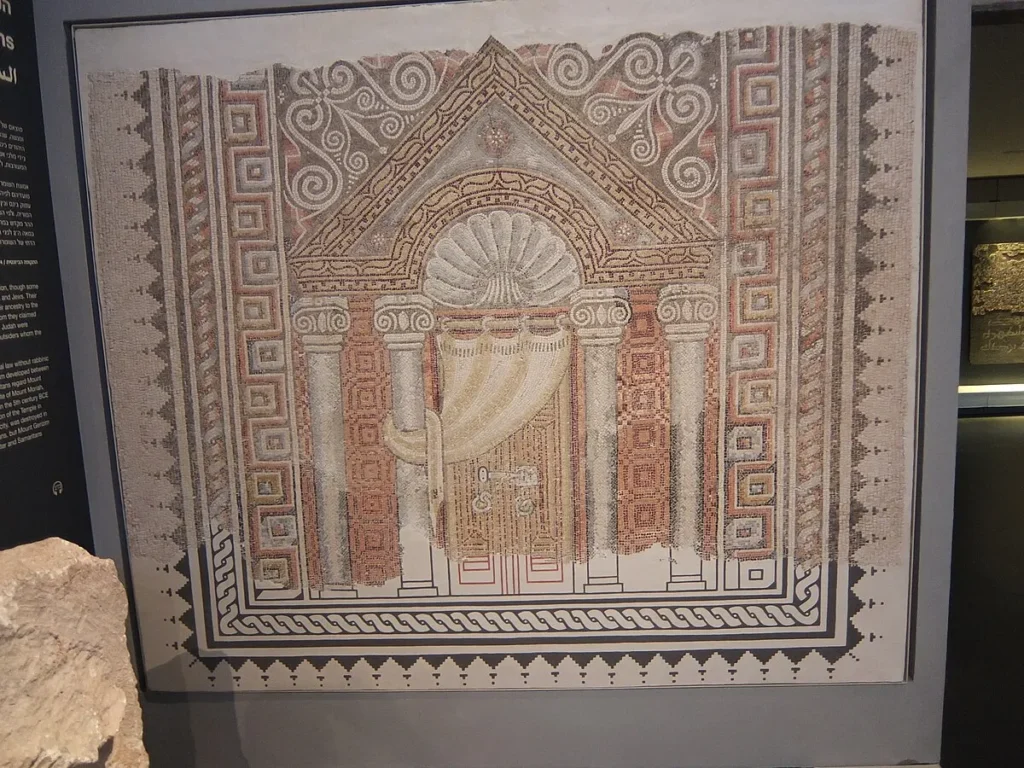
The Israel Museum preserves several mosaic panels from Samaritan synagogues. When set next to Jewish, Christian, and pagan examples from the same provinces, the shared vocabulary of vines, baskets, and blessings is obvious. The differences tend to be about specific symbols and the texts quoted, not about the basic language of abundance.
What does a Greek “good luck” inscription mean in practice?
A one- or two-word Greek wish near a doorway could read Eutychia, Good Fortune, or similar. Sometimes the name of the goddess Tyche appears, sometimes the abstract idea of good luck. In a rural estate, this greeting is more than décor. It is a label for what should happen in the room. On a floor near a press, good luck refers to a productive season, solid prices, and safe storage. Near a threshold, it is a blessing for those who come in and those who go out. Greek is useful for such phrases because it is formulaic. Mosaic workers knew the letters and layouts. Owners knew neighbors would recognize the phrase.
These small inscriptions also hint at who walked through the doors. Farm laborers and merchants came from mixed backgrounds in central Israel by the fifth and sixth centuries. A Greek word at the threshold addressed all comers.
Built out of a love for history, kept free from distractions.
Spoken Past is an independent project shaped by curiosity, care, and long hours of research. Reader support helps keep it maintained, carefully researched, and open to everyone.
How could a rural estate afford mosaic floors?
Mosaics vary in cost. A simple white field with a single line border is fast to lay and easy to maintain. Complex polychrome panels require good craftsmen and more days on site. The Kafr Qasim floors include both ends of that spectrum. The use of color and figural plants suggests a household comfortable enough to display success. A working estate could afford that if its press equipment and storage capacity matched the floors.
The region’s economy helps explain the choice. Between the fourth and sixth centuries, exports of wine and oil from Palestine increased. The Gaza jar, a long amphora with a narrow mouth, carried wine and oil from ports to coastal and Mediterranean markets. Estates prospered by supplying that trade through caravans and local ports. A decorated reception room would be a reasonable investment for an estate courting buyers and suppliers.
What did daily work look like on a place like this?
Harvest seasons structured the year. Olives ripen in late autumn and winter. Grapes come in late summer and early autumn. Grain is sown in autumn and harvested in spring. The press yard would be busiest after the olive harvest. Donkeys or people turned the crushing stone. Pulp went into baskets for pressing, then into settling vats. Oil was strained, stored in jars, and sealed for shipping. In between harvests, teams repaired installations, cleaned channels, and repointed mortar.
Inside the residence, storage rooms kept wine and oil cool. Pithoi, very large ceramic jars, might sit in the floor or along walls. Small lamps lit work at dusk. Clay stoves cooked pulses, cereal porridge, and stewed greens. The mosaic rooms were not kitchen floors. Those were for eating, hosting, and counting.
How do we know the estate is Samaritan rather than Jewish or Christian?
No single test answers that question. Archaeologists rely on several clues that add up:
-
Location and settlement history: the site falls in a zone with known Samaritan communities in late antiquity.
-
Ritual features: immersion baths of a Samaritan pattern inside a rural complex are strong indicators.
-
Inscriptions: even short Greek wishes can sit alongside other inscriptions that name donors or cite scripture with Samaritan phrasing.
-
Comparanda: nearby Samaritan synagogues, such as the one at Shaalbim, show the same decorative tastes seen on the estate floors.
In this case, the IAA’s identification rests on the total package, not only on a single inscription. The estate is one part of a wider Samaritan settlement that, according to the agency report, lasted about four centuries. For the quick digest with dates and the director names quoted, Archaeology carries a compact update in its news item. The broader context of Samaritan life centers on Mount Gerizim, where an entire sacred precinct and later Byzantine church stand inside today’s national park, summarized by the Israel Nature and Parks Authority on their site page. The field reporting with photos and interviews is robust in the Times of Israel article. The headline facts, dates, and the classification of the estate come first from the Israel Antiquities Authority’s press release.
How does this compare to other mosaic finds in Israel?
There is no shortage of mosaics in late antique Israel and the Palestinian territories. Synagogues at Hamat Tiberias, Sepphoris, and Beit Shean have floors with menorahs, zodiac wheels, fruit baskets, and inscriptions. Churches at sites such as Jericho and Madaba have map panels and pastoral scenes. Private houses in coastal towns, especially Caesarea, show vine scrolls and animal medallions. The Kafr Qasim estate fits a rural trend. Agricultural motifs dominate. Greek blessings are short and practical. Geometric borders are crisp rather than flamboyant. The skill level looks competent and consistent with regional workshops.
A helpful parallel for the agricultural blessing is the House of Blessings for the Farmer in Caesarea, where a Greek text draws directly on Deuteronomy to bless produce. That panel is not from a synagogue or a church. It is from a home. The same is true at Kafr Qasim. The most conspicuous floors come from reception rooms, not from a religious hall.
What about the politics of the period, including Samaritan revolts?
Two major Samaritan uprisings against Byzantine authorities took place in 484 and 529 CE. Christian chroniclers and imperial laws mention them. Those conflicts certainly affected Samaritan villages in Samaria. The extent to which they touched estates along the western edge, closer to the coastal plain, is a site-by-site question. Archaeological layers sometimes show burn or destruction horizons from this era, but salvage digs in urban areas often lack the long stratigraphic sections that make such events clear.
For Kafr Qasim, the report’s fourth-to-seventh-century span bridges both revolts and the early Islamic transition. The presence of a working press and renovated rooms into the sixth century suggests resilience. The estate may have shifted from higher-status reception spaces toward a plainer, more work-focused layout after mid-century. That pattern appears elsewhere in the region as rural families trimmed display but kept production steady.
How we know: a methods snapshot
When teams lift a mosaic, they record it in three ways: overall plan and dimensions, panel-by-panel photography, and a drawing that captures color fields and borders. Loose tesserae are counted and sampled to understand stone sources. Lime mortar below a mosaic can hold small flecks of charcoal that are occasionally suitable for radiocarbon dating, but that is rare and not very precise for this period. Coins lodged in bedding layers are more informative. If a coin from 470 CE is trapped under a floor, the floor cannot be earlier.
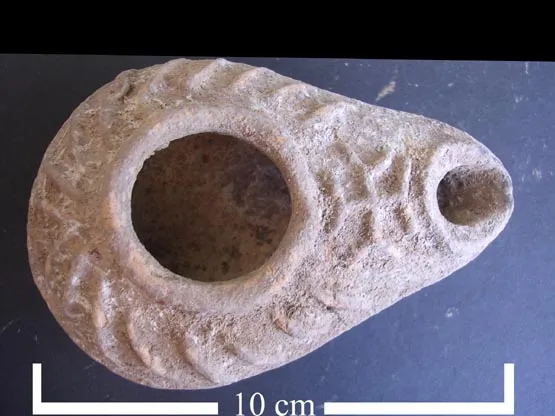
Industrial features like presses are dated by typology. The distribution of weight, the shape of screw sockets or lever anchors, and the design of settling vats all track change through late antiquity. Lamps are especially useful. The profile of a nozzle, the base ring, and stamped decoration let specialists date deposits to within decades.
Finally, context matters. If the Kafr Qasim estate sits inside a known late antique settlement whose public building dates are secure, the private architecture can be anchored relative to that timeline.
Why does the discovery draw attention beyond archaeology circles?
People respond to mosaics. A floor with figs and grape clusters feels familiar. It gives a face to a community that many readers know only from a line in a history book. The Kafr Qasim estate also expands what we can say about Samaritan life beyond synagogues and temples. Most headlines about Samaritans reference Mount Gerizim or textual debates. A rural complex with work yards and fruit panels shows what a prosperous Samaritan household looked like during the same centuries. It places Samaritans inside the booming agricultural economy that linked hill and coast.
Journalists also care about scale. The IAA and follow-up reports stress that this is one of the largest Samaritan sites outside the immediate Gerizim area. That single fact invites a broader rethink of where Samaritan prosperity flourished in late antiquity.
What questions remain open?
Several, and they are interesting:
-
Ownership: was the estate a family holding, a leased property, or part of a larger village trust tied to a synagogue community?
-
Scale of production: did the press output mainly oil for local sale, or did jars go by cart to ports such as Jaffa?
-
End of use: was there a clean abandonment, a change of use in the early Islamic period, or a cycle of reuse that left floors patchy?
-
Workshop identity: can the mosaic panels be linked to a workshop known from other floors by distinctive borders or letter forms?
-
Text specifics: what exactly did the Greek blessing say, letter by letter? A full epigraphic reading would refine dating and connections.
As fieldwork wraps and specialists process mosaics, lamps, and jars in the lab, some of these questions will get sharper answers. Even now, the basic picture is firm: a large Samaritan estate, active around the fifth and sixth centuries, decorated with produce motifs and Greek blessings, tied to the agricultural economy of central Israel.
FAQ
What is a Samaritan agricultural estate?
A Samaritan agricultural estate is a rural complex owned and operated by Samaritan households. It typically includes a residence with reception rooms, industrial installations such as an olive or wine press, storage facilities, water systems, and sometimes a ritual immersion bath. The Kafr Qasim example combines all those elements and displays Samaritan taste in its mosaics.
How do we know the estate near Kafr Qasim was Samaritan?
The identification rests on location in a known Samaritan settlement zone, a set of ritual and architectural features, and inscriptions consistent with Samaritan communities of late antiquity. The Israel Antiquities Authority outlines these points in their press release.
Why is there a Greek inscription on a Samaritan site?
Greek served as the common language for short public inscriptions across the eastern Roman Empire. Brief blessings like “good fortune” near a doorway were legible to workers and visitors from different backgrounds. The practice is common in rural and urban mosaics from the period. For a parallel agricultural blessing in Greek, see a Caesarea panel known as the House of Blessings for the Farmer, which adapts a verse from Deuteronomy.
What crops did estates like this produce?
Olives and grapes dominate the region’s late antique economy. Dates, figs, and cereals round out the picture. The presence of an olive press on site at Kafr Qasim points to significant oil production. Fruit and vine motifs in the floors signal prosperity tied to agriculture rather than listing specific harvest quantities.
How old is the estate?
Based on ceramics, coins, and mosaic styles, the Kafr Qasim complex was active from the fourth through the seventh centuries CE. That range is similar to other rural estates in the southern Levant that peaked in the fifth and sixth centuries.
Is this a synagogue?
No. The main complex is a residential and industrial estate. Samaritan synagogues exist nearby in the region and share decorative tastes, but the Kafr Qasim rooms with produce mosaics appear in a domestic or administrative context.
What exactly does the Greek blessing say?
Reports summarize it as a short “good luck” or “good fortune” formula at or near a doorway. A full letter-by-letter reading has not been published widely yet. Brief Greek threshold blessings are common in the period and often appear alongside agricultural imagery.
Why is the discovery important for Samaritan history?
It expands the map of Samaritan prosperity beyond Mount Gerizim and shows how Samaritan households invested in both production and display. It also connects Samaritan communities directly to the late Roman and Byzantine agricultural economy of central Israel. For a concise field report with interviews, see the Times of Israel story.
Were animals or people shown on the mosaics?
Current descriptions emphasize plants, fruit, and geometric borders rather than human or animal figures. That choice fits the broader Samaritan preference for non-figural decoration in religious contexts and for plant-heavy motifs in domestic spaces.
Where can I learn more about Samaritan sites?
The national park at Mount Gerizim offers on-site interpretation of the Samaritan sacred precinct and a Byzantine church, see the park page here. For the Kafr Qasim discovery, start with the Israel Antiquities Authority announcement and the Archaeology magazine news brief.