
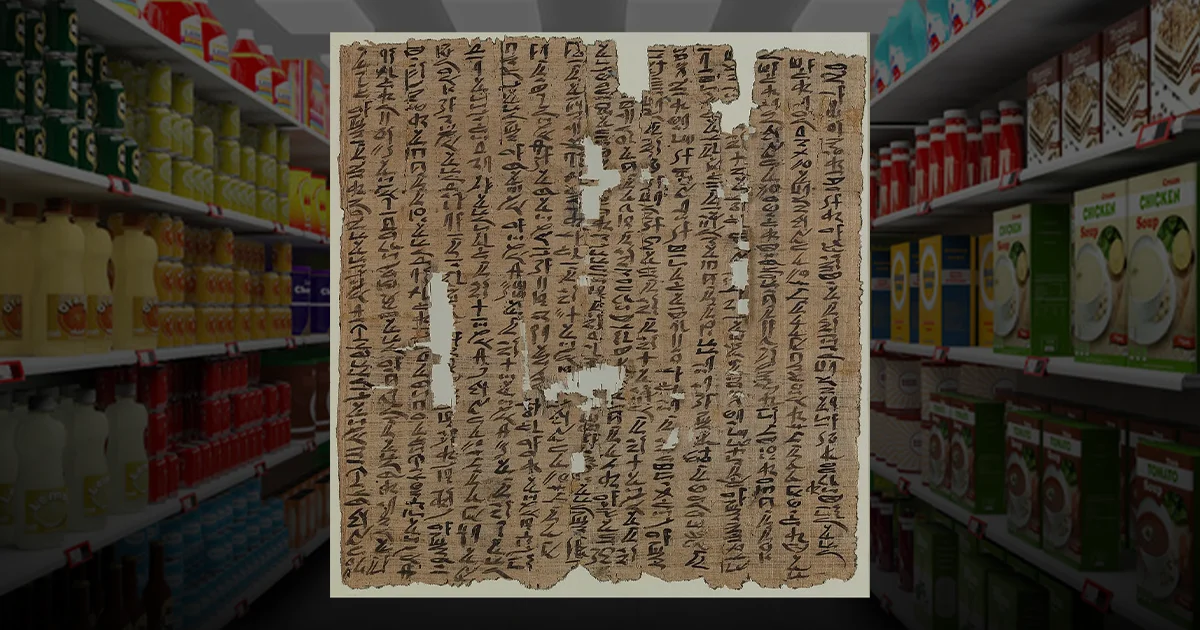
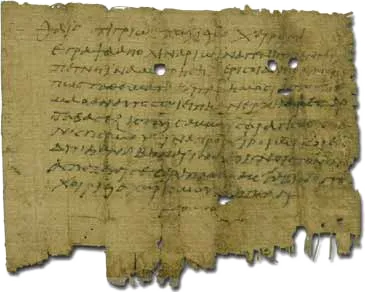
A sheet of reed fiber, cut from the marsh and pressed in layers, carries a month in ink. It lists grain by measure, oil by small jars, a lamp and wick, a bolt of linen measured in cubits, a stool needing repair, and a note to bring onions on day four. The handwriting is quick but steady, the totals sit in the margin, and the names of family members appear beside the items they will use. The sheet is nearly four thousand years old. It looks like a shopping list because it is a plan for a household to eat, work, and sleep with light after sunset.
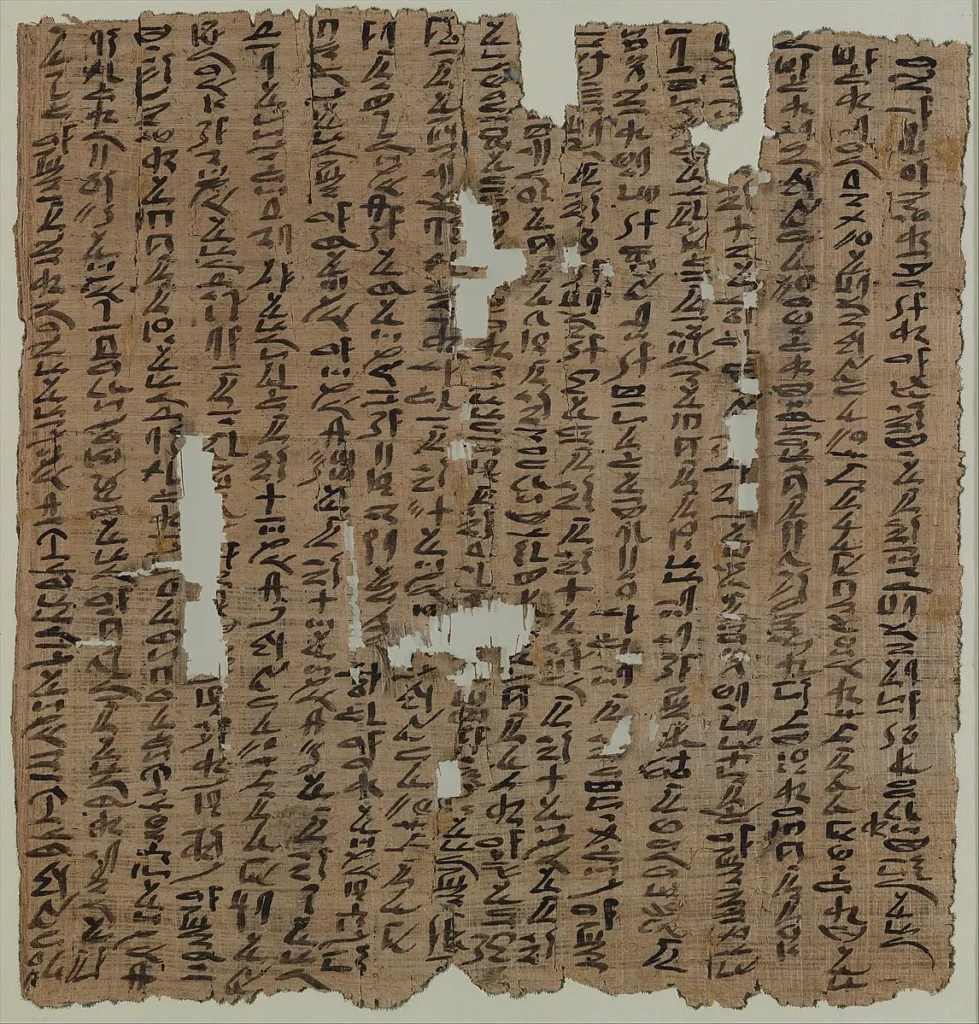
What do Egyptian “shopping lists” actually look like?
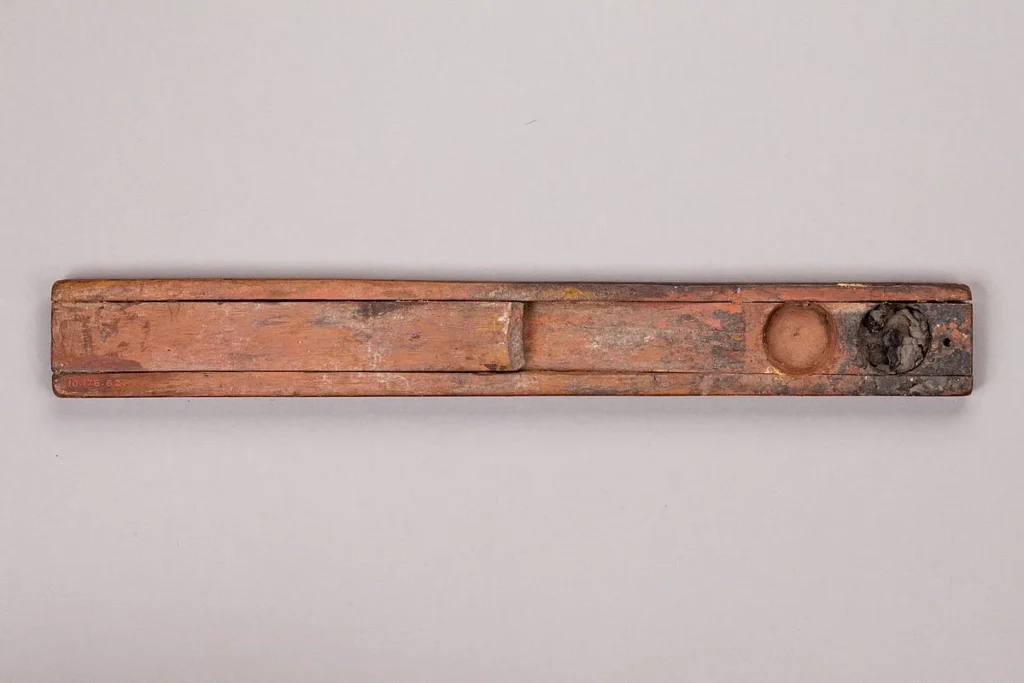
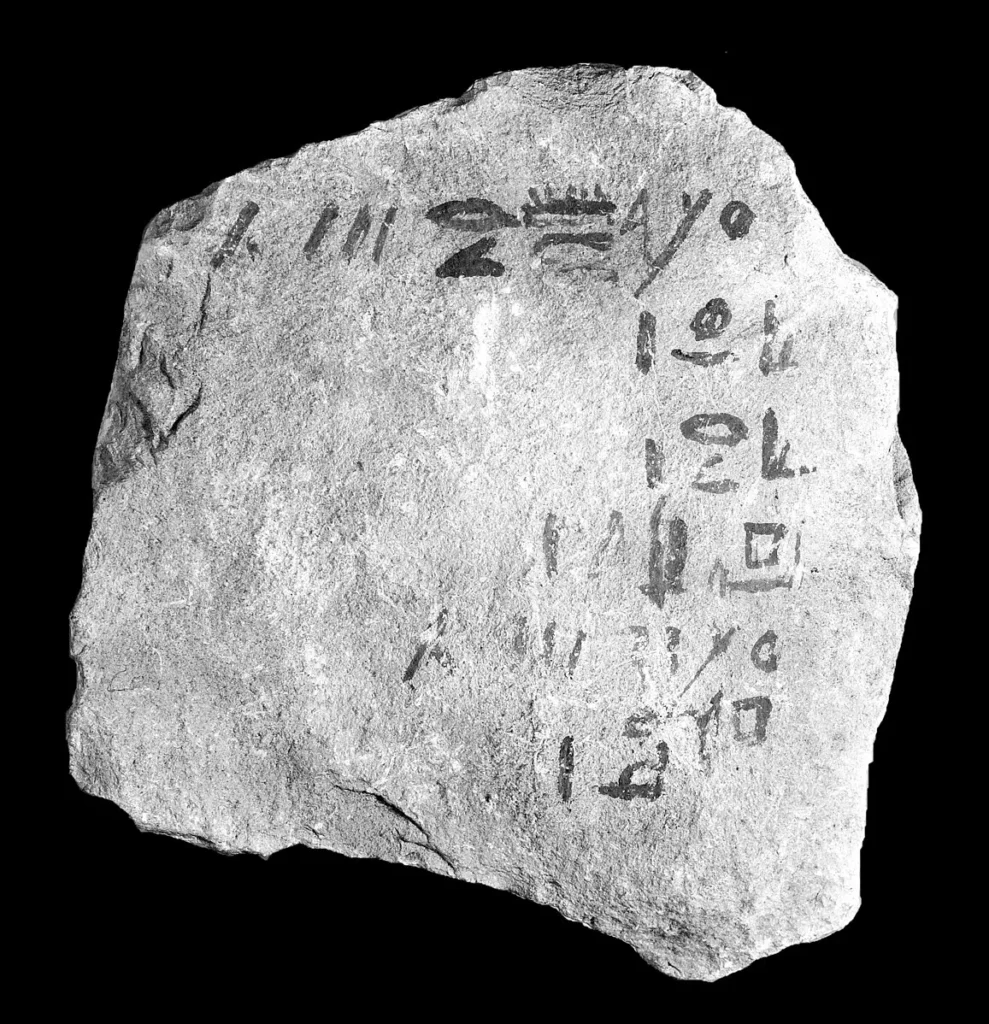
Ancient Egyptian household lists appear on papyrus sheets and on ostraca, the limestone flakes and pottery sherds used as scratch paper. The script is hieratic for most of pharaonic history, later Demotic and Greek. The structure is familiar. A heading names a person, a house, or an occasion. Items follow with measures and brief notes. A scribe adds totals at the end. Later hands add ticks for delivered goods or small comments in the margin.
A short, typical layout from the Middle Kingdom or New Kingdom, simplified for clarity, might read:
-
For the house of Hori, steward
-
Emmer grain: 12 hekat
-
Barley: 5 hekat
-
Oil, fine: 1 hin, plus 2 hin for festival
-
Linen, fine: 1 bolt, 8 cubits
-
Basket, reed: 2 large
-
Lamp, clay: 1, with wick
-
Knife, copper: 1, sharpened
-
Stool, wood: 1, repaired
-
Beer: 2 jars for work crew
-
To buy: onions, 2 bundles
This is not a copybook exercise. It is the surface trace of meals, chores, and favors called in around a single doorway.
Where and when do these lists survive?
Egyptian lists survive because Egypt’s climate favors papyrus and because some communities lived with scribes in their midst.
-
Middle Kingdom Thebes, around 2000 to 1900 BCE. The Heqanakht papers come from the west bank near Thebes. They read like a landholder’s family correspondence, but they carry domestic accounting inside them. A single letter can hold a month of planning for sowing, rationing, and purchasing.
-
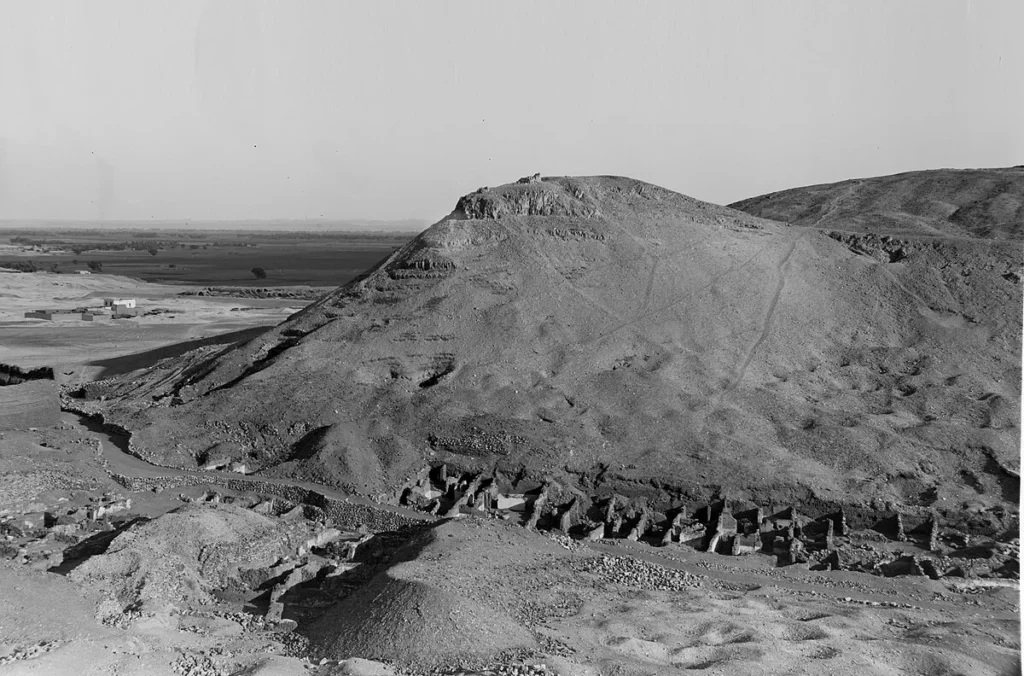
New Kingdom Deir el-Medina, circa 1290 to 1070 BCE. The royal tomb workmen’s village near Thebes produced thousands of ostraca and many papyri. Here we find monthly ration lists, clothing issues, lending notes, and inheritance statements that itemize furniture and tools by name.
-
Ramesside administrative Egypt, 12th century BCE. Large papyri frame households within estates and temples. They record land, rent, allocations, and stockpiles that feed domestic lists.
-
Greco-Roman Egypt, 3rd century BCE through 3rd century CE. Greek and Demotic account sheets from the Faiyum and Oxyrhynchus continue the same habits in different scripts. Quantities shift to Greek units. The vocabulary changes. The rhythm of listing remains the same.
How were goods measured and recorded?
Numbers make sense when units are clear, and Egyptian lists were precise.
-
Volume for staples. The hekat measures grain. In the Middle and New Kingdoms it is roughly 4.8 liters. The hin measures liquids like oil and honey, about half a liter. In later periods, Greek and Persian units appear: the artaba as a large grain measure, often in the range of 30 to 40 liters depending on date and region, and the choenix as a small ration measure a little over a liter.
-
Weight for metals and value. The deben is a weight standard for metal and for valuation. In the New Kingdom a copper deben sits near 90 to 95 grams, divided into smaller parts such as the kite. Household lists use weight to assign prices for tools, mirrors, and jewelry when a legal context or a settlement requires it.
-
Length for textiles. Linen appears by cubits. An entry can read linen, fine, 8 cubits, or a bolt with length and width noted. Clothes are sometimes listed as garments but more often as measured cloth because cloth functions as both clothing and currency.
Scribes write commodity signs and numerals first, then brief qualifiers. Red ink flags totals or headings. Small ticks and dots mark deliveries or returns. The effect is both visual and practical. A reader can scan a column and see at once what was present, what was owed, and what still needed to be fetched.
What counts as a household item in these inventories?
The categories feel modern in their logic, not in their material.
-
Food and fuel: emmer, barley, flour, bread loaves by count, beer in jars, onions and beans, salt, oil by hin. Wood is scarce, so lists note reeds, straw, or dung rather than cordwood.
-
Clothing and textiles: bolts of linen measured in cubits, tunics and headcloths, belts and sashes, diapers, household cloth for wicks and wrapping.
-
Tools: knives, adzes, chisels, awls and needles, spinning tools and loom parts, basket-making tools, grindstones.
-
Containers: beer jars, storage jars with lids, reed baskets, nets and bags, small boxes and chests.
-
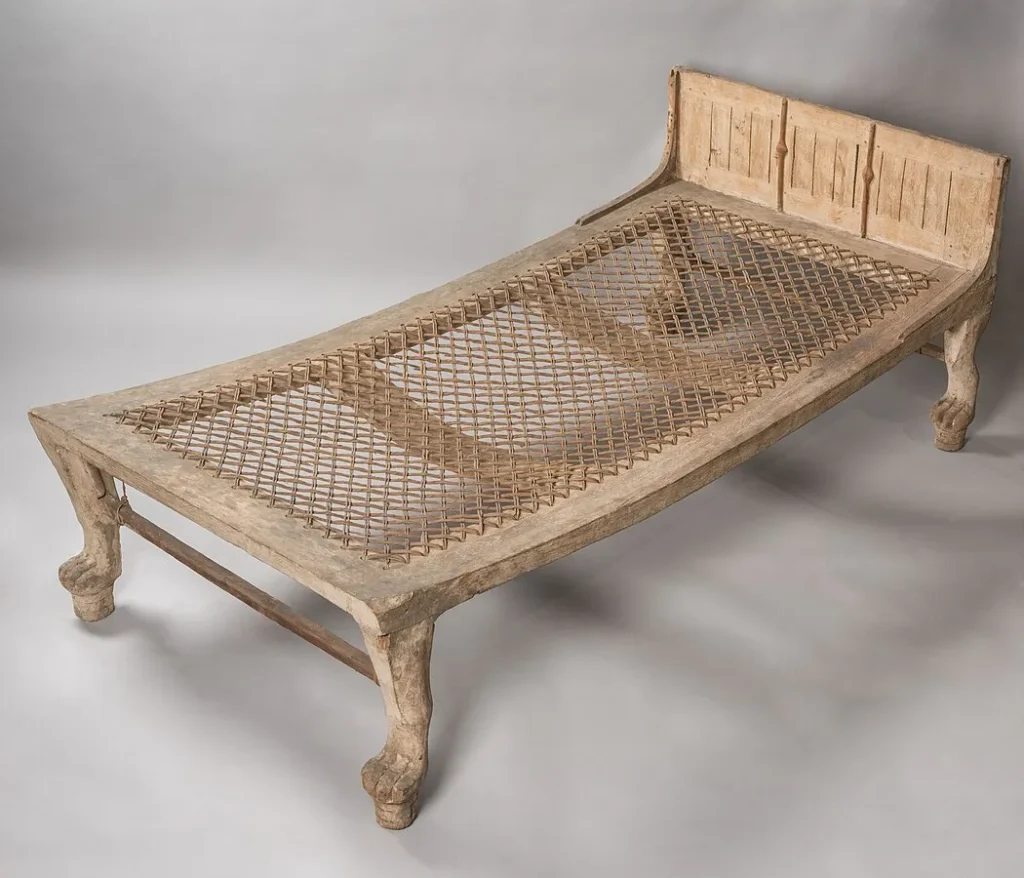
Furniture and fittings: stools, beds, tables, chests, door bolts, mats. A line often notes condition: repaired, missing leg, new lid.
-
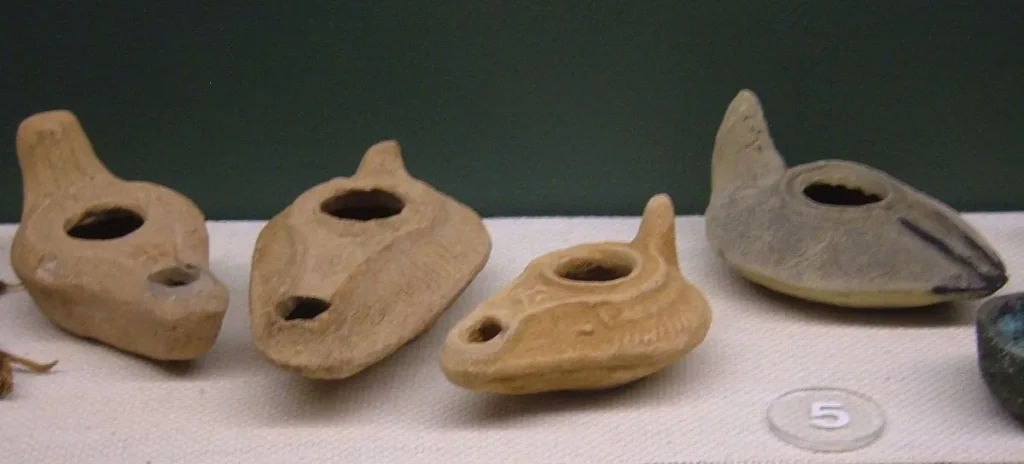
Lighting: lamps and wicks, with the oil that fuels them. One lamp line in a list can be the difference between an evening with work and an evening in the dark.
-
Cosmetics and hygiene: unguents, perfumed oils, kohl sticks, mirrors of polished bronze, combs.
-
Animals and fodder: only estates list animals routinely, yet fodder and tethers appear enough to show that some households kept goats, donkeys, or birds.
-
People: in wills and dowries, servants or enslaved persons are listed along with items, with names and sometimes valuations. In village ration lists, children appear with ages.
The variety of objects is modest by modern standards. That is why a stool merits its own line. A stool is a purchase to plan for and a thing to pass on.
How did Egyptians shop, and where did these goods come from?
Households drew on three streams: state or temple rations, local barter, and open market purchase.
At Deir el-Medina, monthly rations of grain and oil came from the state. Families then traded within the village and bought extras from market sellers. A short line on an ostracon reads to buy: onions, 2 bundles; fish, 1 basket. A message to a relative might add bring fine oil, two hin. Estate workers and temple staff received allocations on different schedules. When a festival approached, lists grew fat with extra oil and beer. In lean months, borrowing entries appear, and clothing or tools serve as pledges for oil or grain.
In the Middle Kingdom, Heqanakht told his family how to portion out grain, who deserved rations, what to plant, and what to send to a nurse. He named the people who could make a purchase on his behalf, then he balanced affection with control. The mix reads familiar to anyone who has left instructions for a household while away.
How were lists organized and kept up to date?
A household list lived in two places: on rough stone for the moving parts, and on a sheet of papyrus for the formal picture.
-
The draft was the ostracon. One item per line, numbers first, with ticks and small circles as things were received or lent. The ostracon could live on a shelf next to a jar or on a workbench. It could be carried in a basket to the market.
-
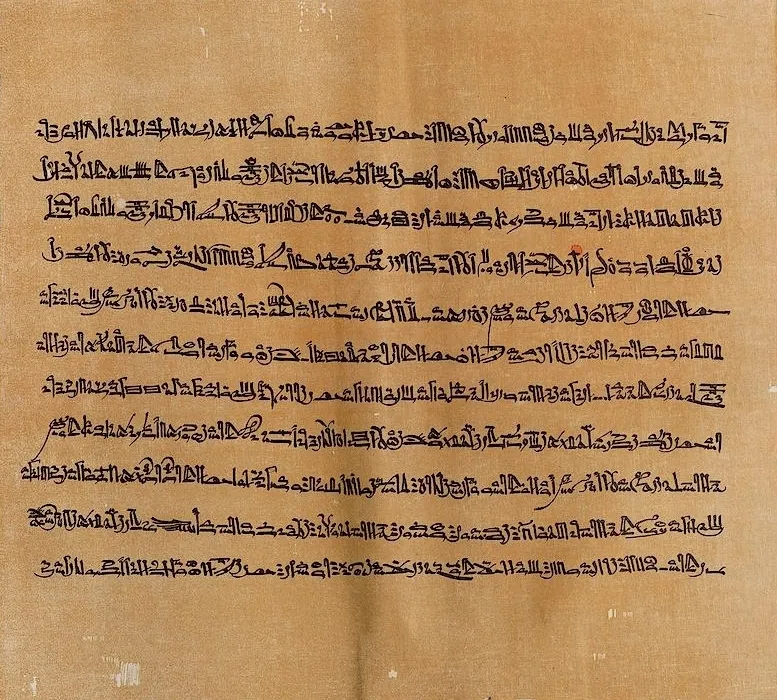
The copy was papyrus. When a list stabilized, the scribe wrote it in columns with a heading, sometimes with the month and the festival. Totals sat in red at the end. If space ran out, a small patch of papyrus could be pasted on to add a line.
Many papyri show a second hand that added totals or a later calculation. In legal documents, the script tightens and the language expands to identify owners, heirs, and the status of pledged items. Wills and dowries read like inventories because they had to itemize precisely. The formality helps modern readers as much as it helped ancient courts.
What can we learn from specific archives?
Heqanakht’s household, early 12th Dynasty
Heqanakht’s letters and accounts come from a tomb on the Theban west bank and date to the early 1900s BCE. He was away on business, and his notes to family and stewards take care of a house from a distance. They allocate grain in hekats, order purchases of oil and cloth, and instruct on planting and rent collection. The words reveal priorities. He worries about seed quality, fractioning grain fairly, and keeping jars full. He names neighbors who can trade or deliver. The lists inside his letters are compact pictures of a household under seasonal pressure.
Deir el-Medina, a village that wrote everything down
From Seti I through Ramesses XI, roughly 1290 to 1070 BCE, artisans at Deir el-Medina kept more records than any other Egyptian village. Ostraca record rations, tools, repairs, and clothing issues. Inheritance papyri map entire rooms through furniture. We can follow a stool from a woodshop to a father’s room to a daughter’s name on a will. Oil appears as a strain on budgets, lamps and wicks as constant repeat purchases, baskets as the silent infrastructure of storage and transport.
Land, tax, and the monthly flow
Big administrative papyri show landholding and rent across regions. The Wilbour Papyrus of Ramesses V records fields, holders, and taxes in Middle Egypt. Households never appear by name, yet their fate lies in those columns. Fields yield grain, grain becomes bread and beer, and surplus becomes oil, fish, and textiles by exchange. When harvests shrink, lists change in predictable ways: smaller rations, more borrowing notes, clothing pledged for oil, tools being repaired rather than replaced.
Estates and the town of Lahun
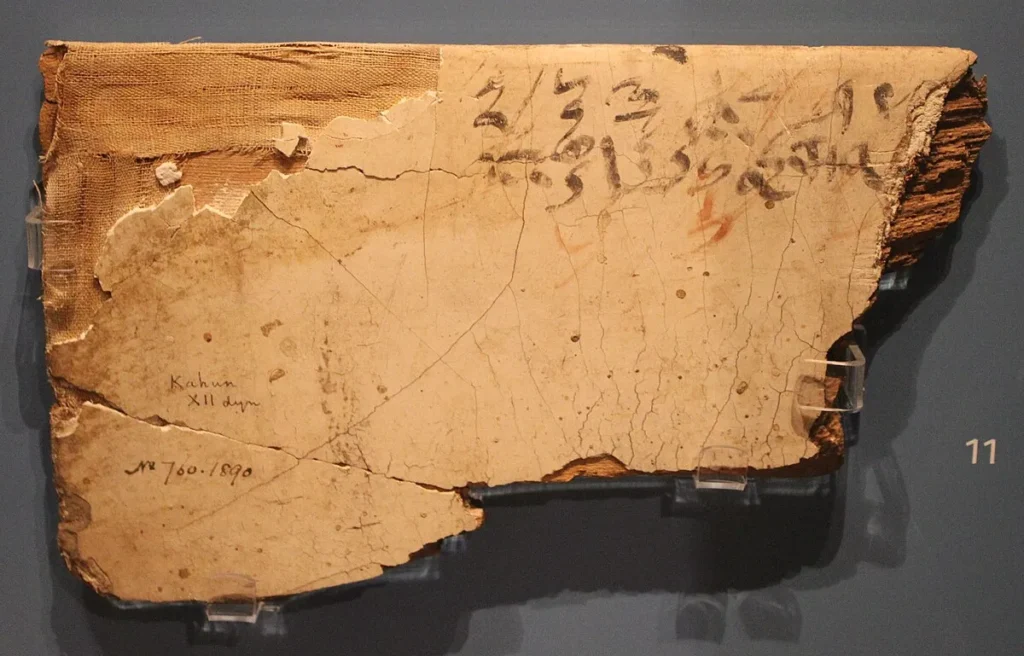
Middle Kingdom estate accounts from the Faiyum region include clothing issue lists by size and occupation. Lahun, the planned town near the pyramid of Senusret II, gives us writing tablets and papyri with work rosters and domestic items. A single tablet can record linen by the cubit, tunics issued to women and men, and returns for mending, with the month noted on the edge. These are inventories of people through cloth, and they make visible the steady work of washing and repair.
How do papyrologists read and date these sheets?
A household list is an everyday object read with specialist tools.
-
Script and hand. Hieratic changes by century and region. Numerals and unit signs have distinctive shapes. Demotic and Greek hands demand different training. The way a pen lifts from a curve can date a document within a century or two.
-
Material and layout. Papyrus prefers to be written with the fibers running horizontally. Column widths, sheet heights, and ruling practices vary by time and purpose. Ostraca require reading around chips and curves. Papyrus recto and verso might hold draft and clean copy.
-
Imaging. Infrared or multispectral photos reveal faded ink and erased lines. Red totals brighten under certain wavelengths. A sheet that looks blank can flower into legible entries.
-
Context. Archaeology matters. Trash pits at Deir el-Medina yield clusters of ostraca from particular houses. A burial that preserves a family bundle of papers explains why a domestic list could survive for millennia.
-
Cross-comparison. Duplicate deliveries show up in two hands. A tally on one ostracon can be copied to a papyrus that still survives. Hands can be traced across streets and years, showing how one scribe served many houses.
What did things cost, and how did value work?
Prices float in these sources, and many lists omit them unless a law requires a valuation or a settlement is being summarized. When price appears, it is usually expressed in weight rather than in coin before the Greco-Roman period.
-
A knife might be valued at a fraction to one deben of copper.
-
A mirror in bronze could sit higher.
-
A bolt of fine linen might require several deben, depending on fineness and length.
-
Food is complicated because wages and rations were often given in grain. An exchange note might read two hekat of barley for one hin of fine oil, delivered next month.
In later periods coin values appear in drachmas and obols, often paired with grain equivalents. Ratios help more than absolute numbers because measures varied by region and era. The pattern is clear. Oil is dear. Cloth is currency. Small tools have stable values and stable lifespans, which is why repair entries are so common.
What do lists reveal about gender and labor?
Ration and clothing lists separate men, women, and children. The separation is not judgment, it is logistics. Men in craft crews receive work tools and standard rations. Women receive linen allotments and appear beside grindstones and baskets in house lists. Repair lines often sit next to female names because mending and finishing cloth were women’s work in many households. Inheritance papyri give women named ownership of furniture, mirrors, and textiles and sometimes of rooms. Dowry lists with long textile sections are legal documents that look exactly like careful household inventories.
Built out of a love for history, kept free from distractions.
Spoken Past is an independent project shaped by curiosity, care, and long hours of research. Reader support helps keep it maintained, carefully researched, and open to everyone.
How did Egyptians store the things that the lists name?
Archaeology matches the paperwork. Houses near Thebes have a front room with a low bench and sometimes a household shrine, a central room with a day bed and storage niche, and a back room with jars, bins, and baskets. Storage jars stand in rows, their mouths sealed with clay or stone lids. Reed baskets hang from rafters for textiles. Tools sit in chests or hang on pegs. A stool is not just a seat. It is a movable asset in a room with few such objects.
What did light and time look like on paper?
Light appears as oil and wicks. Wicks are often made from old linen. Lamps are small clay cups or more elaborate forms in later periods. Time appears as the month names and festivals. A list can swell before a festival when a family expects to host and stay awake later. A work crew’s list notes beer for a particular day. A lamp line might be paired with a beer line because guests affect both.
Myth vs evidence: were these really “shopping lists”?
Calling these papyri and ostraca shopping lists is a modern convenience. The ancient writers used them to plan, to prove, and to remember. A draft on stone might be a true shopping list for market day. A clean copy on papyrus could be an inventory for a legal matter or an audit. Both carry the voice of a household counting what it has and what it needs. That is the connection to the refrigerator note. The word is ours, the function is theirs.
Reading a sample entry, line by line
Take a short passage, translated and simplified.
-
Emmer grain: 10 hekat. This is bread and beer, and it is also wages and rent.
-
Barley: 4 hekat. Barley can be food, fodder, or a standing reserve to trade.
-
Oil, fine: 1 hin. Oil is precious, used for cooking, lamps, and body care.
-
Beer: 2 jars for the crew, month 2 of Peret. Work needs calories and hydration.
-
Linen, fine: 6 cubits for wife, 4 for daughter. Cloth rolls through hands and years.
-
Lamp, clay: 1, with wick. Work or talk after sunset depends on this line.
-
Basket, reed: 1, large. Baskets do the quiet work that lists proclaim.
-
Knife, copper: 1, sharpened. Tools have a maintenance cycle you can read in margins.
-
Stool: 1, repaired in wood shop. Furniture is permanent enough to be tracked.
-
To buy: onions, 2 bundles; fish, 1 basket. Market day is planned, not improvised.
-
Given to Panefer: 1 tunic, 6 cubits, as pledge for oil. Barter links neighbors.
A dozen lines hold a house’s priorities and social ties.
How do later, Greek-language lists fit the pattern?
Under the Ptolemies and Romans, Greek dominates many account sheets. Greek units join the Egyptian vocabulary. The structure is the same. Commodity first, number second, often with a measure word, then a short note. The Papyrological Navigator today gathers thousands of these documents and lets readers search for items like artabas of wheat, jars of oil, or choenices of barley.
What changes is also instructive. Coins take a larger role in values. Legal phrasing expands. Some categories widen, especially in estates where wine and imported goods appear. Yet small cores remain. Linen by cubits, lamps and wicks, baskets by count, stools and beds with notes about repair and ownership.
A compact methods box: how we know what we know
Papyrus is plant fiber. The pith of Cyperus papyrus is cut into strips, laid in perpendicular layers, then pressed and dried. Ink is soot and gum for black, iron oxide for red. Reading an ancient list involves:
-
Paleography: recognizing hieratic number forms and unit signs, Demotic ligatures, and Greek letter shapes, then dating by hand and letter ductus.
-
Codicology: measuring sheet height and column width, spotting paste-on patches, and identifying writing direction relative to fiber.
-
Imaging: using infrared or multispectral photographs to expose erased totals, dry-pen ruling, or faint red ink added after the fact.
-
Archaeology: tying a papyrus or cluster of ostraca to a house, a dump, or a burial, so we know whether we are reading a draft, a copy, or an archive.
-
Comparison: aligning duplicate deliveries and cross-referencing names and items with contracts, ration lists, and letters close in date and place.
What new knowledge can we extract from household lists?
Diet and seasons. Totals for grain and oil show monthly consumption. Festival months include extra oil and beer. Mentions of fish, onions, and beans track market availability. Famine leaves its pressure marks as reduced rations and borrowing entries.
Labor and gender. Names tie tasks to people. Men’s tool lists are mirrored by women’s textile and repair notes. Clothing issue lists for estates separate sizes and recipients by sex and age and record returns for mending.
Wealth and inequality. Two lists from the same street can differ sharply. One carries a bed, chest, mirror, and copper knife. Another lists a stool and baskets only. Valuation lines in legal documents make inequality legible in copper weights and cubits of cloth.
Exchange habits. Barter ratios sit on the page. Two hekat of barley for one hin of oil shows relative scarcity. Pledging a tunic for oil reveals credit practices at human scale. The village economy turns on trust built through objects.
Repair and reuse. Household equipment circles through repair. Furniture is mended. Knives are sharpened. Textiles become wicks. Lists are the only sources that record such cycles regularly.
Light, space, and time. Lamps and wicks mark the hours. Jars and baskets mark storage in rooms. Inventory sequences mirror a walk from front bench to back jars. Inheritance inventories even tell us where a bed sits.
A short walk through a house, guided by a list
Enter a small New Kingdom house near Thebes. The front room holds a low bench and a small altar niche. A stool sits near a lamp. A papyrus list notes that someone repaired the stool last month. The next room has a day bed and a chest. In the back are storage jars, labeled by contents. A reed basket hangs with folded linen. A wooden writing board lies on a shelf with a few recent ostraca. The ostraca carry running totals. The papyrus carries the formal picture. Nothing in the room is redundant. That is why the list matters. If the family miscounts oil, the house goes dark at evening.
How far can we go from list to life?
Sometimes, very far. At Deir el-Medina, the same names appear on ration lists, repair notes, and legal inventories. A chest in an inheritance document can be matched to a lineage that owns the chest in earlier records. In Heqanakht’s archive, letters and accounts let us plot a household across sowing and harvest. A daughter receives cloth in one season, then appears as a recipient in a later tally. A neighbor named as a messenger delivers oil two weeks later. Lists become biographies when sources cluster.
Limits and cautions
Survival is uneven. The Delta rotted its papyri for centuries. The Theban west bank under dry cliffs preserves them. Measures vary by time and place, so conversions are approximate. Prices are incomplete unless a legal frame required a valuation. Some lists are fragmentary. It is best to treat thousands of small certainties rather than to chase a single perfect number. The strength of the material lies in repetition across time and space. The same household core appears in Middle Kingdom Thebes, in a New Kingdom village, and in a Greek-speaking estate.
How to see the originals today
If you want to study household lists closely, you can work outward from a few anchors. The Metropolitan Museum hosts the Heqanakht letters, with object pages that summarize discovery and content. Digital projects such as papyri.info gather Greek and Demotic documents, including lists of grain, oil, textiles, and tools. The project’s search tools let you find artabas and choenices across hundreds of sites and centuries. The papyrus world has no single door, but those two will open many.
For further viewing of Heqanakht’s household documents and an overview of the archive’s discovery and contents, see the Metropolitan Museum’s object page for Heqanakht Letter I. For broad, searchable access to Greek and Demotic account papyri, consult the Papyrological Navigator at papyri.info.