A missing nose can hijack your attention. Walk through any gallery of ancient sculpture and the faces seem paused in mid-breath, the central ridge torn away. The effect is so common that visitors sometimes assume a single catastrophe or a deliberate plot. The truth is both simpler and more interesting. If you want to understand why ancient statues lost their noses, you have to think like a mason, a conservator, and a physicist, then add the choices made by looters, worshippers, restorers, and dealers over three thousand years. The result is a pattern that repeats from Karnak to the Capitoline Museums: noses are built to fail, and people often helped them along.
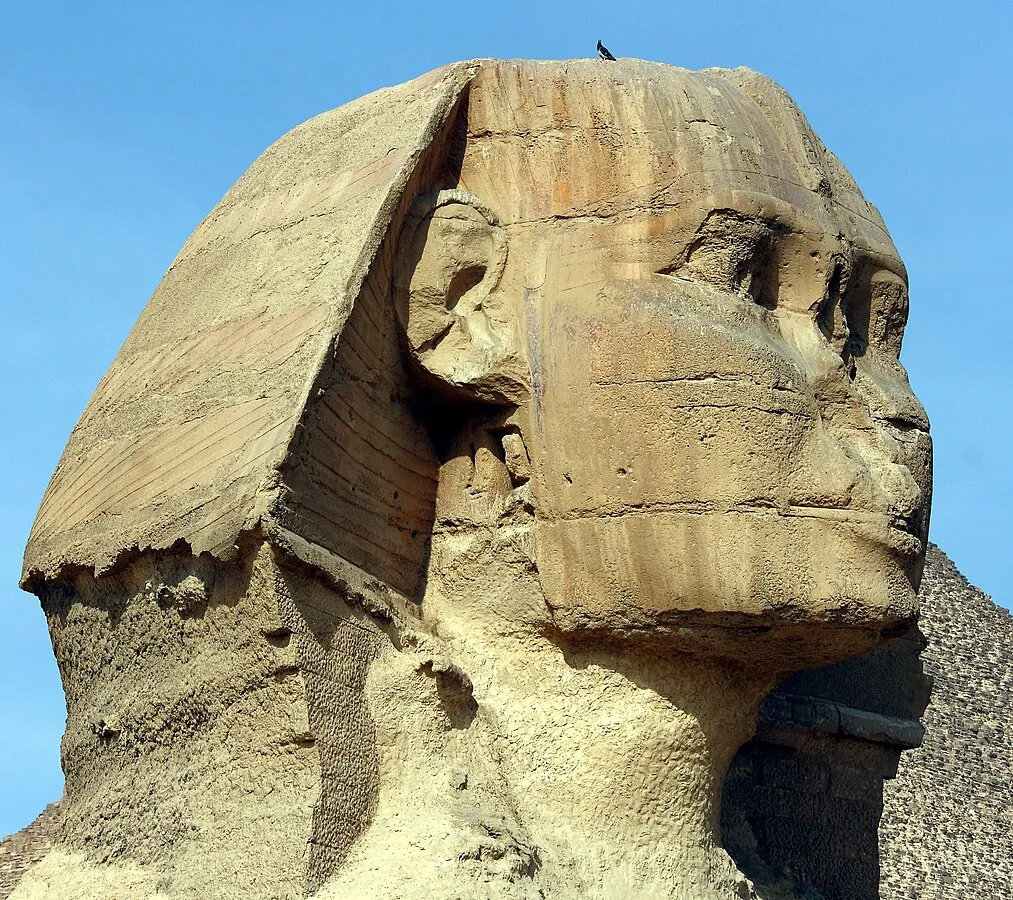
Ancient examples sit where the environment is harsh and the human traffic never ended: Egypt’s sun and salt, Rome’s earthquakes and building sprees, Aegean islands with gritty winds. The materials vary, limestone and sandstone on temple fronts, Parian and Pentelic marble in sanctuaries and villas, bronze casts in cities and sanctuaries. Written evidence helps when someone chose to damage a statue, as when a rival ruler or a later religion attacked a face. Most of the time the stone itself tells the story. Conservators read breaks and adhesions like handwriting: a brittle snap, a recut surface, an eighteenth-century mortar line. With that toolkit, we can separate physics from ritual, accident from market taste, and see how missing noses became one of the most recognizable features of classical ruins.
What makes a nose the weak point on a stone face?
A projecting nose is a slender cantilever attached to a large block. In solid mechanics, that geometry concentrates stress where the nose meets the face. A light tap near the tip produces a bending moment at the root of the projection. If the stone is brittle, the weakest path opens along microcracks and grain boundaries, and the crack runs straight across the bridge. Eyes, ears, and chins project too, yet the nose is uniquely exposed. It sits at the forward center and is often the first feature to strike another hard surface when a head falls forward. Chins sometimes survive because the lower face can absorb part of the impact through the neck or pedestal. The nose sticks out alone.
Marble and limestone carry the same vulnerability in different ways. Marble is crystalline calcite, recrystallized under heat and pressure. It is strong under compression, weak under tension, and it fractures without warning once a crack begins. The grain size matters: coarse marbles tend to propagate cracks more easily across crystal boundaries, especially after centuries of thermal cycling. Limestone is sedimentary, with bedding planes and fossils. It can be tougher against a single blow, yet salt and moisture exploit its pores and slowly weaken that narrow bridge of stone. The same physics applies to alabaster and gypsum, only faster.
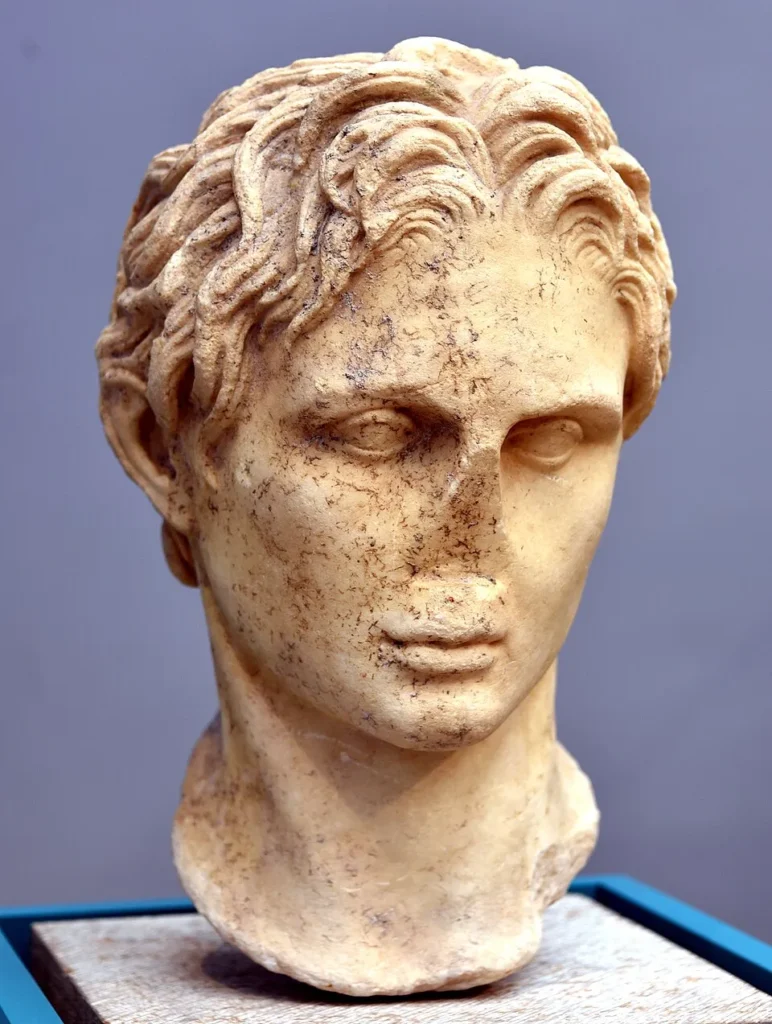
Another factor is how the sculptor hollowed the nostrils and undercut the wings. Deep nostril drilling creates thin walls. Many Hellenistic and Roman heads display precise trepanning in the nostrils, a sign of virtuoso craft that also leaves knife’s-edge thicknesses at the base. The more naturalistic the modeling, the less spare stone remains as a safety margin. Facial asymmetries matter too. A nose tilted slightly to one side, or a nose with a high, sharp dorsum, puts more mass off the centerline and increases bending when hit.
How do outdoor weather and burial environments remove noses without anyone touching them?
Salt crystallization is the quiet enemy. Stone in marine air, or stone that wicked up groundwater when buried, accumulates salts within its pores. When humidity swings, the salts dissolve and crystallize again. Crystals expand, generate pressure, and pry apart grains. That cycle is strongest at exposed edges and projections. The fine edges of lips and nostrils flake first, then the bridge separates. The same process plays out in desert temples after rare rains, only accelerated by high temperatures.
Freeze-thaw can also open hairline cracks. Even in relatively mild climates, a few dozen winter cycles each year over centuries will find any weakness. Marble faces that spent a millennium built into a wall, then another two centuries outdoors after excavation, experienced two very different sets of stresses. Today’s conservators often call those break surfaces “fresh” if quartz crystals still gleam, or “old” if calcite has dulled and grown a weathered crust. A bright nose break on an otherwise weathered head means a relatively recent hit, often modern handling or transport. A soft, sugary edge suggests a failure long before the gallery label was printed.
Conservators rely on microscopy and simple observation. Under a hand lens, you can see salt efflorescence, the sugary decay of calcite grains, and a matte, reprecipitated skin on very old breaks. Under raking light, recut areas show different tool marks than ancient ones. Adhesives and mortars fluoresce under certain wavelengths and reveal modern fills. Even without a lab, a trained eye can often tell whether a nose went missing in antiquity, in a Renaissance workshop, or in the last century. Manuals on stone deterioration document these mechanisms in detail and have guided best practice for decades. The same science that explains why a column flakes also explains why a nose does not survive a fall. For the material side of this story, conservators often point readers to the Getty’s foundational volumes on stone and marble decay, which map out salt damage, thermal stress, and consolidation treatments across many case studies. See the Getty’s open-access handbook, a standard reference for conservators working with ancient sculpture. (Getty Conservation Institute, Stone Conservation)
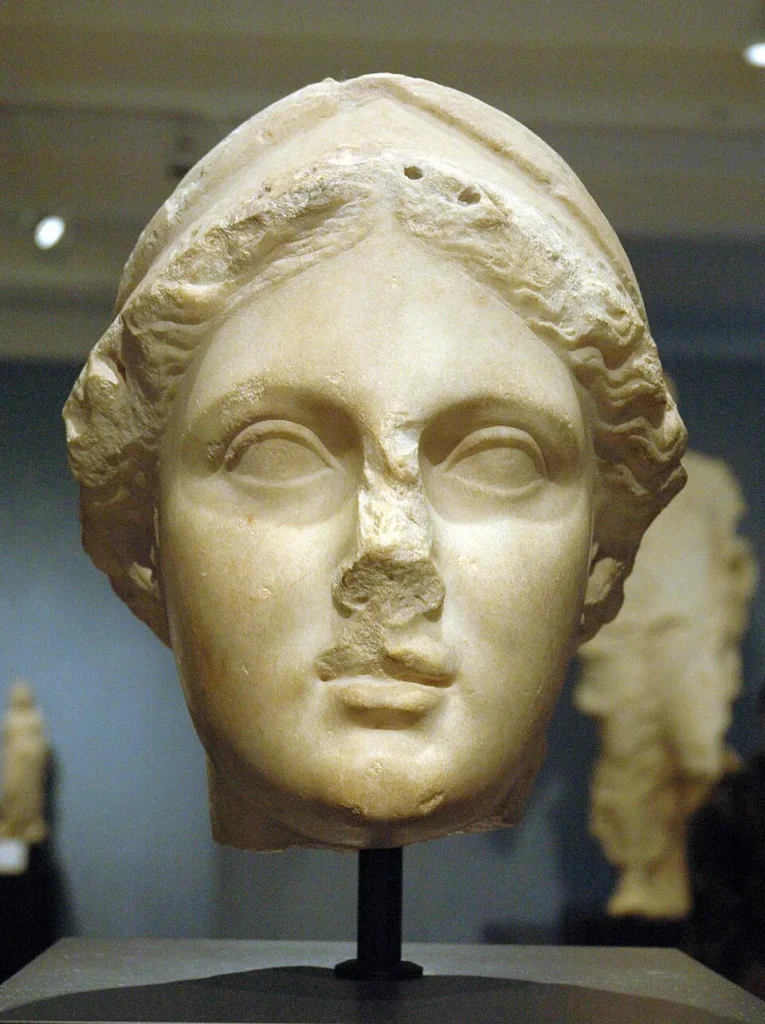
Burial can be both a shield and a trap. Statues toppled in earthquakes or removed in late antiquity often lay in fill until a modern dig. Inside damp soil, the salts keep moving as seasons change. If the head lay face down, the nose and forehead bore the load. If the head was wedged near a wall stone, the nose took the pressure point. Excavators sometimes record that a break occurred during lifting, especially in the early years of archaeology when equipment was rough and timetables were short. Even careful teams cannot always avoid a failure at the thinnest point once a statue finally moves again.
When are noses broken on purpose?
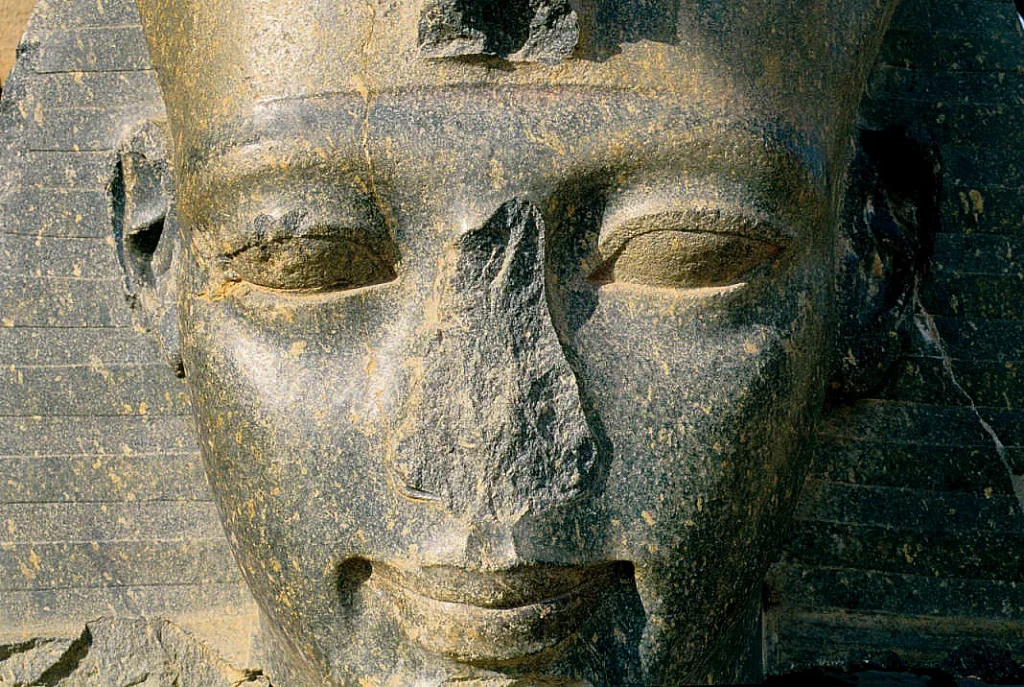
Some breaks are deliberate. In Egypt, the physical damage lines up with religious logic. Egyptian statues were built to house images that could act, breathe, and receive offerings. Damaging the function of a body part could deactivate a dangerous presence. A chisel strike to the bridge of the nose would stop the statue from breathing; removing the left arm on an offering statue could stop it from presenting a gift; gouging out eyes could prevent it from seeing a victim. The pattern occurs in tombs and temples, and in contexts where looters feared the hand of the dead. Curators have summarized the evidence clearly, using specific examples where the damage correlates with known functions in ritual sculpture. The Brooklyn Museum’s overview of Egyptian face damage remains a useful introduction for general readers. (Brooklyn Museum, Why are the noses broken?)
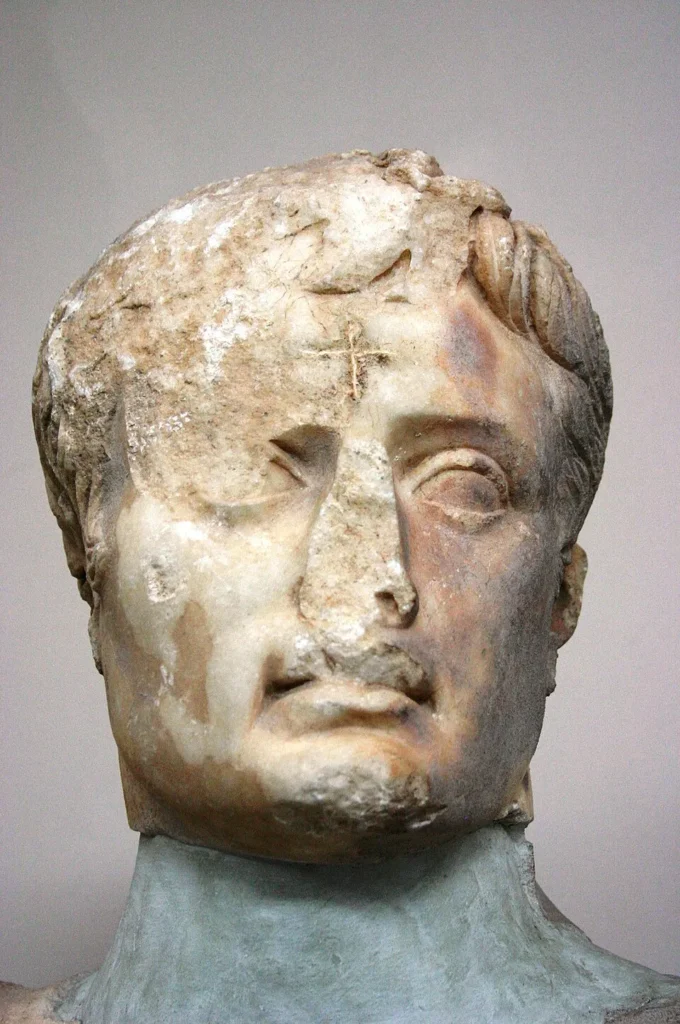
Damnatio memoriae in Rome and iconoclasm in later periods add more motives. Portraits of disgraced emperors sometimes show targeted chisel blows to features that identify the person. Later Christians and then Christians fighting Christians damaged faces on statues and reliefs associated with polytheist practice. The way a break looks matters. A flat chisel scar that starts at the left side of the bridge and exits at the right, with a tiny wedge of stone gone at the exit, reads like one blow from a mason’s tool. A series of short pits aligned across the bridge reads like repeated pecking. Many museum labels now distinguish wear from weather, and iconoclasm from impact, because the surfaces carry different stories.
Did Napoleon shoot the Sphinx’s nose?
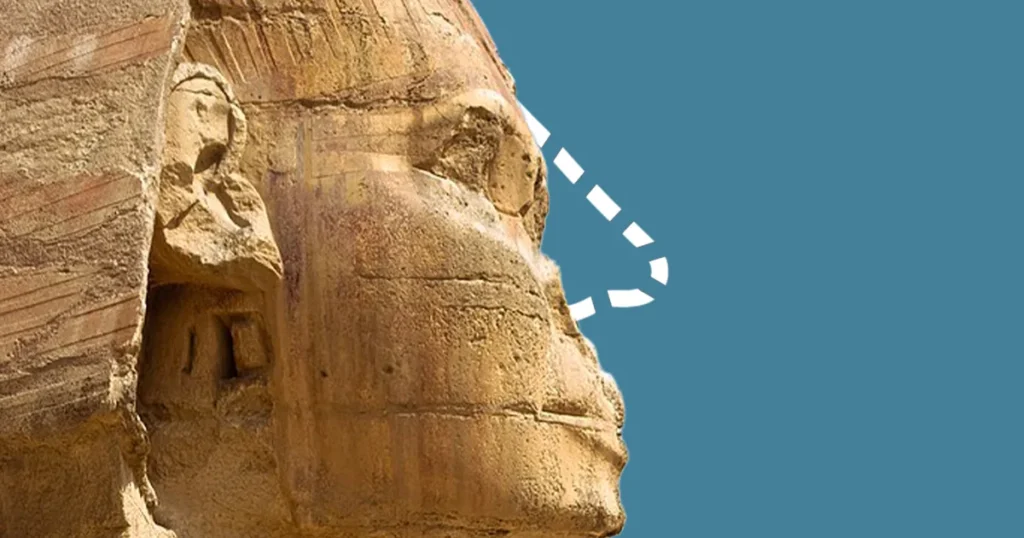
No. Travelers’ drawings from the 1730s already show the Sphinx without a nose. A Danish visitor, Frederic Louis Norden, published a depiction in 1755 that makes the absence clear, decades before Napoleon’s 1798 expedition. The real debate is less romantic: whether medieval damage, Mamluk target practice, or centuries of erosion took most of the structure. Close inspection shows the bridge area is cut back, not dissolved, and many Egyptologists think a deliberate act removed what remained after long weathering. The myth endures because a small image needs a large act to explain it. The stone itself suggests a slow story, punctuated by one or more human blows.
How do transport and reuse break faces?
Antiquity was hard on stone. Statues traveled from quarries to sanctuaries, from sanctuaries to villas, from villas to lime kilns. Bronze statues were stripped for metal, fragments of marble were used as building stones, and heads were prized as portable trophies. Many portrait heads have dowel sockets and clamp holes that show ancient reuse or repair. A head moved a dozen times accumulates a dozen chances to lose its most fragile projection. Damage could be accidental. It could also be functional. If a sculptor cut down a reused head for a new portrait, the reduction might undercut the bridge and thin it dangerously. Ancient restorers, like their modern successors, sometimes prioritized appearance and speed over long-term durability.
What does fracture analysis actually look like?
A conservator sees four things in a break: the path, the texture, the color, and the company it keeps. The path matters because stone fails along planes of tension, which often run straight across projections, around the tail of a lock of hair, or through the thinnest section of a wing. The texture of a fresh break surface in marble can look sugary, like a fine cube of compressed sugar snapped in half. The surface roughness scatters light. The color can shift from sparkling white to a gray or brown patina in a few centuries, as calcite recrystallizes and dust embeds. Finally, the company matters: a nose broken with a few scuffs on the cheek and intact eyelashes suggests a deliberate, careful hit. A nose broken with crushed lips, scraped brow, and abraded chin suggests a fall.
Conservation reports sometimes take this further with microscopy and spectroscopy. Scanning electron microscopy can map crystal edges along a break and show whether the grains were pried apart by salt or simply snapped. Adhesive residues identify the decade and the workshop that did an old repair. Laser cleaning leaves a different microscopic pattern than a chemical poultice. If you cannot take a core sample, you can still read a surface like a timeline.
Are bronze noses safer than stone?
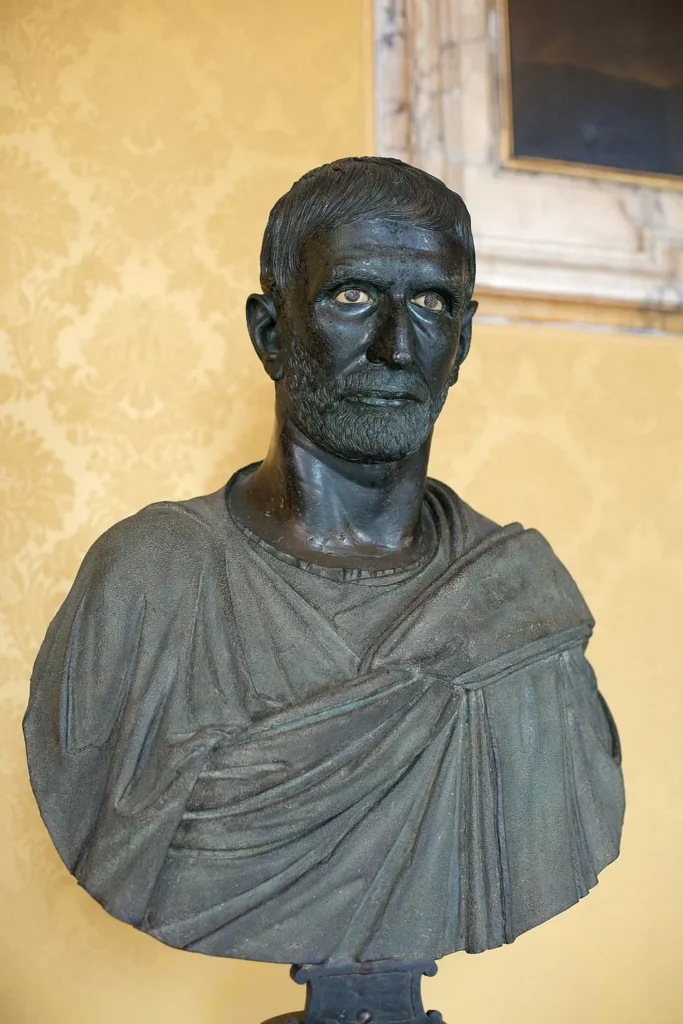
Bronze avoids the brittle snap, yet it faces its own hazards. A bronze nose is part of a metal shell. It will bend and deform before it tears. That elasticity helps, especially under the sort of bump a statue suffers in a crowded forum or when dragged by a rope. Many bronze faces, though, did not survive at all, because the metal attracted later recyclers. Where a bronze head does survive, the nose can be intact or flattened, and the repairs leave different traces: hammer marks smoothed with abrasives, punch marks from chasing, patches brazed into place. The comparison is revealing. Stone faces break in crisp losses. Bronze faces show dent and stretch.
How did early modern restorers change what we see on ancient faces?
Collectors in Rome and Naples filled palaces with ancient marbles between the 1600s and 1800s. They bought broken torsos from digs and lime pits, then hired restorers to make the statues presentable. The results are everywhere: new arms, new feet, new drapery, and new noses on old faces. Restauratori such as Bartolomeo Cavaceppi produced galleries of parts that could be attached to antique cores. The goal was to return a statue to a pleasing whole. A broken nose was a quick fix compared to a missing arm. A skilled carver could match the marble and peg a small new triangle into a face.
Two centuries later, museums made different choices. Many twentieth-century teams removed excessive restorations to show the ancient surface. When a replacement was poorly matched or out of style, it came off. Sometimes that meant the nose went missing again, not because the ancient nose had failed, but because a modern intervention was reversed. In some collections, you see a neat, flat scar where a modern insert once sat. The line between original and restoration matters for history and for honesty, and facial features sit on that line.
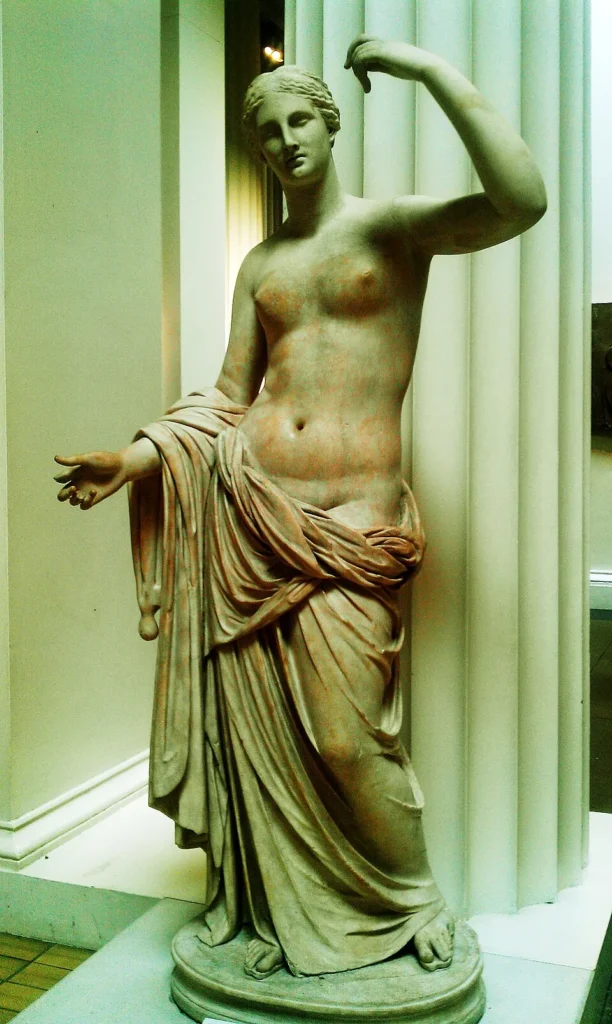
Restoration itself can be risky. Drilling a pin hole for a nose insert, if done too close to the bridge, creates new stress risers. Adhesives age and shrink. A tight pin can wedge a fracture open in a few decades. Today’s standard is reversible adhesives and minimal pinning, and conservation texts emphasize soluble consolidants and small-diameter rods placed where they do least harm. The lesson from a data set of hundreds of noses is that well-intentioned work done in 1780 can crack in 1980 and fall in 2020. What you see in a gallery today is the product of many choices.
Did dealers ever prefer heads without noses?
There is no single archive that proves a systematic breaking of noses for profit, and we should be cautious. Yet the market did value certain kinds of damage. By the later eighteenth century, collectors admired the “antique fragment.” A torso without limbs was not a failure, it was a poetic ruin. Dealers responded. They cut rough bases flat for table display, polished breaks into neat planes, and recombined antique fragments into pleasing groups. A head with a romantic ruin aesthetic, scarred and timeworn, could sell well. Period guides and sale catalogs praise the surface bloom of old marble and the pathos of loss.
Direct, deliberate nose removal to create that effect is hard to prove, because noses were already vulnerable. It is easier to document a restoration nose added for sale, or a head separated from a body to make two marketable pieces. The Grand Tour delivered a steady stream of young buyers to Roman workshops, and the supply adjusted. The result today is a museum landscape with some faces kept whole, others freshly broken, and many reworked in ways that hide the age of the loss. That mixed record makes the stone surface, once again, the key evidence.
How do earthquakes, toppling, and storage rooms shape what survives?
Falling is a sculptor’s nightmare and a conservator’s refrain. When a statue topples forward from a plinth, its trajectory and the surface it meets decide the fate of the face. If the nose strikes first, the bridge snaps. If a pedestal lip catches the brow, the forehead chips and the nose may survive. Archaeological sites record chains of these accidents. Earthquakes in Greece and Turkey leveled sanctuaries more than once. In cities, old marble was moved, stacked, and buried during building campaigns. Storage rooms, both ancient and modern, add their own hazards. A head set upright on a wooden shelf is stable until a worker nudges it. A head set muzzle down on a padded ring preserves the nose, although the cosmetics of display sometimes push curators to choose the upright posture.
The physics of toppling explains a common pattern on grave markers and reliefs. Raised noses on shallow reliefs often survive, because the slab lands flat, spreading the load. Fully three-dimensional heads suffer at projections. Chiseled noses on coin dies and seals rarely break because the nose is a recess rather than a projection. Comparing these categories helps avoid generalizing from one set of objects to all.
Enjoying Spoken Past?
I created Spoken Past to share my love of history. I research, write and develop everything myself, and I want my articles and basic guides to remain free for everyone.
If you enjoy my work, please consider supporting Spoken Past with a small donation.
Why do Greek and Roman noses fail differently from Egyptian ones?
Material and scale set the stage. Greek and Roman portrait heads in marble often show fine drilling and high relief features. An Attic marble is bright and slightly translucent, a quality achieved through thin carving. Egyptian royal heads in hard granite and quartzite are massive, and the modeling of the nose is comparatively schematic. Where failure occurs, it sometimes looks like a cutback rather than a snapped cantilever. In temples at Karnak and Luxor you see rows of kings with bridges gouged nearly flush. That flatness suggests chisels, not just falls. The underlying reasons differ too. In Egypt, defacing a divine or royal face could neutralize a presence. In Rome, a senate decree could condemn a name and, with it, the portrait’s features. The shared result is a missing nose, so the surfaces must carry the rest of the story.
The “fragment aesthetic” and how it trained our eyes
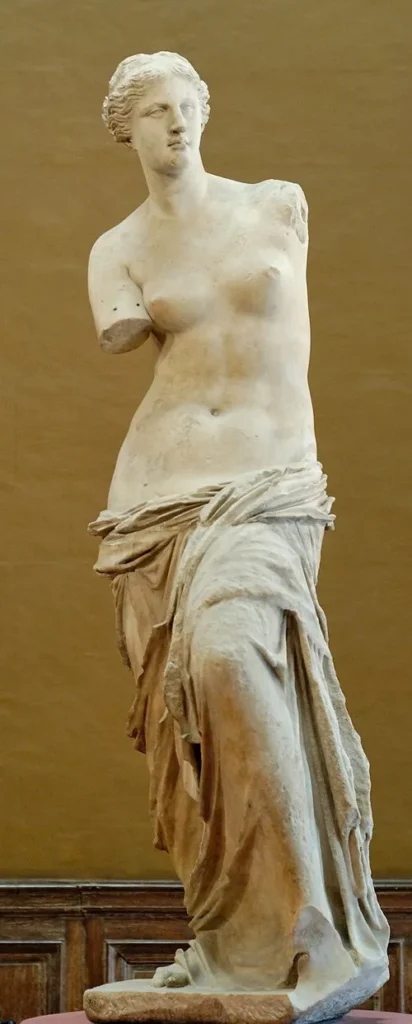
We have learned to admire ancient sculpture through fragments. Museums displayed torsos and heads as works complete enough to move us, and artists from Michelangelo to Rodin studied broken statues for form and rhythm. That taste affects noses. A missing nose can heighten the silhouette of the brow and cheek, pull attention to the eyes, or push the viewer toward the line of the hair. The marble reads as ancient, authentic, and noble because time has touched it. That aesthetic is powerful, and it sometimes obscures the mix of chance and choice that produced the loss.
In the nineteenth century, plaster casts and engravings spread those looks into schools and homes. In the twentieth, conservators pushed back against over-restoration, and curators embraced open display of damage. Today, some museums reattach noses if the fragment exists and the join is secure. Others leave the gap visible and explain why. The way we frame a loss, in wall text and catalog, makes it either the central fact or one detail among many.
How do conservators decide whether to replace or stabilize a missing nose?
They weigh ethics and risk. A replanted nose can return a face to a more legible state, especially for teaching and public understanding. If an ancient nose fragment exists, if the fracture is clean, and if a reversible adhesive will hold the piece without heavy pinning, many teams will reattach it. If the nose is missing and only a modern insert would fill the gap, the choice becomes harder. A well-made modern nose can mislead, unless it is clearly marked and documented. A nose made of tinted resin and set in a way that avoids drilling can be a temporary solution for an exhibition. Drilling to accept a rod, especially near the bridge, risks new cracks.
Guidelines today tend to favor minimal intervention. Reversible adhesives such as Paraloid B-72 in careful concentrations, small dowels where absolutely necessary, and fills that leave the edge of the ancient break legible, are common choices. The calculus changes outdoors, where weather and public touch drive different risks. A nose set within reach in a temple court will not last long. In a gallery, it might last a generation.
Myth vs evidence: is every broken nose a moral story?
No. Some are evidence of faith and fear, and those deserve attention. Others are evidence of stone, gravity, and long time. Separating the two requires patience. It also requires a willingness to accept that many loses do not prove a single, simple cause. An Egyptian nose may have been cut to kill a presence. A Roman nose may have failed in an earthquake, then been squared up in a Renaissance studio for a sale. A Greek nose may have fractured when a block slipped against another in a truck a century ago. The multiplicity does not make the pattern less interesting. It makes it truer to the life of objects.
Why the market for fragments matters when we look at faces
Many heads left their original bodies in the eighteenth and nineteenth centuries because heads could be sold as art on their own. A buyer could ship a compact portrait back to London or Paris more cheaply than a full statue. That preference helped populate collections with faces that had endured separate handling, separate repairs, and separate risks. Dealers also had reasons to keep certain losses in place. An aged break read as authenticity. A pristine, newly restored face could look suspicious. The balance of those incentives changed by city and decade, but the overall effect is visible in any catalog of a Grand Tour collection.
The ethics of collecting have changed. Archaeological context is valued. Major museums trace provenance and avoid recent, unprovenanced pieces. Yet the older market’s fingerprint remains stamped on the corpus of surviving faces. In the same way that geological bias affects which fossils we find, market bias affects which noses we see. The story of the missing nose is as much about people as it is about stone.
How do we know: the tools behind the attributions
When you read “deliberate break” or “weathered loss” on a label, there is method behind those words.
-
Tool mark analysis: Ancient chisels and modern drills leave characteristic traces. A flat chisel cut presents parallel, shallow troughs with a raised exit lip. A toothed chisel leaves multiple parallel striations. Rotary tools leave arcs and spirals. Under magnification, a trained eye can separate a pharaonic blow from a nineteenth-century studio peck.
-
Break surface and patina: Fresh calcite sparkles. Old calcite looks matte and stained. Subtle color differences across a join can map time: a dark, long-exposed cheek meeting a light, recently broken bridge.
-
Adhesive and fill identification: Many twentieth-century restorations used specific formulations. Shellac, animal glues, early acrylics, or epoxy resins can be identified in small samples. If a nose was reset in 1925, that date gives context for why a fragment looks clean.
-
Provenance research: Studio records in Rome list paid restorations by named hands. Shipping documents describe heads and torsos packed separately. Excavation notebooks record where and when a face was lifted, and whether a break happened during the dig. A conservator’s file keeps photographs over decades, so new chips can be dated against an older state.
-
Environmental monitoring: Sensors in galleries and cases record humidity and temperature swings. If a nose or lip fails in a gallery that saw repeated high-humidity events, salt cycling is a suspect.
Across these tools runs a habit of cautious language. A conservator will say “probably,” “likely,” or “consistent with,” because stone does not sign its injuries. Honest uncertainty respects both the object and the reader.
Why do some famous statues keep their noses while losing other parts?
The Venus de Milo’s arms draw all the attention. The nose survives because the face sits well behind the forward projection of the outstretched arm line. When a large statue falls, the first impact points are the furthest projections: arms, hands, elbows, and feet. On a head created for a standing figure, the nose is not always the furthest point. On a freestanding head, it often is. That difference explains a lot of what we see. The direction of the fall matters as well. A sideways tumble saves the nose and kills the ears. A forward fall does the opposite.
Scale changes the odds. A two-meter marble head has a bridge of stone thick enough to absorb a blow that would snap a half-meter portrait. Hard stones such as granite can blunt an impact that would shatter marble. The sculptures of pharaohs in red granite often show noses intact while limestone priests nearby have lost theirs. The mix of materials in a single temple yard tells its own physics lesson.
Why do we notice noses first?
Human brains lock onto faces. We scan eyes, nose, mouth in a fraction of a second. Remove the central feature, and our perception stalls. Artists exploited that reaction in antiquity by reinforcing the line of the nose with strong planes in the forehead and cheeks. When that structure is gone, the face looks flattened. The result is an object that feels both intensely old and strangely muted. The missing nose also functions as a time stamp in modern culture. It makes the face read as ancient even when the rest of the carving is crisp. That is one reason why museums make an effort, in labels and guides, to explain how and when the damage happened. Without that context, a broken nose turns into a lazy symbol of age rather than a clue.
Case studies that anchor the pattern
A few faces allow you to see all the forces in play.
-
A portrait head with a modern insert removed: In some galleries, you can find a Roman marble where a modern triangular nose once filled the gap. The pin holes are still there, the edges clean. The removal leaves behind a flat, lighter scar and perhaps a touch of adhesive staining. If you step back, the face reads as ancient and severe. If you step close, the modern story becomes visible.
-
A temple yard of royal heads: In Luxor and Karnak, rows of kings line walls where the bridges are cut flush. In some, the gouge tracks run from left to right in a single plane. In others, impact and weather combined: a rounded stump where salt ate into a chisel scar. The effect of sunlight on granite and sandstone shows how hard stone resists in different ways than soft.
-
A bronze that kept its face: A bronze head in the Capitoline Museums shows a nose that survived two thousand years of movement. Compare the surface to marble: the nasal bridge is thin and delicate, yet the metal’s toughness and the statue’s different life history preserved it. The brow bears tiny hammer marks from ancient chasing, not fractures.
-
A Hellenistic head with deep drilling: In a head of Athena or Aphrodite, careful nostril drilling leaves feather-thin edges. The destruction, when it comes, follows the drill’s path. That detail turns a general rule into a specific mechanism.
These examples show why a gallery feels full of broken noses even though the causes vary widely. The physics bias is strong. History adds intent where it mattered most. Restoration and the market write the last chapters.
If you are looking, what else should you notice on a broken face?
-
Hairline cracks from the nasal root into the cheek: These often precede a loss. They show where tension exceeded tensile strength. Conservators may inject consolidant here.
-
Securing pins that cross the bridge from inside: On restored heads, a small shadow or discoloration along the bridge can indicate a pin set behind the surface.
-
Color difference between the break and adjacent surfaces: Even within a museum, microclimate differs. A fresh break is often whiter than the weathered cheek, even after cleaning.
-
Gouges at the tip or along the septum: These show attempts to remove the nose piecemeal rather than snap the bridge.
-
Traces of polychromy: Ancient faces were painted. Pigment residues appear along brows and lips. A break through painted layers can tell you the face stayed whole long enough to be colored.
Where the science and the stories meet
The face is an intersection. Mechanics explains why a nose is vulnerable, climate explains how it decays, people explain when and why it is struck. Museums and sites have become better at presenting that whole picture. Public conservation programs, like the laser cleaning of the Acropolis caryatids in the 2010s, invite visitors to watch decisions happen in real time: what to clean, what to leave, what to reinforce. Those programs make it harder to treat damage as a mystery. They also show how many choices lie between a scar and a sculpture.
The same synthesis appears in reading rooms and storage vaults. A conservator deciding whether to reattach a nose fragment consults a library of case histories. A curator writing a label balances a clear narrative against the impulse to oversimplify. A visitor notices a missing nose, then learns to look for the other clues: a chisel line, a salt stain, a pin hole. The face becomes evidence rather than just a symbol of age. That shift is one of the quiet achievements of the last fifty years of work on stone.