When a Legal Sale Turns Illegal: Changing Laws and Old Collecting
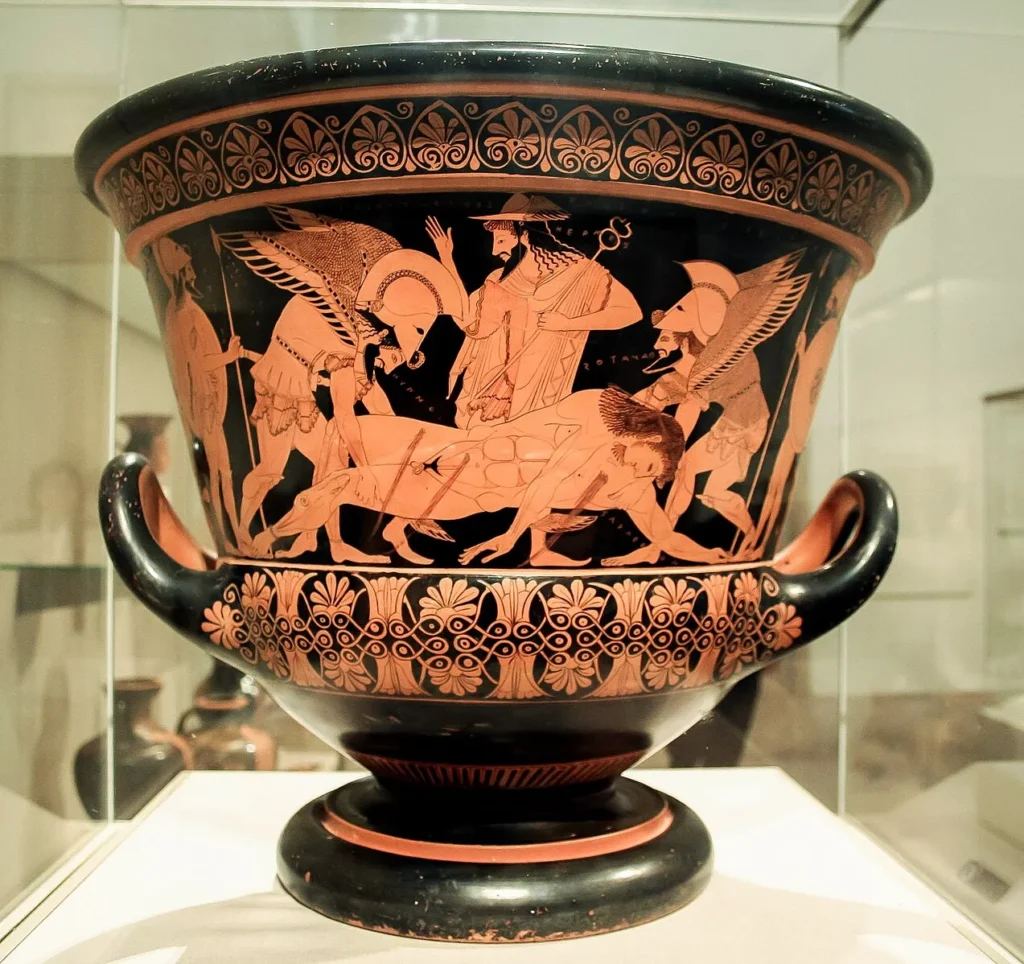
The invoice looks ordinary: a dealer’s letterhead, a date in 1968, a red-figure vase described in a single line, and a receipt stamp. A granddaughter finds it in a folder of family papers next to photographs of the vase on a mantel. For decades the object sat without controversy. Then an estate lawyer asks where it came from and whether there was an export permit. A museum curator wonders why no record exists before 1965. The same piece that moved easily across borders now raises questions about ownership, title, and the story behind its arrival. What changed is not the clay. What changed is the law around it, and the ethics of collecting that grew in response.
The shift can feel sudden to families who inherit older collections. In reality it unfolded over a century and a half. Countries with rich archaeological landscapes passed national ownership laws that turned discoveries into state property. Archaeologists moved from partage systems that divided finds to regimes that required everything to stay. In 1970, the UNESCO Convention set a global baseline for how states cooperate on illicit exports. Museums changed policies, then tightened them again after revelations about smuggling networks, false provenances, and faked export permits. Courts weighed in. Customs officers learned new categories. Good faith purchasers discovered that good faith alone does not always protect title. This article explains when a sale that once looked legal becomes a legal problem, and what kinds of evidence help decide the answer.

What makes a sale “legal” at the time?
For an antiquity, a lawful sale rests on three pillars.
-
Ownership: Did the seller actually own the object in the legal sense, not simply possess it? If a source country’s law already vested ownership in the state at the time of removal, the seller could not pass good title. No one can sell what they do not own.
-
Export: Did the object leave its country of origin with a valid export license when one was required? Many modern laws require a permit for archaeological material. Some forbid export entirely. A sale outside the country without proper export can violate both export and import laws.
-
Transfer formalities: Did the sale meet the domestic requirements where it took place, such as tax obligations or import declarations?
A sale can fail any one of these quietly. The failure might stay invisible for years. It becomes visible when someone asks for the paper trail and finds gaps.
When did countries begin to claim ownership of antiquities?
The general trend is earlier than many assume. Several states with deep archaeological resources began asserting state ownership in the late nineteenth and early twentieth centuries. Others refined older rules into comprehensive statutes after World War II. A few landmarks:
-
Ottoman Empire, 1884 and 1906: Laws curbed export and increasingly treated antiquities as state property. These statutes shaped later regimes in Turkey and in regions formerly under Ottoman rule.
-
Italy, 1909: A national protection law expanded state control over antiquities and restricted export. Over time, Italian statutes tightened further and created professional heritage police units.
-
Greece, 1899 and 1932: Greece built a modern system that treated antiquities found in the ground as public property and required permits for excavation and export.
-
Egypt, early twentieth century to 1983: The state moved from partage and permit-heavy oversight toward stronger national ownership, culminating in Law 117 of 1983, which declared antiquities state property and banned most private ownership and export.
-
Mexico, 1897, 1930, and later: Reforms culminated in rules that treated pre-Columbian objects as national property, paired with export restrictions.
-
Iraq, 1936: Law No. 59 created a conservation regime, declared antiquities state property, and regulated excavation and export. Later decrees tightened controls.
Not every country adopted identical rules, and dates matter. The key question is always the same: at the time this object left the ground or the country, did a valid law already treat it as state property or require a license that does not exist?
What changed in 1970, and what did not?
Two things often get mixed together: law and policy.
-
Law: The 1970 UNESCO Convention created a framework for states to cooperate against illicit import and export of cultural property. It encouraged nations to pass domestic laws and to enter bilateral agreements. The Convention itself does not seize objects or automatically make past purchases illegal. Countries implement it differently, and some did so years later.
-
Policy and ethics: Around 1970, museums and professional groups began adopting acquisition standards that use 1970 as a practical line. Many institutions now require documented provenance to that date or earlier, or they require proof of lawful export if an object left after that date. These are ethical and reputational rules. They shape behavior even when a court would not apply the Convention directly.
Collectors sometimes believe 1970 created a retroactive ban. It did not. It created a widely recognized standard that museums and courts use to evaluate risk, provenance quality, and the likelihood that a source-country ownership law was already in place when an object moved.
Are new laws retroactive?
Criminal law in many jurisdictions avoids retroactivity. You cannot be punished for something that was not a crime when you did it. Cultural property disputes often revolve around a different question: did someone have ownership title to begin with. If a foreign patrimony law already gave ownership to the state when the object was removed, then any later sale may be treated as the sale of stolen property. In that case, the later buyer never acquired good title, regardless of their good faith.
Civil law systems and common law systems handle good faith differently. In many civil law countries, a good faith purchaser may acquire title to ordinary movable goods after a period of possession if no claim is made. Antiquities are often carved out of that rule. In common law jurisdictions, the general rule is that a thief cannot pass title, and purchasers, however innocent, cannot acquire better title than the seller held. Specific statutes of limitation still matter, and courts look carefully at when a claimant discovered, or should have discovered, where an object went.
The result feels retroactive to buyers, but the logic runs the other way. If the state already owned the object by law at the time of removal, later transactions did not transfer title the state possessed. Later changes in ethics and museum policies can add pressure, yet the legal hinge is earlier.
Why do old invoices suddenly look weak?
Because provenance standards rose while the market’s paperwork lagged behind. Many objects sold in the 1950s and 1960s came with dealer letters rather than export permits. Descriptions could be vague, like “Greek vase, South Italian, fourth century BCE, from an old European collection.” The paper leaves out:
-
The find spot or even a plausible region within a country.
-
The date of export and the export license number.
-
The chain of ownership before the dealer.
-
Shipping documents or customs declarations.
-
Photographs taken before cleaning or restoration.
By contrast, a stronger file includes inventory cards from an older collection, import declarations with dates and ports, export permits with stamps and signatures, and letters that bridge the years with specific names, addresses, and dates. Photographs with old frames or interiors help, especially when they can be dated by other items in the room, magazines on a table, or a postmark on the back.
What kinds of older transactions were legal at the time?
Three broad categories, with caveats.
-
Partage material from documented excavations: Until the mid twentieth century, many dig permits split finds between the host country and the expedition sponsor. Objects assigned to the foreign sponsor under partage left legally with paperwork. A museum archive that holds excavation diaries, photographs in situ, shipping lists, and customs papers can verify this status.
-
Licensed exports from countries that permitted private ownership and export: Some countries allowed licensed export for certain categories, sizes, or duplicates. The license usually lists items with descriptions, sometimes by crate. Many countries tightened later. The license’s date relative to new legislation matters.
-
Old collections with traceable pre-law histories: If a sculpture appears in an 1890 auction catalog in Paris, for example, and the source country did not claim state ownership then, the chain can be strong even without a later export permit. A photograph in a dated interior can serve a similar function.
Objects outside these categories are not automatically illicit. They are simply hard to prove, which is a separate and real problem.
What kinds of older transactions were never legal?
Two patterns recur.
-
Removal after a source country asserted ownership: If a country declared archaeological material state property in, say, 1909, then an object dug up and exported in 1930 without permission belongs to the state by law. Later sales, however numerous, do not wash the title.
-
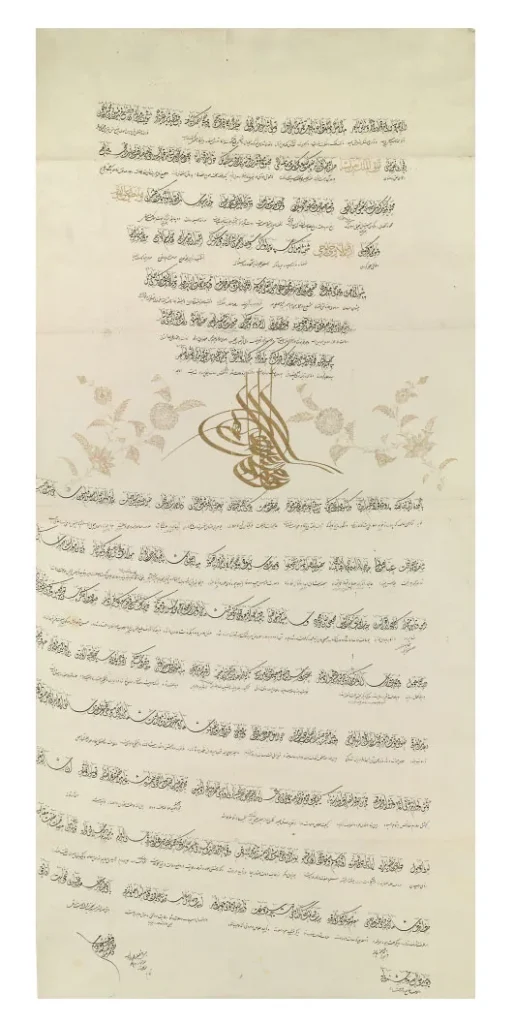
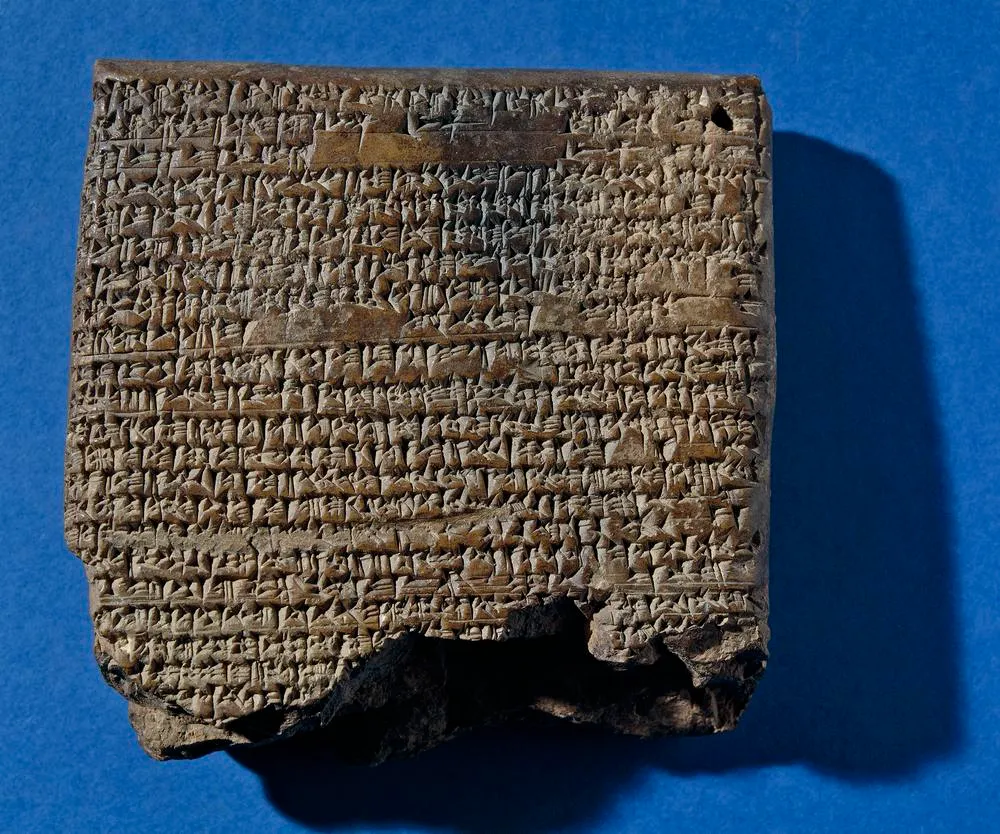
Fabricated or blanket “permits”: Loophole letters from minor officials, generalized references to a “firman,” or broad diplomatic notes sometimes appear in files. These may have been used at the time to persuade a buyer, but they do not satisfy a modern court. A real export permit typically lists the objects, the exporter, the date, and the condition that the items are not of national importance or that duplicates may leave. A blanket note, even if it looks official, rarely transfers ownership.
How do courts in the United States treat foreign patrimony laws?
U.S. courts apply domestic criminal and import statutes in light of foreign ownership laws. Two principles matter.
-
National ownership and theft: When a foreign country has a clear law that vests ownership of archaeological material in the state, U.S. courts can treat removal without permission as theft. Under the National Stolen Property Act, stolen goods moved across state or national lines can be seized and forfeited. The key is that the foreign law must clearly declare state ownership, not merely restrict excavation. Courts then determine whether the object left after that law took effect.
-
Import restrictions: The United States also uses import restrictions under domestic statutes that implement international agreements. These restrict the import of designated categories from specific countries. Violating these import rules can trigger seizure and forfeiture, regardless of a theft analysis.
Buyers sometimes assume that a lack of a police report at the time means no theft occurred. For archaeological material removed clandestinely, the law focuses more on the existence of state ownership and the date of export than on a local theft report. That can feel unforgiving. It reflects the fact that clandestine digging often leaves no individual victim to file a report.
Does good faith protect the buyer?
Good faith can matter in civil disputes, especially for limitation periods, but it does not magically create title in a stolen object. In practice, good faith can influence outcomes through settlement. A buyer who kept records, asked questions, and tried to comply with current standards will often find that authorities and claimants are willing to discuss solutions. By contrast, a buyer who ignored obvious red flags will find little sympathy.
Ethically, museums weigh good faith differently. Many now avoid acquiring any object with gaps in documented history between 1939 and 1970. Even when a court would not force return, an institution may decide the risk is too high, or the ethical case too strong, to keep a piece. Private owners face the same calculus when they try to sell or donate.
What changed in Europe since 2000?
European states tightened rules to reflect a consensus that undocumented archaeological material should not move in the open market. Examples include:
-
United Kingdom, 2003 and 2017: New criminal offenses targeted dealing in tainted objects, and a cultural property act reinforced obligations during armed conflict. The UK also operates a Treasure system that regulates recent finds on British soil, a different issue that still educates the public about reporting.
-
Germany, 2016: The Cultural Property Protection Act strengthened import rules and documentation requirements for certain categories, including archaeological material.
-
Switzerland, 2005: The Cultural Property Transfer Act set import and due diligence standards for Swiss dealers and museums, with bilateral agreements to restrict flows from specific countries.
-
EU, 2019: A regulation created import controls for cultural goods entering the European Union, with phased implementation. Archaeological material faces the strictest requirements.
For collectors used to lighter paperwork, these changes turned routine sales into compliance exercises. For countries of origin, they built a safer environment for heritage that would otherwise flow to hubs with easy import rules.
Why do some collections surface all at once?
Deaths, divorces, and institutional deaccessions expose old files to new standards. A family that never tried to sell a piece discovers that an auction house now requires pre-1970 provenance or documented export. A university that accepted a donation in 1965, with the best of intentions, decides to review its collections and post provenance online. The review attracts scrutiny. As archives move onto the web, images that sat in boxes gain new visibility. Source countries use those images to match objects with photographic dossiers confiscated from smugglers. A handful of high-profile returns prompt the next round of reviews.
The pattern is predictable. A decade of quiet is not evidence of legality. It often reflects the fact that no one has asked difficult questions yet.
What evidence helps answer the hard questions?
Think of a provenance file as a chain. Every link matters. Strong files often include:
-
Excavation records if the object was assigned under partage: field diaries, object cards, shipping lists, and customs declarations.
-
Export permits with signatures, stamps, dates, and itemized descriptions. Photocopies exist, but originals with embossed seals or ministry letterhead carry more weight.
-
Dealer invoices that list addresses, dates, and names of prior owners, not just phrases like “from a private collection.”
-
Photographs of the object in old interiors, with identifiable furniture, books, or newspapers that allow dating. Back-of-photo stamps or postmarks help.
-
Customs and shipping documents that show the date and port of exit, with declared contents.
-
Published references such as auction catalogs, gallery brochures, or scholarly articles that include early photographs or descriptions.
-
Conservation reports that record condition at the time of acquisition, sometimes with photographs taken before cleaning, which can be compared to older images.
Owners who inherit a box of papers should scan everything, keep originals safe, and sequence documents by date. A neat timeline does not invent legality, but it often reveals whether a sale aligned with the rules in place at the time.
What are common red flags?
Several recurring patterns should prompt caution.
-
Gaps between 1939 and 1970 with no documentation at all.
-
Vague origins like “from the Near East” or “Mediterranean region” without a specific country, especially for categories strongly associated with countries that had ownership laws early.
-
Anonymous “Swiss private collection” claims with no address, name, or inventory numbers.
-
Postcards and tourist photos used as stand-ins for ownership proof.
-
Retroactive paperwork such as export permits dated long after a dealer claims the object left its country of origin, or letters written decades after the fact to certify an origin that cannot be checked.
-
Restoration that obscures condition in ways that make it hard to match an object to older photographs.
A red flag does not equal guilt. It signals that the burden of proof will be heavy if the piece is sold, donated, or lent.
Enjoying Spoken Past?
I created Spoken Past to share my love of history. I research, write and develop everything myself, and I want my articles and basic guides to remain free for everyone.
If you enjoy my work, please consider supporting Spoken Past with a small donation.
How did partage shape legal collecting, and why does it not solve everything?
For decades, partage created legal routes for objects to enter museums outside their countries of origin. Excavation sponsors received a portion of finds, subject to host country rules. Many museums still hold large, well-documented partage collections. These cases remain some of the least controversial because they come wrapped in archives.
Partage does not solve every case for three reasons. First, not all finds from partage-era excavations were partaged. Some categories, like royal statuary, were reserved. Second, partage records can be incomplete, and labels can be ambiguous, especially when dig seasons overlapped or objects were reattributed later. Third, partage ended in many countries by mid century, so objects that left later under the guise of partage raise new questions.
What about long-standing disputes over famous objects?
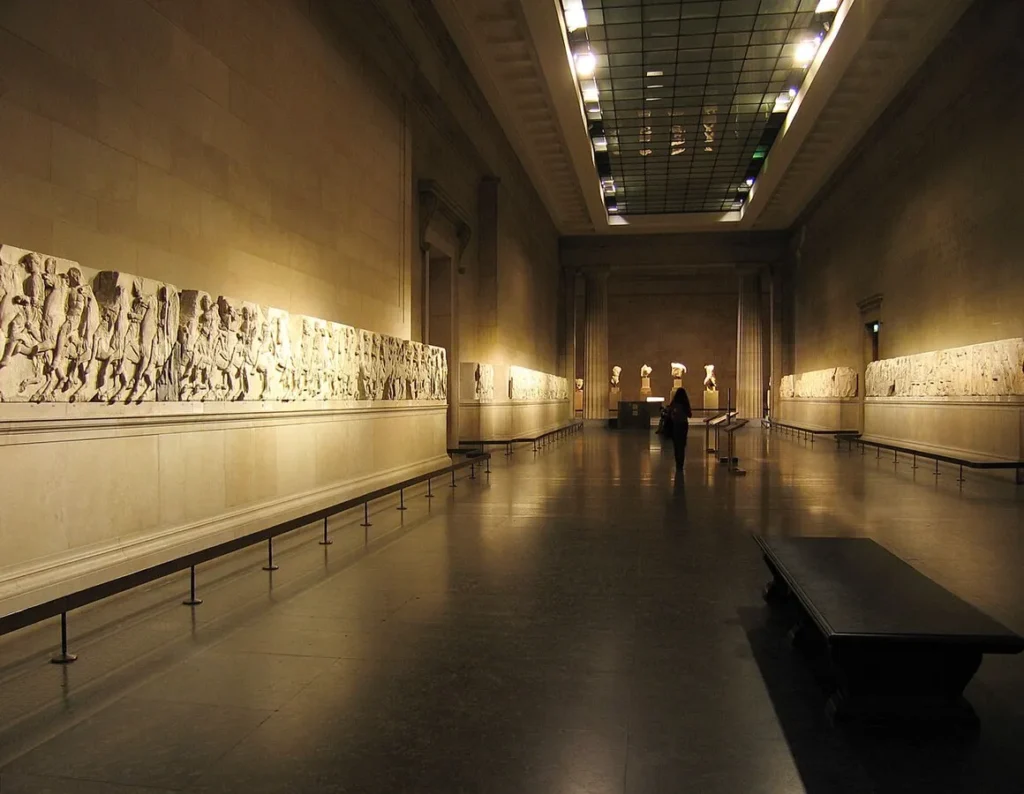
Some controversies involve objects removed in eras when paperwork existed but power was unequal, or when rules were poorly drafted and unevenly enforced. Famous examples include marbles, obelisks, and monumental statues. These cases often turn on questions of consent, the scope of permits granted by imperial or royal authorities, and the meaning of documents called firmans. Courts are not always involved. Diplomatic negotiation, long-term loans, and public dialogue often play greater roles. The legal logics explored in this article still matter in the background, but the front line blends law with politics, identity, and museum policy.
How did the art market change after large smuggling rings were exposed?
From the 1990s onward, police and journalists uncovered photo archives and correspondence that mapped systematic looting and laundering of archaeological material. Warehouses held thousands of images of freshly dug objects, sometimes still dirty, later matched to clean catalog photographs for sale. Dealers’ files recorded false histories assigned to move pieces through neutral hubs. As these revelations emerged, museums tightened acquisition policies, and auction houses demanded longer documented histories. Insurers priced risk differently. Donors noticed that a gift could bring headlines along with a tax deduction. Cases that had once seemed hypothetical gained faces, names, and dates.
How do “statutes of limitations” fit in?
Limitation rules set deadlines for filing claims. In cultural property disputes, the clock can start when a claimant discovers where the object is, not at the moment of theft or illegal export. Some jurisdictions also pause the clock if the possession is concealed. At the same time, courts expect claimants to exercise diligence. A state agency that slept on its rights for decades while an object hung in a public gallery may face equitable defenses. Outcomes vary by jurisdiction and by the facts at hand. Owners should not assume that time alone cures every defect, nor should claimants assume that every old case is still viable. The details matter.
What should a private owner do when faced with a weak provenance?
Practical steps work better than panic.
-
Assemble the file: Gather invoices, letters, photographs, shipping labels, restoration reports, and any scribbled notes. Scan everything. Create a simple timeline.
-
Identify the legal touchpoints: Ask, without assumptions, which country likely produced the object, what the relevant law was at the time of export, and whether any import rules applied at the time the object entered your country.
-
Consult counsel with cultural property experience: A lawyer who understands how courts have read foreign patrimony laws will save time and unnecessary risk. General practice firms often miss nuances about ownership versus export.
-
Seek nonadversarial conversations: Museum registrars, archaeologists, or knowledgeable dealers can often help interpret papers and spot issues. You need not surrender control to ask for informed views.
-
Consider options: If the file is strong, you may be able to sell or donate. If it is weak, you might explore a voluntary return, a long-term loan, or a negotiated resolution that acknowledges problems while preserving family history.
-
Document good faith: Record the steps you took, the people you consulted, and the outcomes. Transparent conduct rarely hurts and often helps if questions arise later.
What do museums expect in 2025?
Most major museums now use acquisition checklists that require:
-
Documented ownership before 1970, preferably much earlier, or proof of lawful export after that date.
-
Identification of any gaps, especially between 1939 and 1945, and between a source country’s ownership law and the first record outside that country.
-
Written vetting by internal committees, sometimes including outside experts, that weigh ethical and legal risk.
-
A willingness to publish provenance online and to correct it as new information emerges.
Even when private owners can legally keep an object, they may find that without documentation they cannot sell to a respected institution or consign to a major auction house. The market rewards evidence.
How do wars and sanctions change the picture?
Armed conflicts create emergency rules to block trade in endangered categories and to prohibit transactions with sanctioned parties. Import bans can be country-specific or tied to wider security laws. Many states also treat removal from an occupied territory as a special offense. In recent decades, emergency restrictions on material from conflict zones added a layer of risk separate from older patrimony laws. A buyer who ignores these rules faces seizure even when a patrimony claim would be hard to prove. Paperwork that predates a conflict helps. Claims that a piece came out “before the war,” without records, do not.
How we know: sources and methods behind ownership histories
Reconstructing an object’s path uses tools from archives, archaeology, and law.
-
Archives and ephemera: Auction catalogs, dealer stock books, correspondence, and customs documents often survive in museum archives or family papers. Librarians can help match a dealer’s letterhead to an address and date range. A long-closed shop may still be traceable through city directories.
-
Imaging: Conservators document tool marks, restorations, and joins that can be matched to old photographs. In some cases, ultraviolet or infrared imaging reveals earlier states of the surface that confirm a match to an archival photo.
-
Scholarly corpora: Many categories, from Attic vases to cylinder seals, have published or online corpora with early photographs. A match to a 1930s image can anchor a pre-law presence.
-
Legal databases: Ownership outcomes sometimes hinge on how a court read a particular country’s statute. Lawyers consult case law that interprets foreign ownership provisions, import rules, and limitation statutes. Summaries often clarify how judges weigh good faith, concealment, and delay.
-
Law enforcement records: When police seize traffickers’ archives, photographs circulate to scholars and claimants. Comparing a polished auction photo to a muddy warehouse shot can transform a hunch into a documented match.

What should heirs know when they inherit a mixed collection?
Heirs inherit not only objects but also responsibilities. A few practical rules help.
-
Do not rush to sell: Inventory the collection. Separate items with obvious provenance from those with thin files. A rushed consignment invites mistakes.
-
Do not destroy old frames or mounts: Handwritten labels, customs numbers, and transport stickers carry information. Photographs of objects on shelves in the 1960s can be more persuasive than an unsigned “from an old collection” note.
-
Keep objects together until files are reviewed: Breaking apart groups can erase context that is valuable for both research and law.
-
If in doubt, freeze movement: Moving an object across a border can create new legal problems. Assess first.
-
Work with institutions that will help you document: University museums and larger public institutions often assist with research even when they are not acquiring anything. Knowledge reduces risk.
What can a careful dealer or auction house do to avoid trouble?
Many already do the right things. Best practice looks like this:
-
Demand a full provenance narrative, not just a few names. Ask for documents, not stories.
-
Review export control lists and embargoes relevant to the categories you handle.
-
Set internal cutoffs that are more conservative than the minimum legal standard. For example, require pre-1970 documentation or post-1970 export permits for archaeological material.
-
Use independent checks such as lost art databases or lists of items known to be stolen from museums or storerooms.
-
Publish provenance in catalog entries, including gaps and uncertainties. Transparency protects reputation and invites corrections before a sale, not after.
-
Train staff to recognize the difference between a real permit and a letter of convenience. Encourage them to escalate concerns.
Common myths and careful answers
-
Myth: If a museum accepts a donation, the title must be clear.
Museums can make mistakes. Acceptance often reflects a balance of risk at a moment in time. Many institutions now reevaluate older gifts and will correct records or return items when better information appears. -
Myth: My family bought this in 1968, so it is legal.
The relevant date is the date of excavation and export relative to a country’s ownership law. If the source country owned the object in 1968 and no permit exists, the sale may have transferred possession without title. -
Myth: A letter from an official decades later proves export.
Retroactive letters rarely satisfy a court. Valid export permits normally date from the time of export and list objects specifically. Blanket notes or vague references to firmans rarely create title. -
Myth: Good faith equals ownership.
Good faith helps in some civil contexts, but title cannot come from a seller who lacked it. Good faith plus strong evidence can persuade a museum or a court. Good faith without evidence convinces few people. -
Myth: After 1970 everything is illegal, before 1970 everything is fine.
The 1970 date is an ethical and practical benchmark. It helps focus on documented histories. It does not determine legal title by itself. -
Myth: If no one complains for decades, the object is safe.
Limitation rules are complex. Some start when a claimant discovers where the object is. A lack of complaint often reflects ignorance, not consent.
A step-by-step playbook for owners
If you own or inherit an antiquity and want to handle it responsibly, this sequence serves most cases.
-
Build a timeline. List every document and photograph by date, with a one-line description. Include dealer names, addresses, and any contact details on the paper.
-
Compare dates with likely source-country law. Note when that country asserted state ownership and when export controls began. If your object’s first appearance outside the country is after that law, highlight it.
-
Identify and fill gaps. Contact former dealers, their heirs, or institutions that might hold stock books. Many will help, especially when you show your existing file.
-
Get a conservation photo set. High-resolution images of the object from all angles, including under UV if relevant, can be matched to older photos and can reveal joins that tie multiple fragments to a documented piece.
-
Ask a museum registrar or archaeologist for a quiet read. Many will give informal feedback on whether the file looks strong, weak, or fixable.
-
Document your diligence. Keep a log of calls and letters. Save emails. Record what you learned and when.
-
Choose a path. A strong file supports a sale or donation. A mixed file may support a loan or a negotiated resolution. A weak file suggests a pause, research, or voluntary return.
No one can guarantee an easy outcome. Clarity, patience, and good records improve the odds.
Why a sale can be legal one year and illegal the next
This is the paradox that worries owners. Laws rarely act backward, but several real-world shifts can flip the risk calculation.
-
Discovery of earlier law: A buyer learns that a source country asserted ownership decades earlier than they assumed. What looked like a simple purchase now looks like receipt of state property without permission.
-
New import controls: A destination country imposes import restrictions on specific categories. An object that was quietly held becomes hard to sell or even move.
-
Uncovered evidence of illicit origin: A newly public archive reveals a warehouse photo of the same object covered in soil in the 1970s, the same era the dealer claimed a European private collection already owned it.
-
Institutional policy change: Museums adopt stricter acquisition rules, which lowers market demand for objects with gaps. The market responds by treating those objects as unsellable at reputable venues, even if no court action is taken.
-
Sanctions and conflict rules: A piece from a conflict zone cannot be purchased or imported regardless of its paperwork without additional verification. Buyers step back.
These changes do not alter what happened in the past. They do change who is willing to touch the object today, which, for most owners, matters as much as a courtroom.