



Latest Articles
Fresh entries from across the site, presented with a clear lead story and supporting reads.

Pozzino Shipwreck: A Greek Doctor’s Toolkit at Sea
Pozzino shipwreck medical kit revealed: tin pyxis with eye tablets, mortarium, boxwood vials, and a bronze cupping cup from a Greek doctor working at…

Uluburun Shipwreck: Copper, Tin, and Bronze Age Trade
Uluburun shipwreck reveals a Late Bronze Age network: copper oxhide ingots, tin, glass, resin, and luxury goods linking Cyprus, the Levant, Egypt, and the…
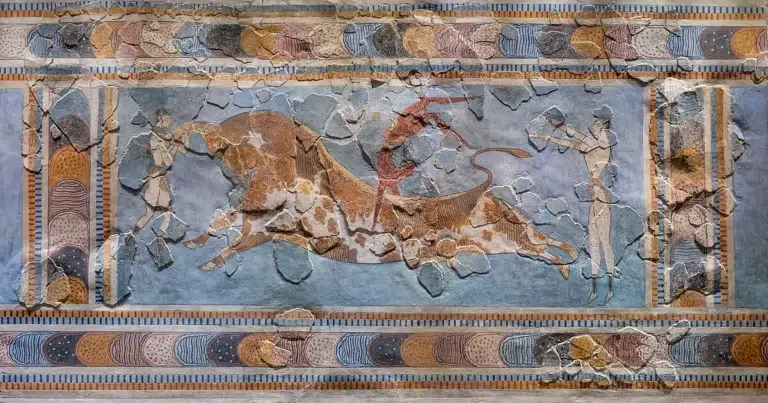
Minoan Bull-Leaping at Knossos: Sport, Ritual, Risk
Bull-leaping on Bronze Age Crete wasn’t a monster’s maze. At Knossos, trained athletes turned danger into sport, ritual, and spectacle—human skill working with a…

Elagabalus: The Meteorite Cult That Sparked Civil War
Elagabalus meteorite cult moved from Emesa to Rome, 218–222. Coins, archaeology, and hostile texts show how a sacred stone on the Palatine helped spark…

Proto-Indo-European Myth: The Roots of Zeus and Odin
Long before Zeus, Odin, and Jupiter, singers spoke of a Sky Father, a storm champion, radiant twins, and a dawn goddess.
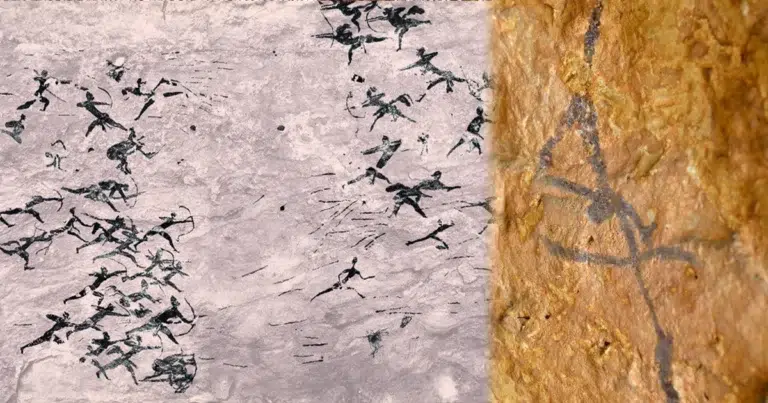
Prehistoric Warfare: Evidence Against the Noble Savage
Archaeology shows prehistoric warfare evidence across skeletons, sites, and rock art—from Jebel Sahaba and Nataruk to LBK mass graves and Tollense—challenging the ‘noble.

The Golden Ass: A Donkey’s-Eye View of Roman Life
The Golden Ass shaped ancient history through tactics, politics, and survival. The evidence shows how the subject worked in practice.
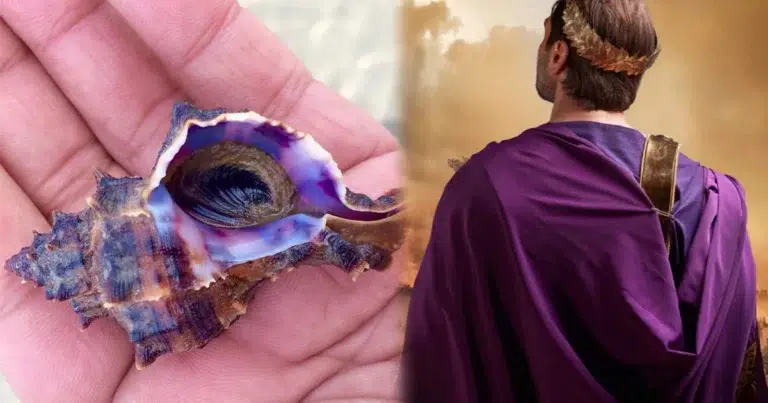
Tyrian Purple: The Roman Dye Made for Royalty
Tyrian Purple cost its weight in gold. Romans banned commoners from wearing the sacred dye extracted from over 10,000 snails.
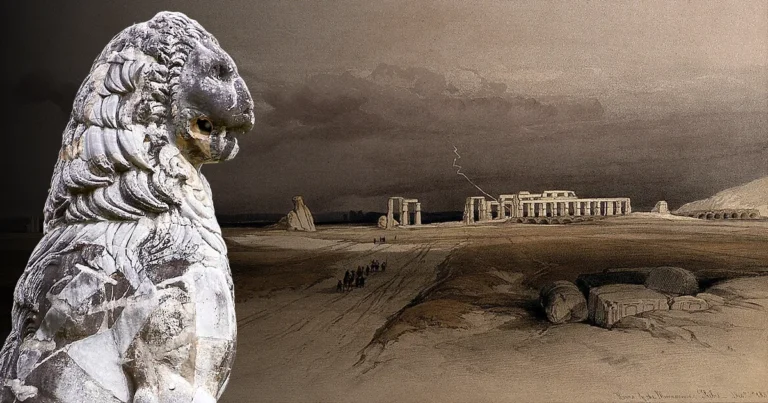
The Sacred Band of Thebes: 150 Male Couples in Battle
Three hundred Thebans stood as 150 male couples. The Sacred Band trained as pairs for steadiness at the hinge of a fight, broke Sparta…

The Khopesh: Egypt’s Sickle-Sword for Hooking Shields
The khopesh was a forward-curved Egyptian sword built to hook shields and control enemies. Its shape made it more than a blade.

Why Ovid Was Exiled to Tomis in 8 CE
Why Ovid was exiled to Tomis in 8 CE comes down to a poem and a mistake. Set Ars Amatoria against Augustus’ moral laws…
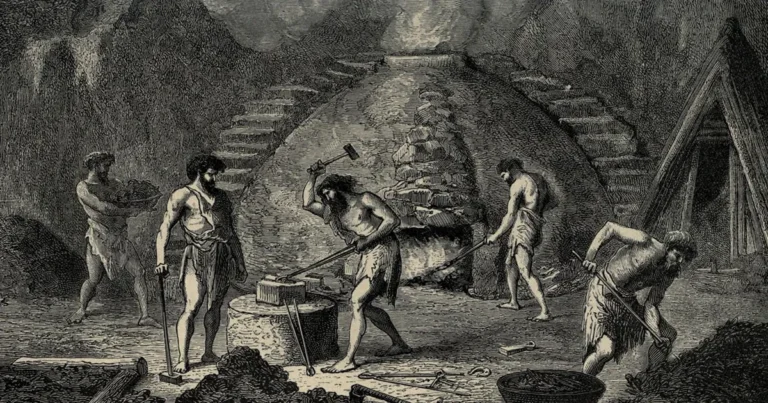
Hallstatt Salt Mines: How Salt Shaped Celtic Europe
The Hallstatt salt mines, worked continuously since 1500 BCE, supplied the preservative that made long-distance trade, elite feasting, and Celtic exchange networks possible.