

Latest Articles
Fresh entries from across the site, presented with a clear lead story and supporting reads.

Jötunheim: The Norse Land of Giants
Jotunheim, the land of giants in Norse myth: Ironwood, Ifing, Útgarðr, kinships with the gods, and the jötnar’s role from primeval frost to Ragnarök.

Ambush Mathematics: How Ancient Armies Planned Traps
Ambush mathematics explains how terrain and timing let small forces beat larger armies, with cases from Trasimene, Teutoburg, and the Sabis.

Greek Curse Tablets: What People Wrote to the Gods
Greek curse tablets were lead sheets with binding spells for court, love, and rivals. See how they worked, what people wrote, and where they…

Sextus Julius Frontinus: Rome’s General of Aqueducts
Sextus Julius Frontinus served as Roman general, augur, and curator aquarum. De aquaeductu and Strategemata reveal a career of war, water, and order.
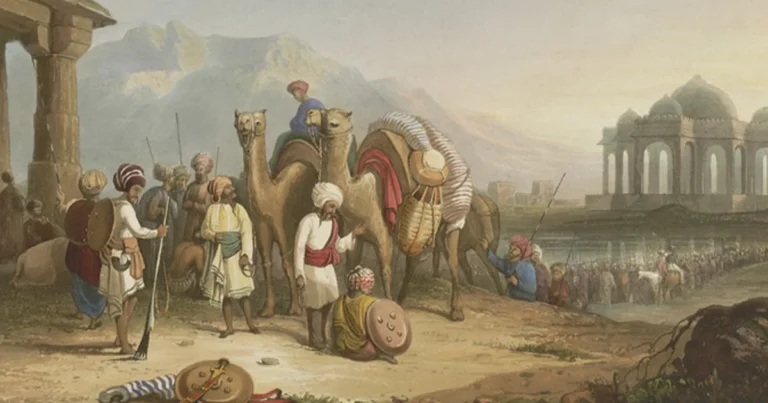
What Did Ancient Travellers Pack for a Long Journey?
What did ancient travellers pack for a long journey? Cloaks, wax tablets, fire kits, rations, tools and papers—a practical kit for travel in antiquity.

Roman Mile Markers: How Roads Measured Empire
Roman mile markers recorded distance, authority, and repairs on imperial roads. See how milestones worked, what they said, and how Rome kept roads running.

Zeus: Storm-King of Olympus and Aegis-Bearer
Zeus rules sky, thunder, and law as Storm-King of Olympus. His symbols, myths, and consorts reveal a god far more complex than his thunderbolt.

Ancient Temple Accounts: How Priests Paid for Festivals
Follow a festival week from the scribe’s ledger—ostraca, papyri, and tablets reveal temple budgets for animals, incense, oil, wages, and processions across antiquity.

Alexander the Great: Life, Campaigns, and Legacy
Alexander the Great: from Macedon to India—Granicus, Issus, Gaugamela, Hydaspes; cities, coinage, and policies that forged the Hellenistic world.
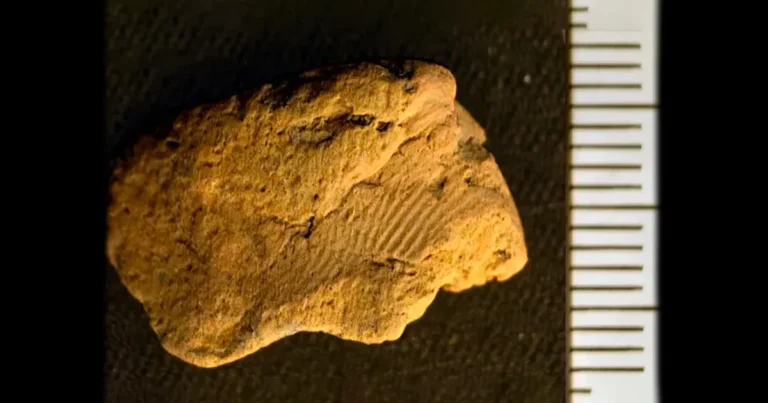
Kiln Fingerprints: How Ceramics Reveal Their Origins
Archaeologists read kiln fingerprints through fabric, XRF, NAA, and isotopes, tying ancient pottery back to specific clay sources and workshops.

Julius Caesar: Life, Wars, and Legacy
Julius Caesar: from Subura to dictator—Gallic conquests, the Rubicon, Cleopatra, the Julian calendar, and the Ides that reshaped Rome.
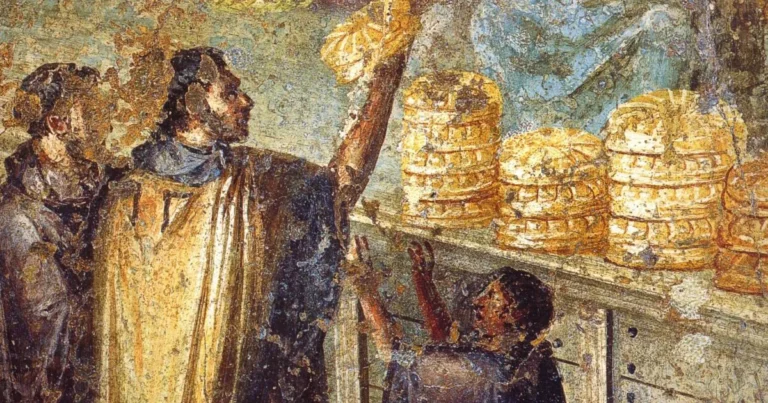
Annona and Grain Doles: How Rome Fed a Million People
Annona and Grain Doles: how Rome fed a million—African and Egyptian wheat, Portus and horrea, tesserae tokens, and Aurelian’s bread politics.