Table of Contents
Poseidon in the Greek pantheon
In Greek myth, Poseidon stands beside his brothers as a principal power who shapes how humans meet the sea. Stories present him as a god whose decisions and moods alter coasts, harbors, and the firmness of the earth itself. When ships launch or tremors trouble a city, the narrative imagination often moves to him first. His presence is neither peripheral nor occasional, rather it is a steady force that appears wherever Greeks speak about travel, boundary, or the restless strength of water.
Position among the Olympians
Poseidon belongs to the first rank of Olympians, a peer to Zeus and Hades. He attends councils, sends signs, and receives sacrifices at great sanctuaries. Poets treat his authority as real and immediate. He does not dwell under another’s shadow. When the gods divide responsibility, Zeus governs the sky, Hades the underworld, and Poseidon the sea. That division gives him a stable place in stories, a realm that needs daily attention because people depend on crossings, fishing, and coastal trade. Yet he also ranges beyond his main sphere. He can harden or loosen the earth, a power that brings him into the lives of farmers and city dwellers. In assembled scenes on Olympus, he speaks with the weight of a senior god whose favor can change outcomes.
Relationship to Zeus and Hades
Zeus, Poseidon, and Hades are brothers who rose to rule after the fall of the Titans. Their bond includes rivalry, negotiation, and practical cooperation. Zeus often asserts a final word, but Poseidon can press his case and act according to his judgment, especially at sea. With Hades, the relationship is cooler and more distant, since their spheres meet only at the edges of fate. Stories emphasize the necessity of all three. When earthquakes occur, they are not Hades breaking bounds or Zeus showing wrath, they are Poseidon asserting force beneath the crust. When thunder travels over water, Zeus’s sign appears above a realm that Poseidon governs every day. The three together express a cosmos ordered by separate domains that must still work in alignment.
Stewardship of seas rivers and earthquakes
The sea is not a single texture in Greek myth. It holds calm bays and dangerous straits, deep channels and shoals. Poseidon manages all of it. Rivers fall under his reach when their flow and mouths affect navigation or coastal life. Springs linked to salt or brackish water can be his signs on land. Earthquakes, the shudders that crack walls and shift harbors, are his direct actions. This portfolio gives him a practical face. Sailors pray to him for smooth passage. City officials make vows during seismic swarms. Fishermen mark his days with thanks when a season treats them well. The mythic economy recognizes that human safety near water depends on a will that must be respected.
Boundaries between sea and land
Beaches, promontories, and estuaries are places of decision. There the sea meets the human project of building, farming, and traveling. Poseidon stands at these margins as guarantor and challenger. He can raise a sandbar that protects a cove or send waves that erase a road. He can flood low fields or retreat and reveal fertile flats. Stories present him as a boundary enforcer who reminds cities that the line between solid and shifting is never final. When people acknowledge the limit and work with it, offerings succeed. When they forget, Poseidon’s signs return them to the realities of coasts, winds, and depth.

Names and epithets of Poseidon
The god’s many names show how people understood his scope. Epithets appear in hymns, dedications, and stories, and each concentrates a function. Some stress the sea, others the earth, others horses or civic protection. A single god bears these diverse titles because his powers touch many needs. When a city invokes him as protector of harbors, he is the same power that a rural shrine seeks for springs and tremors, only named for context.
Common cult titles in Greek sources
Major cult titles include Earth shaker and Lord of the sea, names that present him as both mover of the ground and keeper of waters. Coastal towns honor him as Savior when storms pass by without harm. Island communities call him Holder of the land because reefs and bars stabilize their shores. Horse related titles, such as Horse lord, appear where breeding and racing matter. The titles are not empty honor. Each summarizes a bargaining point between people and the god, a reason to offer and a claim on help.
Sea lord and earth shaker meanings
Sea lord points to jurisdiction, the right to set conditions at the surface and the deep. Earth shaker points to immediate power that can unsettle foundations. Together they make clear that he is not a minor wave spirit but a comprehensive authority. When poets combine them, the effect is a single figure whose hand on the trident can both lower winds and start a quake. The two titles also explain why his sanctuaries appear on high headlands and inland ridges. From those points, citizens acknowledge him as the one who binds land and sea into a workable whole.
Regional epithets and functions
Regions give him their own emphasis. In Boeotia he receives honor at a sanctuary that served as a meeting ground for communities who shared plains and rivers. In Attica, shrines on capes frame important sailing routes and civic myths. In the Peloponnese, where two seas and an isthmus tighten movement, his titles reflect control over narrow waters and horse culture. Island sanctuaries speak to the constant need for safe return. Regional epithets are maps of local experience, recording what matters to the people who address him.
Linguistic notes on the name
The name Poseidon appears in different dialect forms, and debates about its earliest meaning go back to antiquity. Some ancient explanations link it to a word for husband or lord, others to earth or a form connected with water. Certainty is not possible, but stories agree on his scope. The name becomes meaningful through repeated use in hymns, prayers, treaties, and oath formulas. Across dialects and centuries, Poseidon remains the word speakers need when they talk about control of sea paths and the quivering strength beneath soil.

Birth and early upbringing
The birth stories situate Poseidon in the family drama that precedes the age of the Olympians. They tell of danger at the beginning, concealment, and survival. The pattern matches the experience of other divine children whose growth threatens an older ruler. These accounts are not biographical notes, they are mythic arguments for why the current order exists.
Parentage from Kronos and Rhea
Poseidon is son of Kronos and Rhea. This places him among the siblings who will replace their father’s generation. The lineage explains his capacity, since children of Titans inherit strength that reaches across the physical world. It also explains why he has a claim to a share of the cosmos after the revolt. He is not an outsider who gains rank through marriage or favor. He is a direct heir who can demand his portion.
Swallowing and concealment traditions
Kronos swallows his newborn children to prevent succession. Some strands of tradition include Poseidon among the swallowed, later released when Zeus forces the disgorging. Other strands tell of Rhea hiding Poseidon and giving Kronos a substitute. Both forms make the same point. The god survives a devouring father, and his survival signs the failure of a fearful plan. Concealment stories also tie him to particular places where Rhea or helpers hide the child, weaving local landscapes into the panhellenic narrative.
Early guardians and locales
Myths name different guardians for the concealed child, sometimes nymphs, sometimes communities that later claim special ties. These stories allow shrines to say that the god first knew safety or nourishment there. They also anchor the god’s character in habitats near water, caves, and rugged tracts. The early locales match his later concerns. A child protected near springs and sea caves becomes a ruler who understands such places as his own.
Childhood traits in myth
Stories about divine childhoods give clues to adult temperament. For Poseidon, early anecdotes show sturdiness and a direct nature. He acts quickly rather than slowly weighing options. He learns to ride and to handle creatures of the water. These hints prepare the listener for a god who will later take charge of storms, horses, and the set of the seabed. They also humanize him without cutting his divine scale, since even a god can have a sequence of first abilities.

Liberation and division of realms
After concealment and release comes revolt and settlement. The new gods free themselves and then allocate the world so that each domain has a caretaker. This settlement is not a treaty that ends contact among rulers, rather it is a plan that helps stories remain coherent as gods act in their spheres.
Theomachy and freeing of the siblings
Theomachy, the struggle against the older order, gathers allies and unleashes the powers of the new gods. Poseidon’s role is part of a coordinated effort that includes the release of formidable helpers who shift the balance. The point is not that Poseidon alone overthrows the Titans, but that his presence is essential in a coalition that understands how to sustain a long fight. His strength is maritime and tectonic, both useful when the very frame of the world must be shaken into a new form.
Lots for sky sea and underworld
When victory is complete, the brothers draw lots. Sky, sea, and underworld become distinct realms with assigned heads. The lot assigns the sea to Poseidon. The process matters. It shows that force gives way to apportionment, that after the storm of revolt comes a lawful distribution. The lot deflects jealousy. Each brother can say that chance and divine justice, not favoritism, set his post. Poseidon’s acceptance of the sea as his main charge keeps future cooperation possible.
Gifted weapons and aids
Gifts from grateful allies and skilled makers follow the victory. Poseidon receives instruments that suit his tasks. The trident becomes both a weapon and a practical tool. He also gains sea creatures that answer his commands, teams that pull his chariot, and companions who know currents and reefs. These aids are not mere ornaments. They allow him to act quickly when a storm threatens a fleet or a quake threatens a town. The iconography of the god keeps these gifts in view so that worshipers recognize him on sight.
Establishing rule over the waters
With domain and tools in hand, Poseidon sets order at sea. He calms when needed and raises when just. He shapes sea lanes so that skill can find safe passage. He accepts offerings and makes himself present at headlands and island shrines. Establishing rule at sea also includes managing rivers that pour into it. When inland floods affect harbors, he is implicated. His rule is visible wherever the sea touches human plans.

- Title (SEO): Isthmia Temple of Poseidon archaeological remains
- Link: https://commons.wikimedia.org/wiki/File:Temple_of_Poseidon_at_Isthmia,_202747.jpg
- Alt: Ruins of Poseidon’s temple complex at Isthmia
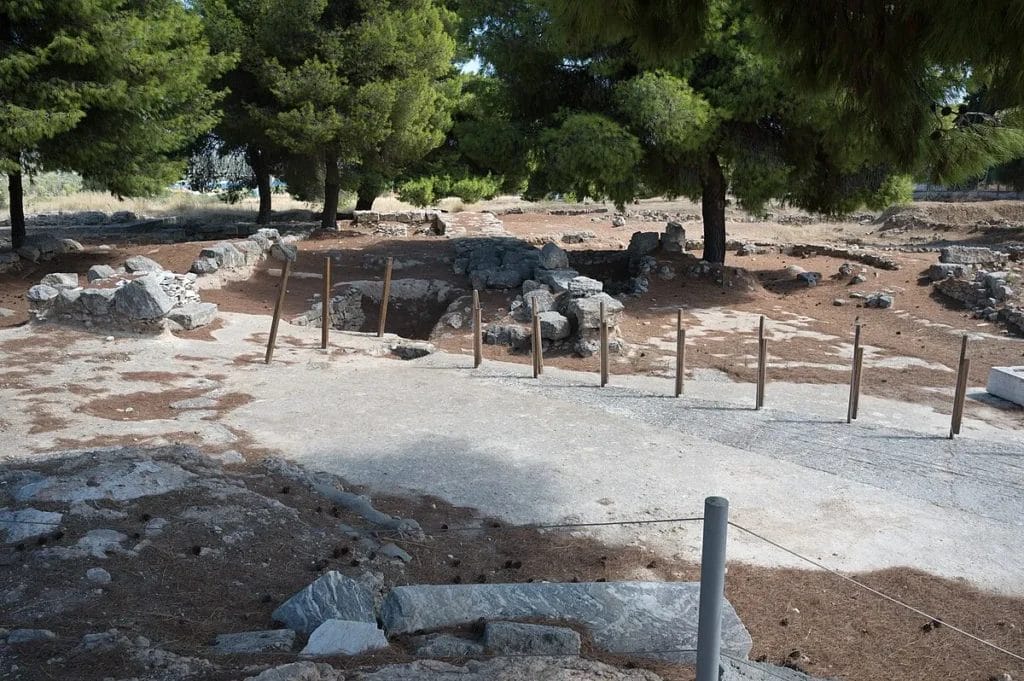
- Description: View across the sanctuary of Poseidon at Isthmia showing remains from multiple building phases. Source: Wikimedia Commons.
Powers symbols and attributes
To know a god in Greek myth is to name the signs by which he acts. Poseidon’s powers appear in gestures and outcomes that ancient audiences could picture. His symbols carry meaning because they summarize repeated stories and familiar cult practice.
Trident functions and imagery
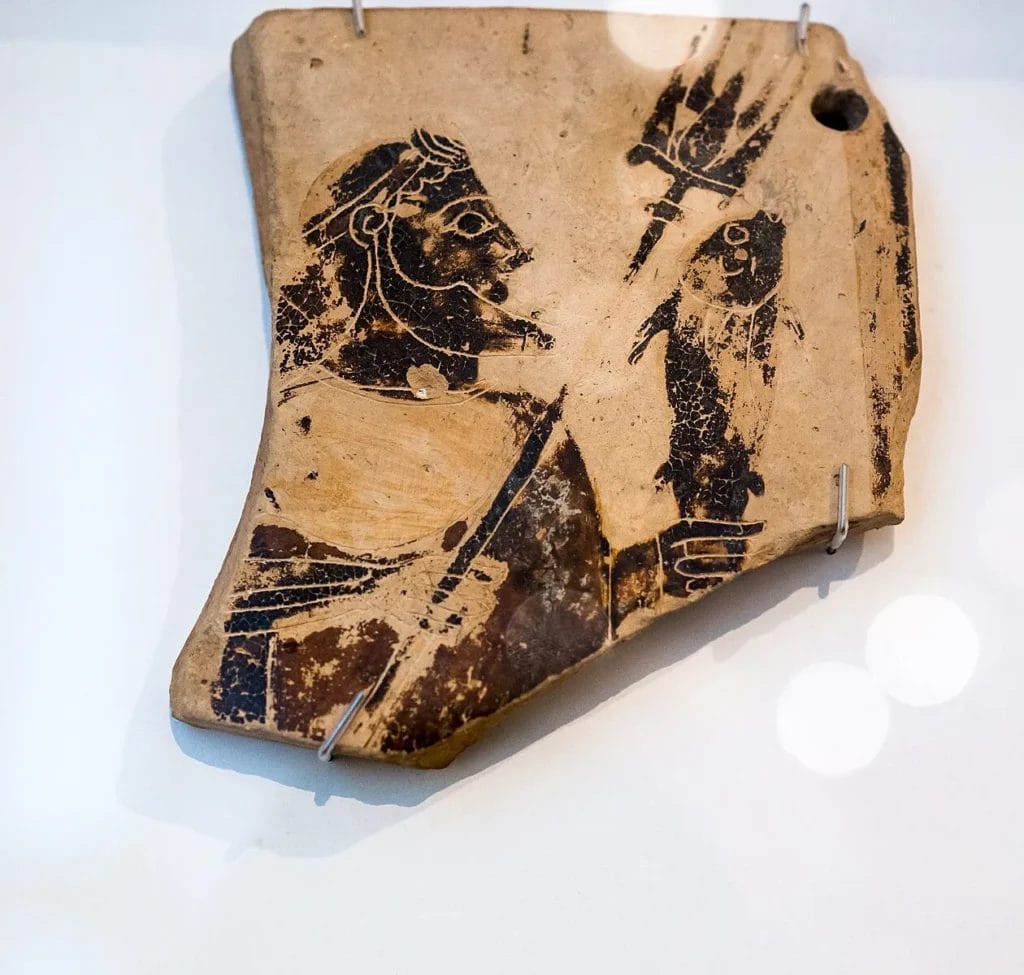
The trident pierces, pries, and signals command. In stories it strikes rock and draws forth water. It can break a cliff or quiet waves. Artists show the prongs slender and long so that the stroke looks precise rather than clumsy. The tool reads as both fisher’s implement raised to a cosmic scale and as a scepter of marine sovereignty. When the god lifts it, listeners expect change in the state of sea or earth. It is also a boundary mark. On mosaics a trident near an anchor or dolphin declares that the scene belongs to Poseidon’s control.
Control of waves storms and quakes
A storm at sea can begin or end with a nod from Poseidon. He is not the wind itself, yet he commands the mix of elements that produce swell, chop, and rolling seas. He can flatten waves to help a hero land or steepen them to block a voyage. On land, he loosens the ground. The image of a city shaken by his advance captures the shock of an earthquake. The god’s control is not constant agitation. It is the right to set the condition that matches justice or favor at a moment.
Horses chariots and sea creatures
Poseidon’s chariot runs over the water on teams drawn by extraordinary creatures. Hippocamps, with horse foreparts and fish tails, and powerful sea horses appear beside him. The connection between sea god and horse comes from several lines of thought. Horses share the strength and danger of waves. They also belong to racing and war, fields where sudden surges decide outcomes. Rites for horses in some regions strengthen the bond. When people breed, train, and wager, they look to Poseidon as patron of speed and control.
Tokens and signs in narratives
Beyond major symbols, smaller tokens identify him. Dolphins near a stern, a flowing spring that tastes of salt inland, or a bull that emerges from surf can signal his involvement. Treaties and oaths can call him as witness, and that legal language becomes a token in stories where a promise needs weight. When a hero swears by Poseidon, the audience understands that sea and ground both stand as guarantors. Such signs let poets bring the god on stage in quick strokes that any listener can recognize.
Sacred animals plants and objects
Association binds a god to living beings and materials that share qualities with his work. Poseidon’s sacred animals and objects make his presence visible at shrines and in stories that move through pastures, coves, and city squares.
Horse dolphin and bull associations
Horses express speed, stamina, and dangerous beauty, traits that Greeks saw in the sea’s changeable surface. Dolphins, friendly to ships in many tales, swim as Poseidon’s companions. Bulls connect to strength and surge, to the roar and push of a breaker. Each animal fits a different angle of the god’s identity. In regions where horse culture is prominent, Poseidon receives attention as master of studs and races. In island towns, dolphin images mark bringing-in ceremonies and safe returns. Bulls appear in coastal rites and legendary contests where power must be proved.
Springs wells and saltwater markers
Salt springs inland are signs of Poseidon’s reach. When a trident strike produces water on a hill or near a city wall, the salt taste tells who gave it. Wells near coasts that turn brackish with storms can become places of offering. Markers such as anchors or tridents carved on stones declare a place under his care. These small features combine engineering with reverence, since managing fresh and saltwater is a daily concern in many settlements.
Trees and plants linked to cult
No single tree belongs to Poseidon as the olive belongs to Athena. Yet coast pines on headlands and groves near springs can be dedicated to him. Plantings around a sanctuary stabilize soil and frame processions. In some local traditions, wreaths woven from coastal plants mark participants in his rites. The point is practical dignity. Trees hold the ground that the god shakes. Their roots keep paths and steps in place, and so the planting itself becomes a form of honor.
Votive objects and dedications
Mariners offer anchors, miniatures of ships, and plaques naming safe landings. Horsemen present bridles, bits, and sculpted horses. City officials inscribe steles recording vows made during tremors. The variety of votives shows how many aspects of life fall under his oversight. Each object becomes a story in material form, a record of danger passed and favor granted. Sanctuaries that accumulate such items turn into museums of gratitude, teaching visitors what the god can do.
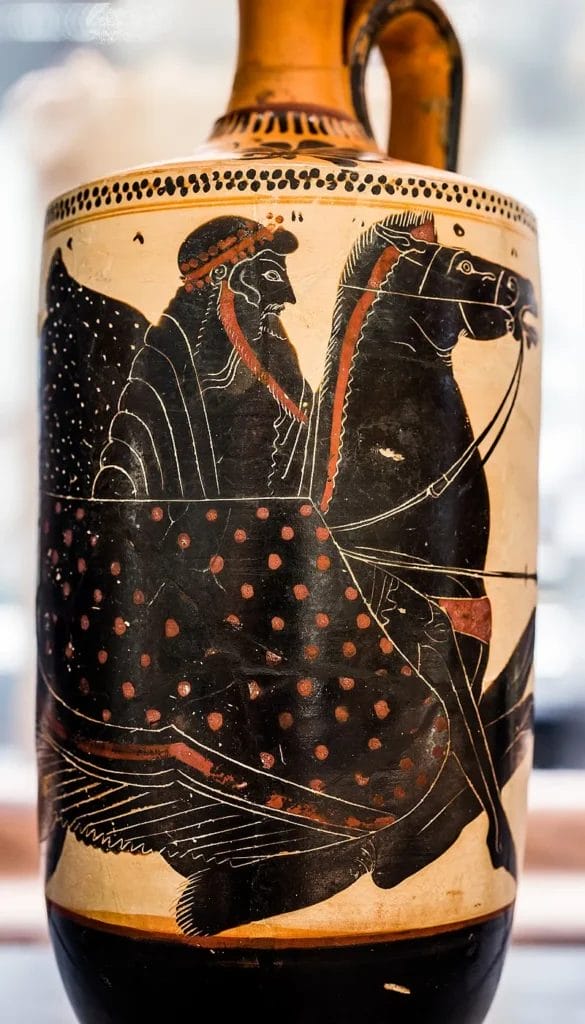
Sanctuaries and centers of worship
Sanctuaries anchor the moving figure of the god. They give ritual structure to the sea’s unpredictability and the earth’s shiver. Set on capes, isthmuses, and inland crossings, they mirror the geography of travel and exchange. Their histories show how communities place their trust and negotiate with risks.
Isthmia and the Panhellenic setting
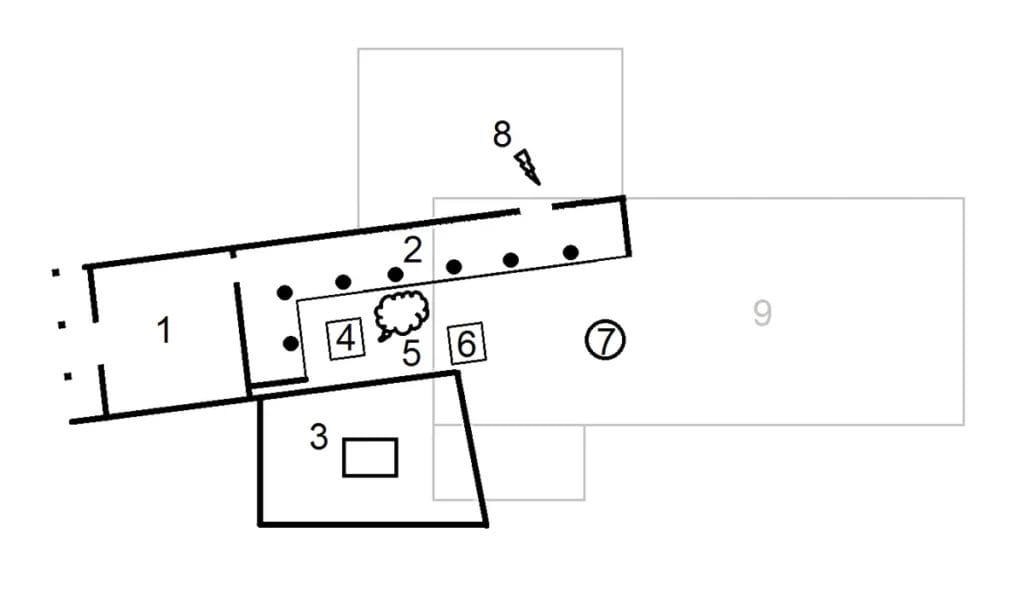
At the Isthmus, a sanctuary of Poseidon stands at a chokepoint between gulfs and peninsulas. The site serves both local needs and wider gatherings. Festivals and contests bring people from many cities to honor the god who oversees passages on land and sea. The setting makes exact sense. Ships and caravans funnel through the narrow ground, and so offerings and games assert a shared dependence on the god who holds the line between waters. Over long centuries the sanctuary changes in form, yet the logic of its placement endures.
Onchestos and Boeotian focus
Onchestos in Boeotia appears in epic verse as a grove dear to Poseidon. The place becomes a regional focus where communities seek common ground. Rivers and plains require coordinated management, and a sanctuary at a well known location gives that cooperation a sacred frame. In later accounts, speakers remember processions and rites that join neighboring peoples in honor of the god. Onchestos shows how an inland sanctuary can belong to a god of the sea because his authority extends to river mouths, marshes, and the stability of roads across wet ground.
Cape Sounion and Attic practice
On the cliff at Sounion the Doric temple stands above sea lanes that carry food, timber, and passengers. Athenians mark the cape with monumental stone so that sailors see a sign of protection and a reminder of duty as they pass. Offerings and rites at Sounion weave maritime life into the civic calendar. The sanctuary also functions as a lighthouse of identity, visible to those leaving and returning, a promise that the god who watches the headland can watch their hulls.
Island shrines and coastal caves
Across the islands, smaller shrines and caves hold local cult. Fishermen and pilots ask for steady weather and fair drift. Caves provide resonant chambers where the pulse of the surf sounds like a living voice. These places are modest, yet their steady use over years gives them weight equal to great temples. They teach that Poseidon’s presence is not restricted to famous stones. A single good anchorage that saves boats from a sudden northerly wind can be as sacred as any colonnade.

Relations with other gods
Poseidon’s relations with other gods shape civic myths and narrative arcs. He can ally, compete, or retaliate, yet he remains part of a system that requires mutual recognition. Rivalries become creative frictions that found cities and set customs. Alliances show how spheres overlap.
Alliance and tension with Athena
The contrast with Athena is classic. She represents ordered craft, law within the city, and olive growing. He represents the power of water and earth that can help or undo the city. Their famous contest at Attica frames a choice of gifts. The salt spring and the olive tree stand as symbolic alternatives, yet in practice both are necessary. The ongoing rivalry becomes a ritual balance that keeps Athens mindful of good seamanship and prudent building. In stories, Athena’s counsel and Poseidon’s force appear as complements, even when they collide in mythic legal scenes.
Bonds with Apollo Artemis and Hera
With Apollo, Poseidon shares moments of cooperation when building walls or serving a mortal ruler, episodes that show divine labor as a model of order. With Artemis, a huntress of wild places, he meets in the shared love of difficult ground and sudden power. With Hera, who guards cities and marriages, he has a relationship defined by care for communities from different angles. These bonds keep the Olympian world coherent. Gods with differing aims find ways to coauthor outcomes, so a wind that favors a voyage can align with a healing or a safe childbirth.
Connections with Hermes and Dionysus
Hermes as messenger and guide of travelers intersects with Poseidon wherever journeys start or end. Waymarks, harbors, and ferries belong to both. Dionysus brings the sea into his sphere through stories of rescue and transformation on ships. Sailors call on both when winds shift and cargo must be protected. The connection also appears in art where dolphins and vines meet on hulls. Poseidon’s gravity and Dionysus’s joyful force can jointly ensure that a crossing ends in song rather than lament.
Conflicts with Helios and other deities
Conflicts arise when rights over land and water are disputed. With Helios, who represents the unblinking sun and distant seeing, Poseidon contests for control of a place or the honor of a people. Such quarrels produce judgments by assemblies of gods or by impartial arbiters. The point is not divine pettiness. It is the dramatization of civic choices about where to build, how to apportion resources, and which gift to prize. When Poseidon loses a verdict, he does not vanish. He becomes the rival whose presence keeps the victors honest, a useful tension.
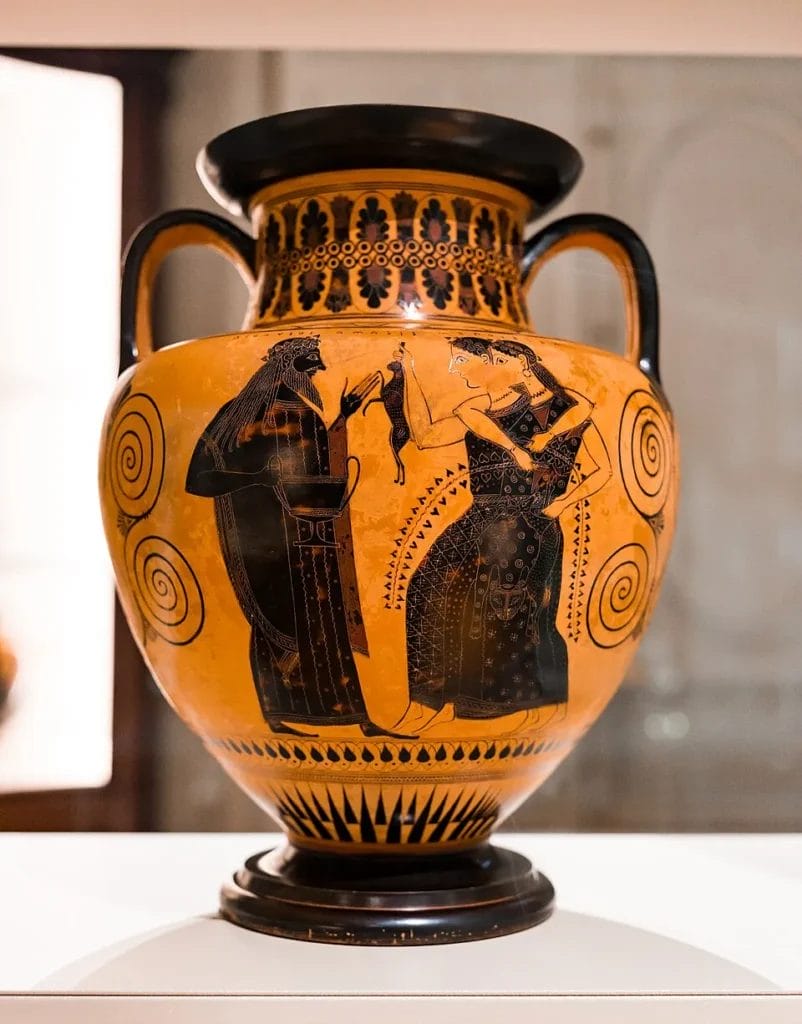
Built out of a love for history, kept free from distractions.
Spoken Past is an independent project shaped by curiosity, care, and long hours of research. Reader support helps keep it ad-free, sponsor-free, and open to everyone.
Poseidon in epic tradition
Epic poetry gives the god a strong narrative presence. He appears as a father to some heroes, an adversary to others, and a judge of seamanship. The sea in epic is not background, it is a stage, and Poseidon manages its lighting and hazards. His role balances personal grievance with larger concerns for order at sea.
Homeric portrayals and themes
In Homeric verse, Poseidon is vigorous, proud, and ready to help those he favors while punishing those who offend him. He takes the sea personally. When a voyage depends on whether a wind rises or falls, he is close to the action. He honors piety, resents hubris, and measures justice by whether mariners accept limits. The poems grant him recognizable emotions, yet they never shrink his scale. Even when he argues with other gods, his speech carries the crash of surf. He is not an ornament to scenes on land, he is a power whose voice shapes the very route a story can take across the Aegean.
Aid to allies and hindrance to foes
Allies receive timely calms, favorable currents, and portents that help them choose a course. Foes meet contrary winds, confusing swells, and breakers at critical headlands. Aid and hindrance both teach that skill is not enough. Seamanship includes reverence. Heroes who know how to reef and how to wait also know how to speak in prayer. The god’s choices remind listeners that luck at sea is never only luck. It is the intersection of craft, timing, and divine consent.
Sea journeys and divine interventions
When ships leave shelter, Poseidon can appear in ways both subtle and dramatic. A sudden smoothness at a tricky strait can be his silent help. A rearing wave that threatens to swallow the prow can be his rebuke. He can send creatures as messengers, dolphins that attend a ship or a sea horse that breaks the surface like an omen. Interventions often come with a lesson. A crew that keeps discipline and honors limits finds the god a steady partner. One that brags or desecrates finds him opposed.
Justice honor and grievance in epics
Epic honor includes right conduct toward the gods. When a hero blinds or insults a figure under divine protection, he attracts Poseidon’s anger. The god’s grievance lasts as long as the lesson requires. He does not forget an offense because the winds change. Justice for him is not only punishment, it is correction. He can relent when proper restitution appears, when vows are kept, or when time itself cools the case. This portrayal gives depth to voyages that take years. The sea remembers, and its sovereign does too.
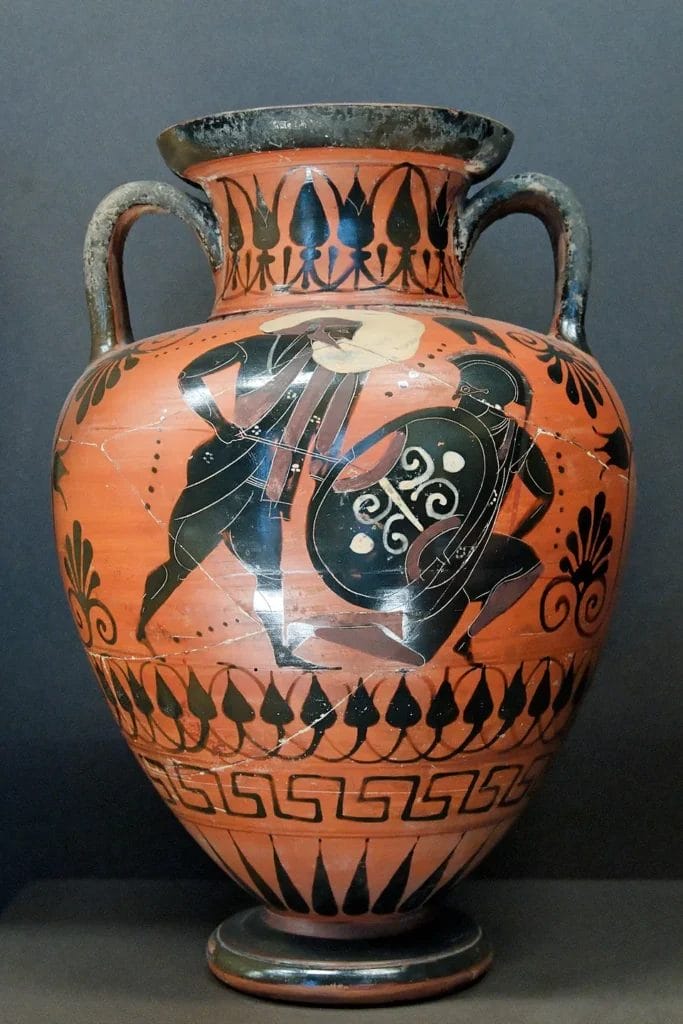

Poseidon and mortal heroes
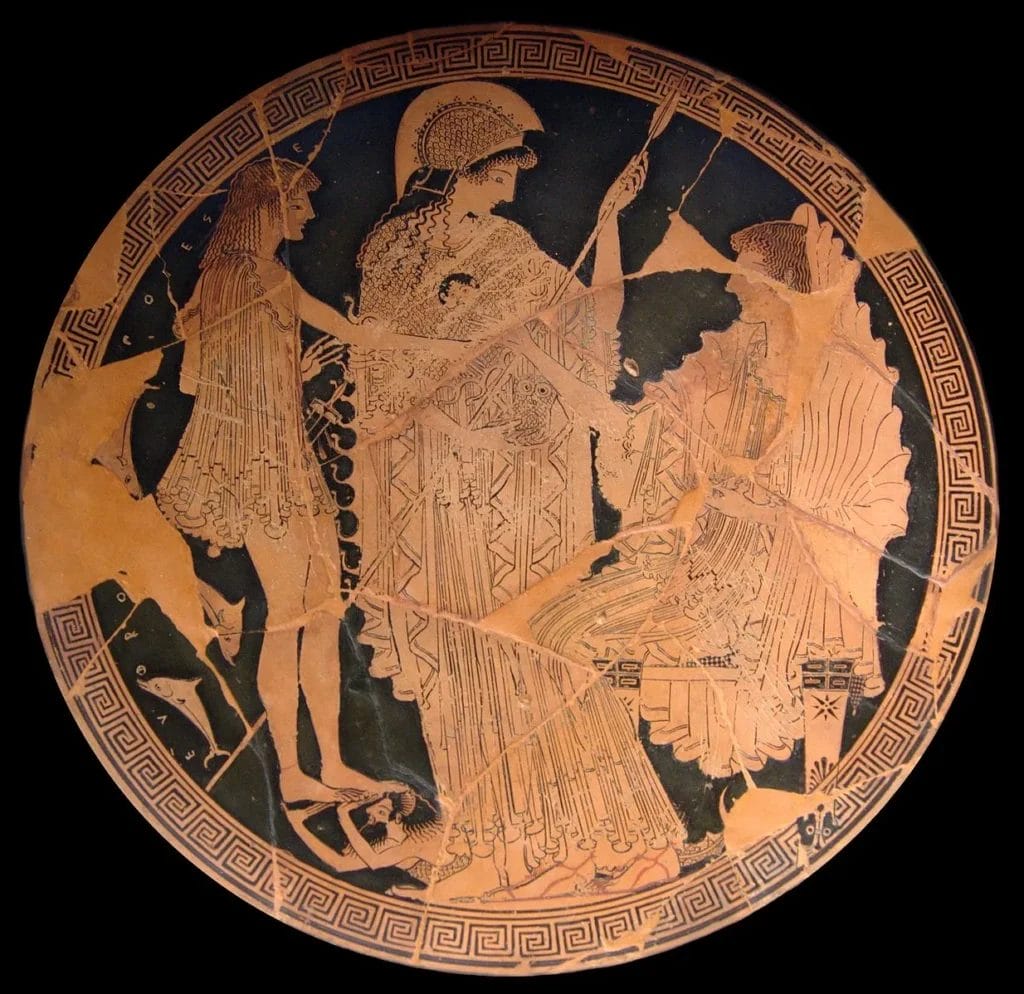
Theseus lineage and trials
Stories that place Theseus in the circle of Poseidon explain Athenian claims about descent, seamanship, and the right to rule. In one tradition, Aethra lies with Aegeus at Troizen and the sea god visits her by night, so Theseus carries a double paternity that joins city and sea. The god’s involvement surfaces in episodes that test a prince on dangerous thresholds. When Theseus travels the Saronic road to Athens, he clears liminal places where travel falters, the sort of liminal control that suits a son of the boundary keeper. He later descends into the surf to fetch a ring thrown by a rival, a trial that only a hero who belongs to the sea household can pass. In that descent, sea creatures attend him and Amphitrite offers a garment that marks recognition. This link lets Athenians say that their founder does not only master streets and assemblies, he also moves safely where surge and current dictate terms. A city that sends ships needs a founder who can breathe in the palace of the deep.
Odysseus voyage and enmity
Epic tradition makes the quarrel between Poseidon and Odysseus a study in how a god of boundaries enforces limits on a brilliant mortal. Odysseus blinds Polyphemus, a creature whose strength and isolation threaten travelers but who is also a son of the sea god. The hero’s taunt as he sails away fixes the grievance. From that boast comes a program of hindrance suited to a sovereign who controls surface and swell. Contrary winds press the bowsprit back toward danger. Waves rise at headlands where a pilot needs steady water. The god denies a straight return because a line has been crossed, not in battle alone, but in speech that forgets measure. The sea in these tales becomes a moral space. Seamanship and piety belong together. Odysseus finally reaches shore, but only after learning again and again that the sea remembers a name shouted at the wrong time.
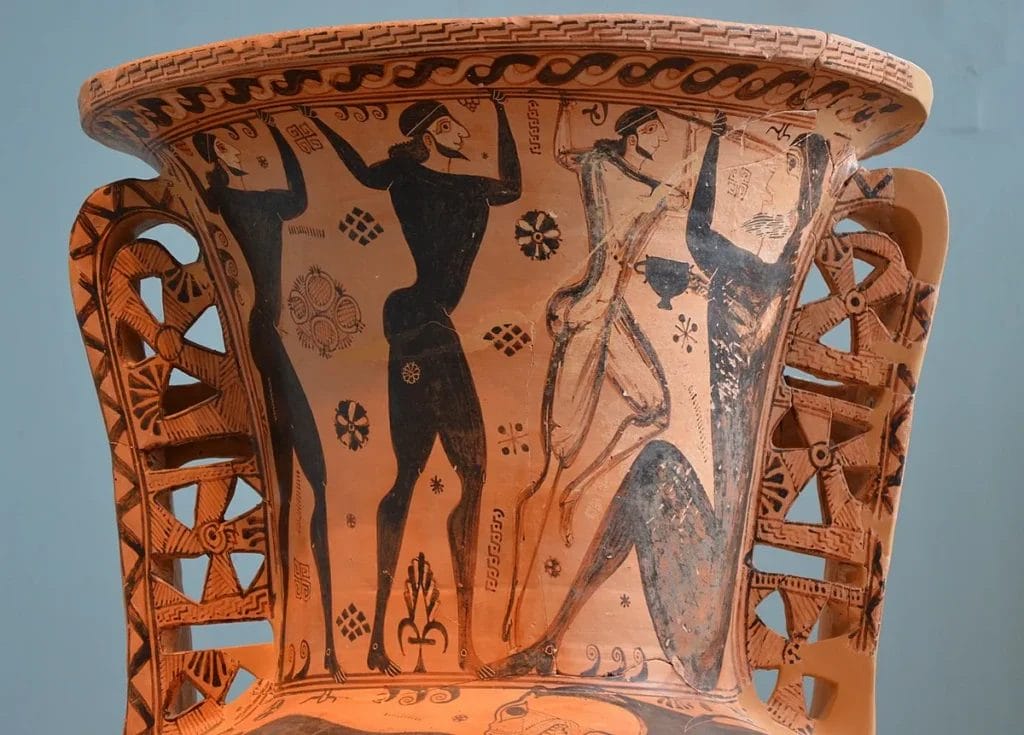
Bellerophon journey and downfall
Bellerophon rides Pegasus, a creature sprung near a spring that poets tie to Poseidon’s touch. The horse’s flight and the rider’s poise turn the air into a kind of sea where balance and courage matter as much as force. When the hero defeats a monster and wins fame, he begins to imagine himself a peer to gods. The later fall, which sends him tumbling from the sky, reads as a correction that fits Poseidon’s world. The horse that gives victory must be controlled with humility. A rider who forgets that the power beneath him is borrowed will soon find himself on rough ground. The story is not a simple warning against skill. It is an argument that skill without reverence ends in ruin. A god who rules the changeable element makes that point by letting the surest mount misstep when a mortal’s mind rises too high.
Perseus and other regional ties
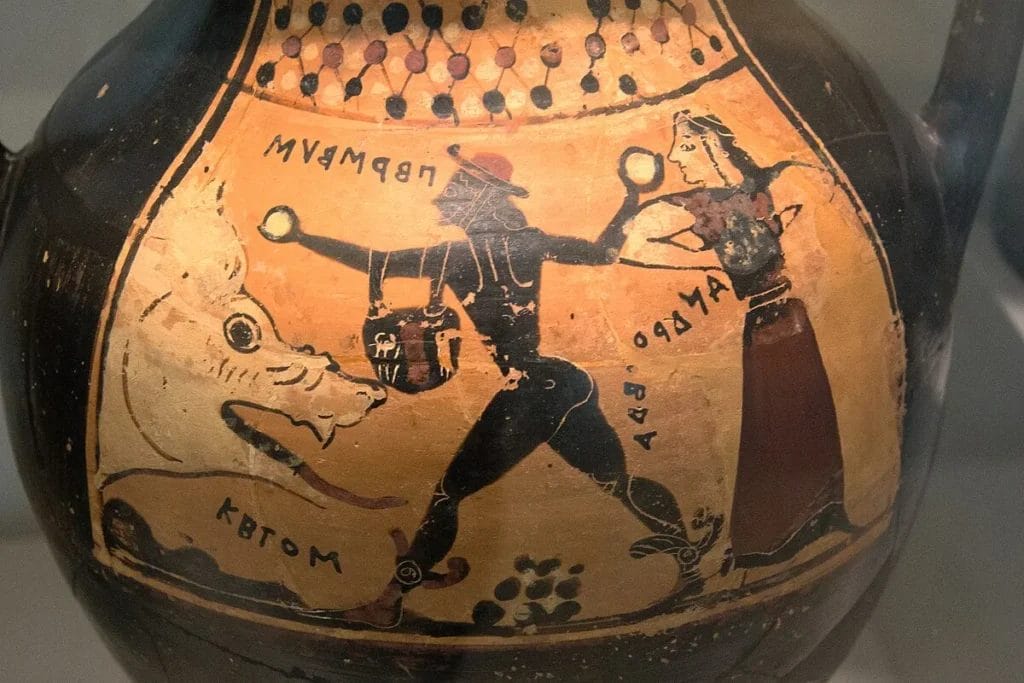
Perseus belongs to seaside towns and island crossings where Poseidon’s presence is strongest. When a sea monster threatens a coast, it is often the sea god’s anger or permission that frames the crisis. Perseus saves Andromeda by understanding tides of action and the need for precise timing at the edge of surf and stone. Elsewhere, regional heroes claim help from horses and dolphins that answer Poseidon’s unspoken commands. In Corinth and along the Peloponnesian shores, a hero’s founding of a race, a pier, or a sanctuary stands alongside a story of waves transformed from threat to road. These narratives give communities a way to speak about how courage and divine order join to make coasts livable. A hero wins honor not by ignoring the sea but by reading it under the eye of its lord.
Loves consorts and children
Amphitrite marriage and household
In the sea palace Amphitrite presides with calm that matches her element at rest. She is a Nereid of high standing whose union with Poseidon marks stability after the uproar of revolt and apportionment. The household that forms around them shows sea governance as more than command. It is ceremony, music, and patterned visits to shores where sacrifices wait. Artists display the couple in triumphal cars, surrounded by attendants whose hands carry coral, shells, or fish. The marriage gives the sea god a counterpart who tempers his strength with order. Where Poseidon acts as enforcer of limits, Amphitrite keeps a rhythm that returns storms to seasons and journeys to safe return. The pair together let tales imagine the sea as a court where justice meets hospitality.
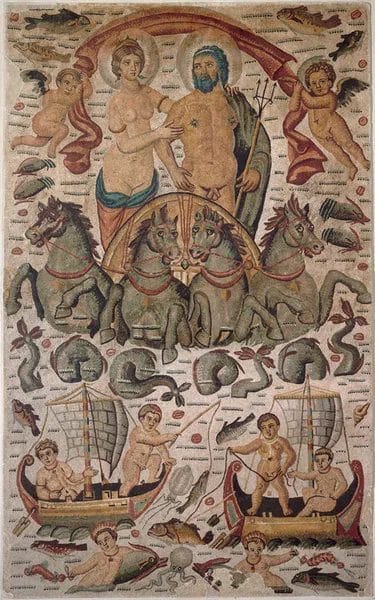
Nereids and sea nymph connections
The Nereids move like breezes over water, helpers who guide rudders, carry messages, and tend to the wounded after a wreck. Their names often point to skills a mariner would prize, such as good harbor or swift current. In stories of peril, they come to heroes with cloaks, garlands, and counsel, not as distant goddesses but as kin to sailors who need a hand on a rough day. The sea god’s relationship to these nymphs shows his governance working with many agents. He is not a solitary figure who commands from a vacant throne. He leads a convivial court that knows every bay and current. In scenes with Amphitrite, the Nereids sing and dance, gestures that represent the beauty of ordered passage between islands and capes.
Mortal unions and notable offspring
Poseidon’s unions with mortal women generate a web of sons and daughters who anchor local memory. A lineage in a coastal town traces itself to a fisherman’s daughter whom the god favored at dawn on a stony beach. Another city tells of a bull who rose from surf and left a child who grew to shape laws. Some offspring are gentle guardians of harbors or springs; others are fierce, quick to anger, and prone to draw men into contests. The pattern allows communities to claim the sea’s nearness in their civic identity. To be descended from a union with the sea god is to carry an argument for mastery of ships, rights to neighboring waters, or a special share in horse breeding. The children do not all resemble one another. Variety reflects the sea’s many faces, from glass calm to surge.
Genealogies shaping local myths
Genealogies link shrines, stones, and festivals into a single story that a community can recite at rites. A coastal village that keeps a certain day sets it within a family tree that begins with Poseidon and winds through kings, shepherds, and nimble founders of colonies. Such lists are not idle. They justify sacrifices, fix alliances, and place a city on the map of shared Greek life. When a poet sings of a hero’s birth from the god, he is helping an audience see why a certain headland has a beacon or why a certain horse race matters. Genealogies, carefully curated, turn the god’s widespread influence into a set of sharp, local claims that can endure for centuries.
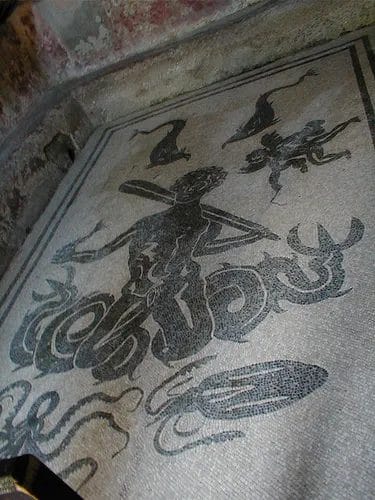
Wrath punishment and reconciliation
Offenses that provoke anger
Offenses that stir Poseidon are usually failures to respect boundaries, whether a traveler’s boast, a city’s folly at the waterline, or a promise broken at a harbor altar. A captain who cuts moorings at the wrong season and laughs at warnings invites a headwind that will not shift. Builders who ignore the logic of floodplains test a god who keeps the line between dry and wet. Insults to his children, whether monstrous or noble, strike deep. The god’s anger is not random. Tales document causes and teach listeners to measure actions in liminal places. The fact that a single misjudgment can sour a whole voyage matches daily experience of the sea. A missed tide, a reef a yard too close, a word too loud, and fortunes change.
Floods storms and earthquakes as penalties
When punishment comes, it assumes forms fitted to the offense. A fleet that mocked pious restraint finds itself pinned to a lee shore by a sudden squall. A coast that neglected sacrifices hears the long growl of ground slipping under foundations. Floods enter low neighborhoods through gates that citizens forgot to seal. The god is not imagined as delighting in ruin, rather as resetting a boundary that people tried to erase. Storm and quake are not metaphors in these stories. They are the means by which the realm’s steward restores order when human plans conceal the true shape of land and sea. The punishment always teaches, and the lesson is immediate enough that anyone who has watched a storm line rise from the horizon will understand.
Propitiation and restoration of favor
Because the god’s penalties are tied to boundary failures, restoration depends on rites that acknowledge limits. Sailors vow to release a chosen animal at a cape if they reach shelter by sundown. City officials process to a headland where they pour wine and honey at an old stone while the sea runs fast below. Those rites do not buy caprice, they repair relationship. An altar relit at the right time is a public promise to align building, farming, and travel with the grain of the coast. Tales often include a precise sign that forgiveness has arrived: a sudden window of calm in a turbulent week, a spring that clears, or a tremor that quiets. The god’s favor returns when people accept that a coast is not a wall but a living edge.
Oaths ordeals and divine justice
Justice in Poseidon’s sphere often involves oaths sworn by sea water or on a ship’s gear. The ordeal may be to ferry a sacred object across a rough channel without losing a man, or to make a circuit of markers at a harbor under a time limit the elders set. Failure shows guilt, success signals clearance. These devices let communities test truth without sprawling trials. The sea god’s presence gives those oaths weight. Sworn words at a pier do not vanish. If later storms ruin a fleet because a treaty was broken, the city remembers that the wrong began in speech. Narrative justice thus becomes a pattern of cause and effect that respects the setting of maritime life.
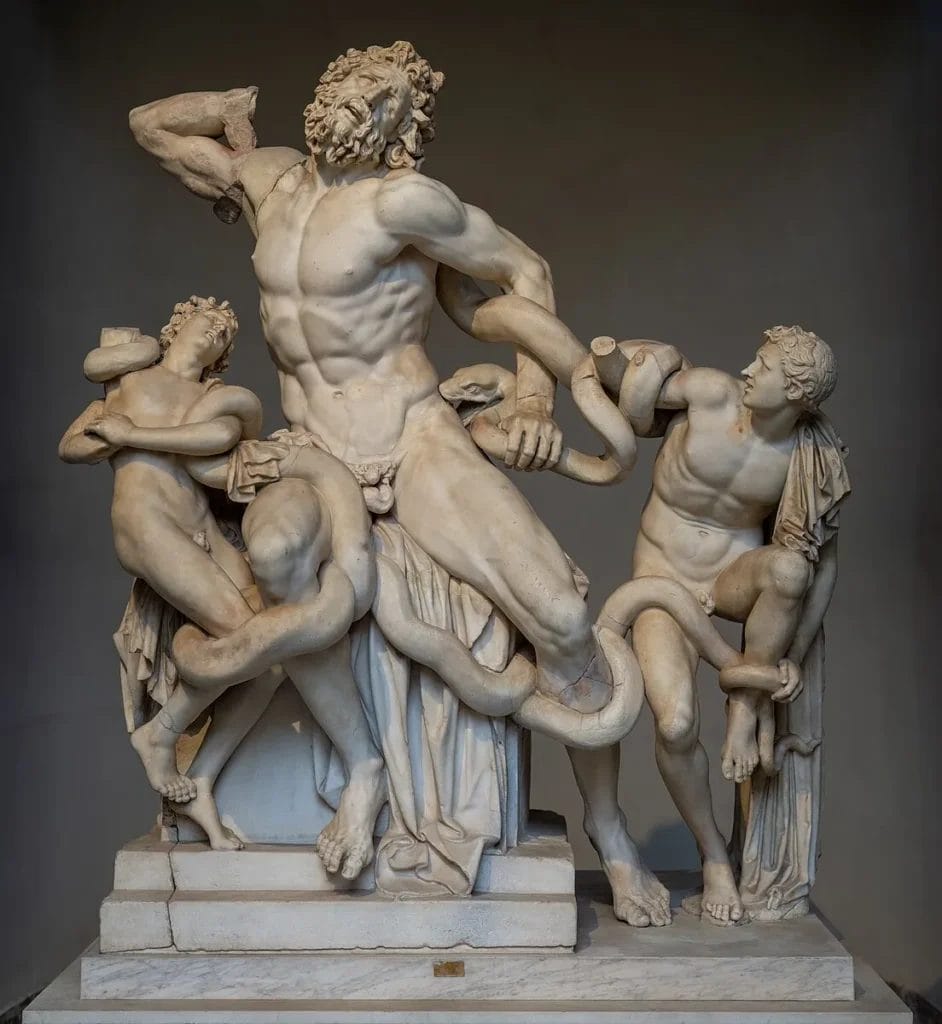
Contest for Attica with Athena
Setting terms of the contest
The contest between Poseidon and Athena frames a civic choice about what kind of gift secures a city. The gods agree to offer signs on the Acropolis and to accept judgment by the first citizens or by earlier powers, depending on the version. The terms emphasize usefulness, durability, and public identity. Poseidon arrives as master of sea routes and earth energy, a natural candidate to protect a town that depends on harbors and shipyards. Athena comes as mind and measure, bearing craft and cultivated order. The stage is a high rock, a fitting place to think about where stone meets sky and where the city looks down to its bays. The scene prepares for the two gifts whose meanings will echo across Attic history.
The salt spring and the olive tree
The sea god strikes and draws forth water that tastes of salt. The spring speaks to access, power, and the reminder that the city’s fate is tied to the sea. It is a vivid, immediate wonder with a sound like breath under stone. Athena’s gift is the olive, slower in reveal but generous for centuries. Oil, wood, and shade follow. The contrast is not opposition of bad and good. It is a pairing of two necessities. A spring shows that the sea is never far even on the hill, and the olive shows that patience and tending can make a rocky country rich. In ritual memory, both marks endure. Citizens point to the rock’s scars and to the tree’s shoots as living signatures.
Judgment and civic identity
Judgment in favor of Athena fixes a civic emblem but does not banish the sea god. The city must still honor the one who makes ships move and keeps harbors open. The verdict teaches a proportional truth. A city cannot rely on force and surge alone, it must adopt skill, order, and law. Yet the loser becomes a necessary rival whose presence keeps the victor honest. Processions to sea shrines, sacrifices on headlands, and the building of war harbors all show that Athenians learned to yoke the two gifts. In stories, the judgment day becomes the origin of an identity that balances craft and daring.
Aftermath and ongoing rivalry
The rivalry continues in small rituals that reenact the tension between inland stone and surrounding water. Priests pour libations at the marks of a trident while other officials tend the sacred olive. When storms batter the long walls or famine strikes, some citizens grumble that the earlier choice cost them the sea god’s full favor. Others answer that without the olive’s gifts the city would have failed in ordinary seasons. The god’s ongoing presence on capes and at Sounion shows that the rivalry produces a practical program, not a sterile feud. Balance is the real result of the contest, and balance suits a coast where a wrong turn can bring ruin.

Islands coasts and regional myths
Corinthian Gulf and Peloponnesian stories
Stories along the Corinthian Gulf emphasize straits, ferries, and the narrow neck of land where Poseidon’s shrine at the isthmus oversees meeting waters. Local myths explain why certain promontories are spared storms, why some beaches hold their shape, and why horse races matter near the sea. In these tales, the god trains people to accept the isthmus’s double nature, land that behaves like a sea turnstile. Founders who carry sacred cargoes across the neck perform a rite that imitates the god’s crossing powers. Families keep tales of dolphins guiding them through fog or of a trident mark on a limestone outcrop that never runs dry.
Aegean crossings and island patrons
The Aegean sets island close to island, but each crossing asks different skills. Poseidon appears as patron of places that sit on routes between resources and markets. In crowded archipelagos, a single current near a reef decides whether a town prospers. Myths tell of harbors promised to those who honored the god with clean altars and fair shares for strangers. Island singers remember nights when sea music drifted over anchorages and dolphins ringed a hull before dawn. When storms rip masts and scatter amphorae, communities learn to rebuild with rites that bring the sea back into friendship.
Thessalian plains and horse lore
Thessaly, with flat expanses and long horizons, raises strong horses and breeds legends about their origin. Poseidon, who shakes the earth, also brings forth horses in some accounts by striking ground that answers with a snort and gallop. Races honor him at certain seasons, and oaths over bridles seal agreements among breeders. When a river floods fields, farmers speak of the god’s horses running loose. When chariots wheel around markers, the curve of wheels resembles the roll of a breaker, a visual rhyme that links inland speed to coastal surge.
Western seas and distant shores
Westward, toward the Ionian and beyond, Poseidon gathers titles that reflect open water and long voyages. Colonists who carry fire from ancestral hearths into new harbors treat the first safe landfall as proof of favor. Shrines on capes teach pilots to recognize seams in the water and to time departures. Tales from these regions often include one decisive sign, a sea horse rising near a prow, a dolphin swimming beside the oars, or a calm that arrives just when a channel opens. Such signs do not trivialize seamanship. They show how skill and divine measure work together in the wide sea.
Monstrous beings and wonders
Sea giants and river spirits
Giants and spirits that belong to waters are part of Poseidon’s order even when they strain against it. A giant who raises islands or blocks a strait acts like a reef given limbs. River spirits insist on their own paths and push back against embankments. In stories of struggle, Poseidon fixes such beings in forms that serve human use. A hurled rock becomes an islet that breaks swell and guards a port. A river that once wandered earns a stone bed so that fields can trust a channel. These tales translate landscape formation into acts of a god whose task is to keep the watery world navigable.
Creatures raised against cities
When a city offends, a sea creature may appear as the god’s blunter instrument. A roaring ketos, a fish tailed beast with a maw like a cave, threatens walls until the people correct their fault or a hero answers the challenge. The point is not cruelty but pedagogy. A community that forgets the sea’s claim learns through fear what it should have learned from rites. The creature’s defeat or appeasement often leads to a new festival, a new harbor rule, or a new altar. The civic order that follows becomes the positive memory of a danger that might have ended everything.
Shape shifting and transformation tales
The sea lends itself to stories of transformation because its face changes every hour. Figures in Poseidon’s world become dolphins, seals, or foam as easily as a wave alters slope. Such tales teach flexibility in response to hazard. A helmsman who understands that a shoal can turn calm water into a curl that flips a hull is already living a transformation story. A nymph who turns into a fish to escape a pursuer becomes a map legend for a headland that insists on difficult approaches. The god who rules this element approves of changes that preserve order and punishes changes that break trust.
Boundaries between order and chaos
Between orderly sea and raw surge runs a living line that Poseidon patrols. When a storm collapses into swell, when a tide meets a river, when a breaker runs out of force and leaves a shining flat, the boundary is visible. Myths place decisions there. A promise kept or broken, a sacrifice made or neglected, a pilot who refuses to land on a forbidden shore, these will determine whether the line holds. Chaos is not an alien realm in these stories. It is the condition that follows when people forget to respect the edge. Order is not stiffness, it is a lively agreement with the sea’s moving logic.
Rituals festivals and practices
Sacrifices offerings and prayers
Rituals for Poseidon take place at headlands, caves, and city altars tied to harbors. Sacrifices often include animals associated with his powers, accompanied by libations poured while facing the sea. Mariners leave plaques that describe storms escaped and cargoes saved. Families pour a portion of the new oil on a stone where sea spray sometimes reaches, gratitude for both grove and swell. The prayers tend to be concise and practical, asking for safe departure, fair winds, and a gentle return to favored beaches. Communities that live close to the water treat these rites as ordinary duties, not emergencies. Regularity pleases a god who values steady limits.
Horse rites and maritime customs
In regions where horses and ships symbolize wealth, festivals for Poseidon include races on sand flats that lie just above the tide line. Hoofs kick up brine and the crowd hears the same thunder in surf and gallop. At times, bridles or model chariots join anchors and rudders as votive gifts. Customs aboard ship also show cultic care. Before first light, a sailor sprinkles sea water on the deck and speaks a formula that acknowledges the master of the route. When oars lie ready or sails are bundled, a quiet word to the sea god is as normal as counting crew.
Purifications before voyages
Purifications for crews and hulls present travel as a rite that begins with cleansing. A priest or an experienced pilot washes hands in a bowl of mixed fresh and salt water, then flicks drops to prow and stern. The ship becomes fit to enter the road where currents meet. If a previous voyage ended in mishap, the ceremony becomes more elaborate, with marks on the planks rubbed out and names of the drowned remembered. Purity here is not moral grooming alone. It is a practical measure that aligns a group’s attention and resolves, a reset before facing changeable miles.
Oaths treaties and civic ceremonies
Cities bind agreements with words spoken at sea altars. A treaty that promises harbor rights invokes Poseidon as witness. Officials carry a rope from the altar to the water and wet it, a sign that the oath touches both stone and swell. Even assemblies inland make room for a brief libation to the sea god when decisions affect trade by ship. The ceremonies recognize that civic peace depends on more than walls. The sea is a court of appeal. If a city cheats its partners, the next storm will punish the fleet. Rituals knit law to waves so that injustice cannot hide behind distance.
Meaning and legacy within Greek myth
Poseidon as guarantor of boundaries
The god guarantees the line between sea and settlement, not by freezing it but by making it trustworthy. In myth, a harbor that holds its shape through seasons does so because offerings and customs keep the relationship right. When a city patches quays after storms, that work is also devotion. The sovereignty that Poseidon exercises is both physical and legal. He is witness to oaths made on ships and to deeds written in salt spray. The sea belongs to no one human power. It remains under a single divine will that reminds communities to respect one another’s routes.
Balance between creation and destruction
The stories never let listeners forget that the sea can both cradle and crush. Poseidon’s trident draws springs from rock and also cracks walls. His horses draw a chariot over calm water and also trample fields when floods break embankments. The balance is not a puzzle to solve once. It is a posture to keep each season. Fishermen, pilots, builders, and farmers maintain that posture by repeating rites, by designing with the coast in mind, and by speaking with care. The mythic language of balance becomes an ethic of daily work near the surf.
Model of divine power and restraint
Poseidon’s force is immense, yet myths praise him most when he chooses the right measure. Calming a storm for an hour so a ship can find an inlet shows mastery more than crushing a fleet outright. Shaking the earth enough to warn a city without bringing its roofs down shows a stern mercy that keeps life going. In disputes with other gods, a figure who could break a cliff instead speaks in council. Restraint in a being who could undo the world teaches mortals to govern their own strengths. The model is not gentleness alone; it is power allied to judgment.
Lasting patterns in mythic narrative
Narratives that include Poseidon repeat patterns that Greek audiences came to trust. A boast leads to headwind. A vow leads to a window of calm at a crucial strait. A town that honors both olive and surf thrives across hard years. A hero learns to lower his voice at the rail when a dark swell rises alongside. These patterns teach readers and listeners to think in cause and effect that respects place. The sea has moods, but those moods follow rules. To know the god is to learn those rules and to live by them in confidence rather than fear.
Frequently Asked Questions About Poseidon
Who is Poseidon in Greek mythology?
Poseidon is one of the Olympian gods, ruler of the sea, earthquakes, and horses. He is the brother of Zeus and Hades.
What powers did Poseidon have?
Poseidon controlled the seas, created storms and earthquakes, and was said to have created horses. His trident was the main symbol of his power.
Why is Poseidon called Earth Shaker?
He was called Earth Shaker because Greeks believed he caused earthquakes by striking the ground with his trident.
What are Poseidon’s symbols?
The trident, horses, bulls, and dolphins are the main symbols linked to Poseidon.
Who were Poseidon’s parents?
Poseidon was the son of the Titans Kronos and Rhea.
Did Poseidon have children?
Yes, Poseidon fathered many children with goddesses, nymphs, and mortal women. His offspring include Triton, Theseus (in some traditions), and the giant Polyphemus.
Who was Poseidon’s wife?
Amphitrite, a sea nymph and one of the Nereids, was Poseidon’s wife.
Where was Poseidon worshiped?
He was worshiped at major sanctuaries such as the Temple of Poseidon at Sounion, the sanctuary at Isthmia, and at countless coastal shrines across Greece.
What role did Poseidon play in the Odyssey?
In Homer’s Odyssey, Poseidon hounded Odysseus with storms and delays because Odysseus blinded his son, the Cyclops Polyphemus.
What did Poseidon create?
Poseidon was believed to have created horses by striking the earth with his trident. Some myths also say he created springs or rivers.
Why did Poseidon and Athena fight over Athens?
Both gods wanted to be the patron of the city. Poseidon offered a salt spring, while Athena gave the olive tree. The Athenians chose Athena’s gift, making her the city’s patron goddess.
What are Poseidon’s weaknesses?
Myths show Poseidon as quick-tempered, vengeful, and prone to disputes with gods and mortals when slighted.
How is Poseidon usually depicted in art?
He is usually shown as a bearded man holding a trident, often with horses, dolphins, or a chariot drawn across the sea.
What festivals honored Poseidon?
The Isthmian Games near Corinth were held in his honor, along with local festivals and sacrifices at coastal shrines.
What is the difference between Poseidon and Neptune?
Poseidon is the Greek god of the sea. Neptune is his Roman counterpart, worshiped with similar powers but under a different cultural tradition.