


In AD 79, the eruption of Vesuvius sealed Roman kitchens, bakeries, drains, amphorae, and food waste under ash at Pompeii and Herculaneum. That catastrophe preserved more than architecture. It preserved traces of meals, trade, labor, and taste. The result is one of the richest bodies of evidence for ancient Roman foods, but also one of the easiest to misread. Elite texts preserve rare birds, luxury sauces, and banquet display. Archaeology preserves bread ovens, fruit seeds, fish bones, shellfish, and the ordinary refuse of urban life.
The Roman diet was not one menu. A wealthy banquet in Rome, a bakery in Pompeii, a kitchen in Herculaneum, and a rural villa all belonged to different food worlds. Some foods that sound strange today were true luxuries. Others were common ingredients prepared in ways that now feel unfamiliar. The Getty Museum notes that Roman food evidence comes from art, archaeology, literary texts, and surviving recipes, but each source type has limits. Apicius, the major surviving Roman recipe collection, is especially important, though it reflects professional recipe culture rather than the daily diet of every Roman.
1. Garum: Rome’s Fermented Fish Sauce
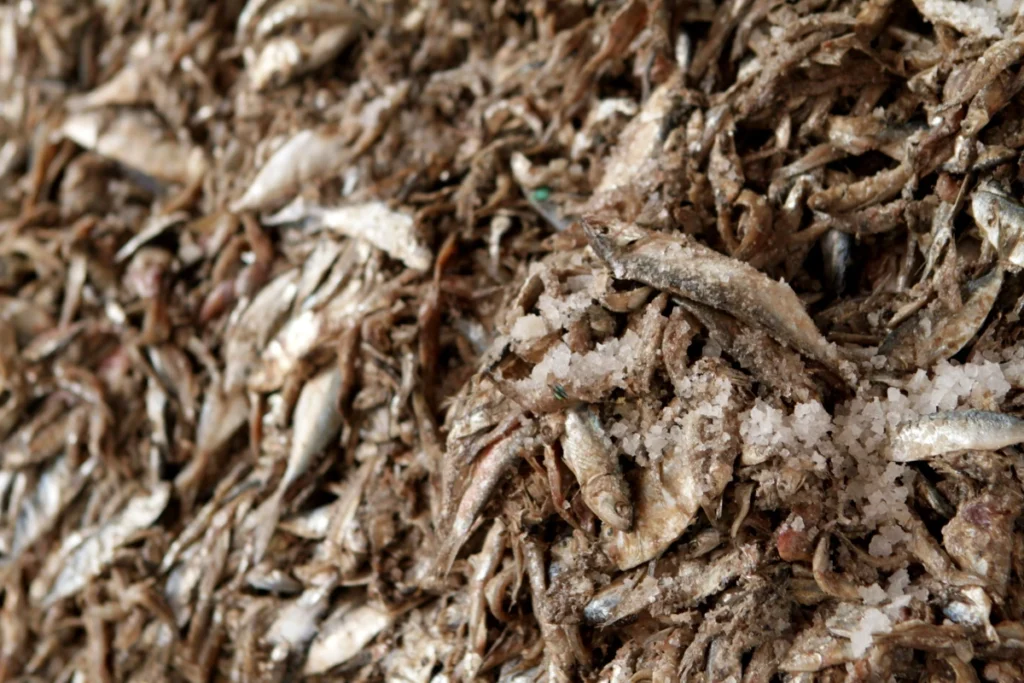
Garum is the Roman food most likely to provoke a modern grimace. It was a fermented fish sauce made by salting fish or fish parts and allowing them to break down into a powerful liquid condiment. Yet to treat garum as a Roman stunt food is misleading. It was one of the defining seasonings of Roman cuisine.
The evidence is both textual and archaeological. The Archaeological Park of Pompeii describes an amphora from Boscoreale containing remnants of scales, fish bones, and solid garum residue. That object shows that fish sauce was not only a literary joke about Roman excess. It was manufactured, stored, transported, and consumed in the Vesuvian region.
Roman fish sauce was not a single simple product. Sally Grainger’s study, “Garum, Liquamen and Muria: A New Approach to the Problem of Definition”, argues that ancient and modern confusion comes partly from collapsing different salted fish products into one word. In her analysis, garum, liquamen, muria, and allec could refer to distinct products, with different uses and values. Some were cooking sauces. Others were table condiments. Some were associated with elite dining, while others were more ordinary.
This matters because Apicius uses fish sauce constantly. In the recipe collection, liquamen appears as a basic seasoning in sauces for meat, vegetables, seafood, pulses, and prepared dishes. It often functioned less like a modern “fishy” topping and more like a salty liquid base, comparable in culinary role to soy sauce, anchovy essence, stock, or salt.
The strange part is not that Romans ate fish. Mediterranean cultures had long traditions of salted fish and brine. The strange part is how deeply fermented fish sauce entered Roman cooking. It crossed the boundary between luxury and everyday seasoning. It could appear in elite banquets, practical recipes, and commercial amphorae. Modern readers may imagine rot, but Romans often experienced it as flavor, preservation, status, and trade in liquid form.
2. Stuffed Dormice Raised in Gliraria

Stuffed dormice may be the most famous of all strange ancient Roman foods. The animal was not a house mouse. It was the edible dormouse, a small wild rodent that could be fattened and served as a delicacy. To modern readers, eating a dormouse sounds like grotesque novelty. To elite Romans, it could signal wealth, estate management, and culinary refinement.
Apicius gives a recipe for stuffed dormouse. The animal is filled with a mixture of pork, chopped dormouse meat, pepper, nuts, laser, and broth, then cooked in an earthen vessel or pot. The recipe is brief, practical, and technical. It assumes the cook already understands the animal, the preparation, and the equipment.
The strongest evidence that dormice were not just literary fantasy is the glirarium, a ceramic fattening jar. A research abstract from Aalborg University on the glirarium describes it as a clay container that looked simple outside but was structured inside like an artificial burrow. It had ventilation holes, internal ledges, and a food tray that could be refilled from outside. The design encouraged dormice to live, feed, and fatten in controlled darkness.
This turns the dormouse from a bizarre menu item into part of a system. A wealthy household needed land, labor, containers, feed, cooks, and guests who understood the social meaning of the dish. The glirarium made the animal into managed luxury.
The evidence should still be used carefully. A recipe in Apicius does not mean ordinary Romans ate dormice. Petronius and other literary sources use banquet extravagance for satire and social criticism. The edible dormouse belongs mainly to elite dining, villa culture, and status display. Its strangeness today comes from the animal itself, but its historical meaning comes from the machinery of luxury that produced it.
Built out of a love for history, kept free from distractions.
Spoken Past is an independent project shaped by curiosity, care, and long hours of research. Reader support helps keep it maintained, carefully researched, and open to everyone.
3. Snails Fattened for Roman Tables
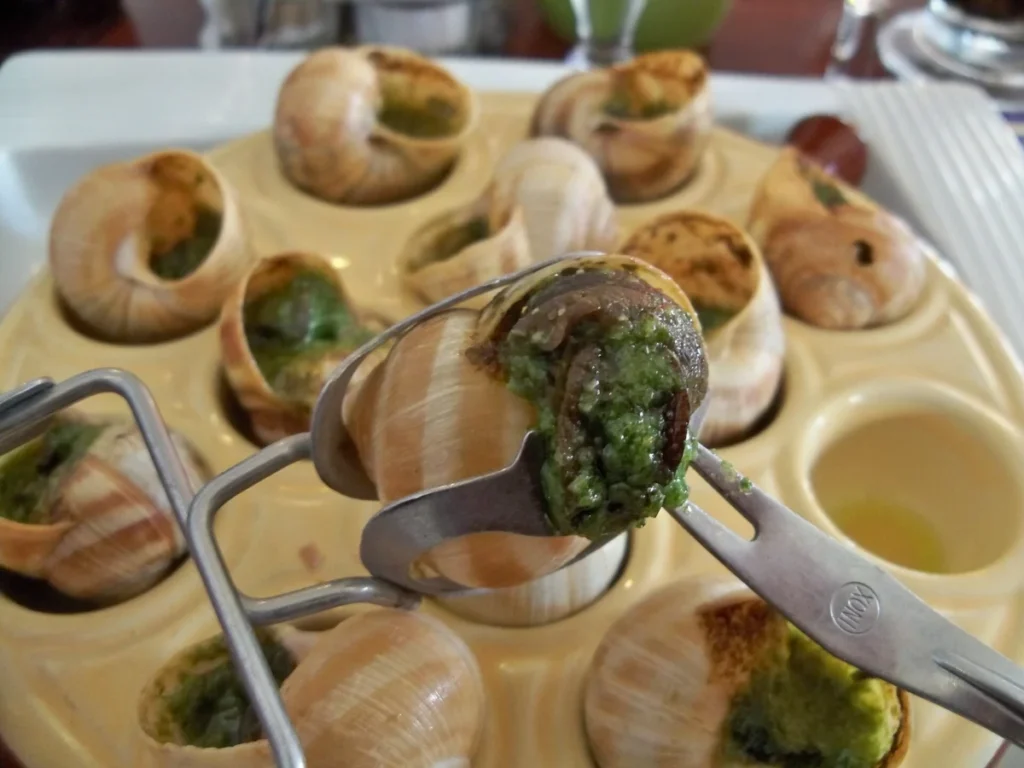
Snails are less shocking than dormice because they remain part of some modern cuisines. Roman snails still sound strange, however, because they were not merely gathered and eaten. They could be fattened, managed, and incorporated into the same elite food culture that made dormice desirable.
Roman agricultural writers were interested in small edible creatures as products of villa management. Varro, writing in the 1st century BC, discussed the keeping and fattening of animals for the table. The Aalborg University summary of the glirarium places dormice within this broader context of small animal husbandry, comparing their management with the breeding of snails for consumption.
The Roman interest in snails reveals a particular attitude toward luxury. Elite dining did not always require large animals or rare imports. It could also transform humble creatures into cultivated delicacies. A snail became more than a snail when it was selected, fed, fattened, seasoned, and served in the right social setting.
Apicius includes recipes for many small and delicate foods, though the surviving text should not be treated as a full record of every Roman practice. Its recipe world favors sauces, herbs, fish sauce, wine, vinegar, honey, pepper, cumin, coriander, and other flavorings. Snails would have entered a culinary environment where the sauce often mattered as much as the animal.
The historical uncertainty is important. Archaeology may recover shells, but shells alone do not always reveal whether snails were wild gathered, farmed, sold, eaten casually, or served at elite dinners. Texts may describe ideal or specialized practices rather than common habits. Still, the convergence of agricultural interest, culinary culture, and banquet display makes snails a plausible Roman delicacy.
Compared with dormice, snails show how the Roman food imagination could elevate smallness. The point was not simply protein. It was control over nature. Roman elites could turn even tiny animals into signs of careful management and cultivated taste.
4. Peacock Served as Elite Banquet Display

Peacock sounds strange as food because modern diners usually see it as an ornamental bird. In Roman elite culture, that visual power was part of the appeal. Peacock belonged to the world of banquet theater, where food could communicate status before anyone tasted it.
Apicius Book VI, devoted to birds, includes a chapter for peacock. The same book includes ostrich, crane, duck, partridge, dove, flamingo, goose, and chicken. This grouping is useful evidence. It shows that Roman recipe culture organized birds across a wide spectrum, from domestic and familiar to rare and prestigious.
Peacock had a reputation for elite consumption long before the later empire. Roman writers associated unusual birds with luxury, competition, and moral criticism. Such texts require caution. When a moralist complains about extravagant food, the complaint may exaggerate in order to condemn elite behavior. Yet the existence of recipes and repeated literary attention shows that such birds were part of the Roman imagination of high status dining.
The preparation mattered. A peacock was not simply roasted like any barnyard bird. It could be served in ways that displayed the host’s resources, the cook’s skill, and the household’s ability to stage a meal. Roman banquets were social performances. Guests judged not only abundance, but rarity, timing, service, tableware, conversation, and the host’s command of cultural codes.
The Getty Museum’s overview of what ancient Romans ate helps keep this in proportion. Roman food ranged from ordinary staples to elite delicacies. Peacock belongs firmly to the elite end of that range. It should not be used as a symbol for the average Roman diet.
Its strangeness today is therefore double. First, the bird itself feels inappropriate to modern habits. Second, the purpose of the dish feels unfamiliar. Peacock was not only food. It was visible rank, made edible.
5. Flamingo Cooked With Spices and Dates

Flamingo is even more startling than peacock because it is now associated with wetlands, conservation, and spectacle rather than kitchens. Yet Apicius preserves a recipe for flamingo, and that recipe reveals more than an exotic ingredient. It shows how Roman cooks handled strong flavors, color, odor, and luxury meats.
In Apicius Book VI, flamingo is prepared in the same manner as parrot. The bird is scalded, washed, dressed, and parboiled with water, salt, dill, and vinegar. It is then finished with leeks and coriander. The sauce includes pepper, cumin, coriander, laser root, mint, rue, dates, vinegar, and liquid from the cooking pot. The recipe points to a layered Roman flavor profile: herbal, sweet, sour, salty, aromatic, and spiced.
This dish belongs to the same elite universe as peacock, but it is not just a trophy bird. The recipe suggests a culinary problem. A large wild bird needed processing. It had to be cleaned, softened, seasoned, and balanced with a sauce. Roman cooks used acids, herbs, dates, and spices to manage flavor and texture.
The ingredient list also points to networks. Pepper came through long distance trade. Dates had their own agricultural and commercial geography. Laser, commonly associated with silphium or substitutes, belonged to a world of prized aromatics and medicinal flavors. A flamingo dish was therefore not only a bird from a wetland. It was a convergence of trade, labor, and technical cooking.
The evidence cannot tell us how often flamingo appeared on Roman tables. A recipe proves culinary knowledge, not frequency. It was probably rare, expensive, and tied to elite dining. The Getty Museum includes flamingo among foods that reveal the range and complexity of Roman cuisine, but it does not imply that ordinary Romans ate it.
Flamingo sounds strange today because it reverses modern expectations about what counts as food. In Roman elite cuisine, the bird’s rarity was part of the message. Serving it showed that a host could bring the distant, colorful, and difficult under household control.