Athens in the fifth century BC was a slaveholding democracy that poured wealth, skill, and pride into a marble crown for its goddess. The Parthenon rose from a burnt plateau into measured order, stone upon stone, under the eyes of elected overseers and a city that paid people to work. To answer the question “Did Slaves Build the Parthenon?,” we have to follow the money, the stones, and the names that survive on cut marble and in sober prose. What emerges is not a slogan but a workforce with layers, contracts, and wages, where citizens and resident foreigners carried most of the load and enslaved labor was present in defined, secondary ways.
What the Parthenon was and when it was built
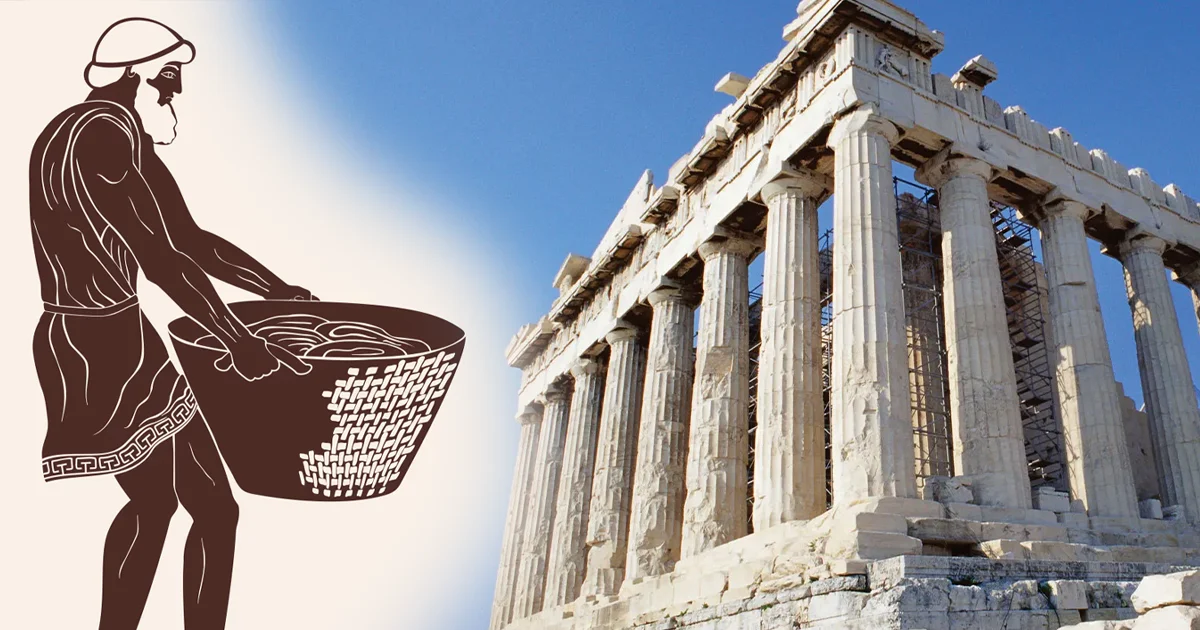
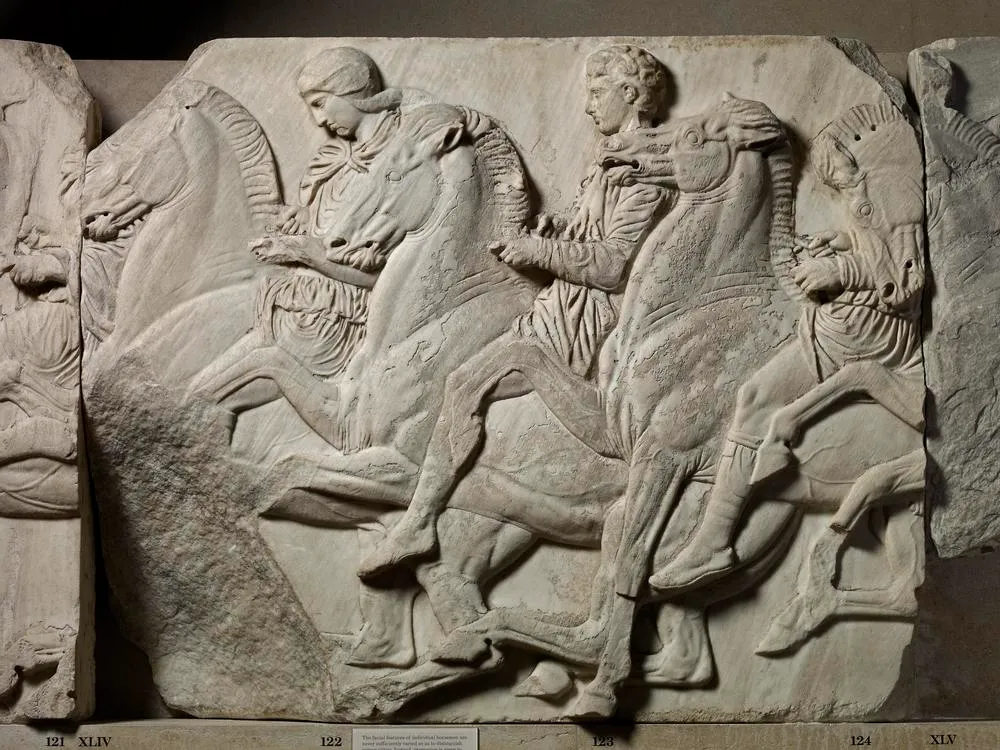
The Parthenon was a large temple to Athena on the Acropolis of Athens. Builders laid its foundations in 447 BC and pushed the main structure to completion by 432 BC, with finishing work continuing in the 430s. The temple combined a Doric outer colonnade with an inner Ionic frieze and housed a colossal gold and ivory statue of Athena. Pentelic marble gave the building its clear, warm tint, and careful refinements in the columns and stylobate corrected optical effects. The sculpture program included metopes, a continuous frieze, and great pedimental groups. Later visitors praised its scale and balance, but its details come into focus through Athens’ habit of recording costs and decisions on stone. Those records, along with plain descriptions by ancient authors, anchor the basic facts of when and how it was built.
Why Athens launched the building program
Athens had reason and means to rebuild after the Persian sack of the Acropolis. Grand temples signaled recovery, honored Athena, and fixed the city’s leadership in stone. Public building also created steady work across many trades. The city’s leaders understood that fact and used it. In democratic Athens, decisions to fund big works passed through the assembly, which expected transparency about spending. That expectation shaped the way officials tracked materials and labor. It also shaped the social aim of the works: to employ people in plain sight, with payments that moved through the city.
The political setting under Pericles
Pericles dominated Athenian politics for much of the mid fifth century. He argued for a civic program that married piety, prestige, and paid employment. The city led a large alliance and received annual payments from allied states, while also controlling temple treasuries at home. Critics called the spending excessive, but Pericles defended it as good for both city and citizens. Regular pay for public service, jury duty, and major works changed how ordinary Athenians could live and take part in civic life. That background matters for the Parthenon. A voter-funded project, run by boards and recorded on stone, fits a city that preferred to buy labor in the open rather than hide it.
Goals for the Acropolis project
The Acropolis program aimed to rebuild sacred ground and set a visible standard for craft. It also aimed to keep skilled people in Athens. The state created overseer boards for the temple, the doors, and the statue, each with its own accounts and officers. Officials wrote down allocations, purchases, and payments in yearly entries. Those entries encouraged discipline, since anyone could read them. For our question, the project’s goals point to controlled hiring and public pay. The best-preserved lists for a slightly later temple on the same hill use the same model, so the logic applies across the program.
Who planned and paid for the project
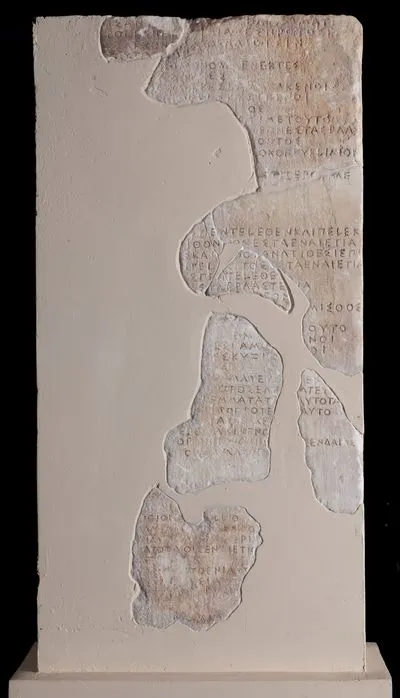
Athens planned the Parthenon through formal boards and paid for it through temple funds and public votes. The spending was cut on marble steles and set up for people to see. Surviving pieces show annual accounts and the separation of tasks under distinct headings. That habit of itemizing work and money is the main reason we can speak clearly about who likely worked on site. It shows a system designed to hire and pay, not to conceal labor sources. It also shows that costs were split by components and time, which needed steady oversight.
The building commission and overseers
Each major work had epistatai, the overseers responsible for quality and accounts. They had secretaries and kept separate lines for different parts of the project, such as the doors or the statue. Names, allocations, and payments appear in the records, which lets us see the administrative skeleton of the work. The system allowed the assembly to replace officials, check totals, and audit entries. It is the opposite of a private, undocumented build. It is a civic machine for spending in the open.
City funds and allied tribute
Money came from the treasury of Athena and other public sources that the assembly could vote to use. Scholars debate the exact share of allied tribute that flowed into the works, but everyone agrees that temple treasuries and public votes drove spending. The important point for labor is simple. A city that pays for a project from named treasuries and sets up annual accounts is a city that hires labor it can count, schedule, and pay. That is the picture that fits the Parthenon. See the broader financial frame outlined in a Hesperia overview of Athenian finances (454–404 BC) for how treasuries and allocations worked.
Where the marble and other materials came from
Pentelic marble came from Mount Pentelikon, northeast of the city. Quarrymen marked block faces, split stone with wedges, and trimmed rough shapes before hauling. Timber, iron, and rope arrived through separate contracts. The final dressing often happened on the Acropolis after blocks were set in place. Iron clamps and dowels secured courses. The use of a single marble source helped keep color and grain consistent, which was critical for joints and visible surfaces. The supply chain had to be reliable year after year, and the accounts show a city willing to buy what the site needed.
Quarrying at Mount Pentelikon
Quarries worked in parallel along the slopes. Workers cut channels, drove wedges, and used levers to free blocks. Tool marks are still visible on faces left in place. Teams then reduced excess stone to lighten loads, a sensible step on mountain roads. The hardness of Pentelic marble demanded frequent resharpening of chisels, which shows up as purchases of iron. Extraction fronts were planned to protect sound stone; poor planning would waste effort and material. The long use of Penteli by Athens reflects both quality and proximity.
Transport and lifting to the Acropolis
Road teams cleared routes from the mountain to the city. Haulage used sledges, rollers, and wheeled carts where surfaces allowed. On the Acropolis, cranes and compound levers lifted blocks to the platform. Cuttings for clamps and lifting points show how crews managed the weight. Dry joints had to be exact, so masons trimmed beds after setting. Season and weather mattered. Heavy lifts were scheduled for safer periods, and crews protected fresh surfaces from rain and dust. The rhythm of work followed both the calendar and simple physics.
How the workforce was organized on site
Work at this scale needed foremen, scribes, guards, and crews for stone, timber, metal, and logistics. Contractors delivered outputs under supervision. Workshops for tool maintenance sat close to the action because chisels dulled quickly. Paths had to stay clear for haulage, and fresh joints needed protection. Overseers inspected finished courses and approved payments. The aim was steady movement from quarry to cart to crane to joint, with as few idle hands as possible. That type of organization appears again, with more detail, in better-preserved accounts from a later temple on the same hill.
Contractors crews and daily routines
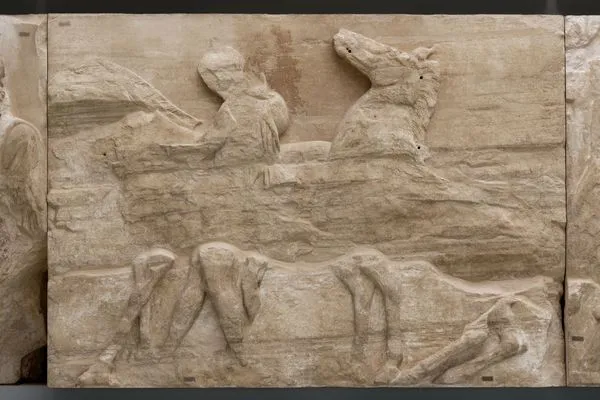
Crews of masons, carpenters, metalworkers, and general laborers worked in shifts. Carpenters built and moved scaffolds. Ropemakers and metalworkers supplied clamps, cords, and pins. A typical day mixed hauling, setting, and trimming. Payments matched milestones to keep teams moving. Because the project lasted years, the site functioned like a stable employer in a seasonal economy, drawing skilled people to regular pay.
Safety scheduling and seasonality
Lifts at height demanded dry surfaces and predictable winds. Heavy operations shifted out of the wettest months. The festival calendar also affected staffing, since civic duties took precedence at set times. Officials recorded pauses and restarts, which protected both the city and the contractors. That pattern appears in later inscriptions with exact dates, and it suits the realities of open-air building on a limestone plateau.
Citizens and resident foreigners on the payroll
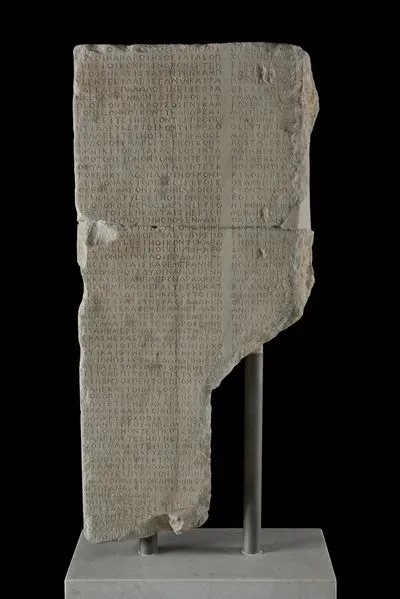
Athens left its clearest wage lists for the Erechtheion in the early 400s, a temple on the same hill with the same administrative habits. Those lists show citizens and metics working side by side and being paid for named tasks. A metic was a free non-citizen resident who lived and worked in the city without political rights and paid a head tax. The lists name carpenters, masons, water carriers, and helpers. They are the best window into how a fifth-century state paid for temple building. For a representative set of entries, see the Acropolis Museum page on the Erechtheion financial accounts.
What the pay records show
The Erechtheion accounts list workers by name, trade, and status. They show different rates for skilled and unskilled work and a steady use of metic labor in many trades. They also show the city paying individuals directly, which implies traceable transactions and formal approval. That is the kind of evidence that answers labor questions. When a city lists names and wages for stone and timber work on one temple, and uses the same accounting habits for another, the simplest reading is that both relied mainly on paid free labor.
Skilled and unskilled tasks
Skilled tasks included cutting and setting stone, shaping column drums, building roofs, and forging clamps. Unskilled tasks included hauling, water carrying, and keeping paths clear. Both types mattered every day. The lists show workers moving between categories as needed, which tells us crews were flexible. A pay ladder by skill makes sense in any labor market. It explains why free workers would take hard jobs on a public site when the pay and duration were reliable.
Built out of a love for history, kept free from distractions.
Spoken Past is an independent project shaped by curiosity, care, and long hours of research. Reader support helps keep it maintained, carefully researched, and open to everyone.
The role of enslaved workers
Athens used enslaved labor widely, most heavily in the silver mines at Laurion and in many workshops. Enslaved people could also appear on public works, often hired out by their owners through a contractor who collected pay. For the Parthenon years, explicit entries are sparse, but the city’s economy makes it likely that some enslaved workers served in support roles. Even so, the clearest wage lists for comparable temple work show citizens and metics in greater numbers doing the same tasks. That pattern fits a public project that valued traceable pay and quality control on a sacred site.
Likely tasks and limits of use
On a temple site, enslaved workers most likely hauled water, moved tools, cleared debris, and helped with rough carpentry or earthworks. Owners could hire them out, but the city still expected the overseers to approve work and release payments. High-status finishing on sculpture and joints would favor known workshops and named craftsmen whose reputations were at stake. That practical need for quality set a limit on where enslaved labor could be used without risking the result.
Oversight supervision and control
Elected overseers, annual accounts, and public display of figures curbed the uncontrolled use of coerced labor on state pay. Officials were answerable for contracts, delivery, and quality, and the inscriptions show them dividing funds by task and year. A system designed to be audited pushes managers toward labor they can name, schedule, and pay in steady fashion. That is the shape of the record we have.
Artists sculptors and specialized craft
Master sculptors directed teams that carved metopes, frieze blocks, and pediments. The most famous name attached to the program is Phidias, whose role included the gold and ivory statue of Athena inside the temple. Coordinated carving required shared models and careful handover between ground work and finishing at height. Metalworkers supplied clamps and pins; carpenters built staging; and stone teams moved drum after drum into position. The mixture of Doric and Ionic elements expanded the range of skills required on a single site and demanded sustained oversight to keep style and measurements consistent.
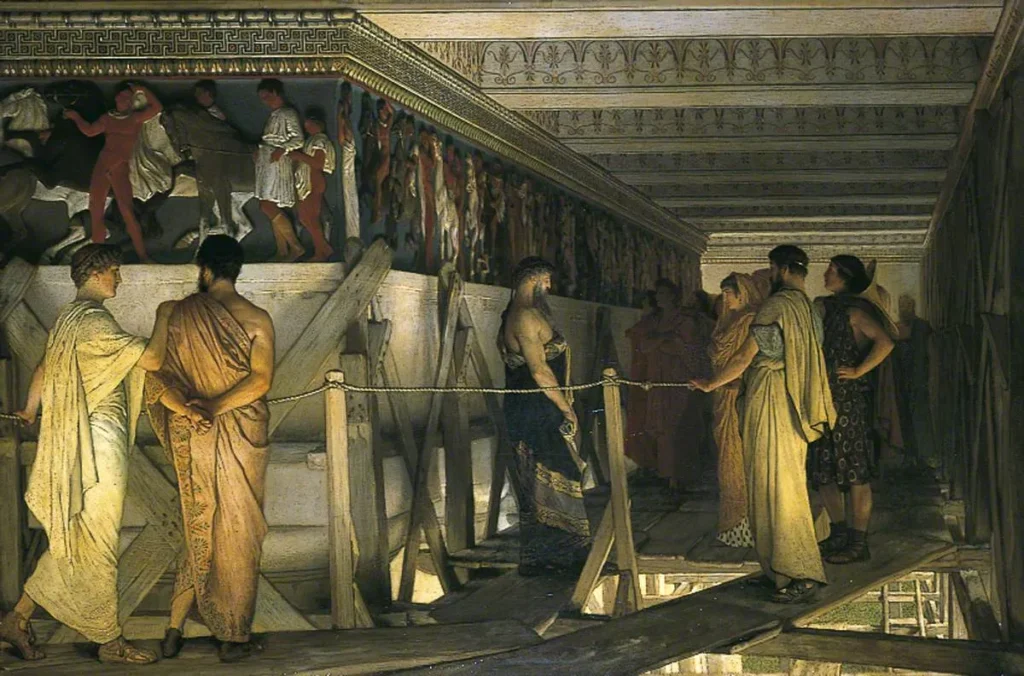
Workshop practices of Phidias and peers
Large studios divided work among skilled hands who followed common patterns and corrected details in place. The statue of Athena had its own board and accounts, a sign of the project’s complexity and cost. Specialists still worked within the same public-pay framework as other trades. Materials were logged, deliveries checked, and wages approved. That framework is why the result was consistent across dozens of blocks and fittings.
How workers were paid managed and supplied
Workers received wages from public funds, with rates that tracked skill and responsibility. Contracts set milestones and delivery schedules. Overseers approved work, and scribes entered sums into accounts that anyone could inspect. Tools wore down fast, so iron purchases were routine. Food, water, rope, and timber arrived through their own contracts, and the goal was simple: keep crews moving and avoid idle days. The records we have, and the logic of site work, both point to a well-managed supply chain that matched the scale of the build.
Wages contracts and tools
Masons and carpenters earned more than general helpers. Contractors sometimes brought small teams at fixed rates to meet a deadline. Clamps, pins, and chisels consumed iron quickly, so replenishment was regular. Payments followed tangible progress to keep morale and pace. The same habits appear in other Athenian temple accounts with enough detail to compare, including the Parthenon accounts now presented in translation at Attic Inscriptions Online (IG I³ 449).
Food housing and protections
No formal work camp existed on the rock, but vendors and contractors met daily needs. Water carriers and food sellers were part of the site’s rhythm. Protections centered on public oversight, not labor law. When weather or war forced stoppages, officials recorded pauses and restarts, which helped both the city and the crews plan their cash flow and time.
Evidence base for who worked on the Parthenon
The best evidence comes from the Parthenon’s own accounts, later wage lists for the Erechtheion, and plain statements by ancient authors. The Parthenon accounts survive in pieces but still show a system of allocations, purchases, and payments organized by task and year. The Erechtheion lists preserve named workers by trade and status, with citizens and metics appearing in many roles. Literary testimony ties the building program to paid employment across trades. Put together, these sources show a city that bought labor openly, favored traceable pay, and relied on free workers for most tasks while not excluding enslaved labor entirely. The Acropolis Museum’s object pages help visualize how such accounts were displayed and read, while the structure of headings and totals is clear in the Parthenon account stele for 434–433 BC.
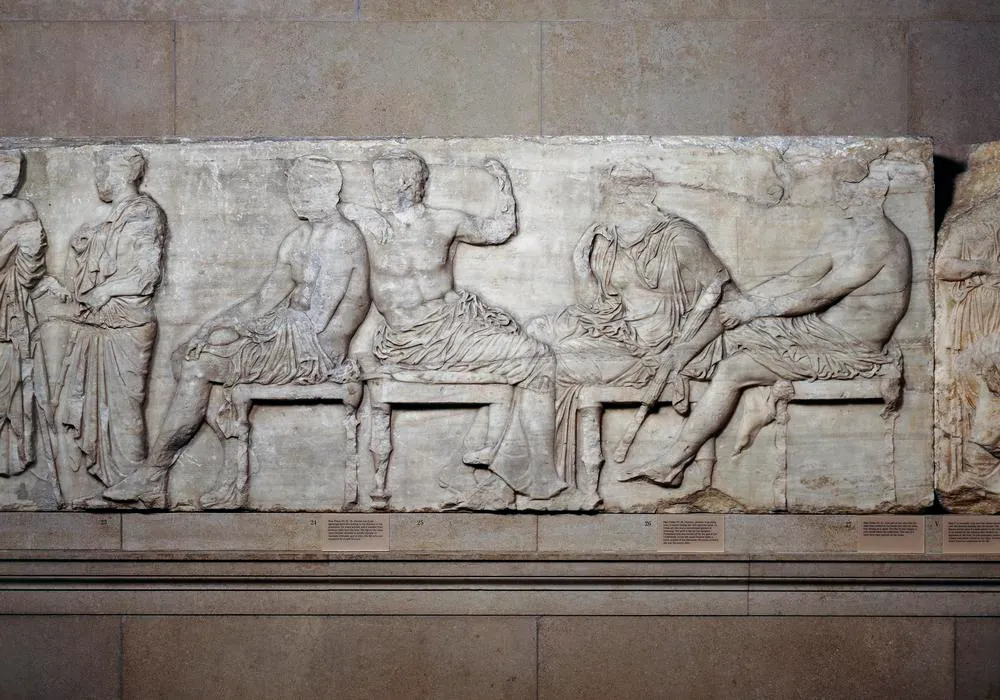
Building accounts and inscriptions
Annual accounts for the Parthenon show how officials split funds, recorded materials, and paid for distinct tasks. The best-preserved year is 434–433 BC. Clear translations and notes appear at Attic Inscriptions Online, which sets out headings and entries. For wage structures on the same hill, the Erechtheion accounts at the Acropolis Museum show named workers and rates that match a publicly paid workforce.
What most likely happened and why it matters
So, did slaves build the Parthenon? The most likely answer is this. The Parthenon was built mainly by paid free workers organized by the state, with citizens and metics performing most tasks and enslaved workers present in support and some craft roles. That reading fits the account structure, the named wage lists from the Erechtheion, and the way Athenian leaders described public works as visible employment. It does not deny the broad use of slavery in Athens. It shows that this temple, a sacred civic monument run by elected overseers and recorded for inspection, depended chiefly on labor that the city hired, paid, and could name. Precision matters because it respects the surviving evidence and avoids turning a complex workforce into a single-line claim.
Myths modern claims and what the evidence supports
The claim that “slaves built the Parthenon” treats a slaveholding society as though every large work ran on coerced labor alone. The records do not show that. Public temple accounts point to named, paid workers across many trades, with enslaved labor present but not dominant. Wage lists from the same hill, a few decades later, confirm the pattern. The difference between mines and temples is practical. Mines could run on mass coerced labor away from public view. A sacred building in the city center, funded from temple treasuries and checked each year, favored traceable pay and reputation.
Frequently Asked Questions
Did Athens use allied tribute to fund the Parthenon?
Yes, Athens had access to allied payments as well as temple funds. The exact share is debated, but the treasury of Athena stood at the center of allocations for the Acropolis works.
What is a metic in Athens?
A metic was a free non-citizen resident who lived and worked in the city, paid a head tax, and lacked political rights but could be hired on public projects.
Do any inscriptions list workers by name?
Yes. The Erechtheion accounts from the early 400s list individuals, their trades, and their wages, offering the best wage data for a fifth-century temple site.
Were enslaved people used on the Acropolis?
Likely yes in support roles and sometimes in craft, often hired out by owners through contractors, but the dominant pattern on temple works is paid free labor under public oversight.
Who supervised the Parthenon project?
Boards of overseers managed tasks year by year. They approved work, controlled payments, and published accounts for citizens to inspect.
Where did the marble come from?
From the Pentelic quarries on Mount Pentelikon northeast of Athens. The stone’s quality and proximity made it the logical choice.
How were the huge blocks moved?
By road using sledges and carts, then by cranes and levers on the Acropolis. Iron clamps and dowels secured blocks in place.
Who carved the sculpture?
Coordinated teams under master sculptors worked from shared models. Phidias is the famous name linked with the program and with the gold and ivory statue of Athena.
Why does the answer matter today?
It shapes how we talk about ancient labor, art, and democracy. A precise answer respects both the presence of slavery and the evidence for paid, named workers on sacred public building.