Before Johannes Gutenberg’s printing press revolutionized knowledge in 1440, ancient scholars developed extraordinary systems for learning, preserving, and transmitting information that would astonish modern researchers. These methods weren’t primitive substitutes for books. They were sophisticated intellectual technologies that achieved something our digital age struggles with: perfect retention of vast quantities of information across centuries without a single written copy.
The ancient world produced some of humanity’s greatest thinkers, from Socrates and Aristotle to Confucius and the Vedic sages, all operating in cultures where books as we know them either didn’t exist or were extremely rare. Understanding how ancient scholars studied reveals not just historical curiosity, but profound insights into human memory, learning, and the transmission of knowledge that challenge our assumptions about education itself.
The Living Library: Memory as the Primary Technology
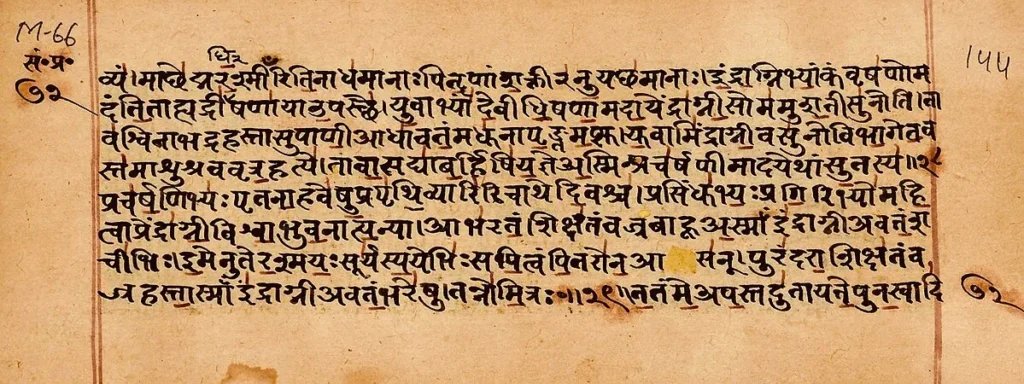
Ancient scholars study methods centered on something modern education has largely abandoned: the systematic development of memory as a trained skill. In Vedic India, scholars memorized entire collections of hymns spanning tens of thousands of verses with such precision that texts transmitted orally for over 3,000 years show virtually no variation from the earliest written versions discovered centuries later.
This wasn’t rote memorization as we understand it today. The Vedic tradition developed sophisticated mnemonic techniques including phonetic precision training, rhythmic recitation patterns, and nested recitation methods called pathas. Students learned to recite texts forwards, backwards, in crisscross patterns, and in elaborate combinations that functioned like error-correction codes in modern computing. If part of the memory degraded, the original could be reconstructed from the overlapping patterns.
The key principle behind ancient memory training was multisensory encoding. Vedic scholars didn’t just read or hear texts. They engaged their entire bodies in the learning process through controlled breathing, specific postures, rhythmic chanting, and meditative absorption. This approach created what neuroscientists today recognize as the most effective conditions for long-term memory formation: combining auditory, kinesthetic, semantic, and rhythmic encoding simultaneously.
Ancient Greek scholars employed similar techniques. The method of loci, attributed to the poet Simonides, involved mentally placing information in specific locations within an imagined building or landscape. Students would then “walk through” this memory palace during recall, retrieving information from each location. This technique remained standard in classical education for over 2,000 years.
The Gurukul System: Immersive Learning Communities
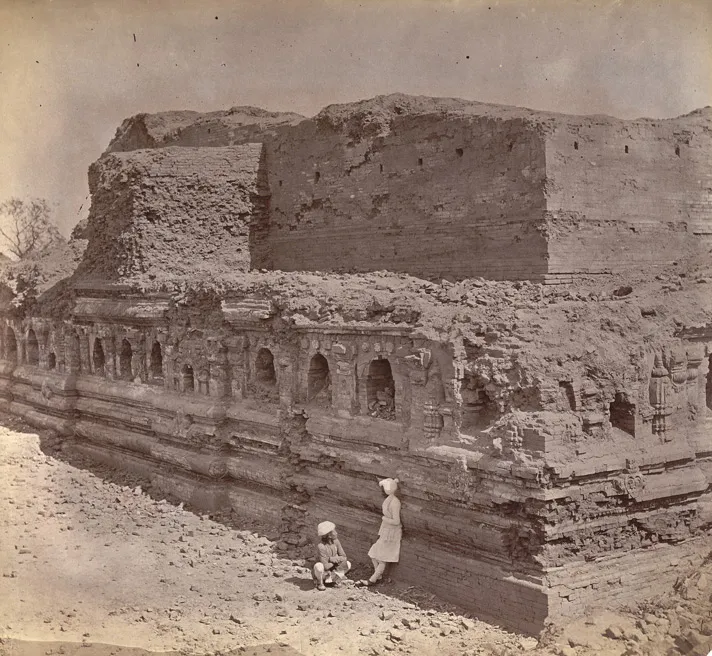
Ancient scholars studied within residential schools that made learning inseparable from daily life. The Indian gurukul system exemplified this approach. Students lived with their teacher for years, sometimes decades, in an arrangement where knowledge transmission occurred continuously rather than in discrete lessons.
In the gurukul, memory development wasn’t a mechanical skill but a holistic discipline integrating body, mind, and spirit. Daily recitation, immediate correction, and constant practice occurred within a community of learners who verified each other’s recall and maintained collective accuracy across generations.
This immersive environment created what modern cognitive science calls distributed practice and spaced repetition, two of the most effective learning techniques ever discovered. Students encountered material repeatedly across varied contexts over extended periods, strengthening neural pathways and ensuring deep consolidation into long-term memory.
The gurukul system also demonstrates the social dimension of ancient scholarly methods. Learning was fundamentally communal. Peer correction, group recitation, and collaborative verification meant that knowledge lived not in individual minds but in the collective memory of the community. This distributed cognition protected against individual errors and ensured continuity even when specific teachers died.
Manuscripts as Memory Aids, Not Replacements
When ancient scholars did use written materials, they treated them fundamentally differently than we treat books today. Manuscripts weren’t designed for silent reading or independent study. They functioned as mnemonic aids to support the primary work of internalization.
The Hebrew Bible provides clear evidence of this relationship between oral and written transmission. When Moses receives God’s law, it comes first as spoken word, then as writing on stone tablets. Moses then gives the law both orally and in written form to the people. Throughout the biblical narrative, the emphasis remains on internalizing these words: “Teach them to your children, talking about them when you are in your house and when you are on the road, when you lie down and when you get up.”
Ancient manuscripts often lacked features modern readers consider essential. Early Greek texts had no spaces between words, no punctuation, and no paragraphs. This wasn’t primitive technology. It reflected the assumption that texts would be read aloud, typically to audiences who already knew the material. The written text served as a prompt for memory rather than a complete, self-sufficient record.
This oral-written interplay appears throughout ancient scholarly practices. In ancient Israel, the law was simultaneously an oral tradition and a written text. Temple plans existed “in David’s mind” as well as in written form that Solomon apparently never consulted during construction. Even source citations in historical works likely referenced authors’ memories of those sources rather than indicating direct consultation of written documents.
The Phenomenology of Ancient Memory
Memory in oral traditions operates fundamentally differently than in literate cultures. Modern memory aims for retrieval of specific facts stored like files in a computer. Ancient memory was “a kinetic, emergent, creative activity linked to performance.”
When a Vedic scholar recited thousands of verses, or when a Greek rhapsode performed Homer’s epics, they weren’t retrieving a fixed text from storage. They were recreating the tradition through performance, drawing on internalized patterns, formulas, and structures that allowed them to generate authentic instantiations of living knowledge.
This approach to memory explains apparent contradictions in ancient texts. When modern scholars find variations between parallel passages in biblical books like Samuel-Kings and Chronicles, they often interpret these as evidence of competing theological agendas. But understanding how memory worked in oral cultures suggests another interpretation: these are faithful reproductions of the broader tradition that existed in its fullness only through the interplay of written texts and collective memory.
Ancient memory wasn’t about preserving a single authoritative version. It was about maintaining the living tradition in all its multiformity. Multiple versions could coexist because no single text could capture the complete tradition. The full knowledge lived in the community’s collective memory, expressed through various performances and textual instantiations.
Phonetic Precision and Sound-Based Learning
Ancient scholars studied through intensive training in phonetic accuracy that modern education rarely attempts. The Vedic science of Shiksha focused obsessively on correct pronunciation, pitch accent, and articulation. Students learned to distinguish three different pitch accents on every syllable and trained their speech organs to reproduce sounds with perfect fidelity.
This phonetic precision served multiple purposes beyond mere accuracy. The careful attention to sound created what neuroscientists call auditory encoding, establishing strong memory traces based on the sonic properties of language. The motor memory involved in producing correct sounds added kinesthetic encoding, while the rhythmic patterns of verse provided temporal scaffolding for memory.
Moreover, in traditions where sound itself was considered sacred, phonetic accuracy wasn’t optional. In Vedic thought, the precise vibration of correctly pronounced mantras connected the speaker directly with cosmic order. Any deviation in pronunciation could nullify ritual effectiveness. This belief motivated an extraordinary commitment to phonetic training that produced levels of linguistic precision rarely matched in modern education.
The fruits of this emphasis on sound remain visible today. Sanskrit, the language of Vedic texts, developed the most sophisticated phonetic analysis of any ancient language. Indian grammarians classified and described speech sounds with a precision that European linguistics wouldn’t match until the 19th century.
Layered Recitation: Error Detection Through Redundancy
One of the most ingenious aspects of Vedic memory techniques was the system of vikruti pathas, modified recitation patterns that reorganized text in elaborate ways. Students learned to recite the same verses in eight different patterns including jata-patha (braided recitation), where words were repeated in crisscross patterns, and ghana-patha (dense recitation), the most complex pattern involving multiple repetitions in forward and backward sequences.
These recitation patterns functioned like modern error-correction codes. By encoding the same information in multiple overlapping ways, the system ensured that any corruption in one pattern would be detected through comparison with others. If a student made an error in one recitation pattern, it would become apparent when attempting other patterns based on the same text.
This redundancy principle appears throughout ancient scholarly methods. Greek students memorized texts forwards and backwards. Chinese scholars learned classical texts through multiple commentaries. Medieval Jewish scholars developed elaborate cross-referencing systems in the Talmud. All these approaches created multiple pathways to the same knowledge, strengthening retention and enabling verification.
Modern cognitive science has validated this ancient wisdom. Research shows that varying practice patterns, a technique called interleaved practice, produces superior long-term retention compared to blocked practice of the same material. Ancient scholars discovered this principle millennia before experimental psychology confirmed it.
The Role of Rhythm and Meter in Memory
Ancient texts weren’t written in prose but in verse. This wasn’t merely aesthetic choice. Rhythmic meter served crucial mnemonic functions that made texts far easier to memorize and transmit accurately.
Vedic hymns employed chandas, regular metrical patterns where syllables followed fixed schemes based on length. Greek epics used dactylic hexameter. Hebrew poetry used parallelism and accentual patterns. All these rhythmic structures provided predictable frameworks that aided memory in multiple ways.
First, rhythm creates temporal scaffolding similar to the method of loci’s spatial scaffolding. Just as you can remember information by mentally placing it in specific locations, you can remember it by associating it with specific beats or rhythmic positions. The regular pulse helps chunk information into memorable units.
Second, rhythmic texts are easier to reproduce because the rhythm itself constrains possibilities. When reciting metered verse, the rhythm tells you how many syllables must occur in each position, dramatically reducing options and making errors more obvious. Modern parallels include how we remember song lyrics far more easily than prose passages of similar length.
Third, rhythm engages motor systems in the brain beyond those involved in language alone. Rhythmic recitation often involved physical movement, hand gestures, or dance-like motions that added kinesthetic encoding to the memory trace. This multisensory engagement created stronger, more redundant neural pathways.
Libraries Without Books: The Ancient Library System
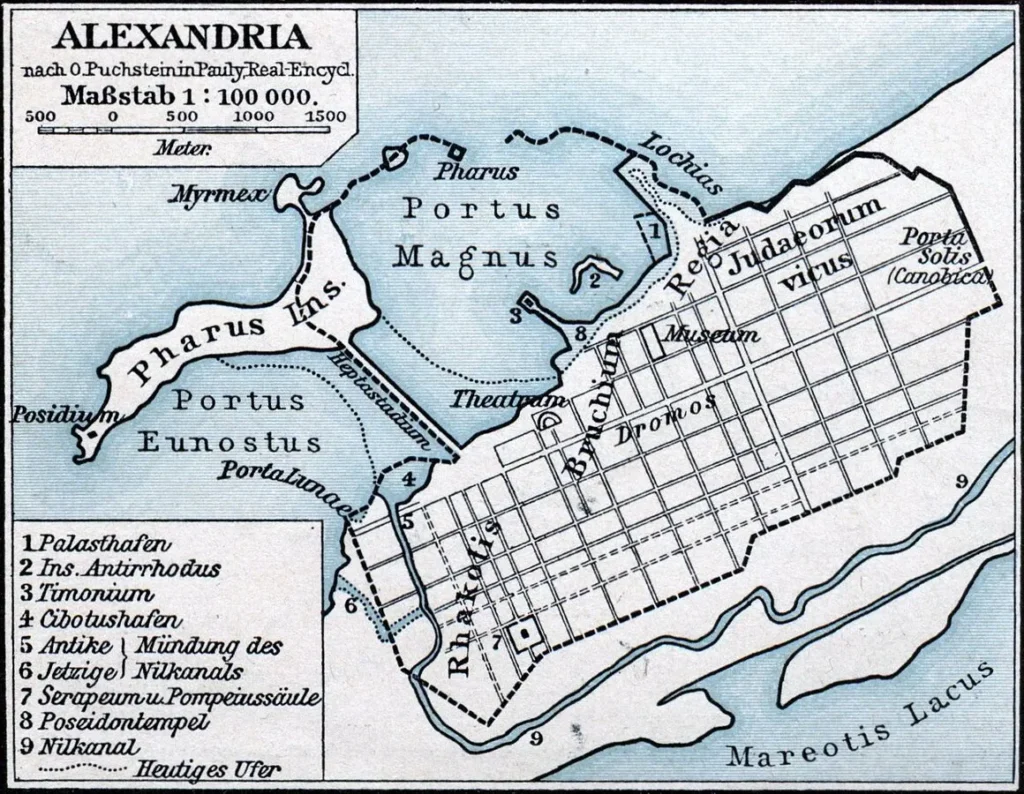
Ancient scholars did have access to libraries, but these institutions functioned very differently than modern ones. The famous Library of Alexandria, founded around 295 BCE under Ptolemy I, contained perhaps 500,000 scrolls at its height. But these weren’t books for checkout or independent study.
Ancient libraries primarily served visiting scholars who consulted texts for copying or study under librarians’ supervision. The Library of Alexandria employed scholars who catalogued texts, created bibliographies, and made scholarly editions. The Pinakes, catalogues compiled by Callimachus, represented an extraordinary achievement in information organization that influenced library science for centuries.
But even this greatest of ancient libraries operated within an oral culture. Scrolls were read aloud, discussed in groups, and memorized for internalization rather than independently studied in silence. The library provided access to texts, but the primary work of scholarship remained the mental absorption of their contents.
Other ancient libraries functioned more as archives than reading rooms. The Library of Ashurbanipal in ancient Nineveh, dating to the 7th century BCE, contained about 30,000 cuneiform tablets covering scholarship, archival documents, and religious materials. These tablets served as authoritative records and reference materials, but knowledge transmission still occurred primarily through oral instruction.
Temple libraries in Egypt and Mesopotamia stored sacred texts accessible only to priests who had memorized them through years of training. Medieval Buddhist monasteries at Mount Athos and Mount Sinai developed similar systems where monks produced beautiful illuminated manuscripts that paradoxically served primarily as objects for memorization rather than reading.
Built out of a love for history, kept free from distractions.
Spoken Past is an independent project shaped by curiosity, care, and long hours of research. Reader support helps keep it maintained, carefully researched, and open to everyone.
Palaeography: Reading What Wasn’t Written for Reading
The manuscripts ancient scholars did consult presented challenges modern readers rarely encounter. Early texts lacked spaces between words, punctuation marks, paragraph breaks, and other reading aids we take for granted. Greek manuscripts through the 9th century CE appeared as continuous strings of letters that modern readers find nearly impossible to parse.
This scriptio continua (continuous script) wasn’t a limitation to be overcome but a feature reflecting how texts would be used. Since manuscripts served as memory aids for material already largely internalized, readers didn’t need spaces to separate words. They already knew where words began and ended because they knew the text.
The skill of reading ancient manuscripts, called palaeography, requires extensive training in historical writing systems and the contexts that produced them. Palaeographers learn to recognize different hands, date manuscripts based on letter forms, identify regional variations in scripts, and decipher abbreviations that saved expensive writing materials.
Ancient scribes used countless abbreviations and specialized notation systems that only trained readers could interpret. Medieval manuscripts included musical notation for chant performance, critical marks indicating textual variants, and elaborate commentary systems written in margins and between lines. These manuscripts weren’t self-explanatory books but tools for use within scholarly communities who shared training in their interpretation.
Writing Materials and Their Limitations
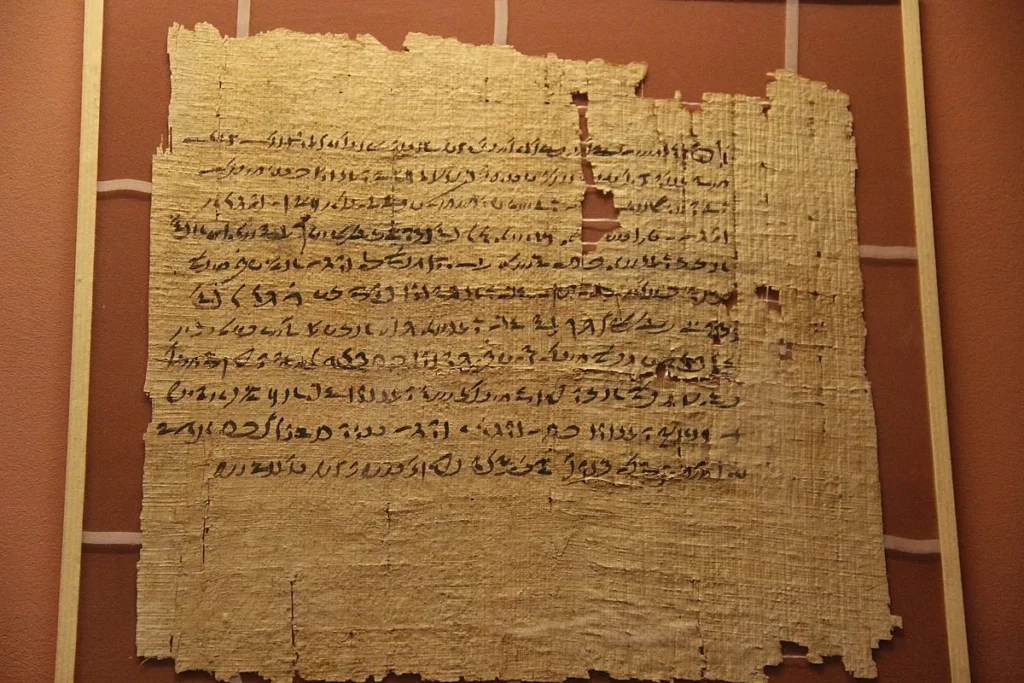
The physical nature of ancient writing materials profoundly influenced how ancient scholars studied. Papyrus scrolls, the dominant format in Greece and Rome, presented several limitations. They couldn’t be easily bookmarked or referenced at multiple locations simultaneously. Reading a scroll required unrolling it progressively, making comparison of distant passages difficult.
Clay tablets in Mesopotamia offered durability but limited space. A single tablet might contain only a few lines of text, requiring dozens or hundreds of tablets for longer works. The Epic of Gilgamesh, for instance, comprised twelve tablets. Students and scholars needed extraordinary organizational systems to manage such fragmented texts.
Parchment and vellum, made from animal skins, provided better writing surfaces but at enormous cost. A single Bible in the Middle Ages might require the skins of 300 sheep. This expense meant manuscripts remained rare and precious, reinforcing the primacy of memory over written reference.
The codex format, with pages bound at one edge like modern books, only became common in the 4th century CE. Even then, manuscripts remained so expensive that education couldn’t rely on students owning copies of texts. The standard model remained teacher-led instruction with students memorizing material from oral presentation and limited manuscript consultation.
These material constraints explain why ancient cultures invested so heavily in developing memory techniques. When writing materials were scarce, expensive, and physically awkward, the human mind became the most practical and reliable storage system for knowledge.
Oral Recitation and Public Performance
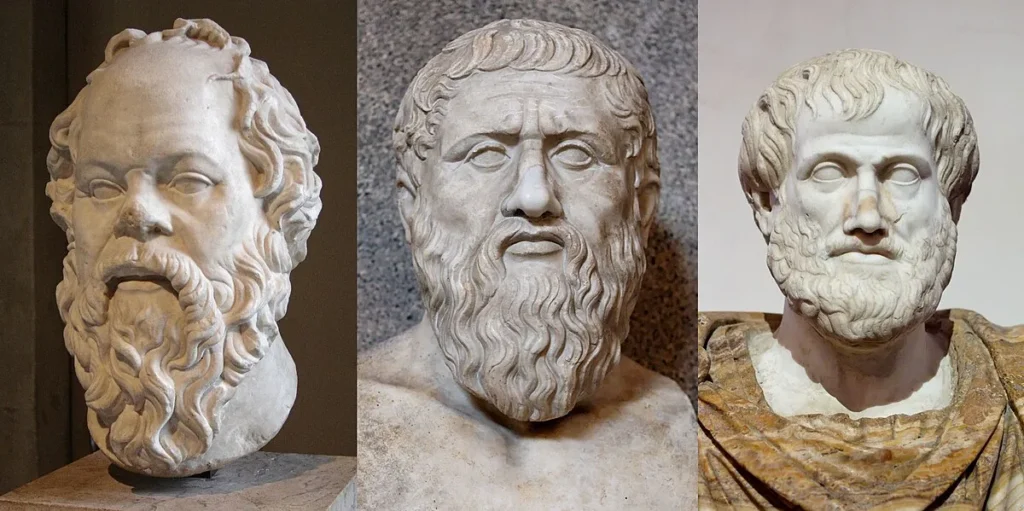
Ancient scholarly life centered on oral performance in ways modern academia has almost entirely lost. Greek philosophers taught through dialogue and disputation. Students gathered to hear masters lecture, debate positions, and refine arguments through oral exchange. Plato’s Academy and Aristotle’s Lyceum functioned as communities of oral discourse where ideas developed through conversation rather than private study.
This oral culture of scholarship meant that knowledge had to be memorable, persuasive, and performable. Philosophical arguments were crafted with rhetorical devices that aided memory and convinced audiences. The Socratic method, with its question-and-answer format, engaged students actively in the learning process while creating memorable dialogical structures.
Roman education similarly emphasized oral performance. Students practiced declamation, memorized speeches, and learned rhetoric through public speaking. The ability to recall and deploy vast quantities of information in persuasive speech was the mark of an educated person. Private reading for information gathering played a minimal role compared to the cultivation of an internal library accessible for immediate oral use.
Medieval universities continued this emphasis on oral disputation. Academic degrees were earned through public defense of theses in oral debate. Students attended lectures where professors read and commented on authoritative texts, but the real work of scholarship occurred in oral arguments, questions, and collective discussion.
Breathing, Meditation, and the Physical Discipline of Learning
Ancient scholars studied with their entire bodies, not just their minds. Vedic tradition emphasized pranayama, controlled breathing techniques that regulated energy flow and created optimal conditions for concentration. The rhythm of breathing naturally synchronized with the rhythm of chanted mantras, helping students internalize both phonetic patterns and semantic content.
Meditation practices accompanied memorization work. The state of dhyana, deep meditative absorption, transformed memorization from mechanical repetition into spiritual practice. Students didn’t simply remember texts. They internalized their vibrational essence, achieving what was described as unity between the memorizer and the memorized.
This integration of physical and mental discipline created what modern neuroscience recognizes as optimal learning states. Controlled breathing activates the parasympathetic nervous system, reducing stress and enhancing focus. Meditative practices strengthen attention networks in the brain and improve working memory capacity. Specific postures improve circulation and reduce physical discomfort during long study sessions.
Chinese scholarly traditions similarly emphasized physical discipline. Students learned to sit properly, control their breathing, and maintain focus through meditation techniques borrowed from Buddhist and Daoist practices. The cultivation of qi, life energy, was understood as essential for intellectual development, not separate from it.
Even in Western traditions, ancient scholars recognized connections between physical and mental discipline. Monastics maintained strict routines of prayer, work, and study that created rhythmic structures supporting learning. The practice of lectio divina (divine reading) involved slow, meditative reading that engaged body, emotion, and spirit along with intellect.
Semantic Chunking and Conceptual Organization
Ancient scholars studied by organizing information into meaningful conceptual units rather than treating texts as undifferentiated streams of words. This technique, called semantic chunking, exploits the brain’s natural tendency to recognize and remember patterns by grouping related items together.
Vedic students learned to parse long mantras into smaller units based on grammatical, thematic, or conceptual relationships. Instead of memorizing a 100-word verse as a linear sequence, they might chunk it into five units of 20 words each, where each chunk represented a coherent idea or image. These chunks could then be assembled into the complete verse.
This approach dramatically increased memorization capacity. Modern cognitive psychology confirms that working memory can hold only about seven discrete items but that each “item” can be a chunk containing multiple elements. By chunking information meaningfully, ancient scholars effectively multiplied their memorization capacity.
Greek and Roman students learned similar techniques through rhetorical training. Classical rhetoric divided speeches into standard parts like exordium (introduction), narratio (statement of facts), and peroratio (conclusion). Within these large chunks, specific rhetorical devices like anaphora (repetition of opening words) and chiasmus (reversed parallel structure) created smaller memorable units.
The medieval art of memory extended chunking techniques through elaborate systems. Students created mental images for abstract concepts, organized these images into memory palaces, and used them to recall complex theological, philosophical, and legal arguments. Thomas Aquinas reportedly memorized virtually everything he read using such methods.
Peer Verification and Communal Accuracy
Ancient scholars studied within communities that provided continuous verification and correction. Vedic students recited texts in groups where peers listened carefully and immediately corrected errors. This peer review system ensured accuracy while distributing the burden of preservation across the community.
The assumption that knowledge was communally held rather than individually possessed created strong motivations for accuracy. If you made an error during group recitation, you weren’t just getting something wrong personally. You were corrupting the community’s collective memory. This social pressure reinforced individual commitment to precision.
Talmudic study employed similar communal verification through the practice of chavruta, paired learning where students studied together, questioned each other, and challenged each other’s understanding. This dialogue-based approach caught errors immediately and forced deeper engagement with material than solitary study typically achieves.
Greek philosophical schools functioned as communities of inquiry where ideas were tested through dialogue and debate. Students learned by participating in discussions where arguments were scrutinized collectively. The collaborative nature of this process meant that knowledge emerged from and belonged to the community rather than isolated individuals.
Adaptation to Modern Learning Challenges
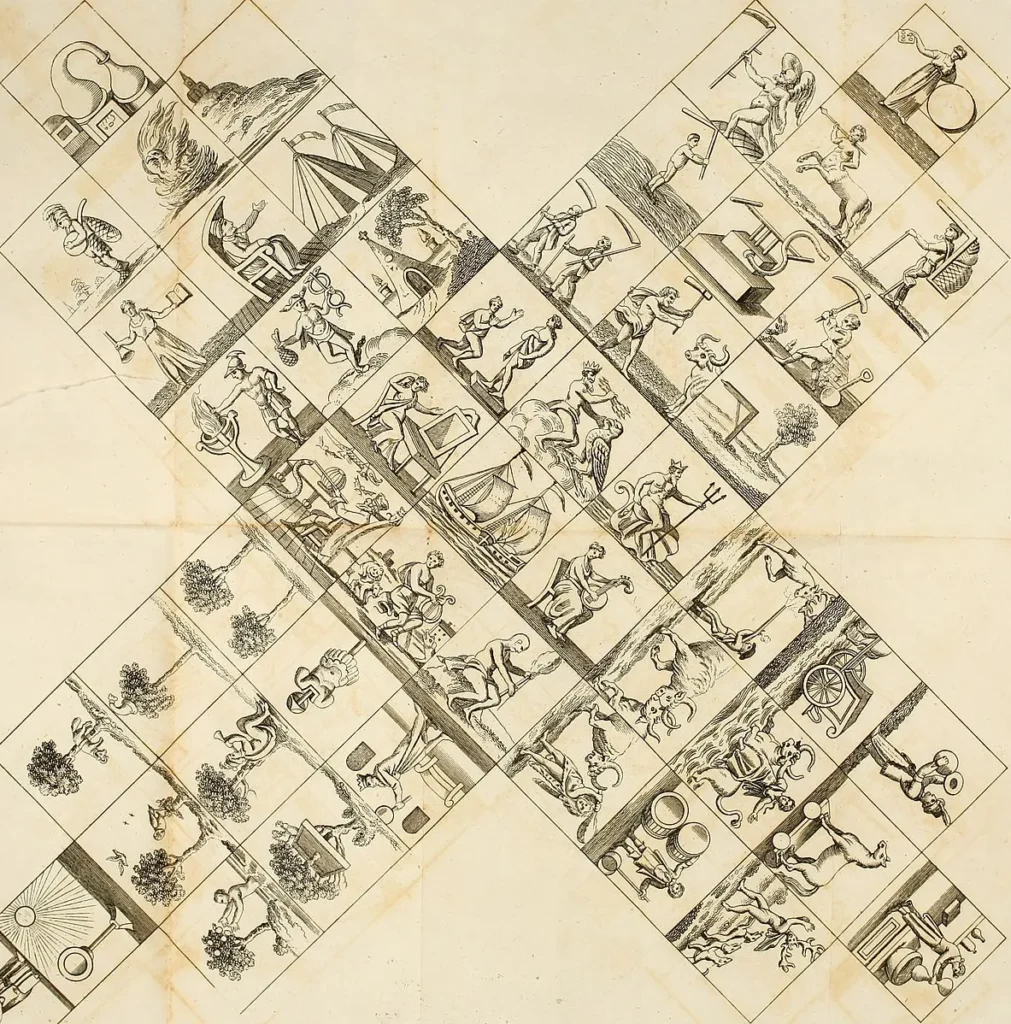
The memory techniques ancient scholars developed remain remarkably relevant to contemporary education, particularly given modern challenges of shortened attention spans and information overload. The Vedic emphasis on multisensory encoding, for instance, directly addresses the problem of passive learning in digital environments.
Language education has begun incorporating ancient phonetic training principles. Students learning tonal languages like Mandarin benefit from the same kind of pitch discrimination training that Vedic scholars mastered. Pronunciation apps now replicate the immediate correction and repetitive practice that characterized ancient oral instruction.
Spaced repetition software implements the distributed practice principle that gurukul students experienced through years of daily recitation. Apps like Anki use algorithms to schedule review sessions at optimal intervals, recreating digitally what ancient learning communities achieved organically.
Mindfulness practices now common in schools trace directly to meditation techniques ancient scholars used to enhance concentration. Research shows that even brief mindfulness sessions before classes improve attention, reduce anxiety, and increase working memory capacity. Brief rhythmic recitations could serve similar functions in modern classrooms.
The principle of varying practice patterns finds application in contemporary pedagogy. Rather than studying material in a single format, effective modern instruction presents information through multiple modalities: oral presentation, written text, visual diagrams, and hands-on practice. This multisensory approach mirrors ancient wisdom about how memory works best.
What We’ve Lost and What We’re Rediscovering
Modern education’s shift from memory development to information access represents both gains and losses. We’ve gained unprecedented access to information through books, databases, and the internet. But we’ve largely abandoned the systematic cultivation of memory that ancient scholars considered fundamental.
The consequences of this loss are now becoming apparent. Students dependent on external memory systems struggle when those systems aren’t available. The inability to recall basic information without consulting devices impairs reasoning, limits creativity, and reduces intellectual autonomy. As one neuroscientist put it, you can’t think deeply about what you can’t remember.
Recent cognitive science has begun rediscovering principles ancient scholars knew intuitively. Research on the testing effect demonstrates that active retrieval practice, exactly what daily recitation provided, produces far better retention than passive review. Studies of expertise show that all high-level performance requires extensive material held in long-term memory, accessible for immediate use.
The paradox of modern education is that while we’ve democratized access to information, we may have weakened the mental capacities needed to use that information effectively. Ancient scholars, with no access to printed books, developed cognitive capabilities that made them walking libraries. Modern students, surrounded by books and devices, often struggle to remember what they learned last week.
This suggests that ancient scholarly methods deserve more than historical interest. They offer tested approaches to developing human cognitive potential that modern education has prematurely discarded. The challenge is adapting these methods to contemporary contexts in ways that preserve their effectiveness while acknowledging modern realities.
The Enduring Power of the Trained Mind
When UNESCO designated Vedic chanting as an intangible cultural heritage of humanity in 2003, they recognized something remarkable: an oral tradition maintaining perfect textual accuracy for over 3,000 years. Scholars today can still recite thousands of verses in perfect accentuation using techniques identical to those developed in ancient India.
This extraordinary achievement demonstrates what the human mind can accomplish when properly trained. Ancient scholars didn’t memorize perfectly because they were smarter than modern people. They memorized perfectly because they developed systematic methods for training memory and devoted years to mastering those methods.
The techniques ancient scholars used represent a mature technology for developing human cognitive potential. These weren’t primitive workarounds for the absence of books. They were sophisticated approaches to knowledge acquisition and retention that achieved their goals with remarkable effectiveness.
Understanding how ancient scholars studied challenges the assumption that progress in education means primarily improving external technologies like books, computers, or AI assistants. Perhaps the most important educational technology has always been the trained human mind, capable of holding vast knowledge, making creative connections, and performing complex reasoning without external aids.
The ancient world’s greatest contribution to education may not be its texts but its proof that human beings can develop extraordinary cognitive capabilities through systematic training. In an age of information overload and digital distraction, the disciplined minds of ancient scholars offer an inspiring vision of human potential waiting to be recultivated.
The methods they used, from rhythmic recitation to meditative absorption, from peer verification to semantic chunking, from phonetic precision to layered redundancy, represent thousands of years of refined practice in the art of learning. Modern education would benefit from taking these methods seriously, not as historical curiosities, but as tested approaches to developing the kinds of minds our complex world desperately needs.