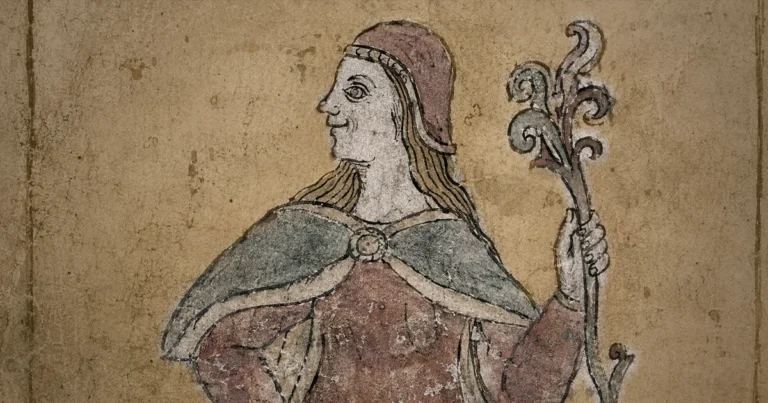

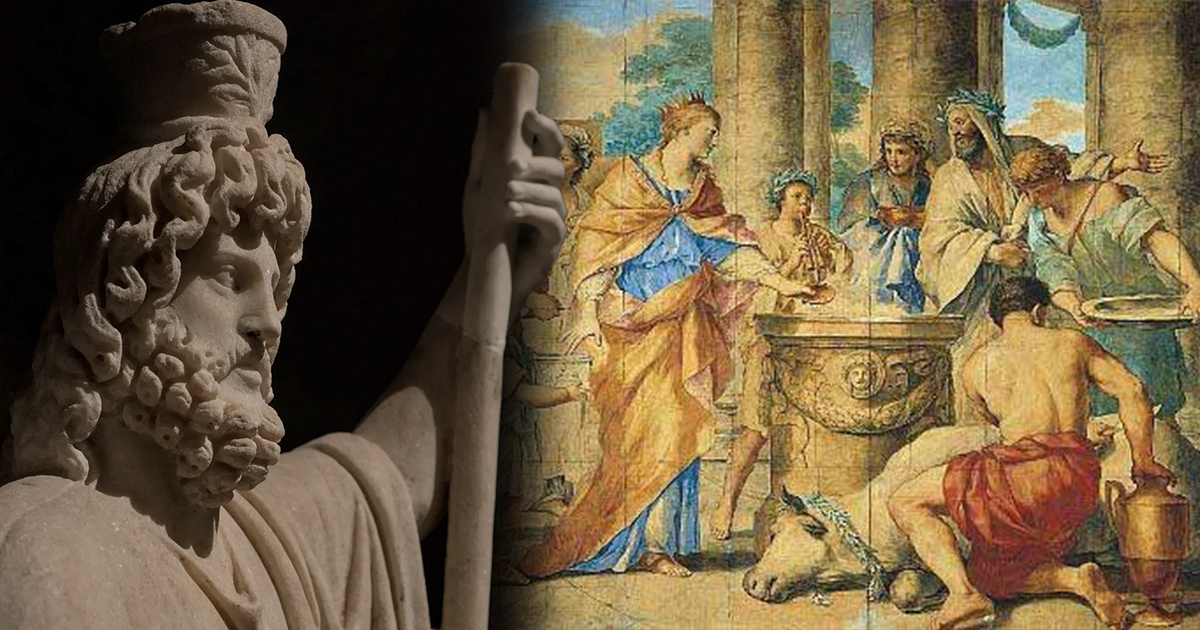
When Emperor Vespasian stood before the Alexandrian crowd in 70 CE, seeking divine validation for his contested claim to the Roman throne, he couldn’t have anticipated the religious transformation about to sweep across the Mediterranean. His miraculous encounter with Serapis (healing the blind and lame through the god’s power) would ignite one of antiquity’s most successful religious movements. Within decades, the Cult of Serapis had evolved from an Egyptian curiosity into one of Rome’s most politically potent faiths, commanding temples from Britain to the Euphrates.
The Ptolemaic Origins: Engineering a Hybrid God
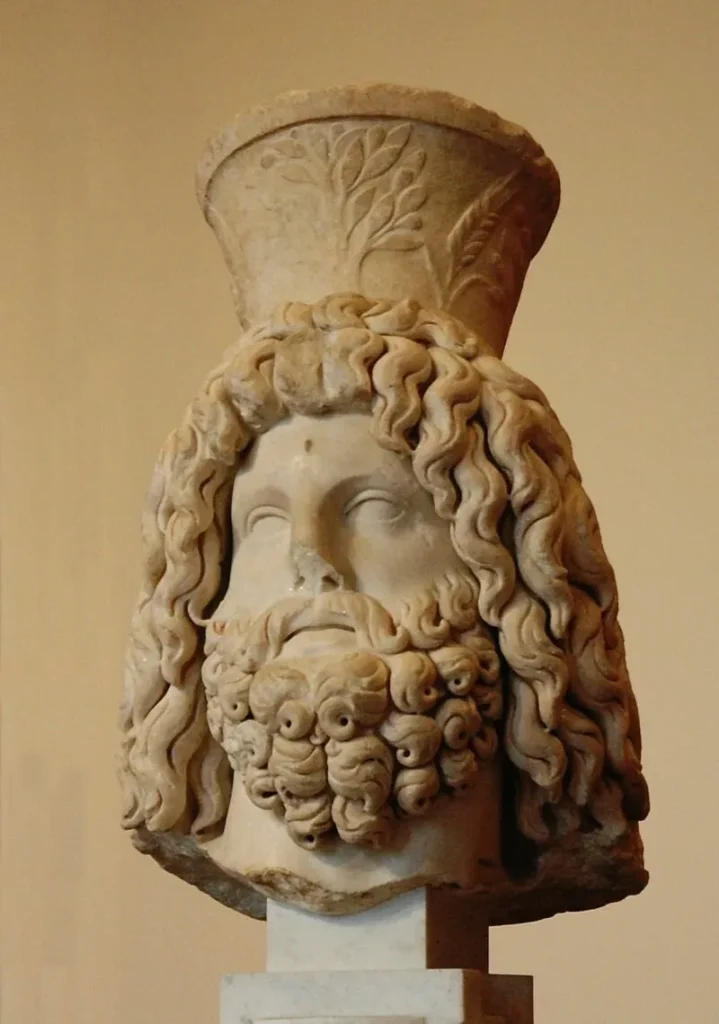
The Cult of Serapis didn’t emerge organically from ancient Egyptian tradition; it was a deliberate political creation. Under the Ptolemies in the 3rd century BCE, Egyptian priests and Greek administrators merged Osiris with the sacred Apis Bull of Memphis, producing Serapis (or Sarapis). This syncretic deity combined the underworld powers of Osiris with healing attributes borrowed from Asklepios, the fertility aspects of Dionysos, and the solar majesty of Helios-Zeus.
Ptolemy I Soter recognized what modern marketers call “product-market fit.” Alexandria’s cosmopolitan population (Greeks, Egyptians, Jews, Syrians) needed a god who transcended ethnic boundaries. Serapis, with his Hellenized appearance (Greek-style beard, flowing robes) and Egyptian mystical credentials, filled that void perfectly. The Great Serapeum of Alexandria became the cult’s Vatican, housing not just the god’s statue but also the famous library containing the Septuagint, the Greek translation of Jewish scripture.
Trade Routes as Religious Highways
The spread of the Cult of Serapis followed the commercial arteries of the ancient Mediterranean. Merchant sailors, facing the constant peril of shipwrecks and storms, adopted Serapis as their patron deity. Archaeological evidence reveals Serapis shrines dotting every major port from Ostia to Delos to Massalia (modern Marseille).
Maritime commerce created religious networks. A grain trader from Alexandria would establish a small shrine to Serapis in Puteoli (near Naples), the primary port for Egyptian grain shipments to Rome. These merchant communities (Egyptians, Greeks, and Syrian traders) formed collegia (religious associations) that maintained Serapis worship abroad. Inscriptions from the Roman port of Ostia document Egyptian priests managing Serapis temples, funded by wealthy merchants who credited the god with safe voyages and profitable ventures.
The Nile-to-Tiber grain route proved especially significant. Rome’s dependence on Egyptian wheat created constant traffic between Alexandria and Italian ports. Each shipment carried not just food but religious ideas, cult objects, and devotees eager to spread Serapis worship in the empire’s capital.
Military Legions: Armed Missionaries
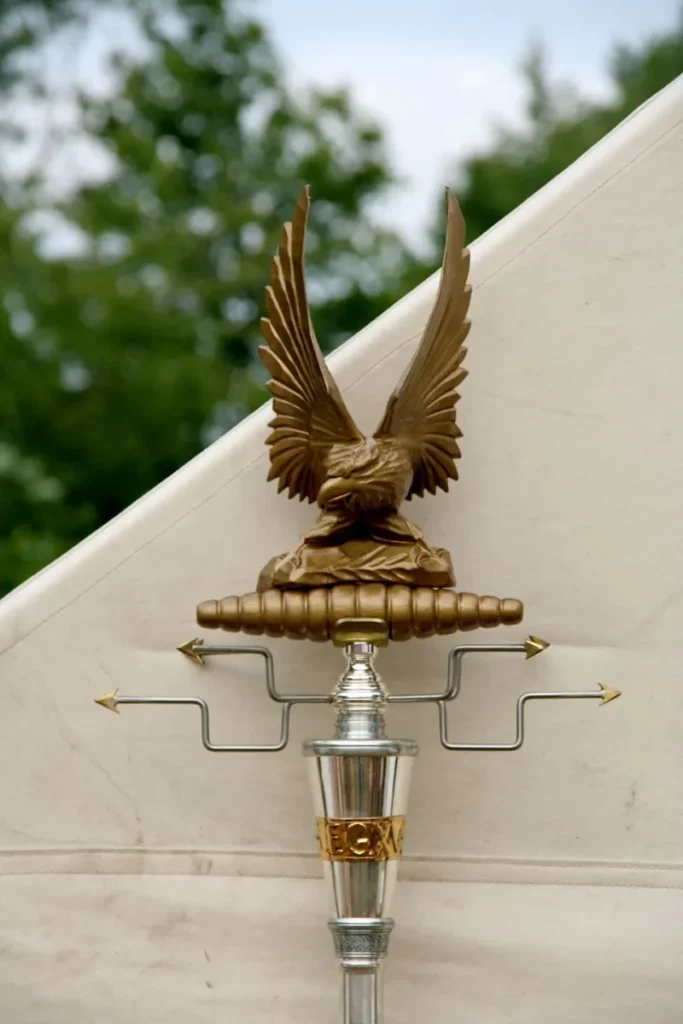
Roman soldiers became the Cult of Serapis’s most effective evangelists. The Legio III Cyrenaica and Legio XXII Deiotariana, both stationed in Egypt, adopted Serapis as a patron deity. When these units rotated to frontier posts in Britain, Germania, and Pannonia, they carried their religious practices with them.
Military adoption of Serapis worship wasn’t merely spiritual; it was strategic. The deity promised victory in battle, healing from wounds, and protection of the dead. A soldier’s life, defined by constant danger and uncertainty, found solace in a god offering both martial prowess and afterlife salvation. Inscriptions from Hadrian’s Wall in Britain and from the Danube frontier document legionaries dedicating altars “to Jupiter-Optimus-Maximus-Serapis,” syncretizing Rome’s chief god with Egypt’s hybrid deity.
During the Diaspora Revolt of 116-117 CE, the Legio III dedicated a statue inscribed “Iovi Optimo Maximo Sarapidi pro salute et victoria” (To Jupiter Best and Greatest Serapis for health and victory). This fusion demonstrated how military pragmatism created new religious forms: Roman soldiers didn’t abandon Jupiter; they enhanced him with Serapis’s healing and resurrection powers.
Imperial Endorsement: When Emperors Became Devotees
The Cult of Serapis achieved mainstream respectability through imperial patronage. Vespasian’s 70 CE visit to Alexandria’s Serapeum marked the turning point. According to Tacitus and Suetonius, Vespasian (desperate for legitimacy after seizing power in the Year of Four Emperors) performed miracles inside the temple. He restored sight to a blind man and healed a crippled hand, both “through Serapis’s divine will.”
These weren’t random healings; they were calculated political theater. Vespasian needed Egyptian support to control Rome’s grain supply and Eastern provinces. By publicly embracing Serapis, he positioned himself as the god’s chosen instrument, a new Ptolemaic pharaoh blessed by divine power. Roman propaganda mints struck coins showing the emperor clasping hands with Serapis, advertising this supernatural alliance throughout the empire.
Hadrian (117-138 CE) took imperial devotion further. After suppressing the Jewish Diaspora Revolt, he erected a temple to “Zeus-Helios-Serapis” at Mons Claudianus in Egypt, celebrating his victory. Coins from his reign depict Hadrian seated in the Serapeum, and even show him assimilated with the god himself: the emperor’s features blending with Serapis’s iconic modius (grain basket) headdress. His wife Sabina appeared on coinage as Isis, Serapis’s divine consort.
This wasn’t mere flattery of Egyptian sensibilities. Hadrian pursued religious pluralism as imperial policy. He built “temples without images” across the empire, inclusive sacred spaces where devotees could worship various deities, including Serapis and even Christ. The Historia Augusta reports that Christians attended these Hadrianic temples alongside Serapis worshippers, creating the religious syncretism that so puzzled (and disturbed) later Christian authorities.
Built out of a love for history, kept free from distractions.
Spoken Past is an independent project shaped by curiosity, care, and long hours of research. Reader support helps keep it maintained, carefully researched, and open to everyone.
The Serapeum as Cosmopolitan Sacred Space

The Alexandrian Serapeum functioned less like a traditional temple and more like a multi-faith religious complex. Beyond housing the library and Septuagint, it accommodated diverse worshippers: Greeks, Egyptians, Jews, and early Christians. Archaeological evidence from the temple’s lamp workshop reveals production of pagan, Jewish, and Christian ritual lamps, suggesting remarkable religious coexistence.
This pluralism created theological crossover. The proskynema (the ritual genuflection before Serapis) was later adopted wholesale by Christians as their own act of devotion. Second-century papyri document Christians performing the proskynema to Serapis, a practice so widespread that modern scholars struggle to distinguish “pagan” from “Christian” letters based on this formula alone.
A revealing second-century letter from the Fayum (BGU 3.714) captures this religious fluidity. Tasoucharion writes to her brother Neilos, mentions the proskynema to Serapis, and sends greetings from an “Apa,” a title reserved for high-ranking Christian priests and monks. This Christian leader apparently saw no contradiction between his faith and respect for Serapis.
Emperor Hadrian, writing to his brother-in-law Servianus after visiting Egypt, expressed bewilderment at this religious hybridity: “Those who worship Serapis are, in fact, Christians, and those who call themselves bishops of Christ are, in fact, devotees of Serapis. There is no chief of the Jewish synagogue, no Samaritan, no Christian presbyter, who is not an astrologer, a soothsayer, or an anointer.”
This wasn’t heresy or confusion; it reflected Egyptian Christianity’s distinctive character. The Septuagint’s presence in the Serapeum made it holy ground for Jews and Christians. Mystery religions like Serapis worship, with their emphasis on ritual purification, afterlife salvation, and spiritual resurrection, created theological common ground with early Christianity.
Political Utility: The Boukoloi Connection
The Cult of Serapis occasionally served anti-imperial purposes. The “Boukoloi” (herdsmen), likely not actual herdsmen but a religious-political group devoted to Serapis, led a major revolt in Egypt around 172 CE during Marcus Aurelius’s reign. Their leader, Isidorus, was a priest, and documentary evidence suggests they identified with Serapis as the sacrificial bull or divine shepherd.
This revolt, eventually crushed by Avidius Cassius, demonstrated Serapis worship’s potential for political mobilization. The Boukoloi combined religious devotion with anti-Roman militancy, embracing martyrdom as a spiritual value, a pattern eerily similar to contemporary Christian radical movements. When Cassius himself later rebelled and declared himself emperor in Alexandria (175 CE), some scholars believe Serapis devotees supported him, seeing the revolt through religious-messianic lenses.
Christian apologists of the 170s-180s worked frantically to distance Christianity from these rebellions. Apollinaris, Melito, Athenagoras, and Theophilus all wrote treatises insisting Christians remained loyal to Marcus Aurelius and hadn’t supported Cassius. Their protests suggest contemporary accusations linking Christians to anti-imperial Serapis movements.
After suppressing the Boukoloi revolt, the Alexandrian Serapeum burned down in 181 CE (later rebuilt by Septimius Severus around 205). This destruction may have targeted the cult’s political threat as much as its religious influence.
Iconographic Convergence with Christianity
The visual similarities between Serapis and Christ imagery facilitated religious crossover. Serapis appeared as a bearded, majestic figure with sun-rays emanating from his head, nearly identical to early Christian depictions of Christ Pantocrator. Both gods held scepters signifying cosmic authority, both promised resurrection and eternal life, both appeared as shepherds tending their flocks.
The Serapis “aretalogies” (hymns praising the god’s miraculous deeds) used language remarkably similar to Christian liturgy. Isis aretalogies began with “Ego eimi” (I am) followed by divine epithets, a formula adopted directly into Christian worship. The parallels were so striking that pagan polemicists accused Christians of simply rebranding Serapis worship.
This wasn’t accidental mimicry but theological convergence. Both religions emphasized:
- Mystery initiation rituals and spiritual purification
- Promise of blessed afterlife for the faithful
- Miraculous healings performed by the divine
- Sacred meals as communion with deity
- Martyrdom as the highest spiritual achievement
- Universal salvation transcending ethnic boundaries
The Christian Takeover: From Tolerance to Triumph
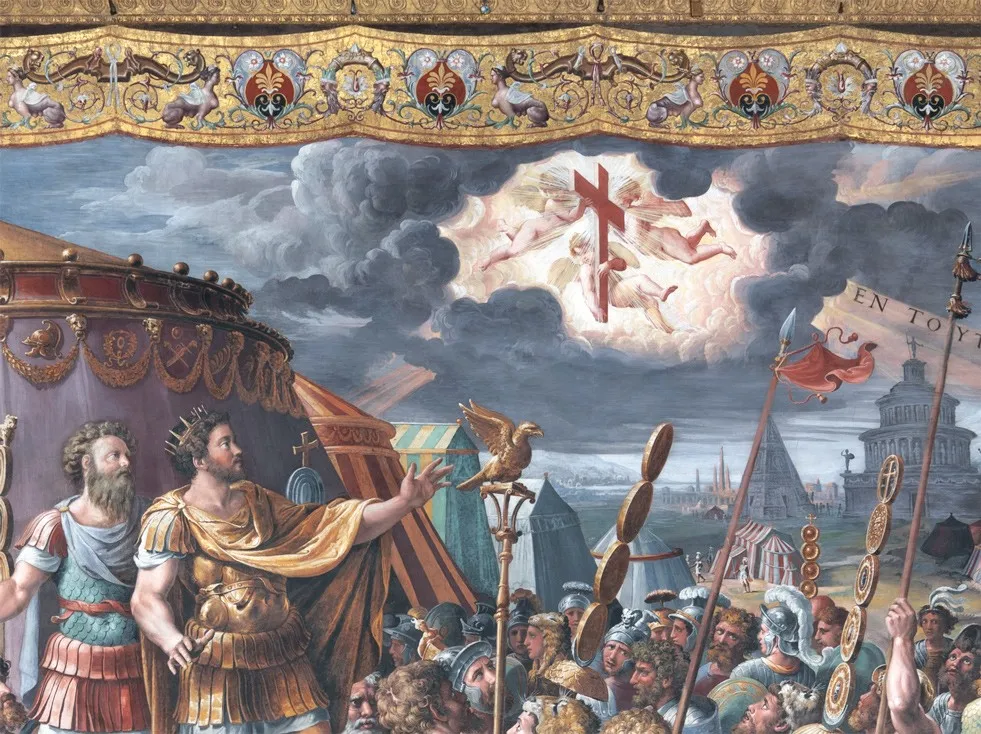
Constantine’s legalization of Christianity in 313 CE began the endgame for Serapis worship. The Edict of Thessalonica (380 CE) under Theodosius I made Christianity the empire’s official religion, transforming the religious landscape overnight.
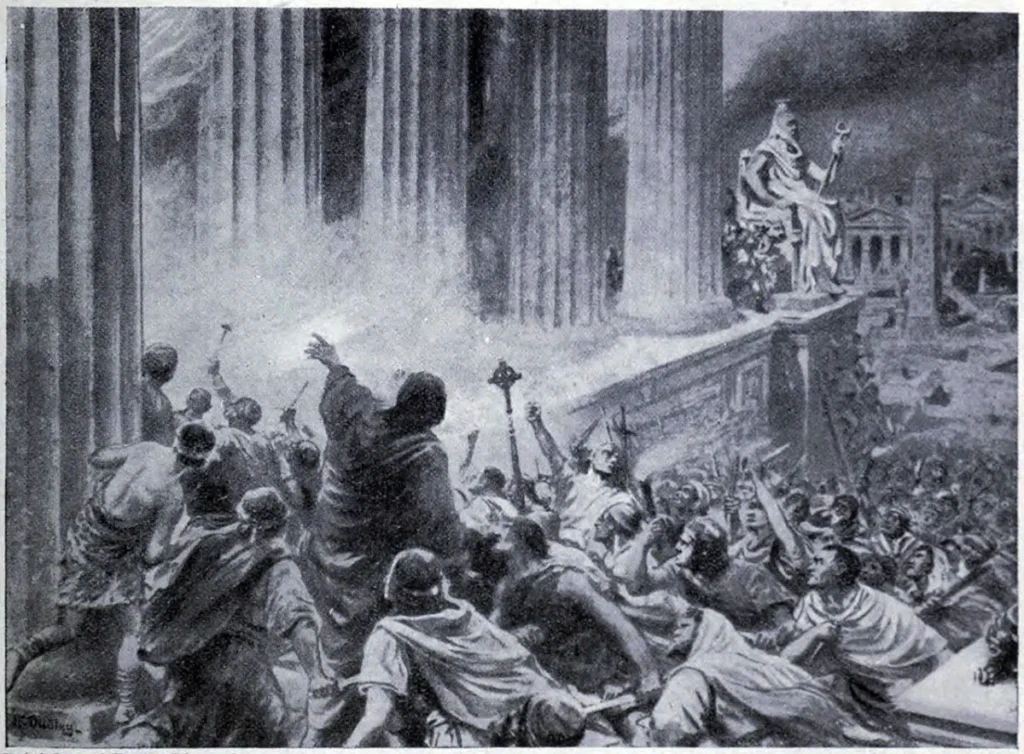
In Alexandria, Bishop Theophilus received imperial authorization to destroy pagan temples in 391 CE. Socrates Scholasticus describes the demolition: “The governor of Alexandria and the commander-in-chief of the troops of Egypt assisted Theophilus in demolishing the heathen temples. All the images were accordingly broken in pieces, except one statue of the god before mentioned, which Theophilus preserved and set up in a public place; ‘Lest,’ said he, ‘at a future time the heathen should deny that they ever worshipped such gods.'”
The Great Serapeum (Alexandria’s most magnificent building after the Pharos lighthouse) was systematically destroyed. Its library contents, including the Septuagint that had made it sacred to Jews and Christians, were dispersed. A church to St. John the Baptist rose on the ruins, physically replacing Egypt’s most powerful pagan shrine with Christian sacred space.
Across the empire, Serapis temples underwent similar transformations. The Caesareum in Alexandria became a church. The temple of Hadrian became the Hadrianon church. At least twelve major churches occupied former pagan sites by 375 CE. This wasn’t mere architectural recycling; it was spiritual conquest, Christianity literally building its empire on Serapis’s foundations.
Legacy: The God Who Prepared the Way
The Cult of Serapis ultimately failed as an independent religion, but succeeded as Christianity’s prototype. Its mystery rituals, salvation theology, resurrection imagery, and universalist message created the theological infrastructure Christianity would inherit and refine.
Serapis worship demonstrated that Mediterranean populations hungered for religious experiences offering:
- Personal salvation beyond ethnic or social status
- Mystery initiation into divine secrets
- Miraculous intercession in daily life
- Promise of blessed afterlife
- Ritual practices fostering community identity
Christianity fulfilled these same needs while adding exclusive claims no other cult could match: a historical founder whose resurrection was recent (not mythological), a developed ethical system, and organizational structure enabling rapid expansion.
Modern historians debate whether Christianity “competed with” or “borrowed from” Serapis worship. The evidence suggests both. Early Christians in Egypt clearly saw no contradiction between venerating Serapis and following Christ; both offered salvation, both performed miracles, both promised resurrection. Only later, as Christianity consolidated institutional power, did such syncretism become heretical.
The destruction of the Alexandrian Serapeum in 391 CE marked more than one religion’s triumph over another. It represented the end of religious pluralism, the closure of sacred spaces where Jews, Christians, and pagans had mingled for centuries. Hadrian’s “temples without images,” where diverse communities worshipped side-by-side, gave way to Christian exclusivity.
Yet Serapis’s influence persisted in unexpected ways. The proskynema genuflection, Isis aretalogy formulas, resurrection theology, and mystical imagery all survived within Christian practice. The shepherd iconography, the bearded divine patriarch, the cosmic judge: these Serapis attributes became Christ’s attributes.
In spreading from Ptolemaic Egypt to Roman Britain, the Cult of Serapis had accomplished something remarkable: it proved that religious ideas could transcend cultural boundaries through trade networks, military movements, and imperial patronage. Christianity learned that lesson well, using the same mechanisms (merchants, soldiers, emperors) to spread a new faith that would ultimately supplant its Egyptian predecessor.
The grain ships that once carried Serapis worship from Alexandria to Rome now sailed under Christian auspices. The legions that erected Serapis shrines on Hadrian’s Wall marched under the Chi-Rho banner. The emperors who clasped hands with Serapis in propaganda coinage now convened councils defining Christian orthodoxy. The Serapeum’s sacred space, where the Septuagint made Jews and Christians welcome, became exclusively Christian ground.
Serapis didn’t die; he transformed, his attributes absorbed into the new dominant religion, his temples repurposed, his worshippers converted. The Cult of Serapis spread throughout Rome not as a permanent alternative to Christianity, but as its unwitting herald, preparing the religious landscape for a faith that would inherit its methods, adopt its imagery, and surpass its reach.
Sources: