Learn history
Culture
Work, family, food, trade, slavery, education, and everyday life in the ancient world, showing how people lived, made a living, and celebrated.

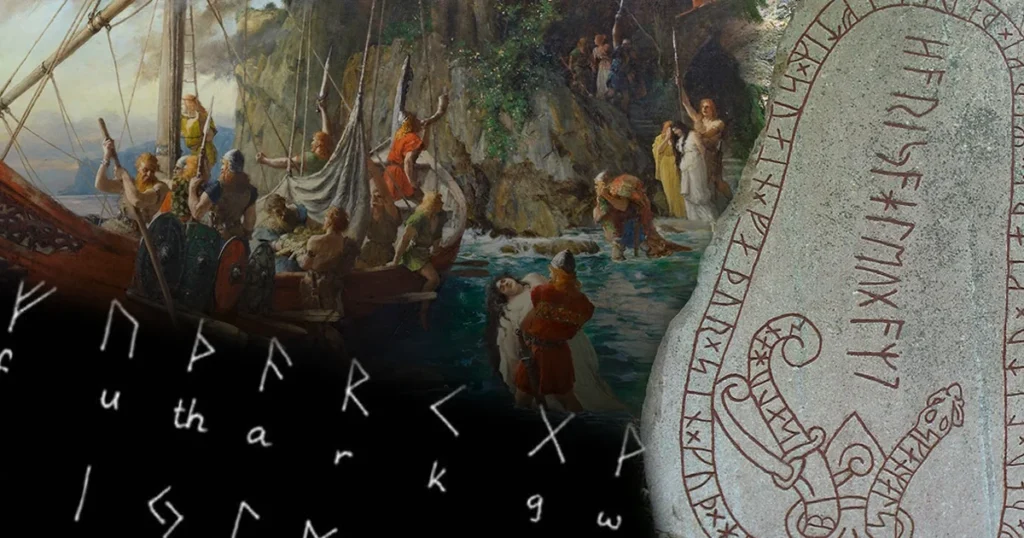
Norse Runes: Writing, Magic, and Germanic Society
From the Elder Futhark to Viking runes, explore what early inscriptions reveal about Germanic writing, religion and the limits of rune magic.
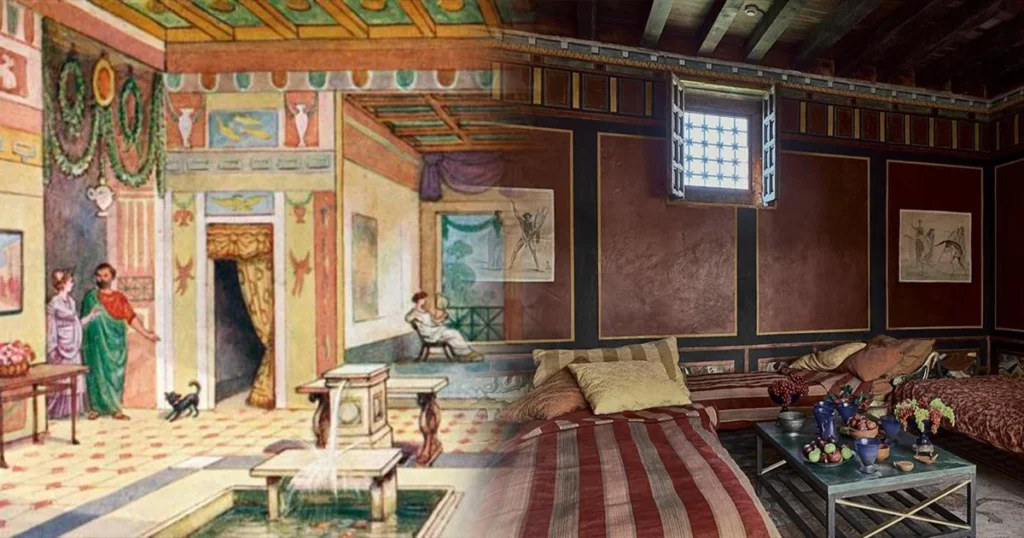
Inside Ancient Roman Apartments: Rent, Rooms and Daily Life
Roman apartments ranged from cramped rooms to decorated suites. Explore insulae, rent, fire, water, sanitation and daily life in imperial Rome.
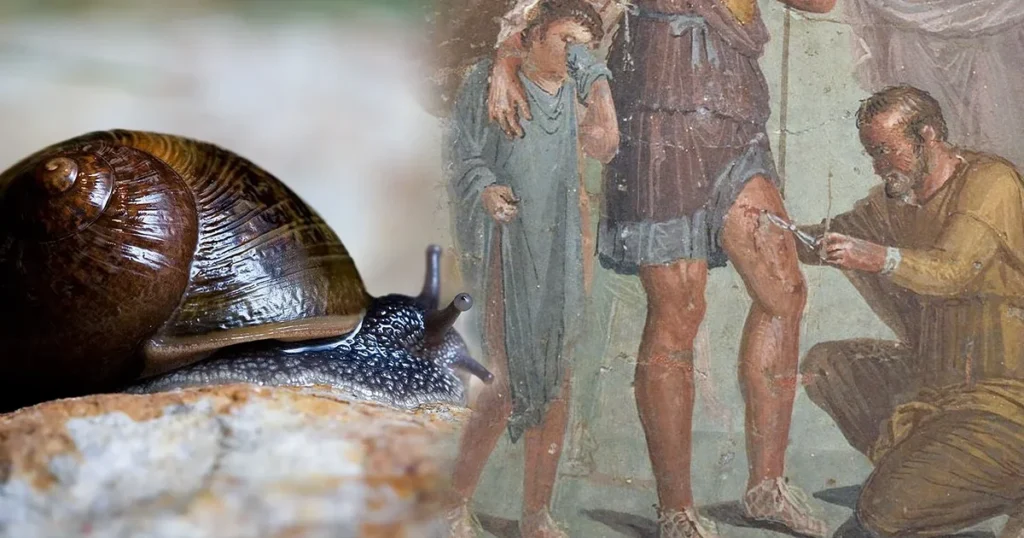
7 Strange Medical Remedies from Ancient Rome
Gladiator blood for epilepsy, goat liver for night blindness, and mouse dung for bladder stones: what Roman sources actually say about seven remedies.

5 Roman Innovations That Still Shape Modern Life
Roman concrete, aqueducts, roads, arches and heated floors changed the built world. What the Romans invented, adapted and left behind is more complex.
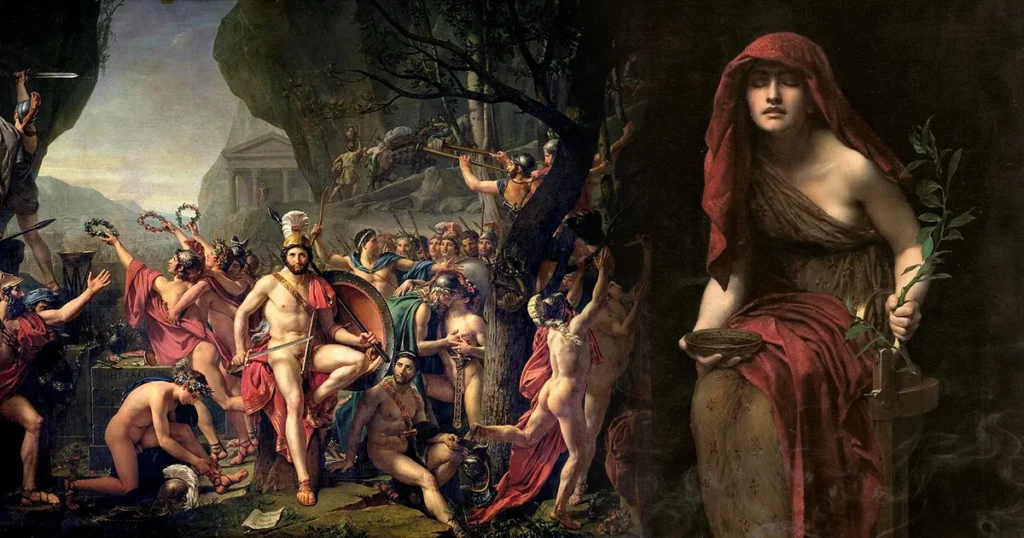
5 Famous Prophecies from the Oracle of Delphi
Five famous Delphic prophecies, from Croesus and Salamis to Leonidas, Nero and Socrates, examined through the ancient evidence and its uncertainties.
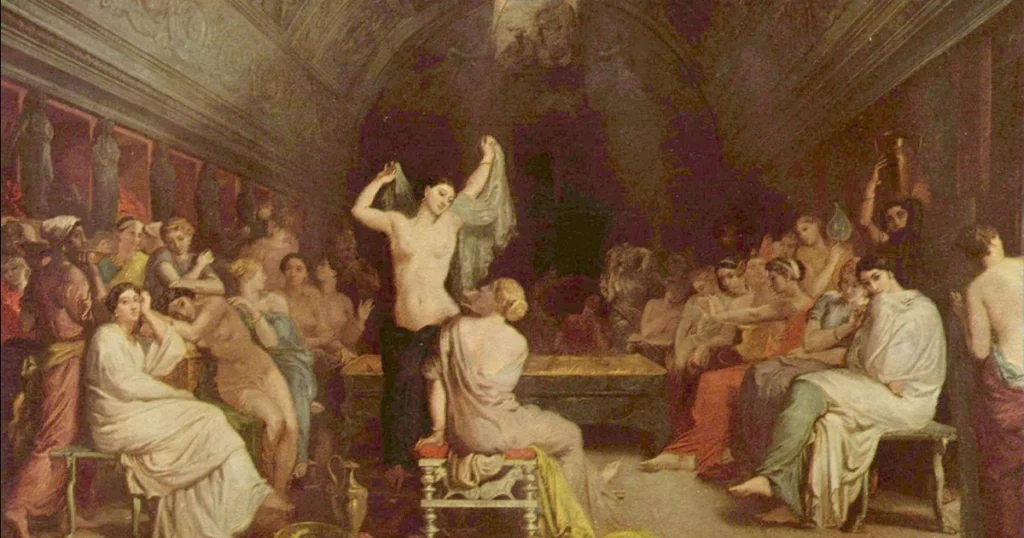
How Romans Bathed: Inside the Ancient Bathhouse
Roman bathhouses combined hot and cold rooms, exercise, oil scraping and social life. Ancient texts and excavations reveal how Romans actually bathed.
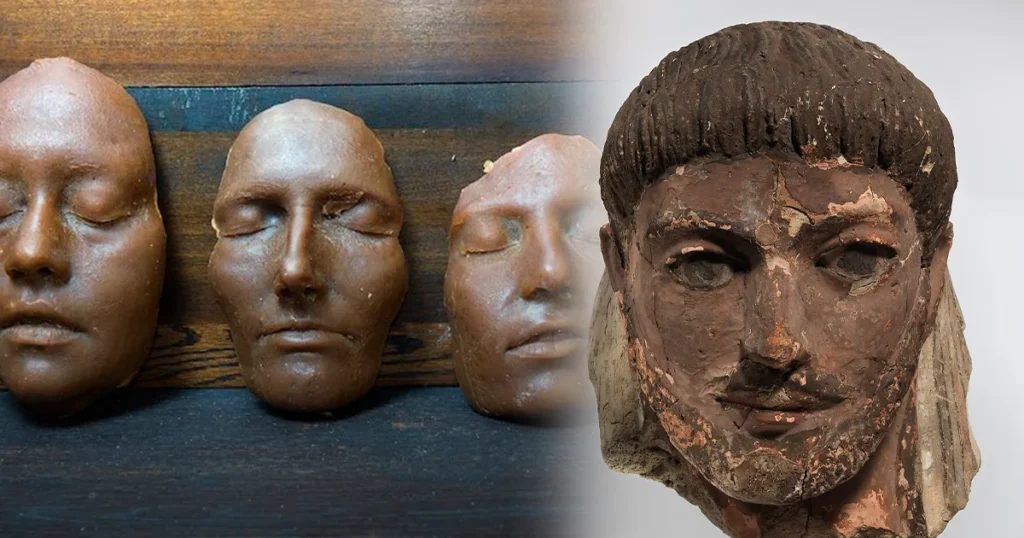
Roman Death Masks: How Ancestors Appeared at Funerals
Roman families displayed wax ancestor masks and used them in funeral processions. Polybius explains the ritual, while new research questions when it ended.
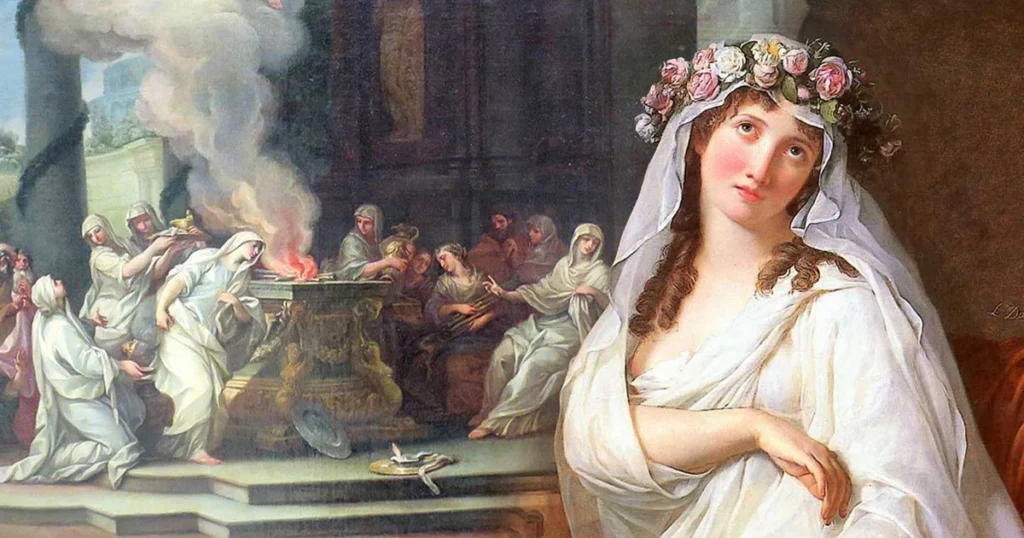
Vestal Virgins: Rome’s Most Powerful Priestesses
Rome’s Vestal Virgins guarded the sacred fire, prepared offerings, held unusual legal rights and faced severe punishment for breaking their vows.
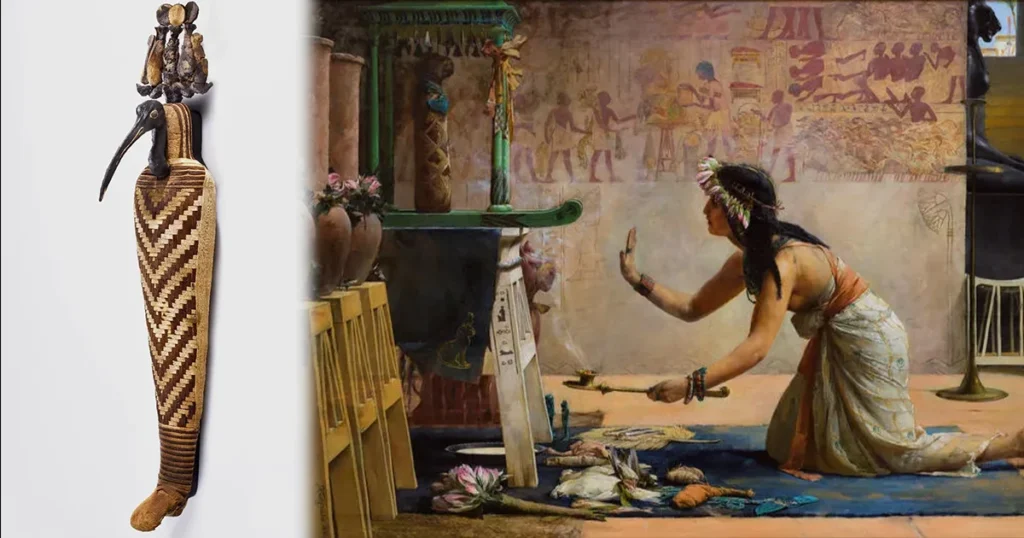
Why Ancient Egyptians Mummified Millions of Animals
Egyptians buried millions of cats, dogs and ibises as offerings to the gods. Saqqara’s catacombs and new scientific studies reveal how the practice worked.
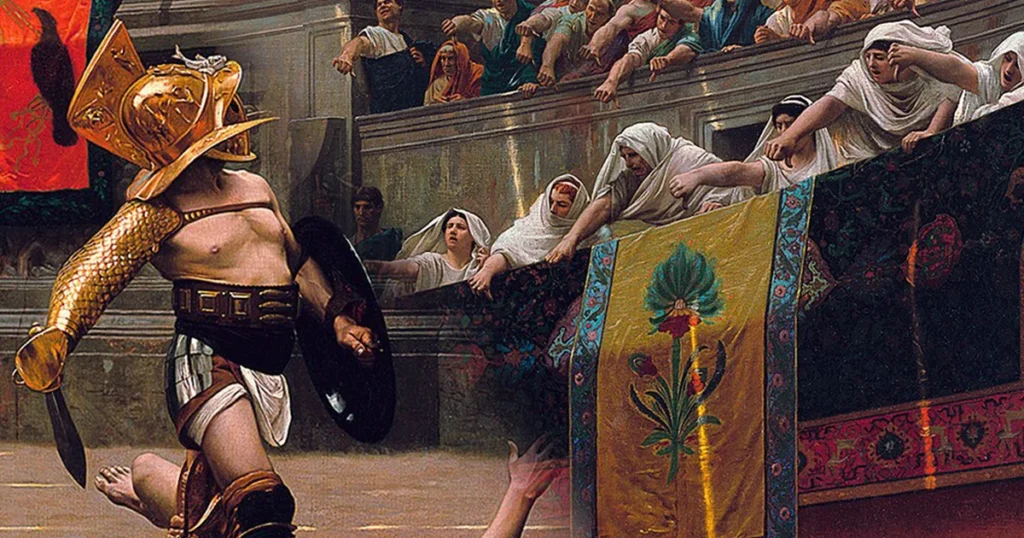
Did Romans Really Give Gladiators a Thumbs Down?
Roman writers describe a turned or hostile thumb in gladiatorial games, but never specify its direction. What did the signal mean, and how did…
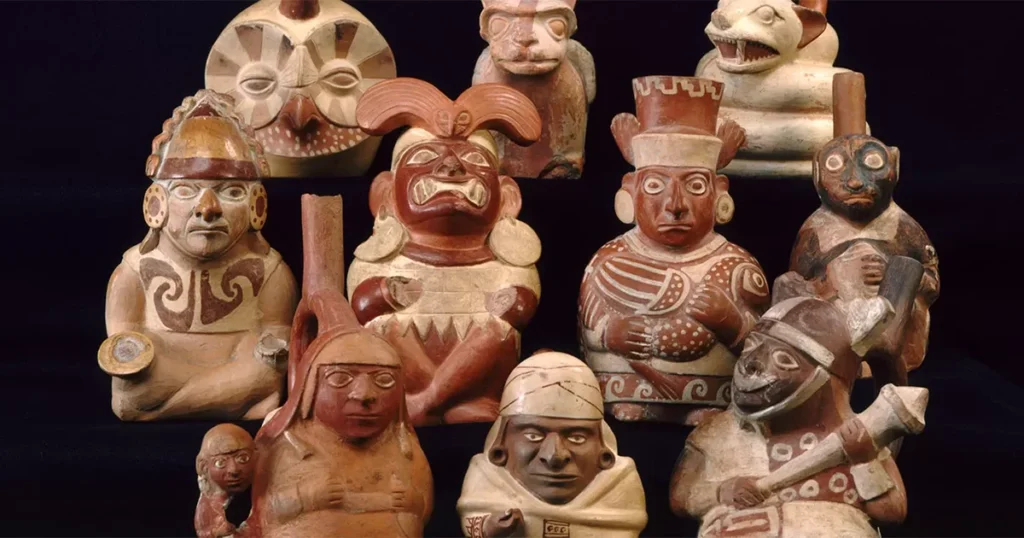
The Moche Sacrifice Ceremony: What Painted Vessels Reveal
Moche painted vessels depict captive warriors, ritual blood offerings and powerful priests. Excavations at Sipán and Huaca de la Luna reveal what was real.
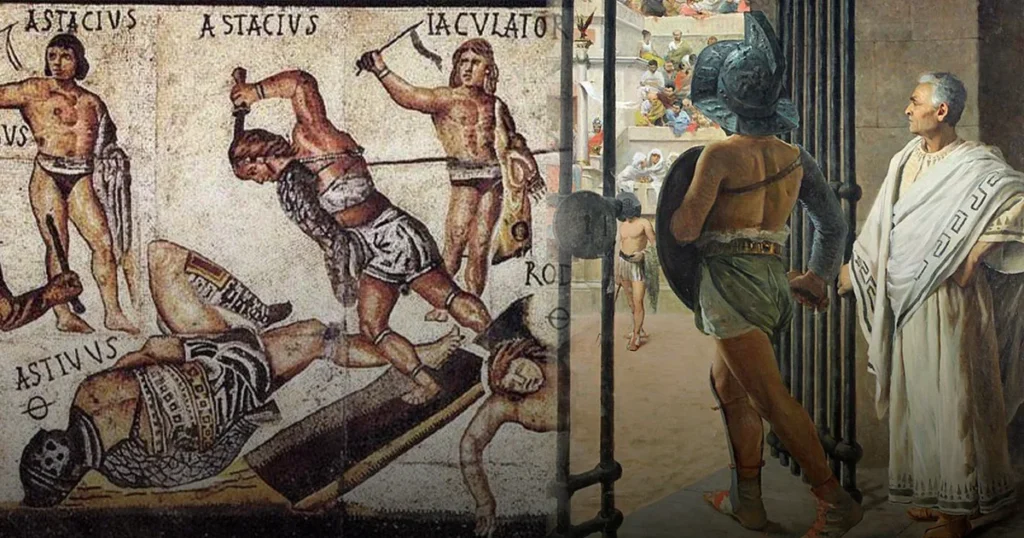
Roman Gladiators: How They Lived and Trained
Roman gladiators trained with wooden weapons, ate grain-heavy diets, and lived under strict control. Archaeology reveals how their schools worked.