

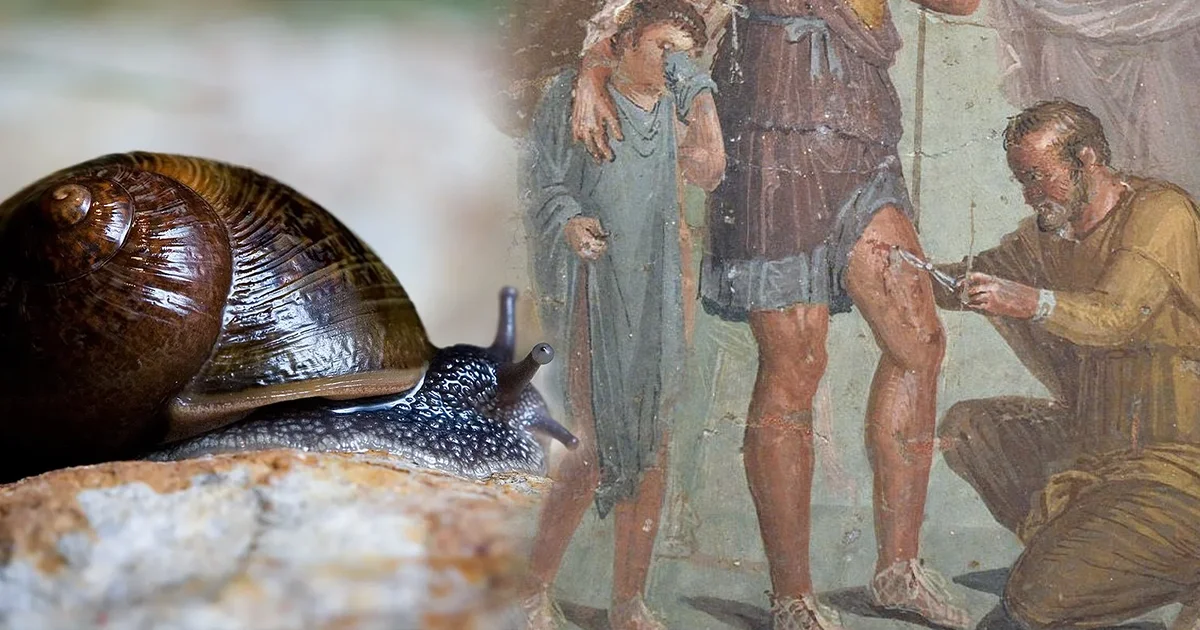
Between the 1st and 6th centuries AD, Roman physicians and citizens held medical convictions that blended observation with superstition. Roman medicine borrowed heavily from Greek traditions while developing its own approaches to treating illness. These practices reveal how Romans understood the human body, disease, and the relationship between physical health and spiritual forces.
1. Gladiator Blood Cured Epilepsy
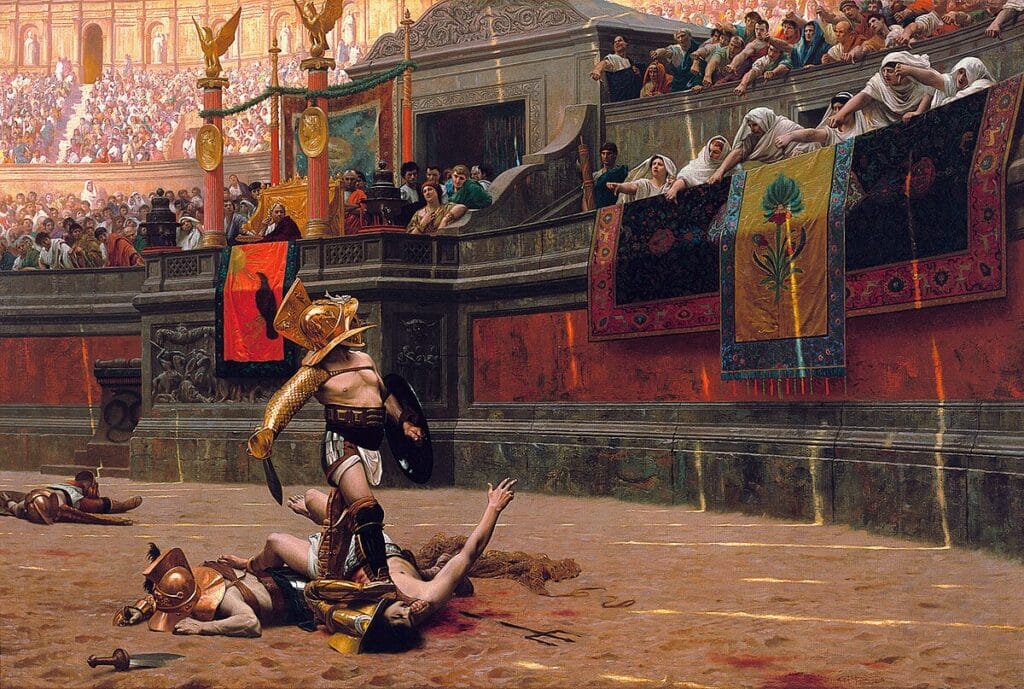
Romans believed fresh gladiator blood could cure epilepsy, the “sacred disease.” Spectators suffering from seizures rushed into arenas immediately after fatal combat to collect warm blood from fallen gladiators. The belief held that blood from courageous fighters killed in combat carried exceptional life force. Medical writers between the 1st century BC and 6th century AD documented this practice, recommending epileptics consume blood or liver tissue from gladiators. Pliny the Elder recorded specific instructions for the treatment, noting that the blood had to be consumed while still warm to transfer the gladiator’s strength and vitality to the patient.
2. Hysteria Originated in the Wandering Womb

Roman doctors inherited the Greek concept that female hysteria resulted from a displaced uterus traveling through the body. Physicians taught that the womb could migrate upward into the chest, causing breathing difficulties, or sideways, producing pain. Treatments aimed to lure the organ back to its proper anatomical position using strong-smelling substances. Doctors placed pleasant fragrances near the pelvis and foul odors near the nose and mouth. Physicians also prescribed marriage and pregnancy as permanent cures, believing regular intercourse and childbearing would anchor the womb in place through physical use.
3. Urine Whitened Teeth and Cleaned Fabric
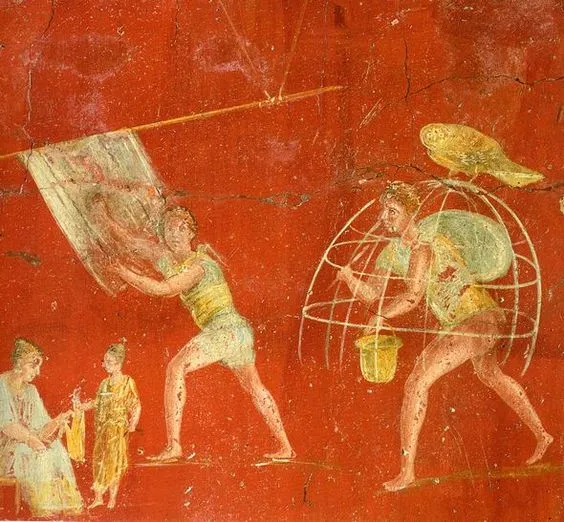
Romans collected human and animal urine for dental hygiene and textile processing. The ammonia content in aged urine acted as a bleaching agent and cleanser. Citizens used Portuguese urine, considered the strongest variety, as mouthwash for whitening teeth. The poet Catullus mocked a Spanish acquaintance for using too much urine to achieve brilliant teeth. Fullers relied on public urinals and collected urine in vats placed at street corners for their cloth-cleaning operations. Emperor Vespasian taxed urine collection in 70 AD, recognizing its commercial value and defending the practice with the phrase “pecunia non olet” (money doesn’t smell).
Built out of a love for history, kept free from distractions.
Spoken Past is an independent project shaped by curiosity, care, and long hours of research. Reader support helps keep it maintained, carefully researched, and open to everyone.
4. Goat Liver Restored Vision

Romans prescribed goat liver consumption for eye diseases and vision problems. Physicians instructed patients to eat the organ raw or barely cooked, believing it transferred the goat’s keen eyesight to humans. Pliny documented variations of this treatment, including applications of goat bile directly to the eyes. The liver of a black goat held special medicinal power for night blindness. Galen and other medical authorities supported liver therapy, though they debated preparation methods. Some physicians recommended wrapping the liver in a cloth soaked in honey before application to the eyelids, while others insisted on internal consumption for maximum benefit.
5. Snail Slime Healed Skin Conditions

Roman medical texts recommended crushed snails and snail mucus for treating burns, wounds, and skin lesions. Physicians created poultices from ground snail shells mixed with the creature’s bodily fluids. The treatment required collecting live snails, crushing them in a mortar, and applying the paste directly to affected areas. Pliny recorded numerous recipes using different snail species for specific conditions. Sea snails treated boils and abscesses, while garden snails addressed burns. Romans also consumed certain snails as health food, believing they strengthened the lungs and improved respiratory function when cooked with specific herbs.
6. Mouse Droppings Expelled Bladder Stones
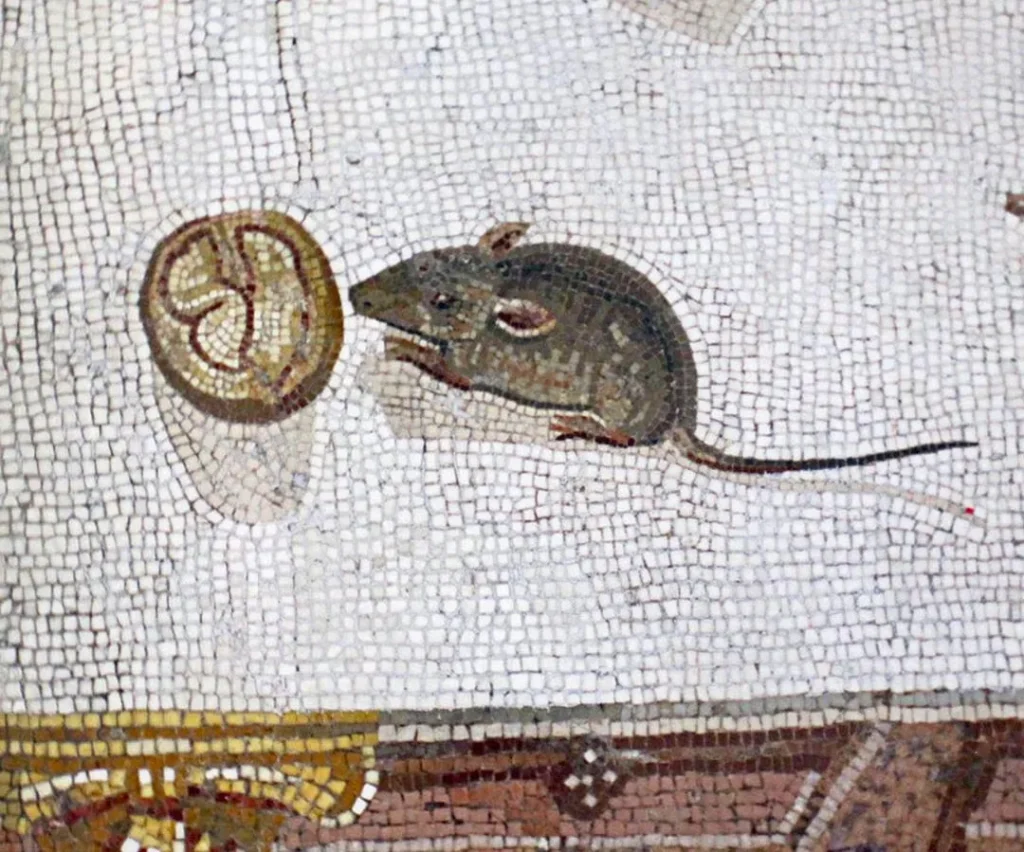
Physicians prescribed mouse droppings in wine or water for dissolving kidney stones and bladder obstructions. The treatment involved collecting fresh mouse excrement, grinding it into powder, and mixing it with liquids for patients to drink. Medical texts specified dosages based on stone size and patient age. Romans believed the substance’s small, hard shape mimicked and therefore affected kidney stones through sympathetic magic principles. Galen mentioned the remedy in his pharmaceutical writings, though he expressed some skepticism about its effectiveness. Alternative preparations included burning the droppings to ash and mixing them with honey for easier consumption.
7. Sweat from Athletes Cured Joint Pain
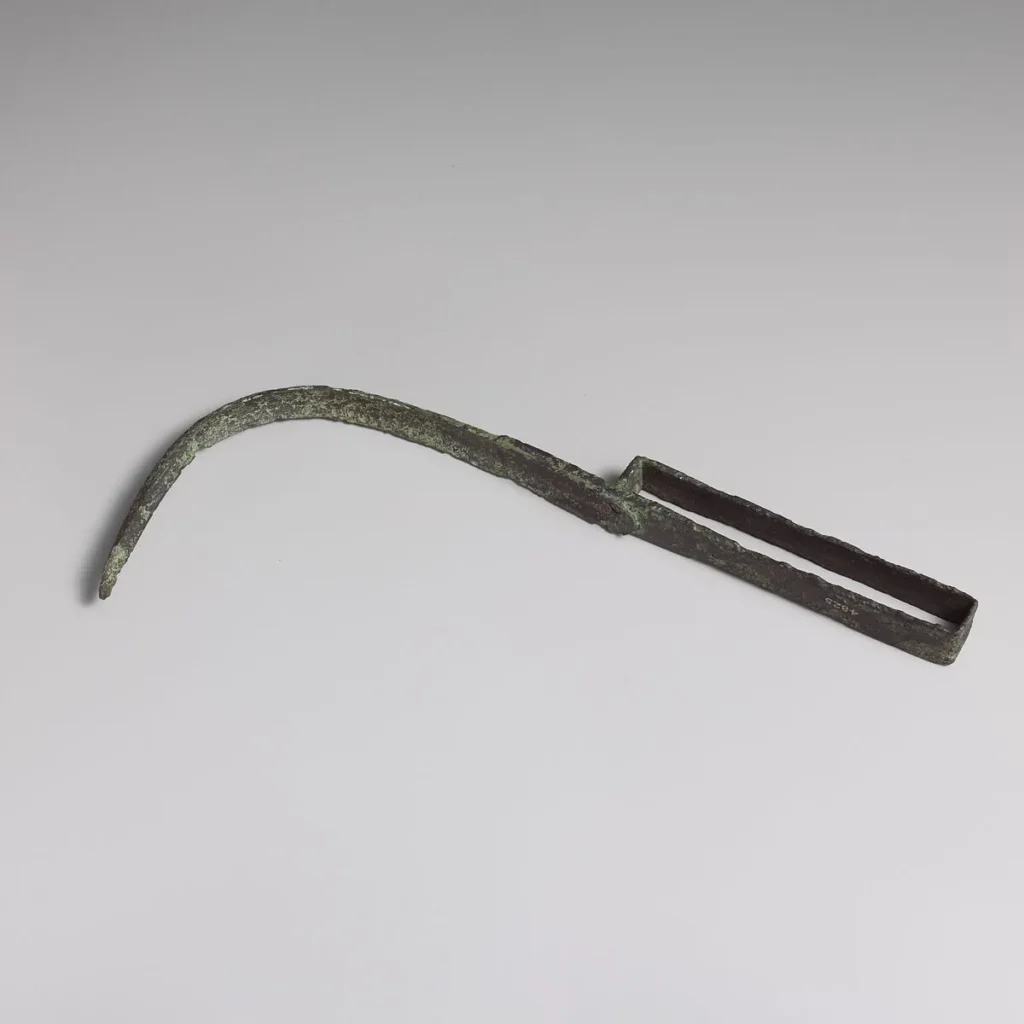
Romans collected sweat scraped from athletes and gladiators as medicine for joint inflammation and muscle stiffness. Bath attendants used bronze or iron strigils to scrape oil and perspiration from exercising bodies. This mixture, called gloios in Greek, was sold to customers seeking pain relief. The substance was thought to contain the athlete’s strength and heat, which penetrated sore joints when rubbed into the skin. Pliny the Elder described different grades based on which body part provided the sweat, with leg and thigh scrapings considered most effective for arthritis. Wealthy Romans paid premium prices for sweat from famous athletes and champions, believing celebrity sweat held greater healing power.