
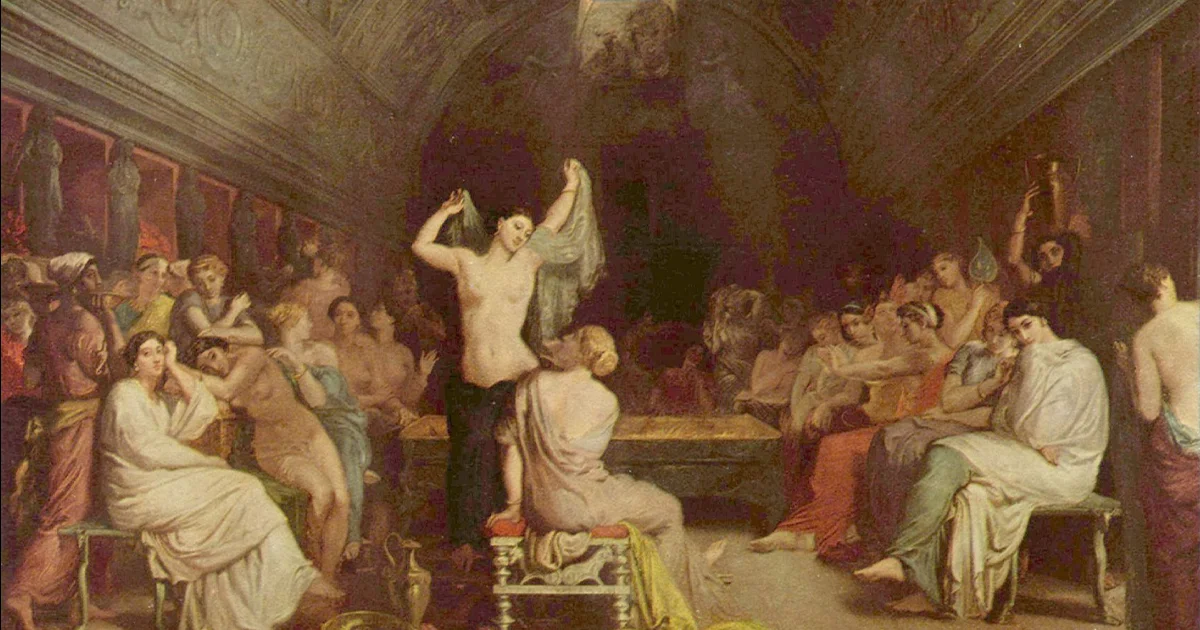
Ancient Roman bath rituals were far more than simple hygiene routines—they represented a sacred daily ceremony that combined physical cleansing, social interaction, exercise, and sensory indulgence. Every afternoon around the eighth hour, Romans of all social classes would abandon their work and head to the thermae, spending hours in an elaborate progression through heated rooms, cold plunges, and oil-scraping rituals that defined civilized life. These ancient Roman bath rituals became so fundamental to Roman identity that citizens viewed bathing establishments as proof of their cultural superiority over barbarian peoples who lacked such sophisticated customs.
The Sacred Sequence of Ancient Roman Bath Rituals
Ancient Roman bath rituals followed a precise order that bathers observed religiously, moving through specific rooms in a choreographed sequence. Romans would first enter the apodyterium, the dressing room where they removed their street clothes and entrusted them to slaves or attendants. They dressed in subligaculum, a light covering garment, along with special thick-soled sandals designed to protect feet from scorching hypocaust-heated floors.
The bathing ritual required visiting each room in proper succession to maximize therapeutic benefits. This structured progression represented more than practical necessity—it embodied Roman discipline and order, distinguishing civilized Romans from peoples who bathed haphazardly. The ritual could consume several hours, and Romans performed these ancient Roman bath rituals at approximately the same time each day, making the thermae a predictable social gathering place.
Exercise in the Palaestra Before Bathing
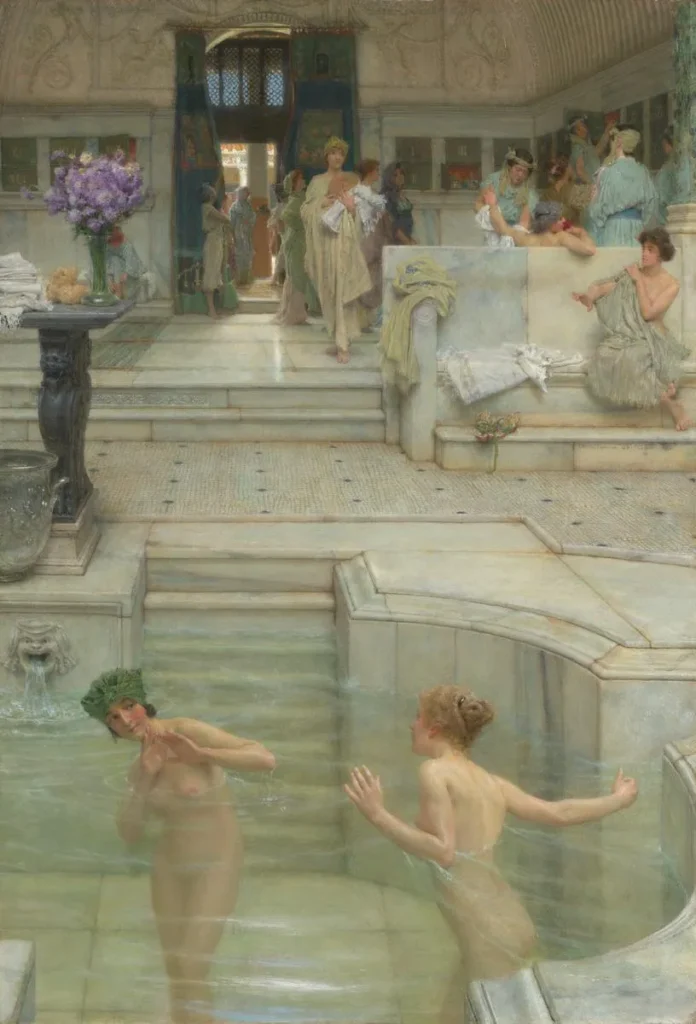
Before entering the actual baths, Romans began their ancient Roman bath rituals with vigorous exercise in the palaestra, a large open courtyard surrounded by columns. Activities included wrestling, weight lifting with stone or metal weights, discus throwing, boxing, running, swimming, and various ball games depicted in Ostia bath mosaics. This athletic component originated from Greek gymnasium culture and became integral to Roman bathing practice.
Exercise served multiple purposes within ancient Roman bath rituals beyond simple physical conditioning. The exertion opened pores, induced sweating, and prepared the body for the cleansing effects of oil application and heat. Romans believed that vigorous activity before bathing enhanced the therapeutic benefits of the subsequent hot rooms and cold plunges. The palaestra also functioned as a social space where Romans could display their athleticism and engage in friendly competition before moving to the bathing rooms.
The Oil and Strigil Cleansing Method
After exercising, ancient Roman bath rituals required the application of olive oil across the entire body. Wealthy Romans had slaves perform this service, while poorer citizens applied oil themselves. Romans believed the oil would absorb dirt from the skin’s surface while sweat from exercise formed a watery layer underneath the oily coating, lifting grime away from pores.
The strigil, a curved metal scraping tool with a dull blade and handle, removed the oil mixture along with accumulated dirt and sweat. A slave or attendant would scrape the strigil across the bather’s skin in long strokes, efficiently collecting impurities without causing discomfort. The curved shape allowed the tool to follow body contours while removing the maximum amount of oily residue. This practice held profound social significance—using a strigil symbolized leisurely sophistication and elite status, distinguishing wealthy Romans who could afford such luxuries from poor citizens who cleaned themselves with simple cloths.
The Frigidarium Cold Plunge Experience
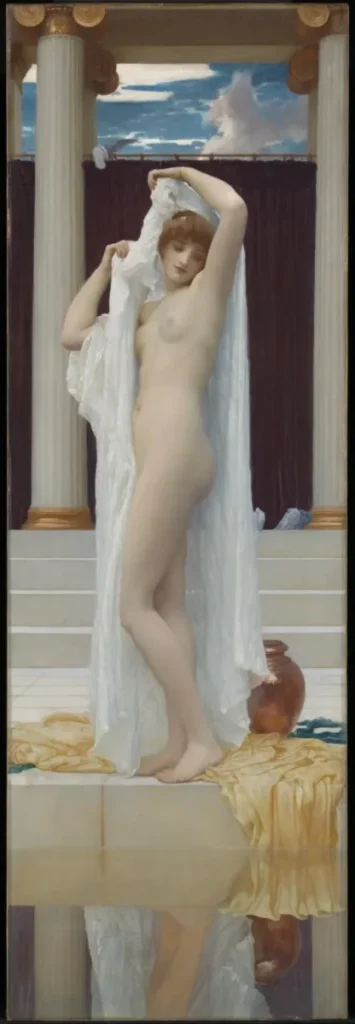
The frigidarium represented the first actual bathing room in ancient Roman bath rituals, containing pools of cold water where Romans would immerse themselves. The cold plunge served as a shocking contrast to come, preparing the body for the extreme heat of subsequent rooms. Romans believed the frigidarium tightened skin, closed pores, and invigorated the constitution after exercise.
Some thermae featured elaborate frigidaria with multiple cold pools of varying depths and temperatures. Architectural elements included marble columns, decorative mosaics, and sometimes open-air sections that allowed natural light to illuminate the space. The transition from the ambient temperature of the palaestra to the frigidarium’s cold water represented the first dramatic temperature shift in ancient Roman bath rituals, and Romans often spent considerable time acclimating to the chill.
Warming Up in the Tepidarium
After the frigidarium, ancient Roman bath rituals progressed to the tepidarium, a warm room with heated floors and walls but no standing water. The tepidarium functioned as a transitional space that gradually raised body temperature before the intense heat of the caldarium. Romans would sit on heated benches, allowing their bodies to adjust slowly to increasing warmth.
The hypocaust heating system beneath the tepidarium floor channeled hot air through chambers under the tiles and within the walls. This ingenious mechanism distributed heat evenly throughout the room, creating a comfortable warming environment. The floors could become dangerously hot without sufficient thickness, requiring bathers to wear their special thick-soled sandals. Romans spent varying amounts of time in the tepidarium depending on their tolerance for heat and their schedule for the afternoon.
The Caldarium’s Intense Heat and Steam
The caldarium represented the climax of ancient Roman bath rituals, featuring extreme heat, heavy steam, and sometimes a hot water plunge pool called a labrum. Temperatures reached levels comparable to modern saunas, inducing profuse sweating that Romans believed purged toxins and impurities from deep within the body. The moist heat opened pores maximally, allowing any remaining dirt to be expelled through perspiration.
Hypocaust furnaces burned constantly beneath the caldarium, heating water in bronze boilers that produced steam channeled into the room. The resulting atmosphere was intensely hot and humid, creating a purifying environment Romans considered essential for health. Many caldaria featured domed or vaulted ceilings that concentrated heat and prevented condensation from dripping onto bathers below. Romans would scrape themselves again with strigils in the caldarium, removing the sweat and any remaining impurities loosened by the heat.
Built out of a love for history, kept free from distractions.
Spoken Past is an independent project shaped by curiosity, care, and long hours of research. Reader support helps keep it maintained, carefully researched, and open to everyone.
The Return Journey Through the Rooms
Ancient Roman bath rituals required visiting the same rooms in reverse order after completing the caldarium. Bathers would return to the tepidarium to cool down gradually, preventing the shock of moving directly from extreme heat to cold. This gradual temperature reduction protected the body from strain and allowed the cardiovascular system to adjust safely.
From the tepidarium, Romans returned to the frigidarium for a final cold plunge that closed pores tightened by the previous cold immersion. This second frigidarium visit refreshed bathers after the caldarium’s intense heat and left them feeling invigorated. Finally, Romans returned to the apodyterium where they dried themselves, dressed in their street clothes, and prepared to leave the thermae. The complete cycle of ancient Roman bath rituals represented a perfectly balanced sequence of temperature extremes and gradual transitions designed to optimize health benefits.
Social Mixing Across All Classes
Ancient Roman bath rituals created rare opportunities for social mixing between wealthy patricians and poor plebeians. Because bathers were typically nude inside the thermae, the clothing that normally indicated social rank disappeared, allowing unprecedented interaction between classes. Old and young, rich and poor shared the daily ritual together in democratic proximity.
This social leveling made the baths invaluable venues for clients seeking audiences with wealthy patrons. A poor citizen might approach a senator in the caldarium, request a dinner invitation, or seek political favor in circumstances impossible outside the thermae. The baths also functioned as informal business meeting places where Romans negotiated deals, discussed philosophy, and exchanged gossip. Bath complexes often included libraries, lecture halls, and spaces for poetry readings, transforming them into comprehensive social centers.
The Symbolism of Roman Cleanliness and Civilization
Ancient Roman bath rituals embodied Roman identity and cultural values in profound ways. Romans viewed their elaborate bathing customs as definitive proof of civilization, distinguishing themselves from barbarian peoples who lacked thermae. The baths demonstrated Roman engineering superiority through hypocaust heating, aqueduct water supply, and architectural grandeur.
As Rome expanded across Europe, North Africa, and the Middle East, the baths followed, bringing daily civilization to millions. Constructing thermae represented one of the first priorities after Roman conquest, often funded by local elites eager to demonstrate their adoption of Roman culture. The spread of ancient Roman bath rituals throughout the empire created a unified cultural practice that connected Romans from Britain to Syria, all participating in identical daily ceremonies. This ritualized bathing became nothing less than a symbol of Rome itself—a daily reaffirmation of belonging to the greatest civilization the world had known.
Men and Women in the Bath Houses
The question of gender segregation in ancient Roman bath rituals remains partially unclear from historical evidence. Some bath complexes featured separate facilities for men and women with divided sections or entirely separate buildings. Other thermae operated on schedules where women bathed during certain hours and men during others, ensuring separation through timing rather than architecture.
However, evidence also indicates that mixed bathing occurred frequently throughout the empire, with men and women sharing the same pools and rooms simultaneously. Various emperors issued edicts attempting to prohibit mixed bathing, suggesting it was common enough to require legal intervention. The social propriety of mixed bathing fluctuated across different historical periods and regions, with practices varying from strict segregation to casual mixing depending on local customs and imperial policy.
Health Benefits Romans Believed In
Romans attributed extensive health benefits to their ancient Roman bath rituals beyond simple cleanliness. They believed the alternating hot and cold temperatures strengthened the constitution, improved circulation, and prevented disease. The sweating induced by the caldarium purged illness-causing miasmas and expelled toxins through the skin.
Modern scientific understanding confirms some Roman beliefs about bathing benefits. The heat exposure dilates blood vessels and increases blood flow, while cold immersion constricts vessels and reduces inflammation. Alternating between hot and cold temperatures provides cardiovascular exercise as vessels expand and contract. The social interaction and relaxation reduced stress, while physical exercise in the palaestra improved fitness. Romans may not have understood the precise mechanisms, but their intuition about bathing’s health benefits proved remarkably accurate.
Additional Amenities in the Thermae
Large thermae offered far more than bathing facilities as part of ancient Roman bath rituals. Food vendors operated stands selling snacks, drinks, and full meals to bathers who spent entire afternoons at the complex. Attendants offered services including massage, hair removal, perfume application, and body oiling. Some thermae featured gardens, walking paths, and outdoor pools for swimming.
Libraries allowed literate Romans to read between bathing sessions, while lecture halls hosted philosophical discussions and educational presentations. The thermae functioned as comprehensive entertainment and leisure centers comparable to modern shopping malls or community centers. This multifunctional design encouraged Romans to spend maximum time at the baths, reinforcing their central role in daily life and making ancient Roman bath rituals inseparable from broader social participation.
FAQ
What were ancient roman bath rituals?
Ancient Roman bath rituals were elaborate daily ceremonies where Romans exercised, applied oil to their skin, and moved through a sequence of heated rooms and cold pools. The rituals included the palaestra for exercise, oil application and strigil scraping, then progression through the frigidarium (cold), tepidarium (warm), and caldarium (hot), followed by the same rooms in reverse order. These ancient Roman bath rituals consumed several hours each afternoon and represented a fundamental aspect of Roman civilization and identity.
How long did ancient roman bath rituals take?
Ancient Roman bath rituals could extend for several hours depending on the bather’s schedule and social activities. The bathing process itself required at least an hour to complete the full sequence of rooms, but Romans often spent additional time exercising, socializing, eating, attending lectures, or conducting business within the thermae complex. Wealthy Romans with abundant leisure time might spend entire afternoons at the baths, while working citizens completed abbreviated versions of ancient Roman bath rituals more quickly.
What was the strigil used for in ancient roman bath rituals?
The strigil was a curved metal scraping tool with a dull blade used to remove oil, dirt, and sweat from the skin during ancient Roman bath rituals. After Romans applied olive oil to their bodies and exercised or sat in hot rooms, a slave or attendant would scrape the strigil across their skin in long strokes. The oil absorbed impurities and mixed with sweat, and the strigil efficiently removed this mixture. Using a strigil symbolized wealth and sophistication in ancient Roman bath rituals since poor citizens cleaned themselves with simple cloths instead.
Did men and women bathe together in ancient roman bath rituals?
Historical evidence shows mixed practices regarding gender in ancient Roman bath rituals. Some bath complexes featured completely separate facilities for men and women, while others operated on schedules where different genders bathed at different times. However, evidence also indicates that mixed bathing occurred frequently, with men and women sharing pools simultaneously. Various emperors issued edicts attempting to prohibit mixed bathing, suggesting it was common enough to require legal intervention. Practices varied across different periods and regions of the empire.
Why were ancient roman bath rituals so important to Roman culture?
Ancient Roman bath rituals represented far more than hygiene—they symbolized Roman civilization itself. Romans viewed their elaborate bathing customs as proof of cultural superiority over barbarian peoples who lacked such sophisticated facilities. The thermae provided rare opportunities for social mixing between all classes, democratic spaces where rich and poor interacted as equals. As Rome expanded, constructing bath complexes became a priority that spread Roman culture and created a unified daily ritual connecting millions of people across the empire.