

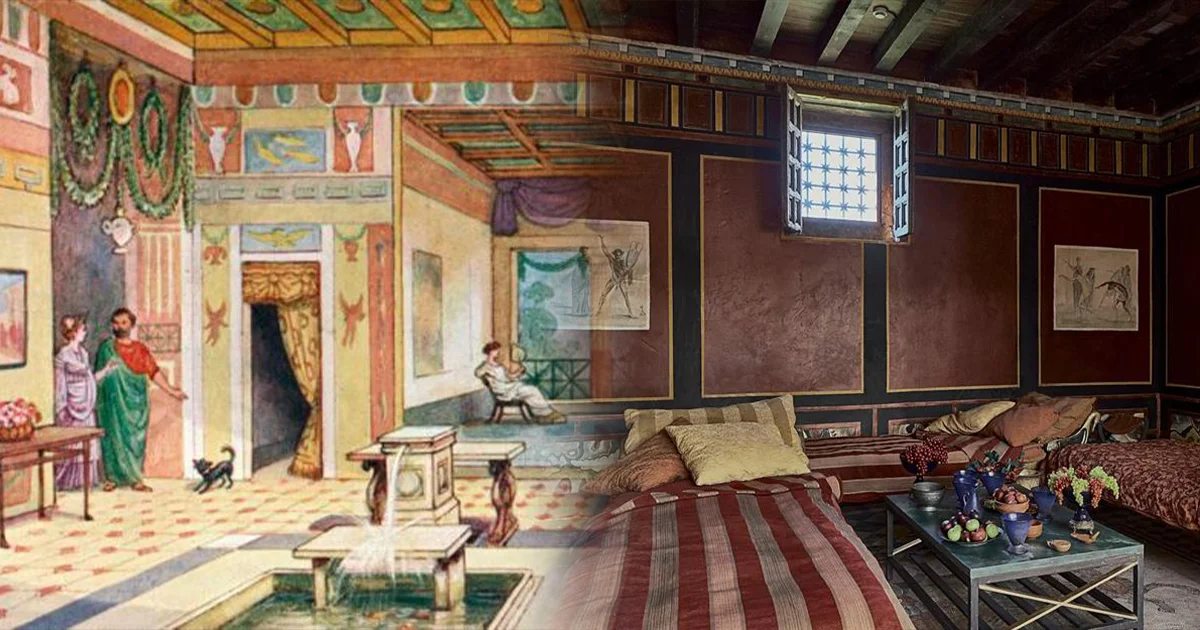
Most Romans lived in cramped apartment blocks called insulae, not luxurious villas. These five-story buildings housed 90% of Rome’s population in conditions that combined dangerous construction, absent sanitation, and constant fire risk. Understanding Roman apartment life reveals how ordinary people actually survived in the ancient world’s largest city.
1. Buildings Collapsed Without Warning
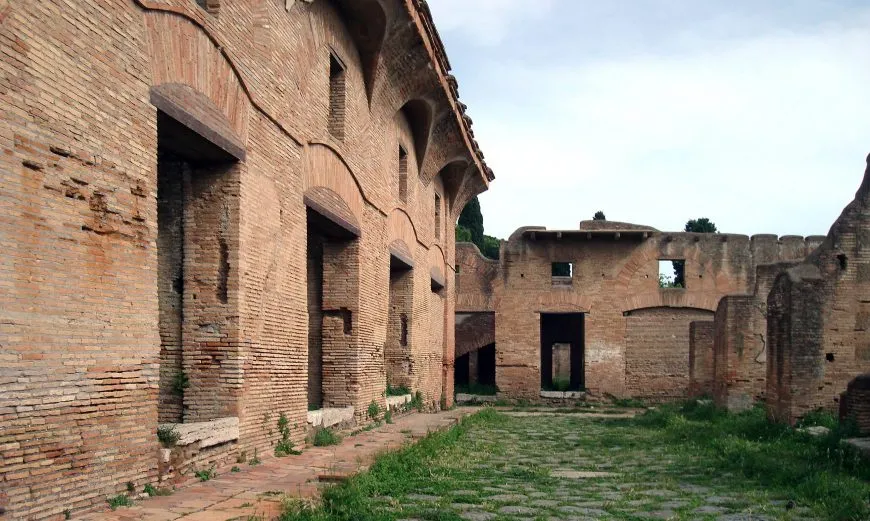
Roman apartment buildings regularly collapsed, killing entire families instantly. The poet Juvenal described walking through Rome while fearing death from falling buildings. Landlords constructed insulae as cheaply as possible, using thin walls and minimal foundation work to maximize rental units.
Augustus limited building height to 70 feet after repeated catastrophic collapses. Subsequent emperors lowered this to 60 feet, acknowledging that Roman construction techniques couldn’t safely support taller structures. The poet Martial recorded watching an entire seven-story insula fall during dinner, crushing residents who never escaped their rooms.
Landlords faced no meaningful penalties for poor construction. Tenants rented month-to-month with zero legal protections, creating incentives for shoddy building practices that prioritized profit over safety.
2. No Running Water Above Ground Floor
Only ground-floor Roman apartment units had running water access. Upper-floor residents hauled water from public fountains, carrying heavy amphorae up narrow staircases multiple times daily. A family of four needed roughly 10 gallons daily for drinking, cooking, and minimal washing.
Women typically performed this labor, making dozens of trips weekly. Some insulae featured shared ground-floor fountains, but most required walks of several blocks to reach public water sources. Winter ice and summer heat made the task even more difficult.
Wealthy tenants paid water carriers called aquarii to deliver supplies, but most Romans couldn’t afford this service. The physical burden of water hauling limited how much residents actually consumed, contributing to poor hygiene and disease spread.
3. Fires Burned Constantly
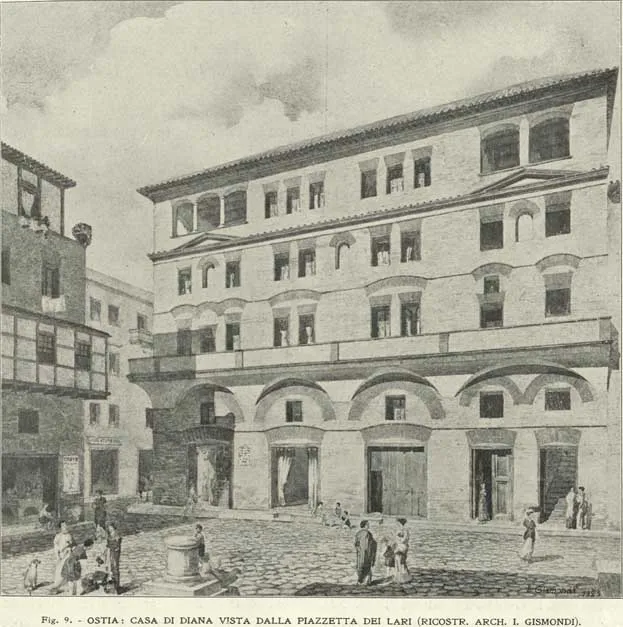
Fire destroyed Roman apartment buildings almost nightly. Augustus created the vigiles, a 7,000-man fire brigade, specifically to combat the constant apartment blazes. Residents cooked using charcoal braziers, oil lamps provided light, and wooden construction guaranteed rapid fire spread.
Landlords banned braziers on upper floors, forcing residents to buy prepared food from street vendors. This regulation proved widely ignored since families needed heat during Rome’s cold winters. A single knocked-over lamp could engulf an entire insula within minutes.
The vigiles carried water buckets, hooks to pull down burning buildings, and pumps called siphos. They often demolished surrounding structures to create firebreaks rather than trying to save burning buildings. Residents who lost everything to fire simply moved to another insula and started over with nothing.
Built out of a love for history, kept free from distractions.
Spoken Past is an independent project shaped by curiosity, care, and long hours of research. Reader support helps keep it maintained, carefully researched, and open to everyone.
4. Rent Consumed Half of Income
Roman apartment rent absorbed 40-60% of a working family’s income. Cicero owned insulae as investment properties, boasting about the steady income they generated. A single insula could house 30-40 families, producing enormous profits for wealthy landlords.
Ground-floor shops called tabernae rented for premium prices since they offered street access for businesses. Upper floors cost progressively less, with fifth-floor units being the cheapest and most dangerous. Families doubled up, with multiple generations sharing single rooms to split costs.
Landlords evicted non-paying tenants immediately, dumping their possessions into the street. This happened so frequently that scavengers waited outside buildings on rent day, grabbing abandoned furniture and clothes. The poet Juvenal described poor Romans moving constantly, fleeing debts and searching for cheaper rooms.
5. Toilets Meant Buckets or Long Walks
Upper-floor Roman apartment residents used chamber pots since toilets didn’t exist in insulae. They emptied these vessels by carrying them downstairs to public sewers or simply dumping them out windows into the street below. Roman law technically prohibited throwing waste from windows, but enforcement was minimal.
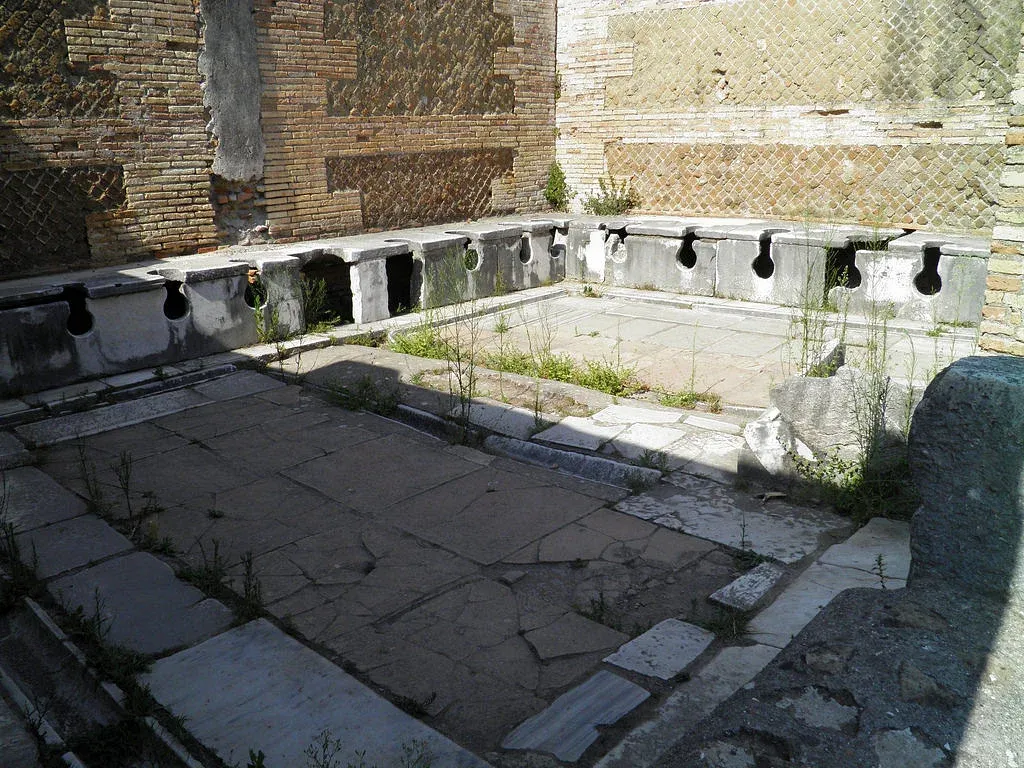
Public latrines served those willing to walk, offering rows of stone seats with no privacy partitions. Users sat shoulder-to-shoulder while conducting business, making toilet time a social activity. Running water beneath the seats carried waste to sewers, and communal sponges on sticks served as toilet paper.
Most Romans used chamber pots at night rather than navigating dark streets to reach latrines. Urine collectors called fullers bought pots of urine from residents, using the ammonia for cleaning wool and bleaching togas. This created a minor income source for desperate families.
6. Noise Never Stopped
The poet Martial complained that Roman apartment noise made sleep impossible. Ground-floor shops opened before dawn, with metalworkers hammering, bakers shouting, and carts rumbling past windows. Insulae shared walls with neighboring buildings, transmitting every sound between units.
Families packed into single rooms fought, children cried, and neighbors argued through thin walls. Street vendors hawked goods, drunks sang, and fights erupted nightly in taverns below apartments. The satire writer Juvenal claimed only the wealthy could afford quiet, having purchased enough space to buffer against noise.
Roman law banned wheeled carts from city streets during daylight hours to reduce traffic congestion. This forced all deliveries to occur at night, creating thunderous noise as iron-wheeled carts crashed over cobblestones while residents tried sleeping. Julius Caesar passed this law, making nights louder than days for apartment dwellers.
7. Entire Families Lived in Single Rooms
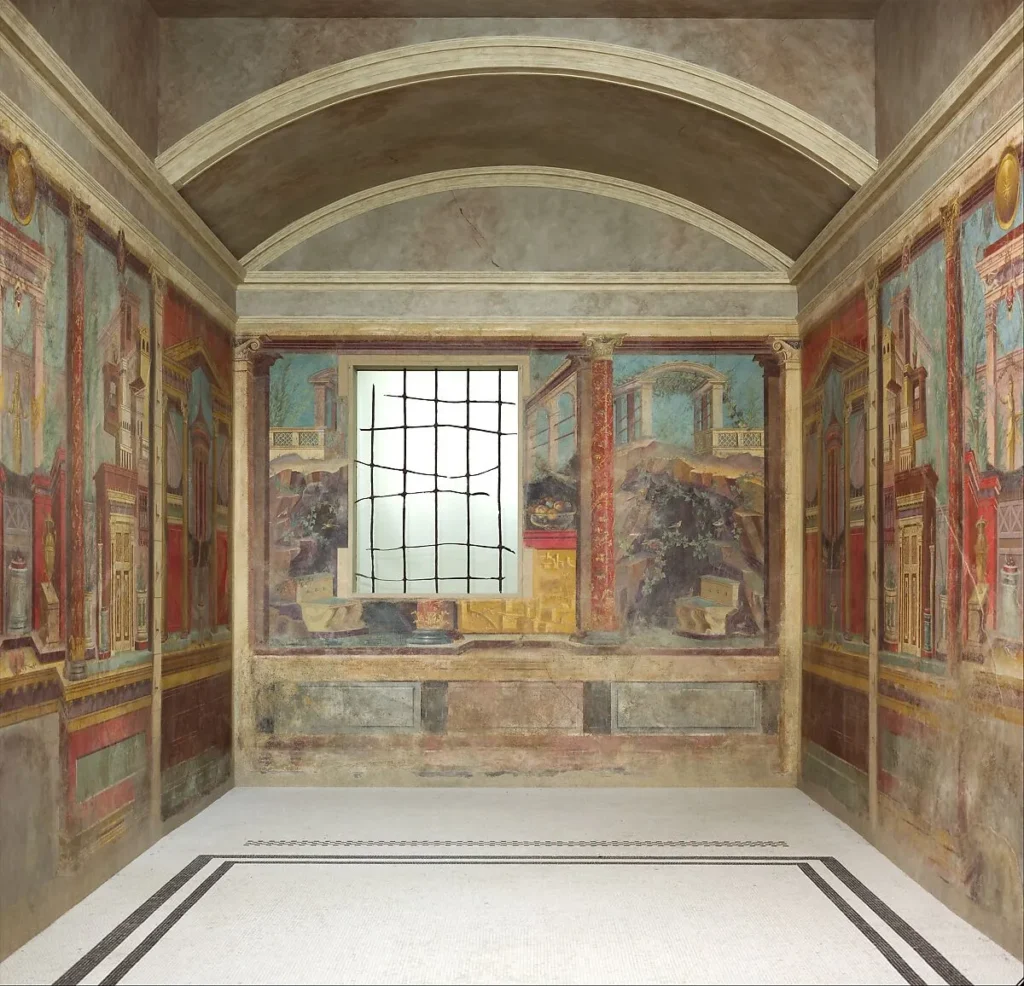
Most Roman apartment families occupied one room measuring roughly 100-150 square feet. Parents, children, and sometimes grandparents cooked, slept, worked, and lived in this space. Privacy was an unknown luxury for the urban poor.
Furniture consisted of minimal pieces: straw mattresses on the floor, a wooden chest for possessions, perhaps a small table and stool. Wealthier tenants might own a bed frame and a brazier for heat. Everything else was communal or non-existent.
Children played in the streets because no indoor space existed for activities. Adults worked outside the home whenever possible, returning only to sleep. The cramped conditions spread disease rapidly, contributing to Rome’s high mortality rates among the poor.