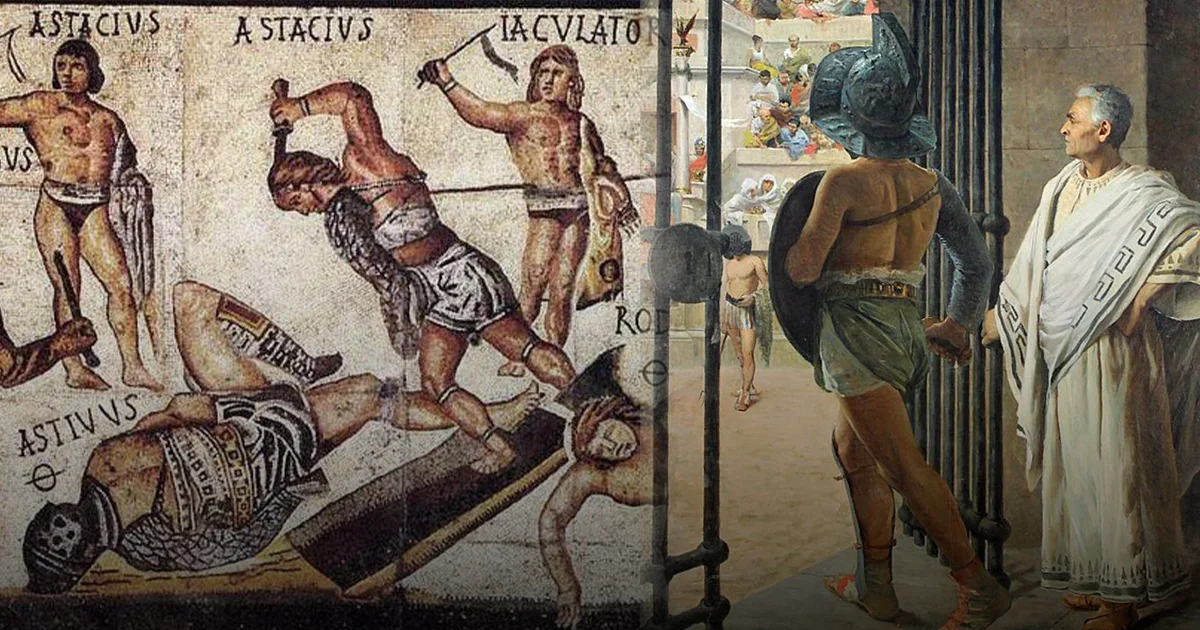
Roman gladiators were not the savage fighters most people imagine. These professional warriors lived structured lives in specialized training facilities, following strict daily routines designed to keep them in peak physical condition while protecting the substantial investment their owners had made in them. The reality of gladiator life was far more complex than the popular image of bloodthirsty combat suggests.
The Business of Gladiator Schools
Gladiator schools called ludus gladiatorius operated throughout the Roman Empire as commercial enterprises. These institutions functioned like modern sports academies, combining housing, training facilities, medical care, and administrative offices under one roof. The largest and most famous was Rome’s Ludus Magnus, built by Emperor Domitian between 81 and 96 AD directly next to the Colosseum.
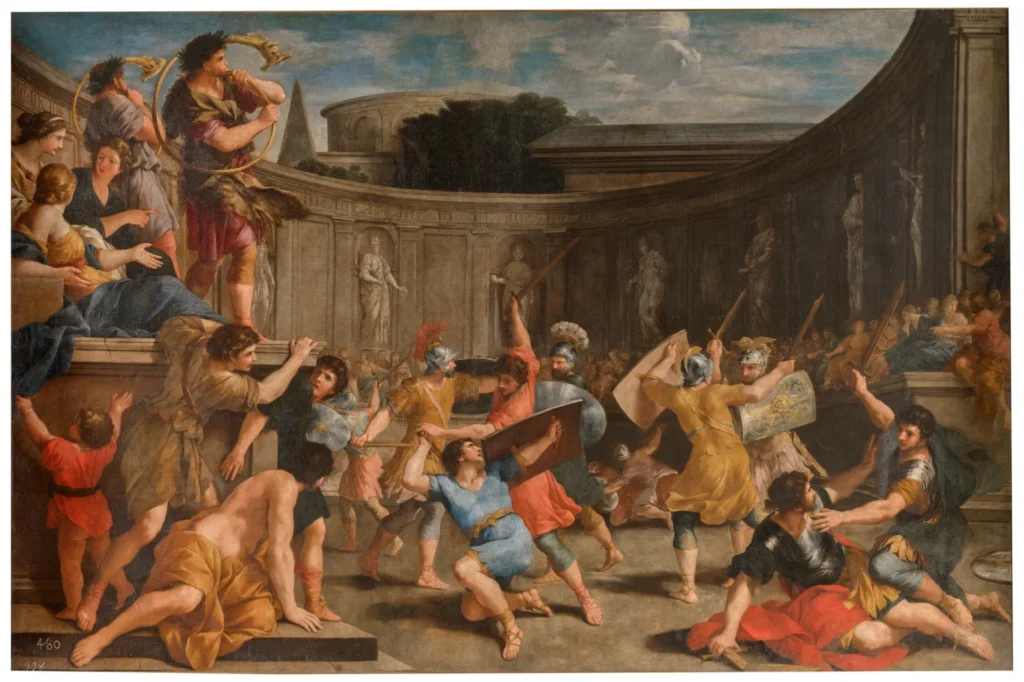
School owners called lanistae managed these facilities as businesses. They purchased slaves, criminals, and prisoners of war, then invested months or years training them into skilled fighters. Free men occasionally volunteered for gladiator service, usually driven by poverty or the promise of prize money, but they gave up their legal rights and social status upon enrollment.
Daily Routine and Living Conditions
Gladiators woke before dawn when guards unlocked their cells. The first activity was breakfast, eaten in silence under strict supervision. Archaeological evidence from gladiator cemeteries shows these fighters ate primarily vegetarian diets heavy in barley, beans, and oatmeal. Romans mockingly called gladiators “hordearii” or “barley men” because of this grain-based nutrition.
The morning training session began with warm-up exercises and stretching. Gladiators practiced basic movements with weighted wooden weapons that were heavier than their metal counterparts. This built strength and endurance while reducing injury risk during training. The wooden training sword was called a rudus, and mastering its use was the first step in gladiator education.
After lunch, gladiators rested during the hottest part of the day. Afternoon training focused on specific techniques for their assigned fighting style. Some became heavily armored murmillones who fought with sword and large shield. Others trained as lightly equipped retiarii who used nets and tridents. Each type had specialized instructors called doctores who were usually retired gladiators.
The Science of Gladiator Training
Greek athletic trainers brought sophisticated training methods to Roman gladiator schools. They introduced a four-day cycle called the tetrad that balanced intense work with recovery periods. Day one involved preparation and skill work. Day two featured maximum effort training. Day three was active recovery with light exercise. Day four returned to moderate intensity work.
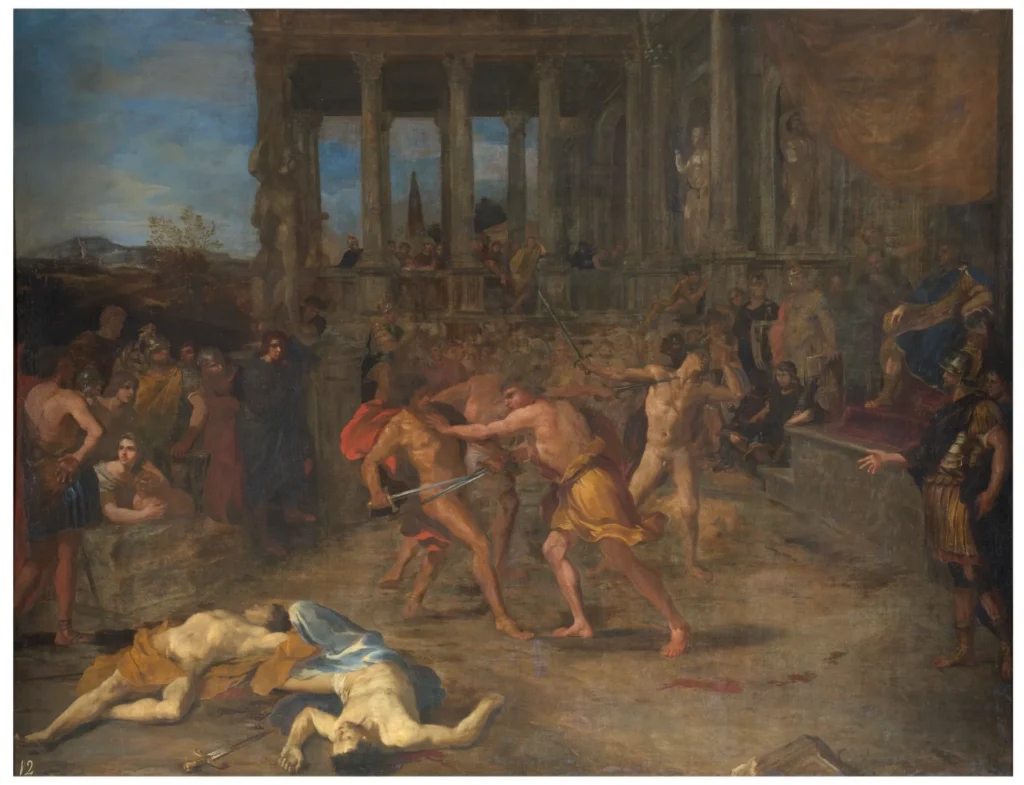
Medical care was sophisticated for the time period. The famous physician Galen trained at a gladiator school in Pergamum, where he gained expertise in treating wounds and sports injuries. Schools provided regular massages, hot and cold baths, and immediate treatment for training injuries. This medical attention protected the substantial financial investment each trained gladiator represented.
Types of Gladiators and Specialized Training
Different gladiator types required completely different training approaches. Heavily armored fighters like the samnite wore metal helmets, carried large shields, and used straight swords. Their training emphasized defensive techniques and stamina needed to fight while carrying 30-40 pounds of equipment.
Light fighters like the thraex used small shields, curved daggers, and minimal armor. They trained for speed, agility, and precise striking. The most distinctive type was the retiarius, who fought with a weighted net, trident, and dagger but wore almost no armor. These net fighters needed exceptional hand-eye coordination and practiced specialized techniques for ensnaring opponents.
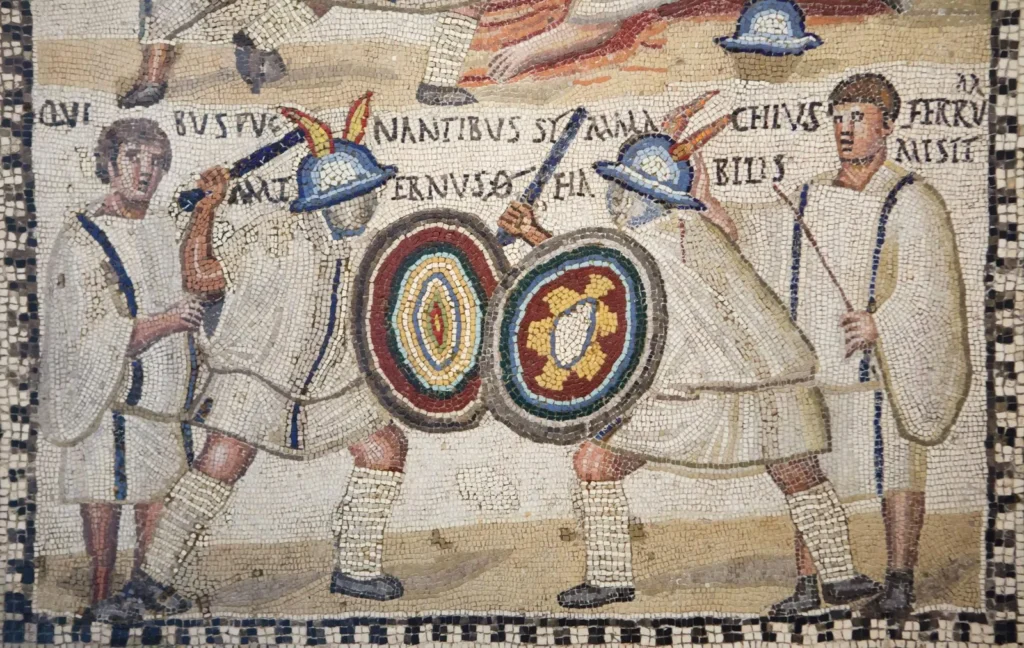
Training matches pit traditional opponent pairs against each other. Retiarii typically fought murmillones, whose fish-crested helmets made them symbolic prey for the “fisherman” with his net. These matchups were not random but followed established traditions that audiences expected and enjoyed.
Social Status and Economic Reality
Despite their popularity with crowds, gladiators occupied the lowest social level in Roman society. They were classified as infames, meaning without honor or legal standing. This put them in the same category as actors, prostitutes, and other entertainers whom Romans considered morally corrupt.
However, successful gladiators could earn substantial prize money and enjoy celebrity status. Graffiti from Pompeii shows that female fans wrote romantic messages about their favorite fighters. Some gladiators earned enough to buy their freedom or retire comfortably. The wooden sword called a rudis was presented to retiring gladiators as a symbol of their freedom from the arena.
Built out of a love for history, kept free from distractions.
Spoken Past is an independent project shaped by curiosity, care, and long hours of research. Reader support helps keep it maintained, carefully researched, and open to everyone.
Life Expectancy and Combat Reality
Modern analysis of gladiator cemetery remains reveals that most fights did not end in death. Only about 10-15% of matches resulted in a fatality, much lower than popular culture suggests. Gladiators were expensive to train and maintain, so killing them frequently would have been economically disastrous for school owners.
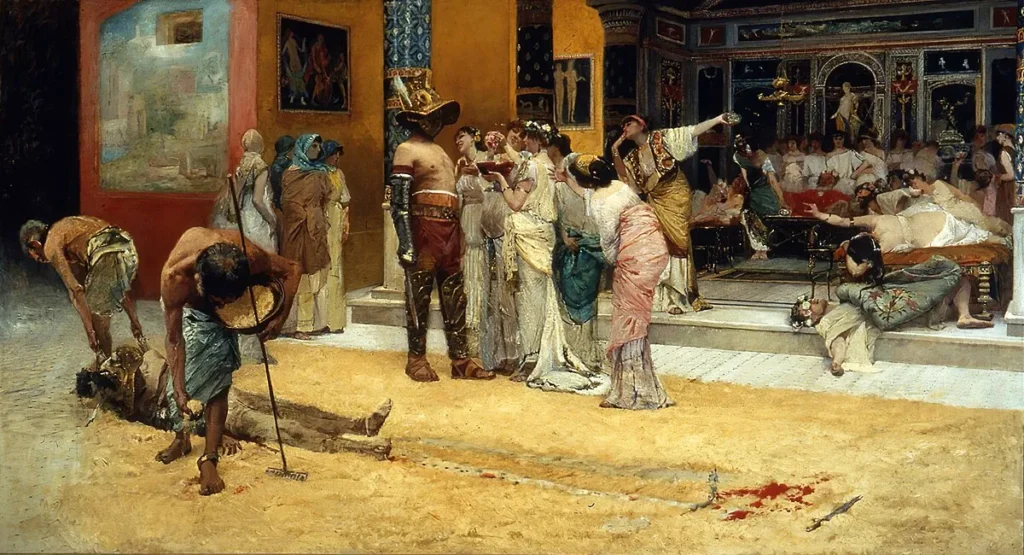
When gladiators did die, their colleagues honored them with proper burial rites. Gladiators formed associations called collegia that functioned like modern unions, providing funeral benefits and supporting the families of fallen fighters. These organizations show that gladiators maintained strong bonds despite the competitive and dangerous nature of their profession.
Training Weapons and Equipment
The wooden training weapons used in schools were deliberately heavier than combat gear. A wooden rudus weighed about twice as much as a metal gladius, building the arm and shoulder strength needed for extended fights. Training shields were also oversized and weighted to develop the muscles required to manipulate them effectively during combat.
Schools maintained armories filled with specialized equipment for each gladiator type. Helmets, shields, armor pieces, and weapons were custom-fitted to individual fighters. The quality of this equipment varied based on the school’s budget and the gladiator’s experience level. Veteran fighters received better gear than novices still learning their trade.
The Business Model Behind the Schools
Gladiator schools represented major financial investments that could take years to recoup. A trained gladiator might cost the modern equivalent of $500,000 when factoring in purchase price, training costs, housing, food, and medical care over several years. This explains why schools took such careful care of their fighters’ health and safety.
Revenue came from renting gladiators to wealthy Romans who sponsored public games. The fee structure was complex, with payments based on the gladiator’s experience level, fighting record, and crowd appeal. Popular fighters commanded premium rates, while novices earned less for their owners.
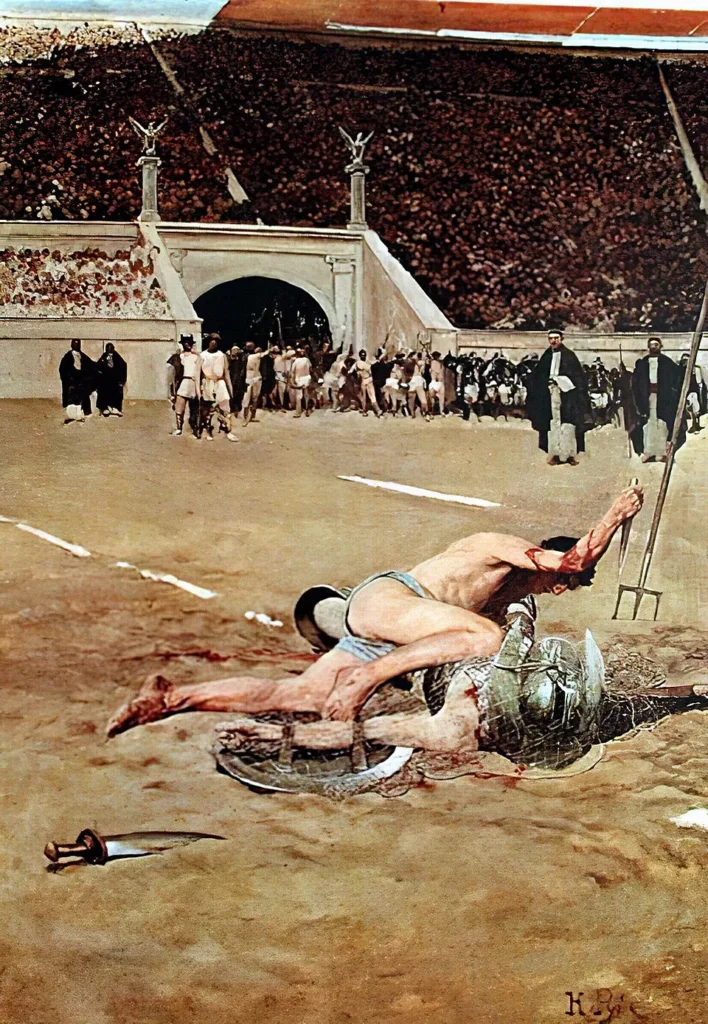
The most successful schools developed reputations for producing skilled fighters who provided exciting matches without excessive casualties. This reputation was crucial for attracting customers and maintaining profitability in a competitive market.
Regional Differences and Specializations
Different regions of the Roman Empire developed distinct gladiator fighting styles and training methods. Schools in Gaul specialized in producing fighters who used local Celtic weapons and techniques. Spanish schools were known for their skilled swordsmen who fought in traditional Iberian style.
Some schools focused on training exotic fighters who used unusual weapons or fighting techniques from recently conquered territories. These novelty acts commanded higher fees but required specialized knowledge and equipment that few schools possessed.
The End of an Era
The gladiator school system began declining in the 4th century AD as Christianity gained influence and opposition to violent spectacles grew. Emperor Constantine began restricting gladiatorial games, and by 435 AD they were officially banned throughout the Empire.
Some schools converted to training actors or athletes for less violent entertainments, but most simply closed as demand disappeared. The sophisticated training methods and medical knowledge developed in these institutions was largely lost, though some techniques were preserved in military training manuals.
The legacy of Roman gladiator schools lives on in modern sports training facilities that combine housing, coaching, medical care, and specialized equipment under one roof. The systematic approach to developing professional fighters that Romans pioneered over 2,000 years ago remains the foundation of elite athletic training today.
Further Reading
- “Gladiators: Types and Training,” The Metropolitan Museum of Art
- “Roman Gladiator Schools (Ludi),” UNRV History
- “Gladiator School Discovery Reveals Hard Lives,” National Geographic
- “How Ancient Greeks Trained the Gladiators of Rome,” Greek Reporter
- “Daily Life in Ancient Rome,” Bloomsbury Collections