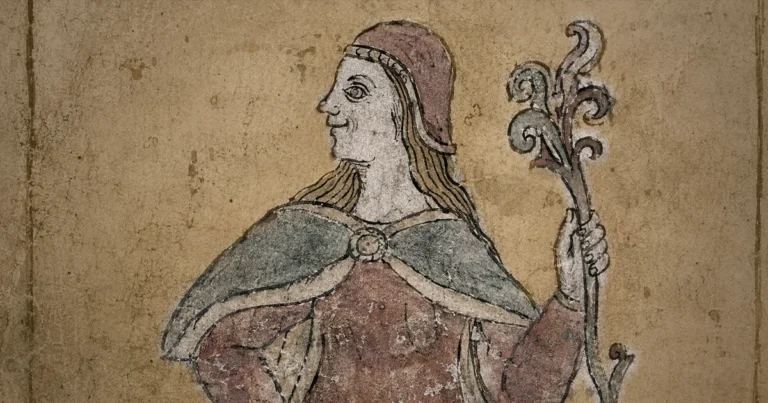

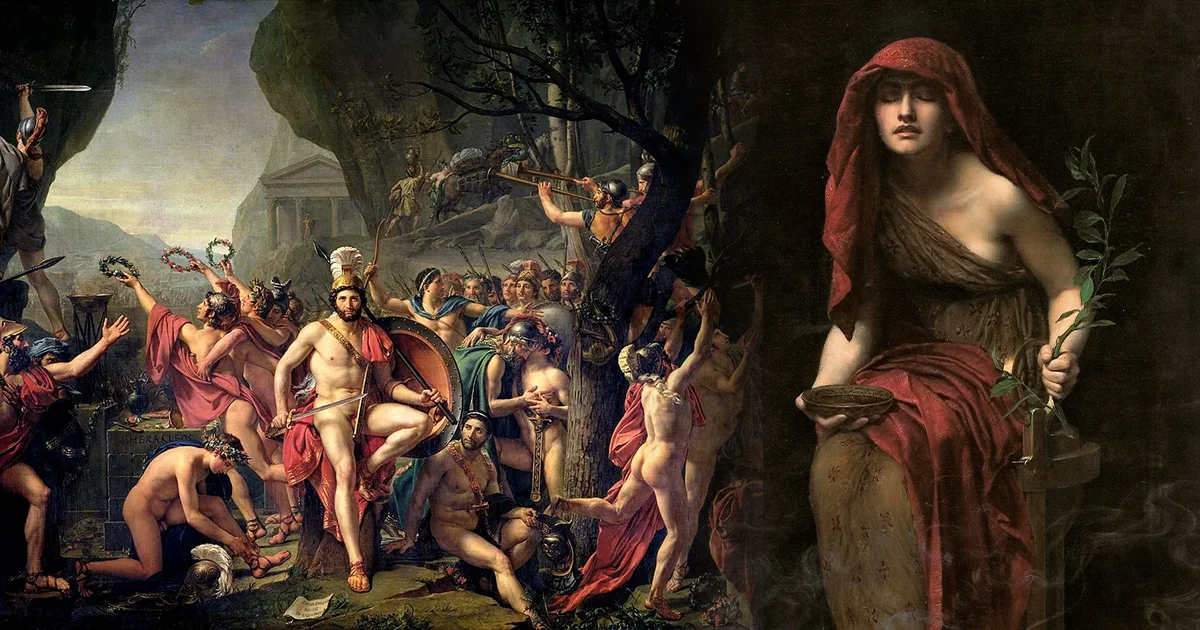
The Oracle of Delphi prophecies determined whether kings lived or died. Perched on Mount Parnassus, the sanctuary housed the Pythia, Apollo’s priestess who delivered cryptic warnings that started wars, built empires, and destroyed dynasties. Between the 8th century BCE and 4th century CE, rulers from Athens to Persia journeyed hundreds of miles seeking divine counsel. What made these messages so devastating was their accuracy, revealed only after events unfolded precisely as foretold.
1. Croesus Would Destroy a Great Empire
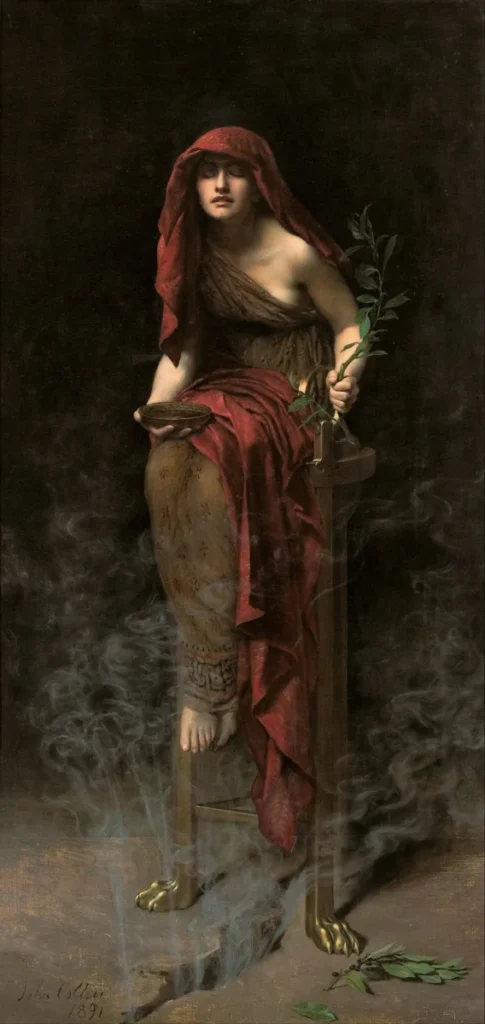
Croesus of Lydia stood as the wealthiest king in the ancient world during the 6th century BCE. His kingdom stretched across Anatolia, his treasury overflowed with gold, and his confidence knew no bounds. Before launching war against Persia’s Cyrus the Great around 547 BCE, Croesus tested multiple oracles by asking them to identify what he was doing on a specific day one hundred days after his messengers departed. Only Delphi answered correctly, describing him boiling a lamb and tortoise together in a bronze cauldron.
Convinced of Delphi’s accuracy, Croesus sent lavish gifts and asked whether he should attack Persia. The Pythia delivered her verdict: if Croesus crossed the Halys River, he would destroy a great empire. The king interpreted this as guaranteed victory. He amassed armies, crossed the boundary between his territory and Persia, and marched confidently into battle. The Persians crushed his forces. Cyrus captured Croesus, burned his capital at Sardis, and annexed Lydia into the Persian Empire. The great empire destroyed was Croesus’ own.
2. Athens Must Trust the Wooden Walls
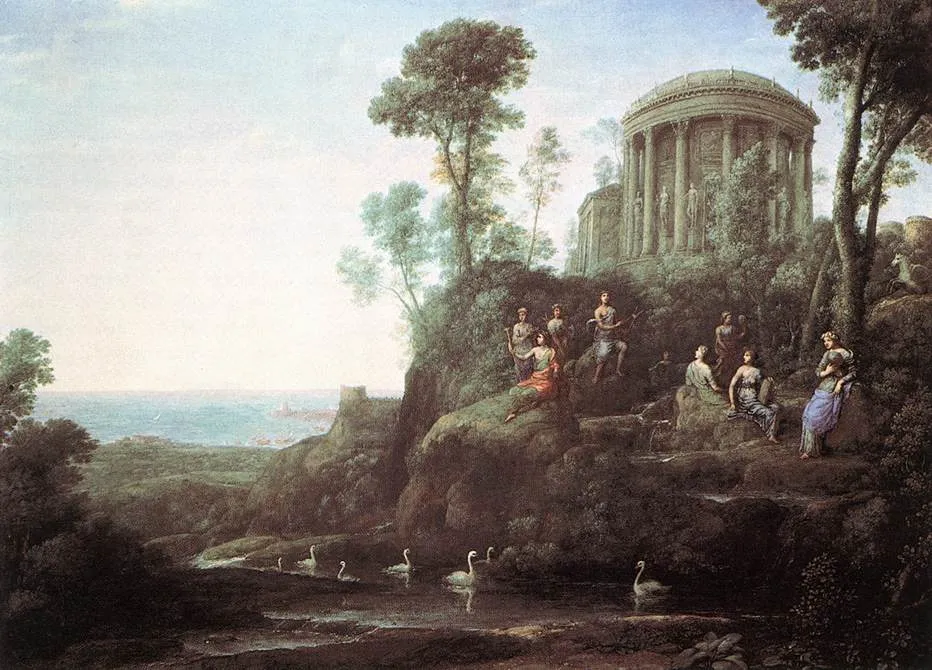
When Xerxes assembled 100,000 Persian troops to invade Greece in 480 BCE, Athens sent desperate envoys to Delphi. The first prophecy terrified them: flee Athens immediately, for fire and war would consume everything. The envoys refused to leave without better counsel. The Pythia entered her trance again and delivered a second message about divine Salamis and how a wooden wall alone would not fall.
Athenian leaders debated furiously. Professional oracle interpreters argued it meant the wooden palisade around the Acropolis. Themistocles convinced them it meant their naval fleet, the wooden-hulled triremes. Athens evacuated its population to nearby islands and committed everything to naval warfare. At Salamis, the Greek fleet destroyed the Persian navy in narrow straits. The wooden walls saved Athens precisely as the oracle foretold.
3. Sparta’s King Must Die at Thermopylae
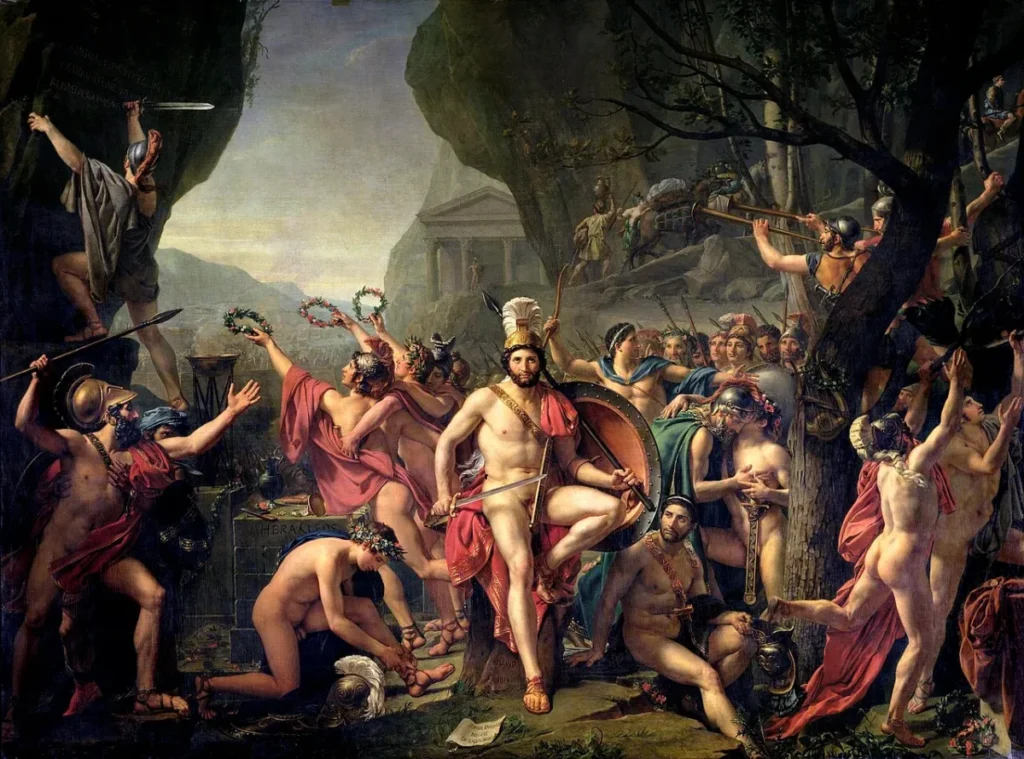
Sparta consulted the oracle before the same Persian invasion. The Pythia’s message chilled them: either your city falls, or a king from Heracles’ line must die. Leonidas, descended from the legendary hero, understood immediately. The prophecy offered no third option. Sparta would survive only through royal sacrifice.
Leonidas selected exactly 300 Spartans, each with living sons to continue their bloodlines. They marched to Thermopylae where cliffs met the sea. For three days in August 480 BCE, they held back Persia’s entire army. A Greek traitor revealed a mountain path allowing Persians to outflank the position. Leonidas dismissed most Greek allies but kept his 300 Spartans, plus Thespian and Theban contingents. Persian arrows blocked out the sun. The Spartans fought in the shade until every man fell. The Oracle of Delphi prophecies proved exact.
Built out of a love for history, kept free from distractions.
Spoken Past is an independent project shaped by curiosity, care, and long hours of research. Reader support helps keep it maintained, carefully researched, and open to everyone.
4. Nero Would Face the Number 73
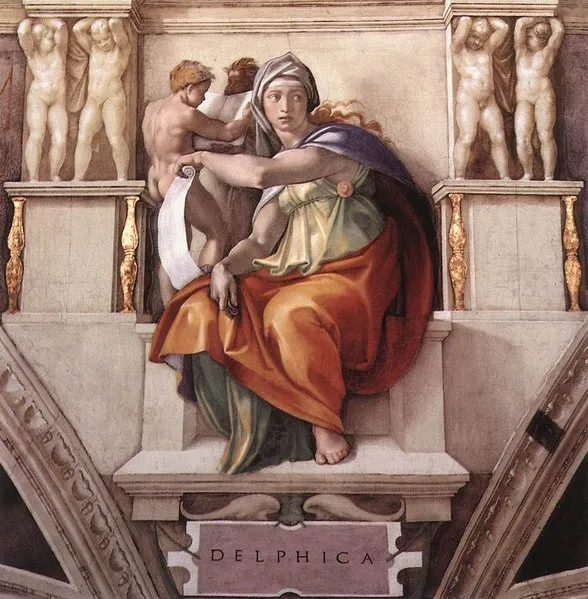
Roman emperors consulted Delphi despite ruling centuries after Greece’s golden age. Nero visited in 67 CE during his theatrical tour of Greece. Ancient historian Suetonius documented that the Pythia warned Nero about the number 73 marking his doom. Some sources claim she refused to speak, outraged by his matricide.
Nero interpreted 73 as years, assuming he would reign until age 73. He left satisfied, continuing his tour where he competed in chariot races and musical contests. The prophecy meant something entirely different. In 68 CE, Galba, age 73, led a successful revolt. The Senate declared Nero an enemy of the state. Facing execution, Nero committed suicide at age 30, having ruled only 14 years. The number referred not to Nero’s age but his successor’s.
5. Socrates Was the Wisest Man Alive
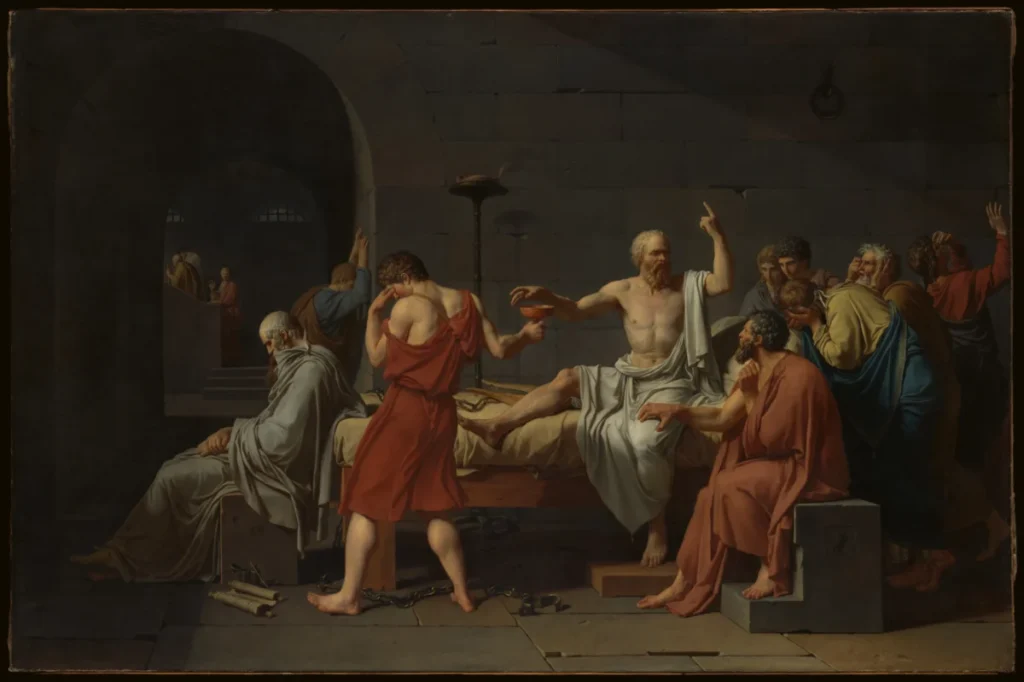
Chaerephon, Socrates’ devoted student, traveled to Delphi around 440 BCE with an unusual question. He asked whether anyone in Greece possessed greater wisdom than Socrates. The Pythia’s response shocked him: no man is wiser. Chaerephon rushed back to Athens to share the news. Socrates refused to believe it. He considered himself ignorant, constantly questioning others to expose how little he actually knew.
Socrates spent years testing the claim. He interviewed politicians, poets, craftsmen, and anyone with reputations for wisdom. Each conversation revealed the same pattern. People claimed expertise in subjects they barely understood. They didn’t recognize their own ignorance. Socrates realized the oracle spoke truly. His wisdom consisted entirely of knowing he knew nothing. Everyone else remained ignorant of their ignorance. Plato preserved this story as foundational to Western philosophy.
The Oracle’s Political Power
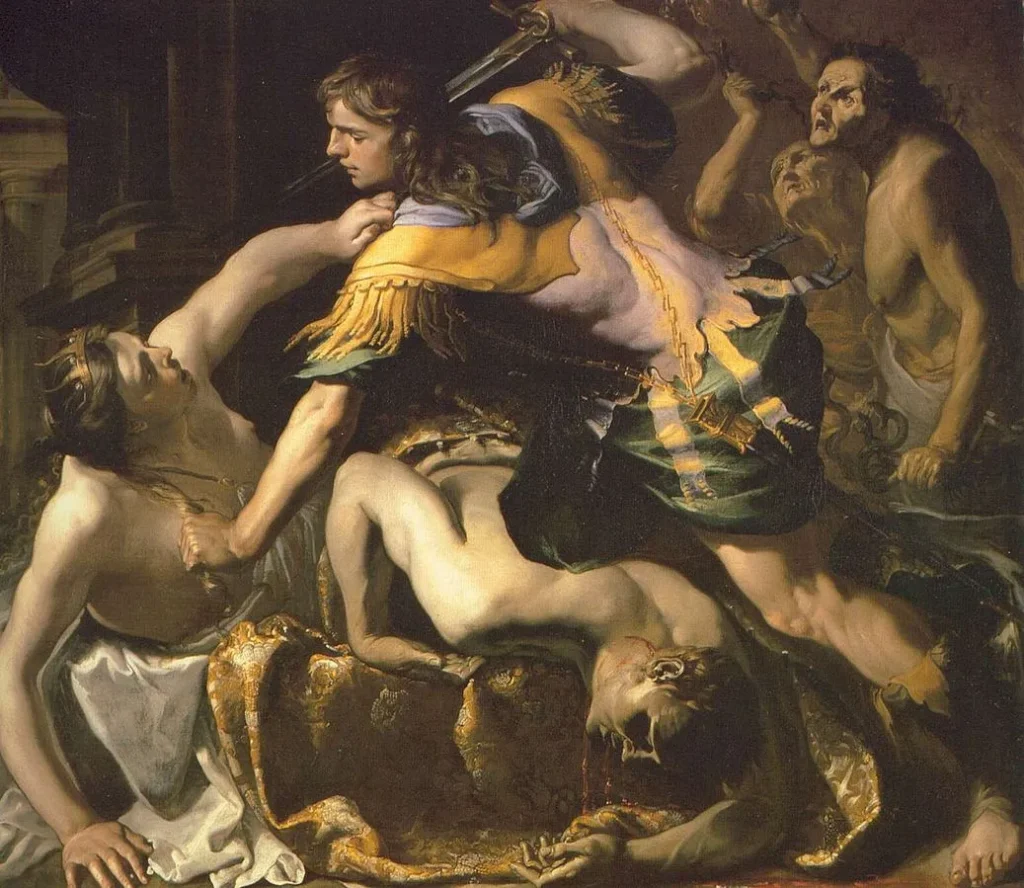
The Oracle of Delphi prophecies functioned as political tools for over 1,000 years. Rulers gained legitimacy through divine sanction. The Pythia’s ambiguous language ensured interpretations could fit multiple outcomes. Consultants heard what they needed, then acted on confidence or caution the prophecy instilled. Cambridge scholars argue the oracle’s power lay in understanding human psychology rather than supernatural foresight.
The sanctuary’s priests maintained intelligence networks across the Mediterranean. They knew which city-states prepared for war, which kings faced succession crises, which colonies struggled with famine. This information, combined with vague phrasing, created prophecies that seemed divinely inspired. The geological reality of ethylene gas seeping through temple fissures added genuine altered states for the Pythia. Her ecstatic pronouncements required priestly interpretation, giving Delphi’s religious authorities final control over messages delivered.