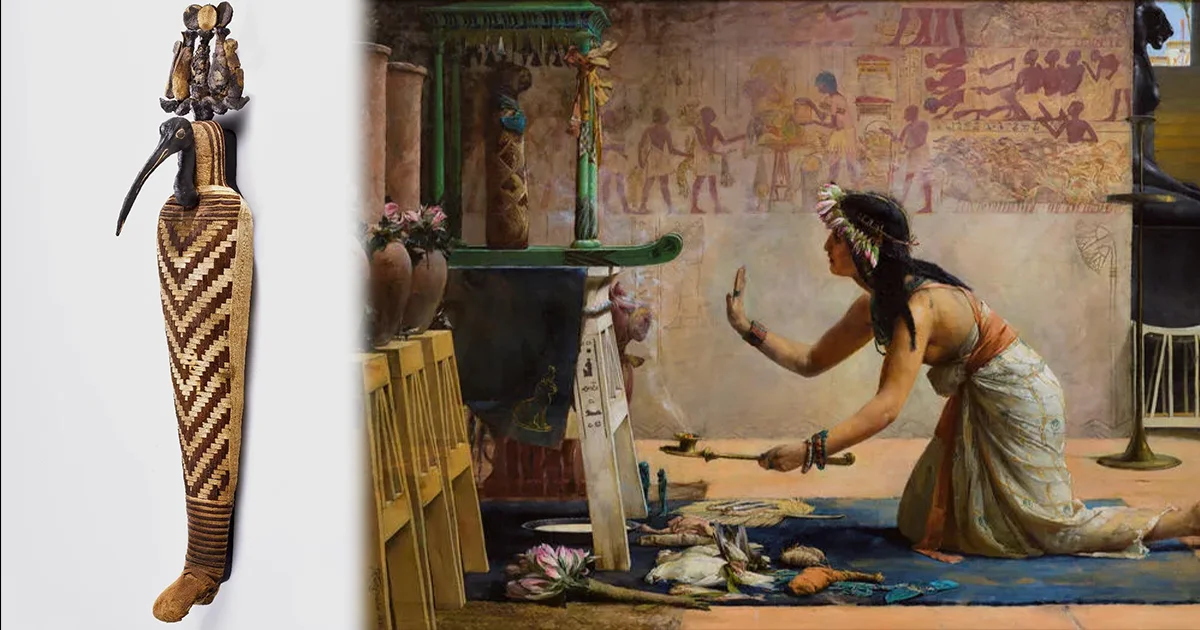
Ancient Egyptians created approximately 70 million animal mummies over a span of roughly 1,500 years, a staggering industrial-scale operation that transformed cats, ibises, hawks, crocodiles, dogs, and even shrews into sacred offerings deposited in vast underground catacombs. The Sacred Animal Necropolis at Saqqara alone contained an estimated eight million mummified dogs and two million ibis birds packed into interconnected tunnels stretching beneath the desert. This wasn’t random religious fervor but a calculated system where temple priests bred, killed, mummified, and sold animals to pilgrims who believed these creatures could carry prayers directly to the gods.
The sheer scale separated Egyptian animal mummification from pet burial practices found in other ancient cultures. While some mummies were beloved pets interred with their owners or food provisions for the afterlife, the overwhelming majority served as votive offerings purchased at temples. Pilgrims visiting sacred sites bought pre-mummified animals the way modern worshippers might light candles in churches—as tangible prayers meant to secure divine favor. The practice peaked during the Late Period through the Roman era, roughly 664 BCE to 400 CE, when animal mummification became Egypt’s most profitable religious industry.
The Four Categories of Animal Mummies
Egyptologist Salima Ikram divided animal mummies into four main categories based on their religious and social purposes. Pet mummies accompanied their owners into tombs, ensuring beloved companions would continue their relationships in the afterlife. Archaeological excavations have uncovered cats, dogs, and even monkeys buried alongside human remains, sometimes in their own miniature coffins complete with painted decorations.
Victual mummies provided food for the deceased in the afterlife. Joints of beef, whole ducks, fish, and other meat sources were carefully preserved and placed in tombs as eternal provisions. These weren’t treated with the same ritual reverence as other categories but were mummified primarily for preservation purposes.
Sacred animal mummies represented individual creatures believed to be living incarnations of specific deities during their lifetimes. The Apis bull, considered the physical manifestation of the god Ptah, received elaborate mummification and burial in massive stone sarcophagi when it died. Only one sacred animal of each type existed at any given time, and its death triggered national mourning and the immediate selection of a replacement.
Votive mummies constituted the vast majority of the 70 million total. These animals were specifically bred in temple facilities, killed while young, mummified by temple staff, and sold to visitors as offerings to the gods. Different temples specialized in different species based on which deity they served—cat mummies for Bastet, ibis for Thoth, hawks for Horus, and crocodiles for Sobek.
How Votive Offerings Worked as Prayers
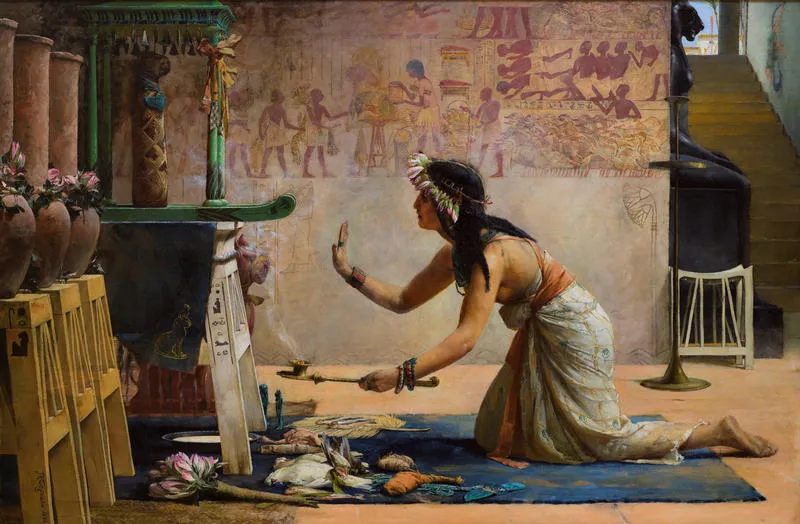
Ancient Egyptians believed gods possessed ba, a component of the soul that could actively move between the earthly and divine realms. Animals associated with specific deities were thought to contain fragments of that god’s ba, making them living connections to divine power. When a pilgrim offered an animal mummy at a temple, they weren’t merely giving a gift but activating a supernatural messenger system.
A second-century BCE Egyptian scribe named Hor explained the theological reasoning in a text discovered at Saqqara. He wrote that mummified ibises and hawks harbor the souls of major gods including Thoth, Ptah, Ra, Osiris, and Isis. The mummy didn’t represent the god symbolically but literally contained a piece of divine essence that would carry the pilgrim’s prayers into the presence of the deity.
This system created enormous demand for animal mummies across all social classes. Poor farmers visiting temples for good harvests, wealthy merchants seeking business success, and women hoping for children all purchased appropriate animal mummies matching their requests. A person praying to Bastet for fertility bought a cat mummy, while someone seeking Thoth’s wisdom in legal matters purchased an ibis.
The economics transformed temple complexes into industrial animal production facilities. Archaeological evidence from Saqqara, Abydos, and other major sites reveals massive catteries, aviaries, and breeding pools where animals lived their entire short lives specifically for mummification. Workers fed and maintained these creatures until temple schedules dictated they be killed, typically by breaking their necks.
Temple priests controlled the entire supply chain from breeding to final sale. This vertical integration generated substantial revenue that funded temple operations, paid priestly salaries, and enriched the religious establishment. The practice became so profitable that some scholars argue economic motivations eventually superseded genuine religious conviction.
Why Cats Became the Most Common Mummies
Cats dominated animal mummy production because of their association with Bastet, one of Egypt’s most popular deities. Bastet governed fertility, childbirth, protection, and domestic harmony—concerns affecting every Egyptian household regardless of wealth or status. Her main cult center at Bubastis attracted hundreds of thousands of pilgrims annually, all seeking to purchase cat mummies as offerings.
The Greek historian Herodotus described Egyptian reverence for cats in the fifth century BCE, noting that household members shaved their eyebrows when a family cat died naturally. He reported that killing a cat, even accidentally, could result in mob violence. This cultural veneration translated directly into religious practice, with cat mummies becoming the most sought-after votive offerings.
Temple complexes maintained enormous catteries breeding thousands of animals simultaneously. Recent DNA analysis of mummified cats suggests they weren’t domestic pets but were specifically raised in temple facilities from generations of captive-bred lineages. Most were killed as kittens or juveniles, never reaching full maturity.
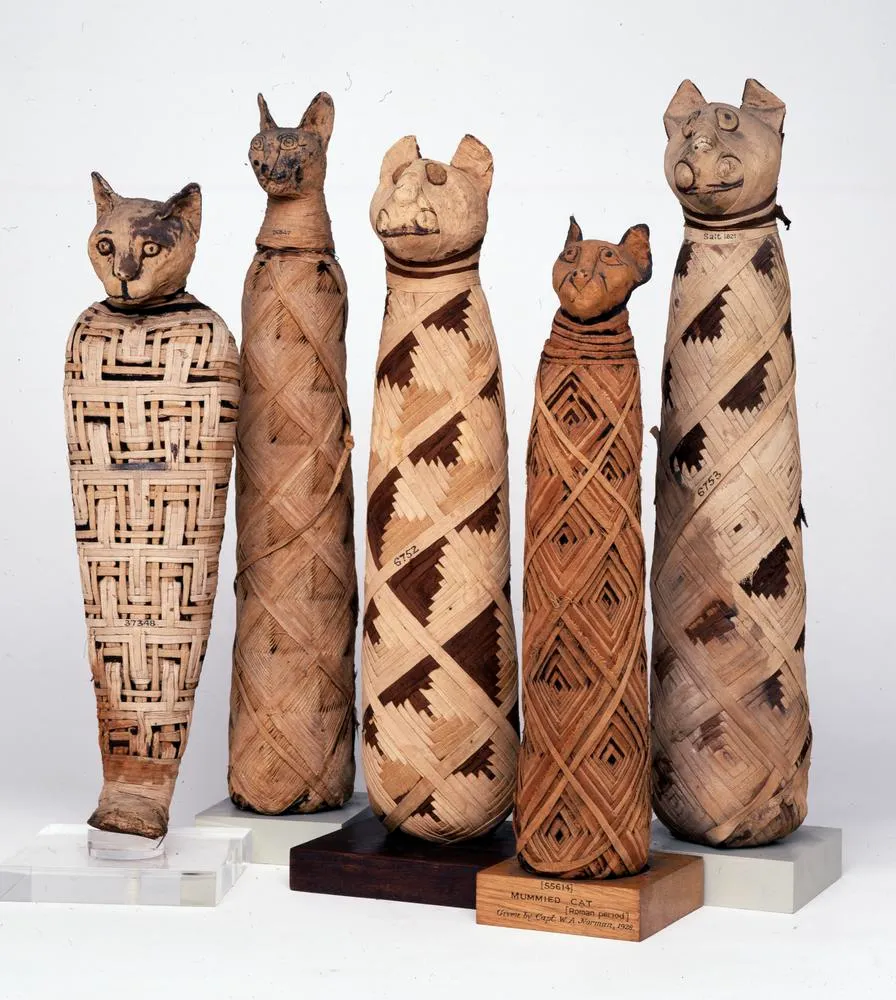
CT scans of cat mummies reveal the brutal efficiency of production methods. Many show cervical fractures consistent with neck-breaking, the standard killing technique. The mummification process for votive cats was far less elaborate than for sacred animals or human remains. Embalmers removed internal organs through minimal incisions, packed body cavities with linen or sand, and wrapped the remains in decorative linen strips within hours.
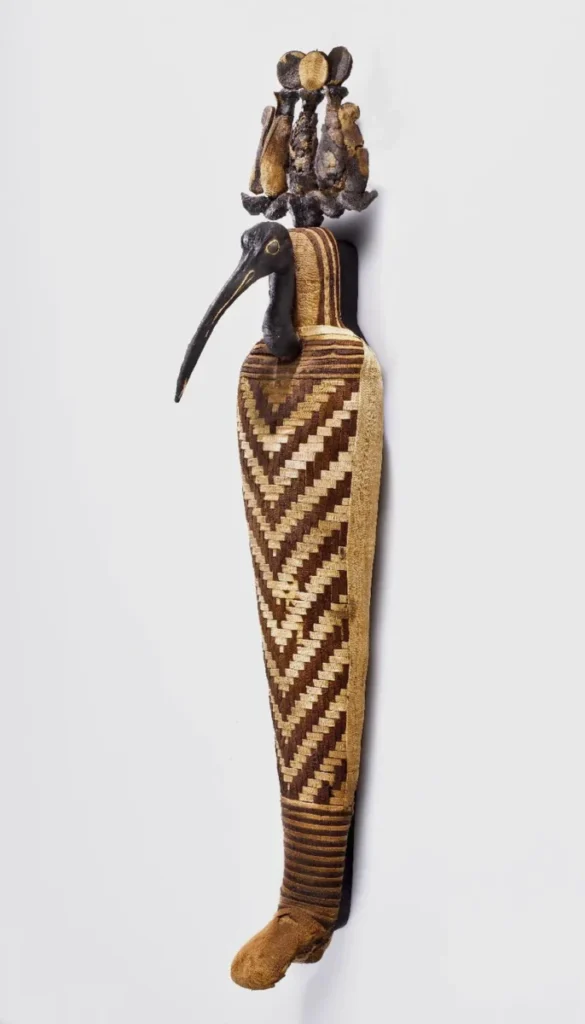
The external presentation mattered more than internal preservation for votive mummies. Elaborate geometric wrapping patterns, painted facial features, and decorative linen arrangements created visually appealing packages that concealed whatever was inside. This superficial approach enabled mass production—a single temple workshop could process hundreds of animals daily.
Built out of a love for history, kept free from distractions.
Spoken Past is an independent project shaped by curiosity, care, and long hours of research. Reader support helps keep it maintained, carefully researched, and open to everyone.
The Ibis Industry at Saqqara and Abydos
Ibises were sacred to Thoth, the god of writing and wisdom, making them essential offerings for scribes, scholars, and anyone involved in legal proceedings. The Sacred Animal Necropolis at North Saqqara contained approximately two million ibis mummies deposited between 600 BCE and 300 CE. Excavations directed by Walter Bryan Emery from 1964 to 1976 revealed the industrial scale of this operation.
The Ibis Galleries at Saqqara consisted of interconnected underground tunnels packed floor-to-ceiling with pottery jars containing mummified birds. Some jars held single birds wrapped in elaborate linen, while others contained multiple birds or even just feathers and bones. The variation reflected different price points—wealthy pilgrims purchased premium individual mummies, while poorer visitors bought cheaper collective offerings.
Similar ibis catacombs existed at Abydos, Tuna el-Gebel, and other cult centers throughout Egypt. Abydos excavations uncovered particularly interesting examples including ibis mummies wrapped to resemble human forms complete with modeled linen faces. These anthropomorphic presentations emphasized the connection between animal and human souls in Egyptian theology.
DNA analysis of ibis remains from different sites revealed temple priests sourced birds from wild populations rather than maintaining breeding colonies like they did for cats. This suggests capture operations where workers netted migrating ibises from the Nile wetlands and transported them to temples for processing. The scale required to produce two million mummies at Saqqara alone indicates organized industrial trapping operations spanning centuries.
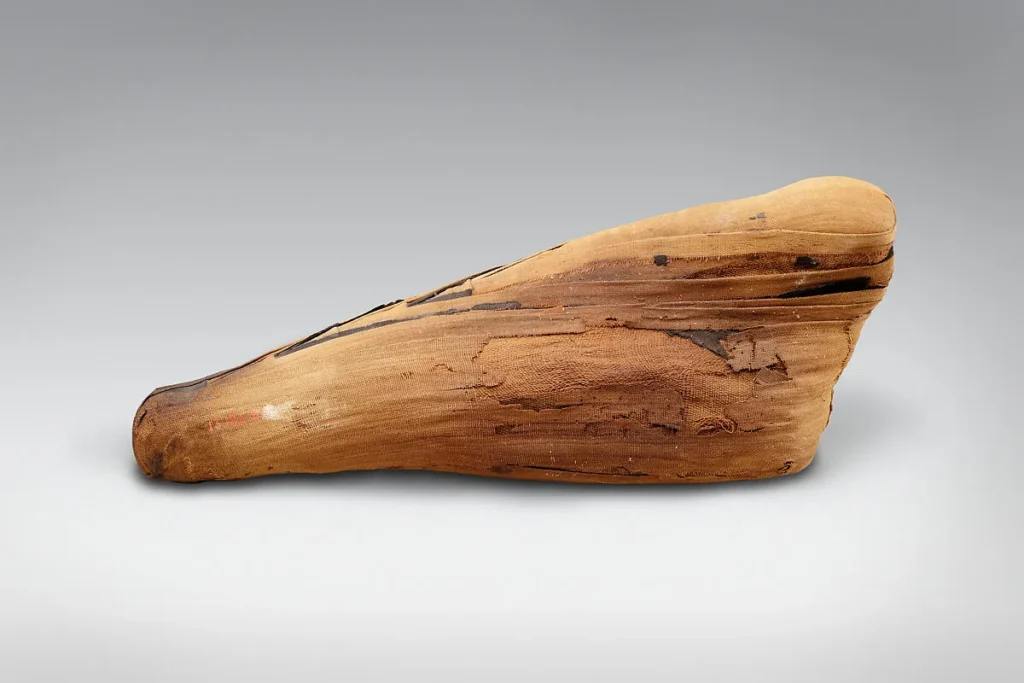
CT scanning has revealed that many “ibis mummies” contain incomplete remains. Some wrappings hold only a few bones, feathers, or even sticks and reeds with no animal material whatsoever. These “fake” mummies sparked scholarly debate about whether temple priests were defrauding customers or whether partial remains were considered theologically acceptable.
Why Many Mummies Were Empty or Incomplete
Modern CT scanning revealed shocking statistics: an estimated 30 to 50 percent of animal mummies contain less than complete skeletons, and some contain no animal remains at all. Initial discoveries suggested widespread fraud by unscrupulous priests selling fake mummies to unsuspecting pilgrims. However, deeper analysis suggests more complex explanations.
One theory holds that even small fragments—a single bone, handful of feathers, or drop of blood—retained sufficient ba essence to function as divine messengers. Egyptian theology didn’t require complete bodies for spiritual purposes. If a partial ibis remained theologically valid, embalmers could maximize profits by creating multiple “mummies” from single animals.
Another explanation involves the practical realities of industrial-scale production. With quotas of hundreds or thousands of mummies needed weekly during peak pilgrimage seasons, workers may have resorted to padding and filler when animal supplies ran short. Some partially empty mummies likely represent production compromises rather than deliberate deception.
Detailed study of wrapping techniques supports this interpretation. Even mummies containing minimal remains show careful attention to external presentation with elaborate linen patterns and decorative elements requiring hours of skilled labor. If profit-maximizing fraud was the goal, embalmers would have produced crude packages rather than investing time in aesthetic details.
The variation in mummy contents also correlates with depositional context. Mummies from mass burial pits contain fewer complete remains than those in elite tomb contexts or special dedicatory deposits. This suggests quality tiers matching different price points and customer expectations—premium mummies for wealthy patrons, economy versions for common pilgrims.
The University of Manchester’s animal mummy research project examined hundreds of specimens using medical CT scanners. Results showed that while incomplete remains were common, truly empty mummies represented less than 10 percent of samples. Most contained at least some animal material, supporting the theological explanation over simple fraud.
When the Practice Peaked and Declined
Animal mummification began during Egypt’s New Kingdom period around 1500 BCE but remained relatively limited until the Late Period starting in 664 BCE. Political instability and foreign invasions during this era intensified religious devotion as Egyptians sought divine protection. The practice exploded during the Ptolemaic Period (332-30 BCE) and continued through Roman rule until approximately 400 CE.
Peak production occurred between 300 BCE and 100 CE when multiple temple complexes operated at full capacity. Archaeological surveys at major sites identified distinct construction phases corresponding to periods of heightened religious activity and pilgrimage traffic. The Saqqara catacombs expanded multiple times to accommodate ever-increasing deposits.
Roman conquest in 30 BCE initially accelerated rather than diminished the practice. Roman tourists participated enthusiastically, purchasing animal mummies as exotic souvenirs and religious curiosities. Some Roman-period mummies show hybridized wrapping styles incorporating Greek artistic elements alongside traditional Egyptian techniques.
The decline began in the third century CE as Christianity spread through Egypt. Christian theology rejected animal sacrifice and the idea that creatures could carry prayers to pagan gods. Temple complexes gradually lost economic support as congregations converted, cutting revenue streams that funded animal breeding operations.
By 400 CE, most animal catacombs had closed permanently. The multi-million mummy deposits represent nearly two millennia of continuous religious practice involving countless pilgrims, priests, and animals. Modern excavation and CT analysis continues revealing new information about ancient Egyptian belief systems and the remarkable scale of this unique religious industry.
Frequently Asked Questions
Why did Egyptians mummify 70 million animals?
The overwhelming majority served as votive offerings purchased at temples by pilgrims seeking divine favor. Egyptians believed animals associated with specific gods contained fragments of divine essence that could carry prayers directly to the deities. Temple priests bred, killed, and mummified millions of cats, ibises, hawks, and other creatures specifically for sale to worshippers.
What animals did ancient Egyptians mummify most?
Cats were the most common, mummified by the millions for the goddess Bastet. Ibises ranked second, offered to the god Thoth. Other frequently mummified animals included hawks for Horus, crocodiles for Sobek, dogs for Anubis, and various fish species. Even shrews, snakes, and beetles were mummified in smaller numbers.
Did temple priests fake animal mummies?
CT scans show 30-50% of animal mummies contain incomplete remains, with some having no animal material at all. Rather than simple fraud, scholars believe Egyptian theology considered even small fragments—bones, feathers, or blood—spiritually valid as divine messengers. Quality varied by price point, with premium mummies containing complete animals and cheaper versions using partial remains.
How did Egyptians kill animals for mummification?
Most votive animals were killed by breaking their necks, leaving distinctive fractures visible in CT scans. This quick method enabled mass processing of thousands of animals. Animals were typically killed as juveniles rather than adults to minimize feeding costs and maximize production efficiency.
When did animal mummification peak in Egypt?
The practice peaked between 300 BCE and 100 CE during the Late Ptolemaic and Early Roman periods. The Sacred Animal Necropolis at Saqqara reached maximum capacity during this timeframe with millions of mummies deposited annually. Production declined after 200 CE and ceased by 400 CE as Christianity replaced traditional Egyptian religion.
Where were 70 million animal mummies found?
Animal mummies were deposited in underground catacombs at over thirty sites throughout Egypt. The largest concentrations existed at Saqqara (eight million dogs, two million ibises), Bubastis (countless cats), Abydos, and Tuna el-Gebel. These vast necropolises held centuries of accumulated votive offerings.