
Culture
Latest from this category.
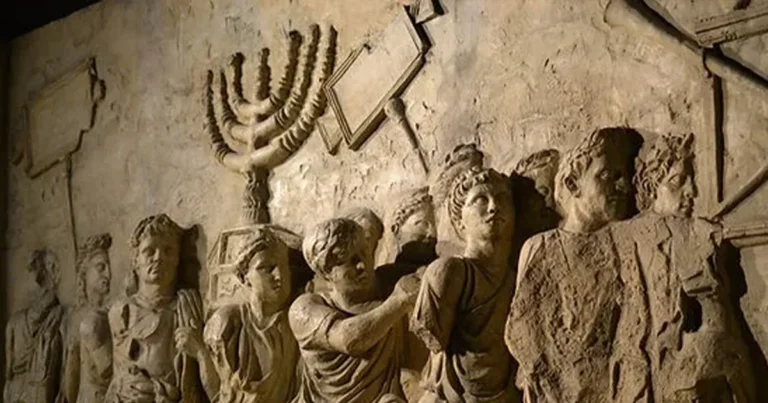
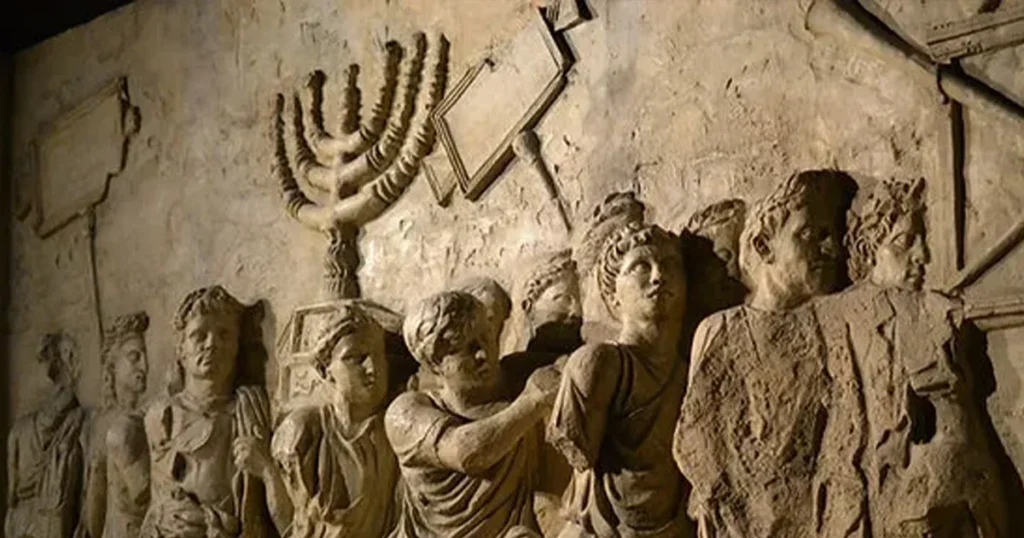
What Counts as Loot in War? Booty to Modern Law
From Roman booty to The Hague rules and museum restitution, this is how the definition of war loot has shifted across three thousand years.

Disability in Ancient Literature: Humor and Empathy
Ancient literature treated disability through humor, pity, fear, and insight. These texts reveal how Greeks and Romans imagined the body.

Did Slaves Build the Parthenon?
Did slaves build the Parthenon? Inscriptions and wage lists from Athens show a mostly paid workforce of citizens and metics, with enslaved labour in…
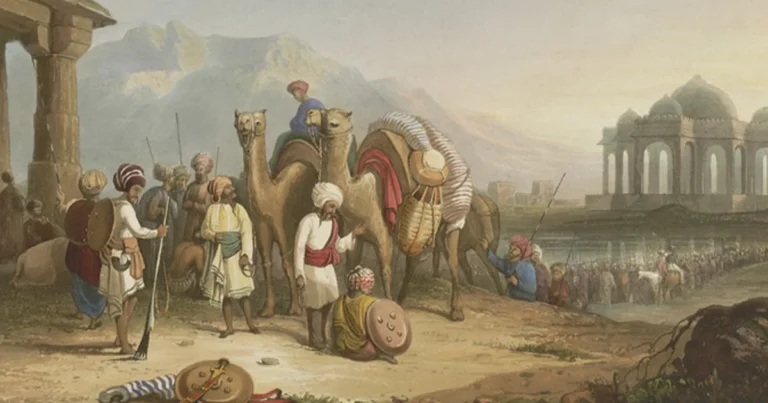
What Did Ancient Travellers Pack for a Long Journey?
What did ancient travellers pack for a long journey? Cloaks, wax tablets, fire kits, rations, tools and papers—a practical kit for travel in antiquity.
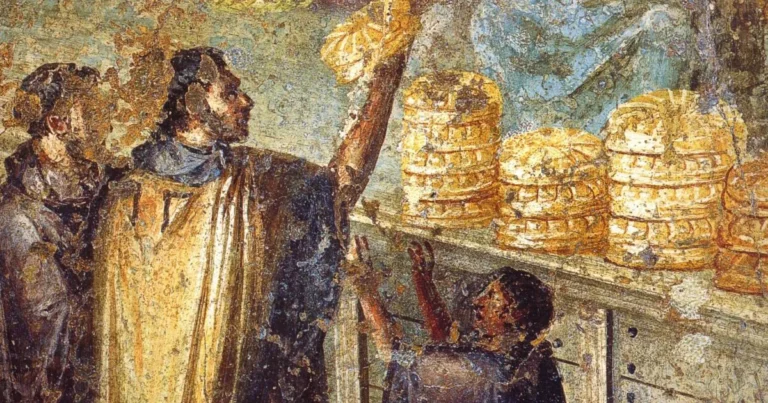
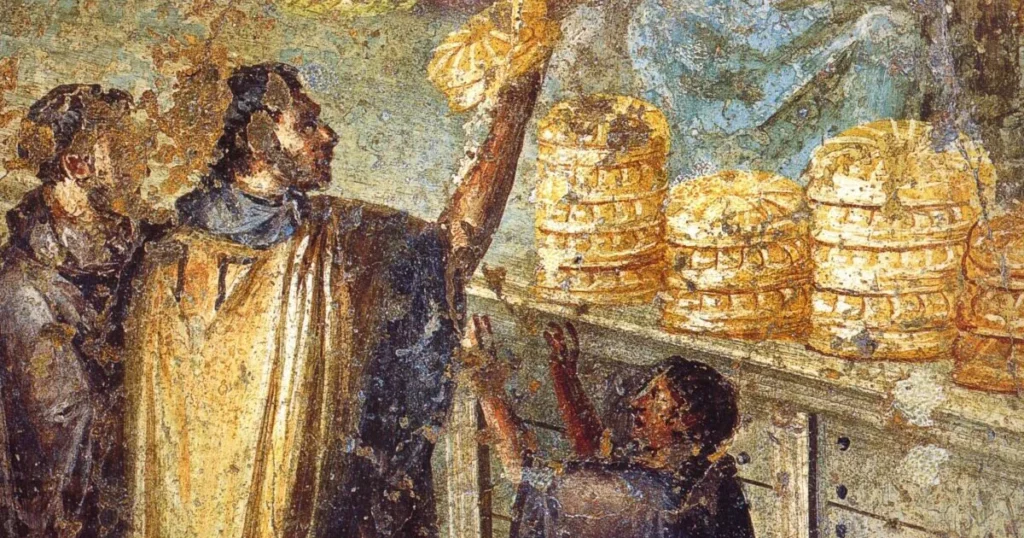
Annona and Grain Doles: How Rome Fed a Million People
Annona and Grain Doles: how Rome fed a million—African and Egyptian wheat, Portus and horrea, tesserae tokens, and Aurelian’s bread politics.
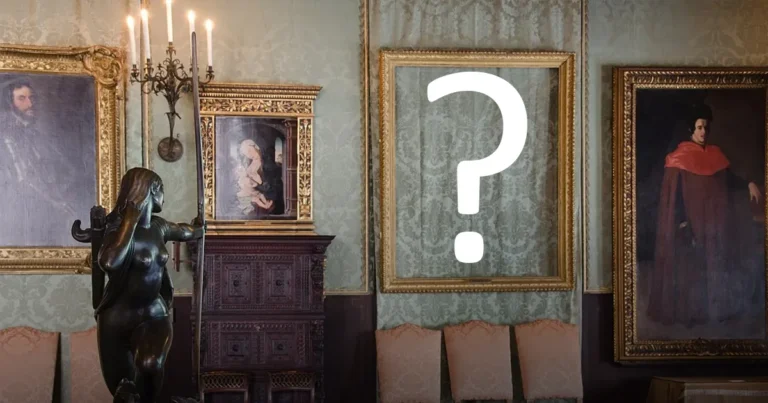
Stolen Art Database: How It Works and Why It Works
Stolen art database explained: how INTERPOL records, Object ID fields, and the ID-Art app let customs, museums, and dealers spot matches fast and recover…

Antiquities Ownership Laws: When Legal Sales Turn Illegal
Antiquities ownership laws show how a legal sale can turn illegal—provenance, export permits, UNESCO 1970, patrimony claims, and steps for heirs, dealers.
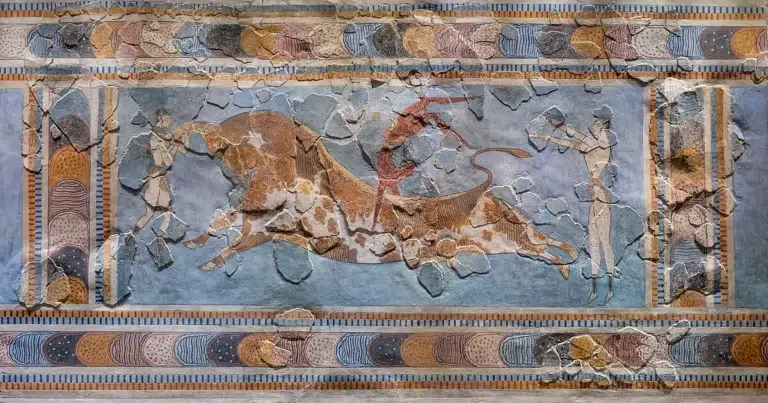
Minoan Bull-Leaping at Knossos: Sport, Ritual, Risk
Bull-leaping on Bronze Age Crete wasn’t a monster’s maze. At Knossos, trained athletes turned danger into sport, ritual, and spectacle—human skill working with a…
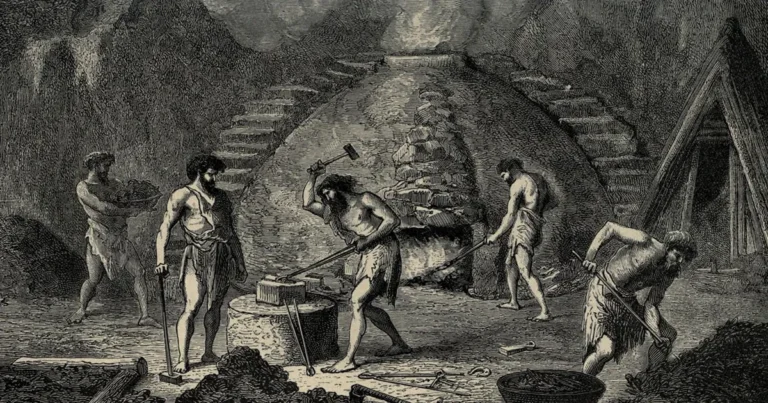
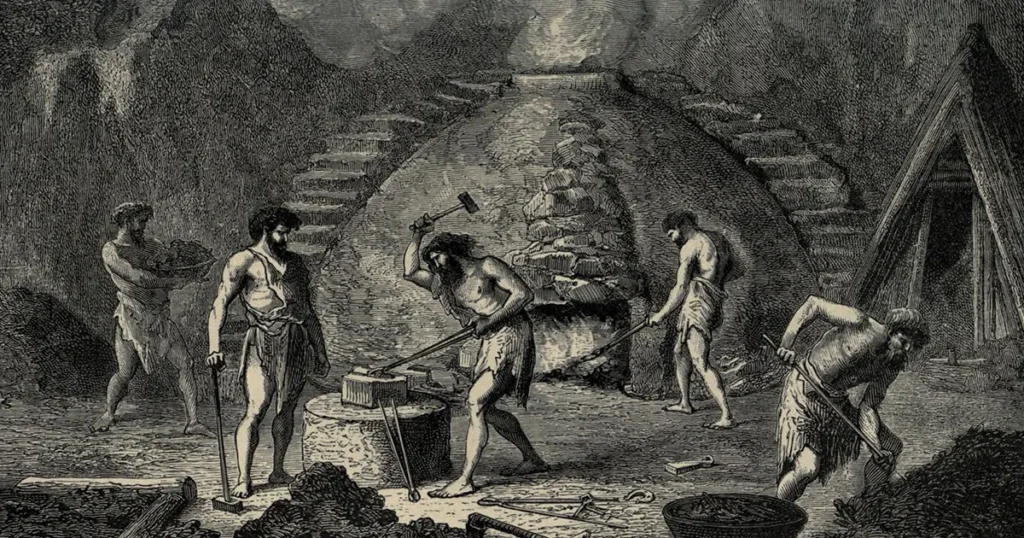
Hallstatt Salt Mines: How Salt Shaped Celtic Europe
The Hallstatt salt mines, worked continuously since 1500 BCE, supplied the preservative that made long-distance trade, elite feasting, and Celtic exchange networks possible.

The Lock of Berenice: How Hair Became a Star
Catullus turned a Ptolemaic queen’s sacrificed hair into poetry and astronomy. The Lock of Berenice became a star in the night sky.

Hun Cheek Scarification: What Roman Sources Say
Ammianus and Jordanes both claimed the Huns scarred newborn boys’ cheeks at birth. The archaeology cannot confirm it, but it cannot rule it out.

Why Qin Shi Huang’s Tomb Has Never Been Opened
Why Qin Shi Huang’s Tomb Has Never Been Opened the tomb of Qin Shi Huang has been sealed since 210 BCE.