Article archive
Research, stories and questions from the ancient world.
Browse every article on Spoken Past, or choose a category to explore the archive.
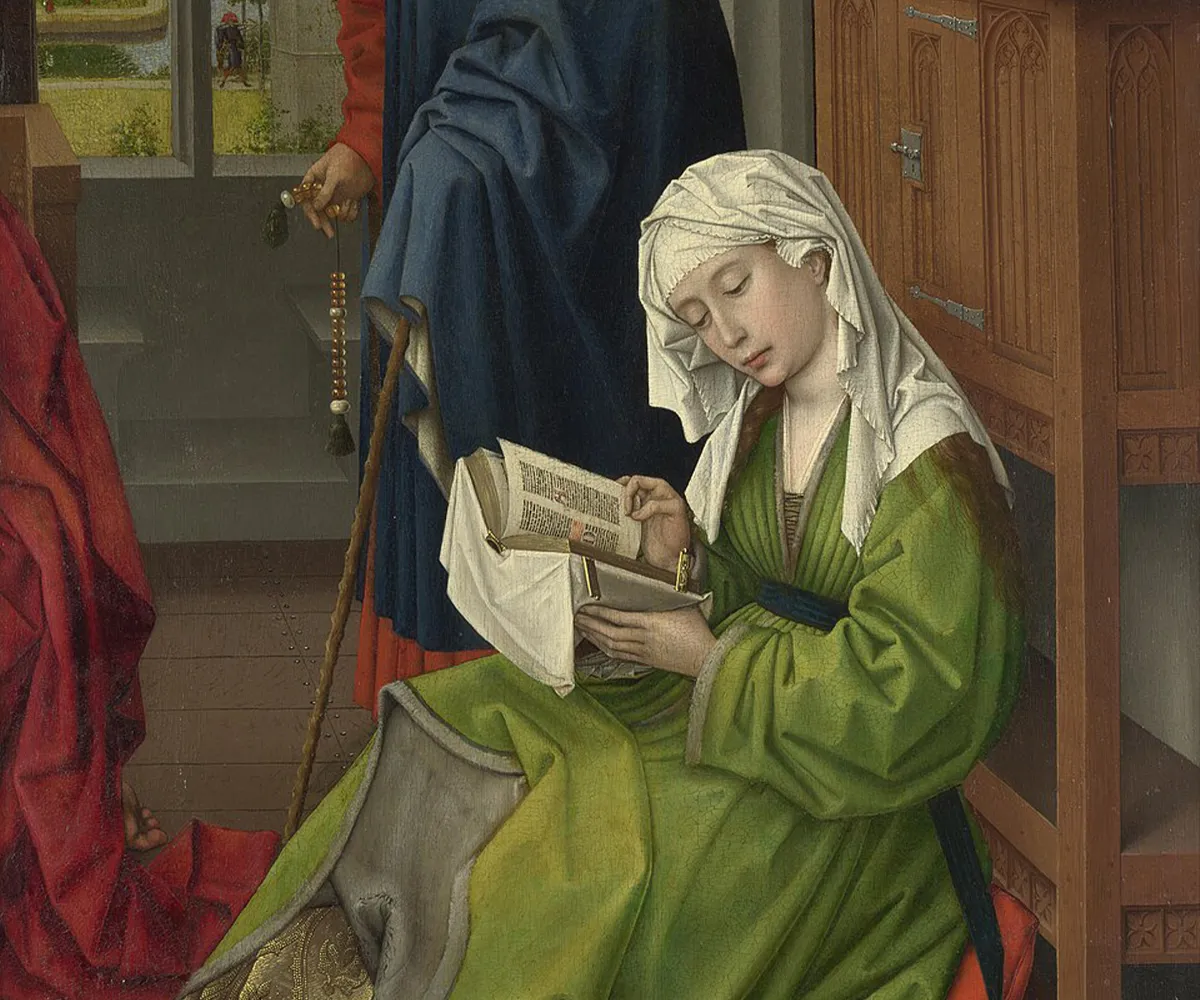

The Bronze Age Collapse: Why Kingdoms Fell Around 1200 BCE
Between 1250 and 1150 BCE, palaces fell across the eastern Mediterranean. Tablets, archaeology and climate records reveal different causes and outcomes.
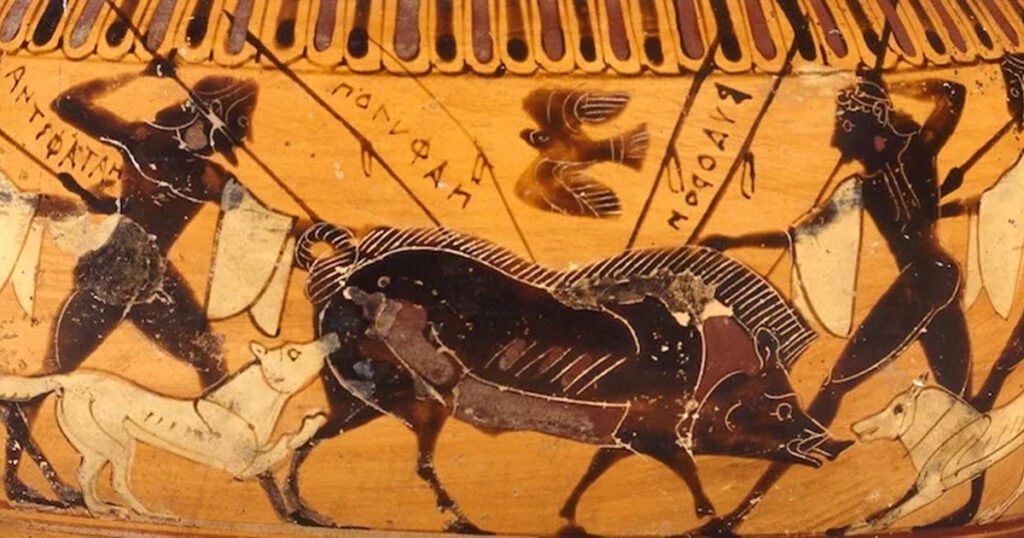
Animals on Ancient Greek Vases: Gods, Myths and Meanings
Lions, owls, hares and dolphins appear throughout Greek vase painting. Ancient texts and surviving pottery show how their meanings changed with each scene.
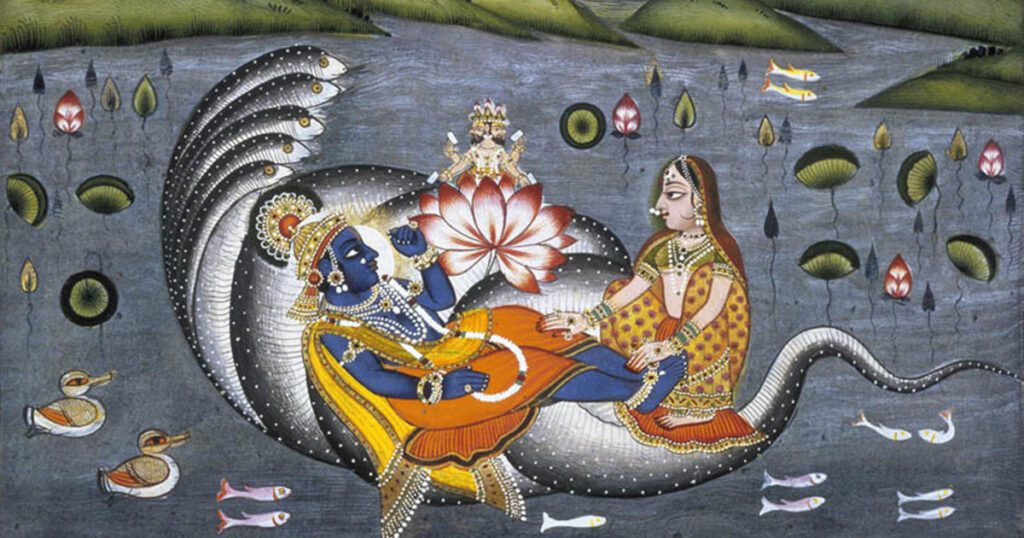
Serpents in Ancient Mythology: Creation, Chaos and Protection
Ancient serpents could threaten the sun, surround the world or protect a god. Egyptian, Norse, Mesoamerican and South Asian traditions gave them very different…
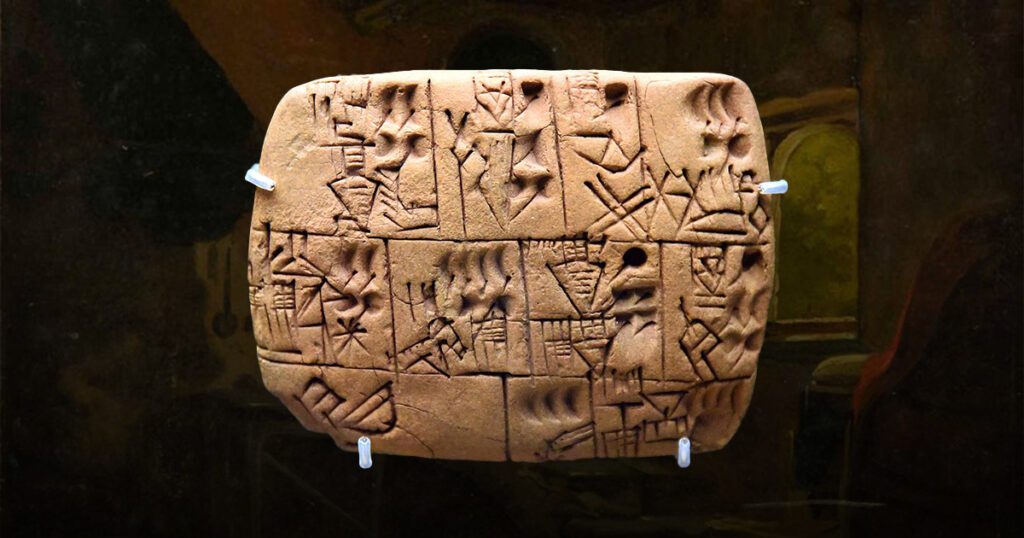
What Did Ancient Economies Use Before Coins?
Before coins, Egyptians priced goods in deben, Mesopotamian merchants used silver accounts, and Bronze Age traders weighed metals across the Mediterranean.
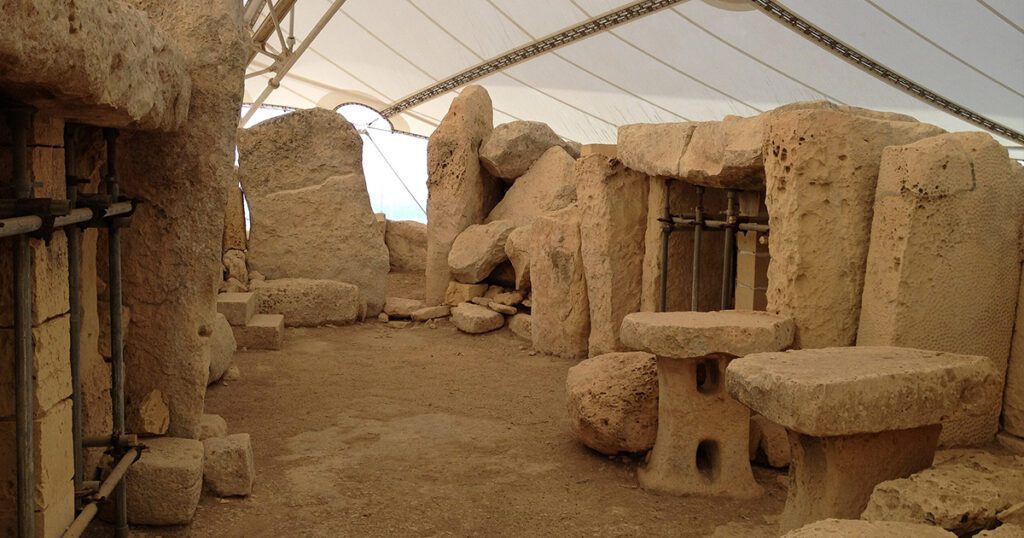
Neolithic Malta: Astronomical Alignments in Stone
At Mnajdra, equinox and solstice sunlight enters ancient stone chambers. New research tests whether Malta’s other temples also faced the stars.
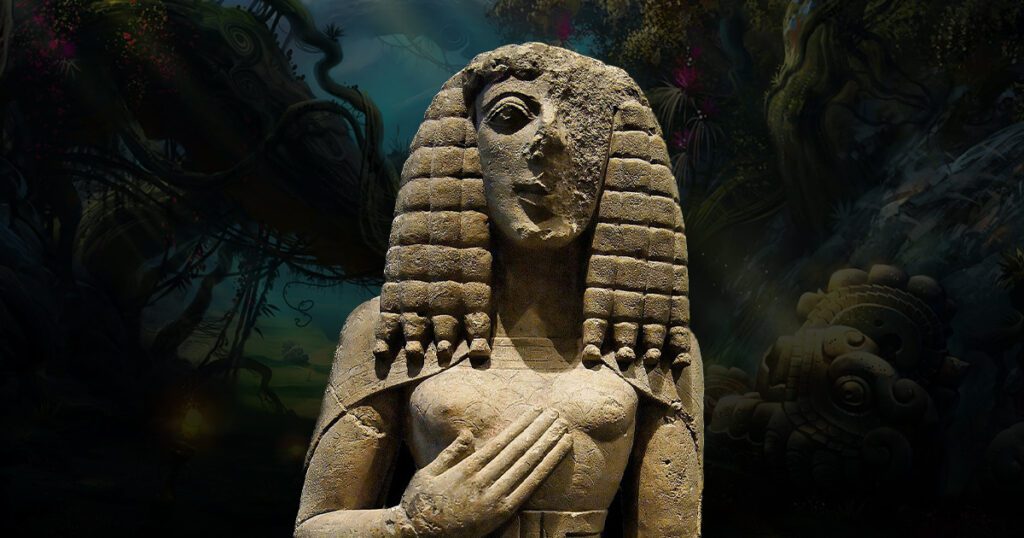
Forgotten Goddesses: Why Some Ancient Cults Faded From View
Despoina, Dione, Bendis, Nisaba, Asherah and Tanit left temples, inscriptions and images. Their evidence reveals how ancient religions changed.
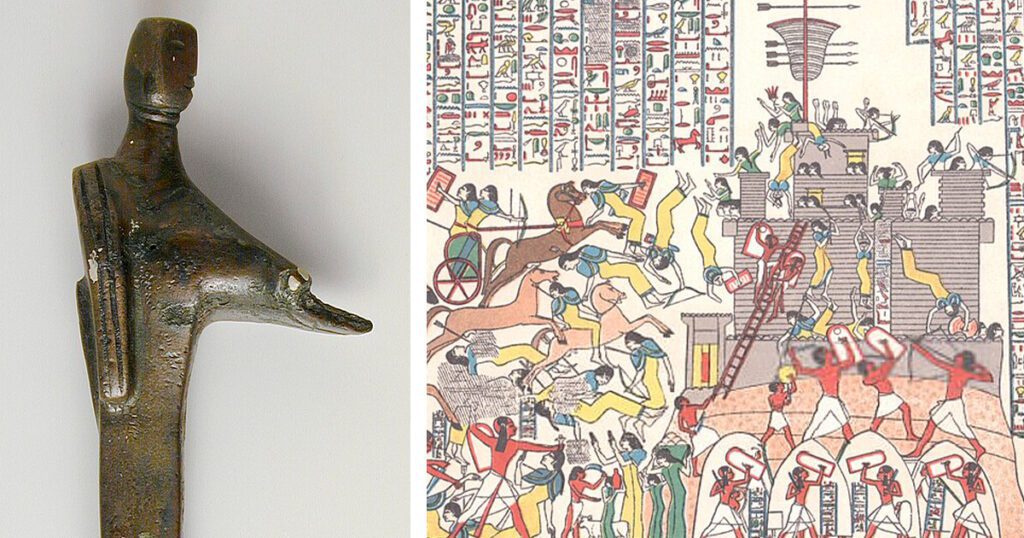
Bronze Age Siege Weapons: Rams, Towers and Fire
Bronze Age siege weapons included rams, towers and ladders. Ebla, Mari, Hittite records and Egyptian reliefs reveal what ancient armies actually used.
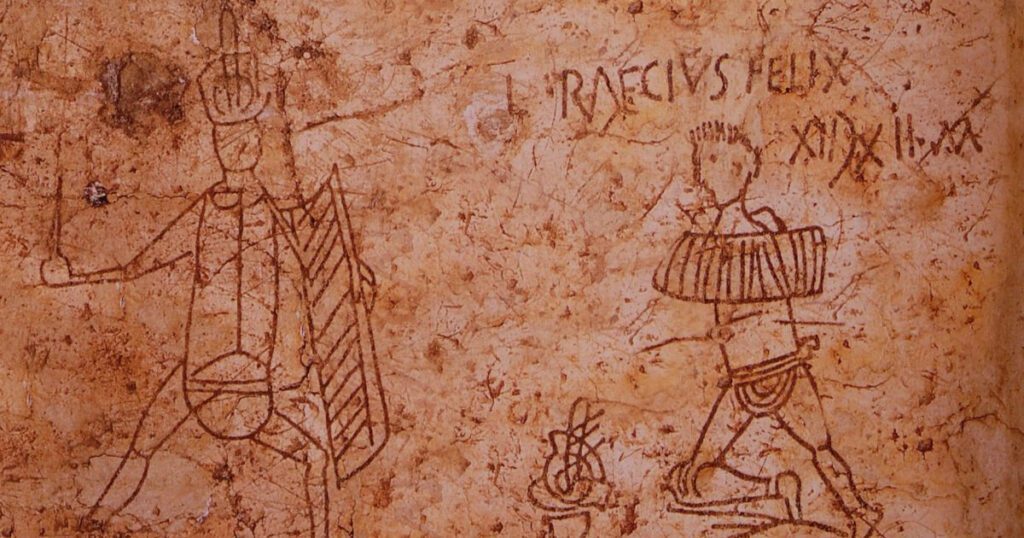
Ancient Graffiti: Pompeii’s Jokes, Insults and Daily Life
Ancient graffiti in Pompeii, Rome and Egypt preserve love notes, insults, election slogans and drawings that reveal how people used public walls.
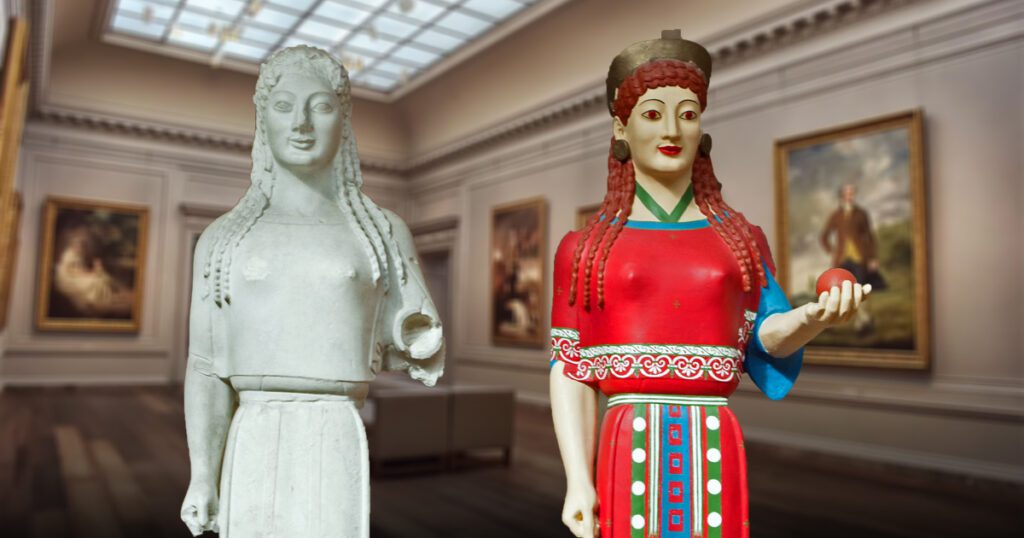
Greek Statues Were Not White: The Lost Colors of Marble
Ancient Greek statues had painted eyes, patterned clothes and metal ornaments. The Peplos Kore, Aphaia archer and Parthenon show how science finds their lost…
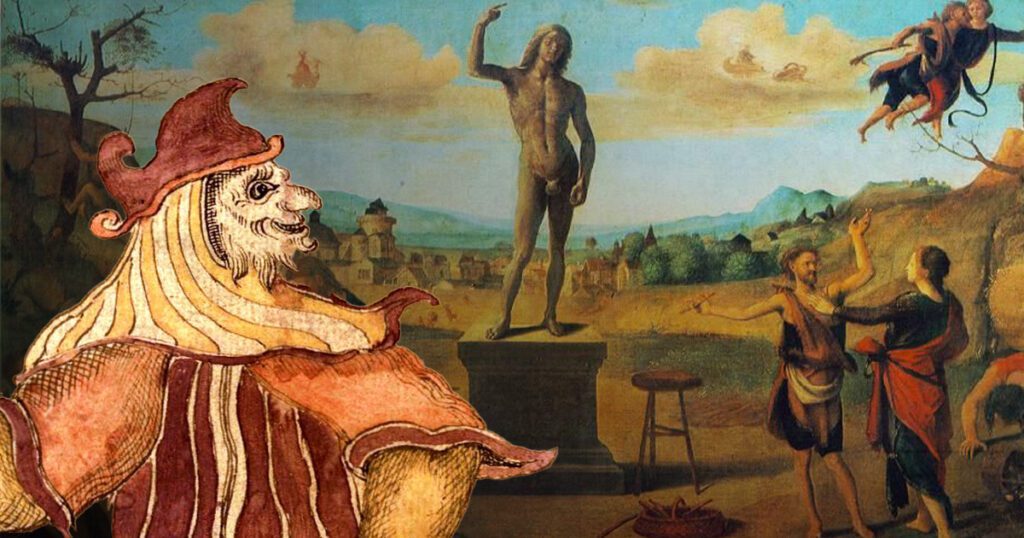
Tricksters in Mythology: Hermes, Loki, Anansi, Eshu and More
From Hermes and Loki to Anansi, Eshu, Raven and Māui, explore what trickster stories meant in their own cultures and why their differences matter.

Who Were the Sea Peoples of the Bronze Age?
Egyptian records name the Sea Peoples. Archaeology, letters and ancient DNA reveal warfare, migration and settlement, but no single homeland.
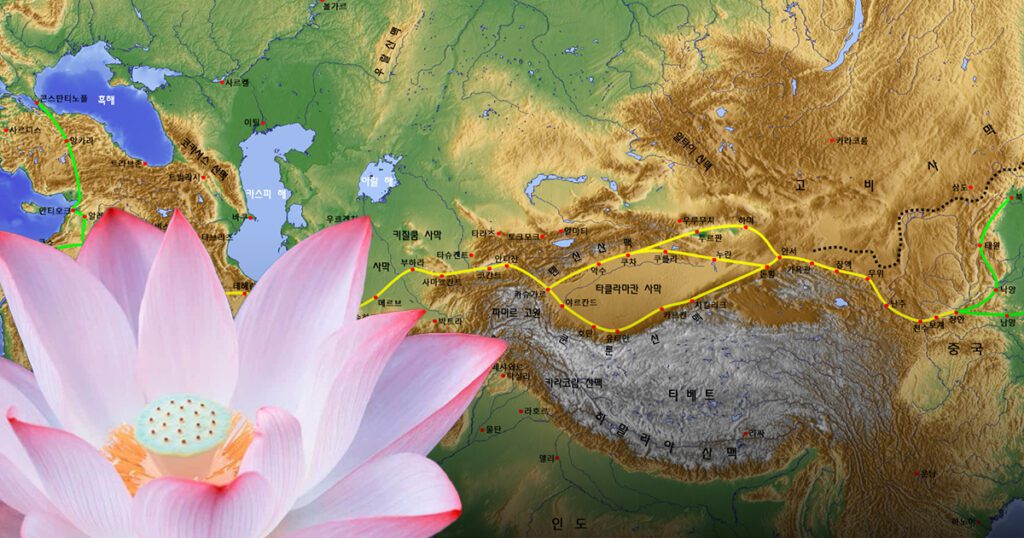
Silk Road Plants: How Ancient Flora Crossed Continents
Pepper at Berenike, apples in Central Asia and rice in Iran reveal how crops crossed trade networks and changed diets and farming over centuries.