



Latest Articles
Fresh entries from across the site, presented with a clear lead story and supporting reads.
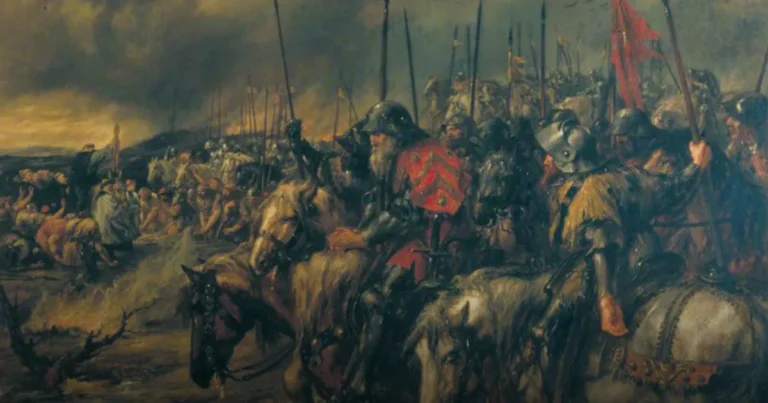
Agincourt: Did French Knights Drown in Their Armor?
Agincourt became famous for mud, armor, and disaster. The evidence behind drowned French knights is stranger than the popular legend.
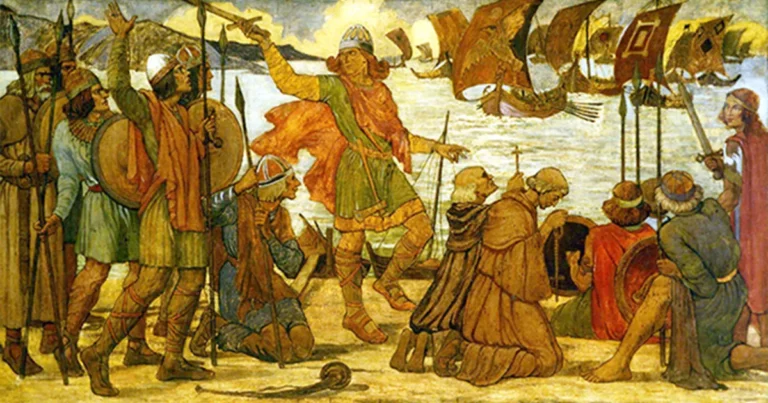
Viking DNA: What Ancient Genomes Really Reveal
Viking DNA a 2020 Nature study sequenced 442 Viking Age genomes and found that Viking identity was cultural, not genetic, with gene flow running…

Boxer at Rest: What Greek Sport Did to the Body
The Boxer at Rest is a Hellenistic bronze unearthed on Rome’s Quirinal Hill in 1885. Its copper-inlaid wounds and cauliflower ears record a real…

Petronius’s Roman Werewolf: The Satyricon Story
In chapters 61 and 62 of the Satyricon, a freedman named Niceros tells the best werewolf story in all of Latin literature at a…
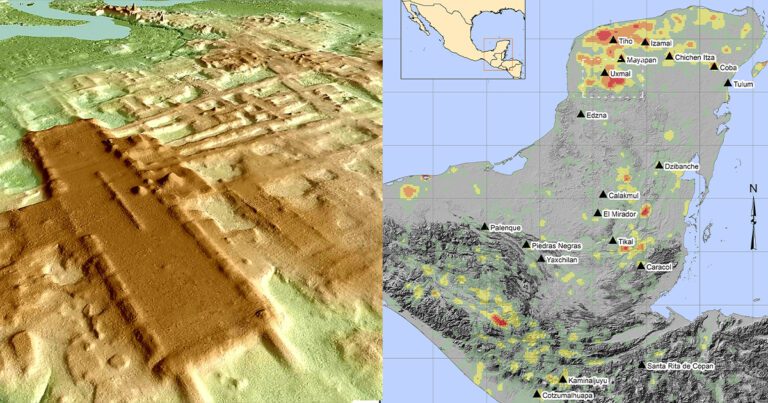
LiDAR and the Ancient Maya Lowlands: What It Reveals
LiDAR surveys have mapped over 61,000 Maya structures beneath the Guatemalan jungle, rewriting what archaeologists thought they knew about urban scale.

Loki’s Children: Hel, Fenrir, and Jörmungandr
Loki’s Children the Norse sources name three children born to Loki and the giantess Angrboda, and each one plays a specific structural role in…
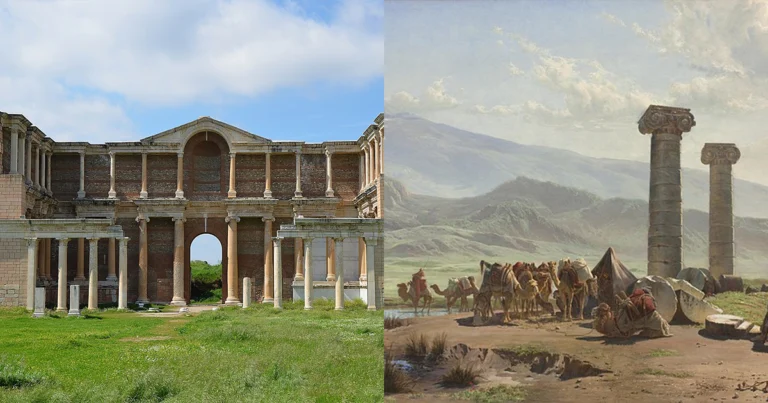
Sardis Excavation: The Lydian Palace 8 Meters Down
Between Aug 15–18, 2025, excavations at Sardis reached a Lydian palace about eight meters down, with terrace-scale walls, arrowheads, and early silver coins dating…
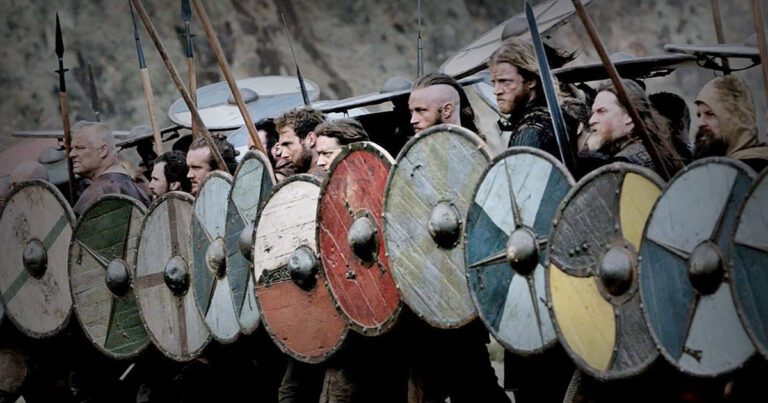
Viking Shield Wall: How It Worked in Battle
Viking Shield Wall the Old Norse skjaldborg was the standard infantry formation of the Viking Age, built on shield construction, mutual obligation, and the…

Homo Floresiensis: The Hobbit of Flores
Homo floresiensis, the small-bodied “Hobbit” of Flores, upended everything scholars thought they knew about how hominins evolve on islands.

Lucian’s A True Story: The First Science Fiction?
Written in the second century AD, Lucian of Samosata’s A True Story is the earliest known work of fiction to feature space travel, alien…

Why Qin Shi Huang’s Tomb Has Never Been Opened
Why Qin Shi Huang’s Tomb Has Never Been Opened the tomb of Qin Shi Huang has been sealed since 210 BCE.

Bronze Age Collapse: The Slow Death of Palaces
The Bronze Age collapse between 1225 and 1130 BCE destroyed palatial governments across Greece, Anatolia, and the Levant.