
Table of Contents
Gaius Julius Caesar was born into a family with a celebrated name, yet modest means, in a city that was tearing itself apart. He rose through a late Republican system that prized reputation, patronage, and quick decisions. He mastered all three. He wrote his own wars in polished Latin, moved armies with speed that baffled opponents, used spectacle as a political tool, and threaded law through opportunism until he remade the state. His life, from a boy in the Subura to dictator in perpetuity, is the clearest lens on how a small river in northern Italy could become a point of no return.
Family, birth, and a city in crisis
Caesar was born in Rome on either 12 or 13 July 100 BCE, the date most ancient lists give for his birthday. A minority tradition places his birth in 102 or 101, yet the July 100 date fits the known timing of his early offices and is generally preferred. He belonged to the patrician gens Julia, a lineage that claimed descent from Iulus, the son of Aeneas, and through him from Venus. This pedigree offered status rather than cash. His father, also Gaius Julius Caesar, served as praetor and died suddenly when his son was about sixteen. His mother, Aurelia Cotta, came from a respected plebeian line with political weight and a reputation for discipline, which ancient writers suggest shaped Caesar’s early household.
Rome in these years strained under the aftermath of the Social War, a mass enfranchisement of Italy’s allied communities, and partisan conflict embodied by two leaders: Gaius Marius, Caesar’s uncle by marriage, and Lucius Cornelius Sulla. Reforms, counter-reforms, proscriptions, and private armies unsettled every family with political ambitions. The young Caesar came of age in that environment.
Marriage, priesthood, and Sulla’s proscriptions
Around age sixteen Caesar married Cornelia, daughter of Lucius Cornelius Cinna, Marius’s ally and a dominant figure in Rome after Sulla left on campaign. Not long after, Caesar was nominated flamen Dialis, the high priest of Jupiter. The office mattered. It brought prestige, a traditional role in state religion, and restrictions that would have limited a military career. When Sulla returned victorious in 82 and began his proscriptions, he demanded that Caesar divorce Cornelia in order to break Cinna’s network. Caesar refused. That choice forced him into hiding, cost him his priesthood and inheritance, and put a bounty on his head. Ancient accounts credit the intercession of powerful figures, including relatives with Sullan ties, for the eventual remission of the sentence. Caesar left Rome and began a military apprenticeship in Asia Minor, far from the knives of Rome’s streets.
The first campaigns: Asia and the civic crown
Caesar served on the staff of Marcus Minucius Thermus during operations against Mytilene on the island of Lesbos. He distinguished himself in a storming party and received the corona civica, the civic crown of oak leaves, awarded for saving the life of a fellow Roman in battle. The crown conferred real privileges, such as the right to sit in the Senate with it on, and it attached an early record of courage to his name.
He then joined the staff of Publius Servilius Isauricus, who campaigned in Cilicia. A brief mission to Bithynia to fetch a fleet for operations against pirates generated enduring gossip that Caesar had an intimate relationship with King Nicomedes IV. The charge resurfaced throughout his career. It illustrates Roman political culture more than it reveals truth. Accusations of sexual passivity were a standard tool for belittling ambitious men. Caesar answered them with practiced jokes and continued to climb.
The pirates of the Aegean
In 75 BCE, while sailing to Rhodes to study oratory with the famous Apollonius Molon, Caesar’s ship was taken by Cilician pirates near the island of Pharmacusa. The pirates demanded twenty talents of silver as ransom. Caesar, with the self-assurance that sets him apart in every source, insisted they ask for fifty. He lived among them for thirty-eight days, kept his attendants, ordered silence when he wished to sleep, and promised that he would crucify them after he was free. He laughed at their songs, wrote poetry the pirates did not appreciate, and treated them like disorderly clients. When the ransom arrived and he was released, he raised ships at Miletus, pursued the pirates, seized them, and had them executed. Ancient accounts say he ordered their throats cut before crucifixion, a slightly kinder death than the usual Roman method. The episode burnished his reputation for boldness, memory for insults, and absolute follow-through.
Return to Rome: law, debt, and spectacle
Back in Rome, Caesar prosecuted important men for extortion and misrule in the provinces, a standard early path for a politician with a strong voice and a need to be seen. He styled his oratory on Molon’s teaching: controlled rather than flowery, emphatic rather than ornate. He held the office of military tribune, then quaestor in 69 BCE, assigned to Hispania Ulterior, where he earned the goodwill of local communities and learned the roads and climates of Spain that he would revisit later. Around this time he delivered funeral orations for his aunt Julia and his wife Cornelia, who had died young. The speech for Julia advertised his Marian connection by displaying ancestral imagines, the wax portraits of Roman nobles, and by publicly acknowledging descent from kings and gods. It was a calculated signal to the popular element in Rome.
Caesar married Pompeia, granddaughter of Sulla, binding himself to another powerful network despite his earlier defiance. In 65 he became aedile and staged games and public works on an extravagant scale. He borrowed heavily to finance them, filling the Forum with temporary colonnades and the people’s imagination with shows that outclassed rivals. Roman elections rewarded notoriety. Large debts in return for the visibility that won higher office were normal. Caesar needed a creditor who could carry the weight. He found one in Marcus Licinius Crassus, the richest man in Rome, whose loans and political support positioned Caesar for the next steps.
Pontifex Maximus and the Catiline crisis
In 63 BCE Caesar ran for pontifex maximus, the high priesthood that controlled the calendar, oversaw public religion, and came with a house at the Regia in the Forum. He won against older, eminent candidates, allegedly with generous bribery. The same year, the Senate confronted the conspiracy of Lucius Sergius Catilina. As praetor-elect, Caesar argued in the Senate against executing Roman citizens without a trial, proposing instead imprisonment across Italy. Marcus Porcius Cato urged immediate execution, which the Senate approved and Cicero carried out. Caesar’s stance came from law and politics at once. He struck a pose as defender of traditional procedure and protector of citizens, while also scoring a point against rivals. The episode built a lasting contrast between Caesar’s policy of clementia, the much-advertised mercy he would later show in civil war, and Cato’s hard line.
Scandal in a religious house
As praetor in 62, Caesar presided over the trial arising from the Bona Dea scandal. The rites of the Good Goddess were restricted to women. Publius Clodius Pulcher, a young patrician, disguised himself to infiltrate the ceremony at Caesar’s house. The city erupted in outrage. Caesar divorced Pompeia, saying that Caesar’s wife must be above suspicion. The phrase stuck. Clodius was prosecuted, allegedly bribed his way to acquittal, and later became a crucial mover in street politics. The scandal damaged several reputations yet left Caesar with a reputation for decisiveness and a clear understanding of public theater.
Spain again: command, profit, and a hard choice
In 61 BCE Caesar took the governorship of Hispania Ulterior. He campaigned against local tribes, earned a triumph by Roman standards, and extracted enough money to ease some debts. When he returned to Rome’s doorstep, however, he faced a procedural trap. A general could not enter the city before his triumph. A candidate for consul had to be present to declare his candidacy. The Senate delayed. Caesar could either wait outside the city for months to keep the triumph, or forgo it to enter and stand for consul. He chose office over the parade. That decision put him inside the political game at the highest level and set up the alliance that would dominate the last years of the Republic.
The consulship of 59 and a new arrangement for power
In 60 BCE Caesar brokered an agreement with Pompey and Crassus. The three men had different strengths. Pompey was Rome’s foremost general with veterans waiting for land and honors. Crassus controlled credit and had clients across the city. Caesar’s popularity with the urban masses and his skills in persuasion tied them together. This informal alignment is often called the First Triumvirate, a modern label that captures the cooperation without suggesting a formal office. Each man aimed to achieve his immediate goals by backing the others.
Caesar won the consulship for 59 BCE alongside Marcus Calpurnius Bibulus, who aligned with the senatorial opposition. Caesar married Calpurnia, daughter of Lucius Calpurnius Piso Caesoninus. To bind the alliance, he gave his daughter Julia in marriage to Pompey. Caesar passed agrarian laws to settle veterans and urban poor on public land in Campania and elsewhere, and he ratified Pompey’s eastern settlements that had been stalled in the Senate. He also secured legislation favorable to tax-farming companies allied with Crassus, adjusting contracts that had soured as conditions changed in Asia. The opposition tried to block him with procedural tricks. Bibulus withdrew from public business after a brawl in the Forum and declared that he was watching the skies, a religious formula meant to halt assemblies. Caesar ignored him and moved law through the popular assembly. The year became known as the consulship of Julius and Caesar, a bitter joke by opponents and a backhanded compliment to Caesar’s dominance.
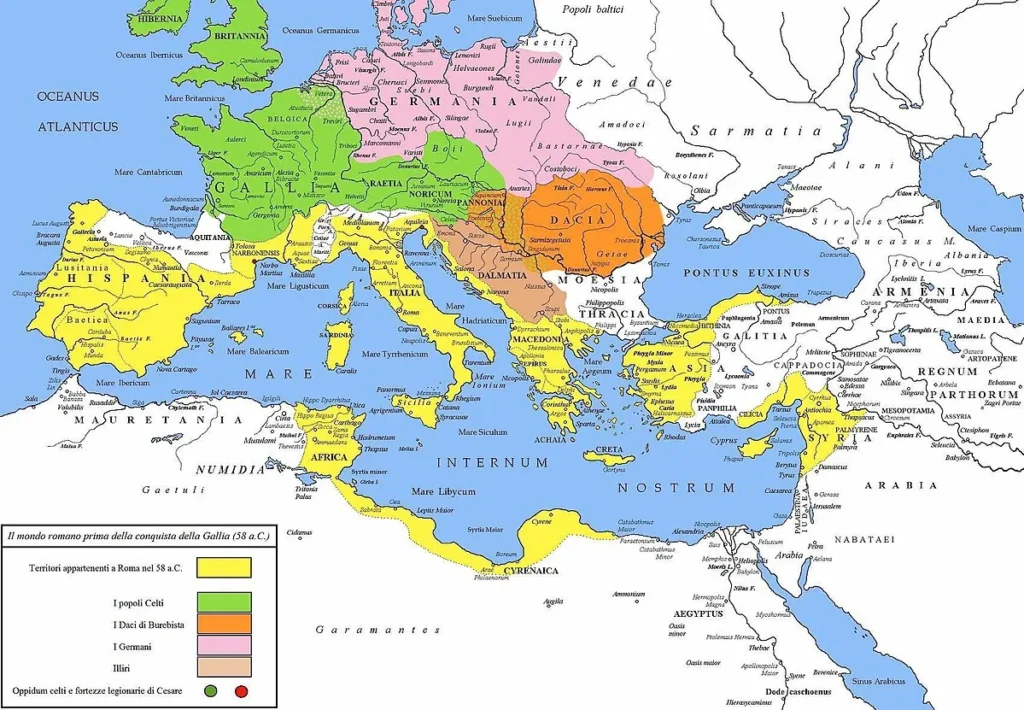
At the end of his consulship Caesar secured a proconsular command for five years, later extended to ten, over Cisalpine Gaul, Illyricum, and the province known as Transalpine Gaul. What looked like a provincial posting on Rome’s northern frontier turned into the theater of his making.
The Gallic War: conquest, narrative, and the reshaping of a career
From 58 to 50 BCE, Caesar fought a sequence of campaigns in Gaul that he described in his Commentaries, a polished narrative in the third person that presents his decisions as necessary responses to threats or appeals for help. The work is a masterclass in framing. It names Roman allies, flags the movement of potentially dangerous peoples, and shows Caesar as quick and measured. Independent evidence, inscriptions, and archaeology confirm much of the movement and many of the battles, even as modern scholars debate motives and casualties.
The Helvetii and the opening move, 58 BCE
The Helvetii, a confederation in what is now Switzerland, planned a mass migration west to escape pressure and find new land. Caesar positioned himself as protector of the Roman Province and its allies by denying them passage through Roman territory and then shadowing their movement northward. Near Bibracte he fought a decisive battle, broke the Helvetii, and forced survivors to return to their homeland. He framed this as stabilizing the frontier. It also showcased his ability to move quickly and impose a settlement that served Roman eyes and Gallic realities at once.
Ariovistus and the Germans
In the same year, Caesar confronted Ariovistus, a Germanic king whom the Romans had once recognized as friend and ally. Ariovistus had crossed the Rhine and now threatened Roman clients among the Gauls. Caesar marched with speed, relieved Roman ally towns, and met Ariovistus in battle in eastern Gaul. He stressed the danger of Germans crossing the Rhine as an existential issue for the province. After defeating Ariovistus, Caesar expelled him and cast himself as defender of Gaulish balance, a useful image for gathering grain, recruits, and intelligence.
The Belgae, winter surprises, and the lesson of logistics
In 57 BCE Caesar marched against the Belgae, a coalition in northern Gaul. He emphasized the size of their levy and the savagery of frontier peoples, a Roman stereotype that justified tough measures. He broke the coalition piecemeal and forced submissions. The winter taught a different lesson. Roman armies in Gaul depended on food gathered from local communities and on well-placed winter quarters. Caesar’s decision to spread his legions across a wide region exposed them to surprise attacks when snow and supply lines made relief hard. He learned quickly, and in later winters he kept tighter concentrations and built fortified camps with layered ditches that became a signature of his engineering.
The Veneti and the sea
In 56 BCE the Veneti, a seafaring people on the Atlantic coast, captured Roman envoys and rallied coastal tribes. Caesar built a fleet in the Loire with the help of allied shipwrights and sailors, adjusted for tidal conditions unfamiliar to Roman crews, and defeated the Veneti. He punished their leadership harshly. The episode illustrates his willingness to adapt to an oceanic theater and to turn regional expertise to Roman advantage. It also raises questions about proportionality. Caesar’s narrative stresses the sacred status of envoys and the need to deter such breaches.
Across the Rhine and across the Channel
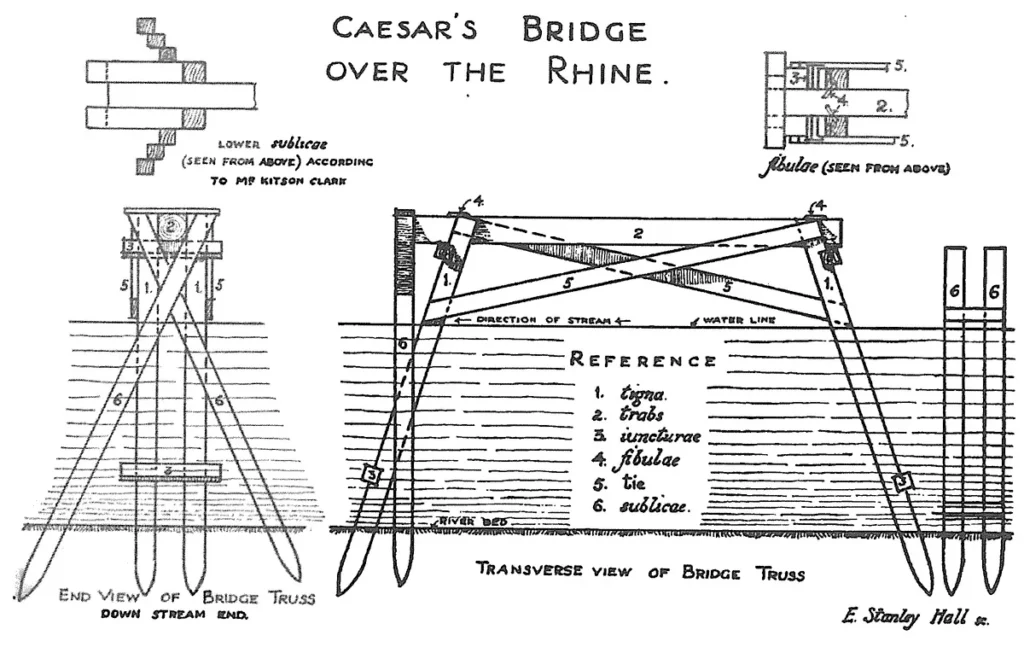
In 55 BCE Caesar bridged the Rhine to demonstrate reach against Germanic groups on the far bank. The bridge itself, erected in roughly ten days with layers of piles driven into a fast river, served more as a message than a highway. He crossed, advanced a short distance, then recrossed and dismantled the structure. Later in the same campaign season he launched an expedition to Britain, a place Rome knew mainly from merchants’ reports. The first expedition was brief, hampered by storms. He returned in 54 BCE with a larger force, pushed further inland, and made arrangements with tribal leaders. Britain would not become a Roman province for another century, yet Caesar’s forays displayed his ability to capture headlines, to borrow a modern term, and to keep his troops busy in ways that reinforced his image back home.
Disaster and recovery: Ambiorix and the Eburones
The winter of 54–53 BCE tested Roman resolve. Caesar had distributed his legions across Gaul to ease the strain on local communities. Ambiorix, leader of the Eburones in Belgic territory, exploited the thin deployments. He lured a legion and five cohorts from their camp with a false promise of safe passage, then ambushed and destroyed them. The commander Quintus Titurius Sabinus was killed. The massacre shook Roman prestige. Caesar reacted with speed and severity. He concentrated forces, punished collaborators, and used allied intelligence to harry Ambiorix, who melted into forests and swamps and did not fight a set-piece battle. The episode exposes a persistent fault line in Caesar’s narrative. His Commentaries understate Roman setbacks. Archaeology and careful reading recover their scale.
Gaul in revolt and the rise of Vercingetorix
In 52 BCE a broad Gallic revolt crystallized under Vercingetorix, a charismatic aristocrat of the Arverni. He imposed strict discipline, employed scorched earth tactics against Roman foragers, and tried to force Caesar into small ground where Roman cavalry could not dominate. Caesar launched and lost a difficult assault at Gergovia, a hilltop stronghold in central Gaul. The failure emboldened rebels. Soon after, he won a cavalry battle that checked the momentum, then moved to encircle Vercingetorix at Alesia.
Alesia: engineering against numbers
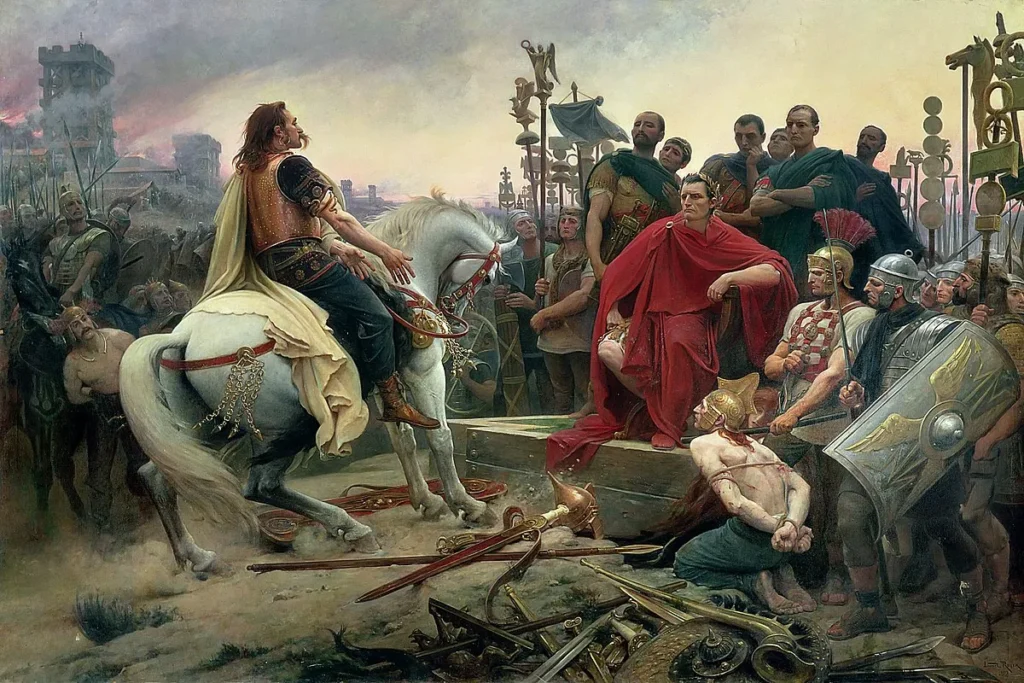
The siege of Alesia is the best known episode of the Gallic War and a masterwork of Roman engineering. Caesar ringed the fortress with a circumvallation and contravallation, inner and outer lines of fortifications, punctuated by towers, ditches, traps, and redoubts. He prepared for a massive relief army. When that army arrived, his forces fought simultaneously on two fronts. The relief effort coordinated assaults against the outer line while the garrison tried sorties against the inner line. Caesar held the circuits, used interior lines to shuttle troops, and relied on cavalry to plug gaps. After repeated failures, the relief force withdrew. Vercingetorix surrendered, reportedly riding out to lay his arms at Caesar’s feet, and spent years in captivity before his execution in Rome. Alesia resolved the revolt as a military challenge. Mopping-up operations continued for seasons, yet organized resistance had been broken.
The cost of conquest and the politics of narrative
Caesar claimed that he had subdued all Gaul. He had secured Rome’s northern frontier, enriched his soldiers and patrons, and gained enough glory to overshadow rivals. The human cost was high. Ancient figures for enemies killed or enslaved run into the hundreds of thousands, numbers modern historians treat with caution. Archaeological work confirms massacre sites and episodes of mass violence, while also revealing patterns of continuity in Gallic settlements that complicate simple stories of devastation. Caesar’s writing justifies force as preemptive or punitive. It also constructs a useful enemy in the figure of the trans-Rhenane German and stabilizes Roman allies by casting them as beneficiaries of Roman order.
Caesar’s supporters in Rome read winning dispatches. His legions gained loyalty and identity. Opponents watched with alarm as a politician collected multiple consulships in effect, year after year, with proconsular imperium and command of seasoned troops. The rewards of victory created new problems. How to reenter civilian politics without exposure to prosecution by enemies. How to secure land for soldiers. How to keep the alliance with Pompey and Crassus intact when personal losses and rivalries eroded it.
Law, rituals, and the man behind the commander
Even while campaigning, Caesar kept one eye on Rome. He managed elections through agents, negotiated marriages and adoptions, and wrote. His Commentaries are deceptively simple Latin. Students still read them to learn the language’s clarity. The prose legitimizes his choices by framing them as necessities in defense of allies and law. He also cultivated an image that balanced severity with mercy. After victories he often pardoned defeated elites, then publicized the act. Clemency created dependents and painted opponents of reconciliation as extremists.
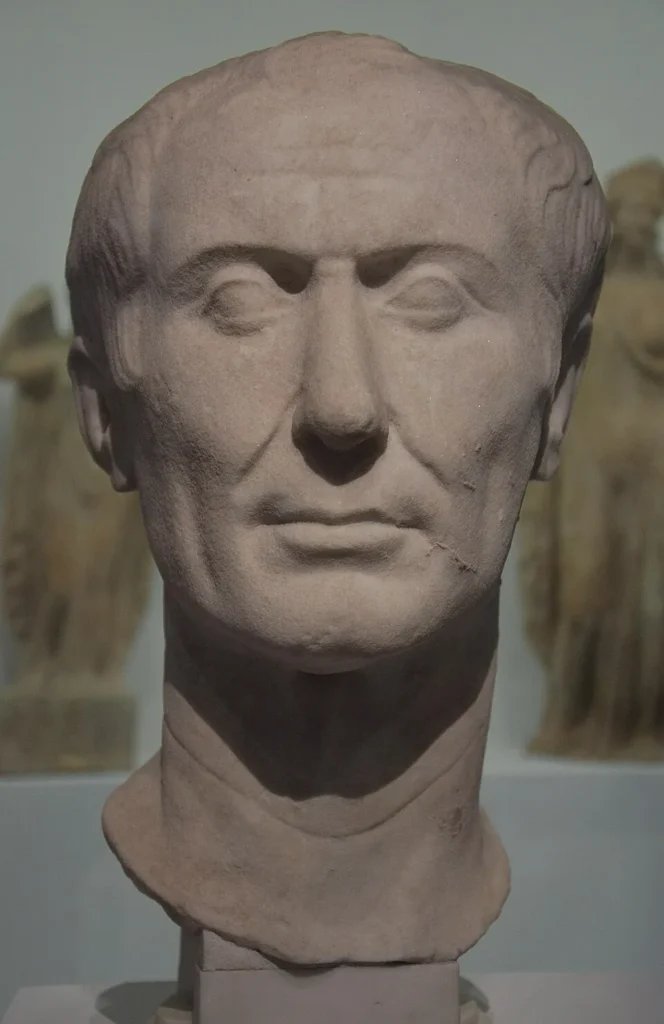
Physically, ancient descriptions emphasize a lean face, thinning hair, and sharp eyes. He dressed with care, reputedly wearing a belt fastened too loosely for conservative taste. Such details, trivial on their own, mattered in a society where every gesture counted as a political statement. Caesar mixed formality with approachability. He ate with friends, met petitioners, and offered decisive answers. He kept an unforgiving memory for slights.
He loved literature and performance. He wrote tragedies in youth, though none survive, and a treatise on Latin style. He pursued the calendar in detail long before he reformed it. He also enjoyed spectacle and understood how public shows could make legislation palatable. Rome’s voters lived by memory of generosity as much as by bills of law.
The alliance frays: Julia’s death and the disaster in the east
The marriages that bound Caesar and Pompey could not withstand time and tragedy. Julia, Caesar’s daughter and Pompey’s wife, died in childbirth in 54 BCE. Her death removed a private bond that often softened public tensions. The following year Marcus Crassus led a campaign against the Parthian Empire. At Carrhae in 53 BCE, Parthian horse archers and cataphracts encircled and destroyed a Roman army. Crassus fell in the rout, his head later displayed at a Parthian court. The triangle became a line. Pompey drifted toward the optimates, the senatorial conservatives who feared Caesar’s return.
Trials at home, negotiations that stalled, and the last year in Gaul
In the late 50s Caesar sought extensions of his command. His opponents demanded that he dismiss his legions and return to Rome as a private citizen to stand for the consulship, exposing him to prosecutions for alleged illegalities during his earlier consulship. Caesar asked to stand in absentia, a privilege the law could allow, and offered to disarm if Pompey did the same. Neither side wanted to risk exposure. New violence in the city, including the death of Clodius in street fighting and the burning of the Senate house in 52 BCE, led to Pompey’s appointment as sole consul, a sign of how fragile the institutions had become. Pompey used his position to prepare the legal ground against Caesar.
Meanwhile, Caesar completed his campaigns in Gaul. He held gory spectacles for his troops and guided veterans toward land grants he anticipated passing through his allies in Rome. He also moved forces close to the Italian border. The dance of procedure continued. The Senate debated. Tribunes allied to Caesar vetoed hostile decrees, then fled Rome when their immunity was threatened, a detail Caesar would later cite to justify his move.
The Rubicon: a short river and an irreversible choice
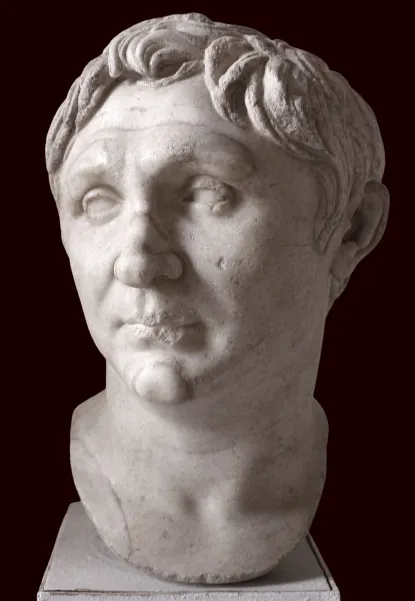
On the night of 10 January 49 BCE, Caesar led the Thirteenth Legion across the Rubicon, a shallow stream that divided Cisalpine Gaul from Italy proper. The crossing violated the tradition and law that barred a general with imperium from bringing troops into Italy. Ancient writers give Caesar a line at the bank: the die is cast. Whether he actually spoke it matters less than the decision itself. He chose civil war over the risks of private status.
The effect was immediate. Pompey and the consuls left Rome, heading south to Brundisium to secure passage to Greece where the Senate’s main strength could rally. Caesar moved swiftly down the peninsula, capturing towns with little resistance and presenting himself as protector of citizens and tribunes. He promised leniency to those who stayed quiet and used speed as a form of shock.
Spain first, then the east: strategy over spectacle
Rather than chase Pompey immediately across the Adriatic, Caesar turned west to Spain, where Pompey’s legates held veteran legions. He judged that a two-front conflict would be fatal. If he could prevent the Spanish army from joining Pompey in Greece, he could fight his main rival more nearly on equal terms. He moved through Massilia, whose Greek citizenry tried to block him, left a siege force there, and advanced to the Ebro.
At Ilerda in 49 BCE he fought a campaign shaped by rivers, sudden floods, and supply lines rather than by a single pitched battle. He cut his opponents from their food, forced them into a barren position, and compelled surrender. Meanwhile, Massilia fell after a naval contest and a grinding siege. With the west secure, Caesar returned to Rome briefly, had himself appointed dictator to hold elections, conducted necessary legislation, and took the consulship. He then crossed into Epirus to face Pompey, who had gathered senators, fleets, and legions and who held the advantage in cavalry and grain.
Dyrrachium and a near disaster
In early 48 BCE near Dyrrachium, Caesar tried to trap Pompey by building lines to cut him from his supply base. Pompey broke the lines, inflicted a sharp defeat, and forced Caesar to withdraw inland. The moment could have ended the war. Pompey did not press the advantage. Caesar recentered his troops, absorbed the loss, and looked for ground where Pompey’s superiority in cavalry would count for less.
Pharsalus and the collapse of a coalition
In August 48 BCE on the plain near Pharsalus in Thessaly, Caesar forced a decision. Outnumbered in cavalry, he stacked extra cohorts behind his own horsemen to blunt Pompey’s flank attack. When the cavalry clash began, Caesar’s hidden infantry lunged forward with pila held like spears, drove off Pompey’s horse, and created a gap that his main line exploited. Pompey’s army broke. He fled to Egypt, where he was murdered on the orders of courtiers who hoped to please Caesar. They misread him. Caesar rejected the insult of the deed, wept at the sight of Pompey’s head, and walked into the politics of the Nile kingdom.
Egypt and a queen: war on the Nile
Egypt was in civil conflict between the young Ptolemy XIII and his sister Cleopatra VII, rulers by joint decree and dynastic custom. Caesar arrived with few troops, yet with the authority of victory. Cleopatra arranged a meeting with him, famously described in later sources as a clandestine entrance rolled in a rug or bedding. The romantic details obscure the typical Roman calculus: a client kingdom needed a Roman patron who could impose stability, and a Roman victor needed funds and a friendly harbor.
Caesar supported Cleopatra’s claim. Ptolemy’s forces and the Alexandrian populace resisted. The fighting that followed, known as the Alexandrian War, turned on control of the palace district and the harbor. Caesar set fire to ships to deny them to the enemy. Parts of the library quarter were damaged in the chaos, a loss magnified by later writers into a symbol of cultural catastrophe. Reinforcements under Mithridates of Pergamum and allied forces turned the tide. Caesar won a battle on the Nile delta. Ptolemy XIII drowned fleeing the rout. Cleopatra was confirmed as queen, ruling with a younger brother and later with her infant son. Caesar stayed in Egypt for months, an absence that tempted his enemies to regroup elsewhere, yet he judged the settlement worth the risk. He left Egypt with Cleopatra pregnant. The boy, named Ptolemy XV Caesarion, would become a political factor only after Caesar’s death.
Fast marches, short wars: Zela and the eastern sweep
After Egypt, Caesar marched into Asia Minor to confront Pharnaces II, son of the late Mithridates VI of Pontus. Pharnaces had exploited the chaos to seize territory. At Zela in 47 BCE Caesar crushed him quickly. The famous summary, I came, I saw, I conquered, captures the speed and totality of the victory more than it describes tactics. He then turned to settle affairs in the eastern provinces, installing loyal administrators, confirming local kings, and raising money to pay his armies. Time pressed. The remnants of the senatorial coalition now held Africa with the help of King Juba of Numidia.
Africa, then Spain: the last resistance
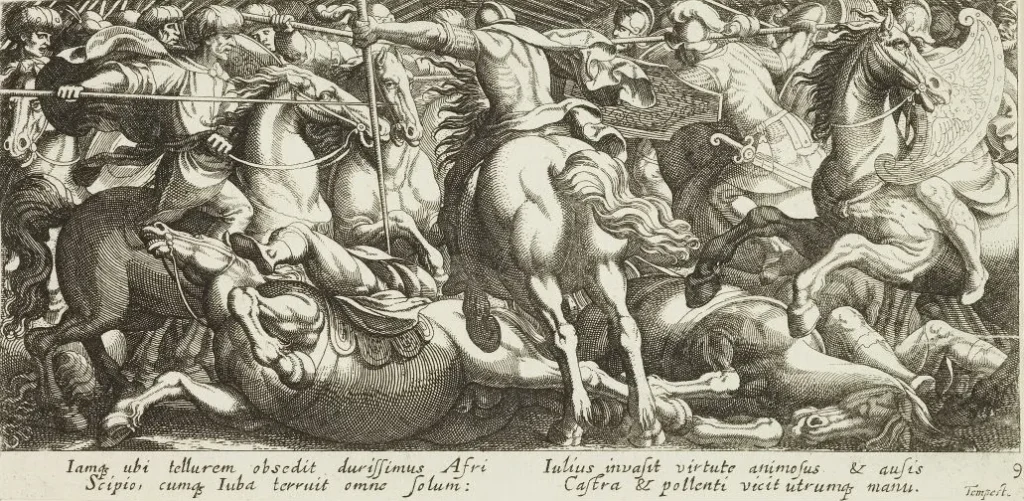
Caesar sailed from Sicily to Africa in late 47 BCE, stepping into a theater where his opponents had rebuilt their coalition. The senatorial commanders Metellus Scipio and Cato had combined forces with King Juba I of Numidia. They controlled veteran troops, elephants, and key ports. Caesar’s own army lacked cavalry and grain. He landed near Hadrumetum, misread the ground in a first probe at Ruspina, and watched Titus Labienus, his former lieutenant in Gaul, score a sharp success with swarming light infantry and nimble horse. Ruspina reminded Caesar that African fighting would be decided by supply, scouting, and patience as much as by bladed shock.
He answered with discipline. He tightened his camp works, drew defection from local towns by offering mild terms, and absorbed reinforcements. Roman civil wars were wars of rumor and pace. Caesar made sure his messengers moved faster and carried a story of predictability: pardons for most, a hard fist for a few, clear contracts for communities that stayed neutral. The politics of Africa were layered: Roman colonists on the coast, Punic traditions in port cities, Berber elites inland, and client kings with their own agendas. Caesar’s officers pitted those layers against one another.
By early 46 BCE he drew Scipio to a decision near Thapsus, on a salt lagoon east of modern Sousse. Elephants fronted the senatorial line. Caesar broke the animals with archers and slingers, drilled cohorts to stab sideways at trunks and handlers, and then turned flanks in sequence. Juba fled, Scipio took ship and later died, and the opposition collapsed. The aftermath was not only military. In Utica, Cato committed suicide rather than accept Caesar’s clemency. Even supporters of Caesar felt the loss. Cato’s death became a political symbol, a stiffened spine for men who wanted to believe the Republic still had unbending defenders.
Africa pacified, Caesar returned to Rome by late summer 46 BCE to hold a sequence of triumphs. He staged spectacles for Gaul, Egypt, Pontus, and Africa. The pageantry was calculated and controversial. On the one hand, triumphs reassured Romans who had lived through shortages that the state’s enemies were distant and beaten. On the other, the display of Vercingetorix in chains, or mockery of Pompey’s death within the Egyptian procession, struck many as poor taste. Cleopatra came to Italy and stayed at a villa across the Tiber. Whether or not Caesar placed a golden statue of her in the Temple of Venus Genetrix, as a later source claims, his hospitality to a foreign queen at Rome did not pass without comment.
Spain once more: the last Pompeians
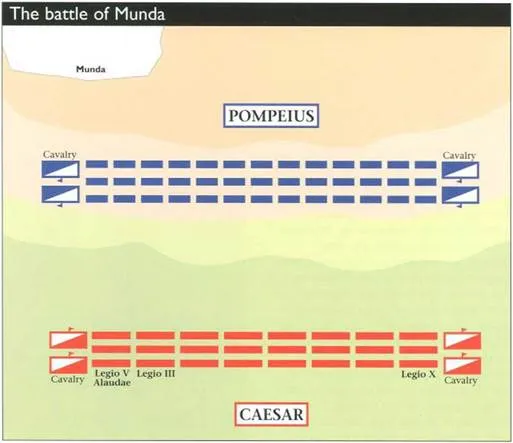
Pompey’s sons refused to accept defeat. Gnaeus and Sextus raised forces in Hispania Ulterior, gathered towns that feared confiscation, and pulled veteran officers into their camp. Early in 45 BCE Caesar crossed the Pyrenees. He moved fast to prevent their control of the Baetis valley from hardening into a defensive shell. The armies met near Munda. The ground was uneven, the visibility poor. Caesar’s line bent under pressure. He grabbed a shield, walked into the danger, and steadied the front by example. His veterans pushed back. Gnaeus fled and was captured. Sextus escaped into a future of sea raiding and another civil war, this time with Octavian, years later. Munda was Caesar’s last battlefield victory. He returned to Rome with the world apparently settled.
Dictator, consul, and what it meant
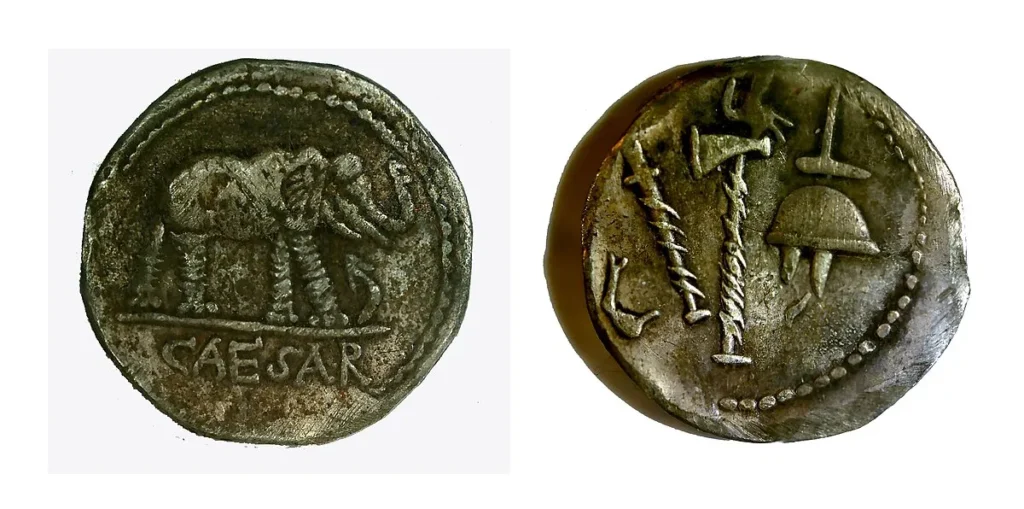
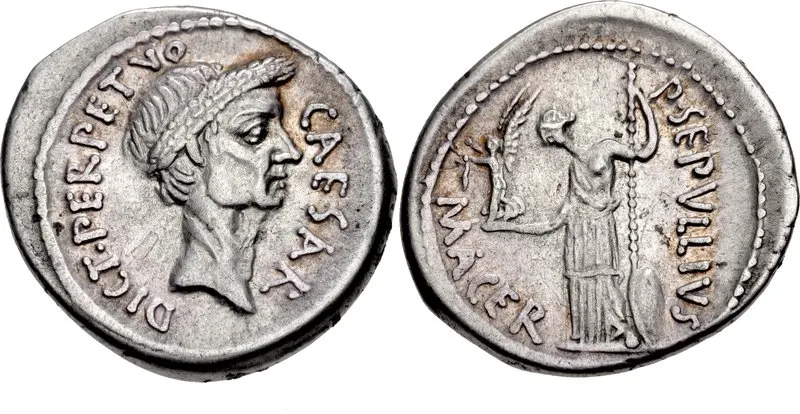
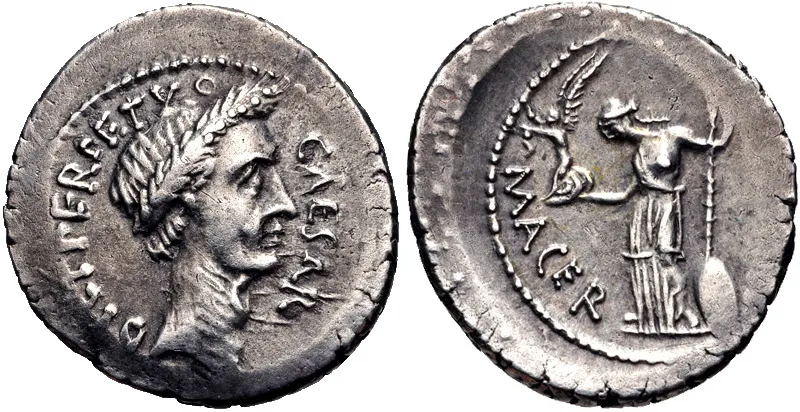
Caesar had held the dictatorship briefly in 49, then again in 48 and 46. After Munda he took the title dictator for ten years, and in February 44 BCE dictator in perpetuity. The word dictator in Republican law meant an emergency magistrate with defined limits and a six-month term. Caesar’s accumulation of consulships, censorship-like powers, and extraordinary commands had already stretched categories. The new perpetual title broke them. Honors gathered around him: a curule chair of ivory at games, the civic crown on display, a statue among those of the kings, a special platform on which his gilded seat could stand at the theater. He accepted a perpetual laurel wreath, ostensibly to hide an ailment and a receding hairline, and a privilege to speak first in the Senate. Coins in 44 BCE carried his living portrait with the legend CAESAR DICT PERPETVO, an innovation that announced change to the entire Mediterranean in silver.
These signals mattered. Roman politics was a language of precedence. Every seat, robe, and inscription had a grammar that told citizens who was who. Caesar was not proclaiming a monarchy in the formal sense, yet to many he looked like a king in all but name. The city’s resistance to kingship had teeth. Reminders of Tarquin’s expulsion lay in school texts and street talk alike. Caesar saw the risks. He refused the title rex when Mark Antony pressed a diadem on him at the Lupercalia. He also allowed so many unusual privileges to stack up that his denials felt thin.
Built out of a love for history, kept free from distractions.
Spoken Past is an independent project shaped by curiosity, care, and long hours of research. Reader support helps keep it maintained, carefully researched, and open to everyone.
The work of remaking a state
Caesar was not only a conqueror. He used his months in Rome to reset institutions that had eroded under decades of partisan violence. His agenda was large and often technical, rooted in lists he had kept even before the wars.
The calendar and the year of confusion
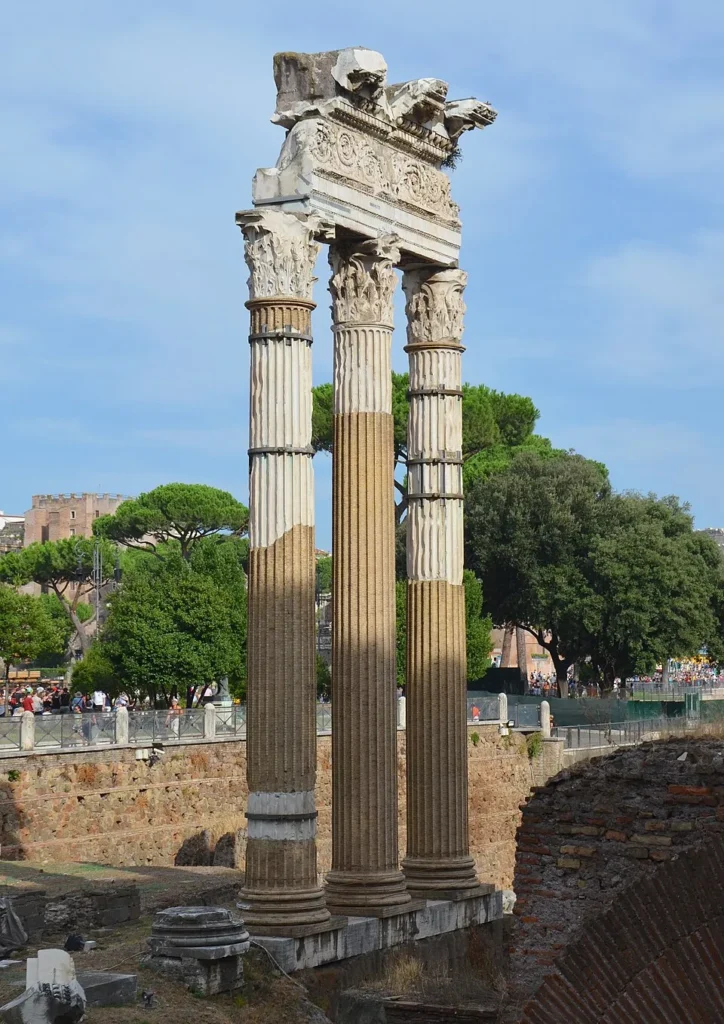
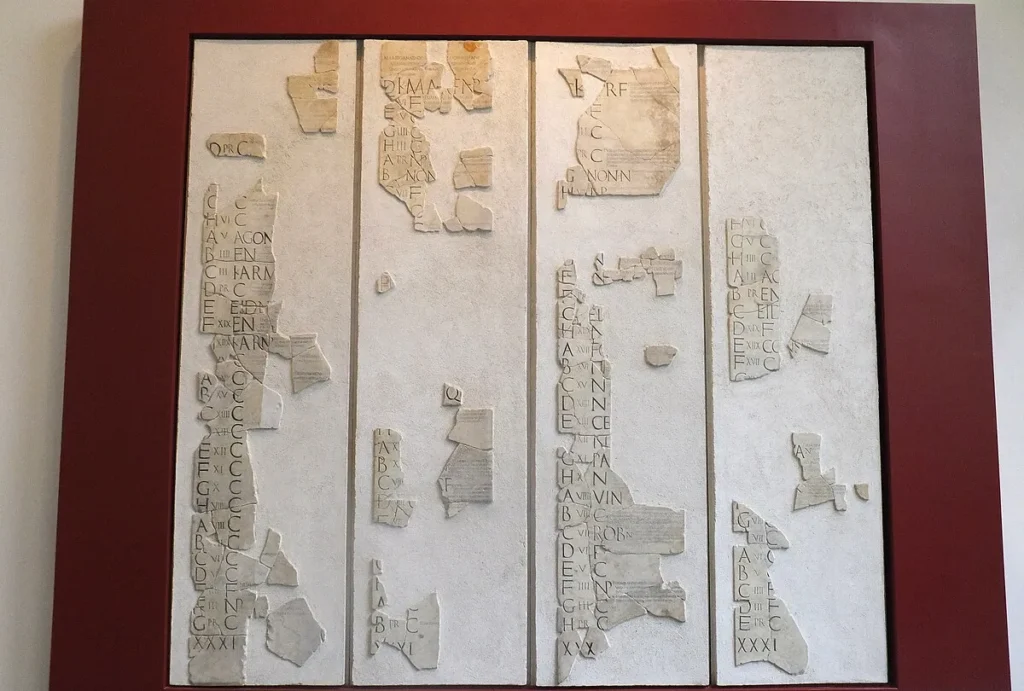
The Roman civic calendar had long been a mess, not because Romans lacked astronomers, but because pontiffs manipulated the insertion of extra days for political gain. Festivals drifted. Contracts expired at odd seasons. In 46 BCE Caesar, as pontifex maximus, imposed a solar calendar with twelve months, 365 days, and a leap day inserted every fourth year. The reform required an extraordinary fix to realign the civic year with the sun. Romans later called 46 the year of confusion because it ran about 445 or 446 days. The first normal year under the new system began 1 January 45 BCE. The solution drew on Egyptian practice and on advice from Alexandrian experts usually identified as Sosigenes. Early officials misapplied the leap rule by counting inclusively, which led to too many leap days. Augustus later corrected the error. The core of Caesar’s reform has endured across continents.
The Senate, the municipalities, and the provinces
Caesar enlarged the Senate’s roll, bringing its numbers to around nine hundred. He justified the expansion as a way to represent Italy and the provinces more fairly and to refill ranks thinned by civil strife. Critics saw dilution and a tactic for swamping opposition votes. He reorganized local government across Italy with a municipal law that standardized offices, record keeping, and public works obligations. He made juries more representative by mixing senators with equestrians.
He moved to change the texture of empire. He founded or re-founded colonies from Carthage to Corinth and across Spain and Gaul. Veterans received land in planned settlements rather than sudden seizures, though not every program satisfied locals. He trimmed the urban grain dole by checking eligibility rolls and by resettling some recipients abroad with incentives. In law he recognized rights for communities north of the Po that had long acted like Romans in all but name. He opened the Senate to provincial notables and gave citizenship to many who had labored under Rome’s rule for generations. That pattern would define imperial governance: a wider elite stapled to Rome by privileges and pathways for advancement.
Debts, taxes, and money
Civil war and scarcity had deformed Roman finance. Caesar remitted a portion of interest that had accrued since the war began and allowed debtors to pay back principal at prewar valuations in kind, a compromise that tried to protect creditors from runaway inflation while preventing mass ruin. He trimmed the tax-farming contracts that had turned Asian provinces into harvest grounds for a few companies. He reintroduced the gold aureus in larger volumes, struck at forty to the pound, and regularized issues so army pay and grain purchase had reliable channels. Monetary reforms financed building at home and consolidation abroad.
Building a new Rome
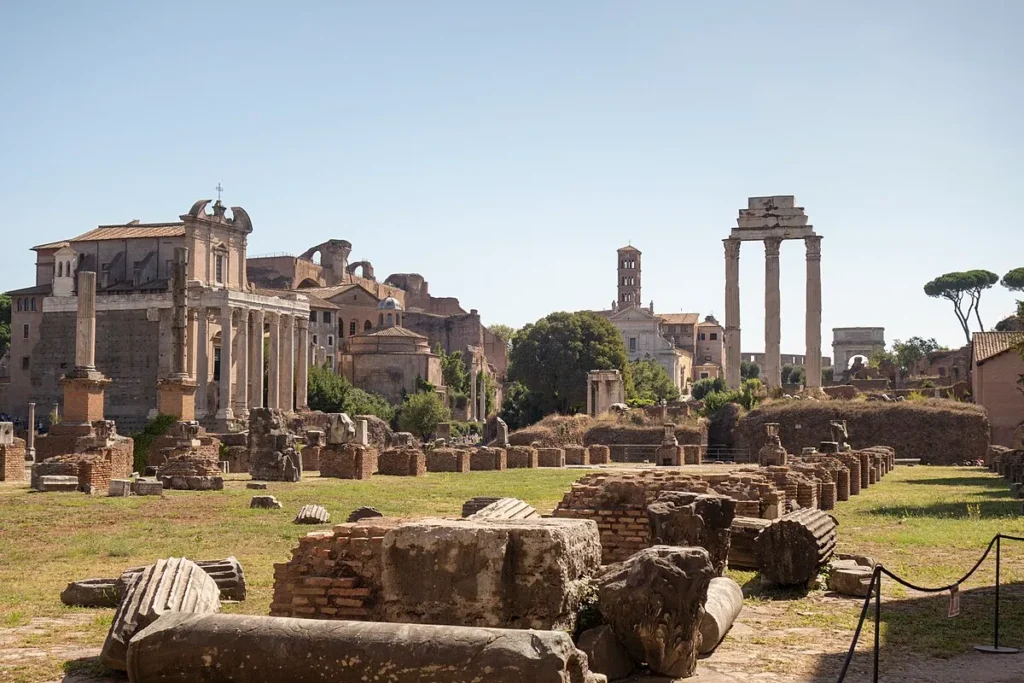
Caesar’s building program aimed to relieve crowding, dignify public space, and advertise the stability he promised. He cut a new forum behind the old Curia and across the edge of the Subura, a dense district of shops and apartments. The Forum of Caesar with its Temple of Venus Genetrix offered more courtrooms and a ceremonial stage for a Julian claim to special patronage. He began the Basilica Julia, a vast hall for law and business that Augustus finished. He redesigned streets, widened the Forum’s approaches, and planned a new senate house, the Curia Julia, which would be completed after his death. He proposed draining parts of the Pomptine marshes for farmland and contemplated a codification of law. Some plans were practical, some visionary. All involved money and momentum that only victory could unlock.
Clemency as policy
After Pharsalus and again after Thapsus and Munda, Caesar pardoned many enemies. He coined a politics of clementia and used it to repopulate the Senate and keep elite families invested in his regime. Mercy created dependents and undercut arguments that he ruled by fear. It also put armed and agile men back into Roman life. Some joined his staff. Others bowed and waited. A few, like Brutus and Cassius, accepted offices while whispering to friends that Rome had crossed a line.
Clemency worked better on the page than in a city that remembered blood. Those who loved him saw a leader who restrained victors and gave losers a way back. Those who hated him saw a man who toppled norms while distributing largesse.
Cleopatra in Rome and a new political orbit
Cleopatra’s presence in Rome stirred curiosity, admiration, and resentment. She was a queen with independent resources and a sharp mind. Her rule in Egypt rested on a long Ptolemaic tradition of Greek administration layered on Egyptian power. Caesar had made her position secure. She came to the capital as a client ally, not as a supplicant. Caesar set her up in a house across the river, presented her to select audiences, and showcased a world beyond Rome’s old networks. The birth of her son, Ptolemy XV Caesarion, placed a political question in the future that Caesar never lived to answer.
The last plans
Caesar prepared a massive campaign for the east. He intended to move against the Parthian Empire, both to avenge Crassus and to secure Rome’s flank in Syria and Anatolia. He thought of a march through the Caucasus to the Black Sea, then a return through Gaul. He set departure for mid-March 44 BCE. His staff, from experienced generals to young nobles, packed for glory. The plan’s very scale fueled the urgency of his opponents. A triumphant Parthian war would raise Caesar even higher. Some feared he would not return a citizen among citizens.
At the same time he kept the city moving. He enrolled magistrates for future years, filled priesthoods, and took salutations from envoys in the Forum. He insisted he was not a king, yet he let honors pile up until their shadow looked like a crown. He admitted weaknesses. He suffered from sudden episodes that ancient writers describe in terms that resemble seizures. He managed them with rest and with loyal staff who could hold an audience’s attention while he recovered his breath. He angered those who wanted more distance by accepting plain courtesies, an audience with a craftsman, or a petition on the street.
The Ides of March
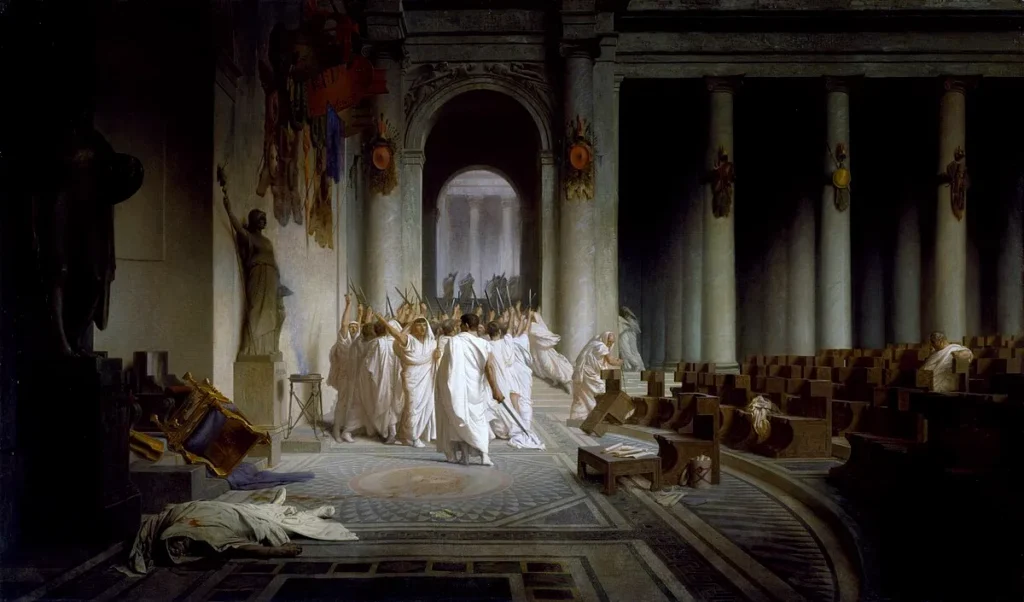
On the morning of 15 March 44 BCE Caesar left his house for a meeting of the Senate in the Curia of Pompey. The normal senate house was under reconstruction, so sessions met in rooms attached to Pompey’s theater complex. His wife Calpurnia begged him to stay home after troubling dreams. A delegation of senators urged him on, including conspirators who hid daggers under their togas. The men had been gathering allies for months. They called themselves liberators. At the core were Gaius Cassius Longinus, Marcus Junius Brutus, and Decimus Junius Brutus Albinus, a trusted lieutenant who had commanded fleets for Caesar. They had respectable reasons by their lights: the defense of tradition, an end to the creeping influence of a single man, fear for their own status if Caesar left for the east and returned with even more power.
Inside the Curia, a petition was the pretext. Hands pulled at Caesar’s shoulders. Steel flashed. He was hemmed in at the base of Pompey’s statue, a bitter geometry for a city that still thought in symbols. The number of wounds recorded in later sources varies, but only a few were mortal. One cut to the chest likely ended his breathing quickly. Ancient authors disagree on his last words. Some offer silence, others a Greek line to Brutus. The only solid ground is the shock of the assembly, and the fact that it was over fast.
Funeral and fire
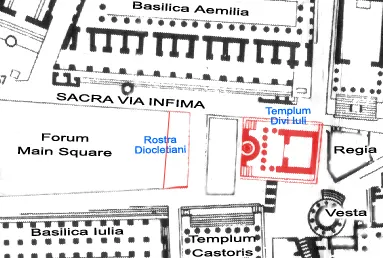
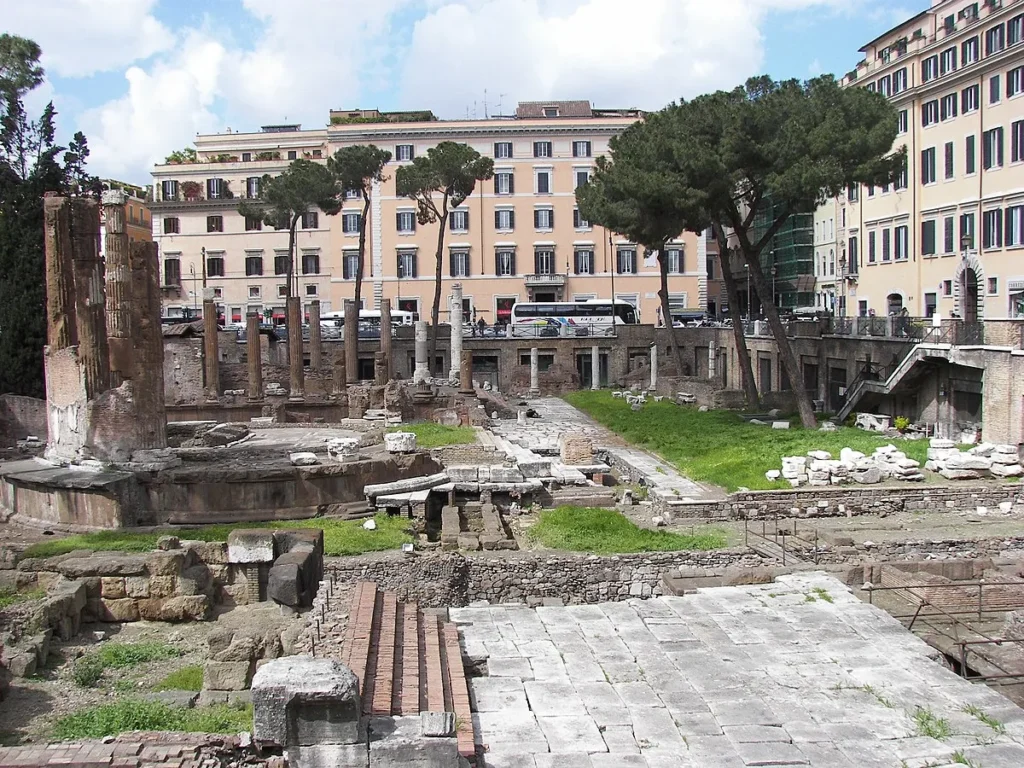
The conspirators imagined they would be hailed as restorers of freedom. They misjudged the city. When Mark Antony, as consul and colleague, organized the funeral, he read Caesar’s will, which left the people money and gave public gardens to Rome. He lifted Caesar’s bloodied robe for the crowd to see. Emotion moved faster than calculation. Mourners seized benches and shutters, carried them to the Forum, and lit the pyre near the site where the Temple of the Deified Julius would later rise. The altar that tourists still visit grew out of that day’s heat.
Antony tried to manage the aftermath. He secured state papers and arranged consular decisions to protect Caesar’s settlements. He overplayed his hand more than once, alienating men who could have been allies. Into that opening stepped a teenager with a famous name, Gaius Octavius, Caesar’s great-nephew and posthumously adopted son.
After Caesar: a brief roadmap of consequences
Octavian, the future Augustus, moved with youth and care. He claimed his inheritance, charmed legions who had fought under Caesar, and made himself necessary to Antony and to the Senate. In 43 BCE he, Antony, and Lepidus formed a new triumvirate with official standing and an agenda to punish Caesar’s killers. Proscriptions followed. Lists went up. Friends informed on friends. Cicero, who had praised the Republic for decades and mocked Antony in a last set of speeches, died on a seaside road, his head and hands nailed up as a warning. Brutus and Cassius rallied forces in the east, lost at Philippi in 42, and died by their own hands.
Sextus Pompey held Sicily and the seas for a while. Antony fell into alliance and love with Cleopatra, with whom he had children and to whom he gave eastern territories as gifts. Octavian stayed in Italy, secured veterans’ loyalty, opened new colonies, and managed the grain chain. In 31 BCE at Actium he broke Antony’s fleet. The next year he entered Alexandria, where Cleopatra and Antony were dead. The Republic did not formally die in any single moment, yet by 27 BCE Octavian could plausibly claim to have restored the peace and to deserve an authority that did not use a royal name. He took the title Augustus. Caesar’s calendar, his colonies, his forum, and his family name stretched into the imperial centuries.
How contemporaries read him
Roman writers disagreed about Caesar while he lived and long after he died. Cicero admired his style and feared his position. Cato detested his opportunism and refused his mercy. Sallust, a younger contemporary, blamed the decay of morals in late Republican society, which made Caesar and his rivals both symptoms and beneficiaries. Later authors folded him into moral essays or imperial propaganda. Suetonius collected anecdotes, some sharp, some salacious, most plausible in their outlines. Plutarch, writing biographies to test character, compared Caesar to Alexander and to Cato so that readers could weigh styles of greatness against the demands of civic order.
If one strips away the praise and the malice, several traits stay put. He remembered insults and answered them on his timetable. He turned speed into a weapon: night marches, winter sieges, sudden bridges, letters that arrived before opponents believed they had been sent. He wrote to control his story, revising hard decisions into necessities. He made room in his day for numbers. He liked to count: troops, days, miles, and interest rates. He measured the Forum as if it were a battlefield and behaved on battlefields as if they were civic stages.
Writing and the voice of Caesar
Caesar’s Gallic and Civil War commentaries survive in a clean Latin style that every student once learned. The pages avoid rhetorical flourishes. They favor short, well-joined sentences, the exact opposite of courtroom bombast. The third person voice gives a sense of distance from self even as it centers his judgment. He names allies carefully and makes enemies into abstractions. He sketches geography with precision and logs grain and fodder as carefully as he lists tribunes. That habit of mind explains his reforms as much as his victories.
He wrote other things. A polemic called the Anti-Cato, a grammar text later mined by Varro and others, and some poems now lost. He wrote letters that circulated among friends. He kept notes for a great codification of law. Students of Latin still read him not because he was a saint, but because he wrote what he could see as if numbers were laws.
Religion, ritual, and authority
As pontifex maximus, Caesar did more than fix the calendar. He moved a few festivals to new positions, trimmed the power of augury to block assemblies, and shaped the year so that elections and sacral events would not collide. He understood the relationship between ritual and urban space. He placed statues where their gaze would reorganize how crowds moved through the Forum. The Temple of Venus Genetrix framed a claim to divine ancestry that had long been a poetic image and now became part of the city’s stone. He balanced the rhetoric of tradition with innovations that felt like common sense. That made him persuasive, and it frightened anyone who believed sacred custom should be stronger than the will of one man.
Character and contradictions
He could forgive enemies in public and demand flawless loyalty in private. He could raise a friend by the wrist and later cut off access when utility ended. He mixed charm with a habit of winning arguments by moving faster than anyone else. He liked conversation and valued people who spoke plainly. He worked at night, walked early, and borrowed other people’s eyes to watch the city while he was away. He embraced spectacle when it suited policy and mocked it when it did not.
Stories about him multiplied because he inspired them. The pirates. The crown at the Lupercalia. The timing of his marriage alliances. The jokes that cut. The dog that did not bark on the Ides. Many cannot be verified. The best evidence is in his acts: a chain of choices that turned a provincial posting into conquest, a political alliance into a machine, and a temporary magistracy into a shape of power that Rome could not absorb without changing its name.
Myths that persist, set straight
One persistent myth connects his name to surgery. The Caesarean section was not named for him, and Roman law at the time required the procedure only to save a child when a mother died late in pregnancy. Another myth insists he wanted to be king and was foiled at the last moment. The record shows he refused the title openly, allowed honors that looked like it, and prepared an eastern war that might have washed even that question away. A third myth imagines a single, dramatic last line. The best sources are divided. Some report that he covered his head with his toga when the blows fell. The detail is persuasive because it fits Roman ritual modesty for someone about to die.
What his legacy changed
The institutions that grew out of Caesar’s last years lasted for centuries. The calendar still governs civil life. Veterans settled in Spain pushed Roman customs into the countryside. Colonies in Gaul and North Africa anchored networks that later emperors reinforced. His forum became a model for imperial public space. His habit of folding provincial elites into Roman citizenship became the engine that made the empire sticky rather than brittle. His coin with a living portrait broke a taboo that emperors would never again respect. His example taught ambitious men that printing your own version of events could grant time to make the next move.
He left behind debts and unfinished plans. He left a city that had outgrown old rooms and a political class that could not agree on how to control a successful general. He left a name that his adopted son turned into a title. After him, caesar became a word in dozens of languages for royal power. He did not set out to invent the empire, yet much of what made the early empire durable was already visible in his papers and on his building sites.
FAQ
When was Julius Caesar born and when did he die?
He was born on 12 or 13 July 100 BCE in Rome and was killed on 15 March 44 BCE in the Curia of Pompey.
Why did crossing the Rubicon start a civil war?
The Rubicon marked the legal boundary of Caesar’s province. Bringing a legion across it into Italy violated law and custom, which left negotiation behind and forced Rome to choose sides.
Did Caesar want to be king?
He refused the title in public and never took the name. He did accept unprecedented honors and the perpetual dictatorship, which made many Romans feel he held royal power in all but words.
How reliable are Caesar’s Commentaries?
They are indispensable for events and chronology, written in clear Latin with a soldier’s eye for logistics. They also defend his choices, so historians read them alongside other sources and archaeology.
How many people died in the Gallic War?
Ancient totals in the hundreds of thousands are likely exaggerated. Modern estimates argue for heavy losses in some regions, confirmed by massacre sites, but also show local continuity after the wars.
What reforms of Caesar still affect daily life?
The Julian calendar began in 45 BCE and, with minor corrections, underlies today’s civil calendar. His expansion of citizenship and municipal law also shaped how the empire integrated new elites.
Was Caesar epileptic?
Ancient writers describe sudden collapses and spells that resemble seizures. The exact diagnosis is uncertain. The episodes did not prevent sustained campaigning or long days in office.
What was Caesar’s relationship with Cleopatra?
Caesar backed Cleopatra’s claim to the Egyptian throne during the Alexandrian War. They were allies and lovers. She later bore a son, Ptolemy XV Caesarion.
Why did some senators assassinate him?
They feared his accumulation of power, distrusted his long-term plans, and believed they were defending the Republic’s traditions. Their act unleashed more violence and led to another civil war.
What happened to Caesar’s political program after his death?
Mark Antony and Octavian protected many of his settlements. Octavian later defeated Antony and became Augustus, completing a transition to a new system that kept much of Caesar’s agenda alive.