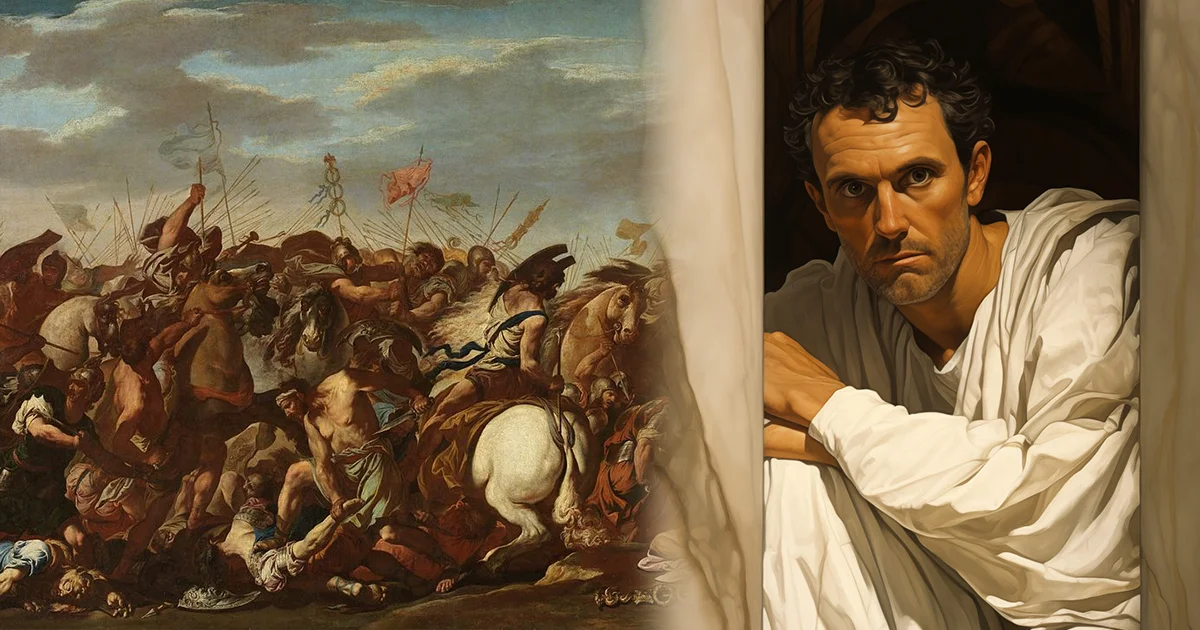
Dust and heat hung over the upper Tigris as a small Roman party picked its way onto a ridge, ordered to count campfires and watch river fords where a Persian king might appear with his army. One of those officers later described how every movement in the valley below would decide whether cities like Amida and Antioch had time to brace for invasion, and in that scene the work of ancient army scouts comes into focus. Ancient army scouts did far more than ride ahead of marching columns; they fed a whole intelligence system that tried, often imperfectly, to answer a single question: what waits over the next hill.
Roman intelligence on the eastern frontier
Roman writers distinguish between long range strategic intelligence and the short range tactical information needed once armies neared contact. Strategic intelligence covered an enemy’s capacity, intentions, routes, supplies, and political relationships, while tactical intelligence focused on ground, positions, and immediate movements before and during battle.
On the eastern frontier this system appears in unusually clear form. A coded message smuggled out of the Persian court in a sword scabbard warned Roman commanders that a defected official had given the enemy detailed data on Roman units, stores, and routes, and that a major invasion was in preparation. The message was obscure and written in shorthand, so staff officers had to interpret it against earlier rumors, patrol reports, and diplomatic hints before it turned from raw report into usable intelligence.
From there, a senior officer was sent forward as a field scout to confirm numbers and lines of advance at the two rivers identified in the warning. His observations triggered defensive measures that included reinforcing fortresses and repositioning troops, even though weather and flooding later forced the Persian army onto a different axis and produced an unexpected siege. This episode shows an almost textbook “intelligence cycle”: defining the problem, collecting information from multiple sources, evaluating and comparing it, then issuing plans and orders back into the field.
Exploratores speculatores and procursatores
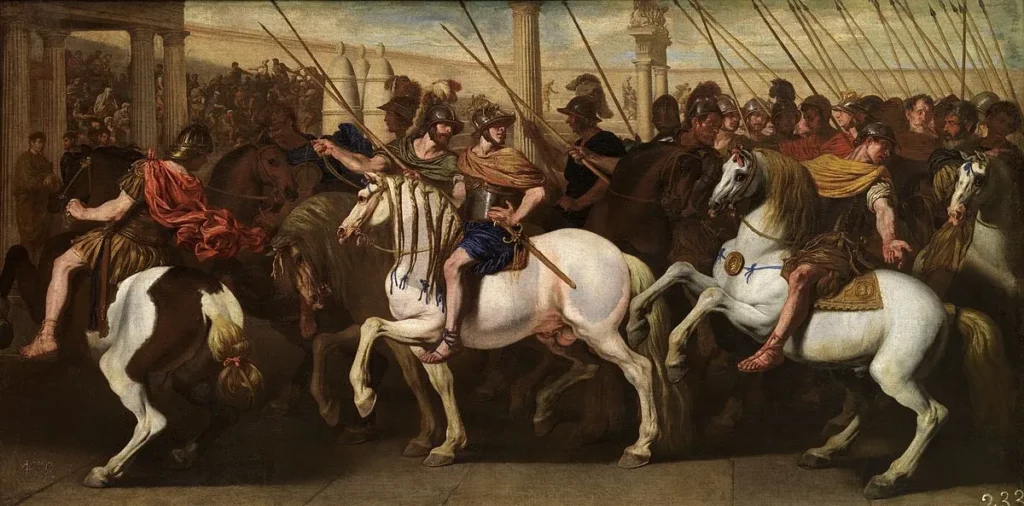
Latin terminology preserves several layers of scouting and reconnaissance. Close in front of a marching column rode procursatores, advance horsemen who checked immediate routes, fords, and ambush ground just beyond the army’s leading units. Further ahead ranged exploratores, whose very name gives us the modern word “explorer,” although their work was lethal rather than romantic.
Exploratores might operate days in front of the main force, probing roads, counting enemy pickets, and sometimes guiding the commander personally, as depicted on Trajan’s Column where two scouts gesture for the emperor to follow them in the Dacian hills. Other scouts worked in a more clandestine fashion and appear in Latin as speculatores, a term linked to covert visits across frontiers, coded messages, and work that blurred into espionage. Greek sources often use kataskopoi as a blanket term that can cover all three functions.
Epigraphic evidence places permanent units of exploratores on key frontiers. An altar from the Upper German frontier records the “Exploratio Halicensis” in the reign of Severus Alexander, while the Notitia Dignitatum lists a numerus exploratorum at Lavatris on the British frontier under the late Roman dux Britanniarum. These units were not temporary campaign formations but long term eyes and ears along river lines and roads, building local knowledge of terrain, tribes, and habits that commanders considered essential.
Ancient army scouts in Roman campaigns
Campaign narratives of the late Republic bring ancient army scouts into sharp relief. When the Helvetii tried to cross the River Arar, scouts watched their ponderous wagon columns ford the slow stream day after day. Only when roughly three quarters of the migrating tribe had crossed did the Roman commander strike the rear quarter still on the original bank, a timing that depended entirely on continuous reports from exploratores.
Elsewhere scouts warned a wintering Roman force in the western Alps that local tribes had silently evacuated their part of a shared town and seized the heights around it, leaving the Romans nearly trapped in Octodurus. On another winter frontier, patrols discovered that Gallic townsfolk had slipped out under cover of darkness toward a river, allowing a dawn attack while they crowded the bridge. During the civil war in Spain, exploratores kept enemy camps under continuous observation around flooded rivers and broken bridges, reporting every shift so that even small advantages in crossings could be seized.
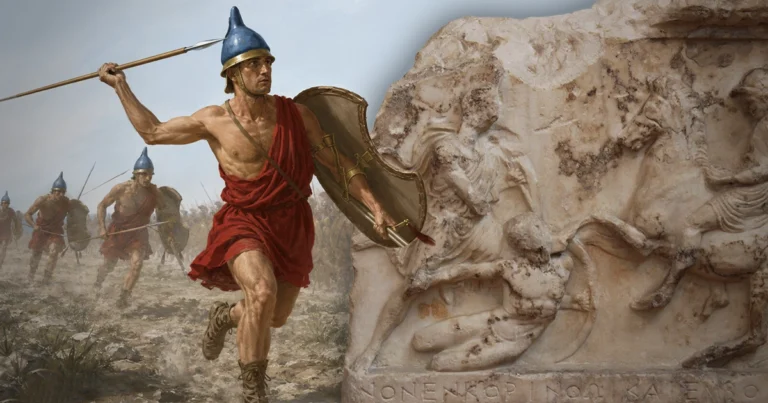
A later biographer of a cavalry officer shows a similar pattern. One junior officer serving with exploratores in Dacia earned a memorial relief that shows him riding down the enemy king; the inscription notes his scouting role as well as his personal exploit. The same culture that honored individual courage also remembered that it relied on men who rode far ahead, counted campfires, and came back alive to point the emperor toward his quarry. In all these cases ancient army scouts did not simply “lead the way”; they provided the timing, routes, and early warning without which Roman tactical flexibility vanished.
Typical tasks in these narratives include:
- Shadowing marching columns to estimate speed, depth, and daily halts, then reporting opportunities for surprise attacks on isolated segments.
- Watching towns and camps through the night to catch desertions, sorties, or attempted evacuations and relaying signals back to main forces.
- Probing river crossings and likely ambush ground in bad weather, then guiding infantry and artillery to the safest fords or bridge sites.
- Confirming prisoner stories about enemy dispositions and correcting commanders’ assumptions when rumors proved wrong.
Prisoners merchants and deserting informers
Scouts on horseback were only one channel in a broad intelligence web that pulled in information from many human sources. Prisoners of war are repeatedly shown under questioning after battles, used not only to clarify what had just happened but to reconstruct enemy councils, supply shortages, and morale. Debriefings after winter disasters in Gaul, for example, revealed that some Roman officers had been lured into marching out of fortified camps and ambushed while their colleagues who stayed put survived.
Refugees and deserters provided another stream. On the eastern frontier, deserters from Persian forces sometimes brought reports of troop concentrations, or more strikingly, the absence of expected preparations such as supply depots and boat stockpiles on key rivers. Roman commanders learned in one season that “no news” could itself be a powerful piece of intelligence when the lack of observable preparations implied that invasion plans were stalled.
Merchants and client rulers were especially important in strategic intelligence. A Roman provincial governor in Cilicia reported relying heavily on local kings and long distance traders to build up a picture of Parthian movements, since regular Roman scouts could not roam safely deep into foreign territory. Before crossing to Britain, another commander interrogated Gallic traders about the island’s harbors, tribes, and methods of war, then sent a tribune on a reconnaissance voyage that achieved little because he never managed to land. These episodes show that Roman intelligence collection mixed active penetration with more passive listening posts in markets, embassies, and client courts.
Built out of a love for history, kept free from distractions.
Spoken Past is an independent project shaped by curiosity, care, and long hours of research. Reader support helps keep it maintained, carefully researched, and open to everyone.
Scouts and discipline in Greek hoplite warfare
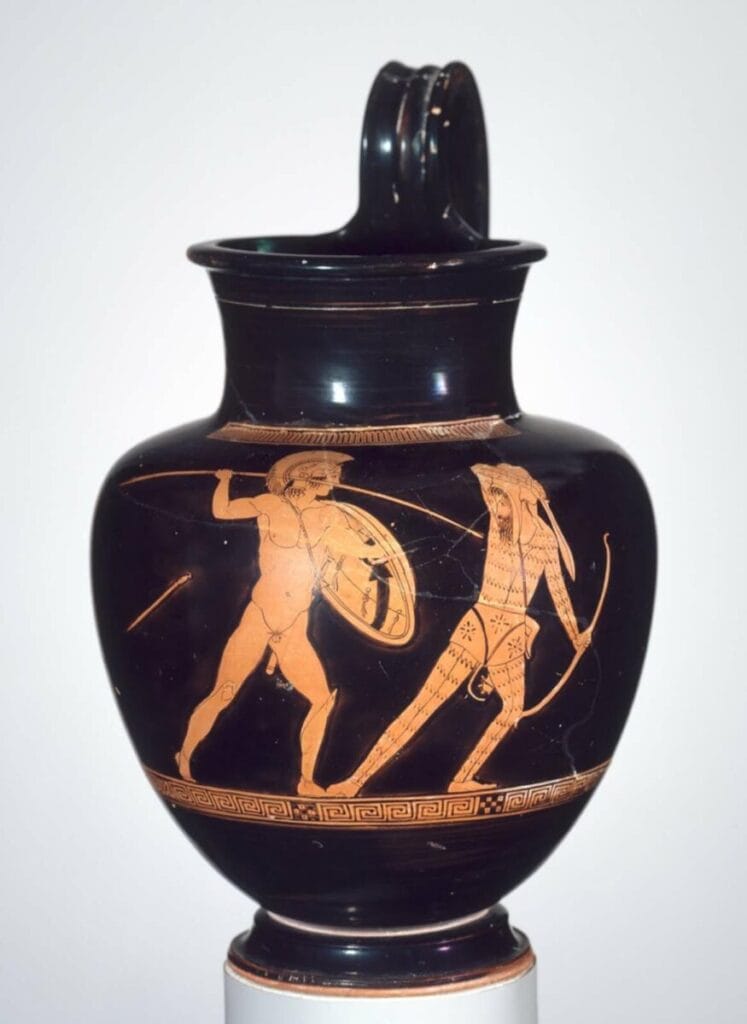
Greek warfare presents a different balance between scouting, discipline, and heroic ideals. In epic and early classical narratives, front rank warriors chase personal glory in single combat, while generals like Nestor are shown admonishing drivers and infantry to stay in ordered lines rather than racing ahead. He even recommends pushing hesitant men into the center of the formation so that peer pressure forces them to stand, a reminder that cohesion often had to be imposed.
Historical accounts of fifth century hoplite battles, such as Plataea, show relatively little about formal reconnaissance compared to Roman narratives. Greek armies often relied on sacrificial omens that told them whether to advance or hold a defensive posture, leaving them under harassment from enemy cavalry and archers while they waited. At Plataea the Greek line sat for days under missile fire while supply lines and springs were threatened, and when the army finally tried to shift position at night, arguments over honor and “not fleeing” nearly left the Spartans exposed at dawn.
Light infantry and cavalry gradually gained greater roles in Greek warfare and likely filled many informal scouting functions. Thracian peltasts and Thessalian horsemen, prominent in fourth century campaigns, were suited to screening movements and probing rough country that hoplite phalanxes could not enter safely. However, narratives focus more on their shock moments in battle than on everyday reconnaissance, so the systematic picture remains thinner than for Rome.
Alexander’s reconnaissance and the Macedonian advance
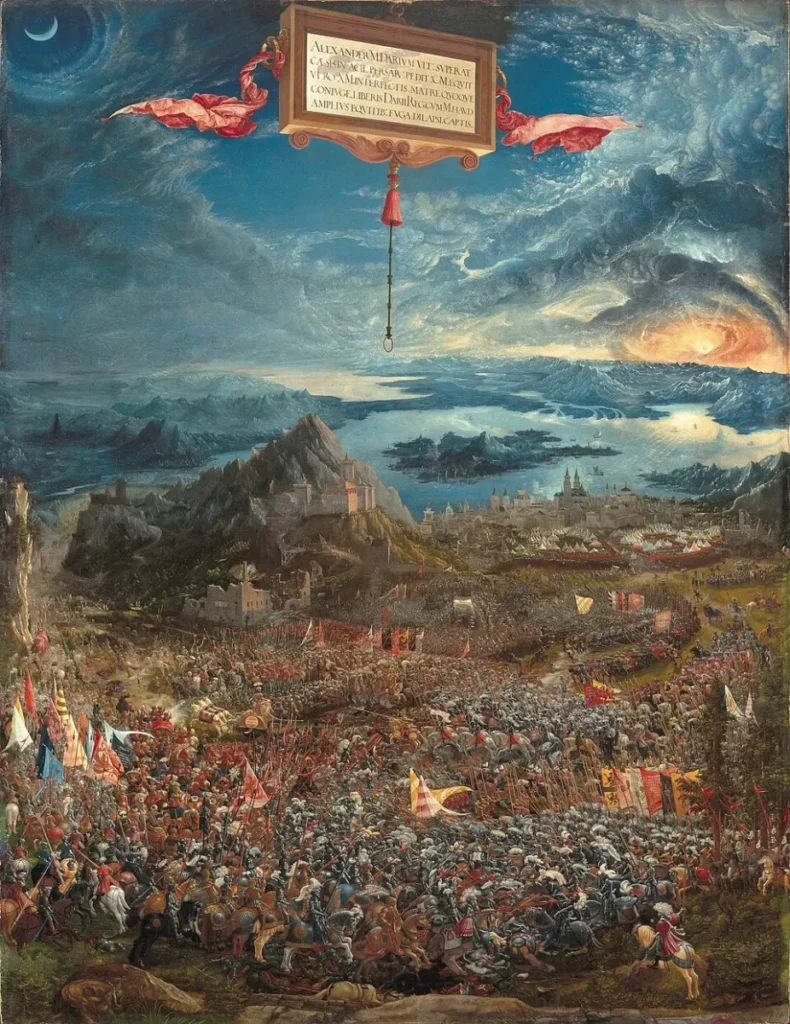
Under Philip II and Alexander, Macedonian warfare combined the dense phalanx, aggressive cavalry, and a more deliberate approach to campaign planning. At Issus the Macedonian army advanced cautiously into a narrow coastal plain, realigning its flanks as it closed with a Persian host drawn up behind the Pinarus River. Even though our sources emphasize speeches and personal courage, the decision to attack across a defended river against Greek mercenary hoplites and Persian infantry implies prior inspection of the banks and knowledge that the current and depth could be managed.
Before contact, Alexander personally rode along his front, calling out officers by name and reminding units of their record, which reinforced rivalry between phalanx and cavalry and bound them to the plan. Once within missile range, he led his Companion cavalry directly into the river on the right, aiming against the Persians he believed most likely to break, a choice consistent with earlier patterns of charging enemy leaders. Macedonian infantry in the center suffered from disordered files as they clambered up the far bank and met Greek mercenaries, but they held, in part because they did not want to lag behind the visible success of the cavalry on the flank.
Here reconnaissance, terrain reading, and morale interacted. Reports about enemy positions and numbers mattered, yet so did the competitive ethos that drove units to persist even when initial contact went badly. Alexander’s habit of seeking out the enemy king in person, and the later tradition’s detailed attention to his wounds, show that older Homeric ideals about single combat still shaped how both leaders and sources remembered intelligence driven decisions.
Frontier watchtowers signals and local knowledge
Along Rome’s fixed frontiers, ancient army scouts did not operate alone; they were anchored in a landscape of forts, watchtowers, roads, and administrative lists. Excavated towers along Hadrian’s Wall, the Rhine and Danube limes, and desert edges in Africa and the Near East show that elevated points with line of sight to forts and roads served as early warning posts, even if they could not always see one another cleanly enough for rapid chain signalling over great distances.
Literary references to signalling are scarce and modest. Authors describe single beacons or fires arranged in advance to give simple messages such as “enemy in sight” or “here,” and one historian’s elaborate torch code using letters of the alphabet probably worked only over short distances in good conditions. Archaeologists have argued that many neatly stacked log piles near towers were more likely firewood than purpose built signal pyres, and that torches on reliefs and columns lit the immediate vicinity at night rather than carrying complex messages across mountain ranges.
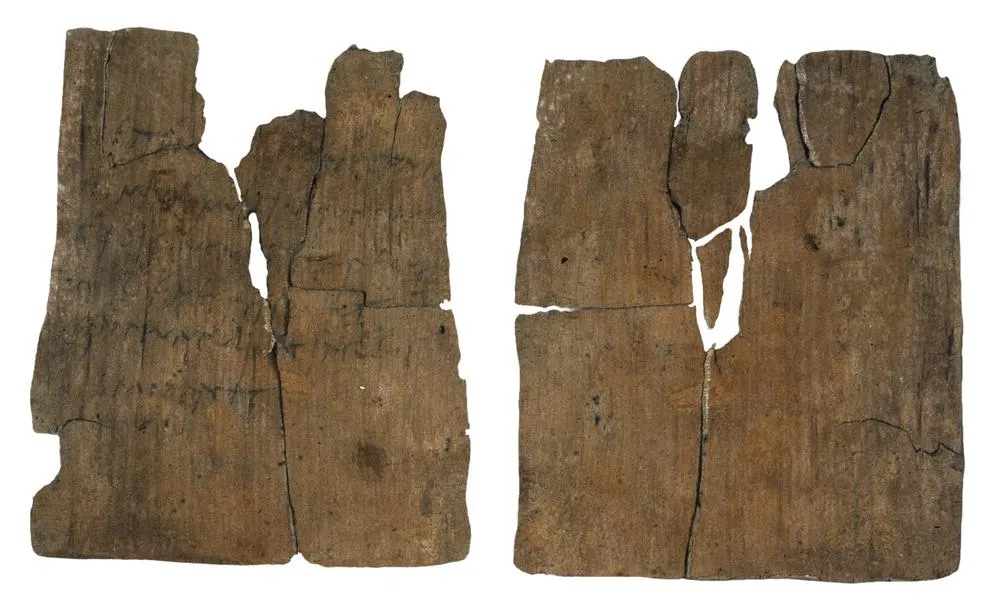
More concrete are the documents that tie local knowledge to formal administration. Road itineraries list staging posts and sometimes special stations where officials or soldiers collected information and passed it along with routine traffic. The Tabula Peutingeriana, a schematic map of routes and distances, and the Notitia Dignitatum, a late Roman list of commands, together show intelligence units embedded among couriers, customs posts, and garrisons. Writing tablets from forts like Vindolanda include what may be intelligence reports on local cavalry and their fighting style, suggesting that scouts captured not only where enemies were but how they tended to fight.
Limits of knowledge and the risks to scouts
Despite all these mechanisms, ancient commanders never escaped uncertainty. Early in the Second Punic War Roman armies repeatedly stumbled into ambushes because their scouting and screening were poor compared with Hannibal’s, a failure later sources implicitly acknowledge when they praise later generals for careful reconnaissance. Centuries afterward, a Roman emperor near Ctesiphon pushed so far beyond his supply base, and with such thin information about the surrounding countryside, that lack of reliable intelligence about water and forage forced him to abandon gains he had just made.
Even when information flowed, interpretation could fail. Before the disaster of Adrianople, Roman scouts learned correctly that Gothic infantry near the city lacked cavalry support, but commanders did not fully reckon with how briefly that absence could last, given earlier experience of Gothic movements. When they attacked too late, the returning cavalry turned the tide against them, and the battle became a byword for the cost of overconfidence.
The work of scouts also put them and their commanders in acute danger. Some generals insisted on autopsy, going forward to see with their own eyes instead of relying solely on reports, and several narratives show leaders nearly killed while reconnoitring hilltops or narrow passes. Treatises praise the bold commander who knows the ground personally, yet episodes involving emperors trapped in ambushes or mortally wounded while peering over the front line reveal how thin the line was between informed leadership and reckless exposure.
Ancient army scouts stood in that same space of risk and partial vision. They gathered what they could from prisoners, towers, merchants, and distant ridges, but fog, hostile security, and human pride often left gaps no system could close. The surviving evidence allows a clear view of how they were organized and used in many Roman and some Greek campaigns, yet it also shows that commanders operated with fragmentary knowledge, and that even the best scouts could not always reveal what truly waited beyond the horizon.