Mythology
Latest from this category.
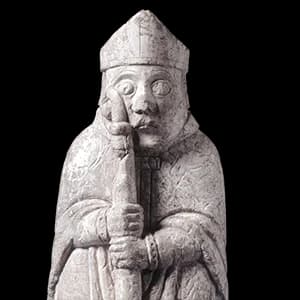

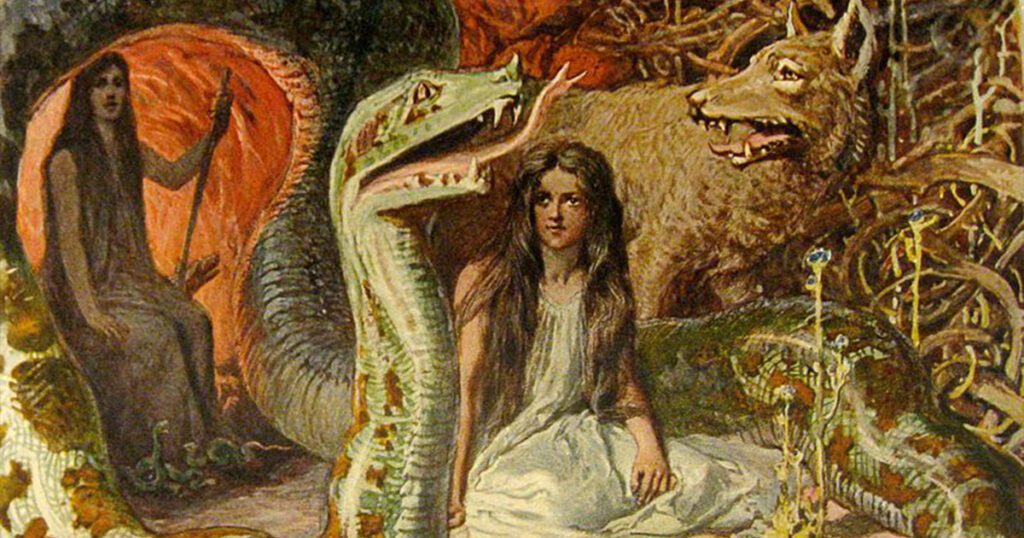
Loki’s Children: Hel, Fenrir, and Jörmungandr
Loki’s Children the Norse sources name three children born to Loki and the giantess Angrboda, and each one plays a specific structural role in…

Why Serpents Guard Creation in Ancient Myths
From Egyptian ouroboros to Mesoamerican feathered serpents, cultures everywhere stationed snakes at the first line of creation.

Forgotten Goddesses: How Empires Edited the Pantheon
Forgotten goddesses show how syncretism, politics and canon erased local cults. From Despoina to Tanit, see how empires edited the pantheon.
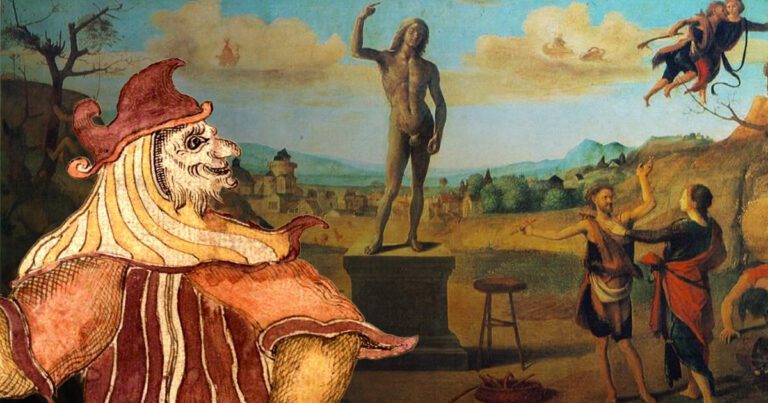
First Tricksters: How They Shaped Human Stories
First Tricksters shows how trickster figures from Greek Hermes to Norse Loki, Yoruba Eshu, and Polynesian Maui work in myth, ritual, and law across…

The Hero’s Journey Before Modern Storytelling
Hero’s Journey in Ancient Myths as a flexible toolkit: map call, crossing, trials, descent, ordeal, return across Greek, Roman, Norse, Egyptian, Mesopotamian.
Mythical Creatures A to Z: Ancient Origins and Sources
From Egypt’s chaos serpent Apep to the Norse world-wolf Fenrir, these are the oldest sources, real cultural meanings, and forgotten details behind 26 mythical…

Comparative Mythology: Greek, Roman, Norse, Egyptian
Comparative Mythology shows how the gods, cosmologies, afterlives, and heroes of Greek, Roman, Norse, and Egyptian mythology differ, and where they genuinely share common.

Tyr vs Ares: Two Very Different Gods of War
Tyr sacrificed his hand for law; Zeus called Ares most hateful among the Olympians. Norse and Greek war gods reveal two deeply different ancient…

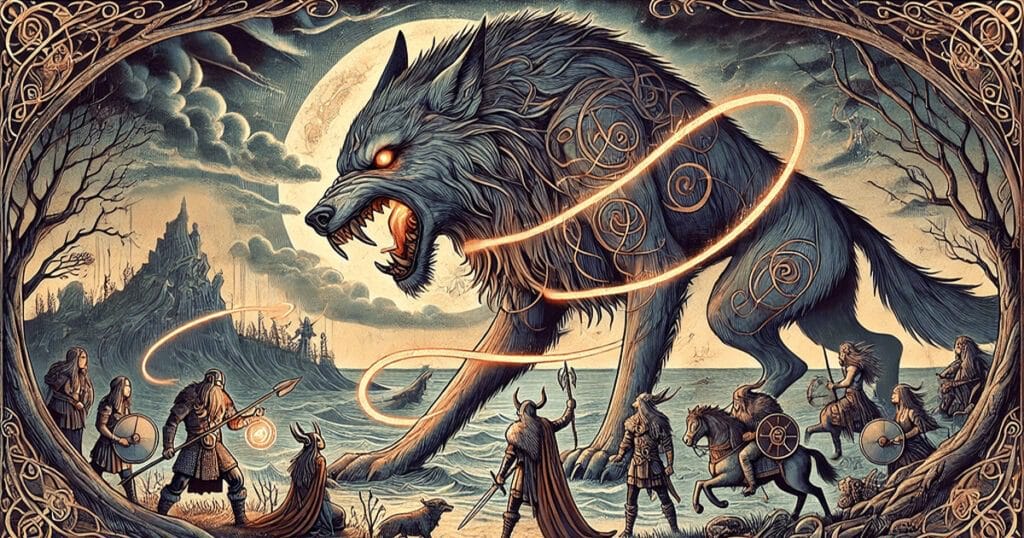
Fenrir and Gleipnir: The Chain That Bound the Wolf
What the Poetic Edda and Prose Edda say about the binding of Fenrir, what Gleipnir was made from, and what Tyr’s sacrifice meant in…

Gilgamesh Tablet XII: Mesopotamia’s Underworld
What Tablet XII of the Epic of Gilgamesh says about the Mesopotamian underworld, the lost pukku and mekkû, and why Enkidu did not return.
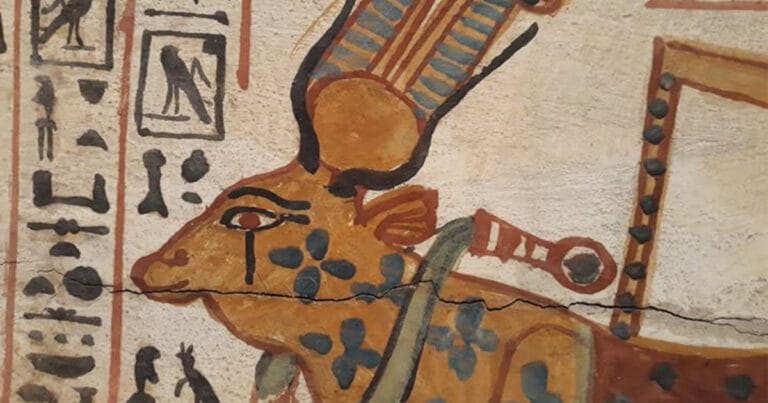
Hathor: Egypt’s Goddess Who Nearly Destroyed Mankind
Hathor nearly destroyed mankind in the Book of the Heavenly Cow. The myth reveals how Egyptian religion imagined divine rage and survival.

Útgarða-Loki: How Illusion Made Thor Look Weak
What the Gylfaginning of the Prose Edda says about Útgarða-Loki, why the contests were unwinnable, and what this reveals about Norse cosmology.