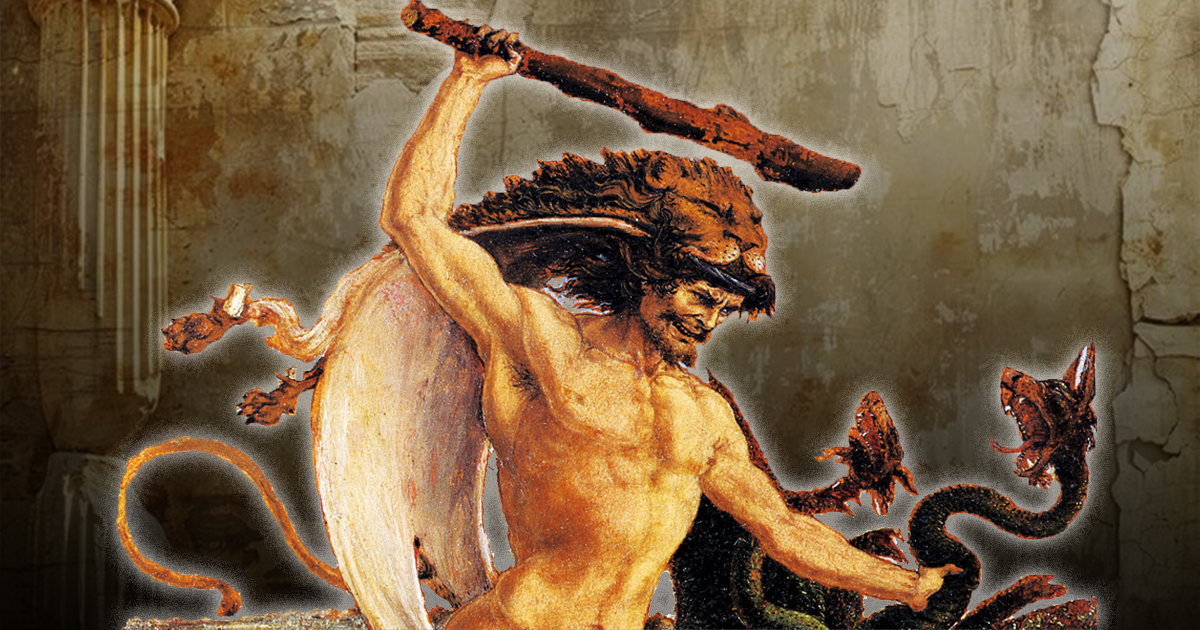
When Joseph Campbell published The Hero with a Thousand Faces in 1949, he was not inventing a narrative pattern so much as naming one that historians and classicists had been circling for decades. His predecessor Lord Raglan had already catalogued twenty-two recurring traits in the life stories of Indo-European heroes, from Oedipus to Siegfried, in his 1936 study The Hero. Otto Rank’s The Myth of the Birth of the Hero, published in 1909, had done similar work for the birth patterns alone. What Campbell added was a unified vocabulary and an argument that the pattern was not Indo-European but universal, a claim that has attracted serious scholarly criticism, particularly from folklorists and anthropologists who note that it privileges certain cultural traditions at the expense of others. That debate matters. Understanding the hero’s journey is most productive when you treat it as a set of analytical questions to put to individual myths rather than as a template that myths are obligated to fit. Each of the five ancient traditions examined here, Greek, Roman, Norse, Egyptian, and Mesopotamian, uses the shared vocabulary of call, threshold, trials, descent, ordeal, and return in ways that reveal what each culture thought courage was actually for.
What the hero’s journey is and what scholars have made of it
Campbell’s model, which he called the monomyth (borrowing the term from James Joyce’s Finnegans Wake), describes a hero who leaves an ordinary world, crosses a threshold into a zone of supernatural trial, survives an ordeal that extracts knowledge or power, and returns to enrich the community that sent them out. He identified seventeen stages within this arc, though not every myth passes through every stage, and many pass through stages in different orders. The model’s real utility is structural: it provides a common vocabulary for comparing stories that would otherwise require fluency in ancient Greek, Akkadian, Old Norse, and Middle Egyptian to read side by side.
Critics including Patrice Rankine of the University of Chicago have noted that Campbell’s framework, shaped by Jungian psychology and midcentury American individualism, overemphasises the solitary hero at the expense of the community, the collective, and female agency. The women in Campbell’s version of the journey appear mainly as temptresses, helpers, or goddesses, seldom as journeyers themselves. Subsequent scholars have pushed back hard on this. Clarissa Pinkola Estes, in Women Who Run with the Wolves (1992), reconstructed a feminine narrative cycle from the same mythological material. More recently, C. P. Nield’s 2024 critique of the monomyth as a “Hollywood McMyth,” published in the journal Media Practice and Education, argues that its dominance in popular storytelling has narrowed the range of stories that get told. These are legitimate cautions. They are also reasons to use the framework analytically rather than prescriptively.
For ancient myth specifically, the most useful application is comparative and archaeological. The Joseph Campbell Foundation notes that the earliest example Campbell himself identified was the Sumerian Inanna’s Descent to the Underworld, dated in its written form to around 2100 BCE. That is not the beginning of the tradition, only the beginning of the written record. The structural bones of the hero’s journey were being told in communities across the ancient world long before any scribe set them in clay.
The call, the threshold, and the gatekeeper
A hero’s journey begins when ordinary life is interrupted. The interruption in ancient myth is almost never private. Theseus sails for Crete because Athens is paying a tribute of fourteen young people to the Minotaur, a cost the city bears every nine years. The call is civic, the personal courage it demands a consequence of public need. Gilgamesh, king of Uruk, does not begin his journey because he wants adventure. He begins it because his companion Enkidu has died and the grief has cracked him open. The call here is loss so severe that it dissolves the assumptions that kept a ruler functioning.
Sigurd in the Norse tradition inherits his journey from a lineage already entangled with a cursed hoard. Horus must claim the throne of Egypt after Set murders Osiris, a call framed in both mythological and legal terms: the restoration of Ma’at, the Egyptian concept encompassing truth, justice, and cosmic order, is at stake. Aeneas receives his call as Troy burns, with his household gods in his arms and his aged father on his back. The call to found Rome arrives as total loss.
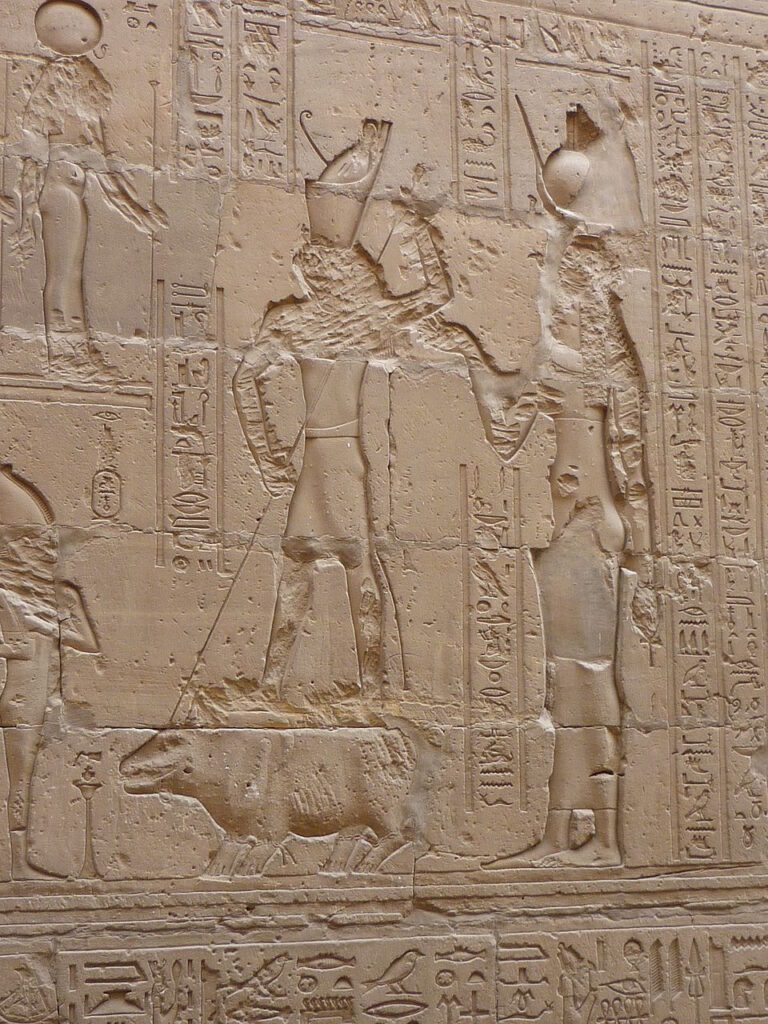
The threshold is where intention becomes commitment. Crossing it usually requires passing a gatekeeper, a figure who tests whether the hero is ready for what lies beyond. For Odysseus, the threshold is the sea itself, personified and hostile. In Egyptian myth, the threshold between order and chaos appears with particular precision in the reliefs at Edfu, where Horus confronts Set in the form of a hippopotamus, a beast associated with the destructive force of the Nile. In Mesopotamian descent narratives, the threshold is architectural: the gate of the Underworld, with its keeper who demands that the traveller surrender one item of identity at each of seven successive doors. Inanna enters the realm of the dead as a goddess clothed in the symbols of her power and arrives before her sister Ereshkigal stripped of everything. The gatekeeper’s function in all these traditions is identical: to make the hero answer, in material and symbolic terms, for their intention to proceed.
Trials, helpers, and the tools cultures grant their heroes
What counts as help, and what counts as a useful tool, changes dramatically between these five traditions. For Theseus in the Labyrinth, Ariadne’s thread is not a romantic gesture but precision engineering: a way of solving spatial orientation in a structure deliberately designed to destroy it. The thread is not magic. It is method, and it works because Theseus is disciplined enough to follow it out. Athena’s guidance to Odysseus follows similar logic. She does not fight his battles. She clarifies his thinking at the moments when fear or pride would otherwise distort his judgment. Greek heroic aid is characteristically intellectual, offered to heroes whose defining quality is cunning as much as force.
Roman helpers work differently. For Aeneas, the tools that matter are portable household altars, ancestral memories, and the counsel of elders and gods who speak through ritual rather than strategy. The concept of pietas, the Latin term for dutiful care owed to family, gods, and the state simultaneously, functions as both a value and a structural force in the Aeneid. Aeneas is not helped by a clever goddess who refines his thinking. He is helped by a civilisation of memory that tells him what he is for. The tools of Roman myth are institutional, not individual.
In Norse myth, help almost always carries a price. The smith Regin teaches Sigurd how to forge a blade capable of killing the dragon Fafnir, but Regin’s motives are not altruistic. He wants the hoard for himself. Knowledge in Norse tradition is costly and often treacherous: even Odin, who wins cosmic wisdom by hanging nine days on Yggdrasil, pays for it with an eye. Egyptian helpers, by contrast, operate through sacred knowledge rather than craft skill. Isis restores Osiris through precise ritual action. She collects the scattered fragments of his body, performs the correct spells in the correct order, and reconstitutes him. The tools of Egyptian myth are divine names and ritual sequences, and they work because they are accurate, not because the user is strong.
Descent scenes and what each tradition extracts from the underworld
The descent to the underworld, or katabasis in Greek, is the section of the hero’s journey that ancient storytellers returned to most insistently. It appears in some form in all five traditions examined here, and what happens in each descent tells you precisely what that culture believed could only be learned by confronting endings directly.
Odysseus’s katabasis in Odyssey Book XI is a consultation rather than a journey: he digs a pit, performs the correct rites, and the dead come to him. The shade of the prophet Tiresias tells him what obstacles remain on the route home. The shade of his mother Anticleia tells him that she died of grief for him. These are not consolations. They are precise information delivered without softening. The underworld in Greek epic functions as the one place where the truth of a situation cannot be managed or deflected by the living.
Aeneas’s descent in Aeneid Book VI is a far more elaborate civic enterprise. Guided by the Sibyl of Cumae, he crosses the rivers of the dead, passes through the Fields of Mourning where the unhappy dead dwell, and reaches the Elysian Fields, where his father Anchises shows him the souls of future Romans waiting to be born. The vision includes Augustus, identified explicitly as the man who will restore a golden age. Aeneas does not descend to learn what he needs for the immediate journey. He descends to understand why the journey matters for the next several hundred years. The weight of Roman future makes the personal ordeal bearable.
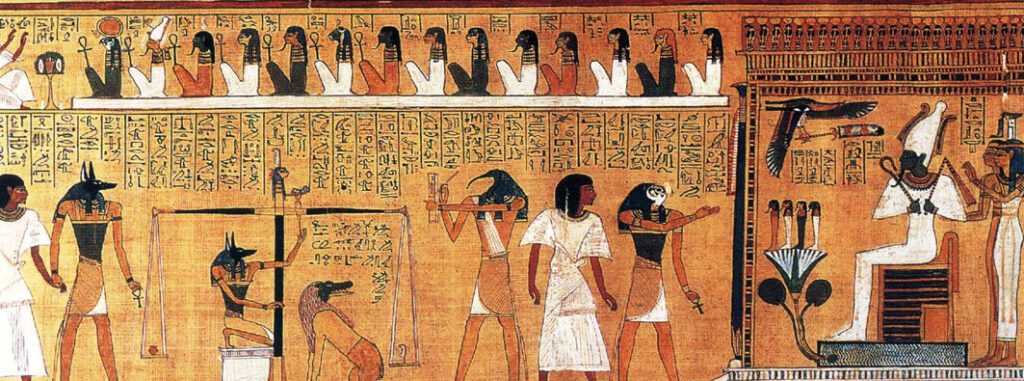
Egyptian funerary literature, particularly the various redactions of what Egyptologists call the Book of the Dead, approaching this from a different angle: the descent is not something the hero does once for knowledge but something every person must navigate after death. The weighing of the heart against the feather of Ma’at, depicted in countless papyri and tomb paintings, is the ordeal that determines whether the soul may continue into the Field of Reeds or be consumed by the hybrid beast Ammut. It is the only scene in ancient myth where the ethical record of an entire life is made visible as a physical weight.
Built out of a love for history, kept free from distractions.
Spoken Past is an independent project shaped by curiosity, care, and long hours of research. Reader support helps keep it maintained, carefully researched, and open to everyone.
The ordeal, recognition, and what changes
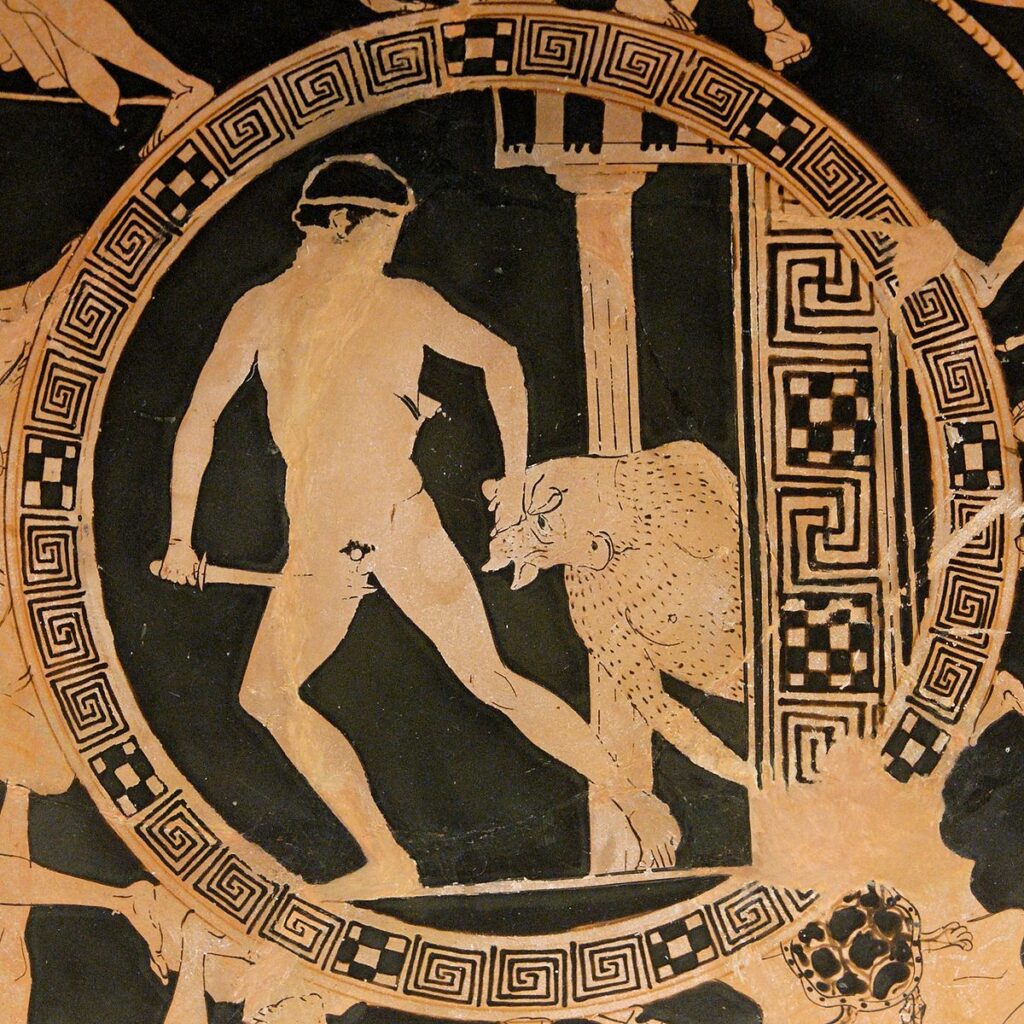
The ordeal is the moment where the knowledge extracted in descent must be applied under maximum pressure. For Theseus, it is the close-quarters encounter with the Minotaur in the deepest chamber of the Labyrinth, a space designed to strip away every advantage except nerve and the thread. For Gilgamesh, the ordeal is more devastating than any single combat: he reaches Utnapishtim, the flood survivor who holds the secret of immortality, passes the required test of sleeplessness (and immediately fails it by falling asleep), finds the plant of eternal youth at the bottom of the sea, and then has it stolen by a snake on the journey home. The ordeal in the Akkadian epic is not a triumph. It is the moment when the hero accepts the limits of what mortals can obtain.
Recognition follows the ordeal, and it takes a different shape in each tradition. Greek recognition (anagnorisis, in Aristotle’s technical vocabulary) is a moment of knowing that reverses the situation: Odysseus is recognised by his old nurse Eurycleia through the scar on his thigh, a detail Homer traces back to a boar hunt in his childhood. The recognition is physical and specific. Roman recognition tends to be institutional: Aeneas is recognised as the founder of a lineage, and that recognition comes from the gods rather than from any individual. Egyptian recognition is juridical: Horus wins the throne not through a single combat victory but through a tribunal of gods that deliberates over eighty years in some versions of the myth, with Set presenting counter-arguments at every turn. The Contendings of Horus and Set, preserved in a Ramesside-era papyrus now in the Dublin Chester Beatty Collection, reads in places like a legal transcript. Rightful rule in Egypt requires a verdict, not merely a defeat.
Sigurd’s recognition after killing Fafnir is perhaps the most ambiguous in these traditions. He bathes in the dragon’s blood and becomes invulnerable everywhere except a single spot on his back where a leaf has prevented contact. He tastes the dragon’s blood and acquires the ability to understand bird speech, which immediately warns him that Regin plans to kill him. The knowledge that comes with the ordeal is both a gift and a burden that will eventually destroy him. Recognition in Norse myth is rarely a moment of stable triumph.
Return, reward, and what the community receives
The return tests whether transformation has produced something transferable. It is the section of the cycle that separates a story about personal transformation from one about communal renewal, and ancient traditions handle it with striking divergence.
Odysseus returns to Ithaca and massacres the suitors, an act of justice that is also an act of violence that requires divine intervention to prevent a cycle of vengeance from restarting. The final book of the Odyssey includes a genuine treaty, brokered by Athena and Zeus, that imposes a forced peace on the island. Return in Greek epic is not the end of political complexity but the beginning of a new negotiation.
Aeneas does not return at all, at least not to anything he has lost. His return is to a duty projected into the future. He founds a settlement in Latium and fights a war he did not want, and the Aeneid ends not with celebration but with the death of Turnus, a killing that many readers find uncomfortably personal in its execution. The reward of the Roman version of the hero’s journey is not individual glory but the institution of Rome, and that reward belongs to people not yet born.
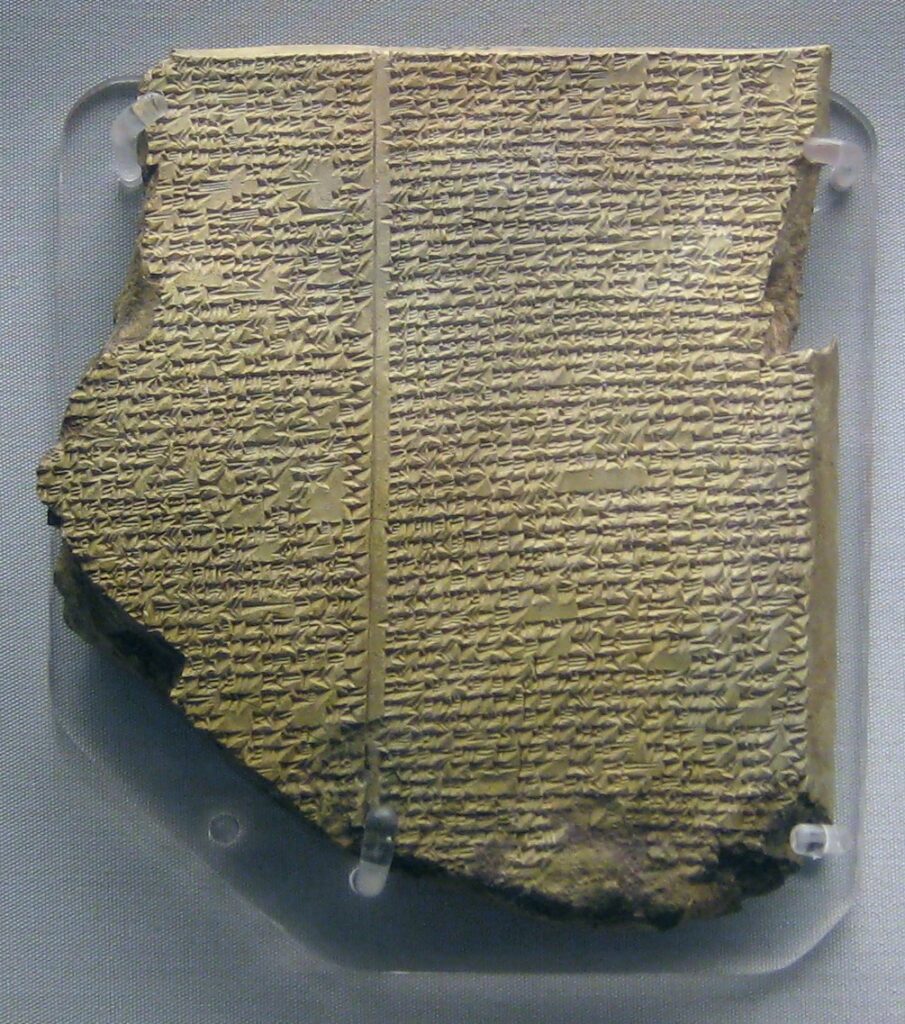
Horus’s return is juridical and ecological. Restored to the throne, he ensures that the Nile floods on schedule, that crops grow, and that the priests perform the correct offerings. The reward is not personal. It is Ma’at, the condition of rightness in which all living things participate. Egyptian heroism at this level is maintenance, not conquest: the cycle must be renewed each year through ritual repetition because cosmic order does not sustain itself but must be actively reasserted by the living king. Gilgamesh returns to Uruk with nothing except the knowledge that his city’s walls are real and that caring for the people within them is what remains of heroic purpose when immortality has proved unattainable. The tablet on which the story closes tells him to look at those walls. The return reward in the Epic of Gilgamesh is civic attention: the capacity to see what has always been there and understand why it matters.
Women as heroes, mentors, and strategists in ancient myth
The most persistent distortion in Campbell’s version of the monomyth is its treatment of women as adjuncts to a male protagonist’s journey. Ancient myth does not consistently support this reading, and the cases where women drive the narrative forward are not marginal exceptions.
Inanna’s Descent to the Underworld, in the Sumerian tradition documented on tablets from ancient Nippur dating to around 2100 BCE, is a hero’s journey undertaken entirely by a goddess. Inanna descends into the realm of her sister Ereshkigal, is killed and hung on a hook, is rescued through the intervention of loyal attendants who use the correct laments to negotiate with Ereshkigal, and returns to the upper world with a new understanding of power and its costs. There is no male hero in this story. The protagonist, the mentor figures, and the antagonist are all female. The structure of the journey, call, threshold, trial, ordeal, return, is complete and recognisable. What changes is the nature of the reward: Inanna returns with a calibrated understanding of the boundary between life and death that she did not possess before descent, and the world maintains its seasonal rhythm as a result.
Penelope in the Odyssey conducts a different kind of journey that rarely gets framed in heroic terms, but should be. She manages a household under siege for twenty years, using strategic deception (the famous shroud unwoven each night), maintaining social alliances with a narrowing set of options, and exercising a form of sustained intelligence that Odysseus, for all his cunning, never has to apply under those conditions of confinement. Athena herself, who spends the Odyssey guiding Odysseus back to Ithaca, also guides Telemachus toward maturity, makes Penelope more beautiful before crucial encounters with the suitors, and finally brokers the peace that ends the poem. The intellectual labour of the Odyssey is shared between the male protagonist and at least three women who are doing work of comparable difficulty.
Ariadne’s thread is frequently reduced to a love story. The Athenian tradition from which Theseus’s myth derives is more interesting than that. Ariadne provides the technical solution to a navigational problem that was otherwise unsolvable. Theseus is strong enough to kill the Minotaur. He is not clever enough, on his own, to find his way back out of a structure designed by the craftsman Daedalus specifically to defeat navigation. The thread is engineering. Its absence would have made the entire mission pointless. Theseus’s return, and everything that follows from it for Athens, depends entirely on a woman’s prior thinking.
How each tradition uses the cycle differently
Greek myth prizes the hero who achieves excellence within limits. The concept of hubris, the overstepping of proper human measure in relation to the gods, functions as a structural law: heroes who forget their scale are destroyed by it. Bellerophon mounts Pegasus and tries to reach Olympus; a gadfly sent by Zeus tips him back to earth and he spends his remaining years alone and disgraced. The Greek hero’s journey is bounded by a concept of proportion that does not exist in the same form in any other ancient tradition. Trials test not only whether the hero is strong enough but whether they are wise enough to know what not to do.
Roman myth bends the same cycle toward institutional outcomes. The Aeneid is, among other things, an argument that the violence of the Trojan War and the suffering of the long voyage were justified by the eventual existence of Rome. Virgil makes this argument knowing that his readers can see the result: they live in it. This retrospective logic gives Roman versions of the hero’s journey a teleological weight absent from Greek epic, where no one knows how the Trojan War ends while it is happening. The Roman cycle begins in destruction and ends in law.
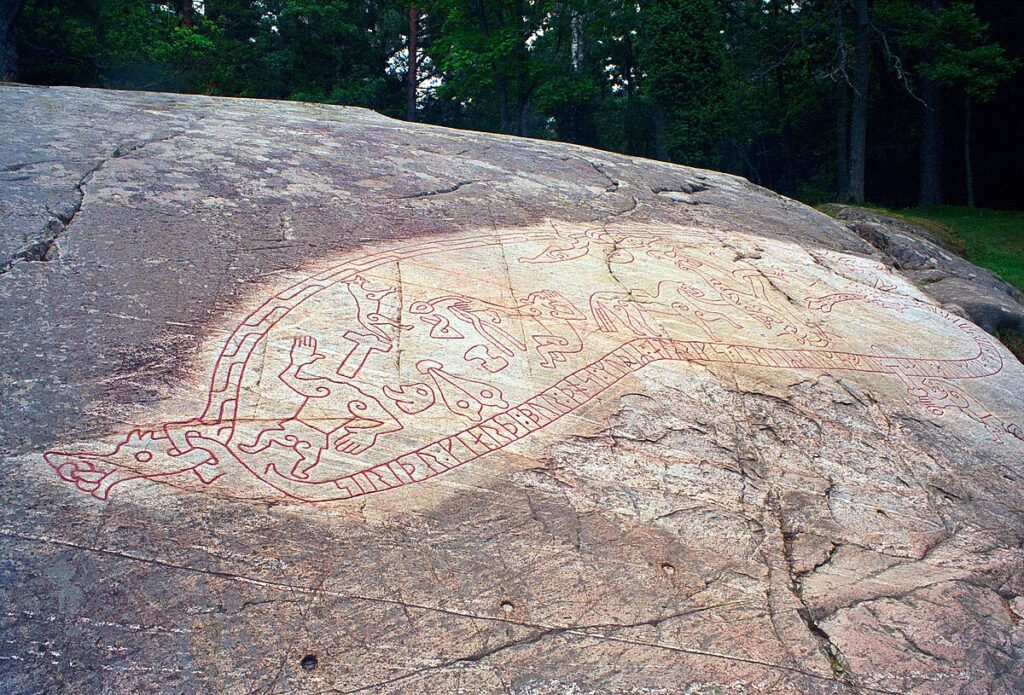
Norse myth operates under a different pressure entirely. The gods know that Ragnarok is coming. Odin gathers the einherjar, the honoured dead, in Valhalla not for their benefit but because he will need them for the final battle, which he will still lose. The hero’s journey in Norse tradition is therefore not a narrative that moves toward stable resolution. It moves toward a brave ending. The Volsung cycle, which includes Sigurd’s story, ends in the deaths of nearly every major character. The reward of Norse heroism is not survival but the reputation that outlasts death, a name preserved in skaldic poetry and carved on rune stones. The Ramsund carving in Sodermanland, Sweden, dated to around 1030 CE, is a literal monument to this logic: Sigurd’s story is cut into rock so that it continues to be told after the hero is gone.
Egyptian myth, as the scholar Jan Assmann of Heidelberg University has argued extensively, is organised around the concept of cultural memory and the cyclical renewal of sacred order. The Horus and Set narrative is not resolved once and deposited in the past. It is re-enacted through royal coronation ritual every generation, and through daily temple liturgy every morning when the cult statue of the god is washed, dressed, and offered food. The hero’s journey in Egypt is not a story with an ending. It is a ceremony with a repeat function.
Reading ancient myth through objects and primary sources
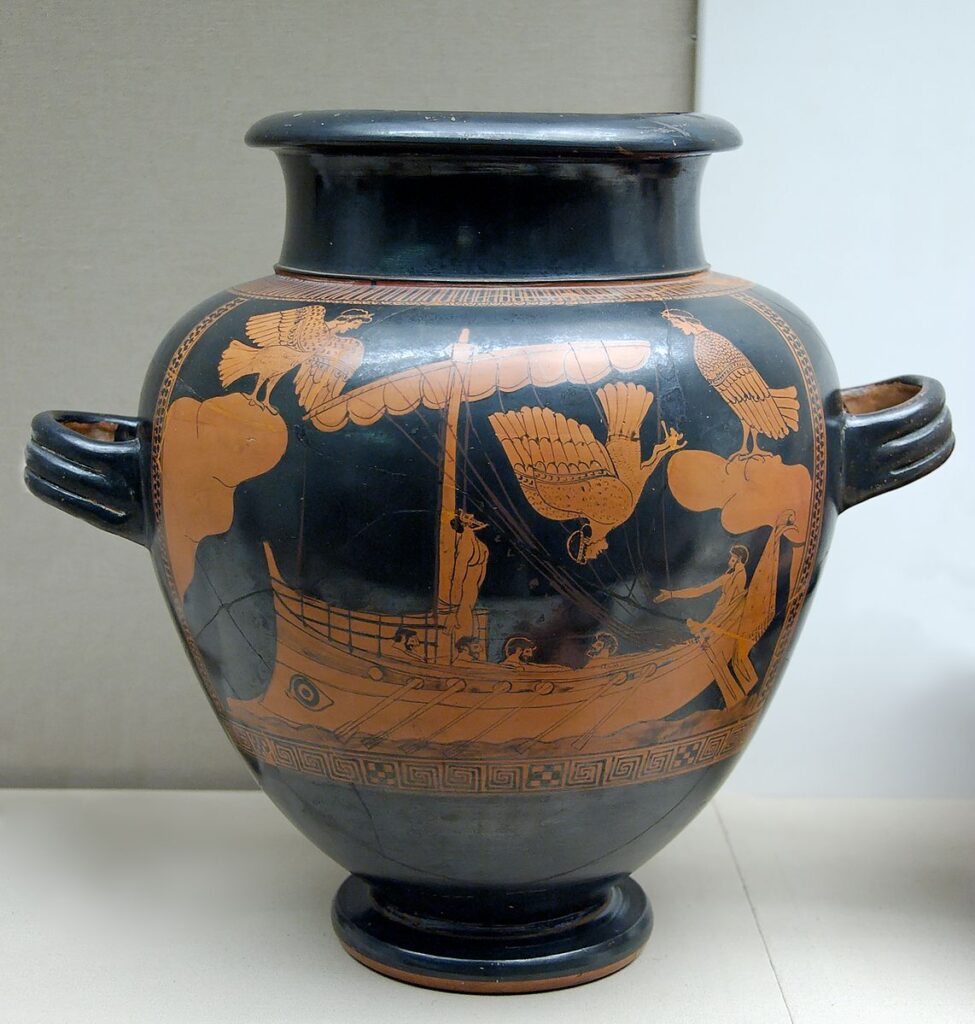
The most reliable way to read these traditions is to start with the physical evidence and let the structural framework follow, rather than imposing the structure and then finding evidence to fit it. For Greek myth, this means beginning with the objects: black-figure amphorae of Theseus and the Minotaur, red-figure cups of Odysseus and the Sirens, theatrical masks from sanctuaries associated with civic festivals where tragedies were performed. The British Museum’s Odysseus and Sirens stamnos (E440), dated to c. 480-470 BCE, shows Odysseus lashed to the mast with the Sirens around him in bird form. This is not decoration. It is a scene from a well-known oral tradition being fixed in painted clay for a specific symposium context, where drinkers would handle the vessel and look at it from multiple angles.
For Mesopotamian myth, the primary textual anchor remains the Standard Babylonian version of the Epic of Gilgamesh, assembled from earlier Sumerian and Old Babylonian sources by the scholar Sin-leqi-unninni, probably in the second millennium BCE. The twelve tablets of this version were found in the library of Ashurbanipal at Nineveh, excavated by Austen Henry Layard in 1849, and are now primarily in the British Museum (including the Flood Tablet, K.3375). The British Museum’s online record provides high-resolution images and a full catalogue entry. For Egyptian material, the Papyrus of Ani in the British Museum (EA10470) is the most complete surviving illustrated example of New Kingdom funerary literature and includes the weighing of the heart scene in exceptional detail. For Aeneas, the primary source is Virgil’s Aeneid, composed between 29 and 19 BCE, which can be read in a reliable scholarly translation alongside the Latin text at the Perseus Digital Library.
The framework of the hero’s journey is most honest when it acknowledges what it cannot fully contain. Gilgamesh fails his ordeal and comes home empty-handed, and the poem treats this as wisdom rather than defeat. Aeneas kills Turnus with what looks, in the final lines of the poem, like rage rather than justice, and Virgil closes the Aeneid there, without resolution. Horus wins his case after eighty years of litigation and an ear-slicing incident that required divine mediation. These endings are not tidied. They are left open because the cultures that produced them understood that the return from any real ordeal is never clean, and that the work of heroism is not a story that finishes but a relationship between a community and its values that must be continually renewed.
Sources: Joseph Campbell, The Hero with a Thousand Faces, Bollingen Series XVII (Princeton University Press, 1949); Lord Raglan, The Hero: A Study in Tradition, Myth and Drama (Methuen, 1936); C. P. Nield, “One Myth to Rule Them All: A Critical Examination of the Hero’s Journey,” Media Practice and Education 25, no. 2 (2024), at tandfonline.com; Patrice Rankine, quoted in “The Man Behind the Myth: Should We Question the Hero’s Journey?”, Los Angeles Review of Books (August 2021), at lareviewofbooks.org; Jan Assmann, Cultural Memory and Early Civilization: Writing, Remembrance, and Political Imagination (Cambridge University Press, 2011); Andrew R. George, The Babylonian Gilgamesh Epic: Introduction, Critical Edition and Cuneiform Texts, 2 vols (Oxford University Press, 2003); Diane Wolkstein and Samuel Noah Kramer, Inanna, Queen of Heaven and Earth (Harper and Row, 1983); British Museum, Odysseus and Sirens stamnos E440, at britishmuseum.org; Perseus Digital Library, Virgil’s Aeneid, at perseus.tufts.edu; Bryn Mawr Classical Review, review of Greg Anderson’s The Realness of Things Past, 2019.10.03, at bmcr.brynmawr.edu.