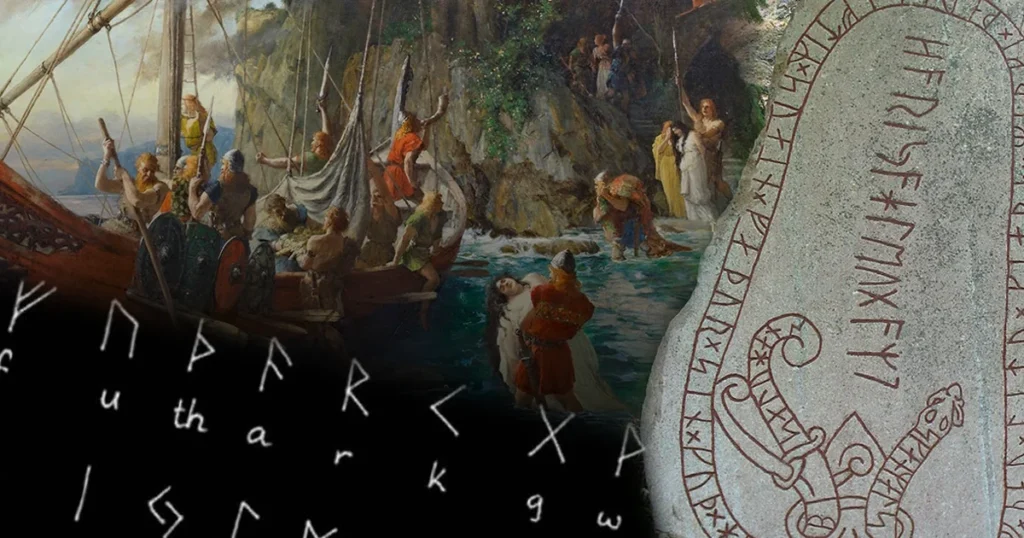
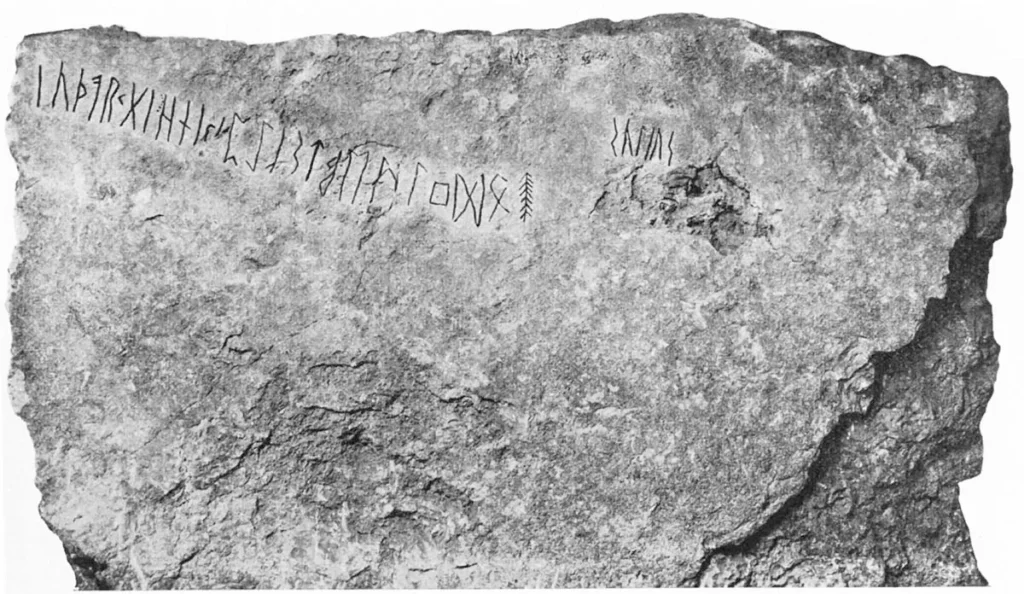
Carved symbols cover the Kylver stone from Gotland, Sweden, a granite monument created around 400 CE that preserves the complete Elder Futhark alphabet in pristine sequence. Twenty-four angular characters march across the stone surface, each one representing both a sound and a sacred force understood by Germanic peoples across northern Europe. These runes did not originate in Scandinavia. Germanic warriors who traveled south into Roman territories during the first and second centuries CE encountered Mediterranean writing systems and brought that knowledge home.
The transformation from borrowed letters to distinctly Germanic symbols occurred through practical necessity and religious interpretation. Angular shapes replaced curved Mediterranean forms because Germanic carvers worked primarily with wood, bone, and stone using simple iron tools that cut straight lines more effectively than curves. By 150 CE, unambiguous runic inscriptions appeared on portable objects throughout Germanic territories, marking the establishment of an indigenous writing tradition that served both practical communication and ritual purposes. This post explains how Norse runes functioned within Germanic societies before 500 CE, examining their Mediterranean origins, religious significance, practical applications, and geographic spread across northern Europe.
Mediterranean Contact and Alphabet Transmission
Germanic warbands that campaigned in southern Europe during the first two centuries CE encountered multiple writing systems used by Mediterranean peoples, including Latin, Etruscan, and various North Italic alphabets. The Rhaetic alphabet from Bolzano in the Italian Alps shows particular correspondence with Elder Futhark letter forms, suggesting direct contact between Germanic peoples and Alpine populations. Only five Elder Futhark characters lack clear counterparts in Mediterranean scripts, indicating that Germanic peoples adapted rather than invented their writing system.
Roman historian Tacitus documented Germanic divination practices around 98 CE, describing how priests and family leaders carved marks onto strips of wood from fruit trees, cast them onto white cloth, and interpreted their meanings. Tacitus could not determine whether these marks constituted true writing or simply symbolic notation. The ambiguity reflects the transitional period when Germanic peoples were adopting Mediterranean alphabetic principles but had not yet standardized a complete runic system.
The Meldorf brooch from northern Germany, manufactured around 50 CE, bears an inscription that remains controversial among scholars who debate whether the marks represent Roman letters, proto-runic attempts, or decorative symbols. This artifact demonstrates the experimental phase when Germanic craftspeople were testing different approaches to rendering their language in visual form.
Adaptation to Northern Materials and Sounds
Mediterranean alphabets featured curved letters designed for writing on papyrus, parchment, or smooth wax tablets using pens and styluses. Germanic peoples worked primarily with wood, bone, and stone, materials that required different carving techniques. Straight lines cut cleanly into these hard surfaces while curves required multiple tool passes and risked splitting the material along the grain. The angular character of runic letters reflects this material adaptation rather than aesthetic preference.
Germanic languages contained sounds absent from Mediterranean tongues, requiring the creation of additional characters beyond what Latin or Italic alphabets provided. The Elder Futhark included letters for specific Germanic phonemes while excluding sounds that did not occur in northern languages. This phonetic tailoring produced a writing system precisely calibrated to Germanic linguistic needs rather than a direct copy of Mediterranean models.
The absence of distinction between long and short vowels in runic inscriptions puzzles modern scholars because Germanic languages certainly maintained this phonological difference in speech. Carvers apparently considered the vowel length distinction unnecessary for conveying meaning in written form, relying on readers to supply correct pronunciation from context.
Structure of the Elder Futhark System
Twenty-four runes constituted the complete Elder Futhark, named for its first six characters: Fehu, Uruz, Thurisaz, Ansuz, Raidho, and Kenaz. Each symbol carried dual significance as both a phonetic letter for spelling words and an ideographic marker representing specific concepts, objects, or forces associated with its name. Fehu meant cattle or wealth, Uruz signified aurochs or strength, Thurisaz represented giants or thorns, and so forth through the entire sequence.
The alphabet divided into three groups of eight runes called ættir, meaning families or eights in Old Norse. Whether this tripartite division reflected practical organization for memorization, cosmological significance tied to sacred numbers, or both purposes remains uncertain. Some scholars propose connections between the three ættir and various trinities in Germanic mythology, though evidence for such associations before 500 CE remains speculative.
Carvers frequently inscribed the complete futhark sequence on objects rather than spelling words, demonstrating alphabet mastery or invoking the collective power of all runes simultaneously. The Kylver stone represents the earliest known complete futhark inscription, providing modern scholars with definitive evidence for the standard sequence and confirming that Germanic peoples recognized a fixed alphabetic order. Similar complete sequences on bracteates, weapons, and other objects from the Migration Period suggest that displaying the full alphabet carried significance beyond mere practice or demonstration.
Religious Dimensions and Divine Patronage

Germanic peoples understood runes as sacred forces discovered rather than human inventions created through arbitrary convention. The god Odin held dominion over runic knowledge according to mythological traditions preserved in later Icelandic sources but reflecting earlier beliefs. The Hávamál, a Norse wisdom poem, describes how Odin hung from Yggdrasil for nine nights while pierced by his own spear, staring into the Well of Urd until he grasped the runes and fell back screaming from the intensity of the revelation. This self-sacrificial ordeal established runes as primal powers that required tremendous cost to obtain.
Odin’s earlier name Woðanaz identified him as patron of warbands during the Proto-Germanic period before 500 CE. Warbands constituted the primary military and social institution for young Germanic men, who gained status and wealth through organized raiding and warfare. The association between Odin and runic knowledge therefore reflects historical realities about how Germanic warriors acquired literacy through southern campaigns and brought Mediterranean writing knowledge back to their northern homelands.
The Norns, three female figures who determined fate, carved runes into the trunk and roots of Yggdrasil according to Norse mythological traditions. These carvings determined the destinies of gods and men, establishing direct correspondence between runic inscriptions and the manipulation of fate itself. The Well of Urd beneath Yggdrasil served as the original source of runic wisdom, accessible only through sacrifice and ordeal.
Enjoying Spoken Past?
I created Spoken Past to share my love of history. I research, write and develop everything myself, and I want my articles and basic guides to remain free for everyone.
If you enjoy my work, please consider supporting Spoken Past with a small donation.
Practical Uses in Daily Life
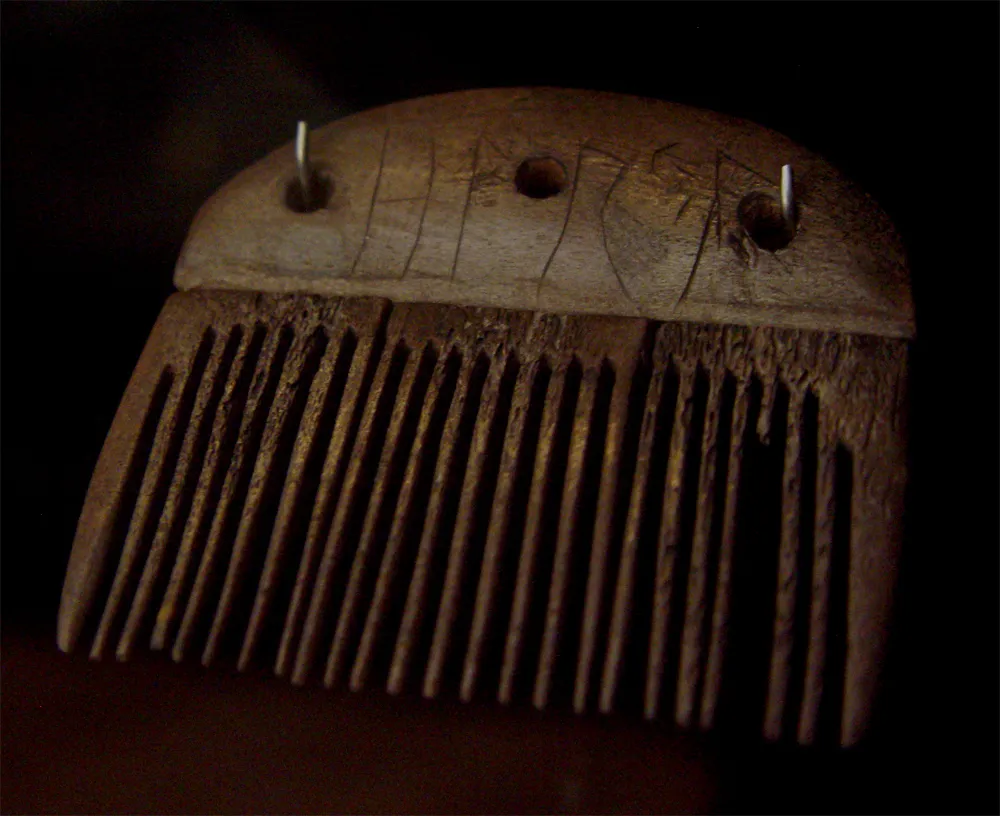
Germanic peoples carved runic inscriptions onto weapons, tools, jewelry, combs, and memorial stones throughout the period between 150 and 500 CE. The Vimose comb from Denmark, dated around 160 CE, bears a runic inscription marking ownership or declaring the craftsperson’s identity. This comb represents one of the earliest dated runic artifacts, demonstrating that practical applications of runic writing emerged immediately alongside religious uses.
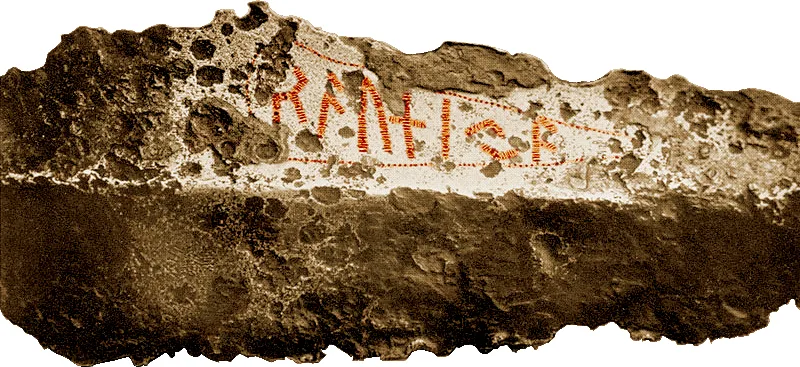
Weapons frequently carried names, ownership declarations, or protective formulas inscribed in runes along blades, shafts, or fittings. The Øvre Stabu spearhead from southern Norway, manufactured during the second century CE, displays runic characters that may identify the weapon’s name, owner, or magical properties. Elite warriors invested considerable resources in runic inscriptions for their weapons, suggesting that literate marks enhanced both material value and spiritual efficacy.
Memorial stones commemorated the dead and proclaimed their deeds to future generations through permanent public inscriptions. These monuments served social functions beyond remembrance, establishing legal claims to property and declaring lineage connections that affected inheritance rights and political status. The permanence of stone carving made runic monuments instruments for maintaining social memory across multiple generations in societies that transmitted most knowledge orally.
Personal objects like brooches, buckles, and pendants carried runic inscriptions identifying makers, owners, or protective formulas. The portability of these inscribed objects spread runic literacy across Germanic territories as individuals traveled for trade, warfare, or permanent migration. Each carved object served as demonstration of cultural participation and access to sacred knowledge, marking the bearer as someone connected to the religious and military elites who controlled runic traditions.
Magical Operations and Protective Formulas
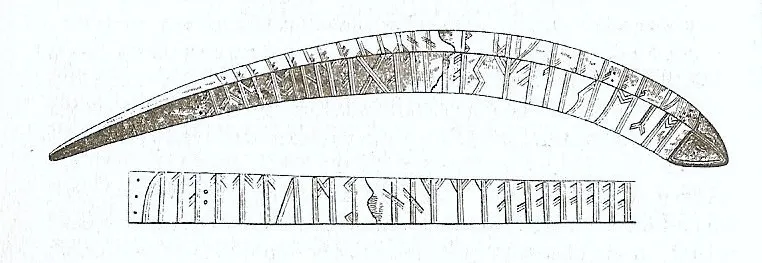
Germanic peoples recognized runes as inherently powerful forces capable of affecting reality when properly inscribed and activated. Tacitus observed Germanic divination practices involving marked wooden lots cast onto white cloth and read for prophetic insight during the first century CE, suggesting that runic characters served oracular functions from their earliest adoption. Later Norse poetry describes wood chips carved with runes and cast into sacrificial blood for divination, indicating continuity in divinatory practices across centuries.
The inscription ALU appears repeatedly on Migration Period objects between 400 and 550 CE, though this letter combination forms no recognizable word in any Germanic language. Scholars interpret ALU as a protective formula activating runic power through sound symbolism rather than communicating linguistic meaning. The widespread distribution of this formula across Scandinavia and continental Germanic territories suggests shared magical practices unified by common runic traditions.
Repeated sequences of individual runes appear on several objects, possibly invoking divine protection through accumulated symbolic power. The Tiwaz rune associated with the god Tyr appears in triple or multiple sequences on weapons and jewelry, perhaps calling upon martial prowess and legal justice governed by that deity. Such repetitions operated outside normal linguistic grammar, functioning as ritual performance rather than written communication.
Runemasters who understood proper deployment of runic formulas occupied respected positions within Germanic communities before 500 CE. Incorrect runic inscriptions could cause harm rather than benefit, requiring specialized knowledge to avoid dangerous mistakes. The boundary between writing and ritual performance remained permeable in Germanic culture, as the physical act of carving runes constituted both communication and magical action simultaneously.
Material Evidence and Archaeological Preservation
Stone monuments preserve the majority of surviving runic inscriptions from before 500 CE because softer organic materials like wood and bone deteriorated over fifteen centuries. The acidic soils of Scandinavia destroyed most wooden artifacts, leaving primarily stone and durable metal objects in the archaeological record. This preservation bias means modern understanding of runic use reflects monumental and high-status applications rather than the everyday wooden inscriptions that probably constituted the majority of actual runic writing.
The Kylver stone demonstrates typical carving techniques, with angular characters cut into flat granite surfaces using iron chisels and hammers. Carvers worked carefully to maintain consistent depth and width, producing legible inscriptions that remained readable through fifteen centuries of weathering and exposure. The quality of execution varied widely across the corpus of surviving inscriptions, from carefully planned monumental texts to hasty scratches on portable objects.
Metal objects like weapons and jewelry provided surfaces for finer runic carving than stone permitted, allowing more delicate letter forms and tighter spacing. Smiths could inlay contrasting metals like silver or brass into carved runes, making inscriptions more visible and prestigious. The integration of runic inscriptions into high-status metalwork demonstrates that literacy enhanced rather than competed with traditional craft skills.
Geographic Distribution Across Germanic Territories
The Elder Futhark spread throughout Germanic-speaking territories from Scandinavia south to the Rhine River and east to the Vistula River by 400 CE. Concentration patterns reveal densest use in Denmark, southern Norway, and Sweden, with thinner distribution in continental Germanic territories. This geographic pattern suggests that runic literacy achieved deepest penetration in Scandinavian societies while remaining more restricted to elite contexts in southern Germanic regions.
Migration and trade networks carried runic literacy across political and cultural boundaries as Germanic groups moved and interacted during the Migration Period between 300 and 500 CE. Individual carved objects traveled far from their points of manufacture through gift exchange, trade, looting, and personal migration. Each movement exposed new populations to Germanic writing, potentially inspiring local adoption of runic traditions.
Regional variations in letter forms developed as isolated communities maintained runic traditions without constant contact with distant populations. The fundamental Elder Futhark system remained recognizable across all territories, but individual characters showed stylistic differences reflecting local carving preferences and tool traditions. These subtle variations allow modern archaeologists to trace the movement of objects and people through time and space by identifying regional carving styles.
Warfare accelerated the spread of runic knowledge as warbands recruited from multiple regions and captured literate individuals from conquered territories. The close association between warrior culture and runic mastery meant that military expansion directly promoted literacy expansion across northern Europe. Objects looted during raids carried inscriptions into new territories, exposing non-literate populations to Germanic writing and potentially inspiring local experiments with runic carving.
Foundation for Later Development
By 500 CE the Elder Futhark had achieved stable distribution across all Germanic-speaking territories, setting foundations for later developments during the Viking Age. The system persisted with minimal changes until around 700 CE, when linguistic shifts in North Germanic languages prompted development of the reduced Younger Futhark system containing only sixteen characters. The basic principles established during the first five centuries of runic use continued structuring how Scandinavian peoples understood and deployed written symbols throughout the medieval period.
The Elder Futhark represents Germanic peoples’ successful adaptation of Mediterranean writing technology to northern European materials, languages, and religious frameworks. This adaptation created a distinctly Germanic literate culture that served both practical and sacred purposes simultaneously, reflecting the integrated worldview of societies that recognized no firm boundary between material and spiritual dimensions of existence.