
Survival during the medieval winter months required careful planning, stored resources, and techniques passed down through generations. Between September and February, European communities faced freezing temperatures, scarce daylight, and minimal fresh food. Primary sources like Charlemagne’s Capitulare de villis (around 800 AD) and Bede’s writings reveal how people preserved food, generated heat, and maintained mobility when snow covered the landscape.
Most medieval winter preparations began in autumn, when farmers slaughtered livestock, dried grain, and stockpiled firewood. Archaeological evidence from Anglo-Saxon settlements shows central hearths designed to burn continuously, while Scandinavian sagas describe specialized clothing and tools that allowed hunting expeditions even in deep snow. These were not luxuries but necessities for communities where a failed harvest or poorly insulated shelter meant starvation or freezing.
The strategies below emerged from practical experimentation across early medieval Europe, documented in estate records, building remains, and monastic chronicles. Each technique addressed a specific winter threat, from food scarcity to hypothermia, using locally available materials and knowledge refined over centuries.
1. Martinmas Slaughter and Salt Preservation
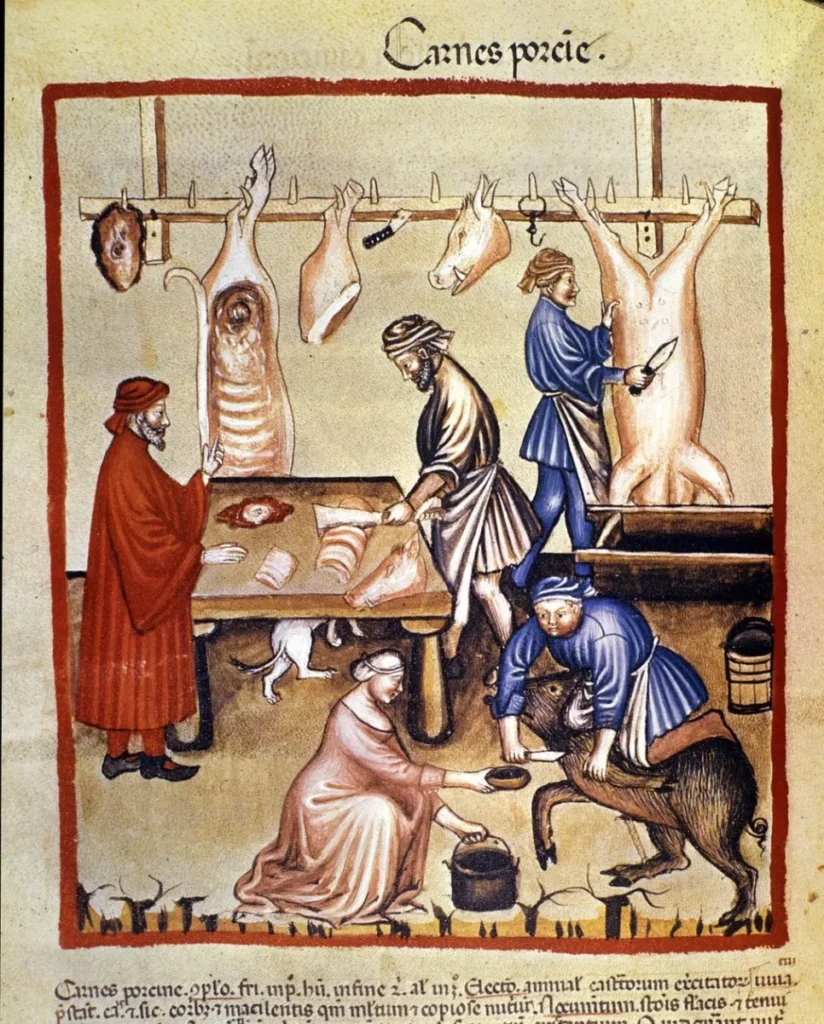
On November 11, the feast of Saint Martin, rural communities across early medieval Europe performed their annual mass slaughter of livestock. This timing was deliberate. Farmers could no longer pasture animals on depleted autumn fields, and feeding herds through winter consumed precious grain stores. Only breeding stock and dairy animals survived past Martinmas. The rest were killed, butchered, and preserved within days.
Salt was the primary preservation method. Butchered meat was packed tightly in wooden barrels with layers of coarse salt between each cut, a process that drew out moisture and prevented bacterial growth. Some cuts were submerged in brine solutions for additional preservation. The result was tough, intensely salty meat that required hours of boiling before consumption. This explains why boiled dishes dominated medieval winter cooking, unlike the roasted meats of summer.
Charlemagne’s estate managers tracked salt supplies closely, as documented in the Capitulare de villis. Without adequate salt, meat spoiled, and families faced starvation before spring planting. The preserved pork, beef, and mutton from Martinmas provided the protein foundation for winter survival, supplemented by dairy products from the remaining live animals.
2. Central Hearth Construction in Timber Halls
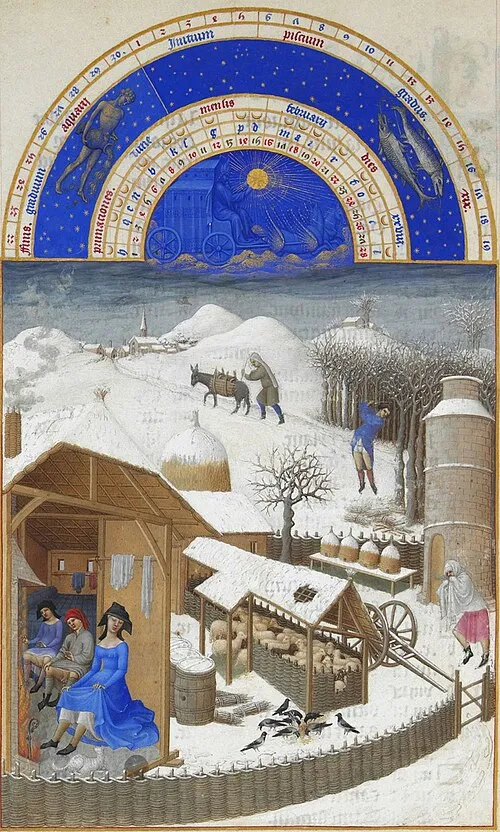
Anglo-Saxon and Carolingian buildings centered around a raised hearth built directly on the floor, documented in archaeological excavations at sites like Wearmouth-Jarrow. These hearths were rectangular or oblong platforms of packed clay, often framed with stone or timber to contain embers and prevent structural fires. The fire burned continuously throughout the medieval winter, serving simultaneously as heating source, cooking station, and social gathering point.
Smoke escaped through a hole in the thatched roof rather than a chimney, which remained uncommon until the 12th century. This created a smoky interior environment but allowed heat to radiate outward before venting. Families wore outer garments indoors because the heat distribution was uneven. Those closest to the hearth stayed warm, while those near the walls endured drafts through the timber construction.
Byrhtferth’s Manual, written around 1011 AD, describes the careful construction of these halls, emphasizing proper timber selection and frame support. The central hearth required constant fuel, making firewood stockpiling another critical autumn task. Running out of firewood mid-winter could be as fatal as running out of food, since frozen occupants could not perform the labor needed to acquire more.
3. Grain Drying Systems Under Carolingian Management
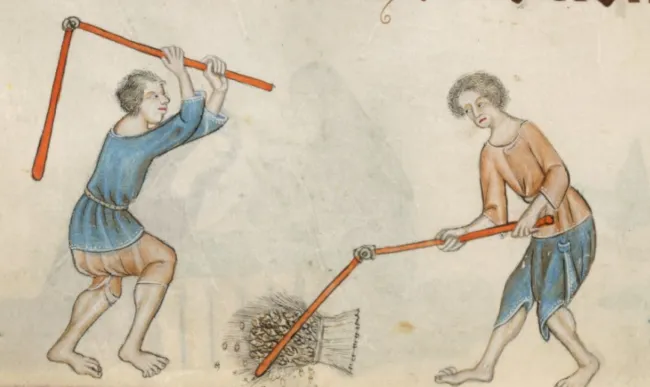
The Capitulare de villis mandated detailed winter inventories of grain supplies on royal estates, submitted to Charlemagne’s court each Christmas. These reports required stewards to list every measure of wheat, barley, rye, and oats held in storage, subdivided by estate section. This bureaucratic precision reflected the life-or-death importance of grain conservation for medieval winter survival.
Grain had to be dried immediately after harvest to prevent fermentation and rot during storage. Archaeological evidence shows specialized grain dryers across early medieval Europe, structures that reduced moisture content from field levels of 17-20% down to the stable 13-14% needed for bulk storage in open wooden bins. The drying process involved slow heat application over several days, carefully monitored to avoid scorching the kernels.
Once dried and stored, grain became the foundation of winter nutrition. It was ground into flour for bread or cooked whole in pottages. Estate managers tracked supplies monthly because miscalculation meant either wasting grain before spring or starving in late winter when stores ran out. The Carolingian system also mandated prepositioning supplies for military campaigns, meaning grain stores had to support both civilian populations and potential army logistics.
4. Layered Wool and Linen Insulation
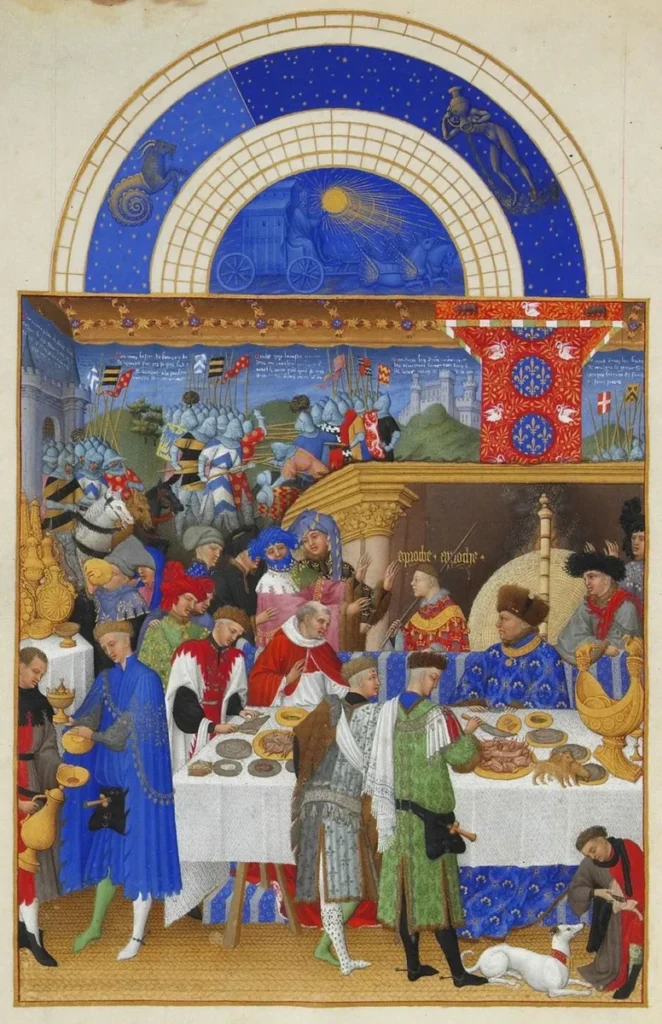
Medieval winter clothing followed a three-layer system documented in textile remains and manuscript illustrations. The innermost layer was linen, a breathable fabric worn directly against skin. Linen absorbed perspiration, preventing the dangerous body-cooling effect of trapped moisture. Over this came wool tunics, which trapped air pockets in their fiber structure and maintained insulation even when damp.
Wool was the primary winter fabric across early medieval Europe because it could be produced locally from sheep flocks. The fiber’s crimped structure created thousands of tiny air pockets that retained body heat. Peasants and nobles alike wore wool, though the quality varied dramatically. The outer layer for those working outdoors consisted of leather or fur-lined cloaks that blocked wind and precipitation.
This layering strategy emerged from practical experience rather than scientific understanding. People learned that sweating reduced wool’s effectiveness, so laborers removed middle layers during heavy work and replaced them when resting. Wealthier individuals wore furs turned inward, with the animal pelts directly against the wool layer for maximum heat retention. Clothing production occupied much of women’s labor throughout the year, as garments wore out and required constant repair and replacement.
Built out of a love for history, kept free from distractions.
Spoken Past is an independent project shaped by curiosity, care, and long hours of research. Reader support helps keep it maintained, carefully researched, and open to everyone.
5. Ski and Ice Skate Mobility Technology
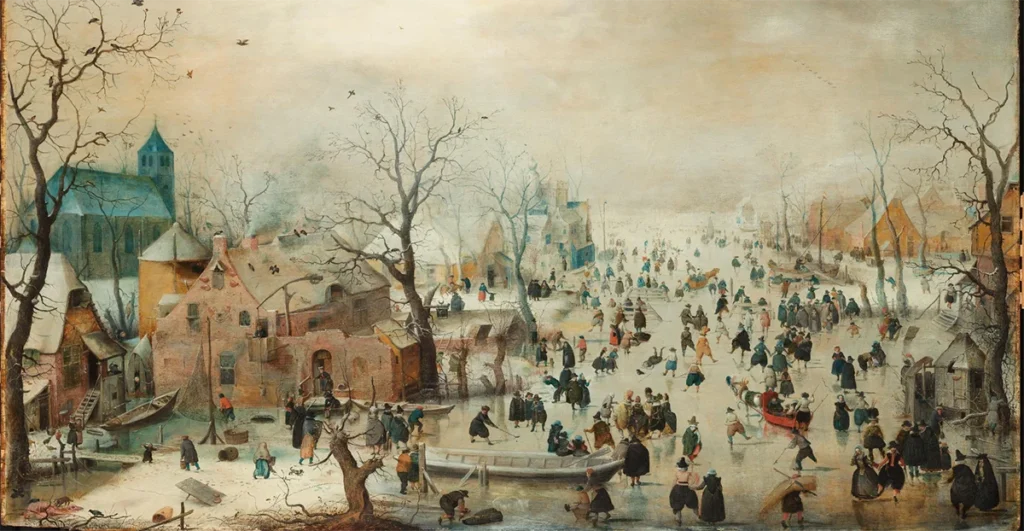
Vikings and other Scandinavian populations used skis as essential winter tools, not recreational equipment. Deep snow made foot travel nearly impossible across the medieval winter landscape, but skis distributed weight and allowed silent movement across frozen terrain. Hunters used skis to approach game animals without the loud crunching of boots in snow. The Norse god Ullr was associated with skiing precisely because the skill determined hunting success during lean winter months.
- Archaeological finds show wooden skis with leather bindings used throughout the Viking Age
- Skis enabled long-distance travel between settlements when roads became impassable
- The technology allowed hunters to pursue reindeer and other cold-adapted prey species across snowfields
Ice skates served similar practical purposes. Frozen rivers and lakes became winter highways once thick ice formed. Skates, carved from animal bone and strapped to boots, allowed rapid travel across these frozen surfaces. Children practiced skating not merely for entertainment but to develop skills they would need as adults for winter fishing, hunting, and communication between communities.
These mobility technologies meant the difference between isolation and maintaining trade networks during the medieval winter. Communities that mastered skiing and skating could hunt, fish, and travel even in conditions that would otherwise strand them until spring thaw.
6. Pottage as Foundational Winter Nutrition
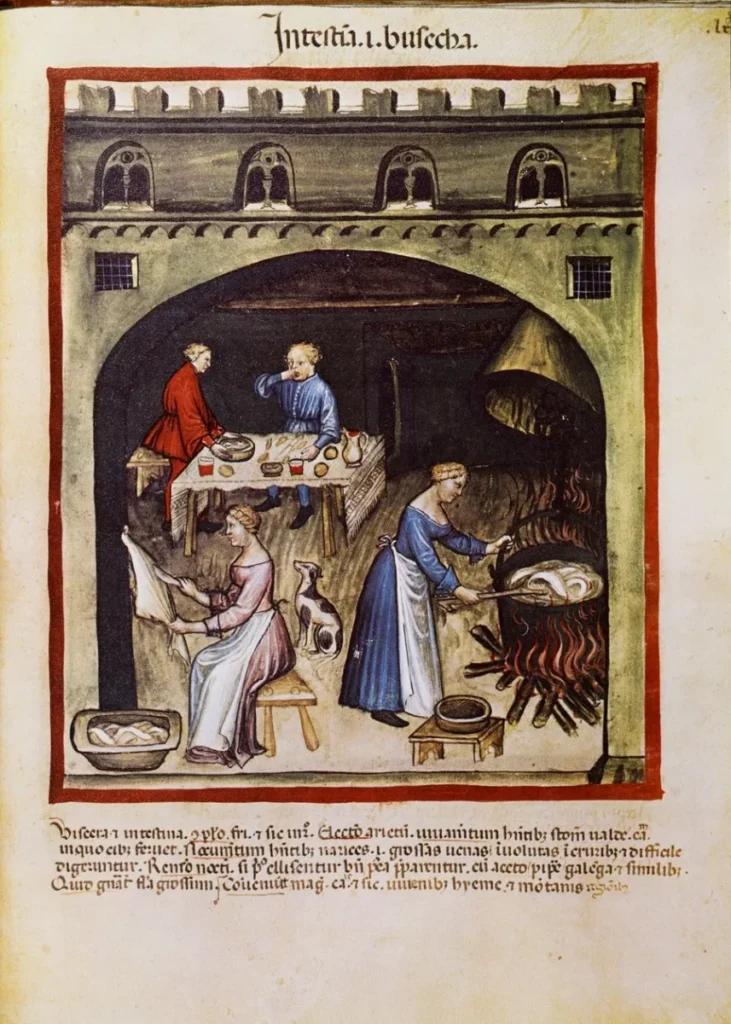
Pottage, a boiled stew of grains and vegetables, sustained most of the medieval winter population. The dish cooked slowly over the central hearth, often simmering for hours. Into a single pot went whatever was available: onions, peas, beans, lentils, dried herbs, and precious salted meat when families could spare it. The long cooking time softened tough preserved ingredients and distributed flavors throughout the mixture.
The ingredients reflected what could be stored from autumn harvest. Root vegetables like onions kept through winter in cool storage pits. Dried peas, beans, and lentils provided protein when meat was scarce. Grain added bulk and calories, usually barley or oats rather than the wheat reserved for bread. Wealthier households added dairy products, eggs, and bacon, creating richer versions while the basic peasant pottage remained vegetable and grain-based.
Frumenty represented a specific medieval winter dish, combining boiled wheat with milk and sometimes honey. This porridge-like preparation appeared at higher-status tables but followed the same principle as common pottage: slow-cooked, one-pot meals that maximized heat efficiency and made tough stored foods edible. The continuous simmering also meant warm food was always available, critical when going outside to cook separately could mean dangerous exposure to the medieval winter cold.
7. Communal Hall Living and Shared Body Heat
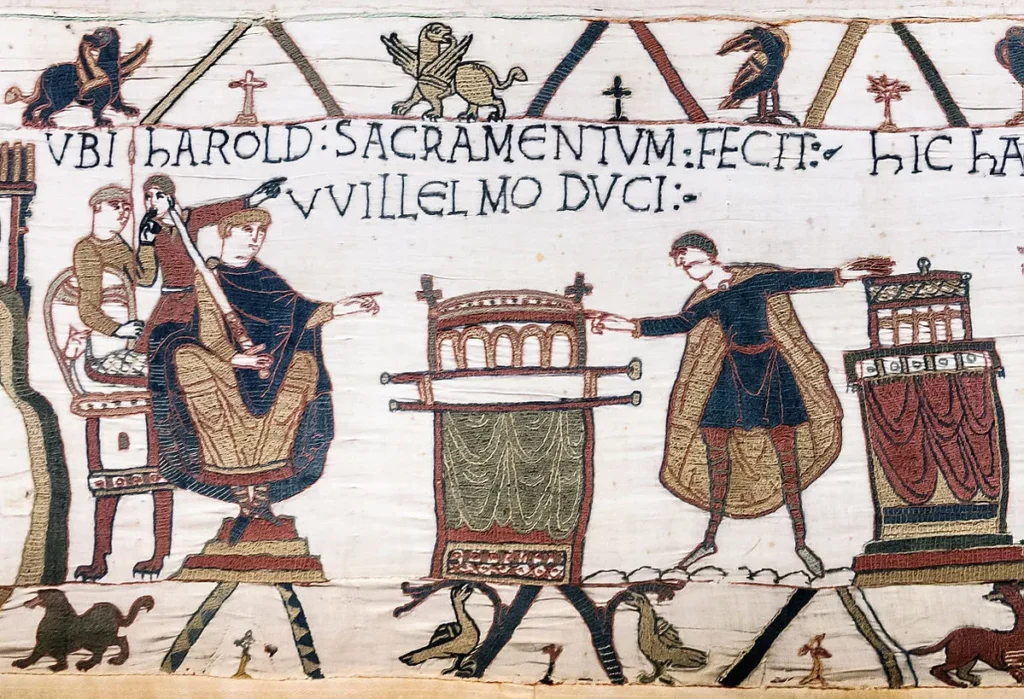
Early medieval communities consolidated into shared spaces during winter months, documented in both Anglo-Saxon and Scandinavian settlement patterns. Extended families, servants, and sometimes livestock occupied the same timber hall, creating a crowded but warmer environment. Body heat from multiple occupants raised interior temperatures significantly compared to individuals sleeping in separate spaces.
The great hall served as the social and thermal center of winter life. Evening activities concentrated around the central hearth, where people performed tasks by firelight: women wove and sewed, men carved tools and repaired equipment, children learned skills. This communal arrangement was both practical and necessary. Heating multiple separate buildings would have consumed impossible amounts of firewood and left individuals vulnerable to cold-related illness.
Some larger timber structures included separate sections for livestock, particularly valuable breeding animals. Cows, sheep, and goats generated additional heat while remaining accessible for winter milking and protection from predators. This mixed human-animal occupation offended later sensibilities but made perfect sense in the context of medieval winter survival. The animals’ body heat contributed to overall warmth, and farmers could tend them without venturing into dangerous outdoor conditions during storms or extreme cold.
8. Winter Hunting and Fishing for Fresh Protein
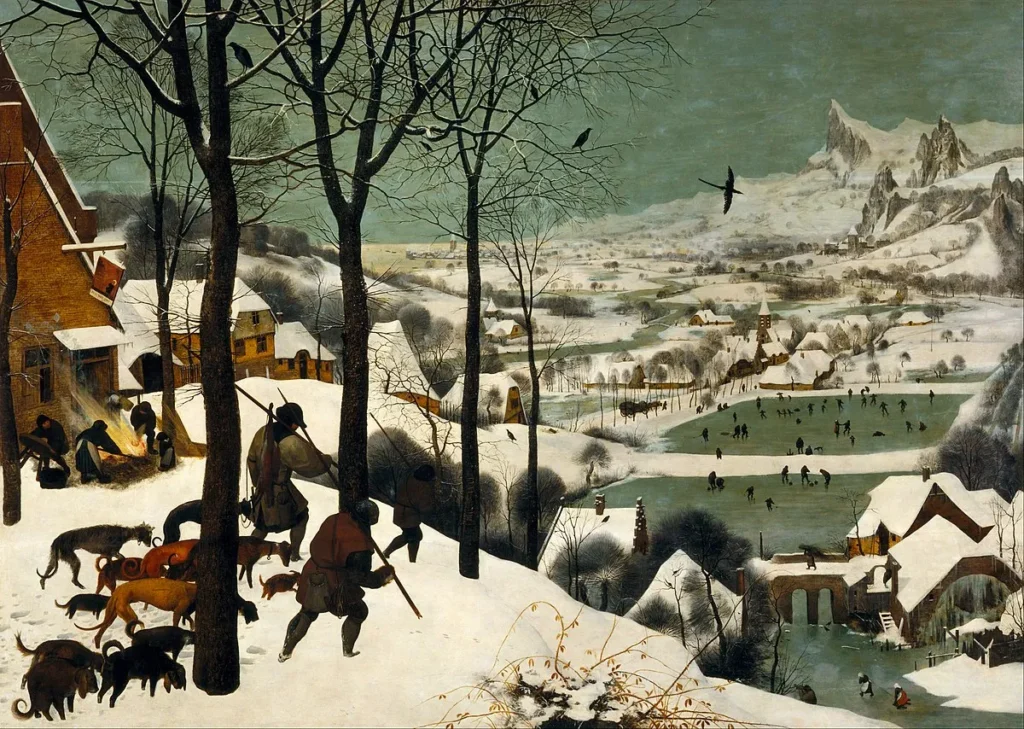
Despite stored provisions, medieval winter populations actively hunted and fished to supplement their diet. Scandinavian sources describe organized winter hunting expeditions for reindeer, rabbits, wolves, and bears. These hunts provided both fresh meat and valuable furs for clothing or trade. The pelts taken during winter were in prime condition, as animals had grown their densest coats against the cold.
Ice fishing through holes cut in frozen lakes and rivers supplied fresh protein when land hunting failed. Fish populations concentrated in deeper winter water, making them accessible to skilled fishermen who understood cold-water behavior. This knowledge was critical because preserved fish from autumn processing would spoil if storage conditions failed, leaving fresh-caught fish as the only reliable source.
The hunting calendar shifted dramatically during the medieval winter. Summer game had either migrated, hibernated, or altered their behavior patterns. Successful winter hunters needed to track animals through snow, understand their cold-season feeding areas, and use the landscape’s frozen features to their advantage. Frozen rivers and lakes allowed access to hunting territories that would be impassable during muddy autumn or spring. These expeditions were dangerous but necessary, providing essential nutrition variety that prevented deficiency diseases when the diet otherwise consisted almost entirely of preserved grains and salted meat.