
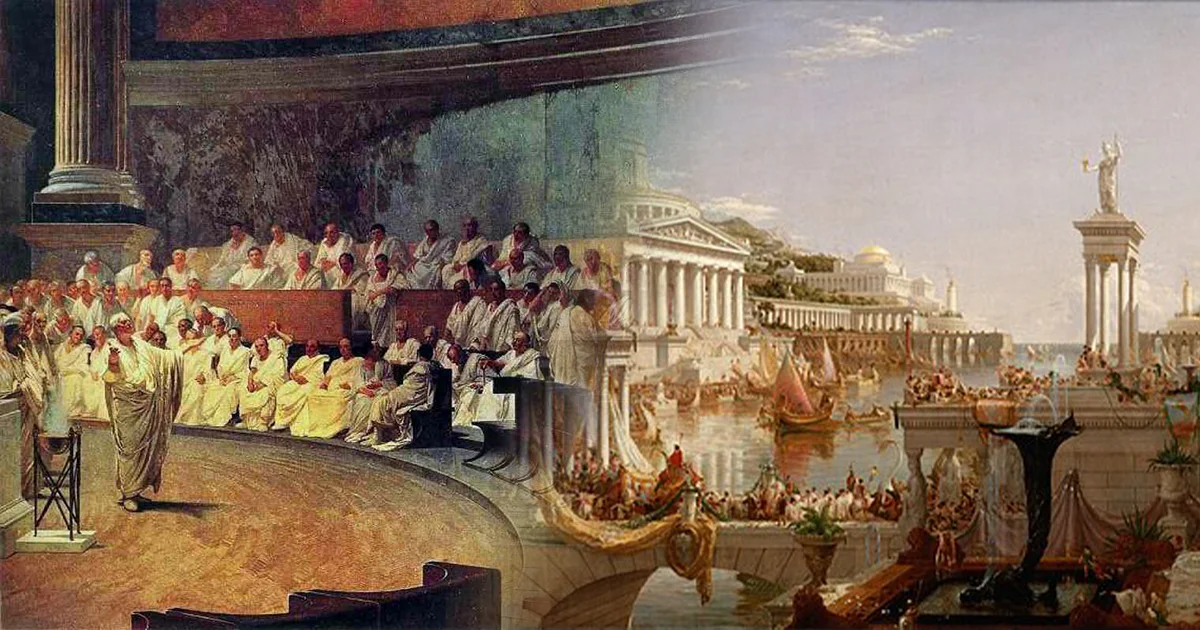
The Roman Republic and the Roman Empire represent two fundamentally different systems of political power, separated not only by centuries but by the way authority was distributed, legitimized, and transferred. Under the Republic, which lasted from 509 BC to 27 BC, no single individual held unchecked command; magistrates served annual terms, the Senate controlled policy, and assemblies elected leaders.
The Roman Empire, established when Augustus took power in 27 BC, concentrated authority in the hands of one ruler whose word became law, whose reign ended only at death, and whose successor often emerged through violence or dynastic maneuvering rather than ballot. One system feared kings and built checks against tyranny; the other embraced monarchy and wrapped it in the language of restoration.
Who Held Supreme Power
The Roman Republic divided executive authority between two consuls elected annually by the citizen assemblies. Each consul commanded armies, presided over the Senate, executed laws, and represented Rome in foreign negotiations, but neither could act without the other’s consent.
The consuls alternated supremacy month by month, and each held veto power over his colleague, a principle called collegiality designed to prevent any individual from monopolizing imperium, the constitutional right to command. If a consul attempted illegal action, the other could block it instantly.
Terms lasted one year, and re-election was forbidden for a decade, forcing even the most successful generals to surrender their fasces, the bundled rods symbolizing authority, and return to private life.
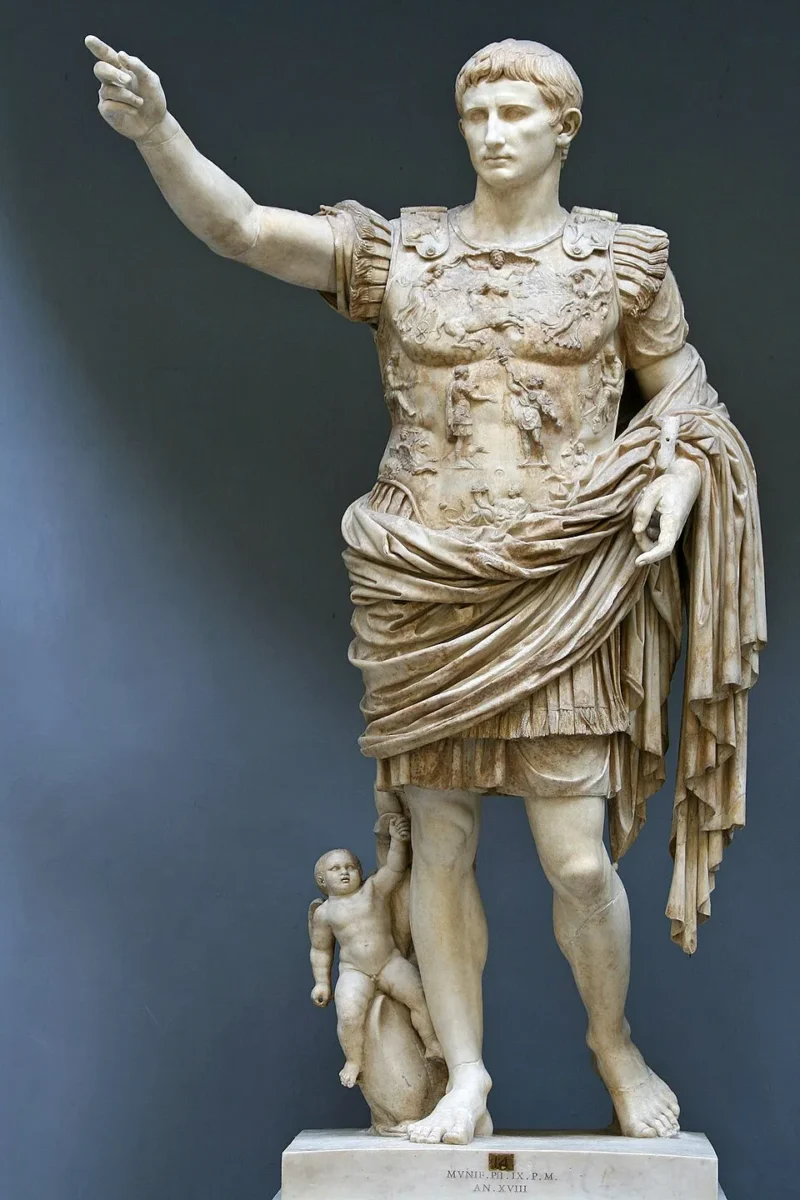
The Roman Empire abolished this system entirely. Augustus and his successors held imperium without limitation, colleague, or expiration date.
The emperor commanded all legions, appointed governors, issued edicts with the force of law, and controlled the treasury. The Senate still convened, but it advised rather than directed; the assemblies fell silent.
When an emperor died, no election followed. Succession passed to the designated heir, often a biological son or adopted successor, though civil war frequently decided the outcome when the dynastic line broke.
Tiberius inherited power in 14 AD because Augustus named him; Vespasian seized it in 69 AD after defeating three rivals in a single year of bloodshed.
How Leaders Were Chosen
Roman citizens elected magistrates through assemblies organized by tribe, century, and class. The Centuriate Assembly, weighted toward wealth, chose consuls and praetors, while the Tribal Assembly selected lower magistrates and passed laws.
Campaigns were public, competitive, and loud. Candidates courted votes in the Forum, displayed military honors, and invoked family pedigree.
Election conferred legitimacy, and once in office, magistrates answered to the people and to each other. A consul who abused power risked prosecution the moment his term expired, and Roman law permitted citizens to drag former magistrates to court on charges of corruption, extortion, or treason.
The emperor was not elected. Augustus received his extraordinary powers through a series of Senate resolutions between 27 BC and 23 BC, cloaking monarchy in republican language.
Later emperors inherited, seized, or bought the throne. The Praetorian Guard, an elite unit tasked with protecting the emperor, auctioned the empire to the highest bidder in 193 AD after assassinating Pertinax; Didius Julianus won and ruled for 66 days before being executed.
Legitimacy derived not from votes but from control of the army, the treasury, and the capital. Emperors who failed to secure military loyalty died, often violently.
The Senate’s Role Transformed
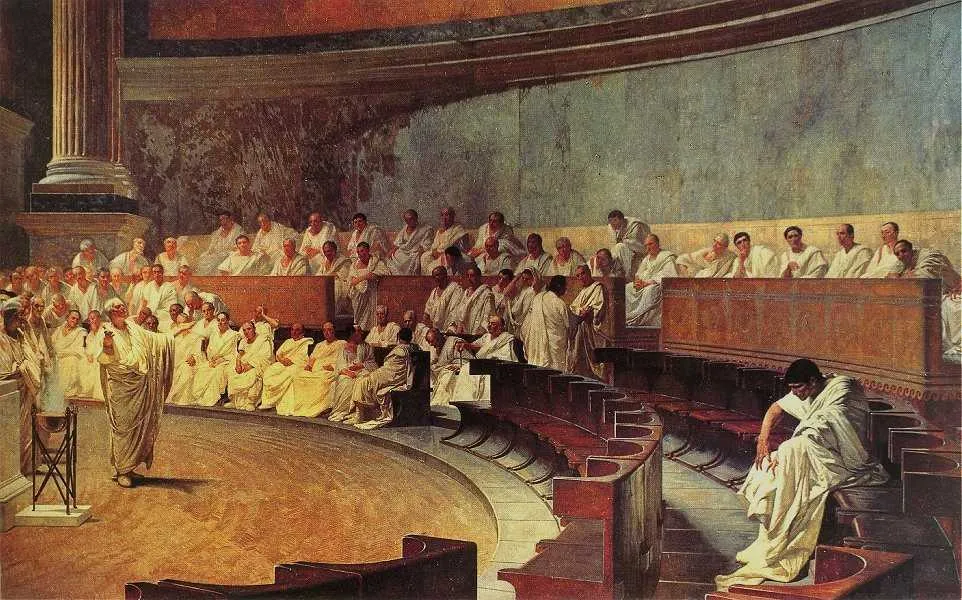
During the Republic, the Senate guided Rome. Composed of former magistrates who held their seats for life, the Senate debated foreign policy, allocated funds, assigned provinces to governors, and advised consuls.
Though it could not pass laws directly, its authority was immense; no consul dared ignore a senatus consultum, the formal opinion of the assembled elders. Senators belonged to Rome’s wealthiest families, men who had served as quaestor, aedile, praetor, or consul and who commanded clients, estates, and military experience.
The Senate numbered around 300 members during the Republic’s height, and its debates, conducted in the Curia on the northern edge of the Forum, determined whether Rome waged war, negotiated peace, or dispatched legions to distant provinces.
The imperial Senate became ceremonial. Augustus retained it to maintain the illusion of continuity, but emperors controlled its agenda, appointed members, and ignored its advice when convenient.
Senators still held prestige and governed provinces, but they no longer directed policy. Emperors issued edicts that bypassed senatorial debate, and the Senate’s primary function became ratifying the emperor’s will.
Tiberius expanded the Senate’s judicial role, allowing it to try high-profile treason cases, but this only made it a tool of imperial revenge. By the third century AD, the Senate had lost even symbolic power; Diocletian ruled from Nicomedia and rarely visited Rome, and Constantine relocated the capital to Constantinople in 330 AD, leaving the Senate stranded in a city that no longer mattered politically.
Built out of a love for history, kept free from distractions.
Spoken Past is an independent project shaped by curiosity, care, and long hours of research. Reader support helps keep it maintained, carefully researched, and open to everyone.
Citizenship and Military Obligation
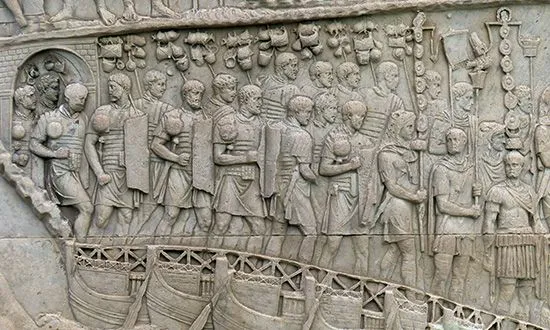
Roman citizenship carried duties as well as privileges. Citizens owed military service, and during the Republic, every male citizen between 17 and 46 could be drafted into the legions for campaigns lasting months or years.
The Centuriate Assembly doubled as a military muster, organizing citizens by wealth into classes that determined their equipment and role. The wealthiest served as cavalry, the middle ranks as heavy infantry, and the poorest as skirmishers or support troops.
Service was unpaid until the late Republic, and soldiers provided their own armor and weapons. After completing their term, citizens returned to their farms or trades, and the army disbanded until the next crisis.
Generals who kept legions mobilized too long risked accusations of seeking power, as Scipio Africanus discovered in 201 BC when political enemies accused him of corruption after his victory over Hannibal.
The Empire professionalized the military and severed the link between citizenship and service. Augustus created a standing army of 28 legions totaling around 150,000 men, recruited from citizens but serving 20-year terms under permanent command.
Legionaries received regular pay, bonuses, and land grants upon discharge, transforming military service from civic duty into career. Auxiliary units, drawn from non-citizens in the provinces, supplemented the legions and received citizenship only after completing 25 years of service.
This system meant that most Roman citizens never saw combat, and military loyalty shifted from the state to the emperor who paid wages and distributed rewards. By 212 AD, when Caracalla extended citizenship to nearly all free inhabitants of the empire, the gesture was financial, designed to increase tax revenue, not to expand civic participation.
Legal Authority and Lawmaking
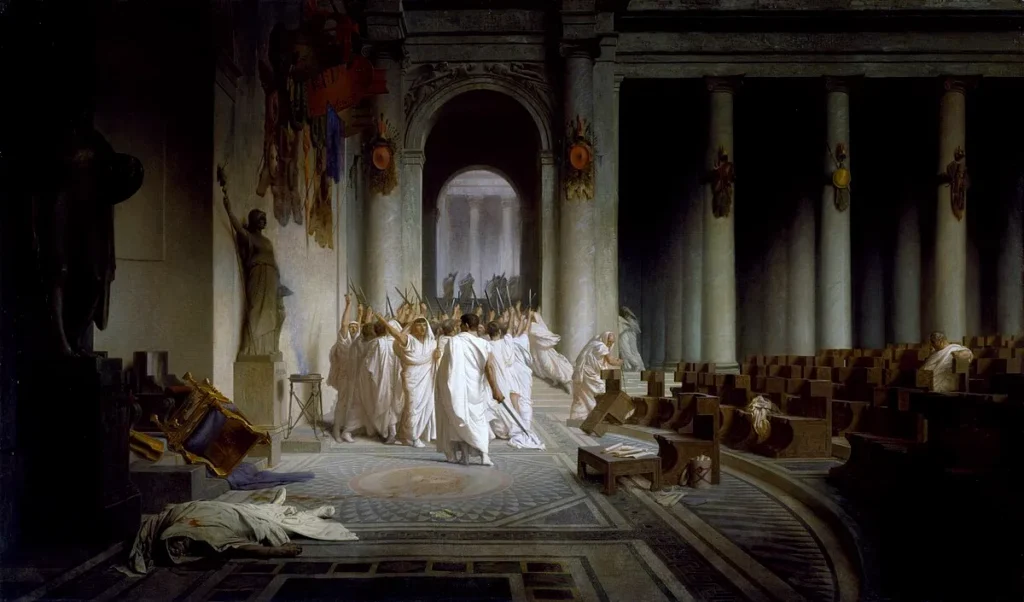
Republican law emerged from a complex interplay of magistrates, assemblies, and tradition. The assemblies passed statutes, called leges, which required proposal by a magistrate and approval by citizen vote.
Magistrates issued edicts outlining how they would interpret existing law during their term, and these edicts, though temporary, influenced legal practice. The Twelve Tables, codified around 450 BC, provided the foundation, but centuries of precedent, senatorial decrees, and magisterial interpretation layered over them.
Praetors presided over courts and could modify legal procedure to achieve equity, and their annual edicts, compiled and refined over generations, became a body of law as influential as statute. Roman citizens accused of crimes had the right to trial, to face their accusers, and to appeal, and no magistrate could execute a citizen without due process.
Imperial law flowed from the emperor. Augustus and his successors issued constitutiones, edicts with the force of permanent law that did not require assembly ratification.
Imperial rescripts answered specific legal questions and set binding precedent, and the emperor’s judicial decisions could overturn centuries of practice. Jurists like Ulpian and Papinian compiled these rulings into systematic treatises, and by the second century AD, the emperor’s word had become the primary source of new law.
The Senate occasionally passed decrees, but these were formalities. Citizens retained some legal protections, including the right to appeal to the emperor, but access to justice depended increasingly on wealth, status, and proximity to power.
Crucifixion, forbidden for citizens under the Republic, was applied to lower-class citizens during the Empire, a sign that legal privilege was eroding even as citizenship expanded.
Taxation and Revenue Systems
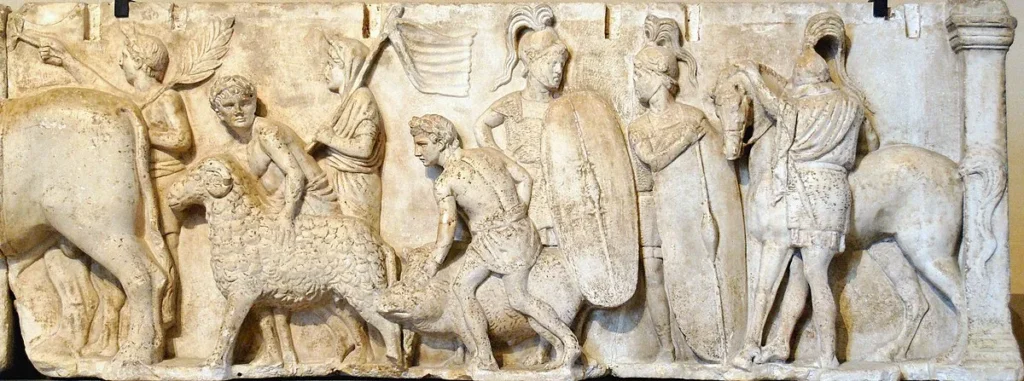
The Roman Republic taxed its citizens lightly and irregularly. During emergencies, the state levied a tributum, a wealth tax assessed on property, which was repaid once the crisis passed.
After Rome conquered Macedonia in 167 BC and gained access to the kingdom’s treasury, the tributum was suspended for Italian citizens, and Rome funded itself through provincial tribute, war plunder, and customs duties. Provinces paid fixed sums negotiated with local elites or collected by publicani, private contractors who bid for the right to collect taxes and kept any surplus as profit.
This system enriched Roman investors and encouraged corruption, but it required minimal bureaucracy and left citizens free of direct taxation. Wealth flowed to Rome from conquered territories, not from citizen pockets.
The Empire built a vast tax apparatus. Augustus conducted a census in 28 BC to assess the empire’s population and wealth, and he imposed direct taxes on land, poll taxes on individuals, and inheritance taxes on Roman citizens.
Provinces paid regular tribute collected by imperial officials rather than contractors, and the state maintained detailed tax rolls and audits. Customs stations dotted provincial borders, collecting duties on goods in transit.
The fiscus, the emperor’s treasury, absorbed this revenue and funded the army, the bureaucracy, and the grain dole, which fed over 200,000 residents of Rome by the mid-first century AD. Citizens grumbled but paid, because the alternative was rebellion, and the legions crushed tax revolts in Gaul, Judaea, and Africa with ruthless efficiency.
Public Identity and Civic Life
During the Republic, Roman identity rested on participation. Citizens voted in assemblies, served in the army, attended court cases in the Forum, and celebrated public festivals that honored the gods and the state.
Politics was loud, visible, and accessible; any citizen could listen to Senate debates from the steps of the Curia, watch magistrates dispense justice, or attend contiones, public meetings where magistrates addressed the crowd. The cursus honorum, the ladder of elected offices, provided a clear path for ambitious men, and success required building a network of clients, delivering speeches, and winning votes.
Public honor mattered intensely, and families displayed ancestor masks in their homes and paraded them at funerals, visual proof of generations of civic service.
Imperial Rome replaced participation with spectacle. The emperor funded games, distributed grain, and built monuments that celebrated his victories and generosity.
Citizens attended the Colosseum, completed in 80 AD, and watched gladiators, beast hunts, and naval battles staged in a flooded arena. They cheered for chariot teams in the Circus Maximus, which seated 150,000, and they admired triumphal arches that proclaimed the emperor’s divine favor.
Voting assemblies met rarely and decided nothing important; elections were transferred to the Senate in 14 AD under Tiberius, removing even the pretense of popular sovereignty. Public life became a performance in which the emperor starred and citizens applauded.
The shift was profound: under the Republic, Romans shaped their government, but under the Empire, government shaped Romans.