What loot means and why the definition matters
Loot is property taken in war without the owner’s consent. The word is old, but the rules behind it have changed many times. To understand what counts as loot in war, we need to separate lawful capture recognized by a government from simple theft by individuals. Lawful capture is tied to the idea that the state can seize enemy property under set rules, and then record or distribute it in a controlled way. Theft or pillage is private taking for personal gain without authority. The line matters because courts, armies, and museums rely on it when they decide what must be returned and what can be kept. The story below follows that line from early empires to modern treaties so readers can see how each rule grew from the problems of its time.
War booty prize plunder and theft
War booty is enemy property taken on land under the authority of a commander. Prize is enemy property taken at sea and judged in a prize court. Plunder is the broad practice of seizing goods in war, and it can be either regulated or outlawed depending on the rules in place. Theft is any taking that lacks lawful authority or breaks the rules that do exist. Early armies blurred these terms because commanders rewarded soldiers with shares, while also trying to limit chaos during and after a battle. Over centuries, states tried to turn plunder into controlled booty or prize by creating offices, ledgers, and courts. That effort created a paper trail that still helps courts decide modern claims about what counts as loot.
Public capture versus private pillage
Public capture is a seizure done by a force acting for a state. Private pillage is a seizure done by individuals acting for themselves. The difference lies in authorization, record keeping, and later review by a higher authority. When a commander captured property and reported it, the state could claim ownership and decide how to use or distribute it. When individuals raided outside that system, they broke discipline and risked punishment under military or civic law. This split shaped how rulers spoke about victory, how they paid soldiers, and how they justified taking enemy goods. Later law treated public capture as something that could be recognized and even regulated across borders, but it treated private pillage as a crime.
Rules on booty in the ancient Mediterranean and Near East
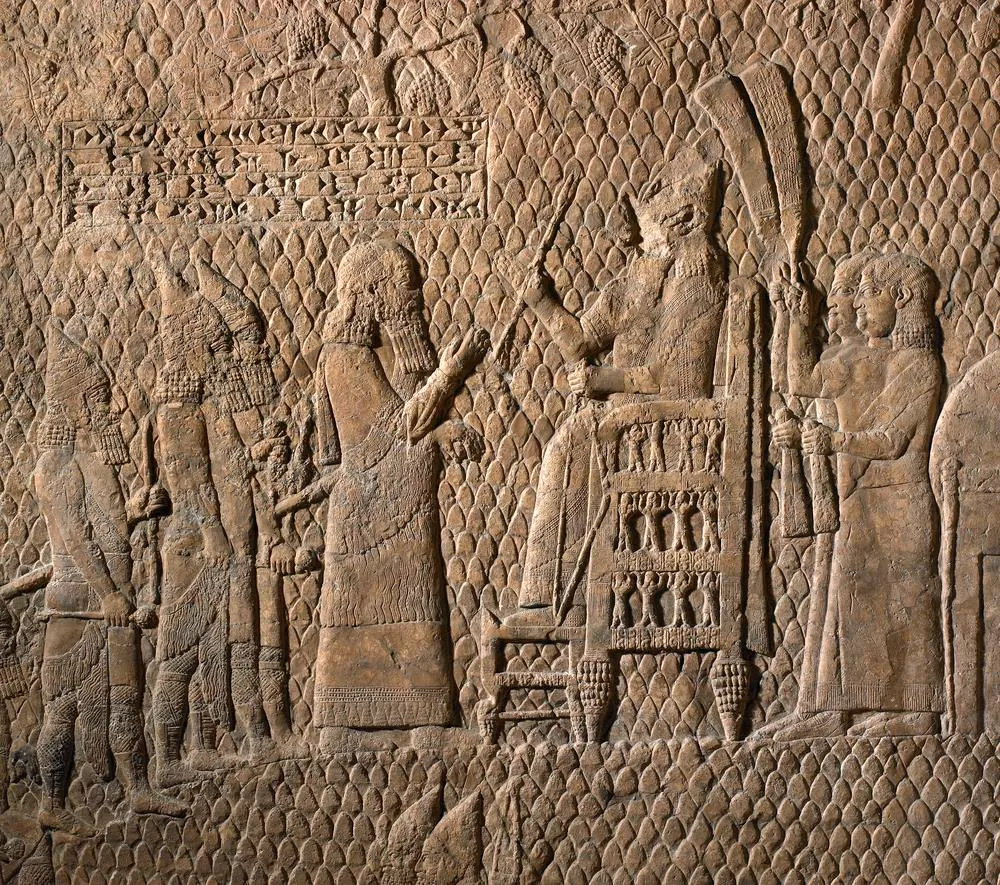
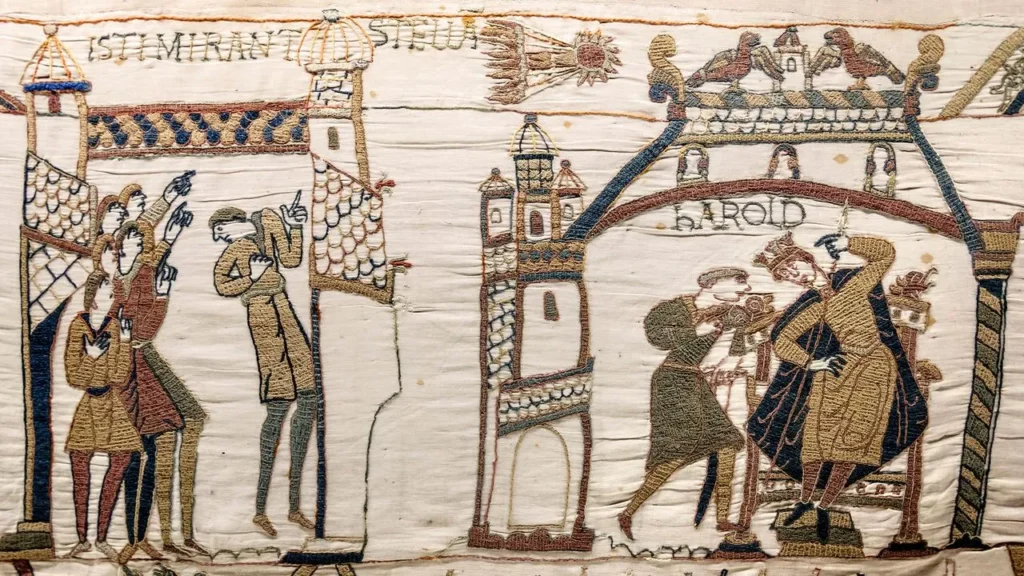
Empires in the Near East and the Mediterranean treated war gains as signs of royal favor and power. Kings took a first share and then rewarded soldiers or officials. Inscriptions and reliefs show long trains of prisoners and goods, which made royal claims visible to subjects and rivals. City gods and temples were often prime targets because taking sacred objects humiliated the enemy. At the same time, some rulers tried to protect certain places to win friends or show restraint. These choices were political tools. They set patterns for what leaders could claim, what soldiers expected, and what limits might apply even in victory.
Royal claims and soldier shares
Royal claims rested on the idea that victory belonged to the king. The ruler could then take a chosen portion of goods, people, and animals. Officials recorded the rest for distribution or storage. Soldiers expected shares because commanders used spoils to keep forces loyal and to offset the low cash pay that many armies offered. Shares also motivated risky action at the front. The practice created constant tension between control and reward. If soldiers felt cheated, discipline failed. If the king took too much, resentment grew. The basic rule that the sovereign owned captured goods while soldiers earned allotted shares would later influence Roman practice and many medieval customs.
Early limits on temple and civic property
From early on, some leaders claimed that certain classes of property should be spared. They sometimes protected temples to win favor with local elites or to present themselves as just. At other times they took sacred objects precisely because those objects signaled power. These mixed examples show why later law tried to protect religious and civic property by category. If rulers could point to rules that shielded temples, schools, or archives, they could use restraint to build legitimacy. Those limits did not always hold in practice, but they seeded the idea that not everything in war was fair game.
Roman law on spoils and triumphs
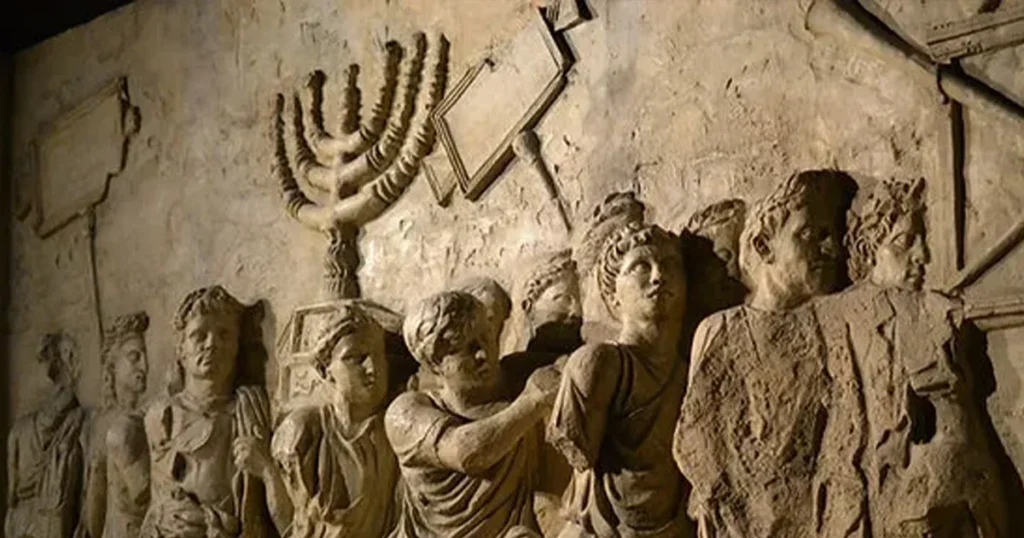
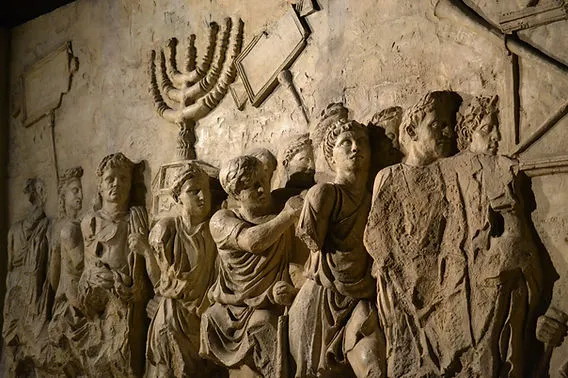
Rome turned spoils into a public act. The state claimed ownership of captured property and used set rituals to display it. A triumph celebrated victory and made the taking of goods part of state theater. Commanders who tried to keep spoils for themselves risked charges of theft from the treasury. The legal frame behind these practices made a lasting mark on later ideas of lawful capture. It insisted that the state stood between the soldier and the goods and that procedures mattered.
State ownership and distribution of booty
Roman law treated captured enemy property as property of the Roman people. Magistrates managed it. Auctions raised money for the treasury. Some items went to temples. Soldiers received prizes or donatives but did not have a right to take what they pleased. This approach reduced infighting among troops and helped pay for long wars. It also created records that later jurists could cite. By channeling spoils through state hands, Rome turned a chaotic practice into a public revenue system.
Protections for allied and sacred property
Rome claimed to protect allies and their temples. In practice, armies still took goods from friendly cities during crises. Even so, the idea of protected status mattered. It provided a standard for punishment and for diplomatic work after a campaign. If soldiers looted an allied sanctuary, commanders could claim a breach of duty and demand restitution. Later European rules borrowed this idea by listing protected categories and by tying violations to penalties.
Medieval just war and customary limits on plunder
Medieval Europe mixed older conquest ideas with Christian teaching and local custom. Lords recognized rights to take goods in war but tried to limit when and how. Thinkers wrote about “just war,” which meant that a war needed a valid cause and proper authority. Even in a just war, many writers urged limits on taking goods from civilians or from the church. Over time, rulers used these ideas to rein in violence and to protect tax bases and trade. The result was a patchwork of rights and restraints that varied by region and by conflict.
Feudal rights and restraints
Feudal bonds tied service to land and reward. Captains expected a cut of spoils from their men. Men expected cash or goods from their captains. Customary rules set when a town taken by storm could be sacked and when it must be spared. Some customs allowed a short period of free plunder, while others banned it. Rulers learned that unchecked sacking ruined economies and stirred revolt. They used charters and orders to cut back on private taking. The balance they struck shaped how later states wrote down formal limits.
Church sanctions and safe conduct
Church councils issued bans on violence at certain times or in certain places. They protected churches, markets, and roads that carried pilgrims and goods. Clergy granted safe conducts to shield travelers and negotiators. These steps did not end plunder, but they created moral pressure and practical tools for limiting damage. Secular rulers sometimes adopted the same protections in their own orders. The partnership between moral argument and royal interest helped move ideas of restraint from preaching to policy.
Early modern prize law at sea
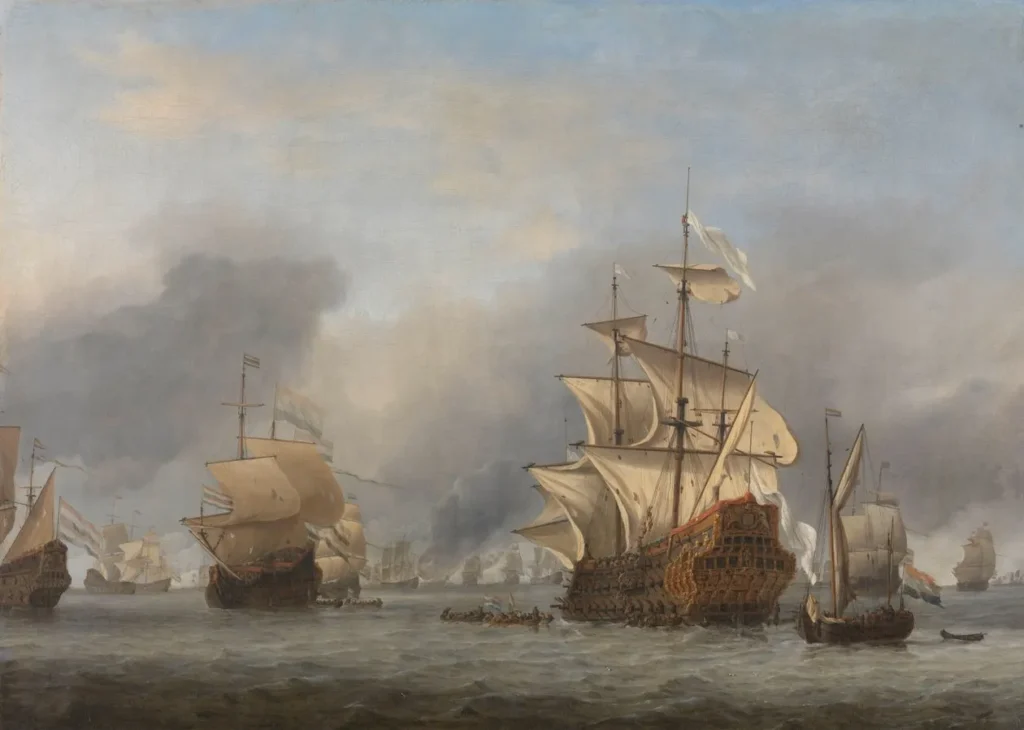
When states fought at sea, they needed rules to decide who owned captured ships and cargo. Prize law answered that need. A captor brought the ship into a port. A court judged whether the capture was lawful. If lawful, the court condemned the ship and cargo as prize and ordered distribution. If unlawful, the court restored property to the original owners. That system let navies and privateers attack enemy trade without collapsing neutral commerce, and it gave merchants some confidence that they could recover losses when seizures broke the rules.
Admiralty courts and lawful capture
Admiralty courts handled prize cases. Captors had to show that the ship was enemy property or carried enemy goods. Courts examined papers and cargo. If the capture broke rules, such as a truce or a flag of safe conduct, the court ordered restitution and sometimes damages. This process drew a clear line between lawful prize and piracy. The procedure also influenced land rules by showing how a court could police wartime takings.
Neutral property and contraband
Prize law also protected neutral trade. A neutral ship could carry lawful goods to either side, but it could not carry contraband such as weapons to a belligerent. Courts had to decide what counted as contraband and what evidence proved a hostile destination. These rulings pushed states to publish lists and to respect neutral flags. The effort to spare neutral commerce filtered into land war rules that tried to protect private property and trade.
Enlightenment to nineteenth century reforms
As states built national armies, they tightened discipline and rewrote rules for property in war. Reformers wanted to limit private pillage and to protect civilians. They also wanted clear rules on what commanders could requisition and how to pay for it. Uniform codes and manuals appeared in many countries. These texts tried to convert custom into written law so soldiers and officers could act with fewer surprises. The push for clarity shaped the codes that followed.
National armies discipline and indemnities
National service changed incentives. Soldiers now served for pay and honor rather than for shares alone. States tried to forbid unauthorized plunder and to replace it with requisitions paid by receipts or later indemnities. Cash-poor armies still took goods without payment, but they kept records and promised compensation. This policy aimed to reduce chaos and to keep local economies working. The more the state shouldered the burden of supply, the less it needed to tolerate private taking.
The Lieber Code and Brussels draft
A major step came with the Lieber Code of 1863 in the United States, which tried to gather the laws of war into a single guide for field commanders. It banned pillage, limited confiscation, and distinguished military necessity from personal gain, and it influenced later European work on codifying war rules. European powers then discussed a broader draft in Brussels in 1874. Even where drafts did not become binding, they showed a growing consensus that private pillage was wrong and that property rules should be written down.
The Hague regulations and the law of occupation
International conferences at The Hague in 1899 and 1907 produced rules that still guide how armies treat property. These rules are known as the Hague Regulations. They set limits on seizure and destruction and gave a framework for military occupation. The principle is simple. An occupying force must respect public order and private property. It can take what it needs under strict rules, and it must record and pay when possible. It cannot treat enemy land as if it had become its own. These ideas anchor the modern law on what counts as loot.
1899 and 1907 rules on public and private property
The Hague texts state that private property must be respected. They forbid its confiscation. They also require that public property be administered for the benefit of the local population, not consumed as booty. Armies can seize state munitions and transports, but they must record other public assets and protect them. The rules also bar pillage and looting outright. These articles gave courts and commissions a clear test to judge wartime takings. If a seizure fell outside the authorized categories or lacked proper records, it counted as unlawful.
Requisitions seizures and compensation
The regulations allow requisitions of goods and services when needed for the army, but they require receipts and compensation. They also allow seizures of enemy state property used for war, such as railways or depots, under control and accounting rules. Commanders must avoid wanton destruction. When courts look back at a campaign, they ask whether the army followed these steps. If it did not, claimants have a basis to argue that the taking was illegal and that goods should be returned or paid for.
Enjoying Spoken Past?
I created Spoken Past to share my love of history. I research, write and develop everything myself, and I want my articles and basic guides to remain free for everyone.
If you enjoy my work, please consider supporting Spoken Past with a small donation.
Twentieth century cultural property protections
Modern wars showed how vulnerable museums, libraries, and religious sites were to damage and theft. In response, states wrote special rules for cultural property. The aim was to take sacred and scholarly objects out of the category of war gains. Protection grew in layers. The first step was to list cultural sites and to mark them for protection. The next step was to punish theft and trafficking even after the fighting ended. These rules now sit alongside the general rules on property in war.
The 1954 Hague Convention and protocols
A landmark treaty in 1954 created a dedicated system to protect cultural property during conflict and occupation. It defines cultural property, sets out respect and safeguarding duties, and adds a distinctive blue and white emblem to mark protected sites and objects. Two protocols address seizure and export of cultural items from occupied territory and create duties to return or prevent transfer. The basic idea is that cultural goods are not fair spoils. They require care, not capture. Many states built their own laws to enforce these duties at home, which helps prosecutors and customs officers act when stolen objects appear years later.
Museum acquisitions and due diligence
Museums changed their acquisition practices in response to new rules and scandals. They began to ask for detailed provenance, which means the chain of ownership from discovery to present. They also wrote policies that reject objects removed in violation of local or international law. Due diligence now includes checking export permits, searching databases of stolen art, and rejecting deals that fail to provide transparent documentation. These steps do not end trafficking, but they raise the cost of bad faith. They also give claimants a clearer path to argue that an object is loot rather than a lawful acquisition.
National patrimony laws export controls and trafficking
Many countries have long treated certain classes of antiquities and artworks as part of the national patrimony. Patrimony laws make these objects state property by default and restrict export. Export control adds a layer that requires licenses for moving cultural items across borders. Trafficking law then punishes the illicit import, export, and sale of protected objects. Together these rules shrink the market for items with poor histories and make it easier to bring cases in foreign courts.
Ownership in source countries
Patrimony laws claim state ownership of undiscovered or newly discovered antiquities and sometimes of older museum-quality objects as well. When objects are stolen from public collections or excavated without permits, the state can claim them in foreign courts by pointing to ownership on the day of loss. Courts often respect such claims if the foreign law was clear and public. This approach turns unlawful excavation into theft from a legal owner. It gives prosecutors a simple theory that juries can follow.
Import bans sanctions and criminal law
Import bans block entry of undocumented cultural property. Sanctions can target conflict zones to stop looting from funding armed groups. Criminal statutes penalize trafficking and money laundering tied to art and antiquities. Customs officers use these rules to seize objects at borders. Once seized, objects can be returned to the source country if officials prove a violation. The mix of import rules and criminal law is strong because it acts even when a buyer claims good faith. If the import broke the law, the object can still be taken and returned.
After World War II restitution and modern claims
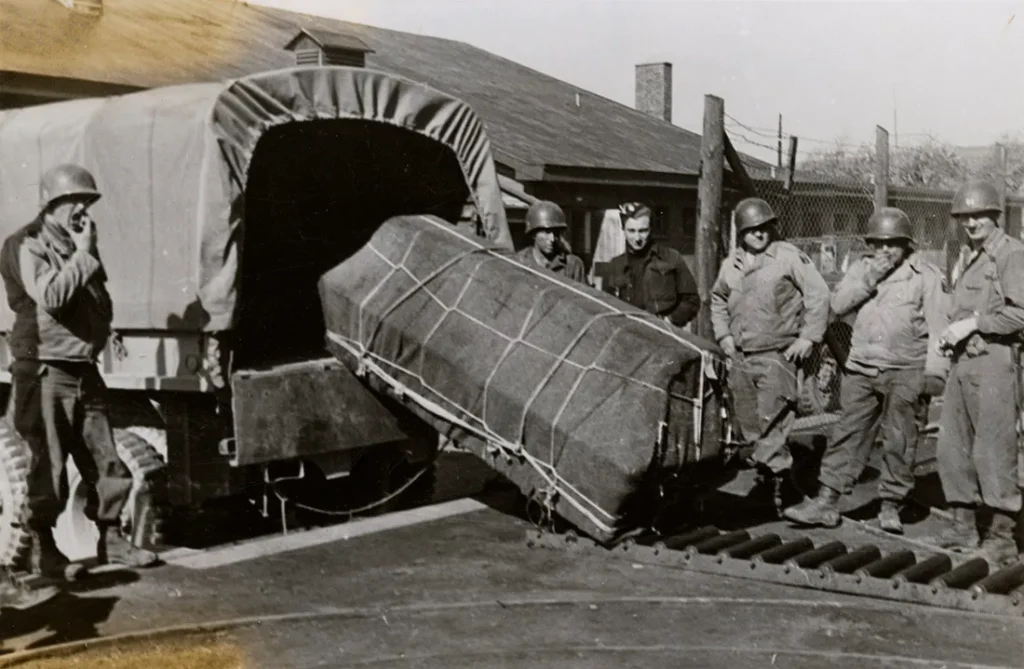
World War II saw large scale theft of private and public collections across Europe. After the war, Allied policy ordered returns and created archives of claims. Many objects were returned, but many remained in private hands. In later decades, families and states used new evidence to reopen claims. Museums responded by reviewing collections and publishing provenance research. These efforts led to high profile returns and to new standards for dealing with art seized during that period. The work continues because evidence keeps surfacing.
Nazi looting restitution and limitation periods
Nazi agencies seized, coerced, or forced sales of art from Jewish owners and occupied institutions. After 1945, Allied directives required return of identifiable objects. Later, statutes of limitation and proof problems delayed many claims. In the 1990s and 2000s, states adopted nonbinding principles that encouraged fair solutions even when legal deadlines had passed. Museums set up advisory panels to hear cases. Claimants now combine archival research with market records to show that an object left a collection due to persecution. When evidence is strong, institutions often agree to return or to reach a settlement.
UNESCO 1970 and UNIDROIT 1995
Two global instruments reshaped the market. The 1970 UNESCO Convention asks states to prevent illicit import and to help return stolen cultural property, and many countries use it to set import standards and to cooperate across borders (see the UNESCO 1970 text for the operative duties). The 1995 UNIDROIT Convention adds private law rules that help original owners or states recover stolen or illegally exported objects from good faith buyers. These tools make it harder to launder items through gaps in national law. They also give courts clear paths to order return.
What counts as loot in armed conflict today
Today, loot is any property taken in war in violation of international humanitarian law and domestic law. Lawful capture by a state still exists in narrow forms, such as seizure of enemy state military equipment. Private pillage is always a crime. Cultural property receives extra protection. The modern test asks three simple questions. Was the taking authorized by a responsible commander following clear rules. Was it recorded and reviewed. Was the property within a protected category that forbids capture. If any answer is no, the seizure is likely unlawful and the item is loot subject to return.
Military capture versus prohibited pillage
An army can capture enemy state war material and remove or destroy it to weaken the enemy. It cannot let soldiers take private items for themselves. It cannot strip homes or museums. Commanders must enforce these limits in real time. If they do not, courts can punish individuals and hold states responsible. The 1954 Hague Convention and later protocols strengthen these rules for cultural items and sit alongside the older Hague Regulations to bar pillage in all forms. The combination gives prosecutors and judges both general and special tools to decide cases.
Cultural objects and special protections
Cultural objects have a clear legal shield. Armies must avoid targeting them and must not remove them from occupied territory. If a commander must move items to save them, there are rules for recording and returning them. Museums that accept items removed in breach of these rules risk civil suits, criminal charges, and public sanctions. When an object turns up in trade, the lack of export permits and the presence of conflict red flags often point to a finding of loot. That finding triggers seizures and returns even years later.
How courts and museums decide modern cases
Courts and museums start with documents. They look for orders, receipts, export permits, shipping records, and photographs. They also check whether the item comes from a conflict zone or from a country with strict patrimony laws. The goal is to reconstruct ownership and movement. If a gap appears during a risky period, the item faces a presumption of taint. Good provenance that spans those years helps rebut that presumption. Weak or invented stories do not. Institutions now publish provenance research to invite scrutiny and to resolve doubts before cases reach court.
Provenance burden of proof and good faith
Provenance is the documented history of an object. The burden of proof shifts by jurisdiction, but buyers and museums now expect to show where an object was during key years. Good faith means the buyer did not know and could not reasonably have known that the item was stolen or illegally exported. Even with good faith, courts can order return if the source state proves ownership at the time of theft or if import laws were broken. That rule pushes buyers to demand clear paperwork. It also rewards sellers who maintain records and avoid risky sources.
Remedies return compensation and settlements
When an item is found to be loot, the main remedy is return to the owner or source state. Sometimes courts order compensation instead of return when return is impossible. Often the parties settle. A museum may keep the item on loan while recognizing the source state as owner. A collector may donate the item to a public institution as part of a settlement. These outcomes aim to balance fairness, public access, and the need to deter future trafficking. The pattern across cases shows that clear documentation at the time of capture or export is the best protection against disputes decades later.
Frequently Asked Questions
What is the difference between war booty and loot?
War booty is enemy property taken under lawful authority and recorded by the state. Loot is property taken in violation of the rules that govern capture, such as private pillage or illegal export.
Do modern armies still distribute spoils to soldiers?
No. Modern codes ban private spoils. Armies may seize enemy state equipment, but soldiers do not receive personal shares.
Are museum objects from old wars always legal to keep?
Not always. If the object was taken in breach of then binding rules or later laws that apply to import and ownership, it can still be subject to claims and return.
How does provenance affect a case?
Strong provenance that covers risky years supports lawful ownership. Gaps during wars or periods of heavy looting raise red flags and can shift the burden toward return.
Can neutral countries block looted goods today?
Yes. Import bans and customs controls allow neutral states to seize cultural property that lacks paperwork or comes from sanctioned zones.
What counts as cultural property under modern rules?
It includes objects of religion, history, art, science, or education such as monuments, museums, libraries, archives, and their collections.
Do the Hague Regulations still matter?
Yes. They remain a core source on property in war and sit alongside later cultural property treaties.
If an item was bought in good faith, can it still be returned?
Yes. Many systems order return even to an innocent buyer if the source state proves theft or illegal export at the time of loss.
What should a museum do when a claim arrives?
It should freeze any transfer, review provenance, share records, and seek a fair solution that respects evidence and law.
Further reading
- UNESCO 1954 Hague Convention basic text — Clear primary source on cultural property protection in war with the core definitions and duties. https://en.unesco.org/sites/default/files/1954_Convention_EN_2020.pdf
- Yale Avalon Project Lieber Code — Full text of the 1863 code that shaped later rules on pillage, requisition, and occupation. https://avalon.law.yale.edu/19th_century/lieber.asp
- UNESCO 1970 Convention text — Treaty text that frames modern cooperation against illicit import and export of cultural property. https://www.unesco.org/en/legal-affairs/convention-means-prohibiting-and-preventing-illicit-import-export-and-transfer-ownership-cultural