

Latest Articles
Fresh entries from across the site, presented with a clear lead story and supporting reads.

Fenrir and Gleipnir: The Chain That Bound the Wolf
What the Poetic Edda and Prose Edda say about the binding of Fenrir, what Gleipnir was made from, and what Tyr’s sacrifice meant in…

Hestia: The Quiet Power of the Greek Hearth
What the ancient Greek cult of Hestia involved, how the sacred hearth functioned in the home and the prytaneion, and why she received offerings…

Gilgamesh Tablet XII: Mesopotamia’s Underworld
What Tablet XII of the Epic of Gilgamesh says about the Mesopotamian underworld, the lost pukku and mekkû, and why Enkidu did not return.
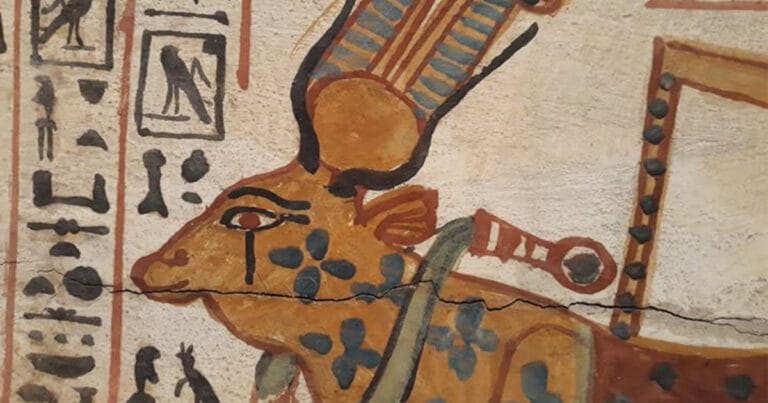
Hathor: Egypt’s Goddess Who Nearly Destroyed Mankind
Hathor nearly destroyed mankind in the Book of the Heavenly Cow. The myth reveals how Egyptian religion imagined divine rage and survival.

Útgarða-Loki: How Illusion Made Thor Look Weak
What the Gylfaginning of the Prose Edda says about Útgarða-Loki, why the contests were unwinnable, and what this reveals about Norse cosmology.
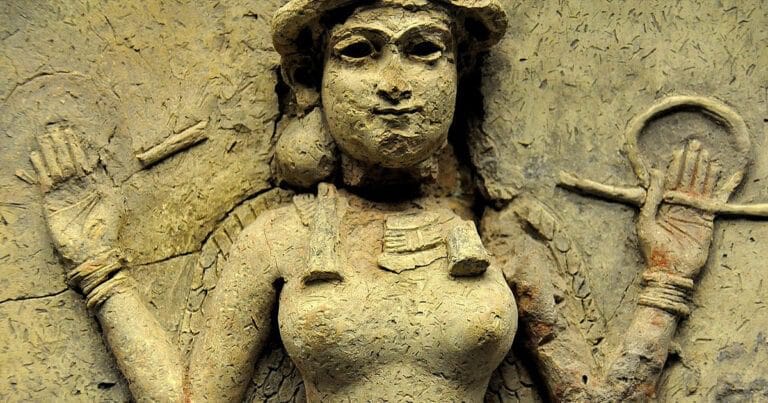
Nergal and Ereshkigal: Mesopotamia’s Gods of Death
What the cuneiform tablets of Amarna and Sultantepe say about the Mesopotamian god of plague and the queen of the underworld.

Did Neanderthals Use Medicinal Plants?
Dental calculus from El Sidrón and Shanidar has produced molecular evidence that Neanderthals selected plants for medicinal rather than nutritional value.
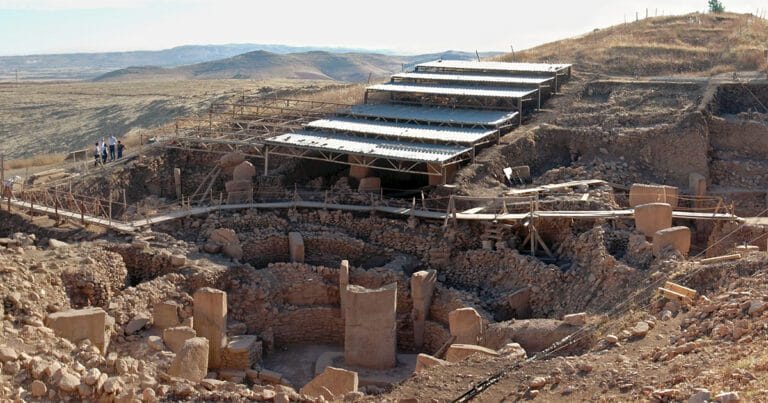
Göbekli Tepe: What Biomolecular Science Reveals
New residue analyses, zooarchaeological peptide work, and sediment chemistry at Göbekli Tepe are testing older ideas about ritual, feasting, and daily life at the…
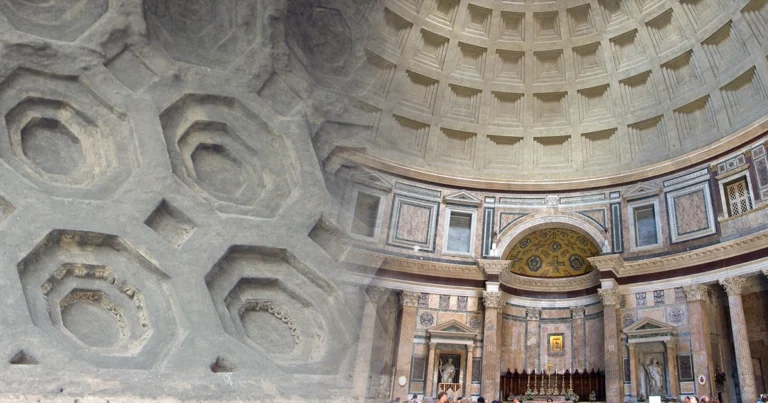
Roman Concrete: Why It Still Stands After 2,000 Years
What Roman engineers knew about volcanic ash, hot mixing, and seawater chemistry that modern builders are only now beginning to understand.

An Etruscan Tomb Survived 2,500 Years Unlooted
An Etruscan Tomb Survived 2,500 Years Unlooted an undisturbed Etruscan chamber tomb sealed since the 7th century BCE, with bronze mirrors, amber jewellery, and…
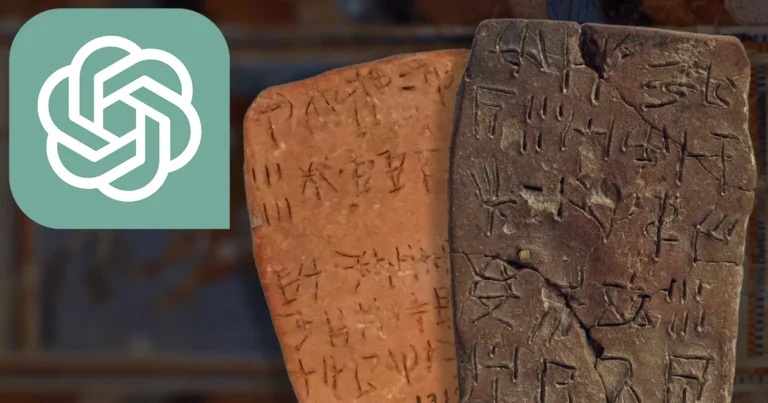
Can AI Crack the Minoan Linear A Script?
Linear A remains one of the ancient world’s undeciphered scripts. AI may help scholars test patterns in the language of Minoan Crete.

Apkallu: Mesopotamia’s Bird-Headed Sages Before the Flood
Who the Mesopotamian apkallu were, what they taught, why Assyrian kings buried their clay figures under palace floors, and what became of them after…