

Latest Articles
Fresh entries from across the site, presented with a clear lead story and supporting reads.
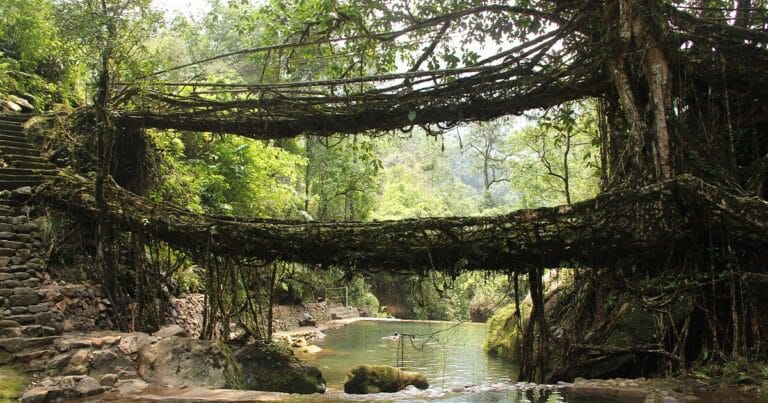
Meghalaya’s Living Root Bridges: Engineering With Trees
Grown over decades from Ficus elastica by the Khasi and Jaintia peoples, Meghalaya’s living root bridges are among the world’s most extraordinary examples of…

Neo-Assyrian Propaganda: Terror as Imperial Policy
Neo-Assyrian Propaganda the Neo-Assyrian Empire turned stone reliefs, clay prisms, and palace architecture into a system of imperial control that made fear itself an.

Hannibal’s War Elephants: What Rome Feared Most
Carthage used a now-extinct North African elephant subspecies. This shows what the sources reveal about how Hannibal trained, deployed, and lost them.

Teutoburg Forest: The Ambush Rome Never Recovered From
In September 9 CE, three Roman legions walked into a corridor of bog and wooded hills near Kalkriese and were destroyed over three days.

Chinese Magic Mirrors: Hidden Images in Han Bronze
Han dynasty bronze mirrors can project patterns onto a wall in reflected light. Ancient craftsmen achieved this through differential polishing of the face.

The Parthenon Was Not White: Ancient Athens in Color
The Parthenon was not plain white marble in antiquity. Traces of pigment reveal a brightly colored temple at the center of ancient Athens.

Erotic Art in Pompeii: What Romans Really Saw
Erotic imagery was everywhere in Pompeii, from doorways and bakeries to the House of the Vettii and the Lupanar, and it served purposes far…

Fayum Mummy Portraits: Faces That Still Look Alive
The Fayum mummy portraits are panel paintings from Roman Egypt, made in encaustic and tempera between the first and third centuries CE and placed…
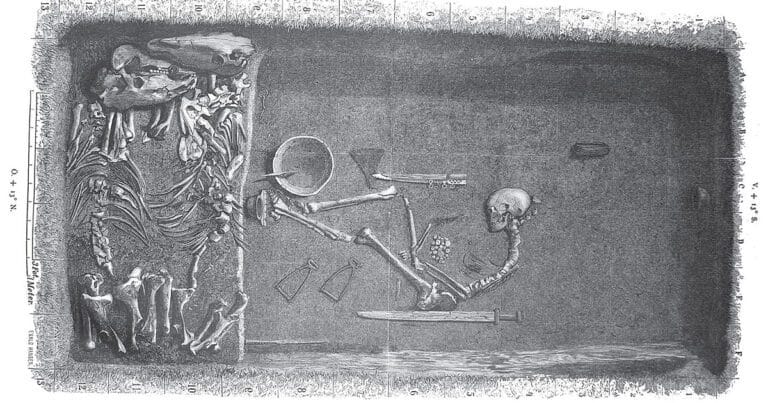
Birka Grave Bj 581: The Viking Warrior Woman
DNA proves the Viking warrior woman of Birka grave Bj 581 was female. Weapons, horses, and context reveal how one burial reshaped Viking Age…

Lost Maya City Revealed in Guatemala by LiDAR
LiDAR surveys in Guatemala’s Mirador-Calakmul Karst Basin have brought a complete city plan into focus—triadic pyramids, sacbeob and waterworks—showing how early Maya.
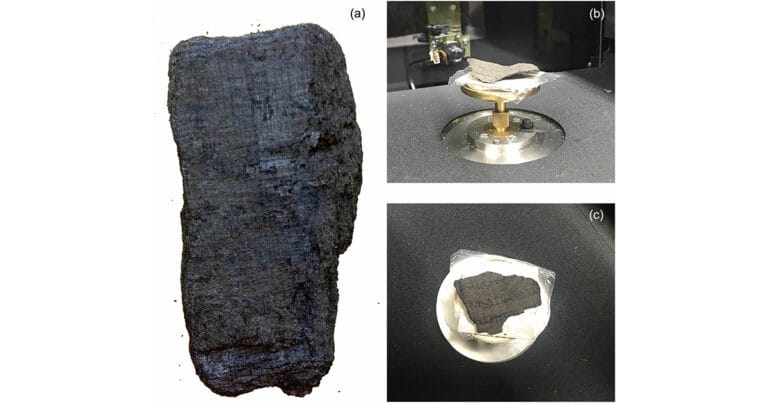
Herculaneum Scrolls: How AI Reads the Unreadable
The Herculaneum scrolls were carbonized by Vesuvius in 79 CE. CT imaging and machine learning are now recovering the Greek text hidden inside them.

Tyr vs Ares: Two Very Different Gods of War
Tyr sacrificed his hand for law; Zeus called Ares most hateful among the Olympians. Norse and Greek war gods reveal two deeply different ancient…