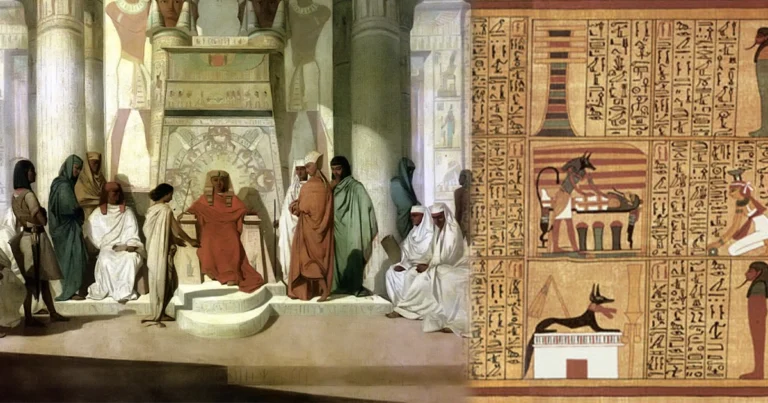

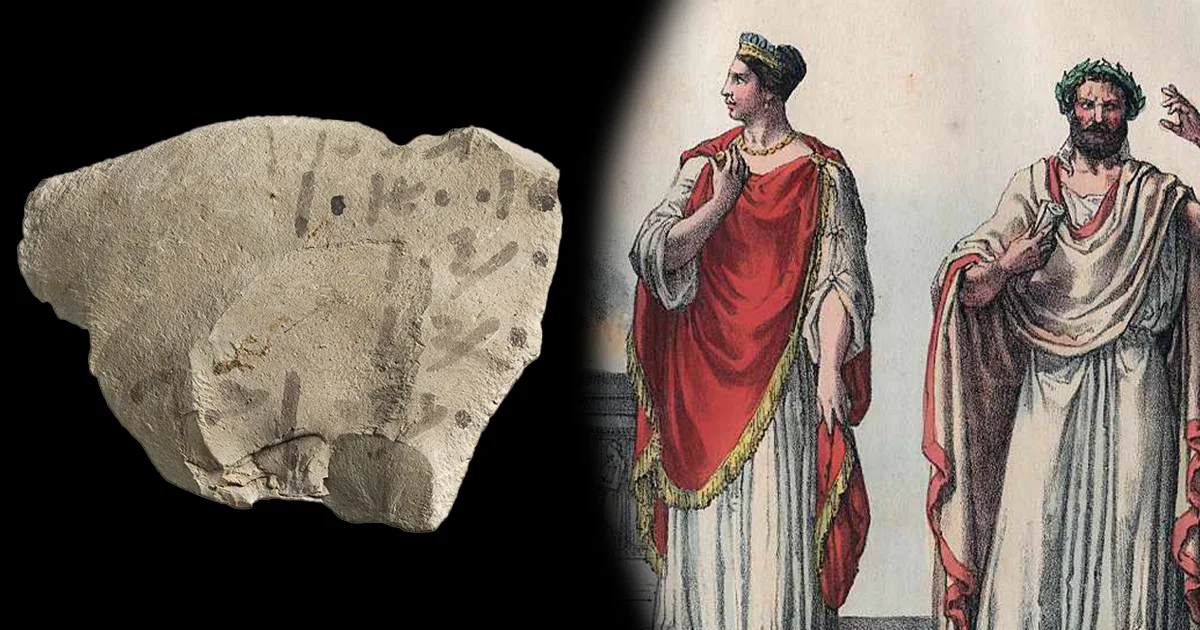
The paper trail of ancient religion survives in ink and clay. Priests, treasurers, and scribes left accounts on ostraca, papyri, stone steles, and cuneiform tablets: what was bought, who was paid, how much oil was burned, how many loaves were baked, which animals were sacrificed, and how the leftovers were divided. These receipts and budgets look dry at first glance, yet they sketch a vivid week in a temple’s year: the noise of musicians, the heavy steps of porters under a divine barque, the smell of frankincense and roasting meat, and the steady hand of a scribe totaling columns at dusk.
This article follows a single festival week from the bookkeeper’s side, built from documents across the ancient Mediterranean and Near East. Egyptian hieratic accounts from Deir el-Bahri and Deir el-Medina show daily tallies of rations and payments. Athenian sacrificial calendars from Attica note prices and prescriptions for victims. Mesopotamian ration tablets list beer and bread for priests and messengers. Together, they let us reconstruct what a priest needed to fund, day by day, to carry a festival from preparation to cleanup.
What the sources actually preserve
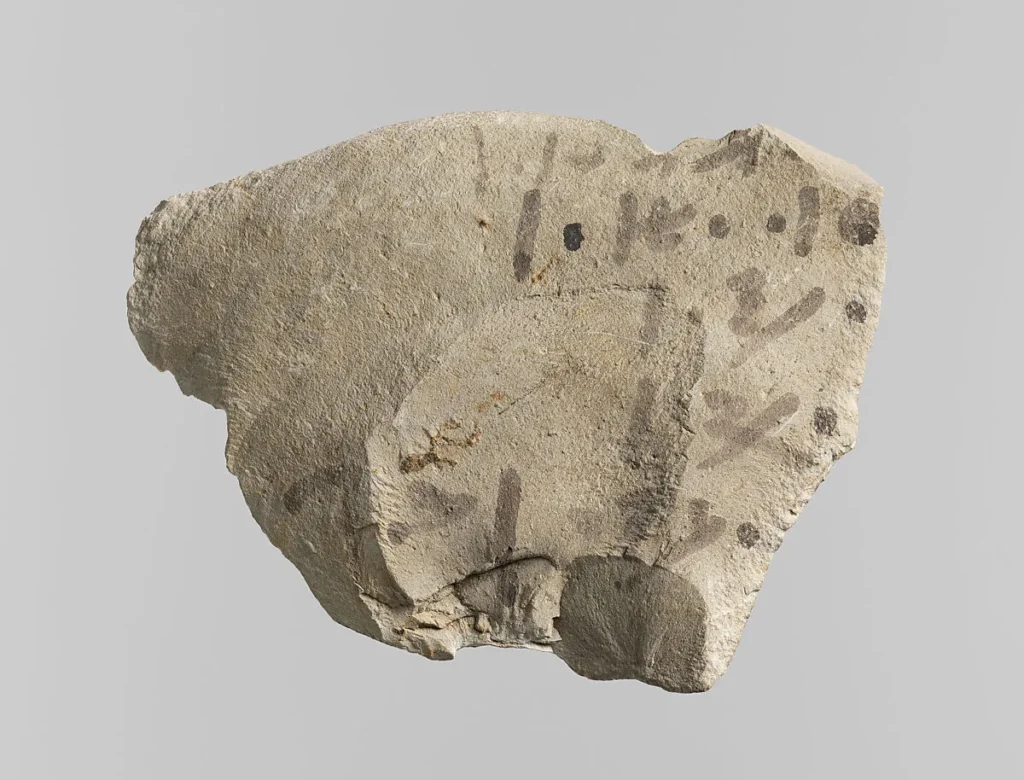
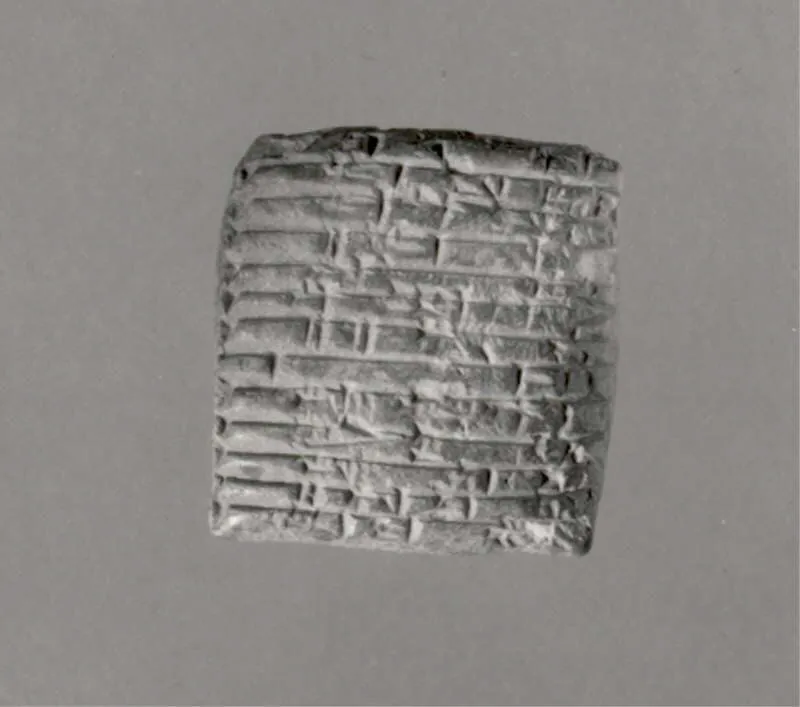
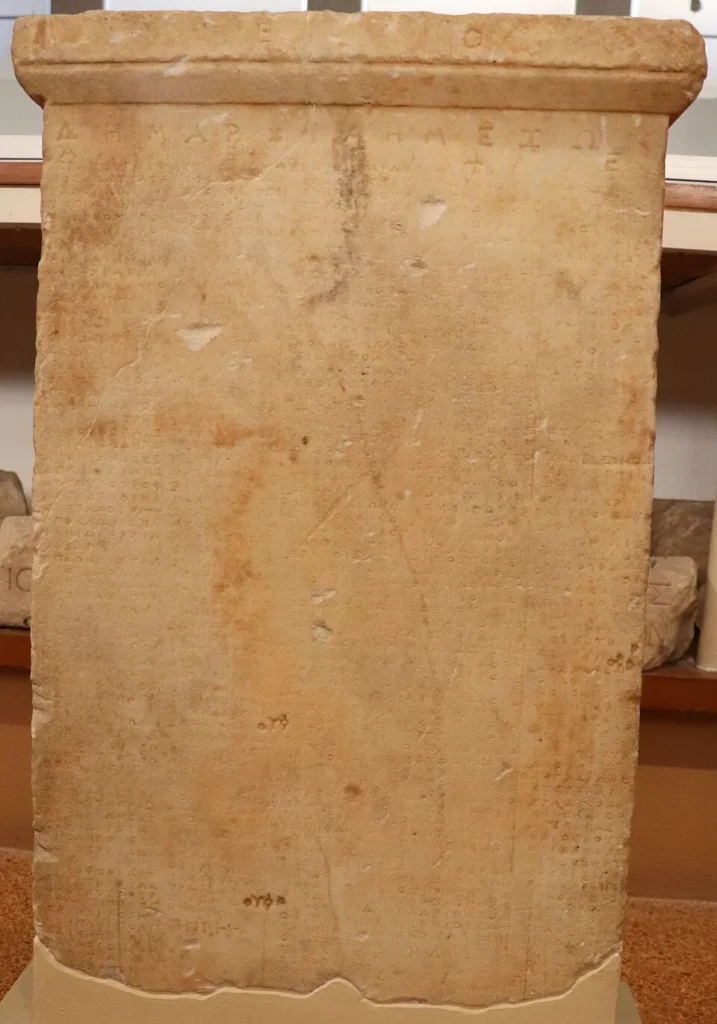
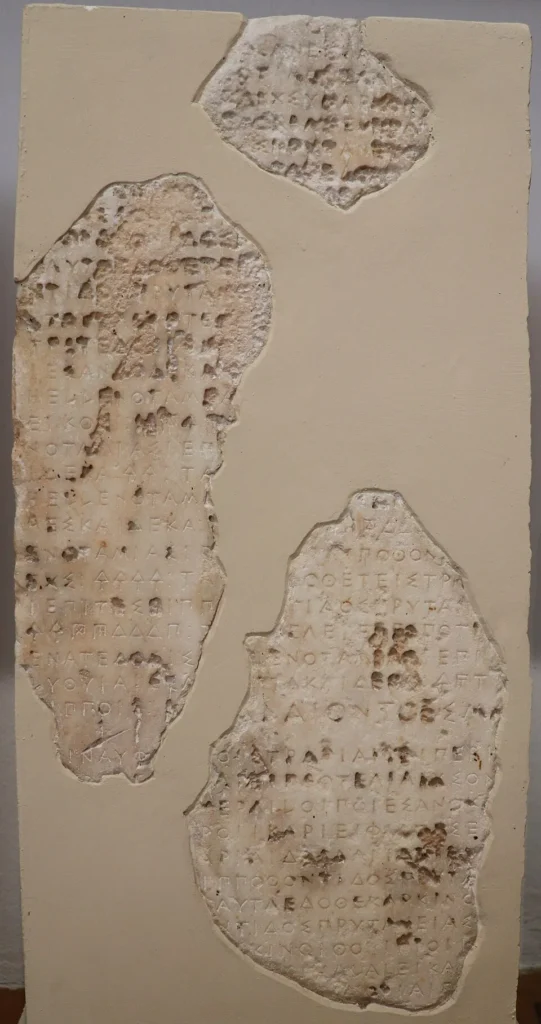
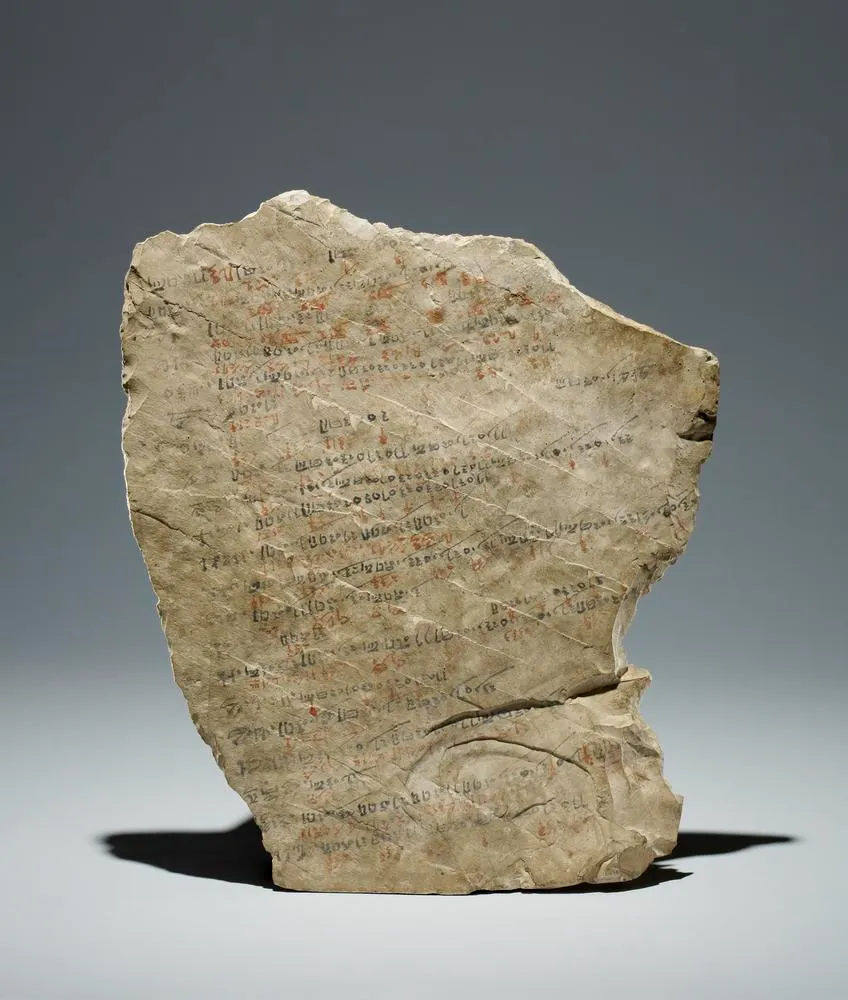
Ancient accounting was done on the cheapest durable surface at hand. Egyptian temple workers favored ostraca, flakes of limestone or pottery, written in hieratic, which is a cursive script derived from hieroglyphs. Many of these sheets preserve “accounts,” a word that covers rations issued to named workers, payments of oil to lamp tenders, lists of bread for a specific day, and notes of who supplied what. Greek city cults carved laws and calendars in stone, which gives us sacrificial lists and, at times, price ceilings for animals and ingredients. In Mesopotamia, temple offices recorded grain, oil, beer, and meat by the vessel or liter on clay tablets.
None of these documents tells a complete story on its own. An ostracon might show only one purchase of myrrh and three jars of oil, with no context. A sacrificial calendar sets what must be offered but says nothing about the porter’s wage. A ration tablet tracks what left the storehouse, not what it cost to fill it. Yet placed side by side, the categories repeat: fuel, light, incense, textiles, animals, food for workers and guests, transport, music, decoration, purification, and the inevitable fees for scribes and guards. This is the backbone of a priest’s expense list.
The week before the week: provisioning and permissions
A festival did not begin with the first hymn. It began with procurement. A priest who knew his season would already have certain supplies on hand. Others had to be purchased close to the date, both for freshness and because cash flow was limited.
Incense and aromatics. Egyptian and Greek rituals burned resin. Frankincense and myrrh had to be imported, and even when kept in temple stores, invoices for replenishment recur. Priests also used kyphi, a perfume compound of wine, honey, raisins, resin, and spices. These were high-margin items. A small weight of resin scented many hours of offerings, so the line items look small, the effect large.
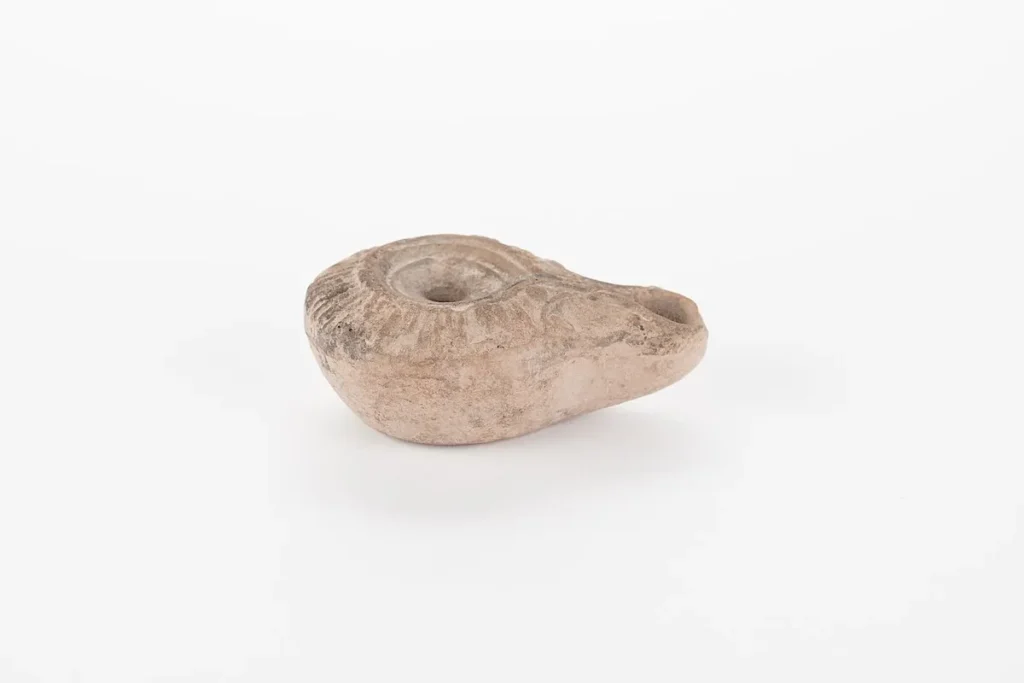
Lamp oil and wicks. Festivals extended into evening. Lamps were inexpensive individually, yet oil added up. Accounts often specify oil by the kotyle, a Greek liquid measure of roughly a quarter liter, or in larger jars by the choeus, about three liters. In Roman Egypt the artaba, roughly 38 to 40 liters, appears as a bulk unit for grain and sometimes oil. A priest balancing light against cost could open only certain halls at night, concentrating visitors where lamps glowed.
Fuel for ovens and altars. Wood and charcoal fed both kitchens and altars. In Egypt, acacia and imported cedar appear in texts for carpentry as well as fuel. A Greek inscription might reckon wood by bundles. Fuel lines in accounts sometimes sit next to fees to the butchers: if you roast a bull, you pay both the man who cuts it and the man who fires the hearth.
Textiles and linen. Priests needed clean linen for themselves and for statues. Egyptian papyri mention bolts delivered for wrapping, veils, or banners. A Roman Egyptian receipt even records linen contributed for the funeral rites of a sacred bull. These are not luxuries. They are ritual equipment, washed and laundered, then replaced when stained by resin and smoke.
Permissions and taxes. In Ptolemaic and Roman Egypt, temples kept books not only for offerings, but also for taxes tied to trades or for rentals of stalls during festivals. Budgets divide receipts from expenditures. Some sums flow straight back out to the authorities. A priest’s week balanced coin and kind, public money and sacred goods.
A realistic setting: a provincial temple town
To keep the story concrete, imagine a temple town in Roman Egypt’s Fayum: a canal, palm groves, a mud-brick quay, a precinct with gate and kiosk, and an inner stone temple. The god’s small barque waits in the sanctuary, gilded prow and stern, carried by trained bearers. The festival falls at the start of the harvest season when dates are sweet, when the water level is high. The priest in charge is not rich. He has to show his colleagues and the village elders that what he spends is necessary and recorded. He will lean on existing stores when possible and buy locally when he can, because transport is expensive.
We will walk through seven days of expenses, noting typical items and the kinds of figures that survive in inscriptions, ostraca, and tablets. Specific numbers vary by place and era. The categories and the relationships between them do not.
Day 1: Cleaning, purifying, and setting the stage
Ritual purity starts with soap and water. The temple’s outer courts are swept. The inner halls are washed with natron and water. Porters bring jars from the river, and someone pays the water carriers. You see at least three entries appear on a priest’s sheet:
- Natron and washing supplies. One line for natron by the basket or jar, one line for a scrub brush or broom replacement.
- Porters’ hire. A half day’s wage each for the men who carry water jars and move benches.
- Linen for veils and cloths. New cloth is cut for the god’s garments, old cloths assigned to cleaning.
A scribe prepares his own supplies: reed pens, a little soot ink, a wax tablet for quick notes, then a clean ostracon for a neat copy. The priest signs off or seals the sheet at day’s end.
Lighting plan. The head attendant calculates lamps per hall and hours open. If the great hypostyle is opened for visitors in the evening, the oil line must swell. If not, the plan focuses on a forecourt. Accounts do not record plans, yet the pattern of oil disbursements reveals strategy. It is cheaper to concentrate a crowd than to light every space.
Day 2: Food for workers, guards, and guests
A festival uses people: bearers, musicians, guards, bakers, and cleaners. Many are on rations rather than cash. The basic ration pair across cultures was bread and beer. In Greece and Syria wine is more common than beer, yet even there, accounts show loaves, cakes, and drink issued in measured amounts.
- Bread and grain. Flour is measured by the artaba in Roman Egypt, by the medimnos in Attica. A temple can issue flour to bakers or buy finished loaves. Special sweet breads for offerings, the pelanoi, get their own line, along with honey.
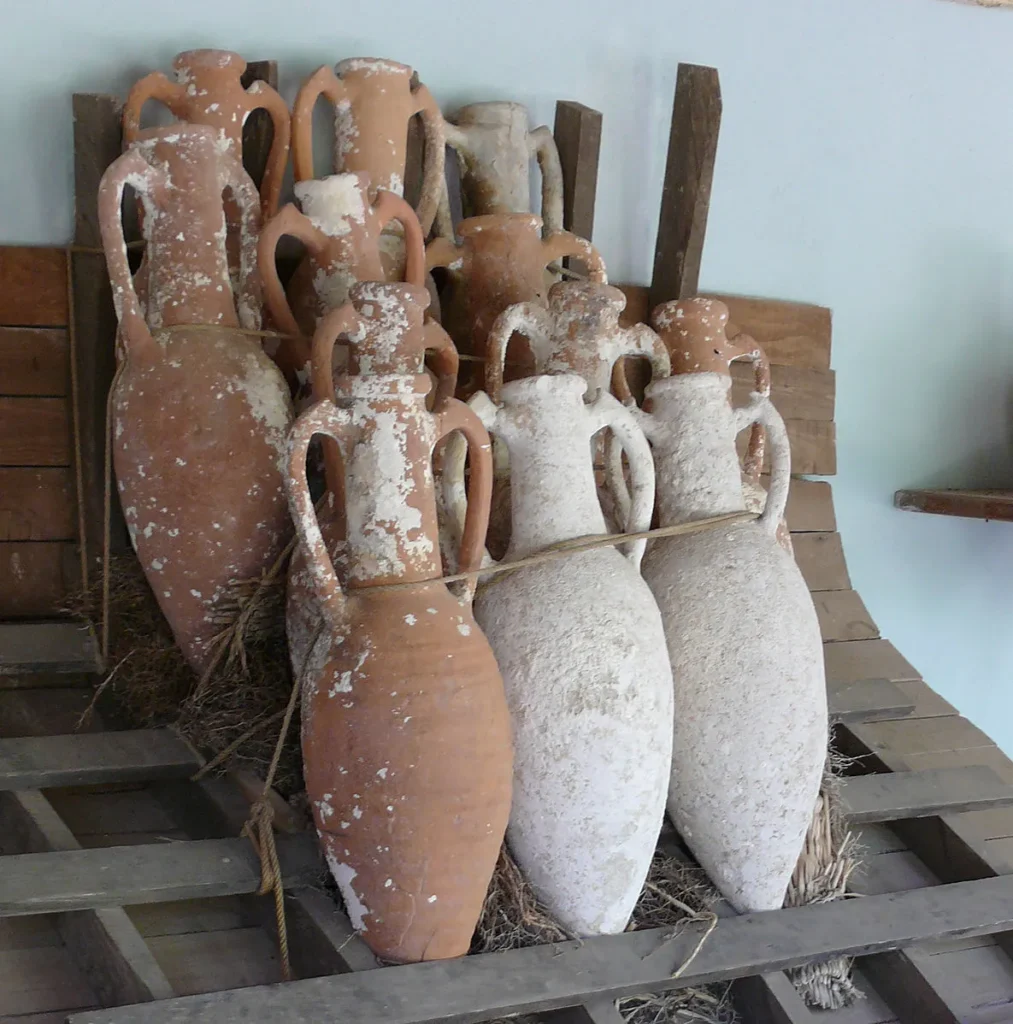
- Beer or wine. Beer rations appear by the jar in Egypt and Mesopotamia. Wine comes by the amphora or by smaller jars. Even if the congregation brings some offerings, the temple still covers the staff.
- Dates, figs, and onions. Fruits and aromatic vegetables surface in ration tablets for messengers and priests. They also keep work crews content.
- Meat trimmings. During a festival, sacrificial meat is reserved for distribution after sacrifice, not as rations. The cooks’ trimmings and heads may be allocated to workers. This is accounted for, because every edible cut is someone’s due.
A well-run priesthood knows that rations are as important to goodwill as pay. A craftsman who receives his loaf on time sings a louder hymn.
Day 3: Animals, their prices, and their handlers
Priests did not set animal prices by whim. City councils and temple boards codified what should be offered and at times what it should cost. A sacrifice calendar from Attica lists victims for specific days and notes sums beside them. In many cases a sheep is priced lower than a ram, and a lamb lower than a full-grown animal. Oxen are expensive. A single ox could cost dozens of drachmas, enough to equal many days’ wages for several workers. Sheep and goats sit in the mid range, while birds and piglets fill the lower tier.
A priest’s shopping list for Day 3 rests on three realities:
- Prescribed victims. The calendar may require “one ram without blemish” or “one black lamb.” That limits choice and affects price.
- Availability and transport. If no ox is available locally, hiring a drover or cart from the next village adds a line to the list.
- Handling and butchering. There are fees for the men who restrain, for the priestly assistants who manage the blood and viscera, and for the butchers who divide cuts fairly.
The biggest costs are predictable and public: the animals themselves. The small costs are many and easy to miss: rope, water buckets, and the wicket fence that keeps the crowd away from the altar while the victim is consecrated.
Built out of a love for history, kept free from distractions.
Spoken Past is an independent project shaped by curiosity, care, and long hours of research. Reader support helps keep it maintained, carefully researched, and open to everyone.
Day 4: Incense, fire, and the rhythm of offerings
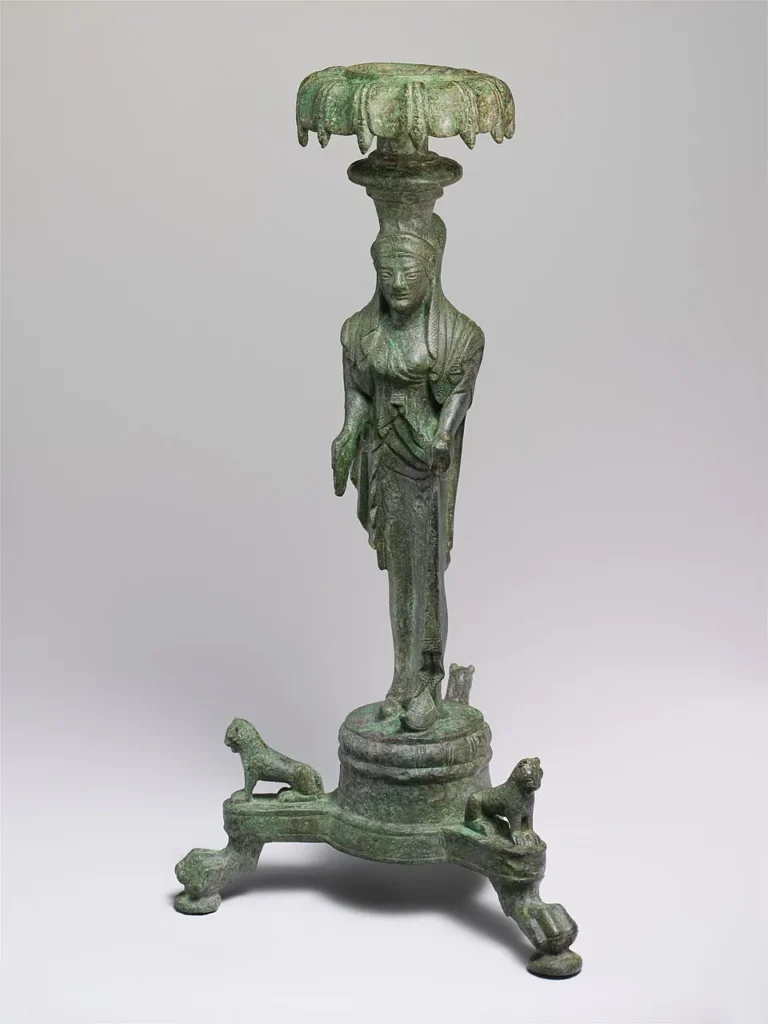
Incense is the steady tick of a festival. Priests burned resin at the morning incense, during the main sacrifice, and when the god’s statue was revealed. A thymiaterion, a bronze incense burner, appears often in Greek and Roman art. The entries for Day 4 look modest in coin. They carry heavy ritual weight.
- Frankincense and myrrh by weight. Small parcels recorded by the stater, deben, or drachma weight, depending on the system.
- Charcoal for brazier. A bag or basket per day.
- Perfumed oils. Myrrh in oil used during a statue’s morning toilette and for anointing doorposts, a practice seen in temple texts and mirrored in household religion.
The priest’s job is to make the burn steady, not flashy. A slow release of fragrance conveys order and care. A bill that shows spikes for resin at the beginning and end of each day tells us the ritual rhythm.
Day 5: Procession day
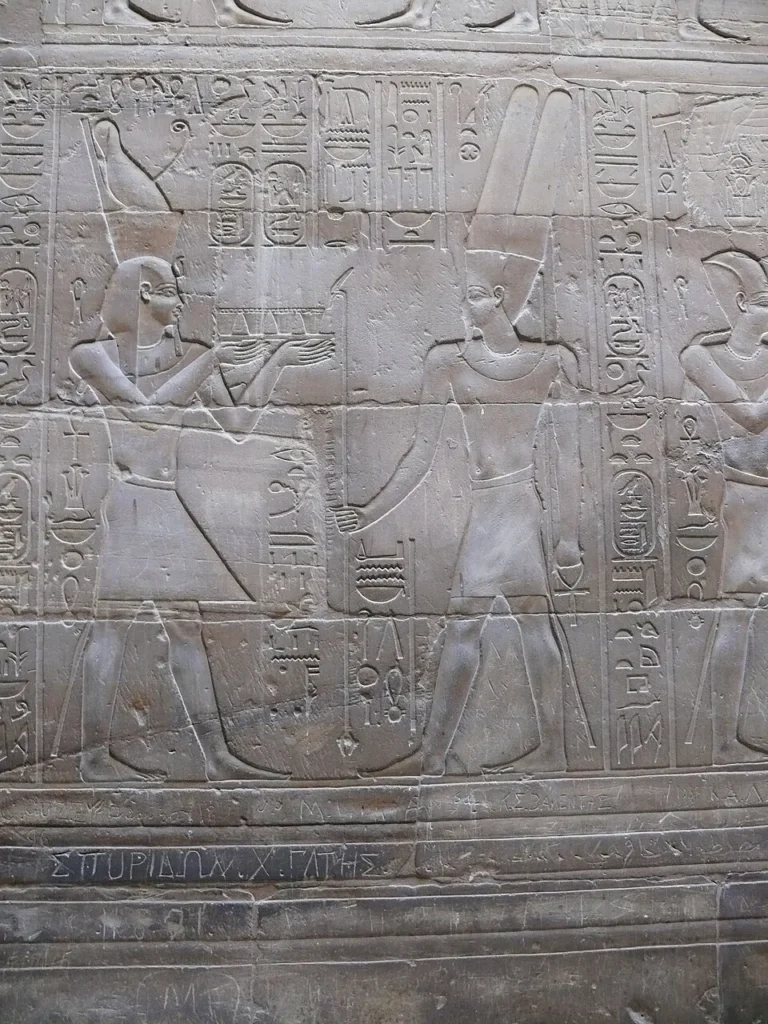
Most festivals had a day when the god left the sanctuary. Egyptian processions carried a divine barque, a gilded boat resting on poles, borne by trained men who move in unison. Greek festivals such as the Panathenaia moved textiles and altars along city streets. Procession days combine practical expenses with public theater.
- Barque bearers or pole bearers. Fees or rations for a trained team that can carry a heavy shrine safely.
- Musicians. Sistrum players in Egypt, aulos players in Greece, drummers and singers elsewhere. Their fees are not trivial. Skilled musicians expect payment, and they add dignity.
- Garlands and wreaths. Myrtle, ivy, and laurel garlands decorate statues and doorways. Prices swing with the season.
- Crowd management. Extra guards for gates and corners, sometimes borrowed from civic authorities.
- Route preparation. Watering dusty ground, whitewashing an arch near the gate, or repairing a stair. These appear as small one-off lines in accounts.
The public sees color and hears music. The book shows costs that keep that color moving: cords to pull a cart, nails for a wobbly wheel, and a jar of water for the barque team at the midpoint rest.
Day 6: Votives, textiles for the god, and offerings in kind
Not all festival goods came from the temple’s purse. Donors brought jars of wine, small loaves, and little metal figurines. The temple still recorded intake and sometimes gave receipts, especially when the gift was a textile for the god’s statue. At the same time the priest must buy or prepare what the calendar demands.
- Textiles and veils. A linen dress for the goddess, a sash for the god, or a new veil for the naos door. An Egyptian receipt exists for linen delivered for a sacred bull’s rites.
- Votive figurines and plaques. If a donor pays a craftsman to make a bronze hand or clay plaque, the temple might record the delivery.
- Honey and cakes. Sweet cakes for a particular god show up as separate lines. Honey is always dear.
- Wine for libation. Even when many bring jars, the temple ensures minimum stock so a libation never runs dry.
One reason accounts feel rich is that they balance the god’s honor with human limits. A festival is not a blank check. Even when donors are generous, the priest tops up and covers gaps.
Day 7: Sacrifice, distribution, and fees
On major days, a temple might offer several animals. The priest must ensure victims are healthy and acceptable. After the kill, the animal is butchered. The thighbone wrapped in fat or the visceral portions go to the gods by fire. The rest is cooked for distribution to priests, donors, and sometimes the poor. The ancient sources are precise about shares, even when they differ between communities.
The priest’s sheet for Day 7 shows:
- Victim costs. Already recorded when purchased, repeated here to link to the distribution.
- Butchers’ fees and cooks’ fuel. A fee by the head, plus wood by the bundle.
- Salt and herbs. A small, regular outlay that reflects the scale of cooking.
- Portions issued. Accounts sometimes list cuts by recipient class: priests, benefactors, workmen.
- Cleaning and repair. A broken knife is replaced, an altar stone is scrubbed and re-chalked, a cracked libation bowl is swapped.
By the week’s end, the priest must close the ledger with both coin and kind accounted for. If the temple maintains a chest, a balance of silver and copper coin is recorded. If the temple runs a storehouse, jars are counted. The best accounts add a line of summary: how much went to ritual, how much to taxes, and whether a surplus or deficit will move to the next month.
Costs beneath the surface: transport, storage, loss
The visible items are only part of the bill. Several structural costs erode a festival budget in any culture.
Transport. Moving goods costs more than many readers expect. Amphorae are heavy even before they are filled. Carters charge by distance and load. Boat hire on canals and rivers appears as a line to move wine and wood. A priest minimizes this by leaning on local suppliers and spreading purchases across the week.
Storage and spoilage. Oil and wine keep well, bread and greens do not. Storehouses need guards, locks, and repairs. A lost jar or a broken seal is a direct hit to the balance sheet. Some accounts name the keeper to make responsibility clear.
Containers and replacements. Every festival ends with broken cups, chipped bowls, and cracked jars. Replacing them is a steady drain. Accounts track new purchases and write off losses.
Fees and taxes. In provincial towns under Greek or Roman rule, a portion of offerings is sometimes diverted to civic dues or to a royal tax. Priests confront the same issue every nonprofit faces today. Public duty and sacred duty collide on the page. The best accounts make the collision transparent.
What a line-by-line “priest’s expense list” might look like
To make the whole week visible, here is a composite list using ancient categories and units that appear in the record. The numbers below are indicative rather than universal, since prices and measures vary by city and century. The form mirrors what we see on ostraca, tablets, and steles: terse items grouped by purpose, then summed by a scribe at the end of the day.
Purification and setup
- Natron for washing: one basket
- New linen cloths for veils: eight cubits fine linen
- Brooms and brushes: two bundles
- Porters’ hire for water jars: two men, half day
Lighting and fuel
- Olive oil for lamps: two choes per evening
- Wicks: one bundle
- Charcoal for brazier: one sack
Incense and perfume
- Frankincense: quarter weight
- Myrrh: quarter weight
- Kyphi ingredients: wine, raisins, resin, honey, spices, as per recipe
Rations and hospitality
- Bread loaves for staff: daily count per worker
- Beer or wine: one jar per team, per shift
- Dates and figs: two baskets per day
- Onions and greens: one basket per day
Musicians and procession
- Aulos player: daily fee
- Sistrum players: two, daily fee
- Bearers for barque: eight men, one day plus rehearsal
- Wreaths and garlands: myrtle and laurel by the bundle
- Nails, rope, and cart repair: as needed
Animals and sacrifice
- One adult sheep for the third day sacrifice
- Two lambs for morning offerings
- One ox for the closing day
- Butchers’ fees by head
- Salt and herbs for cooking
- Wood bundles for roasting
Security and cleaning
- Gate guards: two men per night
- Chalk for altar stones
- Washing of floors after sacrifice: water and cloths
Scribes and small tools
- Reed pens and soot ink
- Wax tablet for day notes
- Copying of final account on a clean ostracon
Taxes and dues
- Royal or civic tax attached to festival or trade as required
At day’s end the scribe adds a short line: “Total expenditure for religious ceremonies,” distinct from taxes or gifts received. A neat final line closes the week.
What the documents teach beyond the numbers
Ritual is logistics. The most sacred days are also the most complex to stage. The strongest signal in the accounts is how much effort went to movement, light, and food, not only to victims. The priest operates as quartermaster and stage manager.
Community is the funding base. Donors appear in temple papers when they give textiles, pay for a victim, or cover a musician’s fee. Priests could not fund festivals alone. The community’s small gifts fill gaps, and priests keep careful track so reputation matches reality.
Precision sustains trust. Many accounts are brief and formulaic, yet the habit of writing everything down makes a difference. Attendance registers, ration lists, sacrificial calendars, and loan contracts together show a culture where a god’s honor is proven in columns.
Diversity in sameness. Greek, Egyptian, and Mesopotamian accounts use different scripts, measures, and religious language. The categories are the same. Fuel, light, food, animals, music, transport, and cleaning. A priest in any of these worlds would recognize the work of his peer abroad, even if he could not read the script.