Long distance travel in antiquity was slow, physical, and pragmatic. Most people moved on foot, by donkey, by mule, or by small coastal boats, and even the wealthy measured progress by daylight and weather. What went into a traveler’s pack reflected those limits: light but durable clothing, reliable food and water containers, basic tools for repairs and fire, items for writing and safe conduct, and small objects that anchored identity and piety far from home. Across the Mediterranean and Near East, from Classical Greece and Rome to Hellenistic Egypt and Parthian outposts, the essentials converged. The names and shapes varied, yet the logic of the kit did not. This guide lays out what an ancient traveler actually carried, why each item mattered, and how those choices changed with season, terrain, and purpose.
Packing Light, Packing Smart: How Ancient Travelers Planned
Travelers learned to think like pack animals: weight first, bulk second, water last, valuables concealed. The rule was simple, travel with what you can carry if separated from your animal or boat. A cloak doubled as bedding, a knife covered cutting and eating, and a small fire kit promised heat and cooked food anywhere there was fuel.
Choosing the Bag and Load
Greeks spoke of a pera, a traveler’s pouch, and Romans of a mantica or scrip, a simple shoulder bag of leather or tough cloth. Soldiers used heavier solutions. The legionary’s sarcina, a marching bundle hung on a forked pole, made a man his own mule. Civilians relied on a strap across the chest, with the bag resting high to avoid sweat and jostle, or else tied behind a saddle if riding. Art and texts agree that the light traveler kept the bag within reach, because a delayed ferry, a startled donkey, or a sudden downpour could separate a person from animal and cart. Experienced travelers separated small valuables from bulk stores: the purse under clothing, papers wrapped in oilcloth at the bottom of the bag, and food where a hand could reach it during a climb or river crossing.
Reading the Road
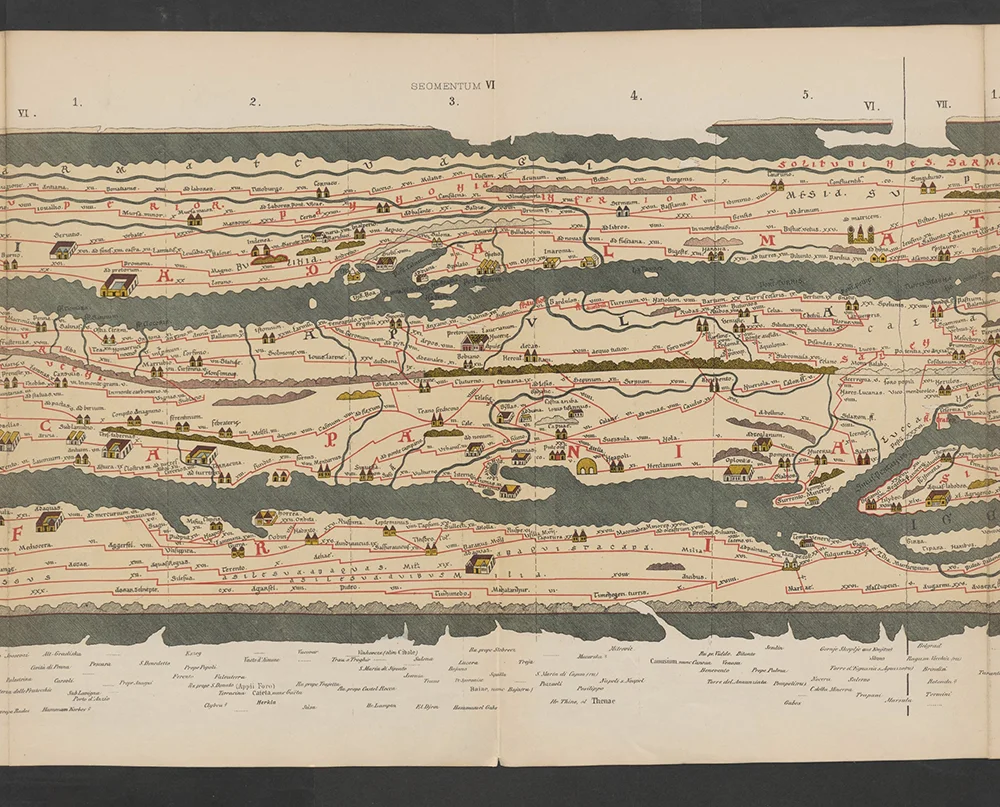
Ancient directions were not maps as modern readers expect. The Roman itinerarium listed places in order with distances in miles, often tied to way stations along main roads. The traveler moved from town to town, river to ford, shrine to shrine, and asked for the next landmark. This shaped the packing list. One packed for the stretch between reliable stops, with extra capacity only in winter or when crossing sparsely settled ground. A wax tablet and stylus, and later ink on papyrus or wooden leaf tablets, kept private notes on expenses, debts, and the names of trustworthy ferrymen.
Clothing That Worked: Cloaks, Shoes, and Seasonal Layers
Clothing was equipment, not fashion. It needed to block wind, shed rain, and survive abrasion. When a traveler crossed a mountain pass in autumn or rode in an open cart along a coastal road in spring, the difference between a dry cloak and a soaked tunic was the difference between a good night’s sleep and a fever.
The Cloak That Was Also a Blanket
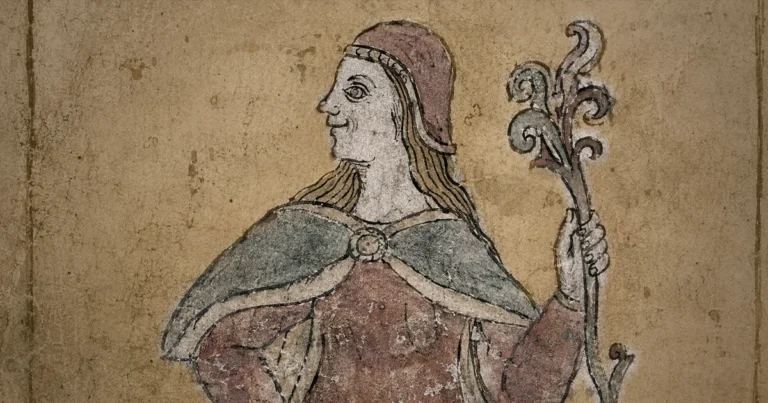
Romans favored the paenula, a heavy, poncho-like cloak with a head hole and sometimes a hood, cut from a single piece of dense wool. It shed rain well and trapped heat. The sagum, a thick rectangular cloak fastened with a brooch, served as a blanket at night. Greek travelers used similar wraps like the himation, and riders liked the shorter chlamys, which left the legs free. A good cloak made bedding redundant and cut the total pack weight. Travelers rolled the cloak tightly and tied it with cord when the sun climbed high, then unrolled it at dusk for warmth.
Footwear That Could Walk and Climb
Shoes had to grip dirt and stone. Roman soldiers wore caligae, sandals with thick leather soles studded with hobnails. Civilians and Greek travelers preferred various sandals or closed shoes with laces, but even those often used nailed soles to increase durability. A traveler kept an awl and spare laces to repair straps, because a broken sandal on hot paving stones could end a day early. In cold months, many wrapped feet in cloth or pulled on soft liners to keep blood moving in the toes.
Water and Food: What People Actually Ate and Drank on the Road
Calories came from what held up to heat and time: bread, cheese, dried fruit, nuts, and salted meat. The traveler thought in rations, not menus, and in containers, not plates.
Water Carried Safely
The classic container was the waterskin, a sealed animal skin bag with a wooden or bone stopper. Wineskins were similar, and a traveler often carried wine diluted with water, which kept better than water alone. Porous ceramic jugs worked, but they broke. Skins bent, tied to packs or saddles, and flexed with the load. A careful traveler tied the skin so the stopper pointed upward, then padded the neck with cloth to protect it from rubbing on stone, wood, or other gear.
Bread, Cheese, and the Hard Foods of the Road
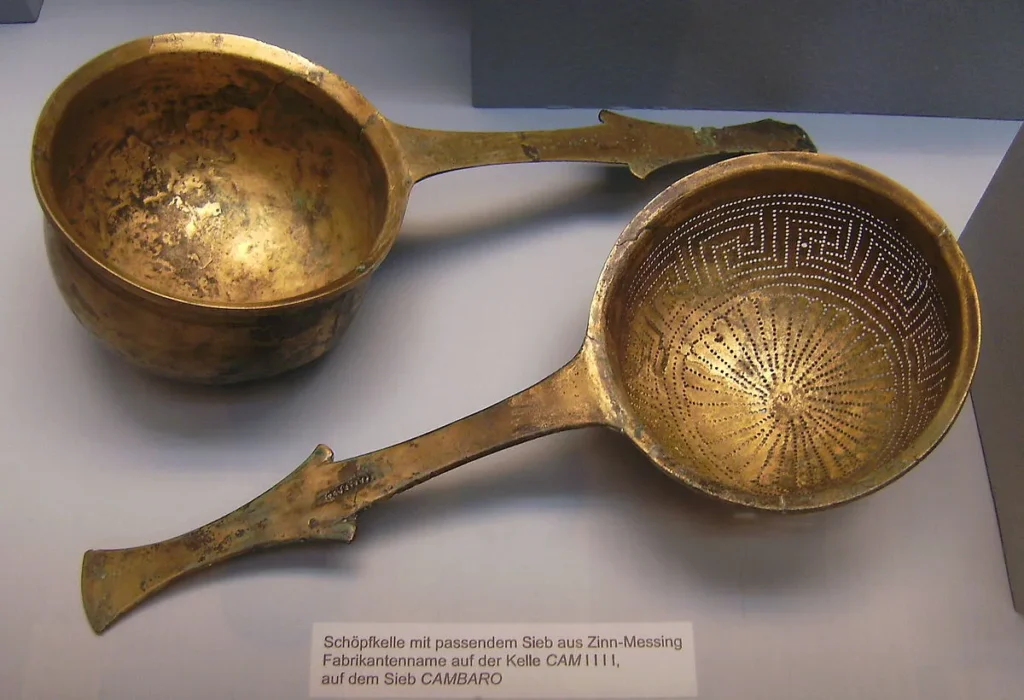
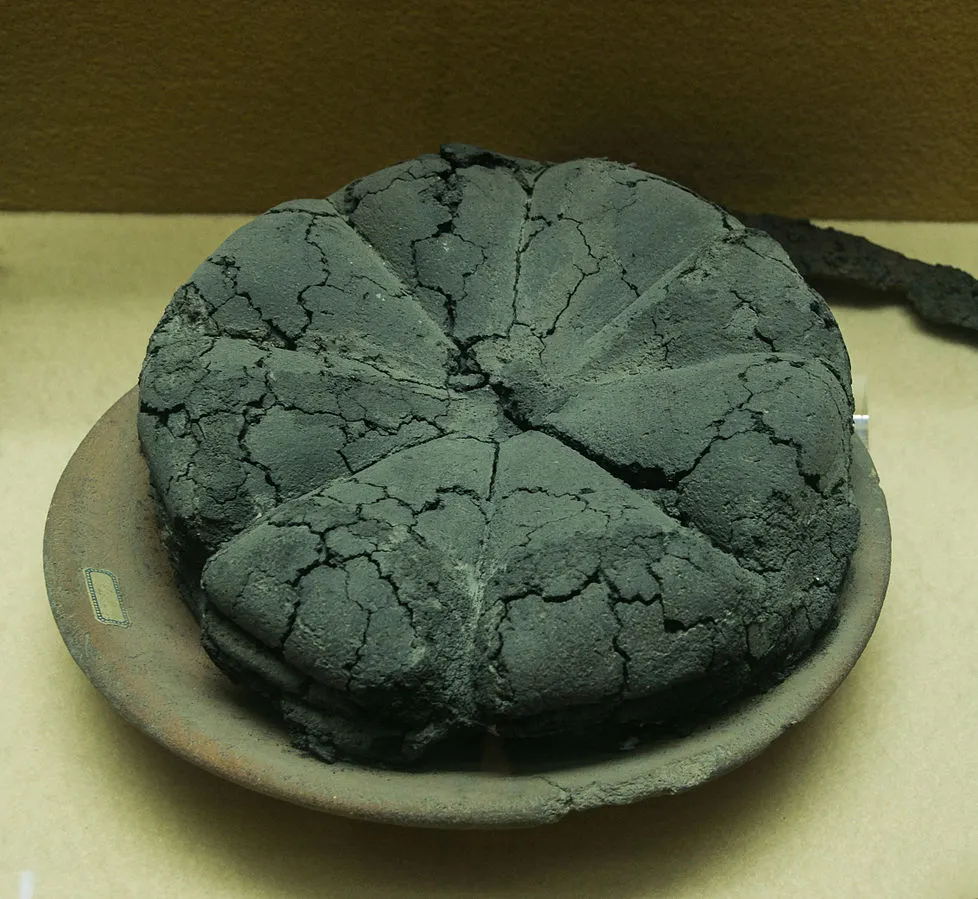
Travel bread was dense. Loaves from Pompeii show scored rounds baked to be broken by hand. The traveler packed loaves in cloth, with a small knife to slice wedges and scrape cheese. Sheep’s milk cheeses like pecorino kept long and traveled well. Salted olives, dried figs, and nuts added energy and minerals. Many boiled grain into a thick porridge at night, using a simple bronze pan to simmer grain with water and a drizzle of oil. The kit for this was minimal: a shallow pan, sometimes with a handle, and a small strainer or colander if a person wanted to rinse grain or lift pasta-like lumps from boiling water. A ladle or shallow bowl doubled as a cup.
Fire, Knives, and Small Tools: The Minimal Toolkit
If the cloak and the waterskin kept a traveler alive, the fire kit and knife made the journey comfortable and safe. Everything else followed.
Making Fire Under Stress
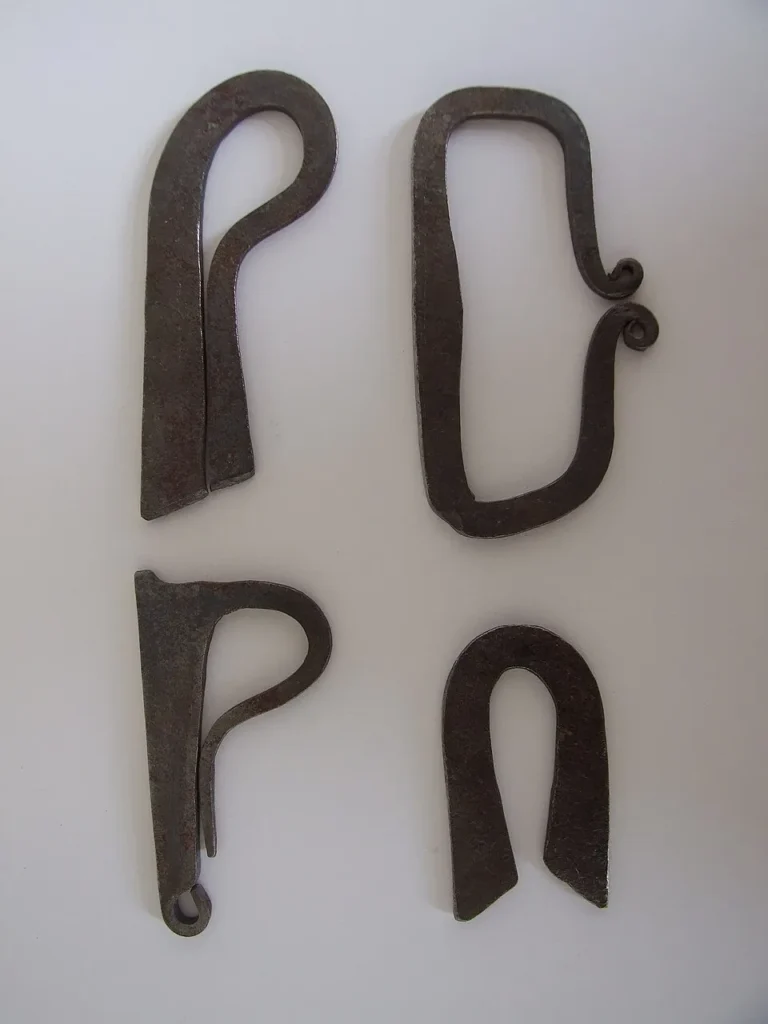
Before matches, fire meant sparks and tinder. A simple steel fire striker and a piece of flint sent sparks into dry plant fiber or fabric charred in advance. Many travelers carried a small tin or leather pouch with striker, flint, and tinder. In wet weather, a stray coal carried from a way station or inn could save time. A lamp burned oil and gave steady light with little fuel, which mattered on windy nights or in cramped corners.
Knives and Everyday Repairs
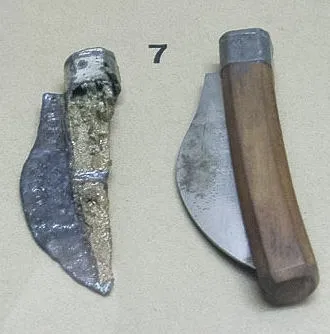
Roman utility knives ranged from fixed blades to folding types with bronze handles and iron blades. A traveler used the knife to cut bread, slice cheese, trim splinters, and repair gear. A small awl and needle with thread could restitch a sandal strap or close a seam. A simple whetstone kept edges serviceable. A length of cord, wrapped around the knife sheath or coiled in the bag, served dozens of purposes: tying a bundle, making a sling for a waterskin, or mending a pack strap. Some travelers added a compact hook or fishline when crossing regions rich in streams.
Writing, Money, and Papers: How People Managed Official Life on the Road
Travel was social and legal. People paid tolls, hired animals, presented letters of introduction, and wrote to patrons or family. Even humble travelers managed a miniature office from a bag.
The Reusable Notebook
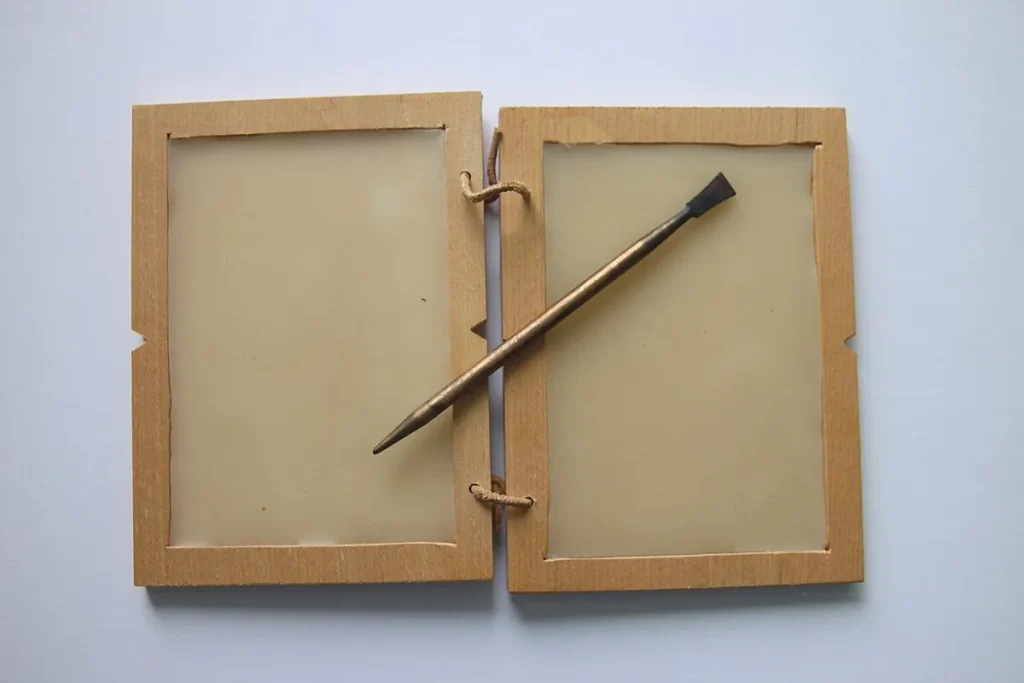
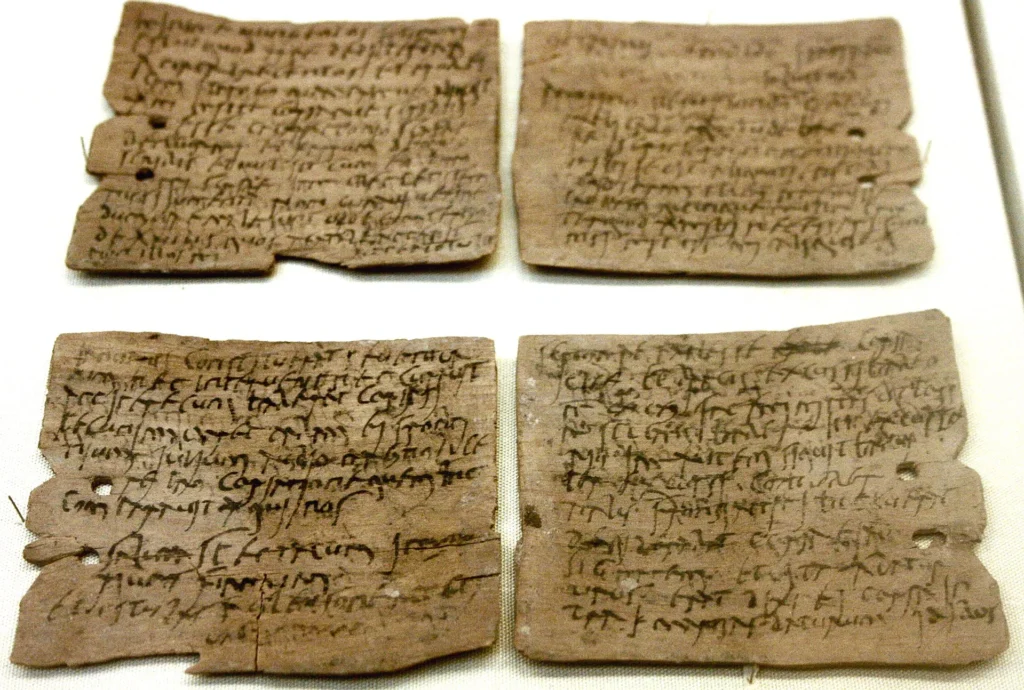
Wax tablets, shallow wooden boards filled with dark wax, took incised text from a stylus. A traveler could jot down expenses, write a draft letter, or copy a route. When finished, one warmed the wax slightly to smooth it for reuse. For permanent letters, many used ink on papyrus or on thin wooden leaf tablets tied with string and sealed with a blob of wax impressed by a personal seal. Those tablets survive from cold, wet soil in northern provinces and show requests for supplies, invitations, and every kind of mundane note. The style of handwriting and abbreviations tells us that even at the empire’s edges, literate travelers expected to read and write quickly.
Money and Keeping It Safe
Coinage weighed down the purse and clinked. Travelers tucked small silver and bronze coins into a leather or metal purse. Some wore arm or neck purses when moving through crowds, or divided coins between a visible pouch and a concealed one. A small balance scale and weights, used by merchants and careful travelers, tested coins for quality and weight. Most people trusted regular mints, yet unfamiliar coins turned up in frontier markets, and suspicion rose when silver content seemed low. The safest policy was to pay lodging and fodder early in the day, when the purse was full and vendors patient.
Letters of Hospitality and Names That Opened Doors
Latin texts mention tesserae hospitalis, bronze or inscribed tokens or tablets that memorialized a bond of hospitality between families or communities. A traveler who carried such an object, or letters of introduction from a patron, could claim lodging, meals, or safe conduct with allied households. The paper economy of favors and obligations lived alongside the coin economy. Many travelers also carried a seal ring, a signet used to close letters and prove identity. For religious comfort, people wore amulets and bullae, small pendants that carried protective power. A traveler’s identity laid across the chest where blows or thieves struck first.
Animals and Loads: Donkeys, Mules, and Smart Carry
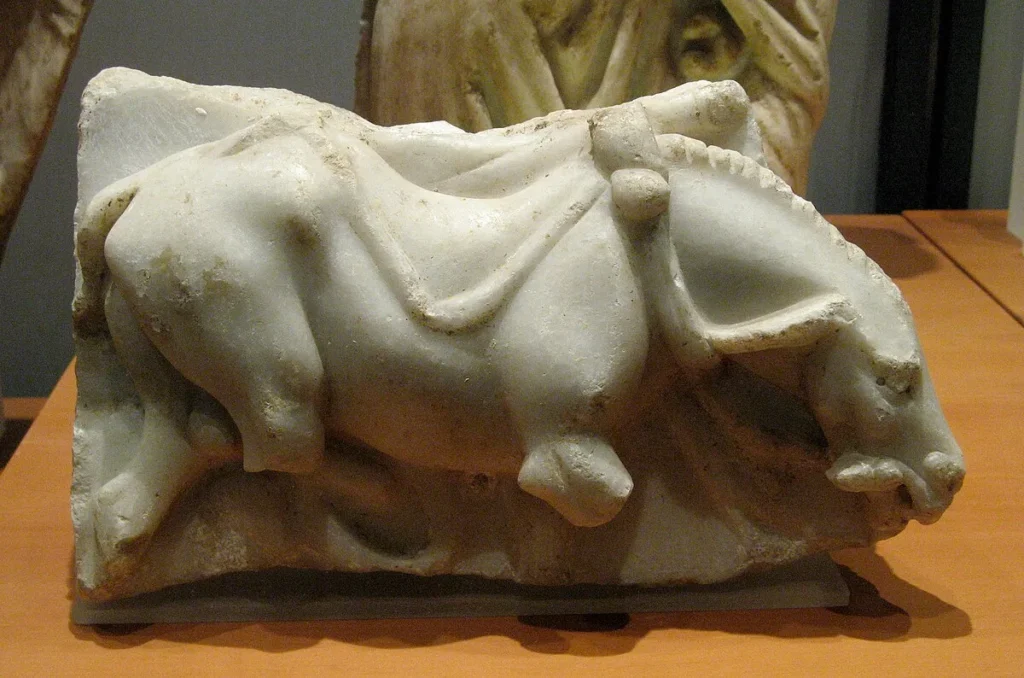
Most civilian travelers did not own horses. Donkeys and mules did the hauling. A donkey ate less, handled rough paths, and accepted a packsaddle and balanced baskets with calm. Mules, hybrids of horse and donkey, were prized for mountain paths and army trains. The pack was a puzzle: balance two equal loads to either side, tie high to let legs clear obstacles, and lash tight so nothing shifted when the animal stumbled.
How Much Could an Animal Carry
A donkey’s safe load sat around a quarter to a third of its body weight, though seasoned handlers aimed lower on uneven ground and in heat. This limited bulk goods on remote stretches. Smart travelers arranged their own minimal kit in the shoulder bag, then put bulky food and spare cloak on the animal. If a ford turned to a swim, the person saved the bag and cut the animal free to find its own way across.
Saddles and Tack
Roman saddles used four raised pommels without stirrups. Pack animals used wooden or padded packsaddles designed to keep the load off the spine. A mistake crushed nerves and ruined the trip. The best handlers adjusted padding at midday, checked girths, and watered animals often. The traveler who knew how to shift a pack and spot a sore would finish journeys that defeated careless riders.
Hygiene and Personal Care: Staying Functional on the Road
Ancient travelers had simple routines that kept bodies workable and infections away. A tiny kit of grooming and hygiene tools stashed easily.
Strigil, Oil, and Dust
Greeks and Romans used a strigil, a curved scraper, to remove sweat and dust after rubbing the skin with oil. The kit relied on an aryballos, a small oil flask, and the scraper. A traveler without a bathhouse could clean in the same way at a stream or well. A cloth served as towel; a small lump of soda ash or natron cleaned hands and cloth. Basic dental cleaning meant a stick or a chew twig. A handful of herbs or salt freshened breath. See Daily Life in Ancient Greece.
First Aid and Medicine
People carried salves for cuts and aches, simple bandages, and sometimes a small jar of eye ointment. Vinegar disinfected. Insect bites, blisters, and strained joints were the most common problems. Bandage strips cut from retired clothing had second lives around ankles and heels. A traveler learned to dry feet at night and elevate them on a rolled cloak to keep swelling down.
Built out of a love for history, kept free from distractions.
Spoken Past is an independent project shaped by curiosity, care, and long hours of research. Reader support helps keep it maintained, carefully researched, and open to everyone.
Security and Risk: Keeping Body and Goods Together
Roads were public. Thieves worked in teams and watched for people who carried visible wealth. Sensible travelers blended in. They kept gold out of sight, slept near animals, and shared meals with others at way stations to avoid attention. A small knife was a tool first; a traveler relied on company, not weapons. Poor weather was a greater threat than people. A swollen stream or a sudden cold wind hurt more often than brigands did.
Traveling Papers and Local Knowledge
Permits mattered around military zones and city gates. Names of local officials or the presence of official stamps eased passage. The traveler who learned a few local words and the going price for grain or fodder avoided arguments. Where language shifted, a tablet with a drawn amphora and a number could request a delivery more clearly than a shouted phrase. A wax tablet could carry a quick phrase copied from a friendly scribe to show at the next post.
The Day’s Rhythm: Packing and Unpacking With Purpose
A day on the road began before sunrise and balanced movement with rest. Packing followed a fixed order. The cloak rolled last, the lamp and fire kit went where a hand could find them in the dark, and the knife stayed at the belt.
- Dawn: Stir embers or strike sparks, heat water, and eat bread with cheese or olives. Check shoes, laces, and straps. Fill waterskin.
- Morning walk: Keep to shade if possible. Review the next two waypoints and distance.
- Midday rest: Repack loads, shift padding on the animal, and eat. Avoid heatstroke by soaking a cloth and covering the neck.
- Afternoon push: Aim to reach shelter well before dusk. Light fails fast in valleys and under trees.
- Evening: Collect fuel, make a small fire or light the lamp, and write notes. Dry feet and clothes. Wrap in the cloak and sleep with the bag as a pillow and the purse under it.
Regional Variants and Special Cases
Core gear remained stable, but details changed with terrain, culture, and profession.
Greek, Egyptian, and Near Eastern Variations
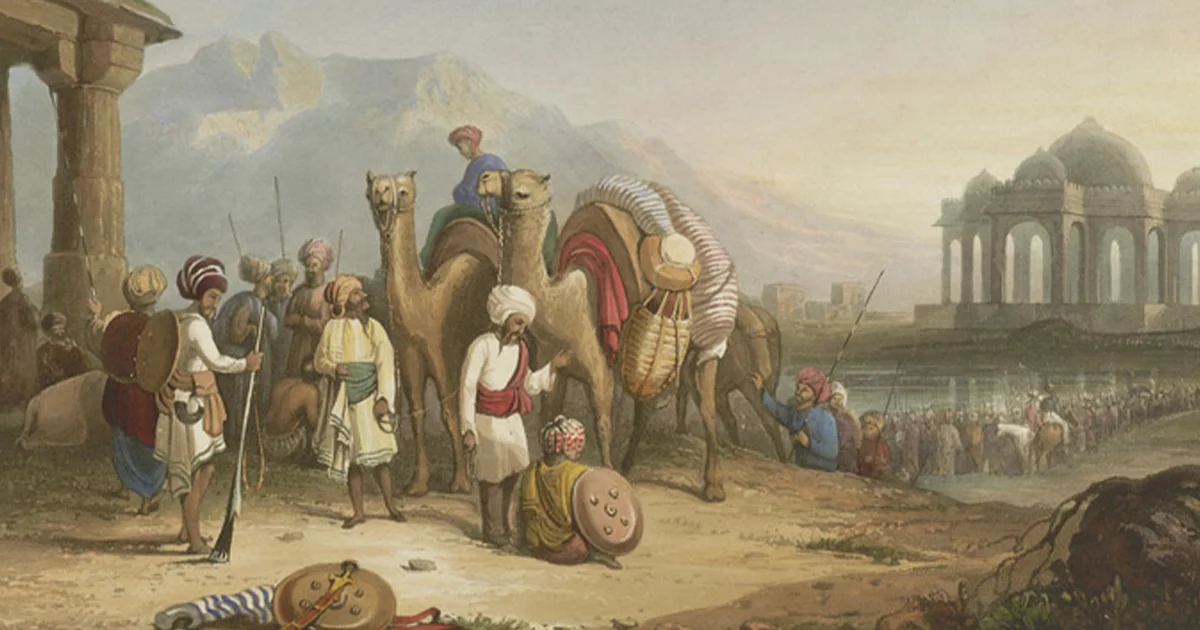
A Greek traveler’s bag might hold a simple lyre or flute if the person was a performer, and an Egyptian scribe carried a reed pen case and palette. In drier regions, porous water jars cooled by evaporation were common for camps, while skins rode on animals between wells. In the Near East, earlier cuneiform tablets gave way to Aramaic and Greek ink letters on papyrus, then to parchment in late antiquity. The local hostel or caravanserai supplied fodder and shade, which reduced the need to carry bedding in settled corridors.
Merchant and Messenger Kits
Merchants carried scales, spare cords, bags, and a seal for goods. Messengers traveled light but guarded letters and a spare mount at relays. They knew landscape times, like how long it took the sun shadow to shift a hand’s width on a portable sundial. Their sandals were new at the start of a route and resoled along the way.
Pilgrims and Amulets
Pilgrims added offerings and amulets to their packs. A pilgrim moving toward a famous shrine often wore a token that marked the destination. The psychological weight of such objects mattered. Far from home, a small pendant that promised protection helped a traveler endure storms and delays.
A Realistic Checklist for an Ancient Long Journey
On the person:
- Wool cloak that doubles as bedding, pinned with a brooch.
- Tunic and belt with knife in a sheath, small awl, and needle wrapped in cloth.
- Sturdy sandals or shoes, with spare laces tucked under the belt.
- Purse with small coins divided in two pouches, one concealed.
- Seal ring or small seal, and any letters of introduction or hospitality tokens.
- Amulet or bulla worn under the cloak.
In the shoulder bag:
- Wax tablet and stylus, a small vial of ink and reed pen if literate.
- Lamp and small oil flask; fire striker, flint, and tinder.
- Waterskin and a second small container for wine or diluted wine.
- Food for two days: dense bread, hard cheese, olives, dried figs or dates, nuts, and a little salt.
- Small bronze pan or patera and a cloth that doubles as towel and filter.
- Simple first aid: bandage strips, salve, vinegar vial.
- Cord, spare thong for sandals, and a small whetstone.
- Oil flask and strigil, or soap if preferred.
With the animal or in the cart:
- Heavier food stores and grain for the animal.
- Spare cloak or blanket, extra oil, and bulk water if crossing dry stretches.
- Packsaddle with balanced panniers, padding, and repair thong.
Why These Items Worked
Everything in this kit has a reason. Wool warms even when damp and can be felted to resist wind. A cloak replaces bedding and reduces bulk. A wax tablet replaces stacks of paper and allows reuse, while a lamp makes evening time useful. Foods pack dense calories and protein, keep without spoilage, and can be eaten without cooking. A knife is universal. Fire is warmth, light, boiled water, and cooked grain. Waterskins flex and survive impacts better than pottery. Amulets and seals carry identity and social trust, which in antiquity could be as lifesaving as any tool.
What Not To Pack
The traveler did not pack fragile luxuries that demanded careful handling, unless the journey’s purpose was to deliver them. Glass, thin pottery, and fresh foods spoiled or broke. Heavy blankets were redundant under a cloak. Books on papyrus traveled with wealthy people or official envoys who had guards. Most travelers copied what they needed onto a tablet, then sent final letters from safe places.
Packing for Season and Terrain
- Summer, coastal roads: Reduce clothing layers, add a second waterskin, and rely more on shade and early starts. Sandals dry fast and cool feet. Wine diluted more heavily helps with hydration.
- Autumn mountain paths: Reinforce footwear, carry a hooded cloak, and add cord to secure loads for steep descents. Fire kit must be ready for damp tinder.
- Winter plains: Choose closed shoes and wool wrappings for feet. Oil the cloak to shed sleet. Plan shorter legs between reliable shelter.
- River corridors: Carry spare cord for ferries and keep tablets and papers in oilcloth. Tie waterskins high to keep stoppers out of spray.
The Human Element
Even perfect gear fails if the traveler ignores rhythm and community. People traveled in small groups for safety and company, shared fires, traded food, and swapped news. Skilled travelers listened to locals about a treacherous ford or a broken bridge and adjusted. They wrote names and distances on tablets, not because they distrusted memory, but because a tired mind lies and a scratched number does not.