

Table of Contents
Early Roman Life and the Making of a Consular Statesman
Family Background and Status Inside Rome
Sextus Julius Frontinus appears in the record as a man already positioned to climb the senatorial ladder. His nomen and cognomen mark him as a Julius by clan and a Frontinus by family branch, a combination that suggests Roman citizenship of some standing, whether by older republican lines or by an earlier grant that folded his ancestors into the civic body. The sources do not preserve a long family tree for him. What stands out instead is the steady progression of offices that only a senator could hold. He moved among men who had been praetors, consuls, governors, and priests, which places him clearly inside the circle of imperial service.
Frontinus’ lifespan reaches across the later first century. He matured in the aftermath of civil wars, saw Vespasian consolidate the Flavian order, lived through the long shadow of Domitian, and then served under Nerva and Trajan. The empire he knew was centralized under the princeps, yet still relied on aristocrats who could command legions, administer provinces, and preside over civic resources in the capital. He became one of those aristocrats. The outline is simple to say: magistracies at Rome, a military governorship abroad, repeated consulships, a priesthood among the augurs, and a culminating commission in charge of Rome’s water. Behind that outline lies a restless intelligence that turned experience into books, and books into a legacy that lasted inside Rome’s own tradition.
Education, Formation, and Habits of Mind
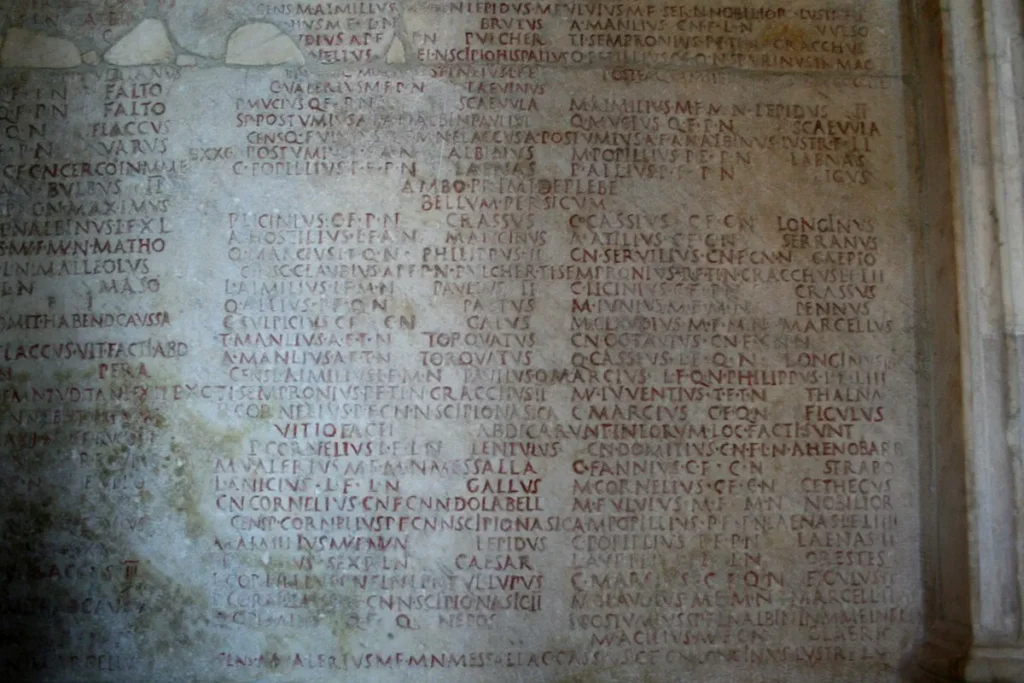
No single teacher or school is named for Frontinus, yet his writings betray a rigorous education in law, history, and technical problem solving. He cites past commanders by name, matches example with principle, and thinks in sequences, which suggests training in rhetoric as well as practical mathematics and surveying. His prose is direct and economical. He does not ornament for its own sake. He explains, lists, cautions, and then assigns responsibility. The mind that composed a handbook for aqueducts is the same mind that compiled a notebook of battlefield ruses. In both, he thinks like a Roman magistrate who must act, record the action, and leave instructions for a successor.

The First Offices: Steps on the Cursus Honorum
Praetorship and the Skills of Oversight
To become governor and then curator of Rome’s water, Frontinus first had to hold the praetorship, the magistracy that prepared senators for judicial and administrative leadership. The praetor issued edicts, presided over courts, and learned to handle petitions, deadlines, and staff. The office taught the Roman art of rule through formula and precedent. The skill set mattered later when Frontinus sat as curator aquarum, because water administration rested on grants, measurements, and the discipline of written rules. The praetorship also qualified him for military command, which became the turning point of his early career.
A Roman Commander Takes the Field
Military competence crowned senatorial ambition in the first century. Emperors wanted dependable men in armor as well as in the Forum. Frontinus earned that confidence and received a province that demanded resolve: Britain, where imperial rule remained contested in the highlands and on the western fringe. The appointment placed him in a sequence of governors who faced stubborn communities, mobile warfare, and difficult ground. The challenge was as much logistical as it was tactical. It demanded roads, supply lines, and careful winter quarters. It demanded clear reporting back to Rome, because emperors judged governors by outcomes that could be stated plainly: pacified districts, reduced raiding, regular tax flow, and fewer emergency dispatches.

The British Command: War, Patience, and Settlement
The Western Tribes and the Problem of the Silures
When Frontinus took up command in Britain, he faced communities known for their endurance against Roman pressure. The Silures, a powerful confederation in the region that corresponds to later south Wales, had resisted earlier governors with skill and ferocity. Their country, cut with rivers and hills, favored ambush as well as sudden dispersal. For Rome, the objective was not simply to win one great battle, but to compel a season after season of quiet that would hold through winter and into spring. Frontinus’ later writings reflect a mind that admired stratagem, terrain reading, and measured pressure. In Britain, he applied that temperament. He sought to break patterns of resistance by unsettling the timing of the enemy and by tightening the Roman grip on food and movement.
He understood the difference between a thrust that impresses the capital and a plan that endures. He would take ground, hold it with garrisons, and press forward only when the supply behind him settled. The campaigns were not theatrical. They were methodical. The speed of war in Britain was the speed of a man on foot in rain and over stone. Hidden in the story is the Roman habit of building as one fights, because conquered ground that is not tied by stations and roads can be lost in a single storm. Frontinus’ later concern for maintenance and inspection in aqueducts belongs to this same instinct. He made things last.
Forts, Roads, and the Rhythm of a Campaign Year
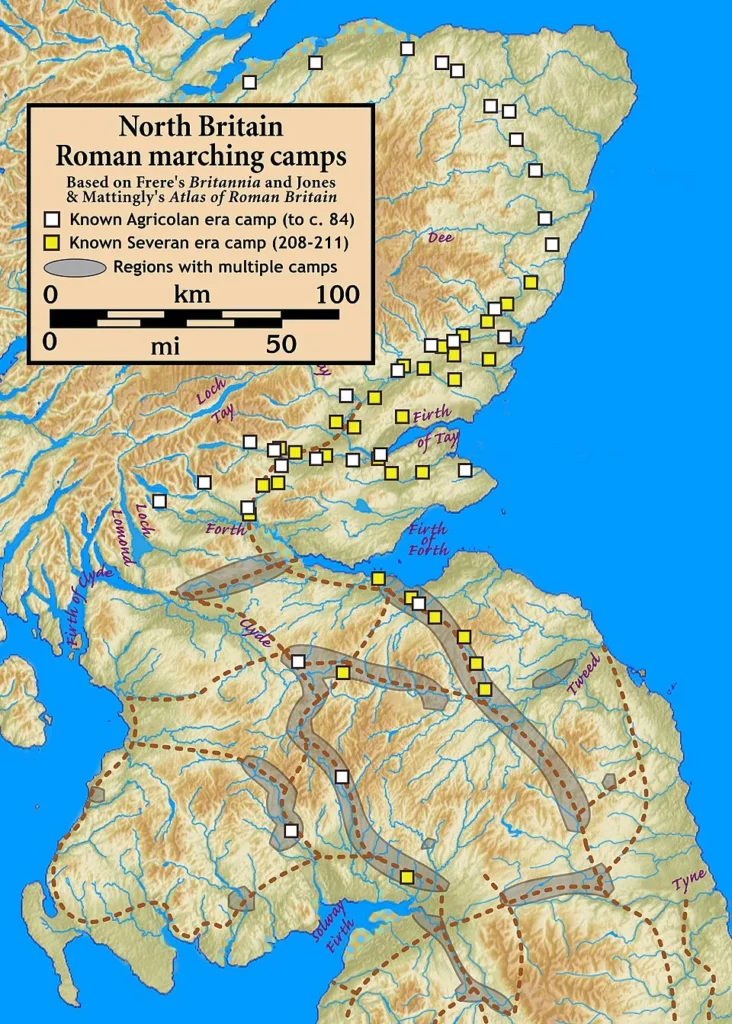
A governor who expects rain as a constant controls the calendar. He must stockpile before roads soften, move troops when rivers are passable, and never assume the enemy will meet him in open country. The building of forts marked each stage. A fort was a promise to return on the first clear day, with more grain and more men. It was also a message to nearby leaders who calculated Roman staying power by timber and turf. The capture of strong positions matters in chronicles, yet the silent victory lies in a harvest collected without raids and in cattle kept close to the Roman line.
We do not need the daily logs to imagine the chain of small decisions. Patrols feel the ground first, engineers follow with stakes and lines, cohorts bring axes and shovels, and within a day turf and timber shape a rectangle that anchors security. The governor’s reports to Rome would name the tribes pacified and the roads opened. In this way, Frontinus’ British command moves through the record as a sequence of completed tasks, each one adding weight to Roman control in the west.
Diplomacy, Hostages, and the Politics of Quiet
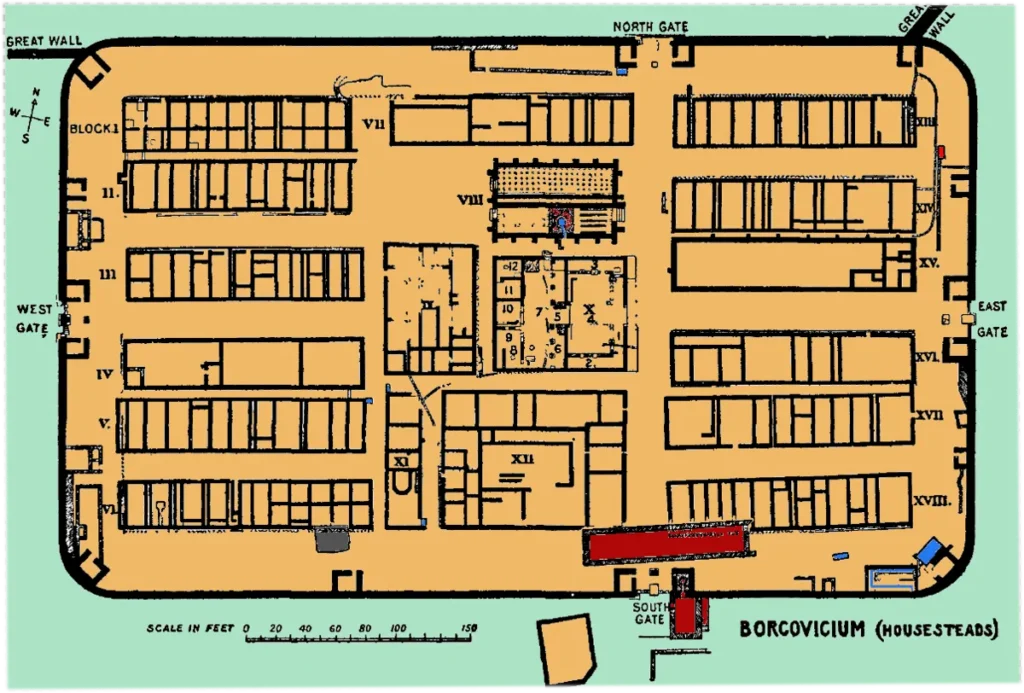
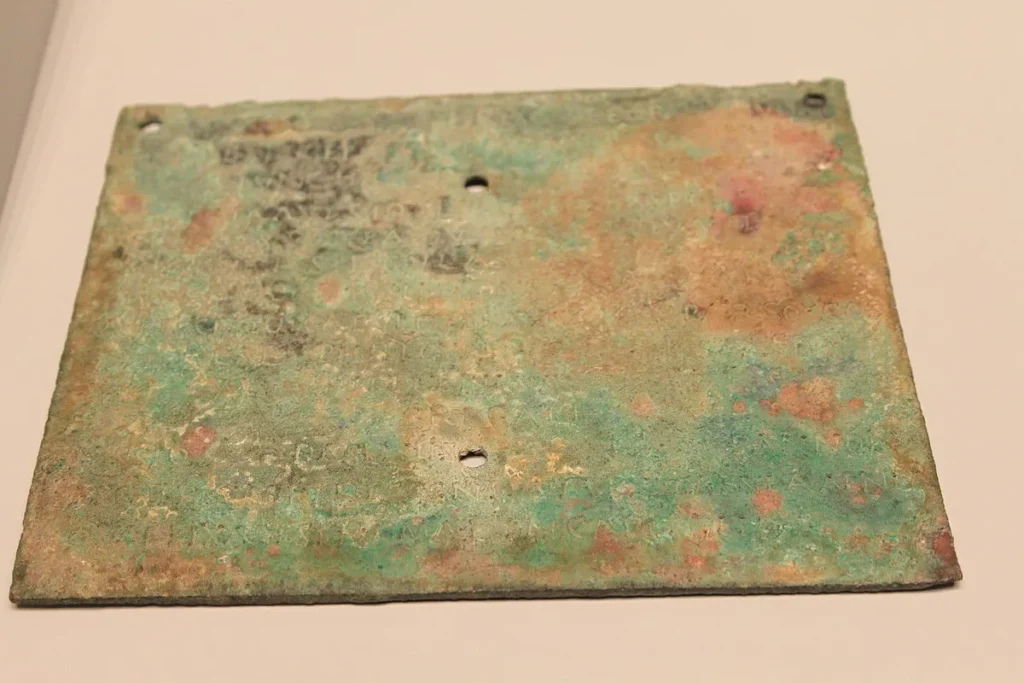
Military action drew blood, but the longer work of quiet often turned on agreements with local elites. Roman governors took hostages as guarantees of peace, gave gifts to align interests, and designated tribal leaders to channel petitions. Frontinus navigated this diplomatic map while keeping the legions ready. To the communities of the western hills, he embodied the emperor’s hand and the emperor’s patience. If he punished revolt, he also rewarded steadiness with predictable trade and toleration of local cult practice. A governor who writes books about technique rarely forgets that law and force have to be braided, not set against each other. The result in Britain was consolidation. When he left, the next governor inherited a province whose most difficult corner had learned the cost of defiance and the benefit of accommodation.
Return to Rome: Honors, Priesthood, and Authority
The Consulships and the Stamp of Trust
A governor who stabilizes a hard province earns a place near the top. Frontinus returned to Rome and entered the narrow circle of men who held the consulship more than once. In the Roman order of prestige, repeated consulships served as endorsements by successive emperors. The authority of such a man did not end with the year’s term. It continued as moral weight and as eligibility for special commissions. Frontinus carried this authority into every later responsibility. Colleagues would listen when he spoke in the Senate. Emperors would think of him when a precise problem required a precise mind.
Augur and the Weight of Sacred Procedure
Frontinus belonged to the college of augurs, the body that oversaw auspices and preserved the ritual language of signs. The office made him a guardian of a sacred discipline that anchored public acts in divine sanction. To an outsider, the augur’s staff and the marked sky might seem a ceremonial theater. Inside Roman life, the office protected regularity. Whether temples were dedicated, magistrates elected, or fields inaugurated for colonies, augurs ensured that actions occurred within an ordered frame. Frontinus would later bring this sense of order to his water commission. The care with which he reports sources, distances, and capacities in his book on aqueducts looks like the secular twin of an augur’s appetite for correct procedure.

The Commander Writes: The Strategemata and the Mind of War
Purpose and Audience of a Roman General’s Notebook
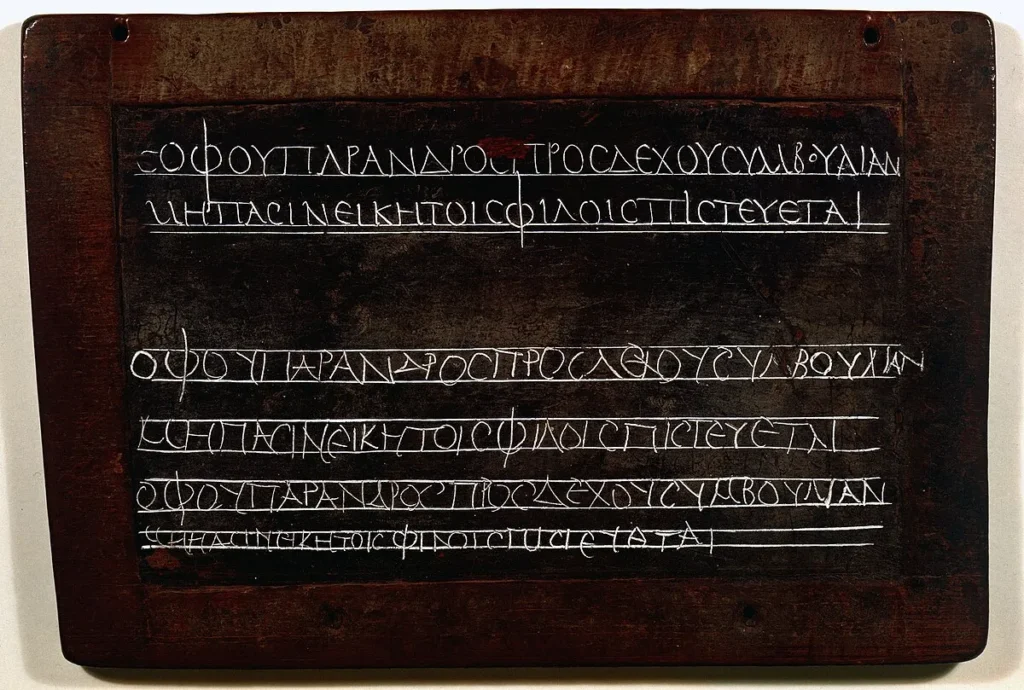
The Strategemata survives as a collection of battlefield ruses and command decisions arranged by themes. Frontinus states a modest aim in the preface, yet the book functions as something larger than a curiosity cabinet of tricks. It is a digest of how generals think when the usual answers fail. The audience includes young officers, governors about to take the field, and any magistrate who must impose order on fluid circumstance. The form is simple. Each chapter presents a category of problem, such as breaking a siege, disguising a weakness, or forcing a river. Within it, Frontinus assembles brief anecdotes that connect a problem to an action. The lesson is that war rewards invention backed by discipline.
He takes examples from Roman and non-Roman commanders. He does not fear learning from an enemy if the method may serve Rome later. There is no boasting. He rarely turns the spotlight on himself. When he does, it is to show how a Roman commander uses timing or deception to protect troops and to strike when the ground favors him. The text cannot be divorced from his governorship in Britain. The same habit of crafting advantage from circumstance pulses beneath his record there.
Themes: Deception, Logistics, and the Use of Terrain
Three themes dominate Frontinus’ selections. First, deception as a lawful instrument of command. He does not romanticize trickery, yet he expects a good general to conceal intentions, to display false signs when needed, and to preserve the army by confusing an enemy’s sight. Second, logistics as the hidden edge of victory. He mentions water, food, and marching order with a respect that equals his attention to cavalry charges. Third, terrain as a partner. Hills, rivers, fog, and the line of a forest can be turned into allies, if the commander walks the ground and thinks in shapes rather than slogans.
Frontinus gives small, clean examples. A commander orders fires lit to suggest a larger force. Another chooses a route that muddies an enemy’s pursuit. A third carries stakes to stabilize a quick bridge across a ford. The brevity of the entries invites the reader to imagine, then to adapt. The Strategemata is a school of flexibility. It is also the confession of a Roman who knows that an empire is held by the men who calculate correctly at dusk.
Frontinus as a Witness of Character
In these anecdotes, Frontinus judges character. He prefers commanders who speak little, hold counsel tight, and never punish troops for a failure of strength when the fault lies in command. He admires vigilance, the habit of watching at night and inspecting personally. He dislikes displays that feed an enemy’s hope. The book treats courage as a requirement, not a plan. What matters is judgment that preserves courage. His ideal general does not gamble with lives to win praise. He invests effort, then harvests stability.
A New Commission in Rome: From Steel to Water
The Office of Curator Aquarum and Its Powers
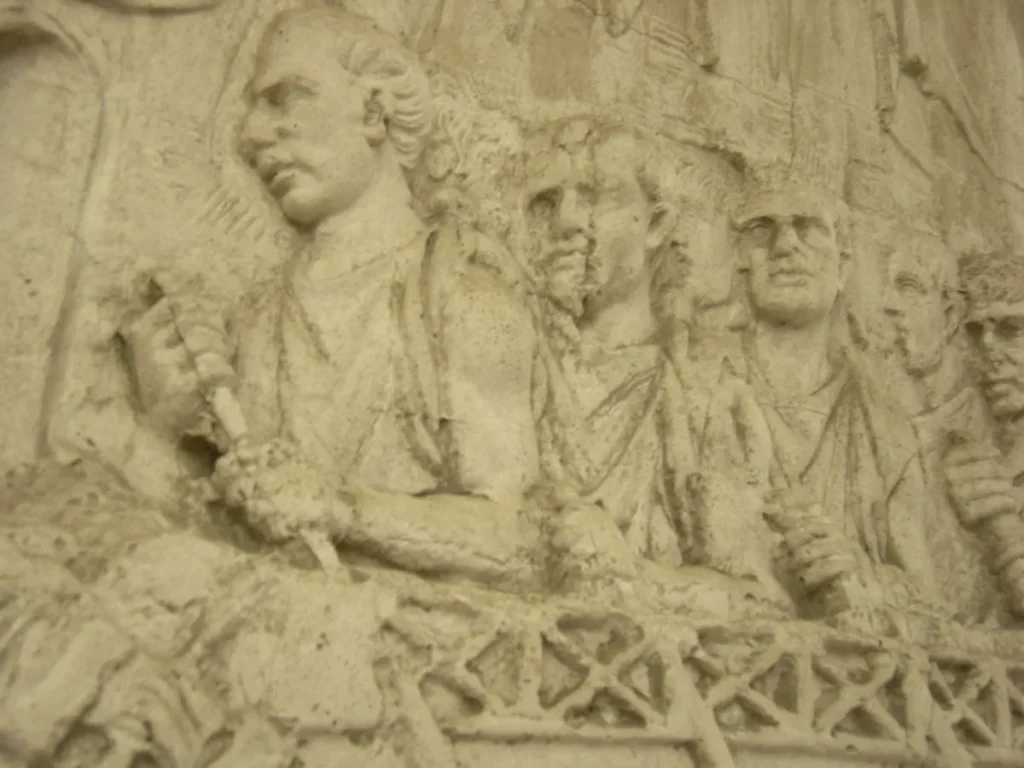
From the battlefield Frontinus passed to a commission that touched every life inside the capital: curator aquarum, the senator in charge of Rome’s water supply. The office had roots in the late republic and the early principate, but the scope sharpened under the emperors. The curator held oversight of aqueduct channels, distribution basins, public fountains, baths, and legally granted private draws. He managed the staff, guarded the channels against encroachment, and enforced water law. He inspected bridges of the channels, the settling tanks that clarified water before distribution, and the castella, the masonry boxes where water levels were regulated and pipes began. The city depended on him. Without a functioning water system, crowds would become desperate, markets would stall, baths would close, and disease would multiply.
The curator aquarum answered directly to the emperor. He acted with imperium within his competence, issued orders, heard disputes, and reported in writing. An equestrian procurator served under him to handle finances and subordinate staff. Surveyors traced lines, engineers inspected masonry, and workers repaired leaks. Frontinus inherited this organization and tuned it. He counted, weighed, and measured. He wrote out the facts so that the office would no longer rely on memory. The result is the book he left, De aquaeductu, a manual that describes the system, declares a policy, and teaches a future curator how to behave.
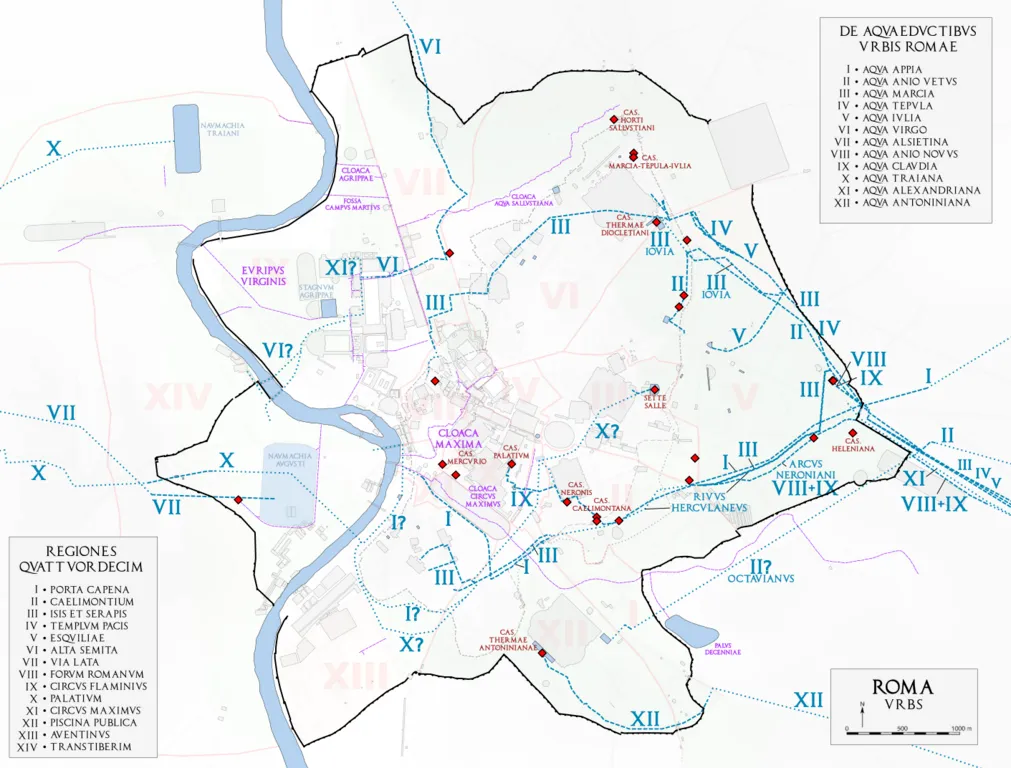
Rome’s Thirst and the Logic of Abundance
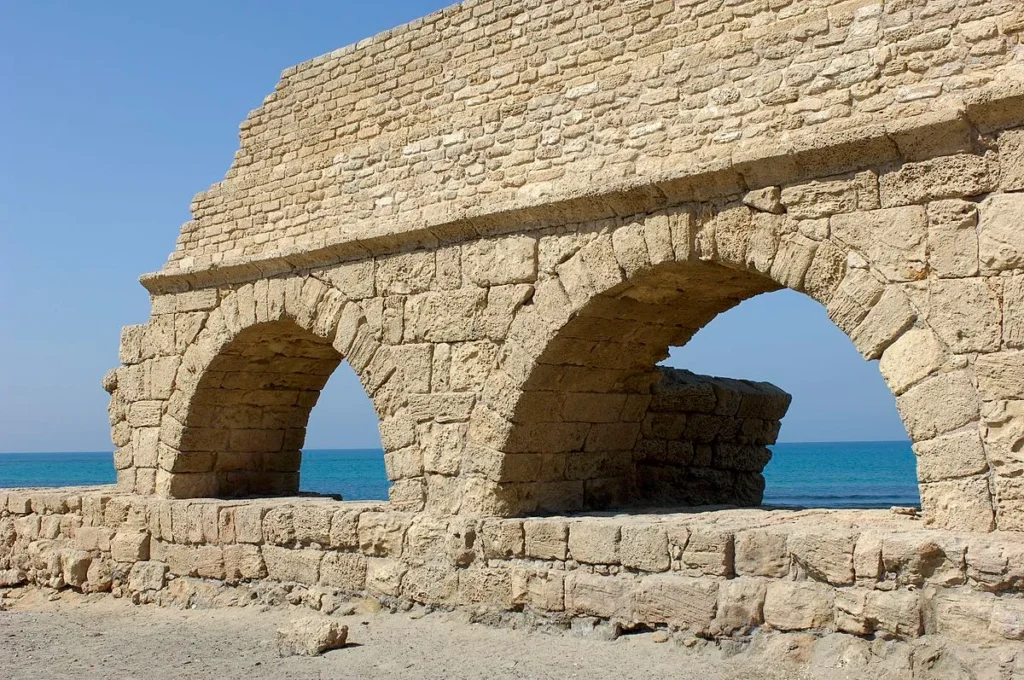
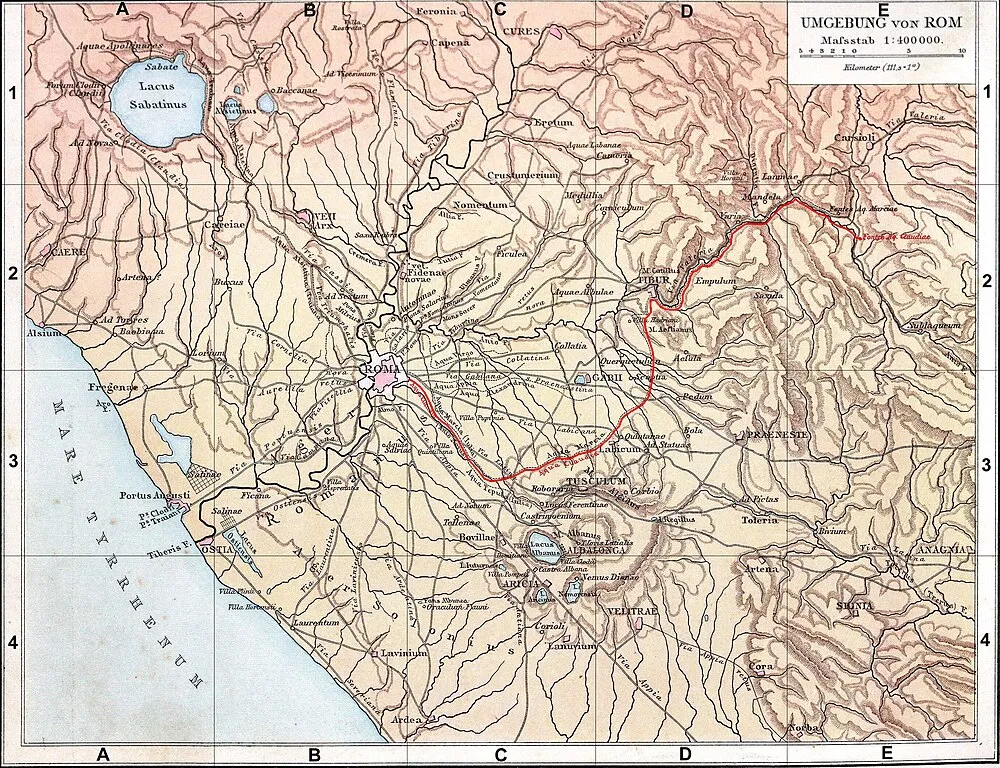
The capital drew water from multiple sources. Springs to the east and north sent their flow by channels that ran underground where possible, on arches where necessary, and over valleys by bridge. By Frontinus’ day, a dozen named aqueducts fed the city. Each carried a distinct water with its own taste, clarity, and suitability for use. The city did not rely on one main line. It designed redundancy before the word was coined. If repairs interrupted one channel, others could be redirected. The curator learned the flavors of the sources. Some waters were prized for drinking, others for bathing, others for irrigation of gardens or the staging of spectacles. Quality mattered, and Frontinus insisted that the best water reach the people who needed it most, which included the urban poor at public fountains.
Distribution depended on altitude. Channels entered the city at different heights, which set the limit for how far uphill each water could be pushed by gravity. The network resembled a tiered lattice rather than a single spine. Knowledge of the topography mattered as much as knowledge of law. The curator had to grasp how the flow in a high channel could be split to sustain multiple districts, while a lower channel needed careful husbanding to avoid being swallowed by a single bath complex or garden. Frontinus returns again and again to the idea of balance. He was the city’s steward of equilibrium.
De aquaeductu: Structure, Voice, and Administrative Ethos
The Book’s Aim and the Magistrate’s Tone
De aquaeductu speaks in the voice of a Roman magistrate who knows that writing is an extension of office. Frontinus does not indulge in long prefaces. He sets out the state of the waters, names the aqueducts, gives their lengths and sources, and indicates which water suits which purpose. He follows with a description of the staff and the offices that answer to the curator. Then he turns to law, cataloging abuses that weaken the system and the penalties for those who tamper with it. He ends with the practical duty of inspection. The book is not detached literature. It is a tool for governance set in the durable ink of administration.
He proceeds as if a successor were seated across the table. You will receive complaints about shortages, he implies, and you must separate rumors from fact by measurement. You will find illegal taps, and you must remove them by lawful procedure, not by anger. You will be tempted by powerful patrons to make exceptions, and you must keep to the rule that the city’s health outranks any private wish. The tone is stern but not theatrical. It carries the same temper of restraint that marks his military writing.
The Aqueducts Named and Characterized
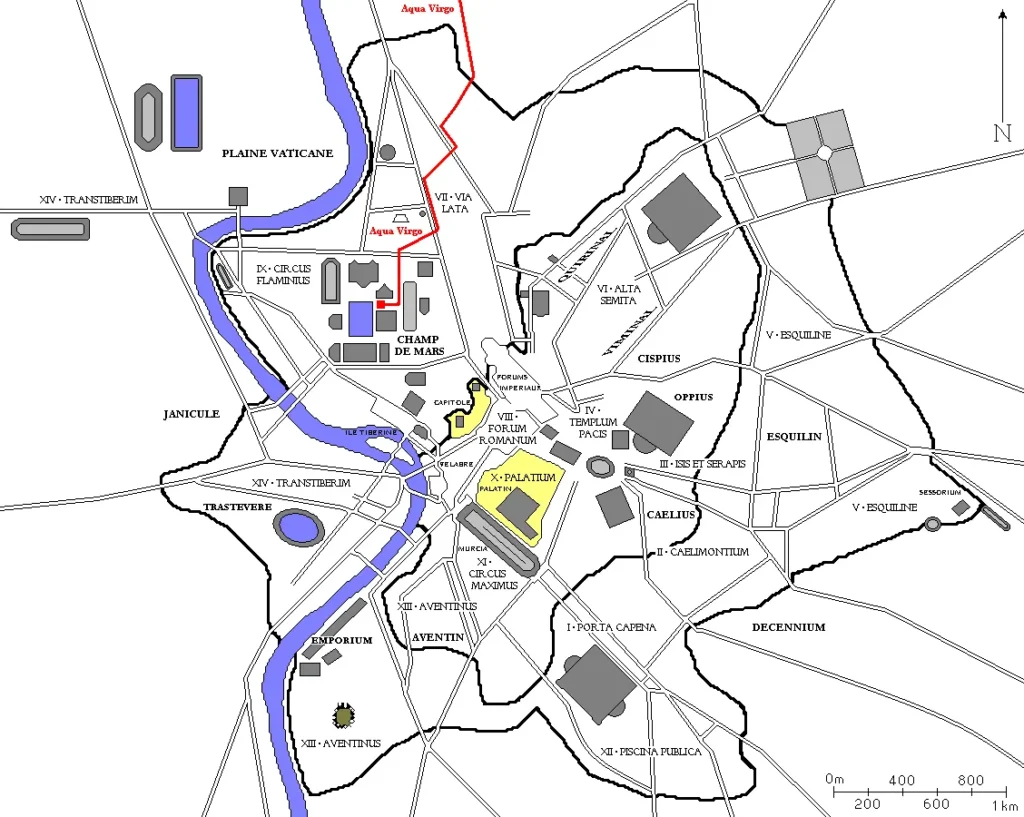
Frontinus lists the waters by name and characterizes them without flattery. The oldest lines, such as the Aqua Appia and the Anio Vetus, came from republican times. They traveled largely underground to avoid destruction by siege, then rose where terrain required. Later waters, like the Aqua Marcia, brought prized cold clarity from distant springs. Some lines doubled others, bringing volume where demand had grown. The Aqua Virgo supplied the Campus Martius and the districts near the river with pure drinking water. The Aqua Alsietina carried a turbid supply, unfit for drinking in his judgment, suitable for gardens and for filling basins used for entertainments. The paired channels of the Aqua Claudia and the Anio Novus stood as imperial monuments of utility as well as grandeur. He writes of them with respect, then returns to business. His priority is function.
Each line had a source, a measured length, and a legal corridor that protected its course. Where the channel crossed private land, the public right of passage guarded it from encroachment. Where it entered the city, the water broke into distribution boxes, each with openings sized to a standard. Frontinus cared about that standard because Rome measured water by apertures and pipe gauges. Without a shared gauge, every claim of volume is a quarrel. He describes the practice and then insists on uniformity.
Quality and Ranking: A Roman Taste for Water
Frontinus ranks waters by quality. Coldness, clarity, and steadiness of flow matter. His judgments reflect the city’s palate. The Aqua Marcia wins praise for drinking. The Virgo also rates highly for purity. The Claudia and the Anio Novus deliver volume and strength, excellent for baths and fountains, and still fit for drinking when properly managed. The Alsietina stands low for the cup, high for gardens. He gives these verdicts in the same spare style he uses for everything else. Value is a function of use, not of rhetorical flourish.
The ranking supports allocation. If a district needs drinking water, the curator assigns high-quality flow to its castella. If a bath owner petitions for more supply, the curator adjusts within the rules, always mindful that public fountains cannot run dry to fatten a private pleasure. The book preserves the ethic that made Rome livable at scale: public need forms the baseline, private privilege fits inside it.
Measurement and the Quinarian Standard
The practical core of De aquaeductu is measurement. Frontinus explains the Roman practice of rating water by pipe aperture. The standard unit, the quinaria, provides a common language for grants, invoices, and inspections. He complains that in the past some craftsmen shaped pipes that lied about their bore, narrowing just where the measurement should be taken, and that some holders of grants quietly widened their intake behind a wall. He sets out how to measure correctly, how to stamp pipes to record legality, and how to keep a ledger that reconciles promised flow with observed flow at inspection points. He distinguishes between public allocations and private grants, with the latter always traceable to a named person and an explicit authorization.
The precision matters because Rome’s water, for all its abundance, is not infinite. Every illegal branch steals pressure from a fountain. Every mismeasured calix robs a district. Frontinus insists that the system rests on the integrity of gauges and the courage to enforce them. He expects the curator to be present at inspections, to walk the channels, and to hear complaints with the facts in hand, never with hearsay. He knows that no paper rule will stand if the man charged with applying it stays in the city and sends only subordinates to the countryside.
Staff, Duties, and the Discipline of the Familia Aquaria
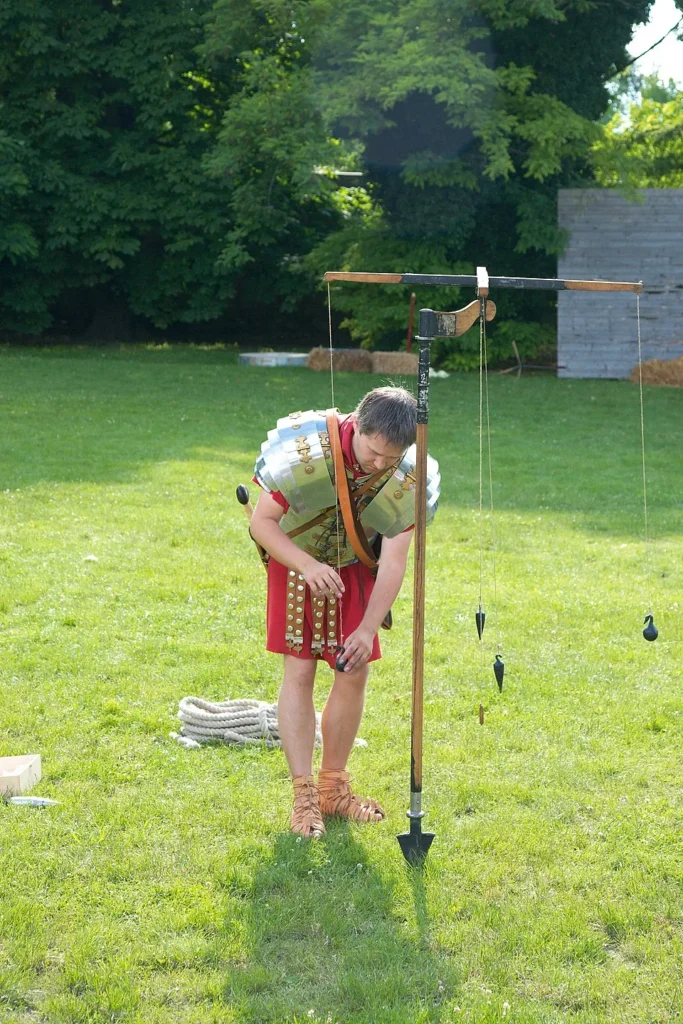
The curator did not work alone. Frontinus enumerates the staff that kept the waters moving. Surveyors marked alignments. Masons repaired mortar linings and arches. Pipe specialists joined, patched, and replaced lead conduits. Inspectors made their rounds with written tablets to record findings. Watchmen protected the lines where they ran exposed. Clerks kept ledgers of grants, changes, and penalties assessed. The procurator under the curator managed pay and procurement, while the curator reserved the power to assign tasks, to reward diligence, and to dismiss the negligent.
Frontinus views staff management as an ethical matter. He warns against the temptations that surround a resource everyone wants. A worker who cooperates with a private party to install a hidden pipe injures the whole city. A clerk who alters a ledger betrays the public good. He calls for orderly rosters, periodic rotations to prevent local familiarity from breeding corruption, and frequent inspections without notice. The parent tone is unmistakable: nothing that matters can be left to habit alone.
Law, Encroachment, and the Reassertion of Boundaries
The book gives the curator tools to confront encroachment. The aqueducts run across farms and along roads. Over time, owners push boundaries, plant too close, build walls that lean over the public corridor, or cut steps into the margin. Frontinus describes the legal right of passage that shields the channels and the penalties for those who tighten the corridor. He defends the setting of boundary stones that mark the line. He directs the curator to remove trees whose roots threaten the specus, the covered channel, and to deny any claim that private convenience can trump public security.
He addresses the city as well. Inside Rome, private houses seek to tap public lines without a grant. Shopkeepers try to draw from fountains with hidden pipes. Baths clamor for more flow than they pay for. Frontinus does not argue with the desire. He counters it with rule. The curator’s task is to satisfy lawful need and to expose theft. He writes as a man who has found many such taps, blocked them, and then recorded the offender’s name.
Inspection, Record Keeping, and the Habit of Presence
Frontinus closes the practical parts of his book with procedures. Inspect monthly where possible. Focus on weak points after rains. Keep double records, one in the office and one carried on rounds. Match outflow at castella with inflow at the channel. Watch for sudden drops that signal a hidden branch. When grants expire or change hands, update at once. The city is too large to forgive a month’s delay in a water ledger. He makes the curator responsible for the system’s memory. In Rome, memory is not a rumor or a tradition. It is a written sheet that survives its writer.
The habit of presence defines his philosophy of office. He distrusts comfort at a desk. He wants the official in the field, on the wall of a channel, looking into a settling tank, talking with the men who hear leaks before they become floods. He knows that a magistrate produces calm by being seen where calm is made.
The Governor’s Virtues in the City’s Service
Patience, Clarity, and Public Priority
Frontinus’ British campaigns trained him in patience. He brought that patience into the capital’s plumbing. He had learned to prefer the durable to the dazzling, to choose what preserves lives over what wins applause. In De aquaeductu he protects public fountains as if they were camp wells. He assigns the best water to where thirst is not negotiable. He recognizes the bath’s value for public health and social order, yet he refuses to starve a district to fatten a pleasure house. The Roman habit of ranking needs appears here without rhetoric. He sees the city as an organism whose health rests on steady, measured flow.
He writes plainly about what happens when the rules soften. Illegal taps multiply. Pressure drops where it is needed. Street fountains sputter and then stand dry. Anger rises with dust. He does not dramatize the chain. He only breaks it, then forbids its return. In his vision, Rome is strongest when its poorest citizens can trust that water will flow without pleading.
The Voice of Responsibility
Frontinus’ voice is not bitter. It is responsible. He has known coalitions of convenience on a frontier. He has seen men interpret a law to favor a friend. He expects petitions from powerful names. He disarms them by putting the rule in writing, then keeping faith with the written word. That is why his book has the structure of a statute and the rhythm of a log. He expects to be judged not by favors done in private, but by calm felt in public streets.
The Rome of Stone, Law, and Water
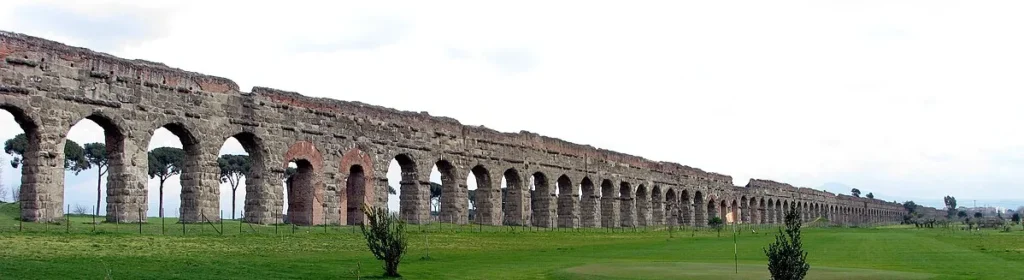
The city becomes clear through his eyes. The arches that carry channels across valleys are not triumphal alone. They are instruments in a larger symphony of supply. The settling tanks are not mere boxes. They are clarifiers, the lungs of the system. The castella are not decorative fountains. They are distribution brains. The lead pipes are not shadows in the earth. They are the nerves of a capital that moves hundreds of thousands of people through days that require baths, bakeries, and markets, all of which turn on water.
He shows how law and engineering clasp hands. A boundary stone without a survey is blind. A survey without a law is powerless. Together they guard a living line that rises from a spring, runs across fields, climbs on arches, sinks into tunnels, and then enters a city to give it life.
A Roman Life in Full: Toward the Last Honors
The Consul at the Center and the City’s Steward
By the time Frontinus finished the work set out in De aquaeductu, he had become one of the capital’s most trusted seniors. He held the consulship more than once, an honor that elsewhere might stand as the pinnacle. For him it framed a career of repeated utility. He was also an augur, charged with omens and auspices, which set him in Rome’s religious calendar as a permanent guardian of proper beginnings. The man who measured water meticulously had also learned to measure signs. Ceremony and engineering meet in his character without strain.
He did not preach a philosophy. He demonstrated one. Choose offices that matter. Discharge them by rule and by presence. Write what you have learned so that your successor can be better than you. Think like a soldier when a system is under threat, like a builder when stability is within reach, and like a priest when the city needs a sign that its life is properly framed.
Final Years and the Quiet of Completion
His last public years passed under emperors who valued competence. He had lived long enough to see violence at the center replaced by deliberate transition. In that climate, a man like Frontinus stands out as a craftsman of order. He does not demand a monument. His monuments are the quiet fountains, the full cisterns, the baths that steam reliably at dusk, and the fields outside the walls that receive irrigation without bribery. When he departs the record, it is with the respect due to a Roman who served in war and in water, in sacred college and in civic office, and who left behind a book that still reads like a set of keys to the city.
Technical Heart of a Living System: Flow, Pressure, and Allocation
Sources, Springs, and the First Duty of Protection
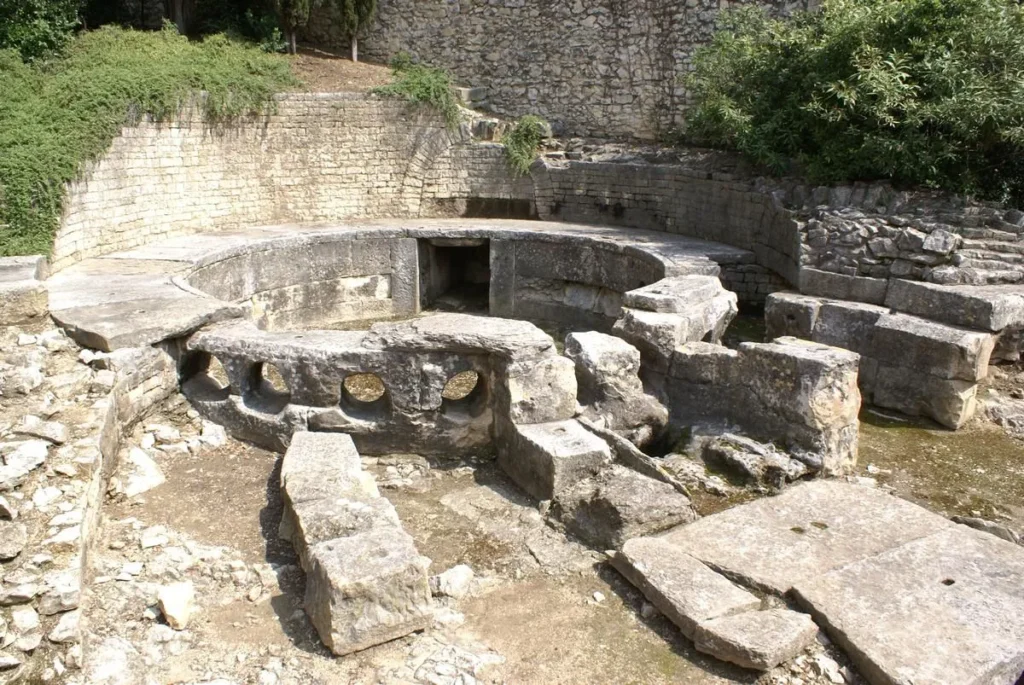
Rome’s waters begin at springs. Frontinus describes them with care, locating the heads, marking the distances, and guarding the immediate surroundings from pollution and tampering. A spring is a delicate fact. It can be clouded by careless digging, fouled by animals, or captured by private owners who siphon before the public intake. The curator’s first duty is to declare the source a protected place. He demands clear channels that run from the head in properly mortared conduits. He directs that stones with inscriptions mark the public status of the outlet. The spring, in his mind, belongs to the whole city the moment a line is laid to it.
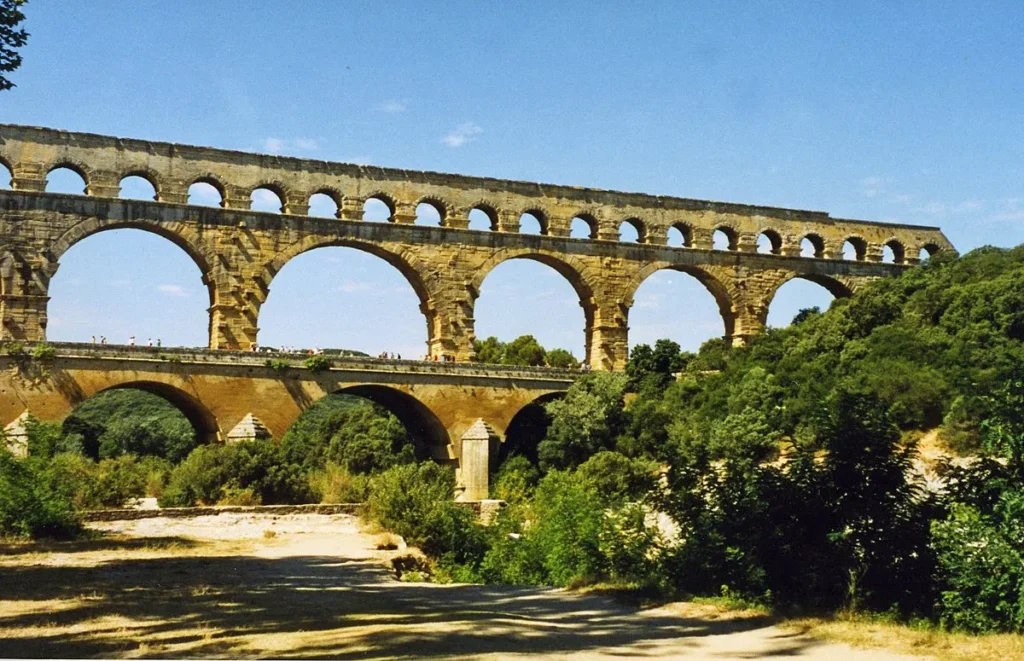
He acknowledges the difference between an underground channel that shelters water from heat and vandalism, and an elevated run on arches that saves distance and evens gradients. The choice depends on terrain and on the risk of interference. In quiet country, arches are efficient. In corridors exposed to spite or greed, the channel must be buried. He supplies the reasoning because future curators will face future circumstances. He arms them with principles, not only with past facts.
Settling Tanks, Drop Shafts, and the Craft of Cleanliness
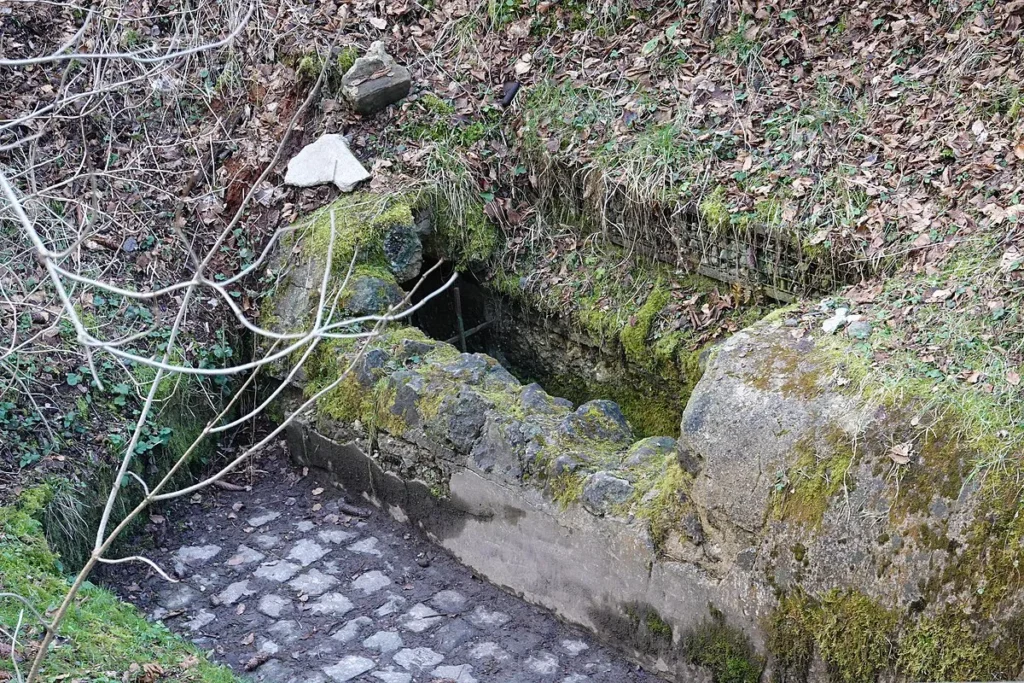
Before water reaches the city’s dividing basins, it must be clarified. Silt slows flow, coats pipes, and compromises taste. Frontinus details the use of settling tanks, where the channel widens and allows heavier material to fall. He recommends inspection schedules that match the seasons, since rains raise turbidity. He addresses drop shafts, where a change in height needs to be managed without breaking the channel’s lining. Here the craft of the mason and the eye of the inspector matter most. A bad descent roars and tears at mortar. A good one lowers water gently.
He thinks in maintenance cycles. No structure should go more than a season without a walk-through. He prefers frequent small cleanings to rare large shutdowns. The city feels absence more acutely than it appreciates abundance. The curator therefore plans interruptions in tight windows, often at night, and across alternating lines, so that one aqueduct can be relieved by another. This is the administrative rhythm that makes a metropolis human.
Castella and the Rational City
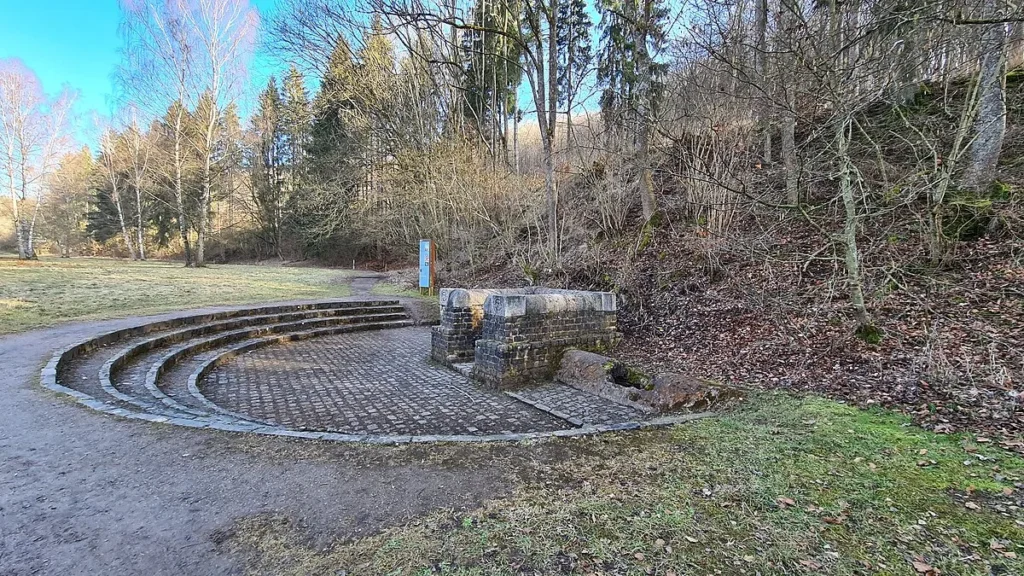
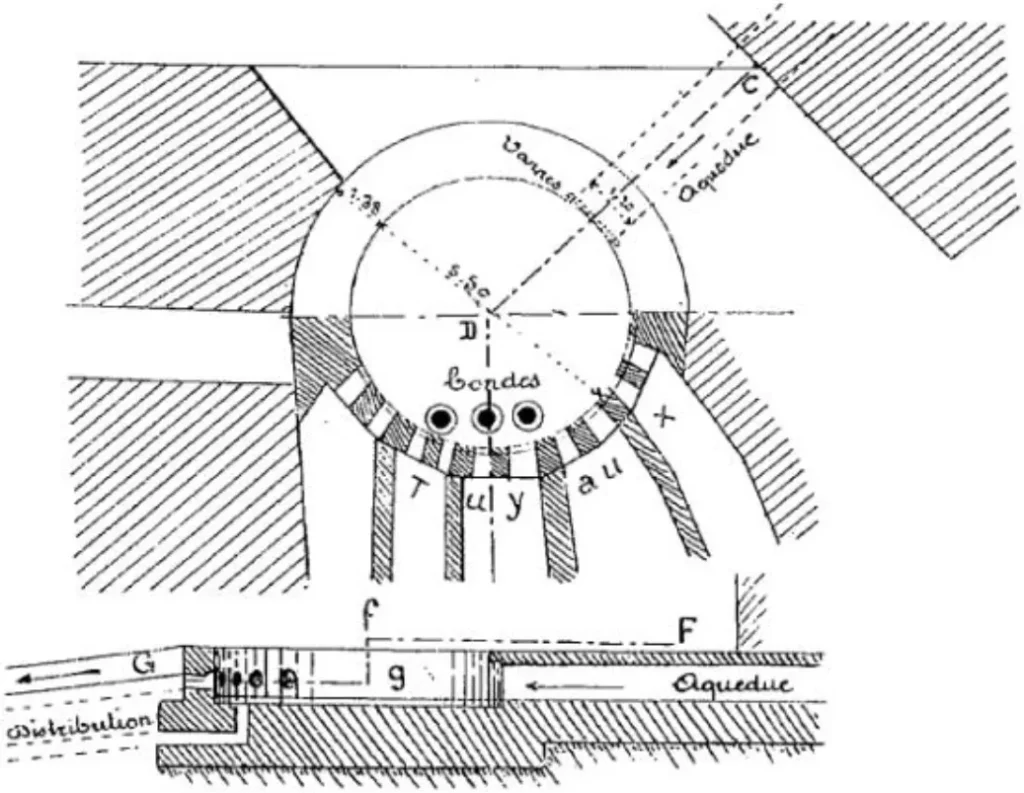
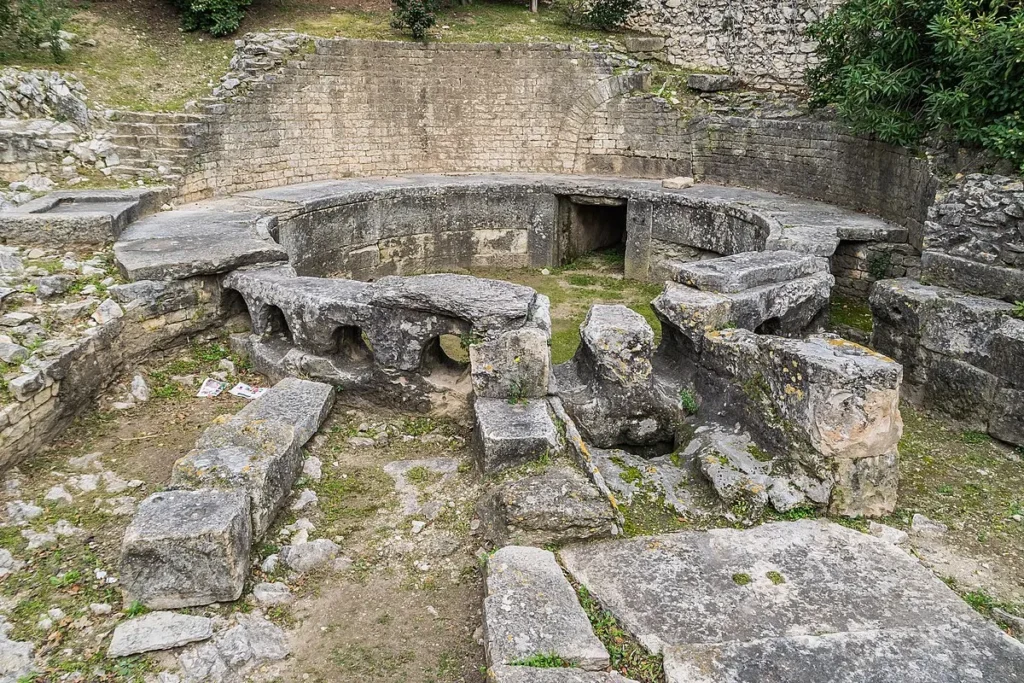
Inside the walls, water enters castella, distribution basins that regulate levels and divide flow into measured pipes. Frontinus insists that these basins be sound, clean, and accessible for inspection. He names the principle that governs them: measured equality. Each opening that feeds a district or a fountain must match the grant assigned to it. Three things unite at a castellum: law, stone, and flow. When the law is precise and the stone is sound, flow becomes trustworthy. A trustworthy flow creates a trustworthy city. People sleep well when fountains do not fail.
He gives examples of how to reassign water when a district grows. The curator does not create new water by decree. He balances, then he admits the change to the ledger. The result is a city whose growth does not tear its circulatory system. His thought reaches beyond his century without leaving it. He is simply being Roman: to govern is to measure and to remember.
Private Grants, Public Rights, and the City’s Ethic
Frontinus draws a hard line between public rights and private privileges. A private grant allows water to be drawn into a house or a workshop, but it never extinguishes the public claim on the source. The grant can be altered or revoked for cause. It is attached to a named holder who pays a fee and obeys the assigned diameter. Pipes are to be stamped with the grant holder’s name and the authorizing magistrate, a practice that allows inspectors to identify theft at a glance. The system relies on the moral clarity that public goods cannot be annexed by stealth.
He looks with suspicion on elaborate gardens within the city that thirst for constant irrigation. He does not forbid them. He reins them. He permits by schedule and by measured flow. He reminds the reader that Rome’s water exists first for life, then for cleanliness and comfort, then for dignity and display. The order never reverses. He has seen too many frontiers to forget what thirst does to crowds.
Built out of a love for history, kept free from distractions.
Spoken Past is an independent project shaped by curiosity, care, and long hours of research. Reader support helps keep it maintained, carefully researched, and open to everyone.
The Magistrate’s Style: Latin Clarity and Administrative Literature
Sentence by Sentence: How Frontinus Communicates
Frontinus writes like a man who expects his directives to be implemented by others who will not argue. His sentences are compact. He favors lists when listing serves the reader. He avoids rhetorical indulgence and prefers the pressure of facts to the seduction of phrases. He seldom uses extended comparisons or moral lectures. Instead, he frames obligations. Do this, because the city depends on it. Keep these records, because without them your memory will fail. Inspect this point, because failure here becomes disaster there. The simplicity is not cold. It is paternal in the Roman sense, a seriousness that does not condescend.
The Pairing of War and Water in One Career
The empire asks the same virtues of a commander and a water commissioner. Both must think in lines of supply. Both must guard against theft, whether of cattle on a frontier or of flow inside a wall. Both must adjust to terrain and season. Both must turn law into daily habit. Frontinus becomes the empire’s argument that men trained in one domain can excel in another when they carry forward the principles that matter: presence, measurement, record, and equity.
He becomes, within his tradition, the exemplar of a career that unites arms and civil craft. He does not write poetry. He does not plead in the courts. He does not chase novelty. He repairs what is broken and writes down the method so that the next man does not need to rediscover it by trial and error.
The Edge of Parting Waters: Toward Allocation, Pressure, and Equity
Pressure and Height: The Physics a Curator Must Respect
Before a drop of water reaches a cup, it obeys height. Frontinus explains, in the language available to him, that water does not climb a hill unless the source stands higher than the destination. He therefore pays attention to the entry heights of aqueducts and to the elevations of districts. He instructs the curator to choose outlets in castella that match not only the grant, but the required reach. A pipe that must climb to a bath on a ridge needs a stronger head than a pipe that feeds a street fountain below. When the system is misunderstood, builders compensate with overlarge diameters that steal from others, or with illegal siphons that weaken the whole.
He prefers simple obedience to gravity rather than complicated contraptions. Rome could build inverted siphons where valleys demanded them, but within the city, the safest plan is to let each water run where its height allows, reserving the highest entries for the districts that need climb, and diverting lower waters to the flats. The curator is a composer who writes for multiple instruments, each with a different range. Harmony, not mere volume, is the goal.
Equity in Practice: Fountains, Baths, and Workplaces
Frontinus distinguishes uses. He treats public fountains as a right, baths as a public comfort that also serves health and social peace, and workplaces as engines of daily bread. He allocates accordingly. A factory that kneads dough for a district must not be starved while a private pool glitters. A bath that serves whole neighborhoods deserves steadier flow than a court where a single household entertains. He refuses to view water as a mere commodity. It is a civically ordered good. The book’s hidden theme is that Rome discovered how to domesticate abundance by placing it under rule.
He describes inspections at baths with the same sobriety he brings to castella. He checks inflow and outflow, compares them to the registered grant, and looks for hidden branches. He records his findings and imposes penalties when required. He also encourages owners to maintain their private lines so that leakage inside a complex does not burden the public channel. Cooperation arises from clarity. When owners know the rules, many obey to avoid the cost of disorder.
He names cheats, measures losses, and turns the valves of law
Illegal taps, counterfeit pipework, and the magistrate who counted drops
Frontinus does not hide the irritation that crossed the desk of any curator aquarum. The city’s aqueducts moved like quiet rivers above and below Rome, and every interruption revealed hands where they should not be. He lists the ways theft occurred, in language that feels like a daybook: clandestine branchings before a legal junction, pipes bored into a wall of the specus, the flow throttled at the castellum by a bribed attendant, false seals on lead pipes, and calices, the little bronze or lead mouthpieces that fixed a legal water allowance, swapped for larger ones when an owner thought no one would check. The offenders ranged from small shopkeepers who fed their vats at night to great houses that connected private gardens to a public line, confident that a steward could talk a patrol away.
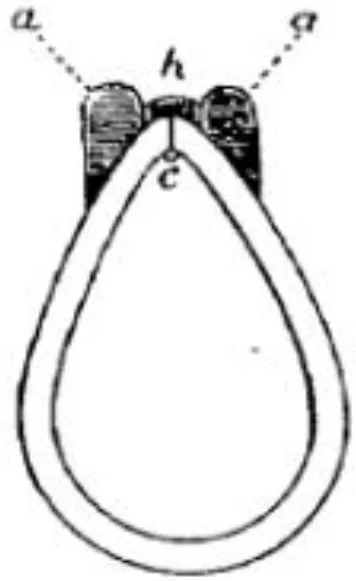
He replies with measurement and record. The calix, he explains, belongs to the city, and its diameter, expressed in the Roman quinarian gauge, fixes the right to water. Any larger orifice makes a thief, any unsealed joint is an open invitation to waste. The team assigned to him, the familia aquaria, did not simply march along the arches, they measured and they counted. A pipe could be stamped, a joint could be opened and examined, a partial diversion could be traced by the telltale lime that cloaked a wall where water did not belong. When he tells the story of an aqueduct restored after years of neglect, he makes a point of listing the number of illegal outlets cut off. He thinks of water as a public contract carried in metal and stone, and he acts with the chain of responsibility in view: the curator gives orders, the procurator and his clerks keep books, the mensores and libratores, the measurers and levelers, carry rods and plumb lines.
Confiscation, fines, and the city’s amnesia for special favors
A recurring enemy in his account is the informal privilege, the request granted in an emergency that later claims permanence. A man receives a temporary feed to fight a warehouse fire, he forgets to remove the branch once the danger passes. A patron obtains a special supply to cool a garden in a drought, he lets the hose run forever. Frontinus insists that no favor is above the public schedule. He warns that most fraud hides near a legitimate line, and that a paper allowance is useless unless men who can read a seal and a diameter make rounds with tools. When a freedom to draw water is legal, it will be in the records; if not, the pipe is cut, the calix is seized, the offender is fined, the place is watched again.
Public water as law, account, and oath
Grants, measurements, and the quinarian gauge explained
The quinarian, his chosen unit for pipe diameter, sounds abstract until he folds it into practice. The allowance lies not in length of pipe, he says, but in the size of the mouth. The city grants, for example, a ten-quinarian feed to a bath or a workshop, then seals a calix of that gauge to a castellum outlet with clamps and solder, with the seal mark preserved for later inspection. If force pressure or elevation suggests something else on site, the staff calculates head loss and the slope of the branch so that the allowance downstream still matches the grant recorded upstream. He adds a detail that matters more than it first appears, the orifice must be circular and true. A slightly oval mouth cheats by invisible fractions; a rough hole, hammered bigger after the surveyor leaves, cheats more.
Pipe stamps and the identity of a flow
Names cling to lead. Frontinus remarks that stamped fistulae, the lead pipes, preserve the identity of both grant and granter: the emperor’s name, the name of the estate, the responsible official, even the craftsman. Those stamps let an inspector follow water not only by sound and slope, but by a civic pedigree impressed in metal. A private line found without such a pedigree becomes, by definition, suspect. If the stamp names an older official or a dead patron, the inspector looks for a renewal order; if none exists, the privilege expires on the spot. He treats water as a living contract, not a permanent gift, and the stamped letters make the argument even when the magistrate is absent.
The aqueducts in order: sources, heights, and character of each line
The earliest lines: Aqua Appia and Anio Vetus as the city’s first veins
Frontinus places the Aqua Appia first because it ran lowest. Built in the late Republic and almost entirely underground, the Appia brought modest volumes and modest quality. He explains why an underground conduit mattered in war: an enemy could not as easily sever what he could not see, and a buried line kept its gradient shielded from sabotage. Anio Vetus followed, higher and older in some stretches than its name suggests, with water taken from the Anio River basin east of Rome. He notes that river water swells and shrinks with season, sometimes clear, sometimes burdened with silt after rains. Both lines, though old, remained essential because the city’s distribution ladders needed low entries as well as high. The low lines fed fountains and basins in the lower quarters without wasting head where a tall fall was not required.
The triple backbone: Marcia, Tepula, and Julia in stacked masonry
He lingers on the Marcia, the great cold water beloved for drinking. He writes that its quality made it the first choice for public fountains, and he explains its route at the end, an arcade carried on tall arches that even a casual walker could admire. In places outside the walls the Marcia’s arcade shared its load with two later companions, Tepula and Julia, each in its own channel, creating a triple conduit visible for long distances. The Tepula was hotter by nature, the Julia moderate, and together the three, carried on common masonry, let the city feed different uses without mixing waters. Frontinus restores that separation as a rule: cold for drinking, warmer for baths and crafts where heat mattered more than taste. To mix them, in his view, is to ruin the character of each and create petty grievances that accumulate into civic disorder.
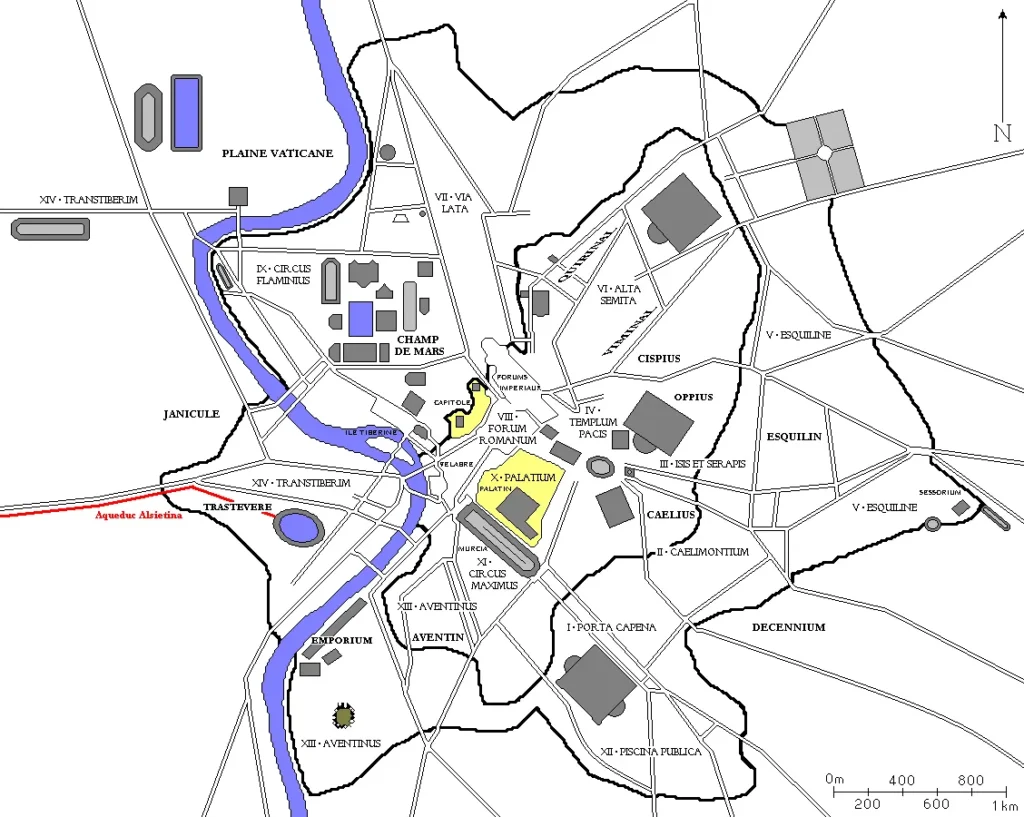
The Virgo for clarity, the Alsietina for spectacle and utility
The Aqua Virgo enters as a special case. Its clear water and gentle drop suited fountains and basins in the Campus Martius. Frontinus praises its reliability, then circles back to his constant concern: do not let a private owner capture Virgo water and carry it across districts. He sets out that the Alsietina, much the opposite, runs low and unfit to drink. It feeds lakes and naumachiae, the arenas for staged naval fights, and it supplies gardens and irrigation. By pairing these two he gives a picture of a civic palate: not every street deserves the Marcia’s cold bite, not every basin can bear the refuse and fish smell that low and standing waters bred.
Claudia and Anio Novus as the high lines of empire
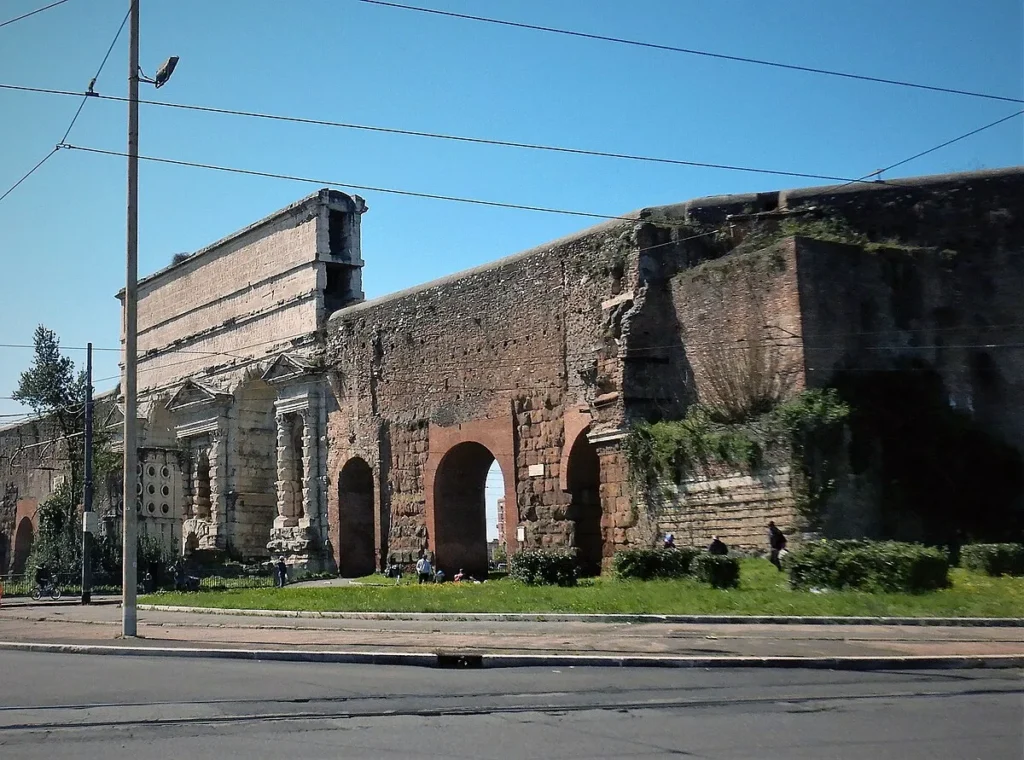
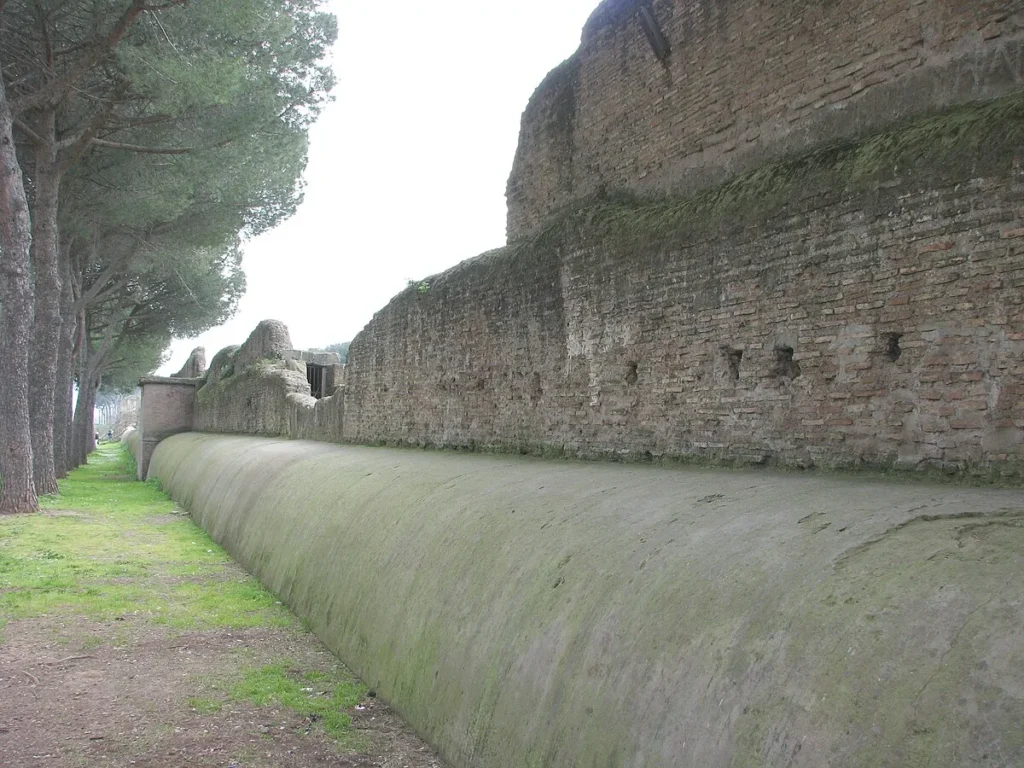
Claudia and Anio Novus, begun under one reign and completed under another, stride into his pages as the dominants of height. He notes the point where they come to town above the old gate, stacked at Porta Maggiore, their twin channels a literal crown on ancient stone. The Anio Novus, drawn in part from the river itself and in part from collecting basins, could be clouded after storms. He offers an answer to that weakness: provision of settling tanks, filters, and the rule that a line disturbed by rain should be reserved for uses that could tolerate it until clarity returns. The Claudia, with purer headwaters, he assigns to better tables and better fountains. But both belong to the group he loves to rank, the lines that make the city walk tall because water comes in with height to spare.
Later branches and the fabric of urban distribution
He catalogs later additions in the city as if he still had their ledgers on the desk. Exterior arches end in castella, the distribution basins, and from there branch pipes lead to districts. He explains the logic of the ladder. High lines may dive into a hill and, through a drop shaft and interior pipe, feed a lower castellum in a different quarter. A single tall feed, therefore, can serve several levels if clever engineers make the fall serve pressure where pressure is useful. From those lower nodes, small calices feed fountains, baths, and houses, each by grant, and the staff keeps the map of connections as a living chart rather than a memory.
The craft of maintenance: seasons, materials, and repairs that hold a city together
Mortars, coatings, and the fight against water’s appetite
Where water runs, stone changes. Frontinus describes the red waterproof mortar that lines many specus channels, a mix that closes pores and slows the growth of calc deposit. He instructs crews to scrape the quarter-round fillets at the floor and wall junction, not because they are decorative, but because they seal the fault that leaks begin to widen. He writes with the patience of a man who has watched a light trickle become a jet: a hairline opens under a joint, the lime begins to bloom, the crystal grows upstream against the flow, and when the flow is reduced, someone in a distant house complains that the fountain weakens. The answer is not to enlarge their calix, it is to send men to clean the upstream channel and reset the lining.
Arches, bridges, tunnels, and the dangerous places
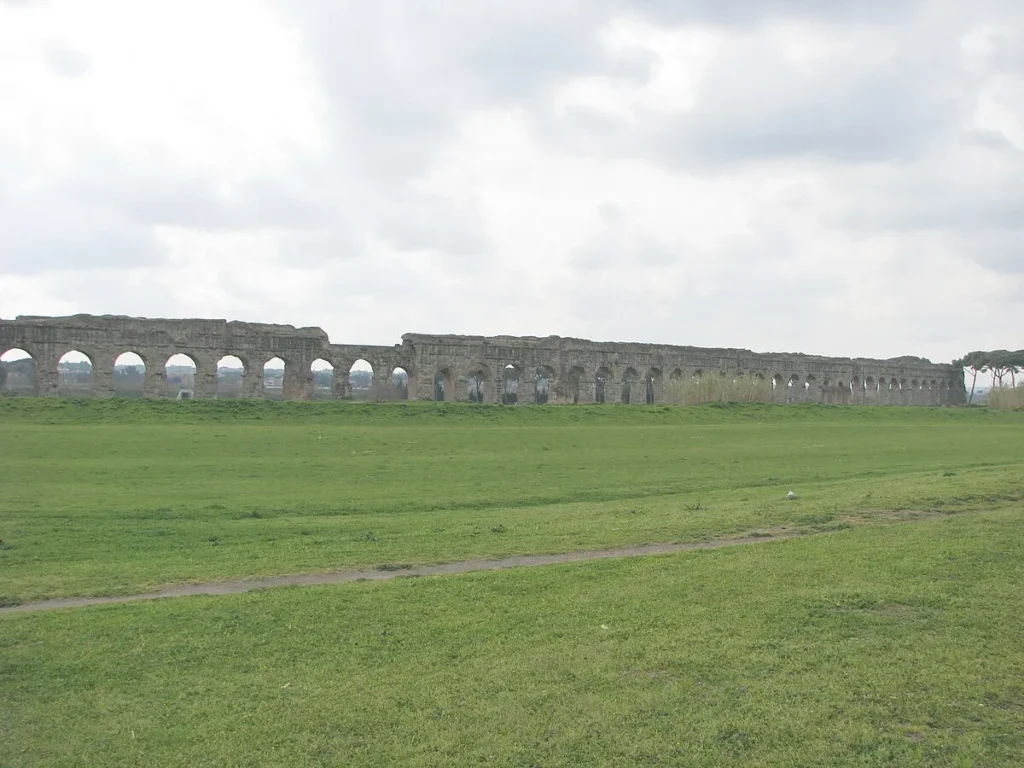
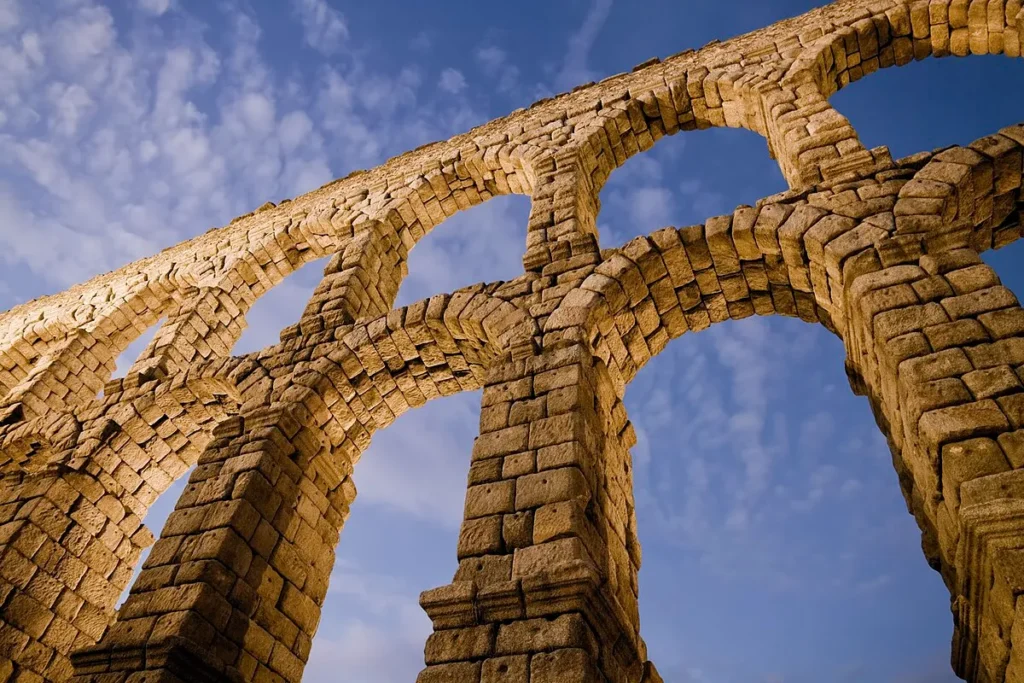
He understands where crews spend their lives. On high arcades, the trouble begins where wind and winter pry at joints; on bridges, where foundations meet river shifts; in tunnels, where a minor collapse turns a corridor into a sump. He insists on regular walk-throughs, not just for the obvious places near town, but for the long quiet miles where the line follows a hillside contour. An inspector in a far field needs a shovel, a lamp, and the authority to call local hands to help. He gives a practical rule: a small cut made by a responsible crew to drain a flooded section will save a wall; a flood left inside a closed channel will breed rot, collapse, and theft.
Emergency response: broken arcades and fouled water
When the unexpected break comes, his staff acts in orders: secure the upstream gate, divert the flow to a spare channel if possible, open inspection shafts and ventilate if men must enter, then repair from sound stone outward. He teaches that cloudy water after storms needs time and settling, so the city avoids drawing from the turbid line for drinking until clarity returns. The worst failures are not spectacular falls of arches, they are unseen leaks that hollow banks and shift footings. His answer is to put more eyes on the quiet stretches than on the famous ones.
The human uses: fountains, baths, mills, and trades
Fountains as anchors in the street
Frontinus returns repeatedly to the public fountain, the lacus, not as ornament but as civic promise. He enforces rules that protect them: no private branch may reduce a fountain below its grant; no waste channel may carry new filth into a fountain cistern; no fountain may be shut for private repairs nearby. A city drinks in public spaces and remembers its officials by the steadiness of the spout. The great aqueducts, to be worth their cost, must keep the small basins alive.
Baths as disciplined luxuries
He knows that baths devour water and that they regulate a city’s mood. He assigns them water by time and quantity. A bath might receive a larger feed during operating hours, then a smaller one in the night to refill reservoirs without starving a neighboring fountain. He prefers to feed baths from lines whose quality fluctuates with rain rather than from the coldest waters that belong in cups and pitchers. Behind his working notes is a moral habit: luxuries may have abundance, but they must not prey on necessities.
Mills, bakeries, workshops, and the industries of Rome
He mentions mills driven by water and public bakeries tied to the grain supply. These are the places where a steady flow answers more than comfort, it answers hunger and price. He would rather see a workshop that depends on a continuous trickle granted a stable allowance from a middling line than see a fountain falter because a bath has taken a rare and cold supply. In his account, the curator aquarum is a quiet general of the city’s labor.
Petitions, disputes, and the long patience of law
Fields, right-of-way, and the city’s claim
Aqueducts cross private lands, and as they do, they draw lines on fields. Frontinus explains that the city’s interest runs with the conduit. A right-of-way must remain clear, trees must be kept at a distance where roots could undermine the walls, plowed furrows must not block a drainage ditch that protects an embankment. He records cases in which a farmer protested a new gate or inspection shaft, and he explains the reply: an inspector must be able to enter and work, and the land will be restored afterward. He recognizes the anger that comes when a channel must be opened on a feast day or at harvest. Yet the law that keeps water moving must not sleep, and the men in the fields must be told why.
Great names, small joints
He never writes like a man awed by patrons. When a steward shows him a letter from a household with a famous name, he answers with the book of grants. The pipe tells the truth because its stamped text sits in lead and because its diameter can be read with a rod. Those, not favors, fix the allowance. He tells stories of pipes discovered after a century, still flowing under a hedge that was once a farm lane and is now a house foundation. The cure is the same: cut, measure, legalize if a grant exists, or return the water to the public if none does.
The Strategemata as a citizen’s handbook for command
Feints that buy time and lives
Frontinus’ Strategemata collects the quick-turn moments when wit rescues a commander. He loves a small ruse that prevents a long siege, a silent march that avoids a battle that would bleed an army. He gives examples in crisp lines: a fortress saved because a commander lit more fires than he had men, a city taken because a guard door opened on a signal borrowed from the defenders, a convoy spared because the decoy baggage drew attackers away from the real stores. He writes not as a showman, but as a man who has signed pay chits and knows that a living cohort tomorrow is more valuable than brave dead men today.
Discipline without cruelty, reward without waste
He puts weight on the quiet architecture of command. Soldiers eat on time, are paid on time, and are praised where all can hear when they earn it. Punishments matter because they are predictable, not because they are theatrical. He admires the commander who can read a dangerous mood after a long march, then orders work that drains anger into labor rather than words. He insists that even the cleverest ruse fails if the ranks are not held by daily habit.
Stories as tools, not trophies
He warns that anecdotes are not ornaments, they are tools for other officers. The Strategemata offers them like a shelf of quickly grasped devices. He presents the bearer of false news who intended to cause panic, then the commander who used that rumor as a screen to move supplies along a safer road; he offers the enemy who watched a city gate, then the officer who fed the watch with routine until the watch fell asleep. The point is always the same: a plan that turns an enemy’s certainty into a weakness spares lives and coin.
Final offices, augury, and a death that closed an old book
The augur who measured signs and canals
Frontinus held the office of augur, a religious trust that bound him to reading signs from the gods and to the sacred calendar. That authority fit the curator who read water levels and chose days for repairs. The augur respects thresholds, and so does the man who guards an arch that carries two channels across a city gate. When he speaks of boundaries around aqueducts, and of the right-of-way stones that warn the farmer where to stop, he writes like a priest of the city’s arteries, where pollution is a kind of sacrilege against the common good.
Last consulships, last decisions
He took the consul’s chair more than once, and he seems to have finished his career without scandal. In his last notes from the water office he argues that Rome must keep its own standards for water distribution and quality. He emphasizes that cutting illegal taps is not cruelty toward poor households but justice toward the many who draw lawfully from fountains. He refuses to flatter the city by claiming that the work is ever done. A channel cleaned this month will require scraping again next year; an arcaded line mended in spring must be walked in autumn. He leaves the impression of a man who knows that the city’s greatness lies not in monuments, but in the honest stubbornness that keeps them useful.
His timeline as remembered within Rome
The young magistrate toward command
Frontinus’ life begins in the register of offices, a young man taking steps on the ladder that led into command. Early posts gave him men to feed and small walls to hold. He learned to read supply lists and the personalities behind them, and to steer through the pressure of letters from friends who wanted favors. Those early years teach him that Roman power rests on patient detail.
The soldier-administrator who learned the temper of distant weather
In a provincial command he learned hills and rivers, the way fog on a ridge means trouble for baggage, the way a flooded ford redraws a plan. He saw how a group of auxiliaries from far tribes, given clear orders and steady food, could hold a crossing against twice their number. He brought that knowledge back to the city when he took offices that required him to balance paper claims with the raw events of daily work.
The water magistrate whose prose refuses to waste a word
When he finally took the water, he wrote its book. The tone is not decorated, because the subject is not a vessel for praise. He records what he finds, how he arranges it, where he changes the practice of a predecessor who allowed mixtures of waters, or who tolerated inspectors paid by those they inspected. He makes a point of separating the noble lines from the muddy ones, because the poor will drink what the rich leave to them. If the city allows its coldest water to be siphoned to villas, then the fountains of poorer hills will cough air. He writes with fairness that favors no quarter but the one where the public draws its daily pitcher.
The elder statesman who exits with the city still running
At the end we see a last consulship, an augur’s funeral, and the pipes still singing. He leaves a book that younger men can carry to a vault and a ladder, and he leaves a set of habits that outlast his name. He is not a philosopher, and he does not need to be. The city needed a man to keep its waters clear, its baths supplied without tyranny, its fountains loyal to their schedules, and its workshops humming with small but essential streams. He did that, and he wrote how.
Frequently Asked Questions about Sextus Julius Frontinus
Who was Sextus Julius Frontinus?
Frontinus was a Roman senator, general, and high civic official who served across the later first century. He held repeated consulships, governed a difficult province in Britain, entered the religious college of augurs, and finished as curator aquarum, the commissioner responsible for Rome’s aqueducts and urban water. He wrote two compact works that survive, a handbook on military ruses and a magistrate’s manual on the water supply.
What offices did Frontinus hold during his career?
He advanced through the standard senatorial ladder: praetorship, provincial command, and the consulship more than once. He was appointed governor in Britain, where he subdued resistant communities in the west, then returned to Rome for high honors. He became an augur, which placed him among the guardians of public ritual, and later served as curator aquarum with authority over sources, channels, castella, fountains, and lawful private draws.
When did Frontinus govern Roman Britain, and what did he face there?
He governed in the later Flavian period. The precise years are not stated in his own hand, but the campaigns fall after the first consolidation of the province and before the next governor advanced farther north. He confronted the Silures and neighboring peoples in the hill country of the west. The ground favored ambush and dispersal, so he answered with method: forts, roads, winter quarters, and steady pressure that turned seasonal gains into permanent quiet.
What are Frontinus’ surviving works?
Two works remain. The Strategemata is a collection of brief military stratagems arranged by topic, a notebook of examples for commanders who must act under pressure. De aquaeductu is a systematic account of Rome’s water supply and of the curator aquarum’s duties. The first teaches flexibility in war, the second enforces order in civic life. Both speak in a concise magistrate’s voice.
Why did he compile the Strategemata?
He aimed to give officers a ready shelf of usable ideas. Each entry pairs a common problem with a short example: break a siege by surprise, mask a weakness by display, cross a river without inviting disaster. He draws on Roman and non-Roman commanders alike, because a useful method remains useful regardless of origin. The tone is practical, not boastful, and the message is constant: invention works only when discipline and logistics are sound.
What exactly did the curator aquarum do?
The curator aquarum oversaw Rome’s entire water system. The office commanded the staff that maintained sources, tunnels, arcades, and distribution basins, set lawful private grants, protected right-of-way, and enforced standards for measurement. The curator balanced competing demands so that public fountains, baths, workshops, and households received water in order of civic priority. He inspected in person, kept ledgers, and issued directives with the emperor’s backing.
What is the structure and purpose of De aquaeductu?
De aquaeductu begins by naming the aqueducts, their sources, and general lengths, then ranks their waters by quality and best use. It describes staff and inspection routines, defines legal corridors and penalties for encroachment, and explains how to measure grants by standard orifices. The book is not a display of learning, it is a tool for his successor: measure accurately, record faithfully, and be present in the field.
How did Frontinus say Romans measured water?
By orifice, not by pipe length. Grants were set with a calibrated mouthpiece called a calix, expressed in the quinarian standard. A circular, true opening fixed the legal allowance. Pipes were stamped with names that tied a draw to its authorization. Inspectors compared recorded grants at castella with observed flow, then traced any loss or gain through the network until numbers matched the ledger.
Which waters did he rank highest for drinking?
He gives special praise to the Aqua Marcia for cold clarity, and rates the Aqua Virgo highly for purity in the districts it served. High-volume lines such as the Aqua Claudia and the Anio Novus supplied great strength for baths and fountains while also remaining fit for drinking when managed properly. By contrast, the Aqua Alsietina was unfit for the cup, useful for gardens and spectacles.
Did Frontinus allow mixing waters from different aqueducts?
Only with strong reason. He insists that each water retains its character, and that mixing can spoil specific uses. Cold, clear lines belong in cups and at public fountains. Warmer or more variable lines feed baths and industries. He protects that separation because careless mixing leads to complaints, pressure loss, and the slow erosion of public trust.
How did he deal with illegal taps and counterfeit fittings?
He lists the cheats plainly: clandestine branchings, widened calices, false seals, and pipes bored directly into the specus. The cure is inspection with authority. His staff opened joints, read stamps, measured apertures, and cut unlawful branches. Offenders were fined and fittings were confiscated. He warns that most fraud hides beside legitimate lines, so routine presence matters more than rare crackdowns.
What did he say about protecting aqueduct right-of-way across fields?
Aqueducts carried a legal corridor. Trees must not be planted where roots could reach the masonry, walls must not lean over the path, and furrows or banks must not block protective drains. Boundary stones and inscriptions marked the public claim. Inspectors had the right to enter, open, and repair, with the promise that fields would be restored. The public good outranked private convenience at the channel’s edge.
How were castella supposed to work under his rules?
A castellum, the distribution basin inside the city, held a stable level that fed calibrated outlets. Each outlet matched a registered grant by diameter. Inspectors could enter and clean, compare inflow to outflow, and detect any theft by pressure drops or by residue on walls where water strayed. Castella turned law into flow. When they were sound and measured, the whole city felt the result in steady fountains and reliable baths.
What priorities guided his allocation across the city?
Public fountains came first, baths and public facilities next, then registered private uses and gardens. He favored uses that preserved health and work over displays that consumed water without serving a neighborhood. He often reserved the purest lines for drinking, while steering high-volume or more variable waters toward baths and workshops. Equity and stability, not spectacle, guided his hand.
How did he plan maintenance and respond to failures?
He preferred frequent small cleanings to rare closures. Crews scraped calc deposit, reset mortar, and checked drop shafts and settling tanks after rains. When a break came, the staff secured upstream gates, diverted flow if possible, and repaired from sound stone outward. He warned that quiet stretches far from town caused the worst collapses if neglected, so patrols focused on those places as much as on famous arches.
What does his writing style tell us about him?
His prose is disciplined, clear, and spare. He lists facts, gives procedures, and assigns responsibility without flourish. The same man who collected quick battlefield ruses wrote a water manual that refuses to argue when a measurement will do. He trusted rules that could be taught and repeated, and he trusted presence. A curator at a desk, he says in effect, will never keep a channel honest.
Was Frontinus also a religious official?
Yes. He was an augur, a member of the college that safeguarded auspices. The office fit his larger character. Augurs protected correct beginnings by ritual law, and the curator aquarum protected the city’s daily well-being by civil law. Both roles valued boundaries, procedure, and the right time to act.
How many times was he consul, and under which emperors did he serve?
He held the consulship more than once, which signals trust across reigns. He served and wrote in the decades that saw the Flavian emperors, then the transition to Nerva and Trajan. Exact years for each office can be uncertain in detail, but the sequence is clear: military command, high civic authority, priesthood, and repeated consulships.
What is his place inside Rome’s own tradition?
Within Rome’s memory, Frontinus stands as the model of a practical aristocrat who turned offices into order. He pacified a hard province with patience rather than spectacle, then wrote a lasting manual that made the city’s water measurable, equitable, and durable. He left tools, not slogans, and his city measured his worth in quiet fountains and baths that steamed on schedule.
Why does his career pair war and water so naturally?
Both domains depend on supply, terrain, and discipline. Both reward clear records and punish wishful thinking. The commander who knows how to save a cohort by a timely ruse becomes, in Rome’s logic, the curator who knows how to save a district by closing an illegal branch and cleaning a settling tank before a festival. Frontinus proved that one mind could serve both with the same virtues: presence, measurement, and a steady regard for the public good.