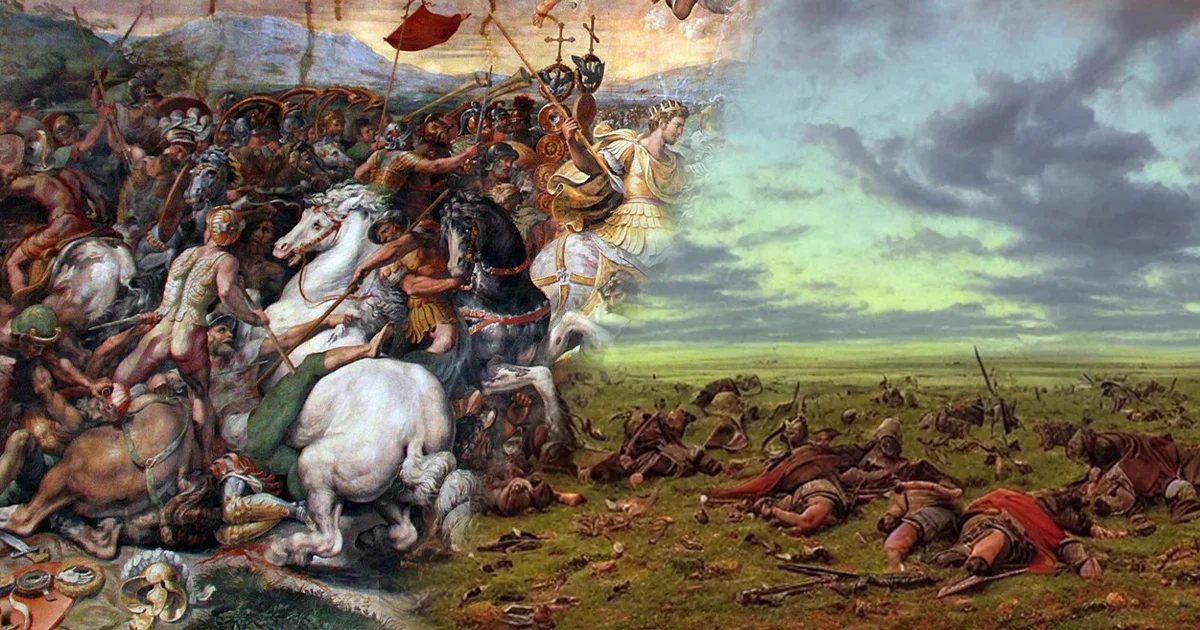
After the fighting stopped, ancient battlefields transformed into chaotic zones of death, salvage, and ritual. Armies could not simply march away and leave thousands of corpses rotting on the field. The aftermath of battle required days of grueling labor involving weapon collection, body disposal, religious ceremonies, and prevention of plague. Victorious commanders devoted resources to managing the aftermath of battle that rivaled the effort expended during the fighting itself. Understanding what happened after ancient battles reveals how military logistics, culture, and survival intersected across Greece, Rome, Persia, and Germanic tribes.
The aftermath of battle at Cannae in 216 BC demonstrated the scale of work required after major engagement. Approximately 50,000 Roman and Italian casualties covered the field, requiring Carthaginian forces to remain on site for three days collecting weapons before marching. Local populations spent over a month managing the aftermath of battle through mass burial to prevent typhoid and dysentery. The aftermath of battle at Cannae established a stark reality: victory created as much labor as defeat created death.
Collecting Weapons and Armor
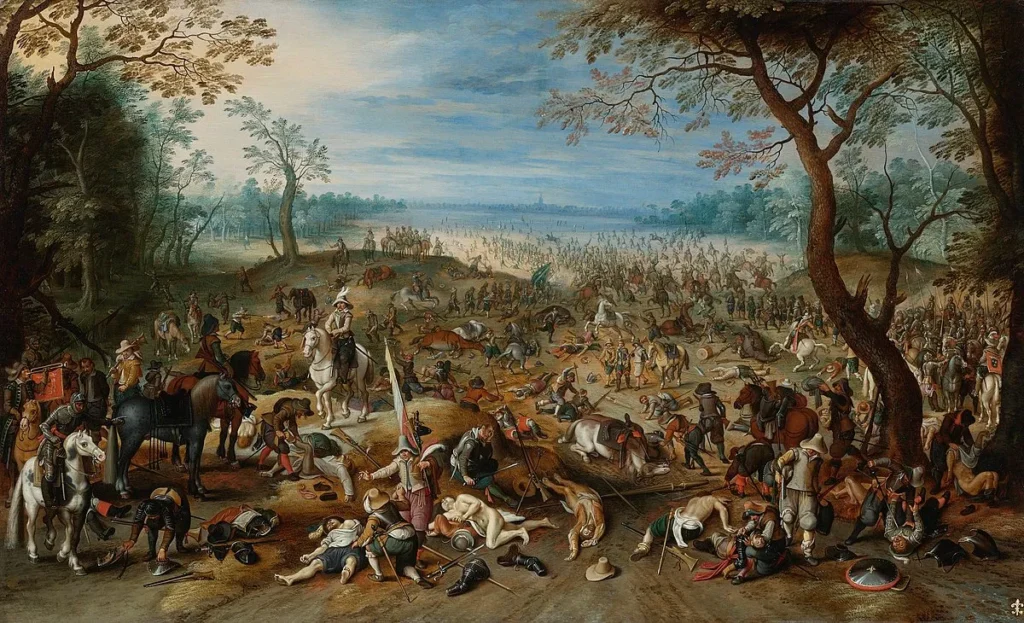
The aftermath of battle began with systematic weapon recovery that directly impacted future military capability. Roman officers supervised legionaries moving across the field removing shields, swords, javelins, and armor from corpses. Officers designated specific teams to recover bronze items separately from iron weapons, sorting the aftermath of battle spoils by type and quality. High-quality foreign weapons like Gallic longswords and Spanish falcatas entered Roman arsenals after inspection, while damaged items went to legionary smithies for repair during the aftermath of battle process.
At Cynoscephalae in 197 BC, Roman forces collected enough Macedonian phalange armor during the aftermath of battle to re-equip two full legions. Officers recorded captured items by category, documenting the scale of recovery that transformed the aftermath of battle into a profitable military operation. This systematic approach to the aftermath of battle weapon collection reduced future manufacturing costs by 30 to 40 percent compared to producing new arms from raw metal. Germanic tribes and Greeks operated differently during the aftermath of battle, prioritizing religious ritual over economic recovery.
Disposing of Human Remains
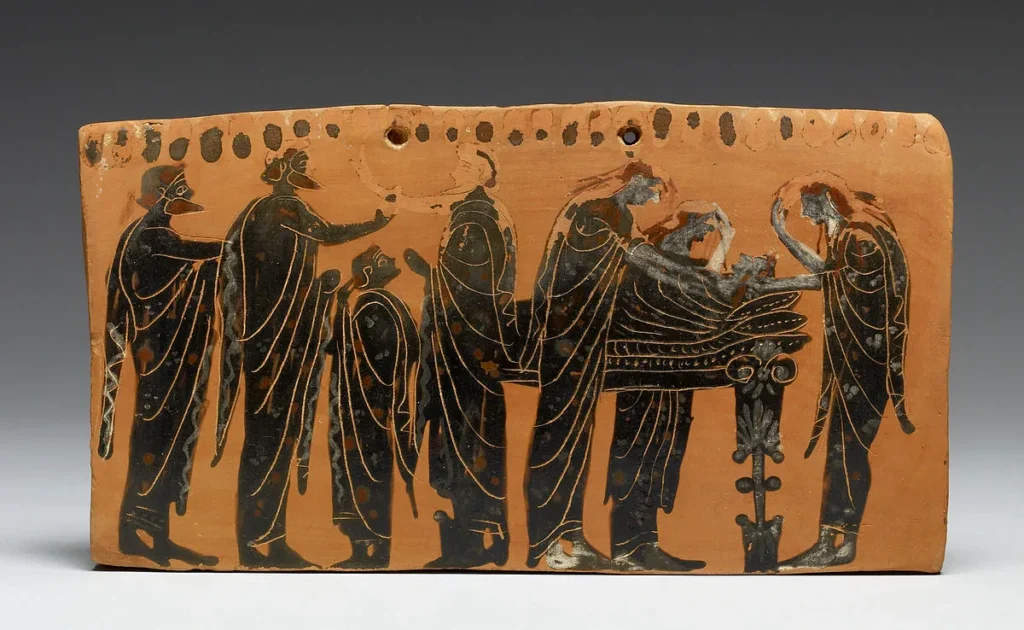
Rapid burial during the aftermath of battle prevented plague that could devastate armies more effectively than enemy soldiers. Greek forces cremated their own dead on massive funeral pyres after the aftermath of battle at Plataea in 479 BC. The cremation process during the aftermath of battle consumed hundreds of bodies daily, with ashes collected into urns for transport back to Athens. Persian corpses remained on the field because no Persian delegation negotiated their retrieval during the aftermath of battle, a deliberate dishonor that communicated total victory.
Mass burial represented the practical solution for managing the aftermath of battle when time prohibited cremation. At Cannae, local farmers dug trenches 15 feet deep to manage the aftermath of battle corpse disposal within two weeks. Workers pushed decomposing bodies using wooden poles to avoid direct contact, completing the aftermath of battle burial before disease outbreak. Historical sources report the aftermath of battle at Cannae generated smell that persisted across Apulia throughout summer 216 BC.
Looting by Soldiers and Officers
Soldiers engaged in unauthorized looting during the aftermath of battle despite military law prohibiting it. Small valuables including gold rings, bronze fibulae, coins, and gemstones disappeared into packs before officers completed inventory during the aftermath of battle. At Gaugamela in 331 BC, Macedonian infantry collected enough Persian jewelry and precious metals during the aftermath of battle to remain wealthy for years after military service. Military punishment for hoarding during the aftermath of battle ranged from flogging to pay reduction, yet the practice persisted because control proved impossible.
Officers tolerated minor theft during the aftermath of battle if it did not disrupt unit cohesion or military authority. Centurions who supervised weapon collection during the aftermath of battle often ignored small-scale looting to maintain morale among exhausted soldiers. The aftermath of battle transformation of spoils into personal wealth created psychological compensation for survivors who had endured extreme violence and trauma. Hannibal’s Carthaginian forces organized the aftermath of battle looting more systematically than Romans, designating specific officers to oversee collection and distribution during the aftermath of battle process.
Built out of a love for history, kept free from distractions.
Spoken Past is an independent project shaped by curiosity, care, and long hours of research. Reader support helps keep it maintained, carefully researched, and open to everyone.
Erecting Trophies and Religious Ceremonies
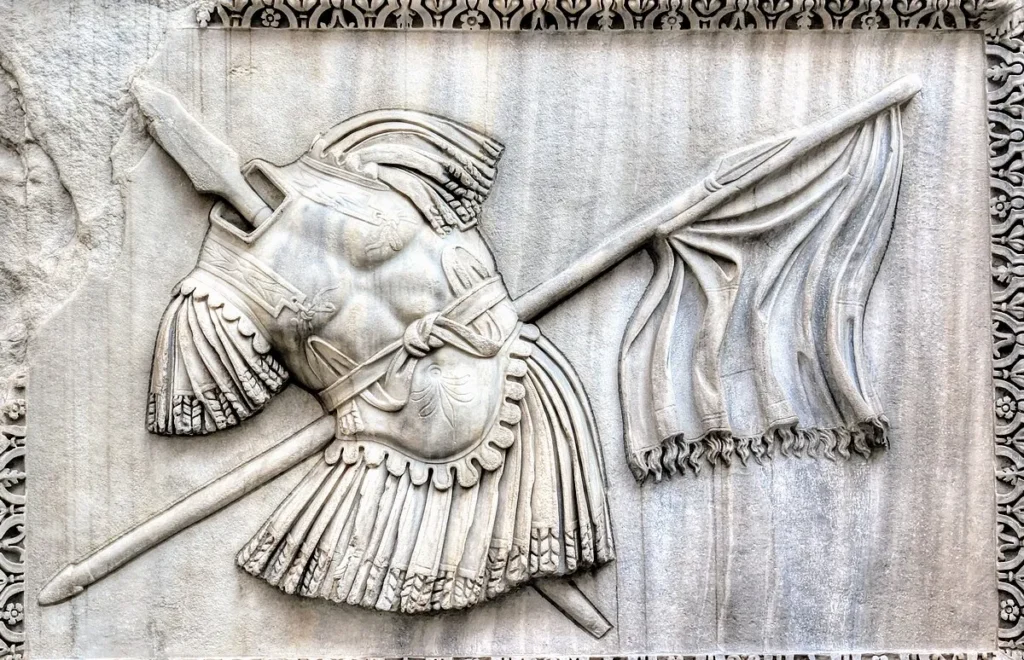
Greeks transformed the aftermath of battle into religious ritual by erecting trophies at the exact spot where enemy lines broke. The tropaion consisted of a wooden post dressed in captured enemy armor, shields, and helmets hung in deliberate arrangement. Greek law protected the trophy after the aftermath of battle, and destruction or removal constituted religious violation. The trophy honored Zeus and commemorated divine favor that produced victory. The aftermath of battle trophy placement communicated the battle’s outcome to neighboring cities and created a permanent marker of conquest.
Persian nobility received formal funeral treatment during the aftermath of battle despite active military campaigns. Xerxes maintained embalmers and funeral specialists within the baggage train to ensure elite soldiers received proper Zoroastrian rites during the aftermath of battle. Common Persian soldiers rarely received such treatment during the aftermath of battle, their bodies abandoned unless local populations initiated collection. This hierarchy of treatment during the aftermath of battle reflected Persian military structure and religious beliefs about proper death and afterlife transition.
Scavenging and Metal Recovery
After armies departed, the aftermath of battle entered a secondary phase lasting weeks and months as scavengers stripped remaining valuables. Metal salvagers combed fields for lost weapons, coins, and bronze fittings to sell to smiths during the aftermath of battle process. At Plataea, Greek farmers discovered Persian arrowheads in plowed fields for centuries after the aftermath of battle, evidence of systematic long-term recovery. The aftermath of battle scavenging provided peasants with profitable work as they transformed agricultural labor into metal collection and sales.
Germanic tribes conducted ritual destruction during the aftermath of battle instead of salvaging weapons for reuse. After the Teutoburg Forest annihilation in 9 AD, Germanic warriors bent Roman blades, smashed shields, and deposited destroyed equipment in sacred bogs during the aftermath of battle. Archaeological excavations at Illerup Ådal recovered 15,000 deliberately destroyed objects from ancient battlefields, evidence that the Germanic aftermath of battle involved religious sacrifice rather than economic recovery. This cultural difference during the aftermath of battle revealed how civilization values shaped practical decisions about captured military equipment.
Preventing Disease and Long-Term Impact
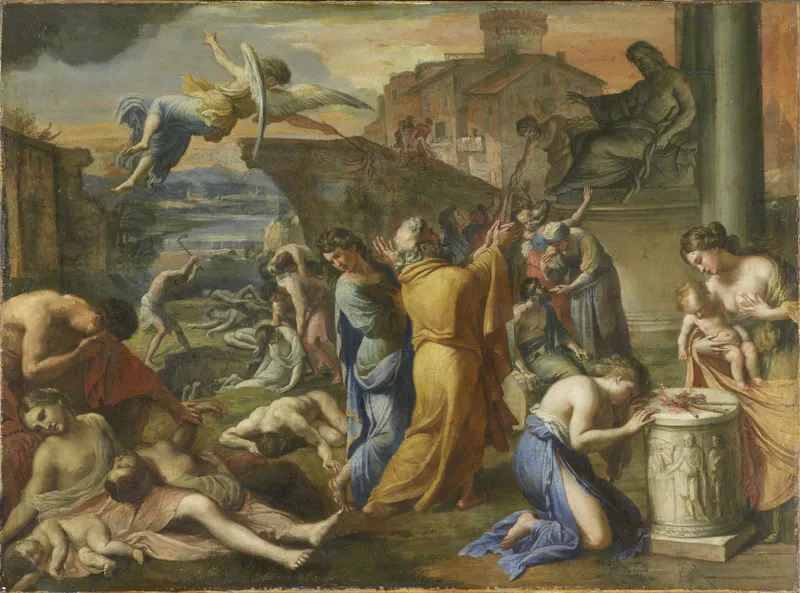
Disease prevention during the aftermath of battle consumed as much commander attention as fighting itself. Roman military manuals required completion of burial within 14 days of the aftermath of battle to prevent contamination of water supplies and food stores. Officers who failed to enforce burial deadlines during the aftermath of battle faced court martial. At Cannae, delayed burial during the aftermath of battle contributed to typhoid and dysentery that weakened survivor populations throughout the region for months.
Fields retained evidence of the aftermath of battle for generations after armies departed. Plow teams turned up human bones, corroded weapons, and fragmented armor during the aftermath of battle plowing that continued for decades. Archaeological excavations consistently reveal mass grave clusters suggesting organized team supervision of the aftermath of battle disposal. The aftermath of battle transformation of fields into burial sites created visible landscape changes that persisted for centuries as local populations worked the land.