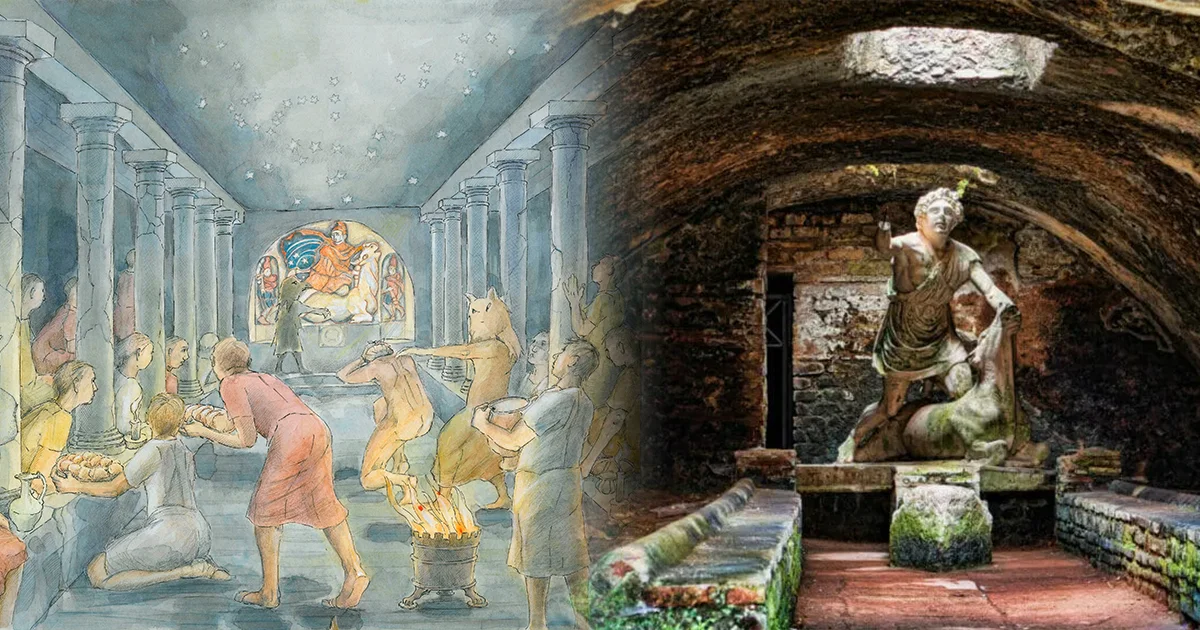
Mithraic rituals centered on communal banquets, initiation ceremonies through seven grades, and ritual sacrifice reenactments in underground sanctuaries called mithraea that were designed to resemble caves. Archaeological evidence from sites across the Roman Empire, including Ostia, Dura-Europos, and Rome, reveals that these rituals involved shared meals on side benches, torch-lit processions, animal sacrifice commemorating Mithras slaying the cosmic bull, and hierarchical advancement ceremonies marking spiritual transformation. The cult flourished between the first and fourth centuries CE, with its membership drawn primarily from soldiers, merchants, and imperial administrators.
The Mysteries of Mithras represented one of several eastern mystery religions that spread throughout the Roman world during the Imperial period. Unlike public civic cults, Mithraic worship was exclusively esoteric, confined entirely to the interior space of the mithraeum and restricted to male initiates. The cult’s secrecy and emphasis on salvation after death made it particularly appealing to those seeking spiritual certainty in an uncertain world.
Understanding what took place inside these sanctuaries requires piecing together archaeological remains, dedicatory inscriptions, and iconographic programs that decorated the walls and floors of mithraea. This article explains what rituals took place in a mithraeum, how they were structured, and why they mattered to participants between 500 BCE and 500 CE.
The Mithraeum as Sacred Space
The mithraeum was the sole place of worship for followers of Mithras, and only initiated members were permitted entry. These sanctuaries were deliberately constructed or adapted to resemble caves, commemorating the mythical cave in which Mithras was born and where he slew the cosmic bull. Research from the University of Bologna has documented that mithraea could be established anywhere, including converted rooms in private houses, basements, and purpose-built underground chambers.
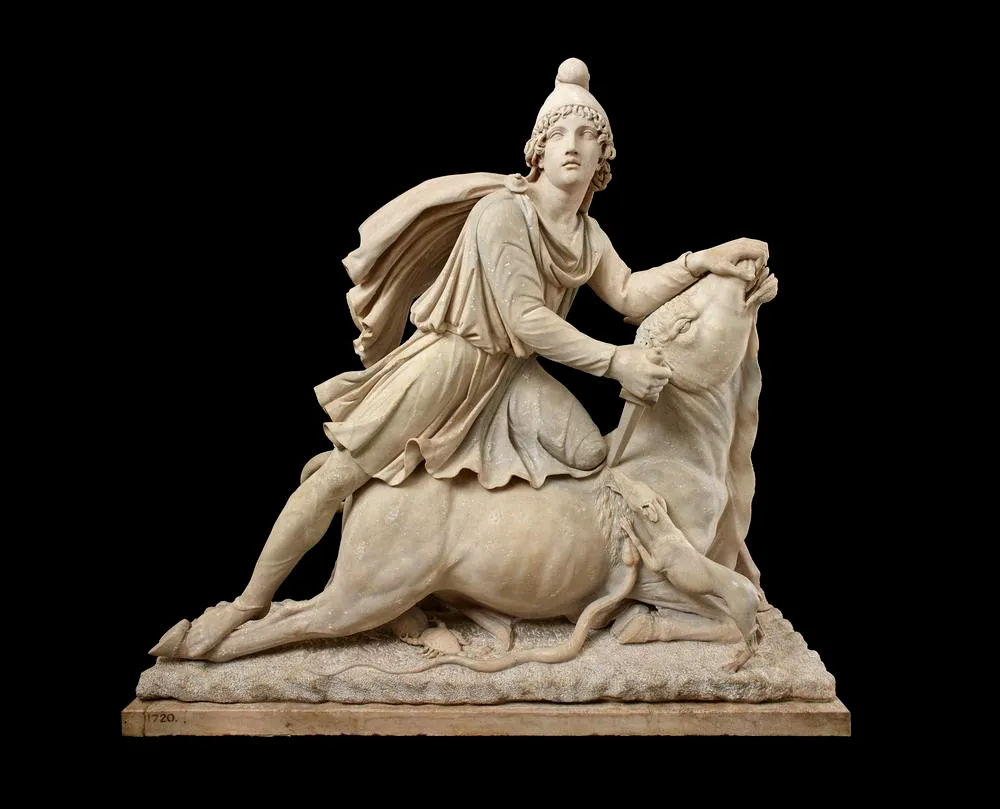
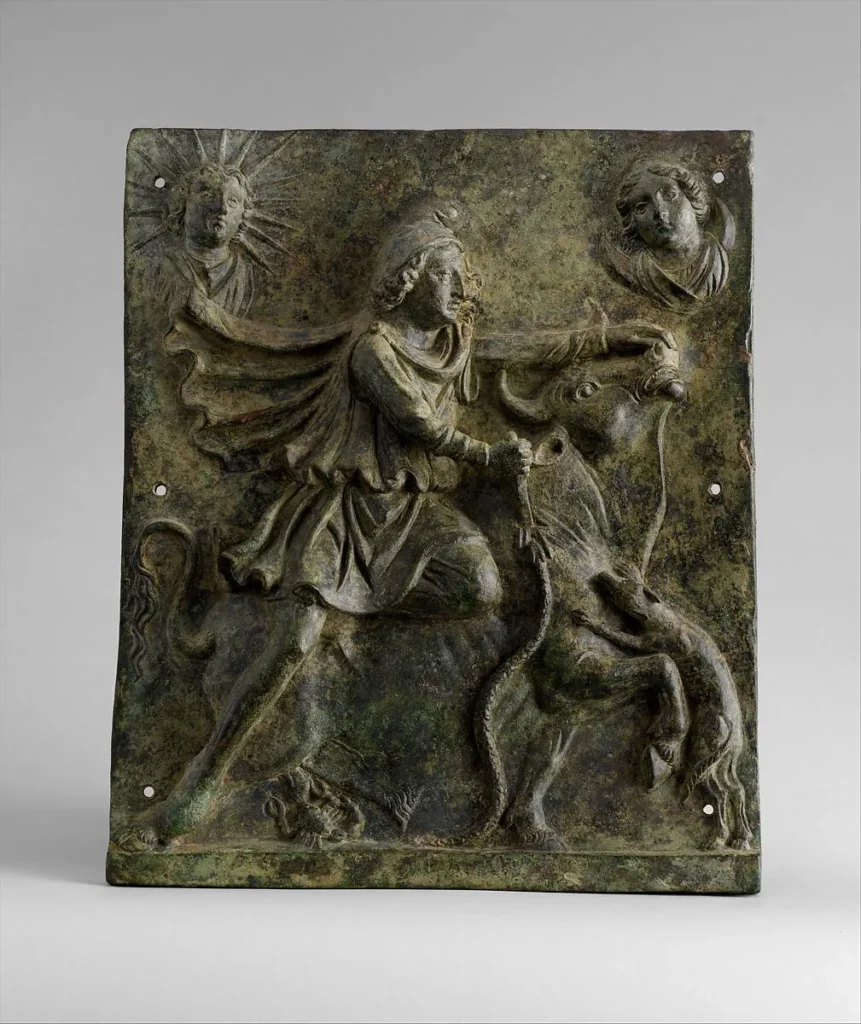
The typical mithraeum featured a long rectangular room with raised benches along both sides where worshippers reclined during ritual meals. At the far end stood a cult relief or statue depicting the tauroctony, the central image showing Mithras slaying the bull. This image was often set in a niche designed to enhance its cavelike appearance and was sometimes concealed by a curtain that could be drawn back during ceremonies.
The interior design combined several elements kept separate in civic cult practice, including housing a cult image, providing a site for sacrifice, and serving as a meeting place for dining groups. Uppsala University research demonstrates that every aspect of cult affairs was confined to the mithraeum’s interior, requiring the space to be carefully ordered to accommodate ritual needs.
Archaeological excavations at sites like Ostia have revealed that mithraea were typically small, accommodating perhaps twenty to forty worshippers at most. This intimate scale reinforced the cult’s exclusive character and allowed for intense ritual experiences. The restricted space also meant that progression through the grades was carefully controlled, maintaining hierarchy within each congregation.
Lighting played a crucial role in creating the ritual atmosphere. Mithraea were windowless or had minimal natural light, relying instead on oil lamps and torches to illuminate the space. This controlled lighting enhanced the dramatic effect of ceremonies and created shadows that brought the relief sculptures to life, making participants feel they were witnessing the sacred events depicted on the walls.
The Seven Grades of Initiation
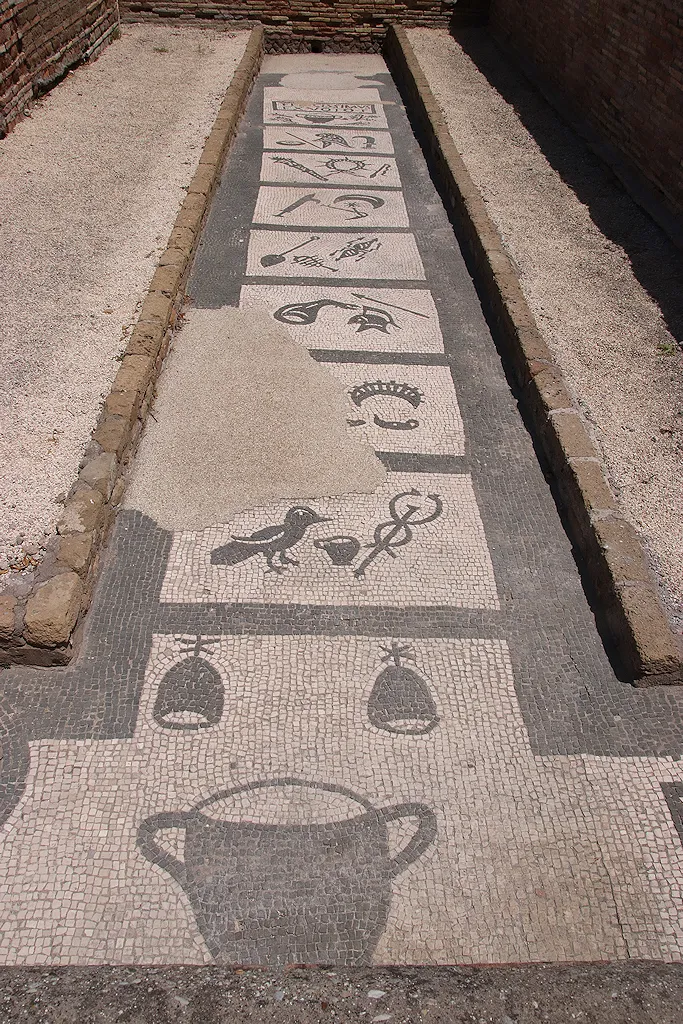
The most distinctive feature of Mithraic practice was its seven-grade initiatory system, documented most completely in a mosaic floor at the Felicissimus Mithraeum in Ostia. The grades, in ascending order, were Corax (Raven), Nymphus (Bridegroom), Miles (Soldier), Leo (Lion), Perses (Persian), Heliodromus (Sun-Runner), and Pater (Father). Each grade had associated symbols, patron deities, and ritual privileges depicted on the mosaic pavement.
Advancement through the grades formed the structural backbone of Mithraic ritual life. Wisconsin University research indicates that initiation ceremonies marked transformative experiences granting access to deeper mysteries and higher status within the congregation. The rituals involved tests of endurance, oaths of secrecy, and symbolic re-enactments of mythological events.
The lower grades underwent more rigorous testing and served the higher grades during communal meals. The Leo grade marked a significant threshold, as Lions were the first to participate fully in the sacred banquet and could handle the sacred fire. The Heliodromus and Pater grades held priestly functions, with the Pater serving as the leader of each individual mithraeum.
Inscriptions from various mithraea record the names and grades of worshippers, providing evidence for how individuals progressed through the system. Some inscriptions commemorate individuals who financed renovations or donated cult objects, suggesting that wealth and patronage played roles alongside spiritual merit in determining advancement.
The symbolism associated with each grade drew on planetary associations, animal attributes, and mythological references. Academic analysis from Ghent and Verona Universities shows that the grades created a microcosm of the cosmos, with initiates embodying different celestial and terrestrial forces as they ascended toward spiritual perfection.
The Sacred Banquet
The communal meal formed the central recurring ritual in Mithraic worship. Participants reclined on the side benches in imitation of the mythological banquet shared by Mithras and Sol after the bull-slaying. This scene was frequently depicted in cult reliefs alongside or above the tauroctony, establishing the visual and theological connection between sacrifice and feast.
Archaeological evidence suggests these meals included bread and wine, likely consumed with symbolic significance tied to the bull’s sacrifice. Some scholars propose that the blood and flesh of the slain bull transformed into grain and grapes in Mithraic mythology, making the banquet a ritual participation in cosmic renewal. Research from the University of Ljubljana emphasizes that the meals established collective identity and closeness to the divine.
The seating arrangement reflected hierarchical status, with the Pater occupying a position of honor and lower grades serving the meal. This ritual hierarchy reinforced social bonds while maintaining clear distinctions between grades. The intimate setting of the mithraeum turned each meal into an exclusive gathering where initiates shared in mysteries forbidden to outsiders.
Evidence from Ostia and other sites indicates that special vessels and implements were used during these meals, some marked with Mithraic symbols or inscriptions. The ritual vessels elevated the act of eating and drinking from mundane consumption to sacred participation in the cosmic drama.
Ritual Performance and Reenactment
Beyond the banquet, Mithraic ritual included dramatic performances reenacting key mythological scenes. Cambridge University research suggests that during ceremonies, the mithraeum became a place of live reenactment, a tableau vivant bringing the tauroctony relief to life. Initiates likely played the roles of Mithras, Sol, and other mythological figures, with costumes, masks, and props enhancing the theatrical effect.
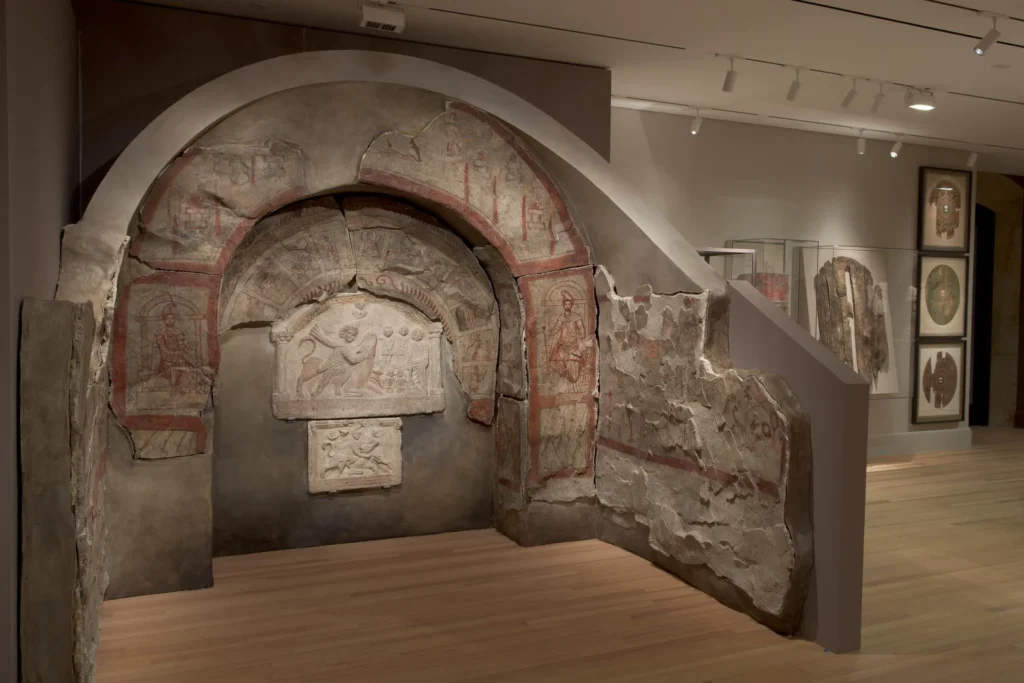
The side walls of many mithraea featured painted or carved scenes showing events from Mithras’s life, including his birth from a rock, his archery contests, and his ascension in Sol’s chariot. These narrative sequences may have served as visual scripts for ritual dramas performed during major ceremonies. Wall paintings at the Dura-Europos Mithraeum preserve rare evidence of such narrative programs.
The torch-bearing twins Cautes and Cautopates, who flanked the tauroctony in nearly every mithraeum, likely represented roles played by initiates during rituals. Cautes held his torch upward symbolizing life and ascent, while Cautopates pointed his torch downward representing death and descent. Together they embodied cosmic dualities central to Mithraic theology.
Animal sacrifice formed part of Mithraic ritual, though the extent and frequency remain debated. Faunal remains recovered from mithraea indicate that chickens, pigs, and possibly bulls were sacrificed on altars within the sanctuaries. The ritual killing may have been restricted to major festivals or initiation ceremonies rather than occurring at every gathering.
Some evidence suggests the use of mind-altering substances during rituals. Pollen analysis from the Ostia Mithraeum of Colored Marbles revealed juniper, a plant whose berries were prescribed in Persian religious practices and may have been burned as incense or consumed to induce altered states of consciousness during ceremonies.
Built out of a love for history, kept free from distractions.
Spoken Past is an independent project shaped by curiosity, care, and long hours of research. Reader support helps keep it maintained, carefully researched, and open to everyone.
The Ritual Calendar
Mithraic worship followed a calendar tied to solar and seasonal cycles, reflecting the cult’s cosmic orientation. Inscriptions record celebrations on December 25, honoring Mithras’s birth, and various festivals associated with equinoxes and solstices. These dates aligned Mithraic practice with broader Roman religious observance while maintaining the cult’s distinctive character.
The layout of some mithraea incorporated astronomical alignments, with light from the sun illuminating specific cult images or architectural features on significant dates. This integration of architecture and astronomy reinforced the connection between ritual activity and cosmic order that lay at the heart of Mithraic theology.
Grade advancement ceremonies likely occurred on fixed dates in the cultic calendar, creating an annual rhythm of initiations that structured community life. New initiates would undergo their transformations during specific festivals, linking personal spiritual progress to the turning of cosmic cycles.
Why Mithraic Rituals Mattered
The rituals practiced in mithraea offered participants several benefits that explain the cult’s widespread appeal. First, they provided a path to salvation and spiritual transformation in an era of religious experimentation and anxiety about the afterlife. The promise of immortality through initiation into the mysteries gave meaning and hope to believers.
Second, Mithraic ritual created strong social bonds among initiates. The shared meals, secret knowledge, and hierarchical structure fostered intense group loyalty. For soldiers stationed far from home or merchants traveling dangerous trade routes, the mithraeum offered a community of brothers bound by sacred oaths.
Third, the cosmic symbolism and astronomical knowledge embedded in Mithraic iconography and ritual gave initiates a sense of understanding the universe’s hidden workings. Participating in rituals aligned with celestial movements connected worshippers to forces beyond the mundane world of daily life.
Finally, the exclusivity and secrecy of Mithraic worship conferred status on initiates. Being part of a mystery religion with restricted membership and hidden teachings distinguished members from the general population and created an elite spiritual identity.
Frequently Asked Questions
What was the main ritual in a Mithraeum?
The communal banquet where initiates reclined on side benches and shared bread and wine in imitation of Mithras and Sol’s mythological feast after the bull-slaying formed the central recurring ritual.
How many grades were there in Mithraism?
Seven initiatory grades existed in ascending order from Corax through Nymphus, Miles, Leo, Perses, Heliodromus, to Pater, each with distinct symbols and ritual privileges.
Were women allowed in Mithraic rituals?
All ancient evidence indicates Mithraic worship was restricted exclusively to men, distinguishing it from other mystery cults like those of Isis or Cybele that included female worshippers.
What was the tauroctony?
The tauroctony was the central cult image depicting Mithras slaying the cosmic bull, typically carved in relief or sculpted and positioned at the end of the mithraeum where it could be viewed during rituals.
How large were mithraea?
Mithraea were deliberately intimate spaces, typically accommodating twenty to forty worshippers on parallel side benches, maintaining the cult’s exclusive character and intense ritual atmosphere.
What happened during Mithraic initiations?
Initiation ceremonies involved tests of endurance, oaths of secrecy, symbolic reenactments, and gradual revelation of mysteries as initiates advanced through the seven grades.
Why were mithraea built underground?
Underground or cavelike construction commemorated the mythical cave where Mithras was born and slew the bull, creating an otherworldly environment separated from everyday life.
What foods were eaten at Mithraic banquets?
Archaeological and iconographic evidence suggests bread and wine formed the core of ritual meals, possibly symbolizing the grain and grapes that sprang from the slain bull’s body.
When did Mithraic rituals take place?
Rituals followed a calendar tied to solar cycles with major festivals on December 25 and seasonal markers like equinoxes, plus regular communal meals and periodic initiation ceremonies.
How did Mithraism end?
The rise of Christianity and imperial legislation against pagan cults in the fourth and fifth centuries CE led to the closure and destruction of mithraea throughout the empire.
Further reading
Yale University Art Gallery: Dura-Europos Mithraeum: Complete museum record of the reconstructed shrine with detailed description of architectural features, wall paintings, and ritual space commissioned by Palmyrene archers in 168-69 CE.
British Museum: Marble Mithras Tauroctony Statue: Official collection page for second-century marble statue excavated from Rome showing Mithras in eastern costume slaying the bull with dog, snake, and scorpion.
Metropolitan Museum: Bronze Mithras Plaque: Museum object page for Roman bronze plaque depicting tauroctony with Sol and Luna busts, explaining cult spread throughout the empire.