What disability meant in ancient literature and why words matter
This article uses disability in ancient literature in a simple, concrete way. It means a lasting impairment of sight, hearing, movement, speaking, or the mind that limits everyday activity. Ancient writers did not share a single term for this idea. They used many words that stress defect, misfortune, or divine sign. Because of that, the same figure could appear as an object of a joke in one scene and as a focus of pity in another. The change depends on genre, audience, and purpose. A comedy invites laughter to cut down the proud. A tragedy invites sympathy to ask what a community owes the wounded. A history uses cases to teach judgment. Philosophers use examples to make rules feel real. Reading across those aims lets us see patterns in how humor and empathy worked together rather than as opposites.
Disability in early Near Eastern literature
Mesopotamian myths and wisdom
Royal and divine stories from Mesopotamia show disability at the edge of power and craft. Gods could heal, inflict harm, or embody a form that set them apart. Court humor in proverbs and banqueting songs often targeted the body to mark status. The point was simple. Laughing at a limp or a squint reaffirmed who had standing in the room. Yet scribal wisdom also warned against cheap mockery. If you mocked the weak, the gods might bring the same fate on you. This mixture produced a steady rule in early literature. Jokes are safe when the butt of the joke is a social climber or a villain. Sympathy enters when harm strikes someone who keeps loyalty to kin or king. When we read the wisdom instructions that survived on clay tablets, we see both notes at once: do not mock the blind, but also know that laughter can police arrogance.
Egyptian tales and court scenes
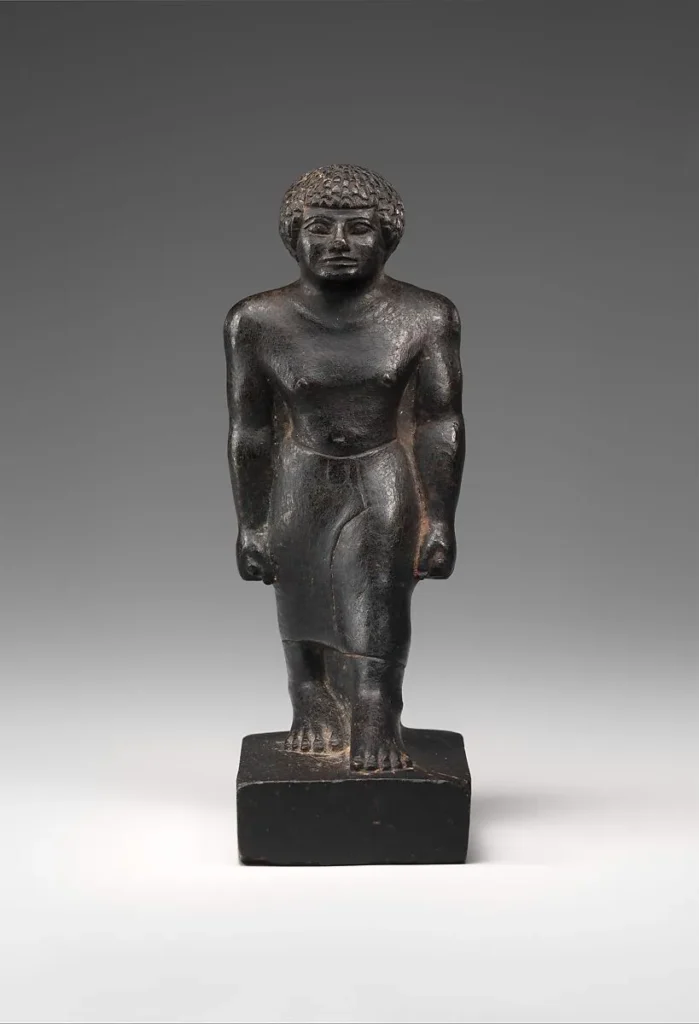
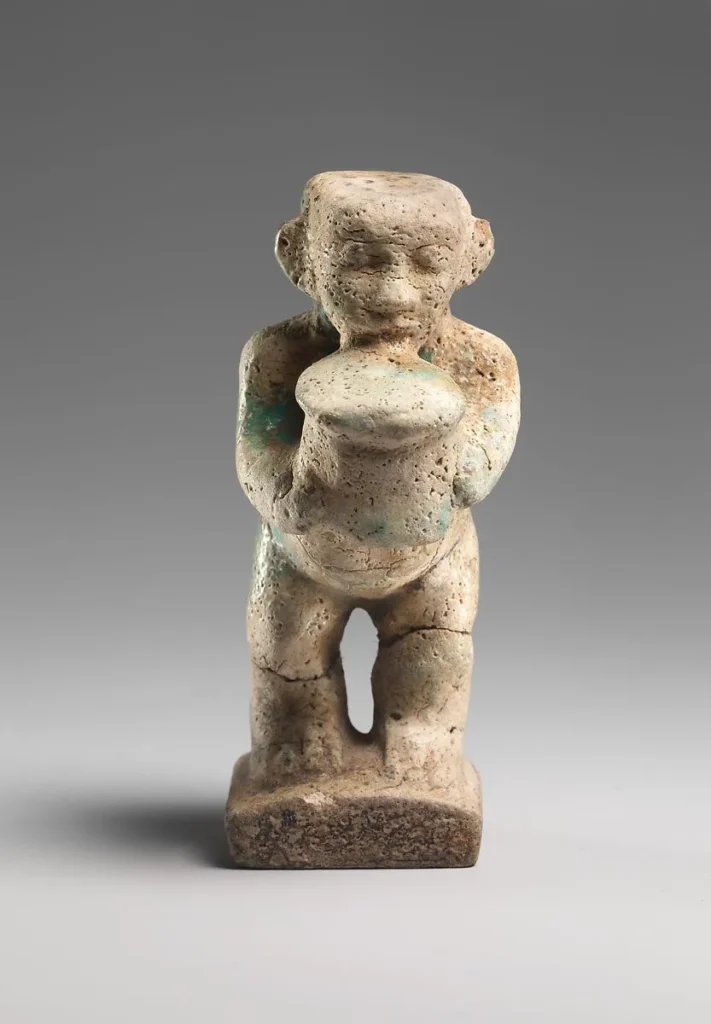
Egyptian texts and images shift the frame. Reliefs and statues depict people of short stature in court service or family scenes. The point is not oddity but role. Skilled attendants and entertainers who were dwarfs appear next to rulers and nobles as trusted figures. Names survive in tomb inscriptions. The Middle Kingdom wood and faience figures of dwarfs in the Met’s collection show how artists could render dignity and authority in a body that looked different from the norm. The language of medical papyri classified impairments as conditions to be observed and treated. Court humor existed, but scenes of ridicule are much rarer than images of employment and ritual. In short, Egyptian sources put service and family ahead of mockery, which matters when we compare cultures later.
Disability in the Hebrew Bible and Second Temple writings
Suffering justice and healing stories
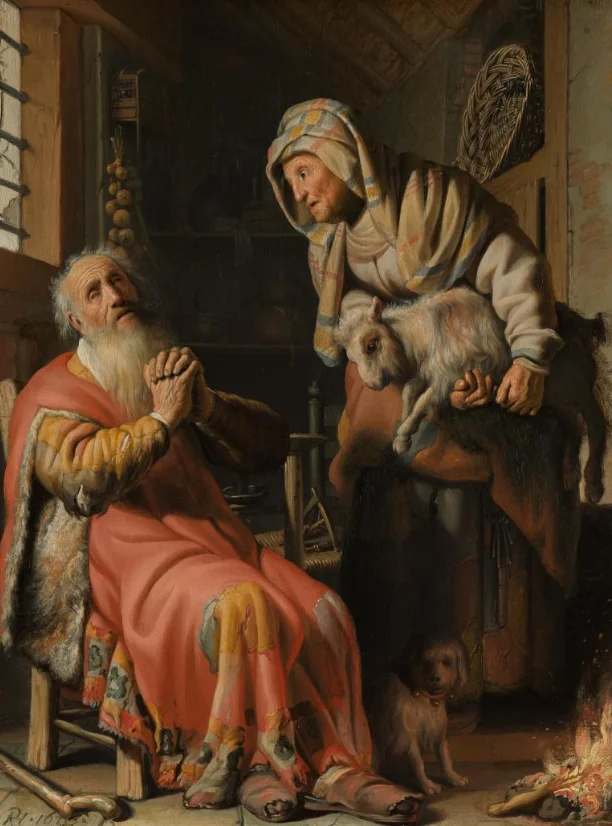
Biblical narratives treat impairment as a site of trial, justice, and faith. The Book of Job uses a righteous sufferer to ask why pain exists. The story gives no physical cure but turns on recognition and patience. In the deuterocanonical Book of Tobit, the head of a household is blinded and falls into poverty. That loss shifts power within the home, raises charges of theft, and forces prayer. The scene is visual and concrete. A goat bleats, and a blind man misreads what he cannot see. Seventeenth-century painters saw the moral weight here and returned to it often. In this literature, mockery is condemned because it denies the order of justice and care. Empathy is not vague kindness. It is the practical duty to feed, heal, and restore.
Disability in Greece before classical theater
Homeric epic and early lyric
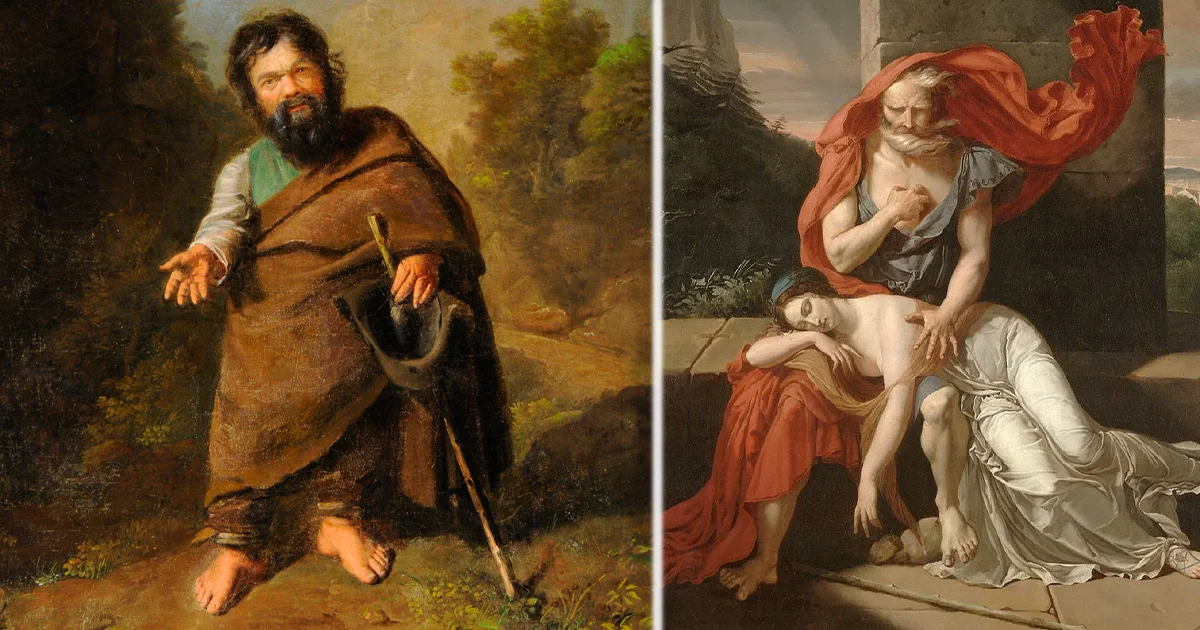
Greek epic uses the body to test honor and to sort insiders from outsiders. Two scenes rule the discussion. In the Iliad, the soldier Thersites is mocked for his bent legs, hunched back, and sharp tongue. He is beaten for speaking out of turn. The scene uses ridicule to protect rank and calm the army. In the Odyssey, the god Hephaestus, who is lame, traps his unfaithful wife and her lover in a bed of chains. The laughter of the gods is not warm. It bites. It marks a craftsman god who has power but also carries a wound that others treat as comic. These episodes show a clear pattern. Physical difference fuels humor when it polices order or levels a boast, and it invites empathy when it shows the cost of pain or exile. Early lyric poetry repeats the split. Abuse poems flip bodies and scars into pointed insults, while laments make the wounded veteran or bereaved parent worthy of care.
Disability and ridicule in classical Greek comedy
Physical gags in Aristophanes
Old Comedy lives on shock, inversion, and body jokes. Aristophanes uses limp walks, potbellies, masks with bulging eyes, and the stutter or lisp as immediate stage signals. The gag lands because the chorus and audience see the target as safe to laugh at. The butt of the joke can be a quack doctor, a politician, or a pompous intellectual. Physical bits are never the whole joke. They underline a flaw in character or policy. In this way, disability language in comedy borrows speed. It is a quick way to set status and throw a punchline. It works because the festival allows harsh speech under a rule of play. Readers today can trace these moments directly in accessible translations of Wasps, Clouds, and Assemblywomen. Those texts make clear that Aristophanes uses the body to anchor his attack on ideas and leaders, not to build a treatise on impairment.
In performance, these gags were visual first. Mask, padded costume, and a rehearsed limp told the joke before the line arrived. A limp can signal cowardice. A squint can signal cluelessness. The pattern is simple and hard. When a comedy needs a fast punch, it raids the body for a sign. Ancient audiences accepted that deal within the bounds of a festival. Today, the same moves show how quickly a culture can turn a difference into a shorthand for blame. The scripts let us see the mechanism, which is useful when we weigh the cost of a laugh.
Stock types and audience reaction
Comedy is full of types. The weak doctor, the old man, the swaggering soldier, the gossiping slave. When a type lines up with an impairment, laughter hits twice. It hits the social role and the body. That is why readers should separate what the joke needs from what the text endorses. Aristophanes will humiliate a loud schemer with a limp not to teach medicine but to strip the schemer of pride. Audience reaction matters. In a packed theater, laughter enforces a line. It makes clear who is in and who is out. For our topic, this is the core rule for humor. It works to police community by using the body as a sign.
Disability and sympathy in classical Greek tragedy
Blindness in Sophocles
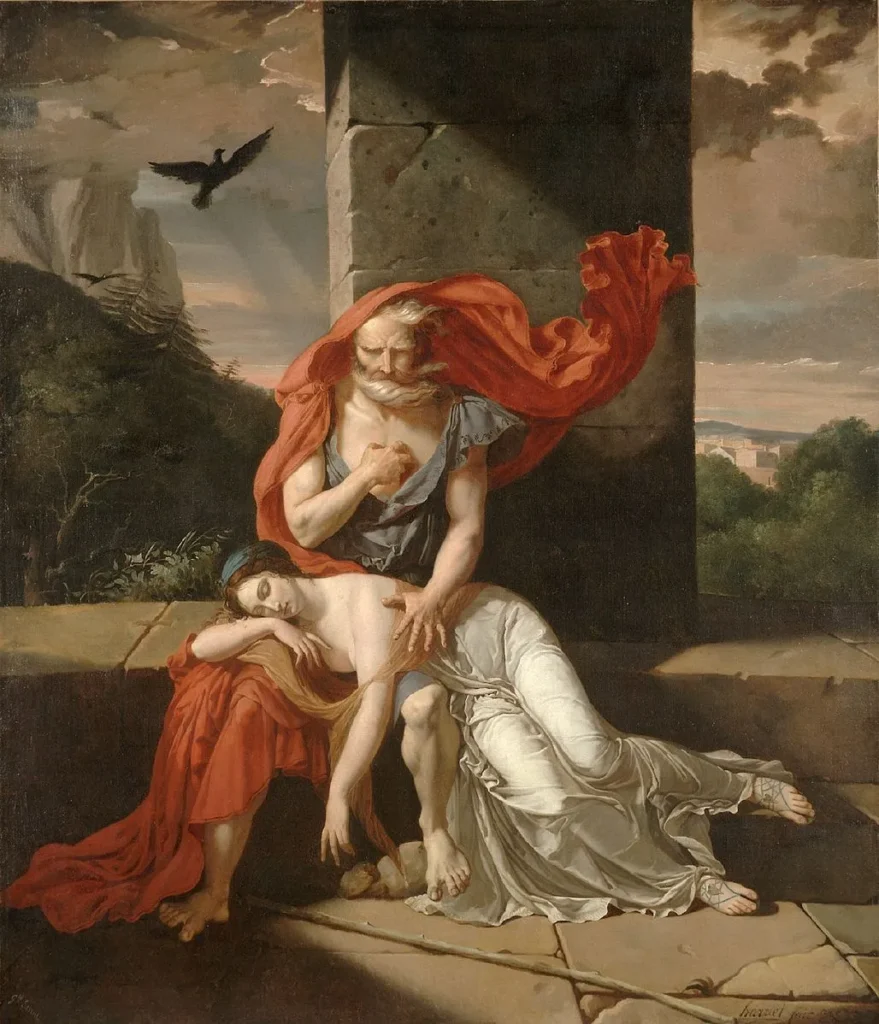
Tragedy works differently. It slows the laugh into a look. Sophocles gives us Oedipus, who blinds himself when he learns the truth about his life. The stage cannot show the act directly, so the play uses messengers and the responses of others to make us imagine it. Blindness becomes a way to ask what a city owes someone who harmed it and then suffered. Later audiences loved this theme and painters returned to the end of Oedipus’ life. The Cleveland Museum of Art holds a powerful neoclassical “Oedipus at Colonus” that works for modern readers as a visual entry point to the pity and respect the old king receives. The image pairs well with reading Sophocles in English. The pairing shows how sight, insight, and care intertwine when a man who once ruled now needs guidance and refuge.
War wounds and civic pity in Aeschylus and Euripides
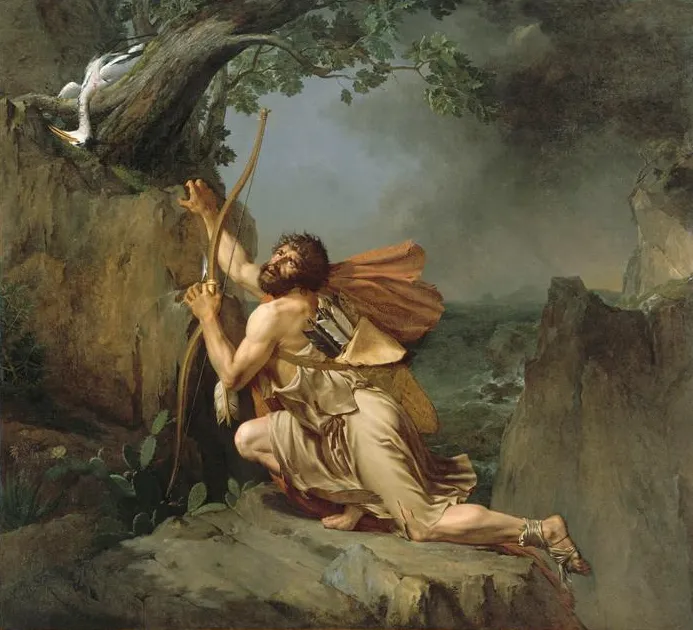
Philoctetes is the clearest tragic case where a wound drives the plot. A poisoned snake bite leaves him in agony and alone. The Greeks need his bow but abandoned him years before. Sophocles’ play forces characters to face what they owe a man they wronged. Pain drives truth. Modern viewers can picture the scene through paintings like the Louvre’s large canvas of Philoctetes on Lemnos, which catches the mix of isolation, anger, and hope. The visual helps a reader grasp what the chorus and messengers describe in the play. Aeschylus and Euripides add variations. Warriors come home with scars, madness, or missing limbs, and the city must give care or face shame. Tragedy uses empathy to show how thin the line is between a strong citizen and a wounded outcast.
Disability in Greek philosophy history and moral writing
Plato Aristotle and ethical framing
Philosophers treat disability as a test of policy and virtue. Plato sometimes uses impairment as a thought experiment to ask who should serve or rule. Aristotle looks at nature and draws lines about care, fitness, and law. He also writes about pity as a proper response when it teaches us to act well. The move from stage to schoolroom has a cost. It flattens the person into a case. We should read with care and ask what the examples are doing. In both writers, the household and the city carry duties that limit cruelty. That duty becomes clearer when you put the arguments next to tragic scenes. Stories root rules in faces. Readers can sample the relevant passages in Plato’s Republic and Aristotle’s Politics and Rhetoric, then weigh how ethical framing can help or harm a living person.
Herodotus Thucydides and lived experience
Greek historians record impairments as facts and as turning points. Thucydides’ account of plague in Athens lists symptoms that include sight loss and lasting weakness. That list matters because it shows how war and disease create disability at scale, not as rare fate but as ordinary risk. Herodotus collects stories where bodies force choices. A limping king still commands. A wounded scout still saves a city. These reports are not sermons. They are cause and effect. A body limits a path, so a policy must adjust. Linking these cases to the theater again, we see a civic conversation in which laughter, pity, and law all push on the same hinge.
Built out of a love for history, kept free from distractions.
Spoken Past is an independent project shaped by curiosity, care, and long hours of research. Reader support helps keep it maintained, carefully researched, and open to everyone.
Disability in Hellenistic poetry epigrams and everyday voices
Short poems from the Hellenistic period and the later Greek Anthology show how ordinary people used humor and empathy to place themselves in a crowd. Beggars speak in their own voice and ask for a coin. Old soldiers describe a limp and a pension. Shopkeepers complain about a bad eye that ruins fine work. Jokes about squints and hunches still appear, but they are often gentle and tied to self-mockery. The compact form forces clarity. A few lines must do the work of a scene, so the poet uses a walking stick, a bandage, or a scar to make a quick picture. Reading these epigrams next to big stage pieces shows continuity. The same cues signal when to laugh and when to help. The difference is scale and register, not aim.
Disability and laughter in Roman literature
Satire invective and mockery
Roman satire prides itself on plain speech. Juvenal and Martial mock physical traits to cut down social climbers, corrupt patrons, and greedy heirs. A scar or a limp becomes a moral sign. The cause is simple. If your body is ugly, your soul must be worse. That false logic gives the poet a weapon that audiences in the arena of patronage understood. Readers today can consult open translations of Juvenal and Martial to see how often a punchline depends on a body part. This is not a Roman invention. It is an old device sharpened by a harsh urban crowd. It shows how comedy’s fast shorthand travels well across time.
Performers freak shows and spectacle
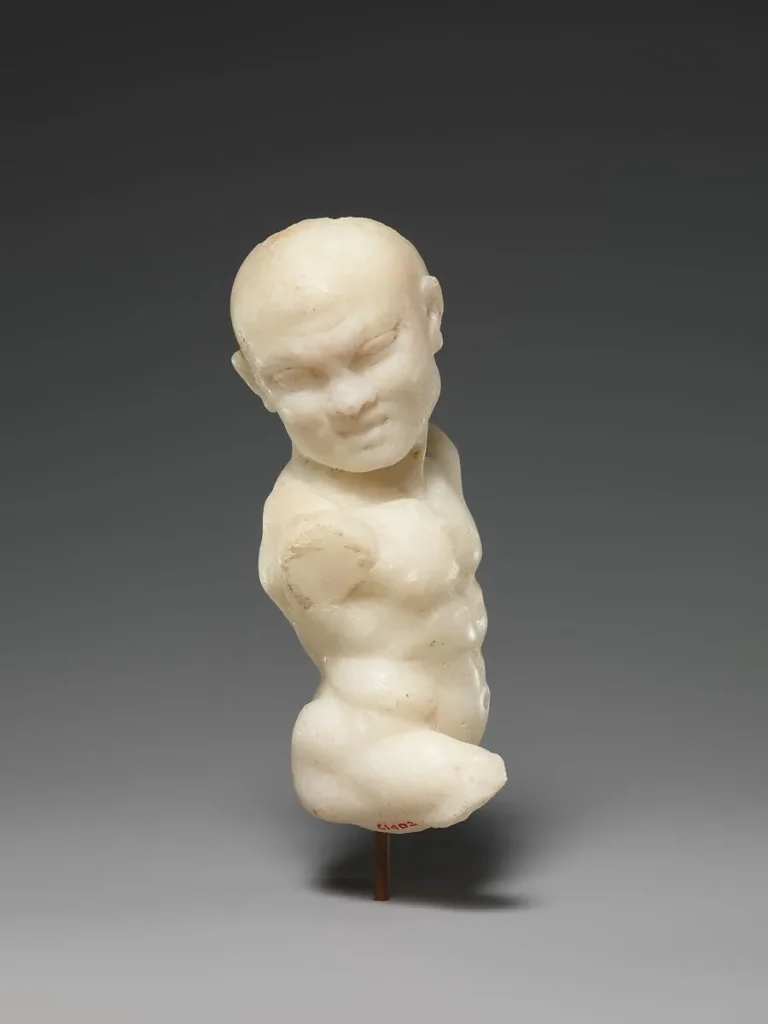
Roman sources also describe and display human difference as entertainment. Household inventories list dwarfs and people with unusual bodies as prized performers. Imperial anecdotes report staged shows that drew crowds because the bodies on stage were rare. The cruelty is open, and the law rarely protects the performers. Yet even within this world, the best writers can turn and show a limit. A good ruler should not delight in humiliation. When a moralist objects to a cruel show, he does so because cruelty makes citizens worse. That argument ties Roman laughter and Roman law together. It clarifies how a culture can hold a taste for harsh jokes and still keep a line it says even a crowd must not cross.
Disability and empathy in Roman literature
Epic elegy and moral example
Roman epic and elegy dwell on wounds and exile. Virgil gives us warriors who carry scars as badges of duty and loss. Ovid’s exile poetry treats the writer’s own social disability, his removal from Rome, as a wound that changes his body and voice. Historians like Livy and Tacitus mark the way injury in battle wins honor and binds citizens to survivors. The steady result is a civic empathy that rewards endurance and service. The cost is that pity is selective. A veteran can win help. A beggar without status risks becoming a joke. Literature shows both paths because it mirrors the forum where reputation sets the price of mercy.
Stoics early Christians and care for the weak
Moralists push empathy beyond honor. Seneca’s letter on slaves tells a master to eat with his servants and to call them friends. He admits the poor treatment he has seen and rejects it. The move is not sentimental. It is rational ethics applied to daily life. Early Christian writers take the next step. They make care for the weak a mark of a just community. Healing stories in the Gospels turn eyes and limbs into signs of release and welcome. The aim is to restore a person to family and work. This literature does not debate diagnosis. It shows change and asks readers to copy it. When we set it next to satire and spectacle, the contrast is stark. The same city that laughs at a limp can learn to teach and tend. That is a useful lesson when we map how humor and empathy fight for space.
Disability in ancient medical writing and storytelling
Hippocratic and Galenic cases in storytelling
Greek and Roman medical writers wrote cases that read like short stories. The Hippocratic corpus lists fevers, swellings, and long recoveries. The writer follows a person day by day and notes the turning point when a cough breaks or a pain moves. Galen argues with other doctors and tells how a diagnosis won the day. These pages are not neutral. They build a world where a body can be read and helped. They also show limits. When medicine could not cure, it could still name and classify. That habit fed both empathy and stigma. A case could win a family’s respect for a doctor who tried. It could also fix a label that followed a person for life. Readers can browse sample Hippocratic histories and Galen’s essays to feel how strongly narrative supports care.
Patterns in disability humor and empathy across cultures
Humor ridicule empathy and power
Across cultures the same engine drives both humor and pity. Laughter regulates status fast. It pushes outsiders down and warns insiders not to step out of line. Empathy regulates duty slow. It asks a city or a household to make room for people whose bodies or minds have changed. Literature shows both because every culture needs both forces. The mix shifts by genre. Comedy condenses and throws. Tragedy pauses and weighs. History records and compares. Philosophy codifies and sets rules. Two stable patterns stand out. First, ridicule sticks to ambition. The person mocked is often a climber, a schemer, or a braggart. Second, empathy sticks to loyalty. The person helped is often a parent, a veteran, or a faithful servant. This is not fate. It is a habit. The more we see it, the better we can question it.
Limits of evidence and translation choices
Our view depends on what survived and how we read it. We have many elite voices and few voices from people who lived with impairment outside court or camp. We also rely on translations that choose words, soften jokes, or sharpen insults. A Greek term for a limp can slide between a medical note and a slur depending on context. A translator must pick, and that choice shapes the line between humor and harm. This article has used open, reliable texts and museum pages so readers can check claims and build their own sense of tone. When we admit the limits, we can still see a clear picture. Ancient literature did not hide disability. It put it on stage, in law, and in argument, and it asked what kind of community a body like mine or yours can sustain.
Frequently Asked Questions
Did ancient people laugh at disability?
Yes, especially in comedy, satire, and invective. Jokes used the body as a quick way to signal folly or blame. The same cultures also produced tragedy and moral writing that asked for care and respect, so laughter and empathy ran side by side.
Which ancient text shows empathy most clearly?
Sophocles’ Philoctetes is a direct case where pain forces others to rethink duty. The play asks how to make things right for a wronged, wounded man and set him back in the community.
Are there positive roles for people of short stature in early sources?
Egyptian images and texts show dwarfs in court, craft, and ritual service with dignity and family life. Museum collections preserve multiple statuettes of high status individuals of short stature.
What does the Book of Tobit add to the picture?
It shows blindness inside a household and the stresses that follow. The story puts daily poverty, suspicion, and prayer on the same stage and ends with healing and restoration.
Is ridicule always harmful in these texts?
Ridicule polices status. It can expose a corrupt leader fast, but it easily slides into harm when it treats a body as proof of guilt. Knowing how the mechanism works helps readers judge each case.
Do medical texts read like literature?
Yes. Hippocratic case histories and Galen’s essays tell stories with characters, turning points, and outcomes. Narrative helps doctors remember facts and helps families understand care.
Where can I read the primary sources in English?
Open, reputable translations of Homer, Sophocles, Aristophanes, Juvenal, and Hippocratic texts are widely available. Major museums host detailed pages for the artworks mentioned.
How did philosophers handle disability?
They used examples to test laws and ethics. Plato and Aristotle can sound cold because they flatten a person into a case, but both also frame duties that limit cruelty within household and city.
Did war and disease change how writers viewed disability?
Yes. Plague narratives and war histories show disability at scale and force practical responses. Tragedy and memorials then translate those responses into empathy and honor.
What is the main takeaway about humor and empathy?
They are not opposites. Humor can police pride, and empathy can correct cruelty. The best ancient works show how a community can do both without losing sight of the person in front of them.
Further reading
- Rijksmuseum, Rembrandt “Tobit and Anna with the Kid” — High-resolution object page and curator text for a key visual of blindness and household stress in Second Temple literature.
- The Metropolitan Museum of Art, Egyptian dwarf statuettes — Authoritative object pages that place court service and family scenes of people of short stature in context with dates, materials, and excavation data.