
Roman fresco painting techniques transformed bare walls into vibrant masterpieces that survived nearly 2,000 years beneath volcanic ash. Ancient Roman artists developed sophisticated methods of applying pigment to wet plaster, creating durable artworks that decorated homes from the humblest dwellings to imperial palaces across the empire. These techniques, perfected between the 2nd century BC and 79 CE, combined chemical knowledge, artistic skill, and architectural understanding to produce paintings whose colors remain brilliant today.
The Buon Fresco Technique
The foundation of Roman fresco painting techniques was the buon fresco method, where pigments were applied directly to freshly laid wet lime plaster. As the plaster dried, a chemical reaction occurred: calcium hydroxide in the plaster absorbed carbon dioxide from the air, forming a crystalline layer of calcium carbonate that permanently bound the pigments to the wall surface. This process, called carbonation, made the paintings exceptionally durable and resistant to moisture.
Roman painters worked in sections called giornate, applying only as much plaster as they could paint before it dried. The plaster remained workable for approximately 8-12 hours depending on humidity and temperature, requiring artists to work quickly and decisively. Mistakes could not be easily corrected once the plaster began setting, demanding exceptional skill and careful planning from master painters.
The multi-layer plaster system consisted of arriccio, a rough base coat made from lime and coarse sand, followed by progressively finer layers. The final intonaco layer used the purest lime mixed with fine sand or marble dust, creating an exceptionally smooth surface for detailed painting. This elaborate preparation ensured paintings adhered permanently to walls while providing an ideal surface for pigment application.
Pigments and Color Preparation
Roman fresco painting techniques relied on a carefully selected palette of mineral and earth pigments that could withstand the alkaline environment of lime plaster. Red and yellow ochres, derived from iron-rich earth, formed the backbone of the Roman color palette alongside carbon blacks from soot or charcoal. These pigments were chemically stable in the high-pH plaster environment and retained their colors through the carbonation process.
More expensive pigments included Egyptian blue, the first synthetic pigment created by heating silica, lime, copper, and alkali to approximately 900°C. This brilliant blue was prized for its intensity and stability, appearing frequently in high-status Roman homes. Green earth pigments containing the mineral celadonite provided natural green tones, while cinnabar, derived from mercury sulfide, produced an intense vermilion red reserved for wealthy patrons due to its high cost.
Artists ground pigments to precise consistencies using stone mortars and pestles, mixing them with water immediately before application. The particle size affected both color intensity and how pigments bonded with the plaster—finer grinding produced more saturated colors but required greater skill to apply evenly. Painters stored prepared pigments in ceramic vessels, protecting them from moisture that could cause clumping or chemical degradation.
The Fresco-Secco Method
While buon fresco formed the foundation of Roman wall painting, artists frequently employed fresco-secco techniques to add details after the plaster dried. This method involved applying pigments mixed with organic binders like egg tempera, animal glue, or plant gums to the dried plaster surface. Fresco-secco allowed artists to use pigments that were chemically incompatible with wet lime plaster, including certain organic dyes and alkali-sensitive minerals.
The secco technique enabled painters to add fine details, highlights, and subtle color gradations that would have been impossible to execute quickly on wet plaster. Organic binders allowed pigments to adhere to the dried calcium carbonate surface, though these additions proved less durable than true fresco work. Many Roman wall paintings show selective loss of secco layers while the underlying fresco work remains intact, revealing the original design beneath later embellishments.
Purple and blue pigments were often applied a secco because the organic binders like indigo were destroyed by the alkaline wet plaster. Analysis of Pompeian frescoes reveals complex layering strategies where artists applied base colors in buon fresco, then returned after drying to add expensive pigments, gold leaf, and intricate decorative details using secco methods.
Encaustic and Wax Finishing
Roman fresco painting techniques sometimes incorporated encaustic methods, applying pigments dissolved in heated beeswax using metal spatulas. This technique, particularly popular for panel paintings and funerary portraits from Fayum, occasionally appeared on walls where artists desired exceptional color saturation and a lustrous surface quality. The wax medium protected pigments from moisture and atmospheric degradation while producing uniquely vibrant colors.
After completing fresco work, painters often applied a thin protective layer of wax to the entire surface, buffing it to a subtle sheen. This wax coating served multiple purposes: it protected the painting from moisture damage, enhanced color saturation by changing how light reflected from the surface, and allowed the use of more expensive but less stable pigments like cinnabar that the wax layer would seal and preserve.
The encaustic technique required maintaining pigment-wax mixtures at precise temperatures—too cool and the wax solidified before application, too hot and it damaged the pigments or failed to adhere properly. Braziers placed near work areas kept tools and pigments at optimal temperatures while artists worked quickly to blend colors before the wax cooled and hardened on the wall surface.
Built out of a love for history, kept free from distractions.
Spoken Past is an independent project shaped by curiosity, care, and long hours of research. Reader support helps keep it maintained, carefully researched, and open to everyone.
The Four Pompeian Styles
Roman fresco painting techniques evolved through four distinct decorative styles, systematically categorized by archaeologist August Mau based on paintings preserved at Pompeii and Herculaneum. The First Style, or Incrustation Style, dominated from 200-80 BC and mimicked expensive marble panels through painted stucco relief, creating three-dimensional effects that transformed modest walls into luxurious stone surfaces.
The Second Style (80-20 BC) revolutionized Roman wall decoration by creating illusionistic architectural scenes through masterful use of perspective. Artists painted columns, windows, and elaborate buildings that appeared to extend wall surfaces into imaginary spaces, opening claustrophobic Roman rooms to painted vistas of gardens, cityscapes, and theatrical architecture. This style required sophisticated understanding of linear perspective and spatial relationships.
The Third Style (20 BC – 20 CE) moved away from architectural illusion toward flat, decorative elegance featuring large panels of solid color adorned with delicate ornamental details. Egyptian themes and mythological vignettes appeared as small central pictures surrounded by elaborate frames, creating gallery-like presentations that emphasized the paintings as artworks rather than architectural illusions.
The Fourth Style (20-79 CE) synthesized elements from all previous styles, combining architectural frameworks, flat color panels, and elaborate mythological scenes in complex, theatrical compositions. This final style, visible in many of Pompeii’s best-preserved homes, represented the culmination of Roman fresco painting techniques with its combination of technical virtuosity and artistic ambition.
Pattern Books and Workshop Practices
Roman painters worked from pattern books containing standardized designs, mythological scenes, and decorative motifs that could be adapted to different spaces and patron requirements. These collections, likely drawn on papyrus or wood panels, allowed workshops to reproduce popular compositions while maintaining consistent quality across multiple commissions. Evidence from Pompeii shows repeated use of certain figure types, architectural elements, and compositional arrangements across different houses.
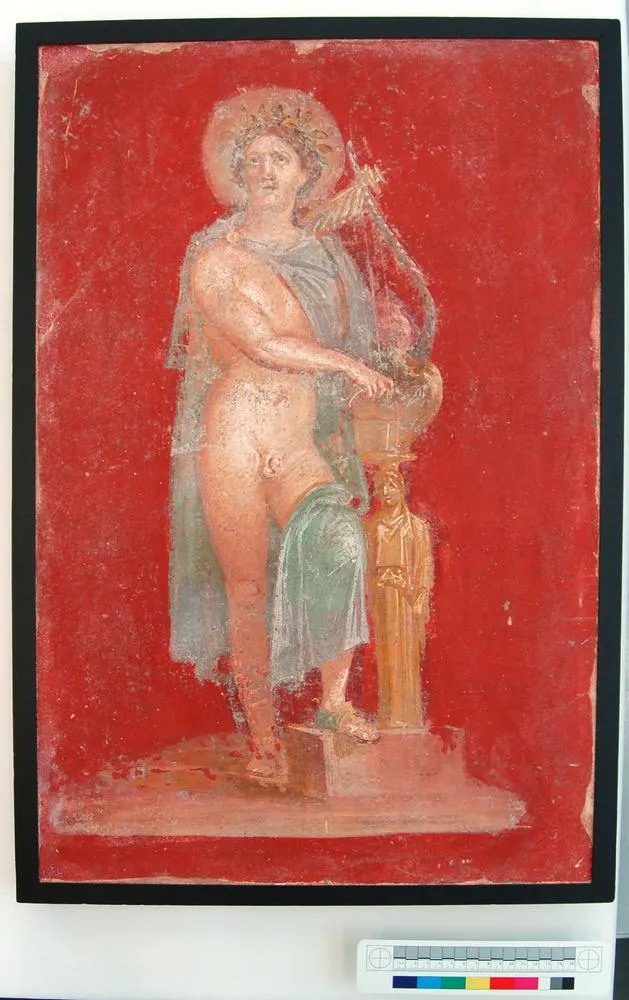
Workshops operated under master painters who supervised teams of assistants responsible for different aspects of production. Apprentices prepared walls and mixed plasters, journeymen executed architectural frameworks and decorative borders, while masters painted figures and complex mythological narratives requiring artistic skill and iconographic knowledge. This hierarchical system enabled rapid completion of large commissions while maintaining quality standards.
Preliminary drawings, called sinopia, were sketched directly onto the arriccio layer before applying the final intonaco. These red ochre underdrawings guided composition and ensured proper proportions, though they disappeared beneath the final plaster layers. In some cases, artists incised outlines into wet plaster using metal styluses, creating shallow grooves that guided brush placement for figures and architectural details.
Tools and Materials
Roman fresco painting techniques required specialized tools crafted specifically for working with wet plaster and mineral pigments. Brushes made from animal hair—particularly pig bristles and squirrel fur—came in various sizes for different applications, from broad washes covering large areas to fine detail work on facial features and ornamental patterns. The alkaline plaster environment was harsh on organic brushes, requiring frequent replacement.
Metal spatulas and trowels smoothed plaster layers and created crisp edges for architectural elements and geometric borders. Compasses and straightedges ensured accurate perspective construction in architectural illusionism, while strings dipped in pigment were snapped against walls to create guidelines for horizontal and vertical elements. These simple tools, combined with extraordinary skill, enabled Roman painters to create mathematically precise architectural scenes.
Scaffolding systems allowed painters to work on high walls and ceilings, leaving characteristic marks where planks rested against completed sections. Archaeological analysis reveals how painters worked from top to bottom to prevent drips from marring finished areas, adjusting their techniques based on the physical constraints of each space.
Preservation and Durability
The chemical stability of properly executed Roman fresco painting techniques explains why colors remain vivid after two millennia. The crystalline calcium carbonate layer that forms during carbonation creates a translucent surface that protects pigments while allowing light to penetrate and reflect back through the color layer, producing remarkable luminosity. This natural protective coating proved more durable than any artificial varnish or sealant.
Roman painters understood empirically what modern chemistry confirms: certain pigments bonded permanently with lime plaster while others required different application methods. This knowledge, passed through workshop traditions rather than written treatises, represented centuries of accumulated technical expertise about material compatibility and longevity. The survival of Pompeian frescoes validates the effectiveness of these ancient techniques.
The eruption of Mount Vesuvius in 79 CE created unique preservation conditions where volcanic ash sealed paintings in an oxygen-depleted environment that prevented biological and chemical degradation. When excavations began in the 18th century, frescoes emerged with colors so fresh that early archaeologists believed them to be Renaissance forgeries rather than authentic Roman work.
FAQ
What is the difference between fresco and secco painting techniques?
Fresco painting applies pigments to wet lime plaster, causing permanent chemical bonding through carbonation as the plaster dries. Secco painting applies pigments mixed with organic binders to already-dried plaster surfaces. Roman fresco painting techniques typically combined both methods, using buon fresco for base layers and durable colors while adding details and expensive pigments a secco after the plaster dried completely.
How long did Roman fresco painters have to work on wet plaster?
Roman painters could work on wet plaster for approximately 8-12 hours before carbonation made the surface too dry to accept pigments properly. This time constraint required careful planning and rapid execution, with artists applying only as much fresh plaster as they could paint in a single work session. Temperature and humidity affected drying times significantly.
What colors could Romans create with fresco painting techniques?
Romans achieved reds and yellows using iron-rich ochres, blacks from carbon sources, whites from lime, greens from celadonite minerals, and blues from Egyptian blue synthetic pigment. Expensive cinnabar provided brilliant red, while certain purple and organic blue pigments required fresco-secco application. The alkaline plaster environment limited color choices to chemically stable mineral pigments for true fresco work.
Why do Pompeii frescoes look so fresh after 2,000 years?
Pompeii frescoes remain vivid because properly executed Roman fresco painting techniques create crystalline calcium carbonate that permanently encases pigments. The volcanic ash from Vesuvius sealed paintings in oxygen-depleted conditions preventing deterioration. The buon fresco method’s chemical bonding proved more durable than any artificial coating, protecting colors through millennia of burial.